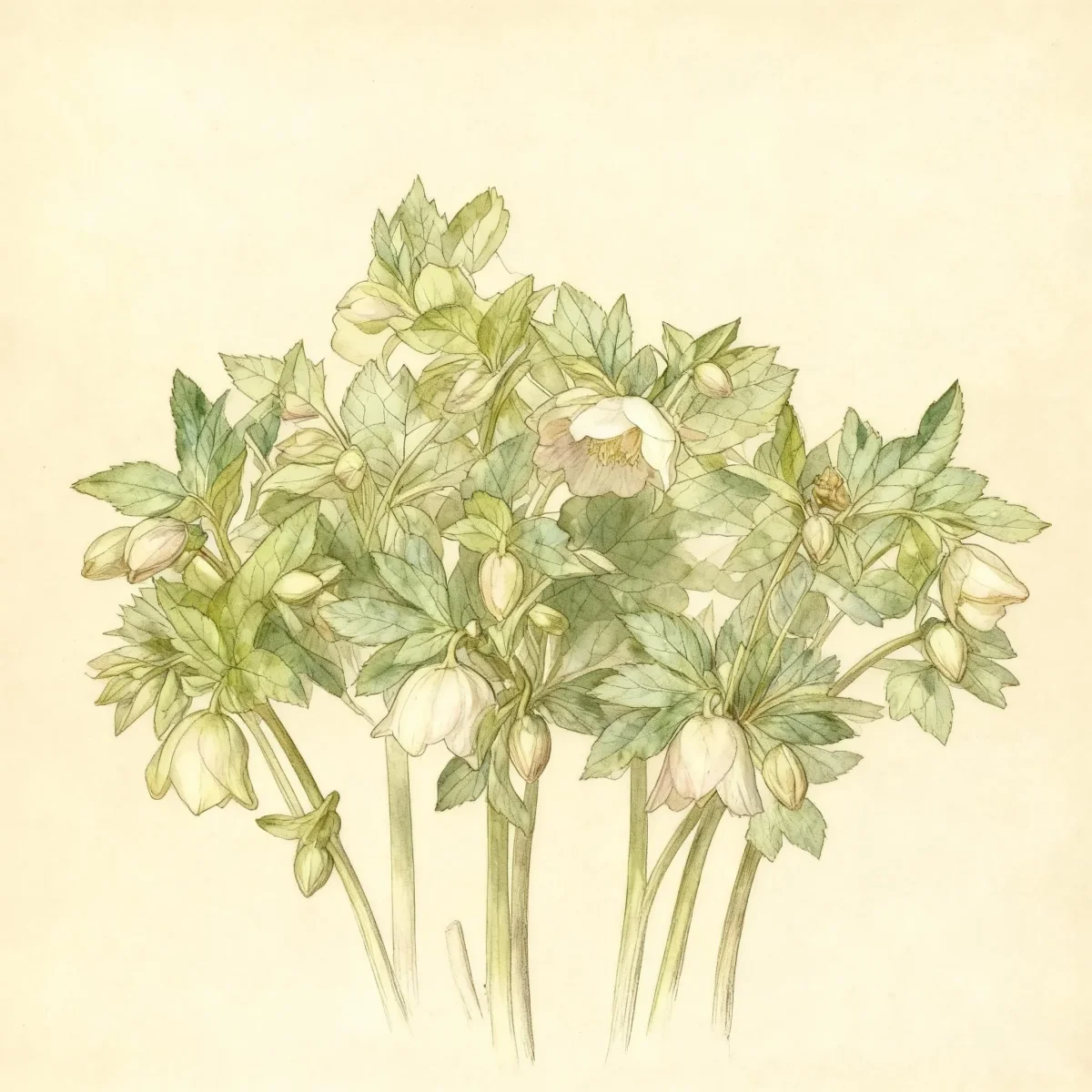
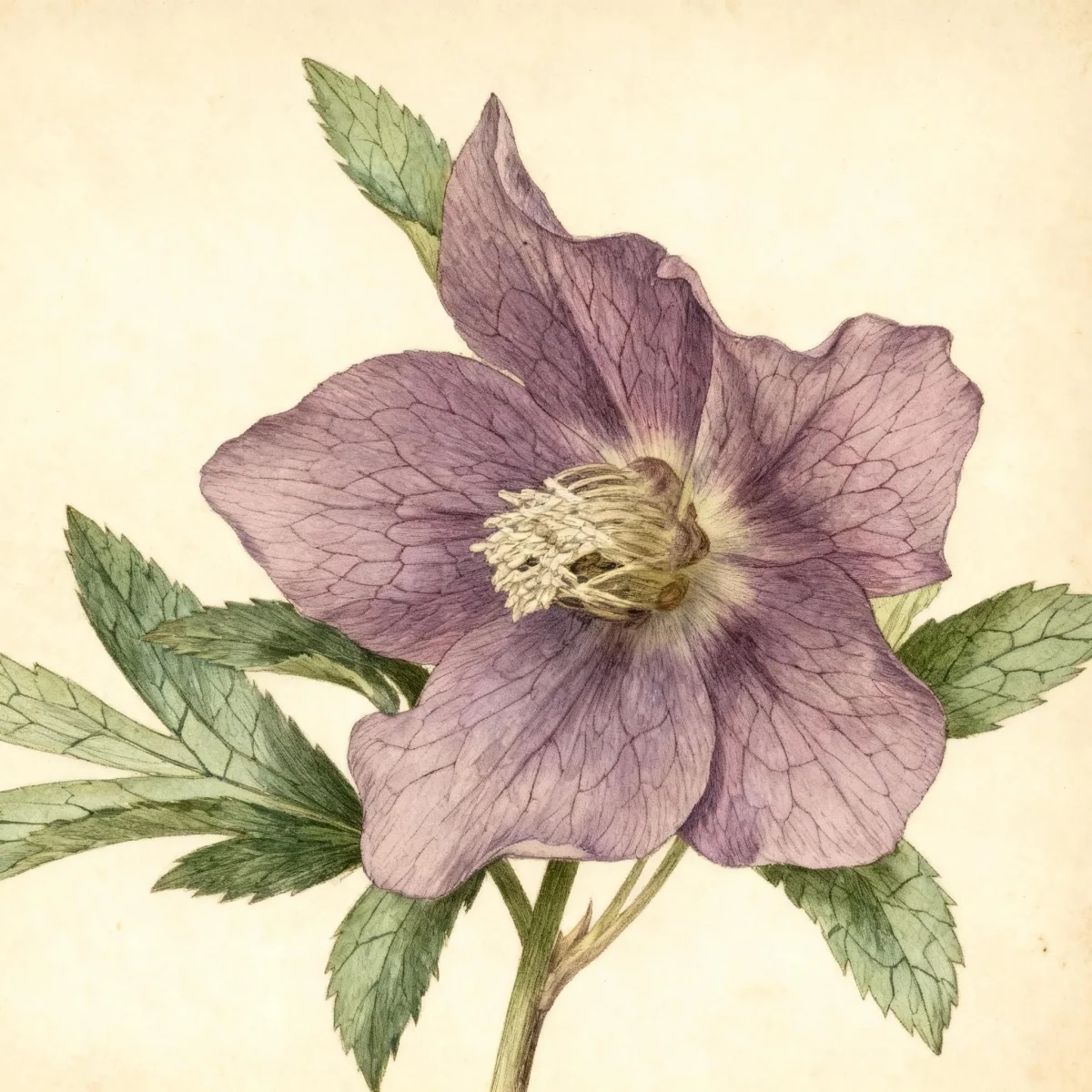
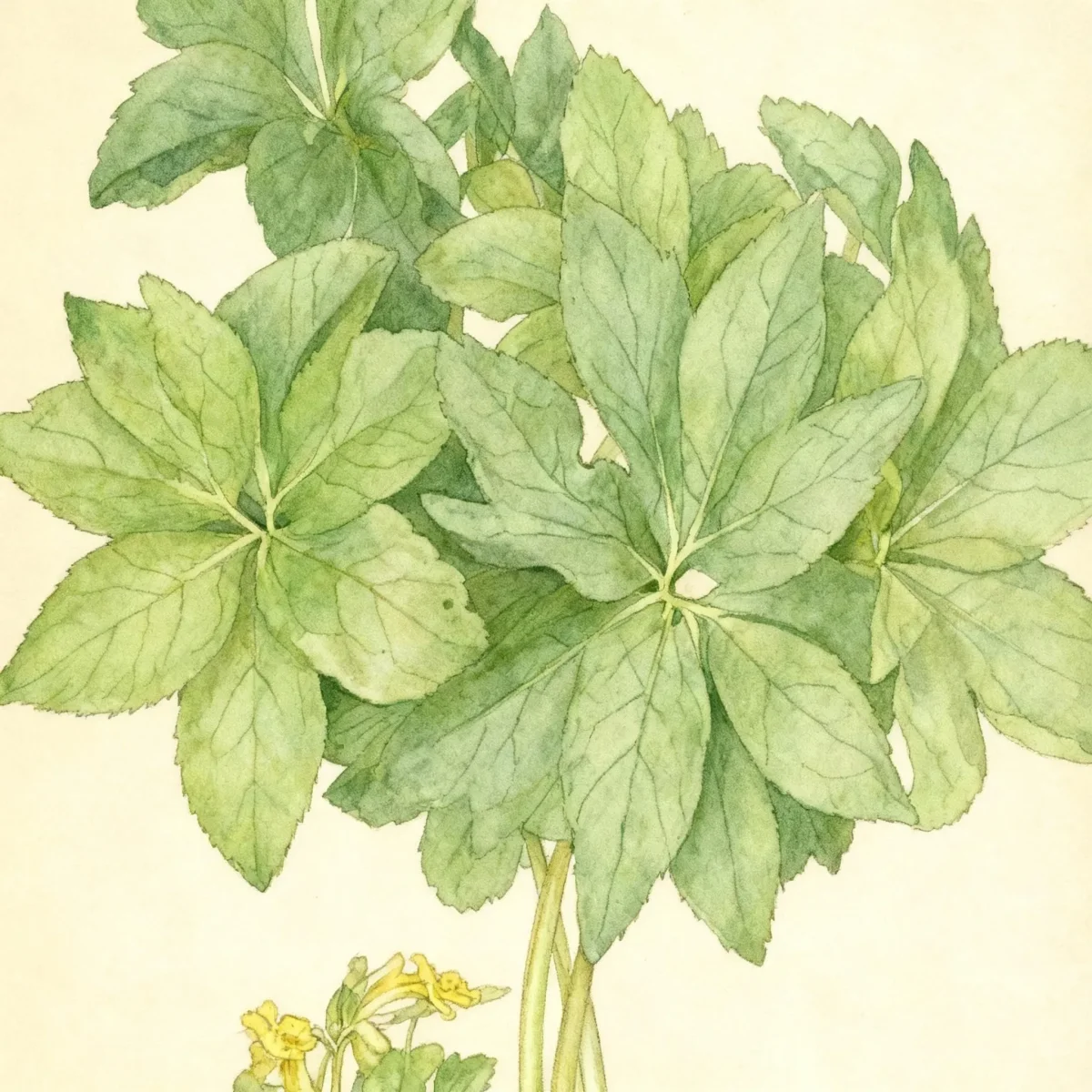
Hellebore (Helleborus × hybridus 'Pink Lady')
Enjoy the early spring color of Helleborus × hybridus 'Pink Lady', a low-maintenance Hellebore prized for pink winter blooms and evergreen foliage.
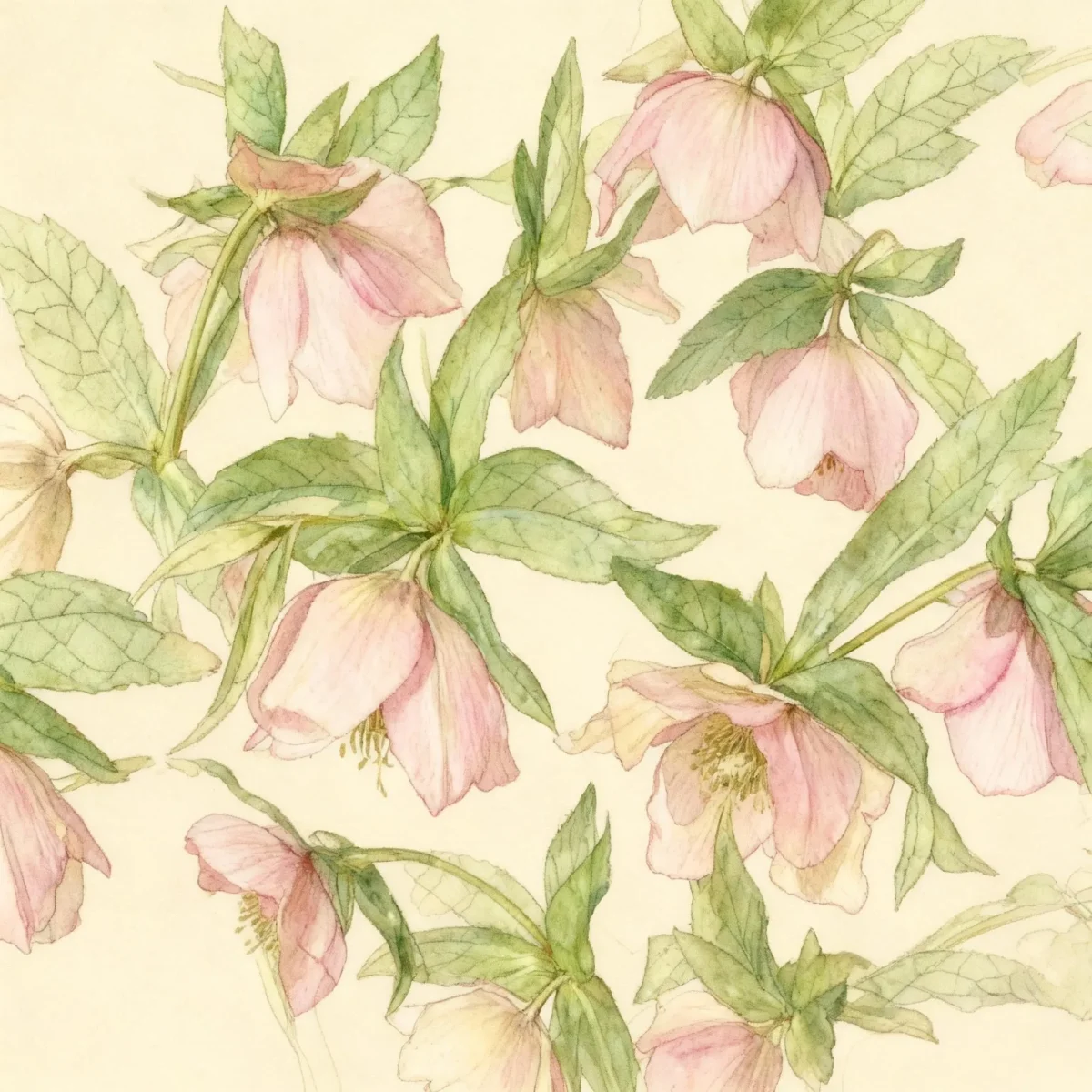

Bloom Boldly, No Matter the Season - Sweatshirt
Cozy organic cotton sweatshirt featuring our exclusive Purple Coneflower design. Perfect for gardeners who bloom year-round.
Inspired by the beautiful Hellebore
Limited first batch (50) — join the waitlist for early access
Waitlist closes Feb 15, 2026.
Complete Plant Information
Field Guide Continues
Ready for care notes, companion picks, and planting tips?
The map is just the start. The full guide below covers growth habits, seasonal performance, and landscape uses.
Overview
The Helleborus × hybridus ‘Pink Lady’ is a spectacular herbaceous perennial, offering vital color when most of the garden remains dormant. As a type of Hellebore, commonly known as the Lenten rose, this cultivar provides gardeners with deep green, glossy evergreen foliage that looks excellent year-round. Its main attraction is the parade of cup-shaped, pink flowers that begin appearing in late winter, truly heralding the transition toward spring.
This hybrid Hellebore excels in shady environments where many other flowering plants struggle. It is celebrated for its reliably low maintenance and its ability to form attractive, dense clumps over time. Siting Helleborus × hybridus ‘Pink Lady’ near a walkway or patio ensures these early blooms—a true harbinger of spring—can be appreciated up close.
Known for its resilience, this Hellebore selection is tough enough for USDA Zones 4 through 9. Gardeners seeking dependable structure, year-round interest, and beautiful pink flowers that last for extended periods will find Helleborus × hybridus ‘Pink Lady’ an indispensable addition to the woodland or shade garden.
Fast Facts
- Plant Family: Ranunculaceae
- Plant Type: Herbaceous perennial
- Hardiness Zones: USDA Zones 4-9
- Size at Maturity:
- Height: 1-1.5 ft
- Spread: 1-1.5 ft
- Bloom Time: March to May
- Bloom Description: Pink
- Sun Exposure: Part shade to full shade
- Water Needs: Medium
- Maintenance Level: Low
How to Grow
The foundation for success with your Hellebore is soil preparation. Plant Helleborus × hybridus ‘Pink Lady’ in locations offering part shade to full shade, avoiding harsh afternoon sun which can scorch the evergreen leaves. They thrive in organically rich, fertile, humusy, alkaline, medium moisture, well-drained soils. Planting should ideally take place in fall, allowing the roots to settle before the next growing season.
Ongoing care for this low-maintenance perennial is simple. While established plants are somewhat drought-tolerant, maintain medium moisture levels, especially during dry spells. Water deeply rather than frequently. Fertilization is rarely necessary in rich garden soil; however, a light top-dressing of compost in early spring can boost vigor.
For aesthetic maintenance, cut back the old flowering stems immediately after they finish blooming to encourage fresh leaf development. Be aware that if your winters are extremely harsh, the foliage may appear scorched or tattered unless the plant is sited where it is protected from severe winter winds or insulated by snow cover. Established clumps can be divided in late summer to early fall if they become overcrowded, though plants grown from seed may take two years to produce their first flowers.
Landscape Uses
The primary recommendation for Helleborus × hybridus ‘Pink Lady’ is to utilize its early bloom and evergreen nature for long-lasting interest. This Hellebore is perfect for naturalizing under the canopy of established trees or within woodland garden settings where it can slowly spread for cohesive groundcover. Grouping plants creates significant visual impact when the flowers appear in late winter.
Because the Hellebore blooms so early, place it strategically near high-traffic areas like patios, pathways, or views from kitchen windows. This allows you to fully enjoy the unique timing of the pink flowers before deciduous trees leaf out and create deeper shade. It serves as an excellent structural element when paired with later-blooming shade lovers.
Consider mixing Helleborus × hybridus ‘Pink Lady’ with spring ephemerals like snowdrops or scilla, which will flower before the Hellebore fades but share similar cultural needs. Its tolerance for heavy shade makes it invaluable for filling in dark spots while providing dependable, year-round structure thanks to its attractive, leathery foliage.
Standout Features
Flower Qualities
- Showy
Noteworthy Characteristics
Hybrid hellebores, sometimes commonly called hybrid Lenten roses or hybrid winter roses, are bushy, clump-forming perennials which typically grow to 12-15” tall. They are noted for producing single, cup-shaped flowers (typically 2-3” diameter) with five showy, usually overlapping petals (technically sepals), but sometimes come in a double flowered form. Flowers bloom in a large variety of colors, including various shades and tints of white, pink, red, purple, and yellow, and sometimes have inside spotting. Bloom typically commences in mid to late winter extending into early spring. Flowers appear at the tips of branched stems clad with evergreen dark green leaves which are divided into glossy, leathery, deeply-lobed, often toothed, lanceolate to elliptic segments. ‘Pink Lady’ is one of a number of seed strain hybrid hellebores (known as the Lady Series) developed by Gisela Schmiemann of Cologne, Germany. It is a bushy, clump-forming perennial that typically grows to 12-15” tall and is noted for its glossy, leathery, evergreen, dark green leaves and its late winter to early spring bloom of pink and rose flowers. Evergreen leaves are deeply lobed and divided into 7-10, narrow, lance-shaped to elliptic, usually-toothed segments. Cup-shaped, pink flowers (to 2-3” diameter) with overlapping petals bloom at the tips of leafy stems from late winter to mid-spring (March to May in St. Louis).
Tolerances
- Deer
- Heavy Shade
Potential Problems
Hellebores, including the Helleborus × hybridus ‘Pink Lady’, are generally robust plants without significant insect or disease pressures. However, gardeners should watch for occasional issues such as crown rot, especially if drainage is poor, or leaf spot diseases.
To mitigate these concerns, ensure you adhere strictly to the requirement for well-drained soil; soggy roots are the fastest way to invite crown rot. Good air circulation, which is often naturally provided in woodland settings, also helps prevent foliar diseases like leaf spot.
One critical safety note is that all parts of the Hellebore plant—the leaves, stems, and roots—are poisonous if ingested. Exercise caution when working with the plants, especially if children or pets are present in the garden area.
Frequently Asked Questions
What hardiness zones is Hellebore suitable for?
Helleborus × hybridus ‘Pink Lady’ is reliably hardy across USDA Zones 4 through 9.
How large does Hellebore grow?
This perennial typically matures to a height and spread between 1 and 1.5 feet tall and wide, forming a neat clump.
What sun exposure does Helleborus × hybridus ‘Pink Lady’ need?
For the best performance and to protect its evergreen foliage, this plant prefers part shade to full shade conditions.
When does Hellebore bloom?
Helleborus × hybridus ‘Pink Lady’ flowers appear from March to May, displaying beautiful pink coloration.
Conclusion
The Helleborus × hybridus ‘Pink Lady’ stands out as a premier choice for adding sophisticated color and structure to shady garden areas. Its low maintenance requirements, coupled with the stunning pink blooms appearing long before spring officially arrives, make the Hellebore an unparalleled performer. Before planting, confirm that your chosen location provides the necessary protection from harsh sun and offers fertile, well-drained soil appropriate for USDA Zones 4-9.
Companion Planting in Shade
When designing a perennial border for the shade, companion plants that share the cultural needs of Helleborus × hybridus ‘Pink Lady’ are ideal. Hostas provide excellent textural contrast to the glossy, deeply lobed leaves of the Hellebore, especially later in the season when the Hellebore’s bloom is finished. Ferns, such as Japanese Painted Fern or Autumn Fern, complement the woodland aesthetic perfectly while thriving in the same part shade to full shade locations.
Look to other acid-loving, shade-tolerant plants like Rhododendrons or Azaleas for taller background structure. For groundcover that offers complementary early spring interest, consider Muscari or Scilla, which naturalize well alongside the Hellebore clumps and will emerge before the Hellebore’s foliage fully develops its post-bloom vigor. Utilizing these companions ensures continuous visual interest throughout the growing year in dimly lit spaces.
Seasonal Care Calendar
Caring for your Hellebore follows predictable seasonal rhythms that support its evergreen nature. In late winter (January/February), prune back old, tattered foliage just before the new flower stems emerge to ensure the pink blooms are displayed clearly. Apply a light layer of compost around the base in early spring to feed lightly and retain consistent medium moisture.
As the bloom period concludes in late spring (May/June), utilize the recommended practice of shearing off the spent flower stems to encourage robust, fresh leaf production throughout the summer months. During summer heat, ensure consistent watering if rainfall is scarce, remembering that while the Hellebore is tough, it needs medium moisture to prevent leaf scorch. Winter preparation involves little more than ensuring the area is protected from drying winter winds if possible, as the plant handles cold temperatures quite well in Zones 4-9.