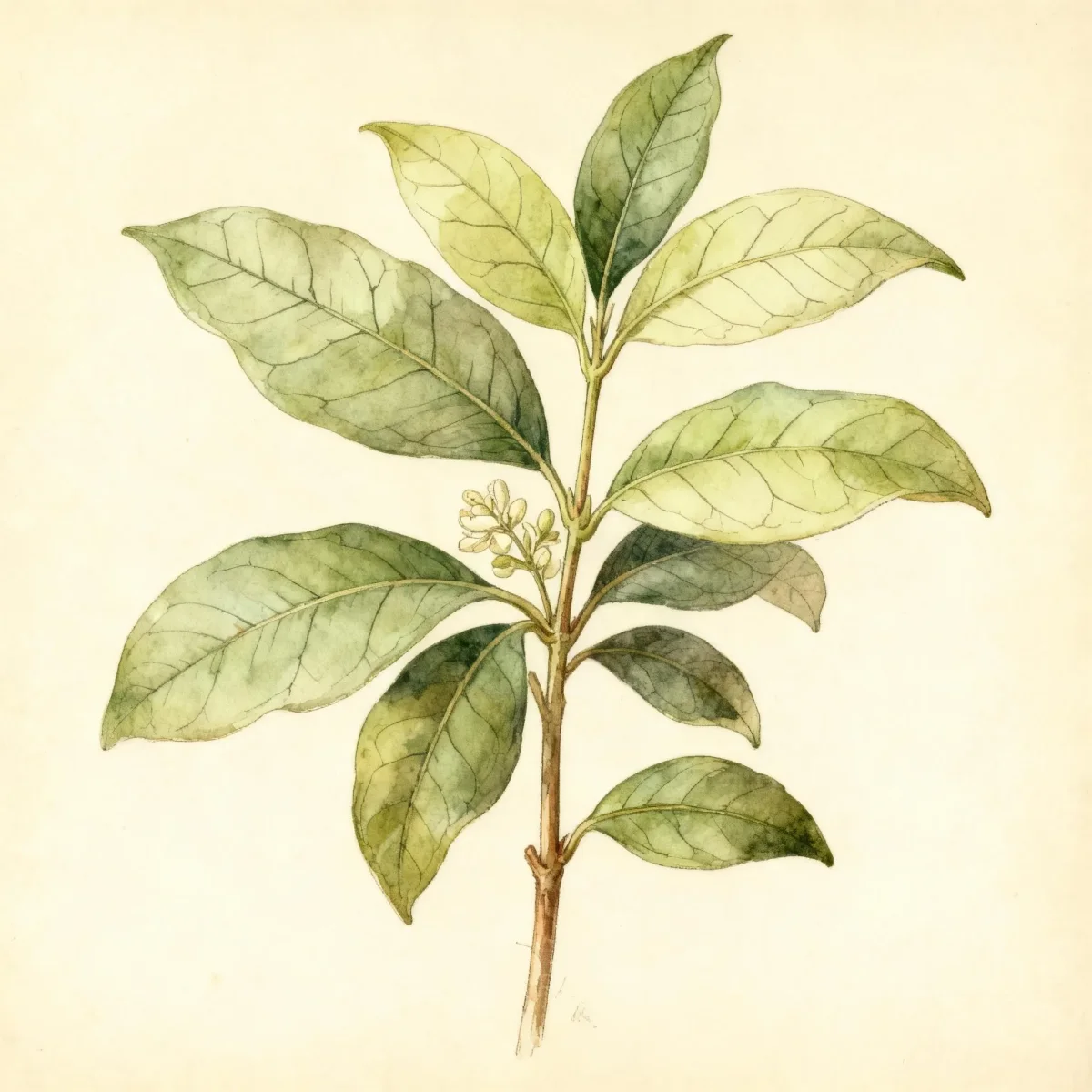
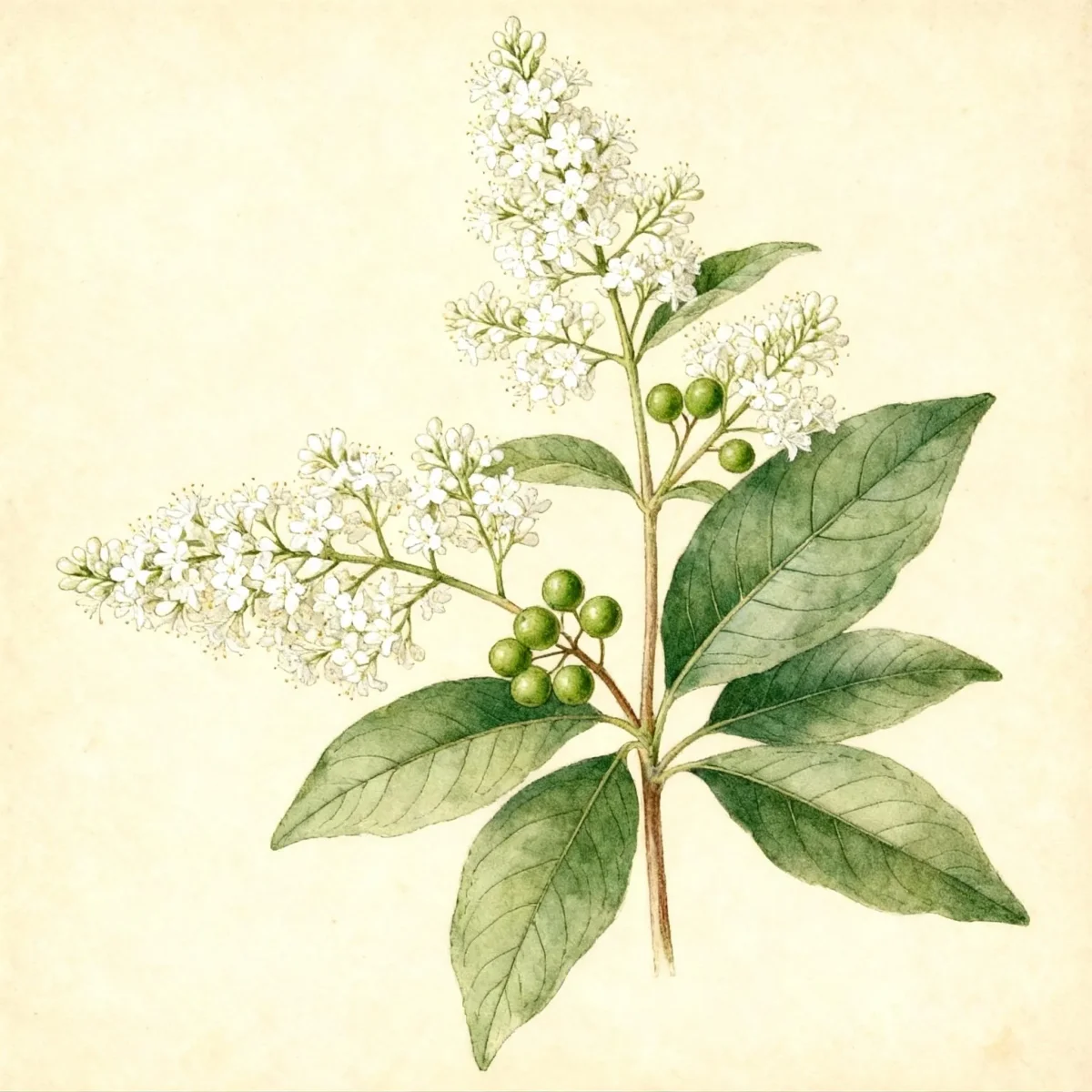
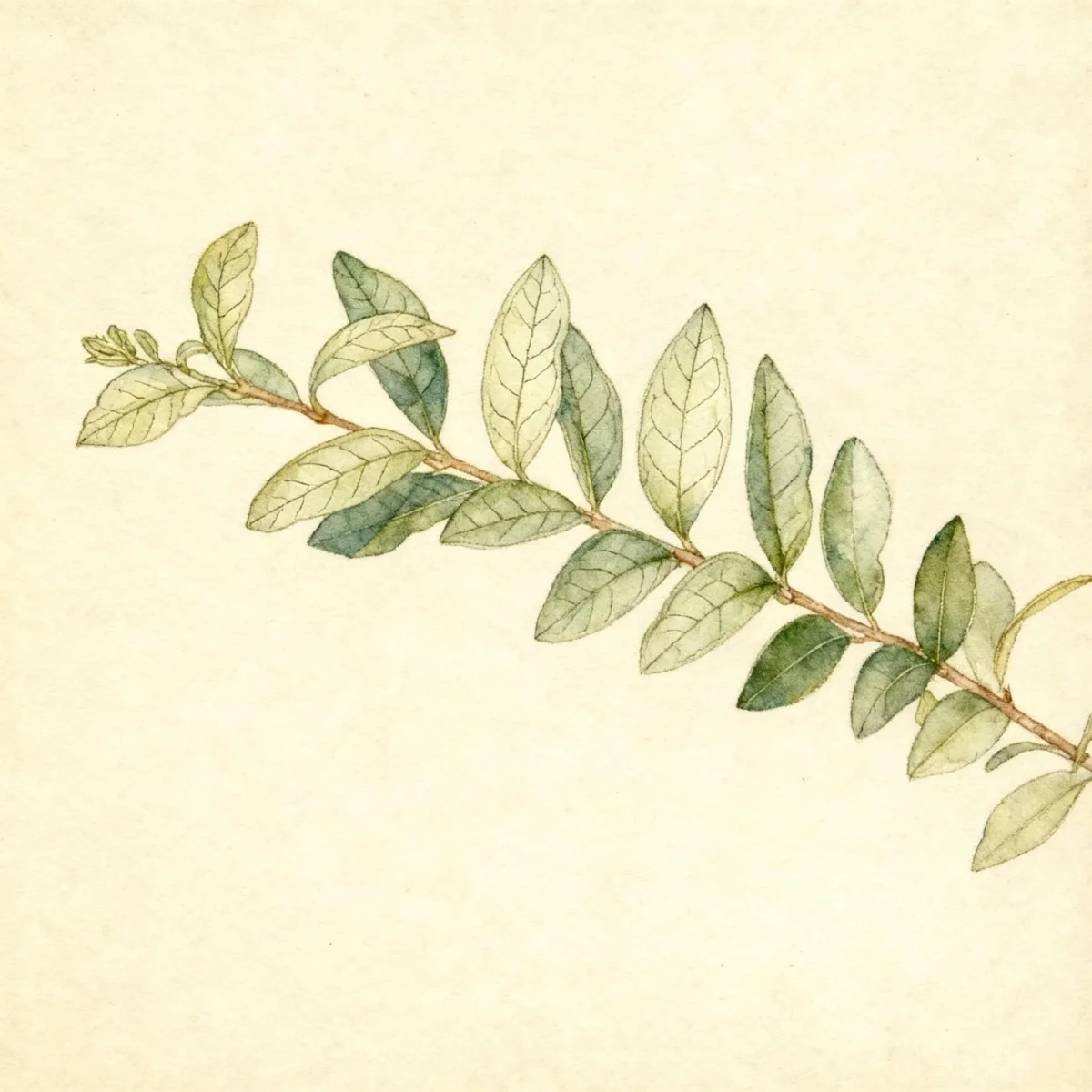
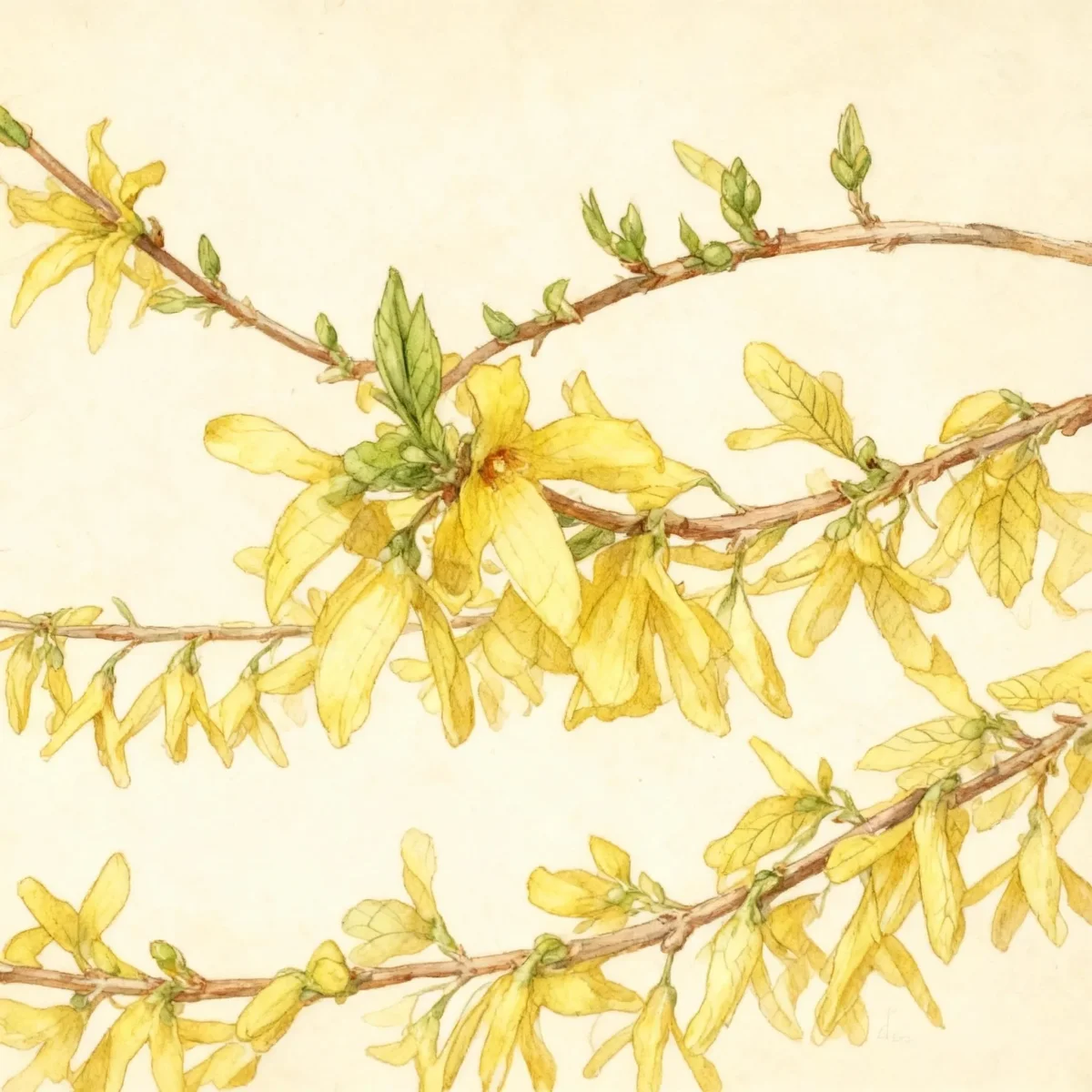
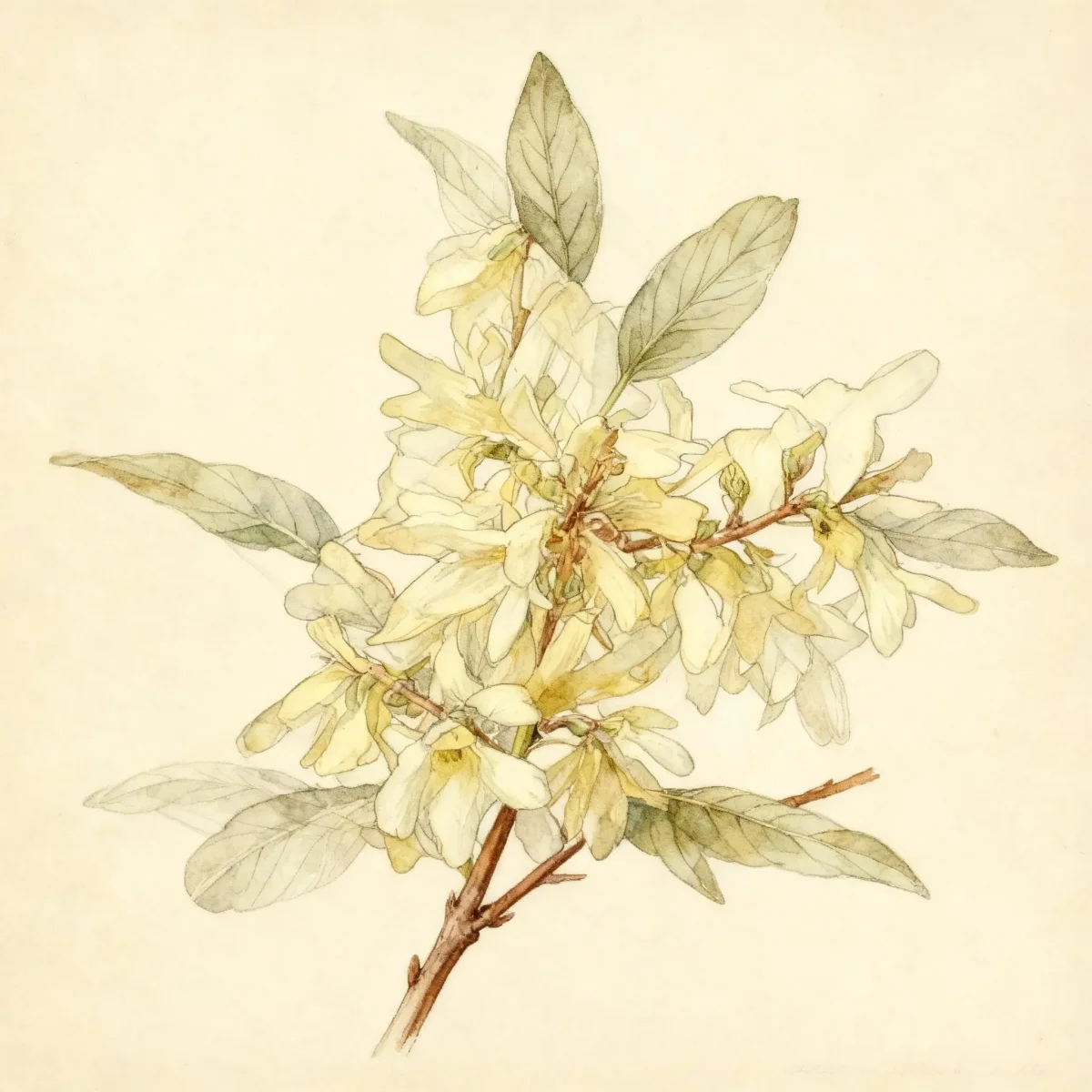
Golden privet (Ligustrum 'Vicaryi')
Brighten your landscape with Golden privet (Ligustrum 'Vicaryi'), a deciduous shrub known for stunning yellow foliage and fragrant white flowers.

Bloom Boldly, No Matter the Season - Sweatshirt
Cozy organic cotton sweatshirt featuring our exclusive Purple Coneflower design. Perfect for gardeners who bloom year-round.
Inspired by the beautiful Golden privet
Limited first batch (50) — join the waitlist for early access
Waitlist closes Feb 15, 2026.
Complete Plant Information
Field Guide Continues
Ready for care notes, companion picks, and planting tips?
The map is just the start. The full guide below covers growth habits, seasonal performance, and landscape uses.
Overview
Golden privet, scientifically known as Ligustrum ‘Vicaryi’, is a highly valuable ornamental shrub celebrated for its striking, long-lasting golden-yellow foliage. This deciduous hybrid brings essential brightness to the garden, offering year-round visual interest even after leaf drop, due to its slightly persistent nature in milder climates. Ligustrum ‘Vicaryi’ forms a multi-stemmed, vase-shaped structure that matures into a robust screen or specimen accent.
Beyond its vibrant leaves, this variety produces panicles of aromatic, dull white flowers in late spring, which are noted for being fragrant and attractive to beneficial pollinators like bees and butterflies. While it can be sheared, regular pruning is discouraged as it negatively impacts the prized yellow color. Gardeners appreciate the low maintenance required by Ligustrum ‘Vicaryi’ once established.
Originating from a cross between Ligustrum ovalifolium ‘Aureum’ and L. Vulgare, this golden privet offers a fast-growing solution for structure while tolerating various soil conditions. It serves exceptionally well as a bold specimen plant or as an informal, unclipped hedge, injecting reliable color into the landscape scheme.
Fast Facts
- Plant Family: Oleaceae
- Plant Type: Deciduous shrub
- Hardiness Zones: USDA Zones 5-8
- Size at Maturity:
- Height: 6-12 ft
- Spread: 7-10 ft
- Bloom Time: May
- Bloom Description: White
- Sun Exposure: Full sun to part shade
- Water Needs: Dry to medium
- Maintenance Level: Low
How to Grow
The best time to establish Ligustrum ‘Vicaryi’ is during the spring or fall when temperatures are moderate, allowing root systems to establish before extreme heat or cold. This shrub excels in average soils, provided they are well-drained, though it tolerates a wide range of soil types. Optimal soil moisture ranges from dry to medium, making it relatively drought-tolerant once established.
For the most intense golden yellow foliage color, ensure planting in a location receiving full sun exposure. While it tolerates part shade, areas with less light will result in greener leaves, diminishing the primary ornamental appeal of this golden privet. Minimal fertility is usually required; avoid over-fertilizing, which can promote excessive soft growth susceptible to pests or diseases.
Watering should be consistent during the first growing season to encourage deep rooting. After establishment, supplemental water is only necessary during prolonged dry spells, reflecting its dry to medium water needs. Pruning needs are minimal unless shaping for an informal screen; avoid hard shearing, as the species performs best when allowed a natural outline to showcase its foliage quality.
Landscape Uses
Ligustrum ‘Vicaryi’ is highly versatile, making it an excellent choice for specimen planting where its bright color can serve as a focal point. Its robust size, reaching up to 12 feet tall and 10 feet wide, makes it an ideal candidate for creating informal (unclipped) hedges or property screens, providing density and year-round interest.
This golden privet works wonderfully in shrub borders, providing high-contrast pops of yellow against deeper green evergreens or dark-leafed companions. Its moderate growth rate means it quickly fills space, lending itself well to mixed borders that require structure and seasonal variation. Consider planting near entryways or along walkways where its daytime color can be fully appreciated.
Standout Features
Flower Qualities
- Showy
- Fragrant
Fruit Qualities
- Showy
Noteworthy Characteristics
Ligustrum is a genus of about 50 species of deciduous, semi-evergreen and evergreen shrubs from Europe, North Africa, the Himalayas, Southwest and East Asia, and Australia. Many work well for hedges but some have become invasive in parts of the U.S.Genus name comes from the Latin word for privet. ‘Vicaryi’, commonly knows as golden privet, is a hybrid of garden origin resulting from a cross between Ligustrum ovalifolium ‘Aureum’ and L. Vulgare. It is a multi-stemmed, deciduous shrub with a vase-shaped habit which grows somewhat rapidly to 6-12’ tall, featuring golden yellow leaves and panicles of aromatic, dull white flowers in late spring that attract pollinators.
Tolerances
- Drought
Potential Problems
Ligustrum ‘Vicaryi’ generally exhibits low susceptibility to serious insect or disease issues, contributing to its low maintenance reputation. The most significant cultural consideration involves pruning: regular shearing impairs the quality of the bright yellow foliage color dramatically, causing the shrub to appear duller or greener. Therefore, this shrub probably makes a better specimen than a tightly clipped hedge where maintaining peak color is desired.
If pruning is necessary, perform it lightly immediately after flowering to maintain shape without sacrificing the season’s best foliage display. Monitor for common garden pests, although serious infestations are rare for this resilient cultivar.
Frequently Asked Questions
What hardiness zones is Golden privet suitable for?
The hardiness zone range for Ligustrum ‘Vicaryi’ spans from USDA Zones 5 through 8.
How large does Ligustrum ‘Vicaryi’ grow?
This deciduous shrub typically matures to a height between 6 and 12 feet, with a spread ranging from 7 to 10 feet wide.
What sun exposure does Golden privet need?
For the best possible golden foliage color, plant Ligustrum ‘Vicaryi’ where it receives full sun. It can tolerate partial shade but the leaves will revert toward green hues.
When does Golden privet bloom?
The bloom time for Ligustrum ‘Vicaryi’ is typically in May, producing fragrant white flowers.
Conclusion
The striking foliage color and ease of care solidify Golden privet (Ligustrum ‘Vicaryi’) as an excellent structural plant for low-maintenance landscapes. Its drought tolerance and adaptability to various soils make it a dependable feature. Before planting, confirm that your site falls within USDA Zones 5-8 and plan to place it in full sun to maximize its stunning yellow display.
Wildlife Benefits
The late spring fragrant flowers of Ligustrum ‘Vicaryi’ offer an attractive nectar source for local pollinators. Gardeners report that these white blooms are particularly appealing to bees and butterflies during the transition from spring to early summer. While the subsequent small, dark fruits are generally persistent, they provide minor late-season forage, though the primary wildlife value lies with the floral display.
Companion Planting
When siting Ligustrum ‘Vicaryi’, consider pairing it with plants that complement its bright yellow hue or that thrive under similar low-maintenance, dry-to-medium moisture conditions. Dark-leaved perennials or shrubs, such as black mondo grass (Ophiopogon planiscapus ‘Nigrescens’) or certain dark Heucheras, offer excellent contrast to the golden foliage. Alternatively, use low-growing, silvery-leafed plants like Lamb’s Ears (Stachys byzantina) at the base to blend the bright yellow into soft textures. Ensure companion plants also tolerate full sun to part shade conditions.