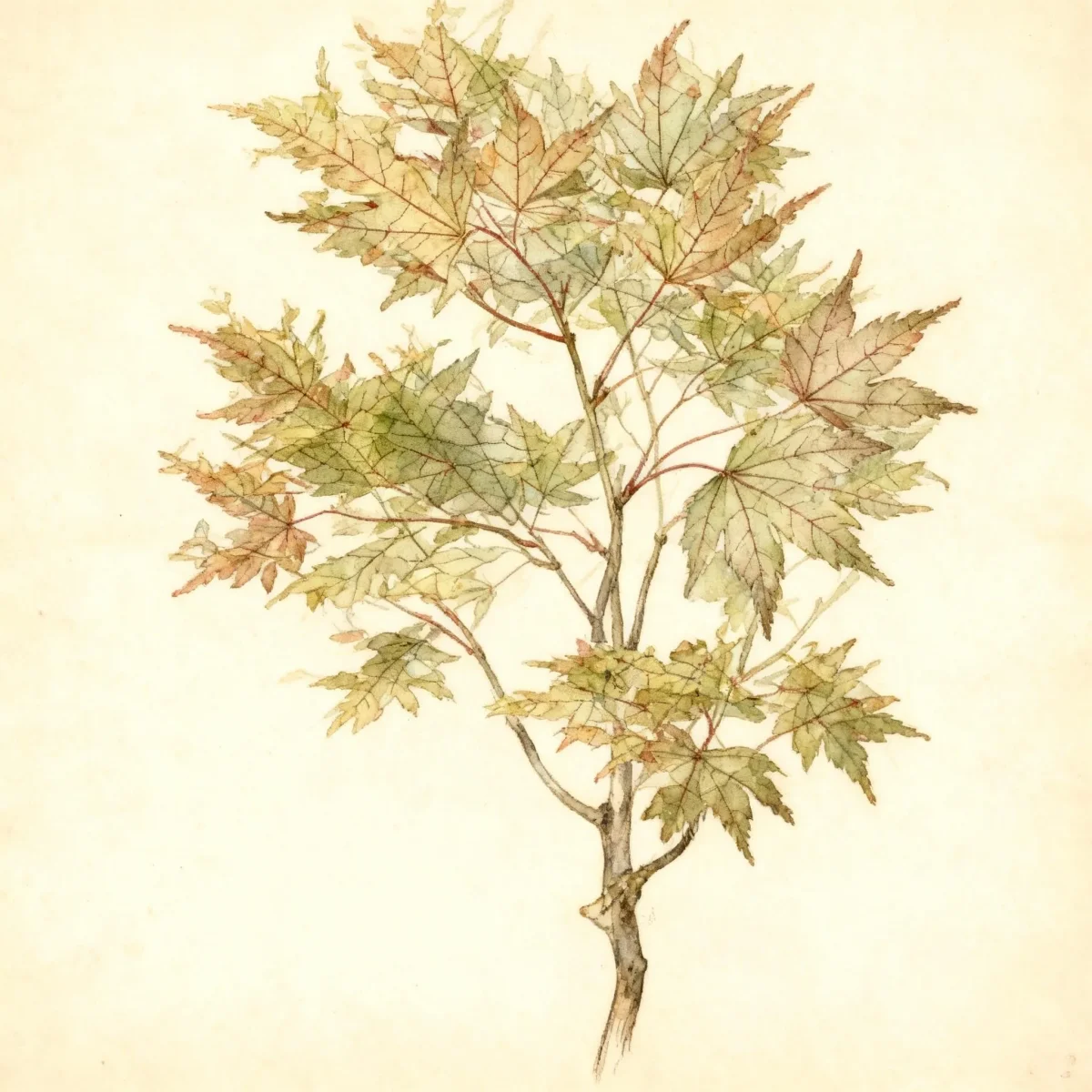
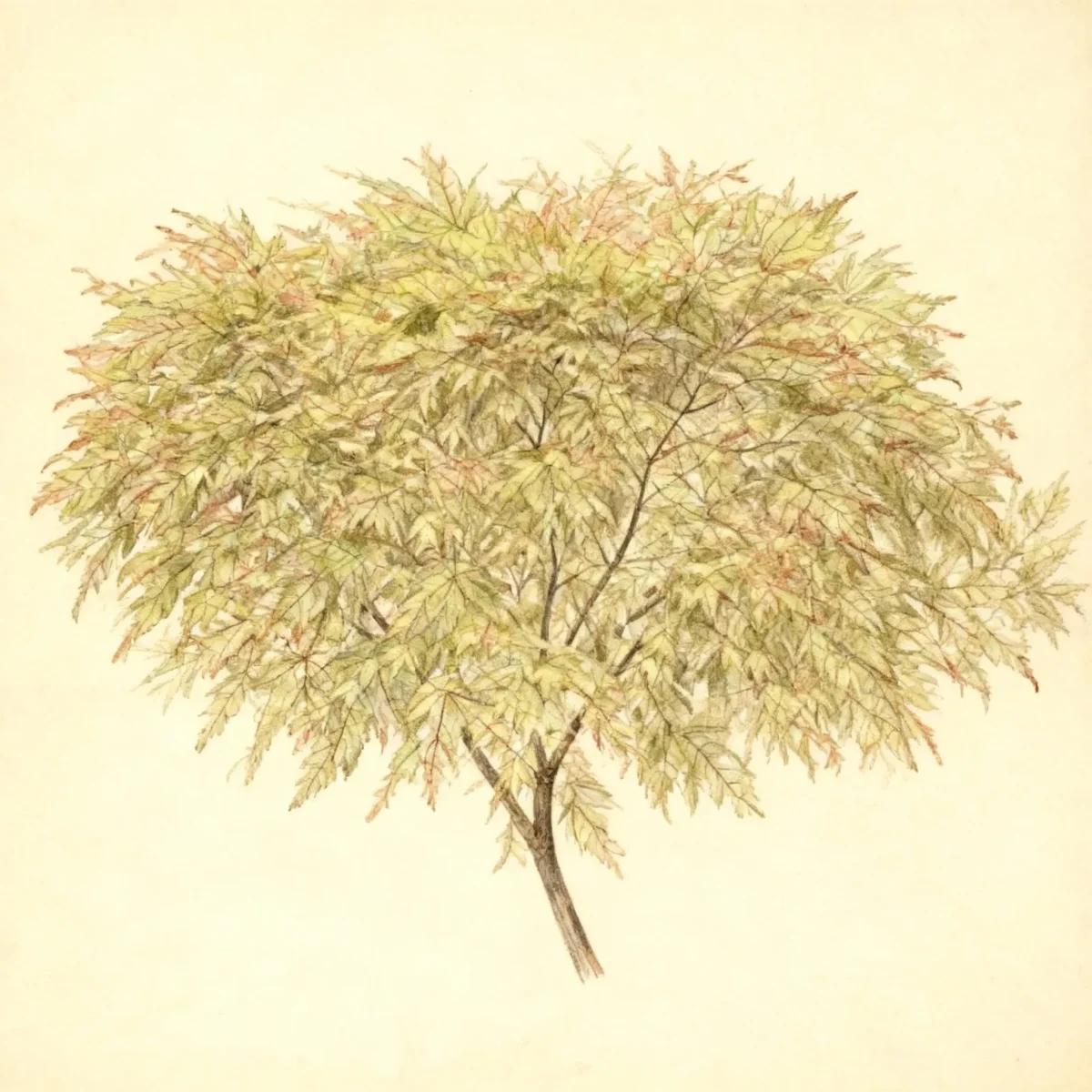
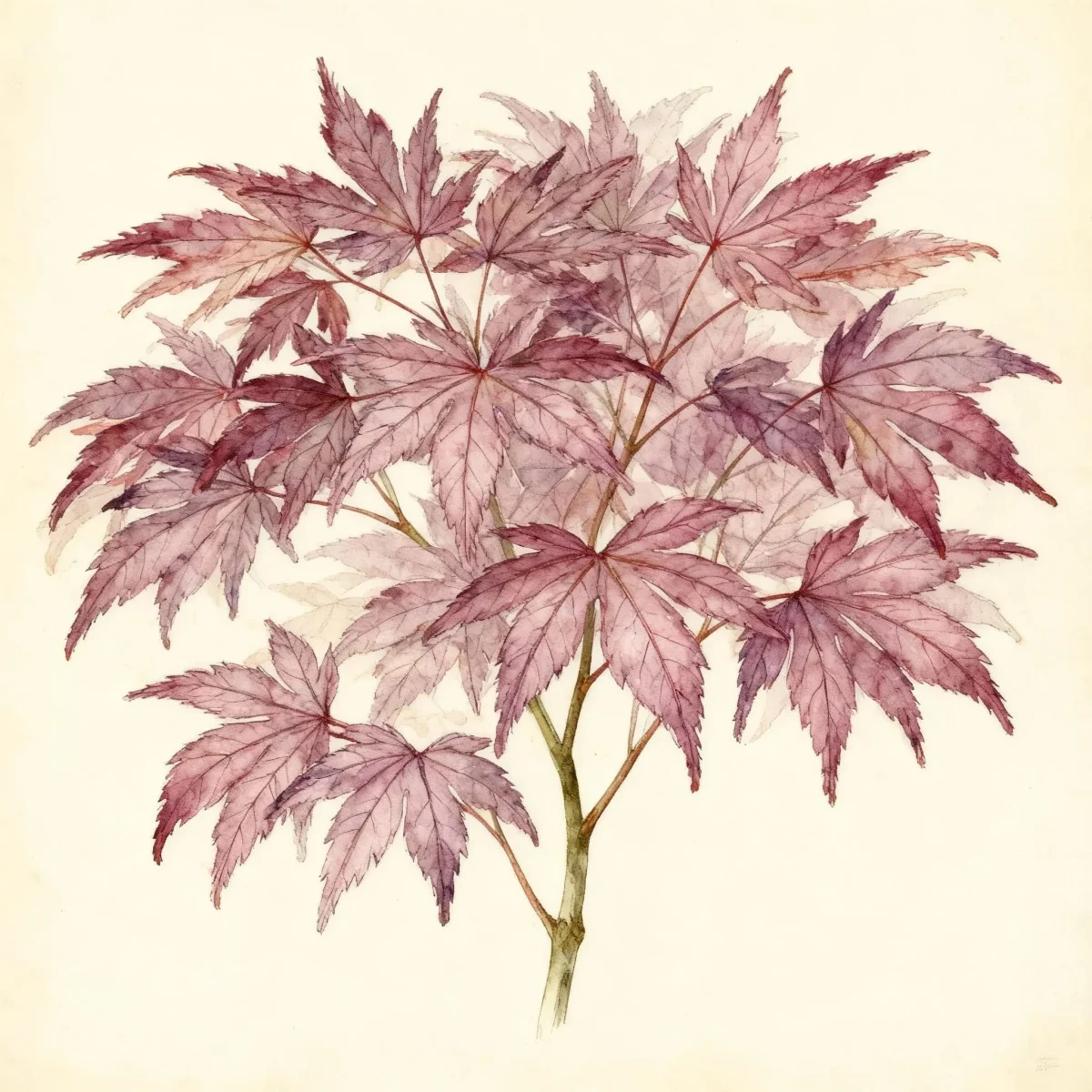
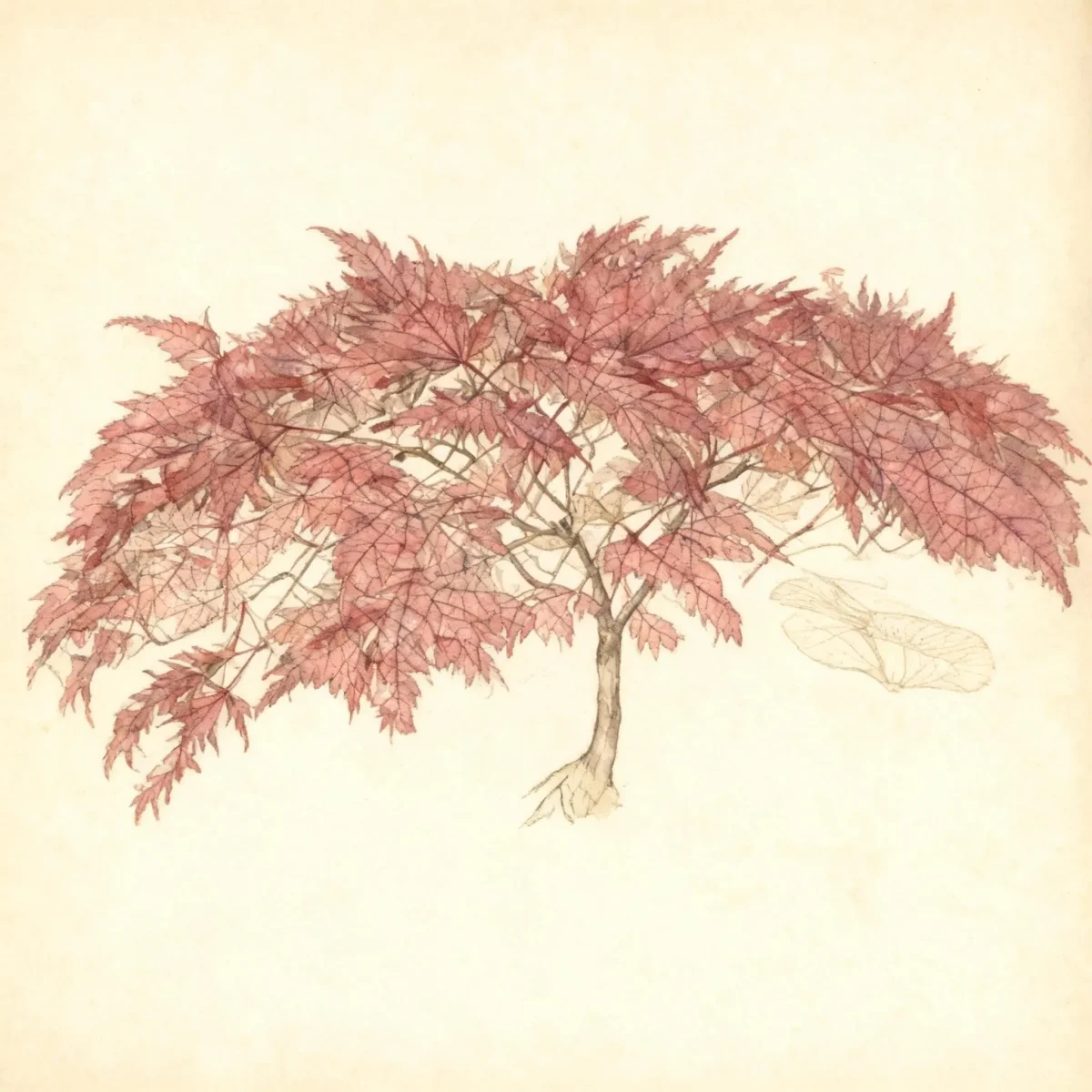
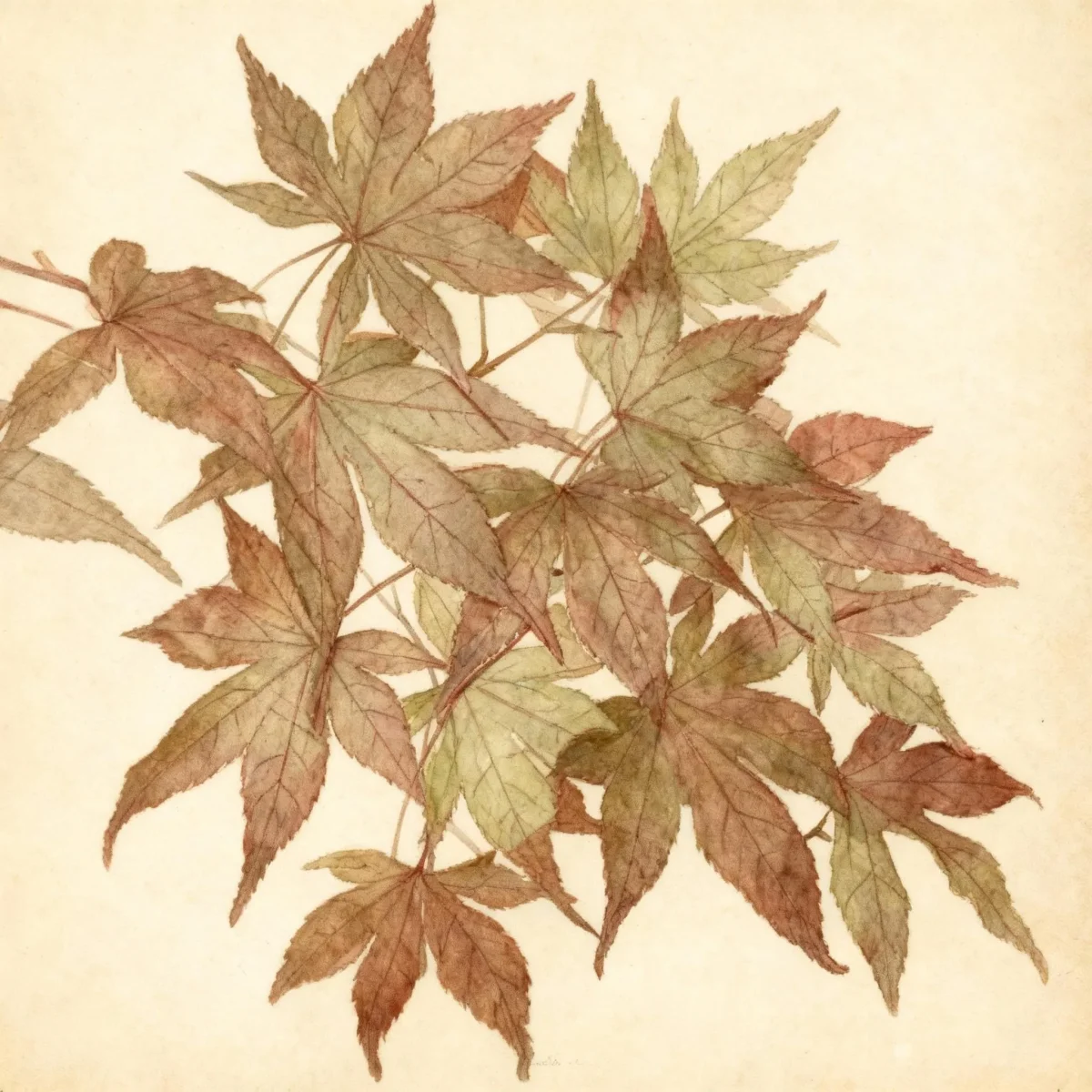
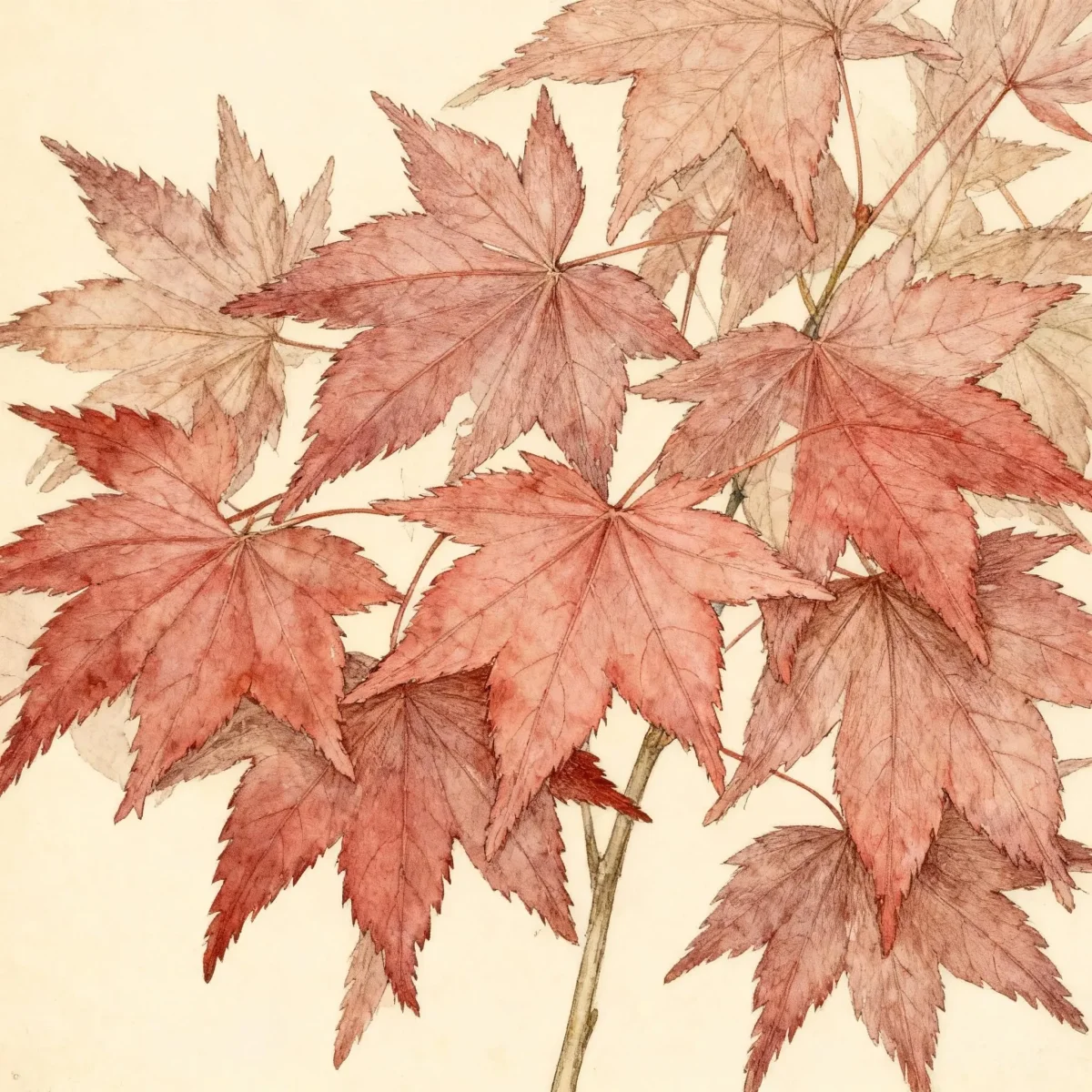
Japanese maple (Acer palmatum var. Dissectum 'Garnet')
Acer palmatum var. dissectum 'Garnet' is a stunning Japanese maple featuring deeply dissected, lace-like foliage that emerges red-orange. This low-maintenance shrub thrives in partial shade.


Bloom Boldly, No Matter the Season - Sweatshirt
Cozy organic cotton sweatshirt featuring our exclusive Purple Coneflower design. Perfect for gardeners who bloom year-round.
Inspired by the beautiful Japanese maple
Limited first batch (50) — join the waitlist for early access
Waitlist closes Feb 15, 2026.
Complete Plant Information
Field Guide Continues
Ready for care notes, companion picks, and planting tips?
The map is just the start. The full guide below covers growth habits, seasonal performance, and landscape uses.
Overview
The Acer palmatum var. dissectum ‘Garnet’ is a prized cultivar within the broader group of Japanese maples, celebrated for its exquisite, deeply cut, lace-like foliage. This shrub forms an elegant, picturesque mound, rarely exceeding nine feet tall, making it highly versatile for smaller garden spaces or specimen planting. Its notable feature is the foliage, which emerges a vibrant red-orange, reminiscent of a garnet gemstone, maintaining good color before settling into a purplish-green for the summer.
As a low-maintenance deciduous shrub, the Japanese maple cultivar ‘Garnet’ offers consistent visual interest without demanding excessive gardener intervention. It typically develops an attractive, cascading or pendulous structure, providing textural contrast against broader-leafed plants. Selecting the right location is key to ensuring this Acer palmatum var. Dissectum ‘Garnet’ develops its best coloration and form throughout the growing season.
Gardeners value the Acer palmatum var. dissectum ‘Garnet’ not just for its delicate leaves but also for its seasonal performance, culminating in rich red fall color. Its manageable stature and slow growth rate ensure it integrates beautifully into foundation plantings, rock gardens, or near water features where its form can be fully appreciated.
Fast Facts
- Plant Family: Sapindaceae
- Plant Type: Deciduous shrub
- Hardiness Zones: USDA Zones 5-9
- Size at Maturity:
- Height: 6-9 ft
- Spread: 8-12 ft
- Bloom Time: April
- Bloom Description: Reddish-purple
- Sun Exposure: Full sun to part shade
- Water Needs: Medium
- Maintenance Level: Low
How to Grow
To establish your Japanese maple, plant it during the fall or early spring when soil temperatures are moderate. The ideal location provides excellent drainage within organically rich, slightly acidic soil. While this cultivar performs well in sandy loams, consistently moist conditions are crucial; avoid planting in hot, dry sites prone to drought stress.
Care for Acer palmatum var. dissectum ‘Garnet’ centers on moisture retention and protection. Mulching heavily helps keep the roots cool and limits evaporation essential for this laceleaf Japanese maple. In hotter, southern regions within its hardiness range, aim for filtered afternoon shade to prevent leaf scorch, which can occur in intense, exposed full sun.
Pruning should be kept minimal for this slow-growing shrub. If shaping is necessary, schedule pruning for late fall or mid-winter. Avoid making cuts in spring or summer, as pruning during active sap flow can cause significant, unsightly bleeding from the cuts. Site your Acer palmatum var. dissectum ‘Garnet’ where it is shielded from harsh winds, which can damage the delicate foliage.
Landscape Uses
Dissected laceleaf Japanese maples, such as the ‘Garnet’ cultivar, are primarily grown as specimen or accent plants due to their captivating foliage texture. Their low-spreading, cascading habit makes them perfect anchors near patios or entryways where their mounding silhouette is visible. Consider planting them near a pond or water garden to dramatically reflect their fine-textured leaves.
These shrubs integrate beautifully into mixed borders or rock gardens, offering soft texture against finer evergreen conifers or structured perennials. Because the Acer palmatum var. dissectum ‘Garnet’ remains relatively compact, smaller specimens thrive equally well when carefully situated in attractive containers, providing seasonal movement on decks or terraces.
Standout Features
Flower Qualities
- Insignificant
Noteworthy Characteristics
Acer palmatum, commonly called Japanese Maple, is a deciduous shrub or small tree that typically grows to 10-25’ (infrequently to 40’) tall. It is native to Japan, Korea and China. General plant form is rounded to broad-rounded, often with low branching. Each palmate green leaf (2-5” long) has 5 to 7 but less frequently 9 toothed lobes. Small reddish-purple flowers in umbels bloom in spring (April) followed by winged samaras in pairs which ripen in September-October. Fall color includes an often spectacular combination of shades of yellow, red, purple and bronze. Var. Dissectum is typically a much smaller, rounded, slow-growing shrubby form (often with cascading branching) that rarely matures to more than 12’ tall with a larger spread. Palmate leaves, each having 7-11 deeply incised lobes, are deeply cut to the base of the leaf. These dissected-leaf shrubs are commonly called laceleaf Japanese maple, cutleaf Japanese maple or threadleaf Japanese maple. Dissectum means deeply cut in reference to the deeply cut, feathery nature of the leaves.Genus name is the Latin name for a maple tree.Specific epithet is in reference to the palmate nature of the leaves. Each leaf has several lobes (typically 5-7) that all originate from one point looking like an open hand with outstretched fingers.‘Garnet’ is a dissected form that typically matures over time in an upright-pendulous mound to 6-9’ tall. Deeply cut, 7-lobed leaves emerge red-orange (color of the garnet gemstone) in spring with good color retention until mid summer before fading to purplish-green. Foliage turns red in fall.
Tolerances
- Rabbit
- Black Walnut
Potential Problems
Acer palmatum var. dissectum ‘Garnet’ shows some susceptibility to several fungal and pest issues common to maples. Diseases like verticillium wilt, root rots, and anthracnose can pose threats, often exacerbated by overly wet soil conditions or poor air circulation. Preventative practices, such as ensuring excellent drainage and avoiding overhead watering, are your best defense against common leaf spots and cankers.
Insect pests such as scale, borers, and aphids can occasionally become problematic. Inspect new growth regularly, especially in late spring, as mites may also cause foliage distress. Furthermore, because the new foliage leafs out early, be prepared for potential damage from late spring frosts, which can temporarily burn the emerging leaves.
Frequently Asked Questions
What hardiness zones is Japanese maple suitable for?
This particular Japanese maple cultivar, Acer palmatum var. dissectum ‘Garnet’, is hardy in USDA Zones 5 through 9.
How large does Japanese maple grow?
Typically, the ‘Garnet’ variety matures into an upright-pendulous mound, reaching a height between 6 and 9 feet, with a spread often ranging from 8 to 12 feet wide.
What sun exposure does Japanese maple need?
The best results for Acer palmatum var. dissectum ‘Garnet’ are achieved in locations receiving full sun to light part shade. In hotter climates, afternoon shade is recommended to prevent leaf scorch.
When does Japanese maple bloom?
This deciduous shrub produces small, reddish-purple flowers during the month of April before its main foliage display fully develops.
Conclusion
The Acer palmatum var. dissectum ‘Garnet’ remains an exceptional choice due to its finely textured, richly colored foliage and gracefully mounding habit, offering year-round interest as a Japanese maple. With its low maintenance requirement—provided soil moisture is consistent and wind exposure is limited—it is an accessible beauty. Before planting, confirm that your local climate falls within USDA Zones 5-9 to ensure the long-term success of this stunning cultivar.
Companion Planting for Laceleaf Maples
When siting Acer palmatum var. dissectum ‘Garnet’, consider plants that thrive in similar slightly acidic, moist, well-drained soil conditions and can tolerate partial shade. Low-growing, shade-tolerant groundcovers like Liriope (Lilyturf) or Hosta cultivars with blue or heavily textured leaves provide an excellent textural contrast beneath the canopy. Avoid planting aggressive competitors nearby that might compromise the maple’s roots or block necessary air movement.
For vertical contrast, pair the cascading ‘Garnet’ with upright evergreen shrubs that offer year-round structure, such as narrow varieties of Yew (Taxus) or upright Japanese Holly (Ilex crenata). When planting near water gardens or ponds, ensure the base of the tree is slightly elevated or mulched appropriately to maintain steady moisture without permitting the roots to sit in standing water, which can lead to root rots.
Seasonal Care Calendar
Early spring care for your Japanese maple involves monitoring for frost potential; if a late freeze is predicted after the new red-orange foliage emerges, consider temporarily draping the plant with burlap for protection. As temperatures rise, ensure mulch is topped up to maintain crucial soil moisture, especially during summer heatwaves.
Summer requires vigilance regarding watering, delivering medium amounts consistently rather than infrequent heavy soaking; dry spells will quickly stress the foliage. In autumn, sit back and enjoy the final act as the leaves transition to deep red before dropping for winter dormancy. Minimal maintenance is required through winter, focusing only on protecting the specimen from heavy ice or snow loads bending the branches.