
Lungwort (Pulmonaria 'Mountain Magic' GAELIC MAGIC)
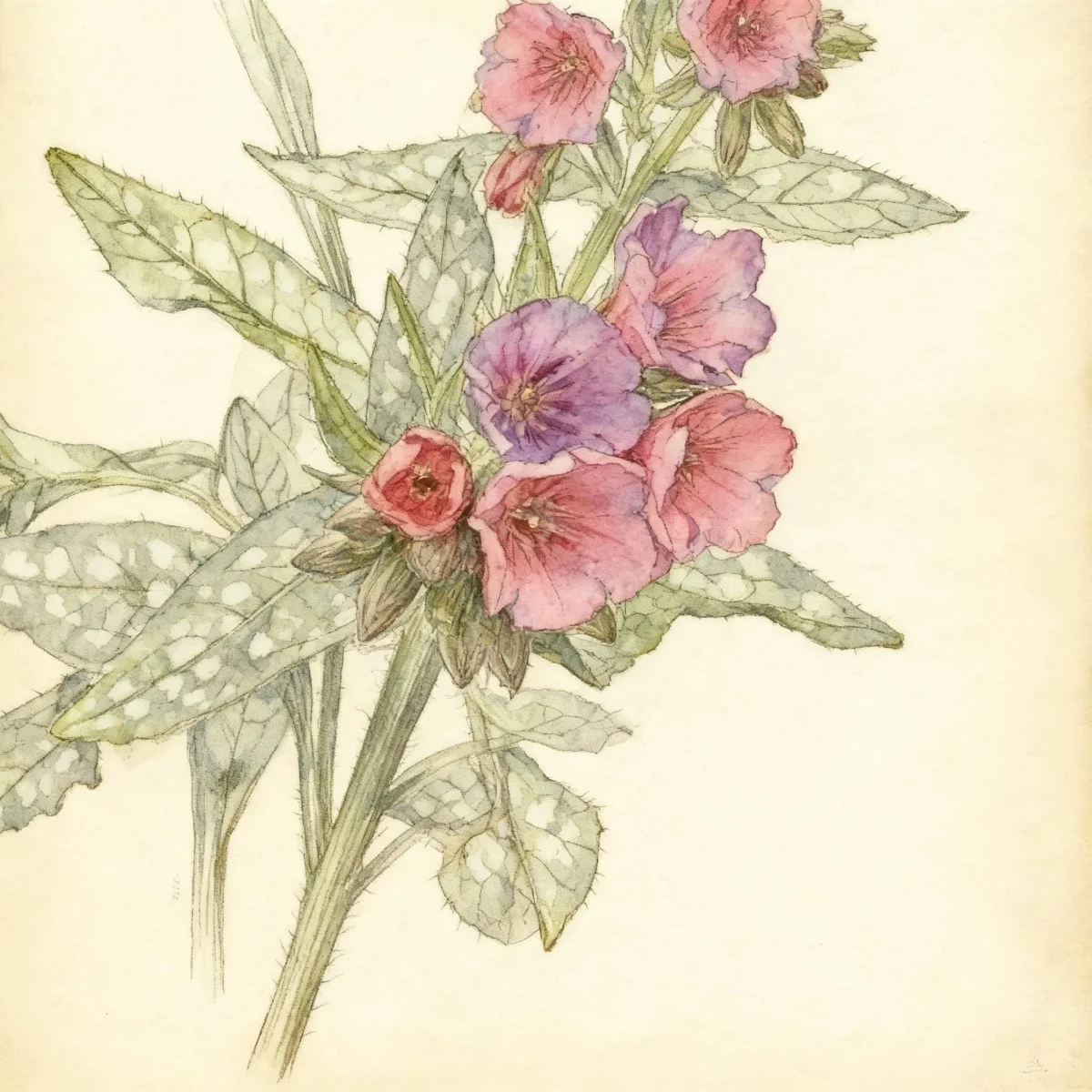
Pulmonaria 'Mountain Magic' GAELIC MAGIC, or Lungwort, offers striking silver-blotched foliage and lovely spring purple-violet blooms. Low-maintenance and shade-tolerant.
Bloom Boldly, No Matter the Season - Sweatshirt
Cozy organic cotton sweatshirt featuring our exclusive Purple Coneflower design. Perfect for gardeners who bloom year-round.
Inspired by the beautiful Lungwort
Limited first batch (50) — join the waitlist for early access
Waitlist closes Feb 15, 2026.
Complete Plant Information
Field Guide Continues
Ready for care notes, companion picks, and planting tips?
The map is just the start. The full guide below covers growth habits, seasonal performance, and landscape uses.
Overview
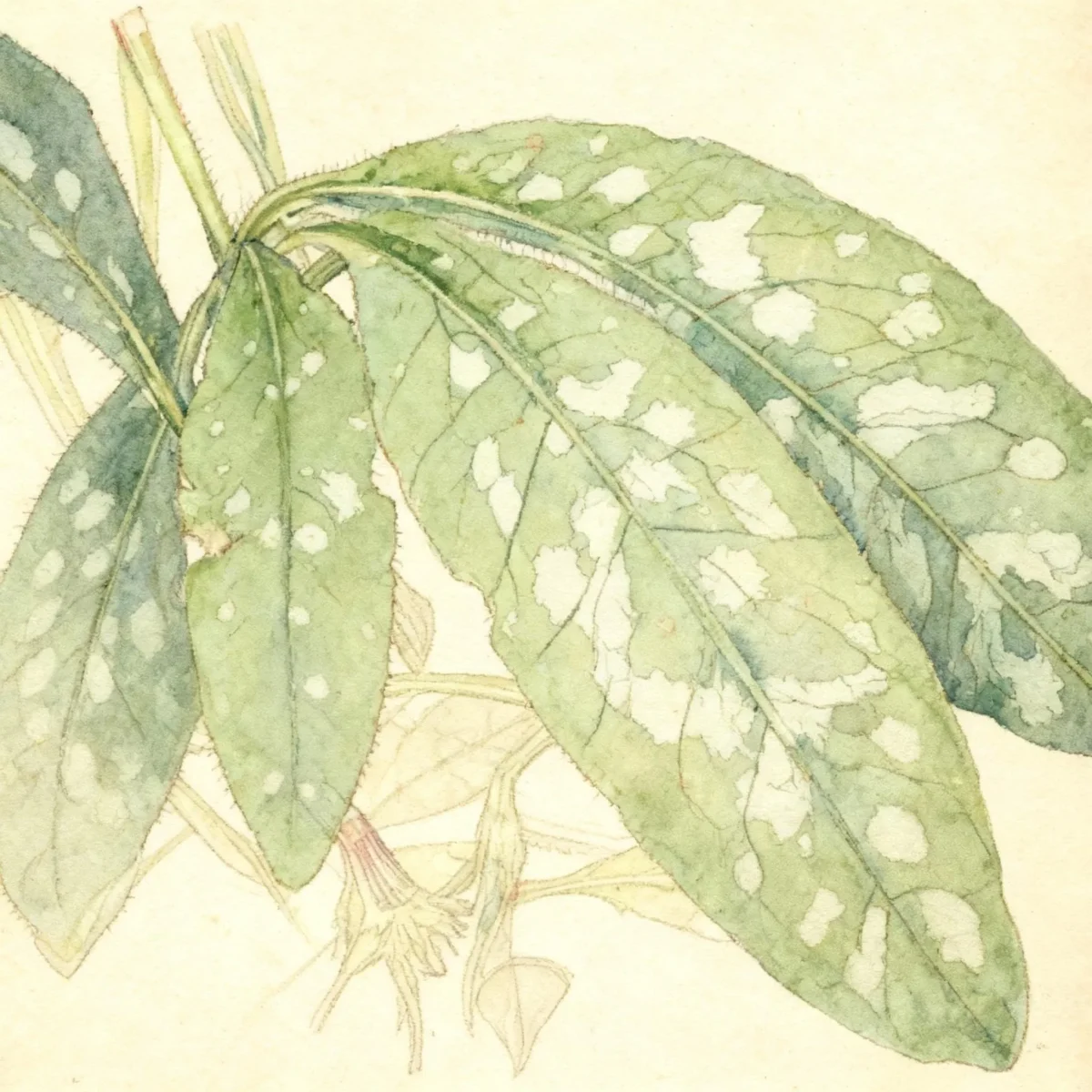
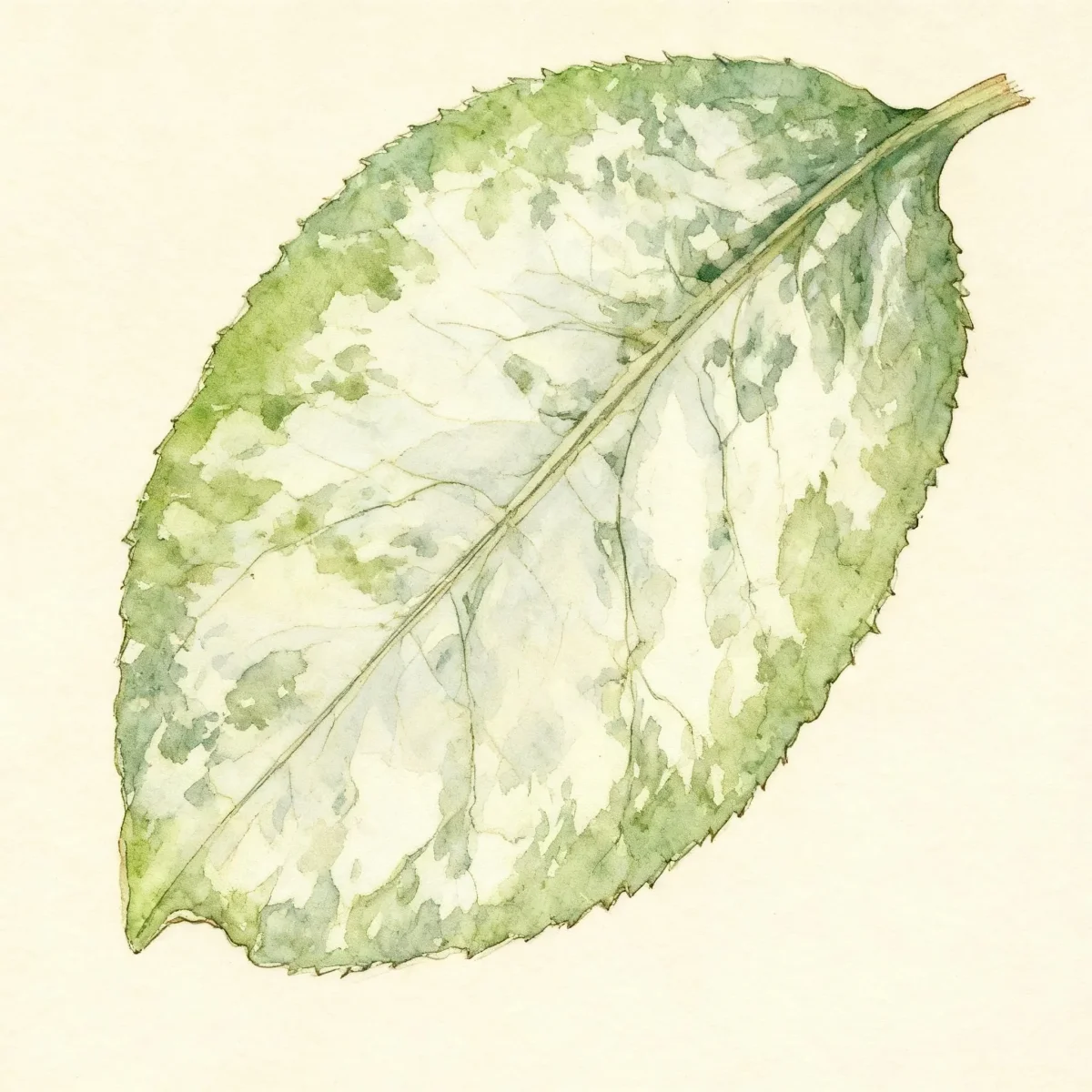
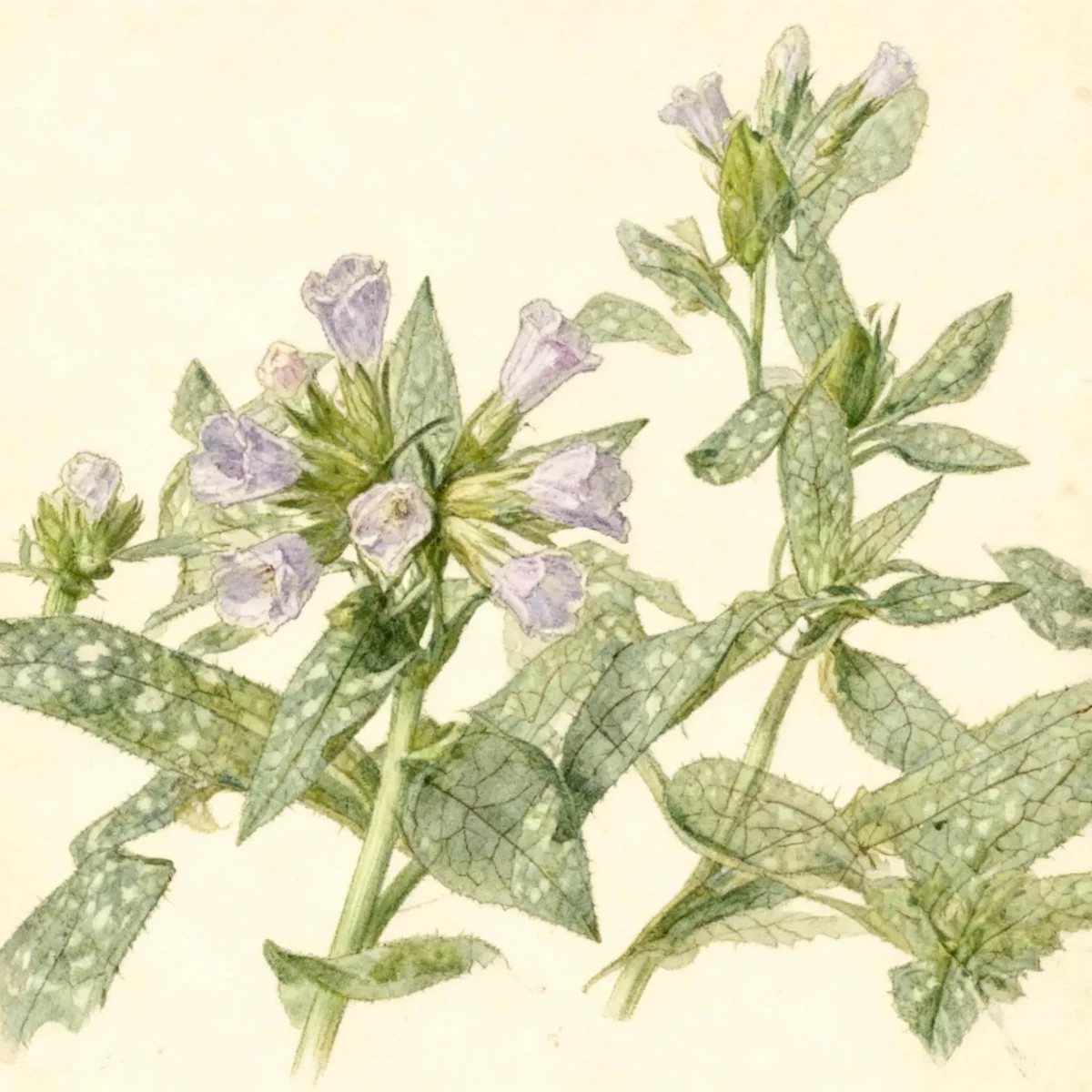
Pulmonaria ‘Mountain Magic’ GAELIC MAGIC is highly prized by shade gardeners not just for its attractive spring flowers, but predominantly for its outstanding, silver-blotched foliage, which provides continuous texture in dark areas. This herbaceous perennial, commonly known as Lungwort, forms a neat, mounding clump that brings light contrast to deep woodland settings. Pulmonaria ‘Mountain Magic’ GAELIC MAGIC is generally low maintenance, making it a reliable anchor for perennial beds receiving morning sun or consistent shade.
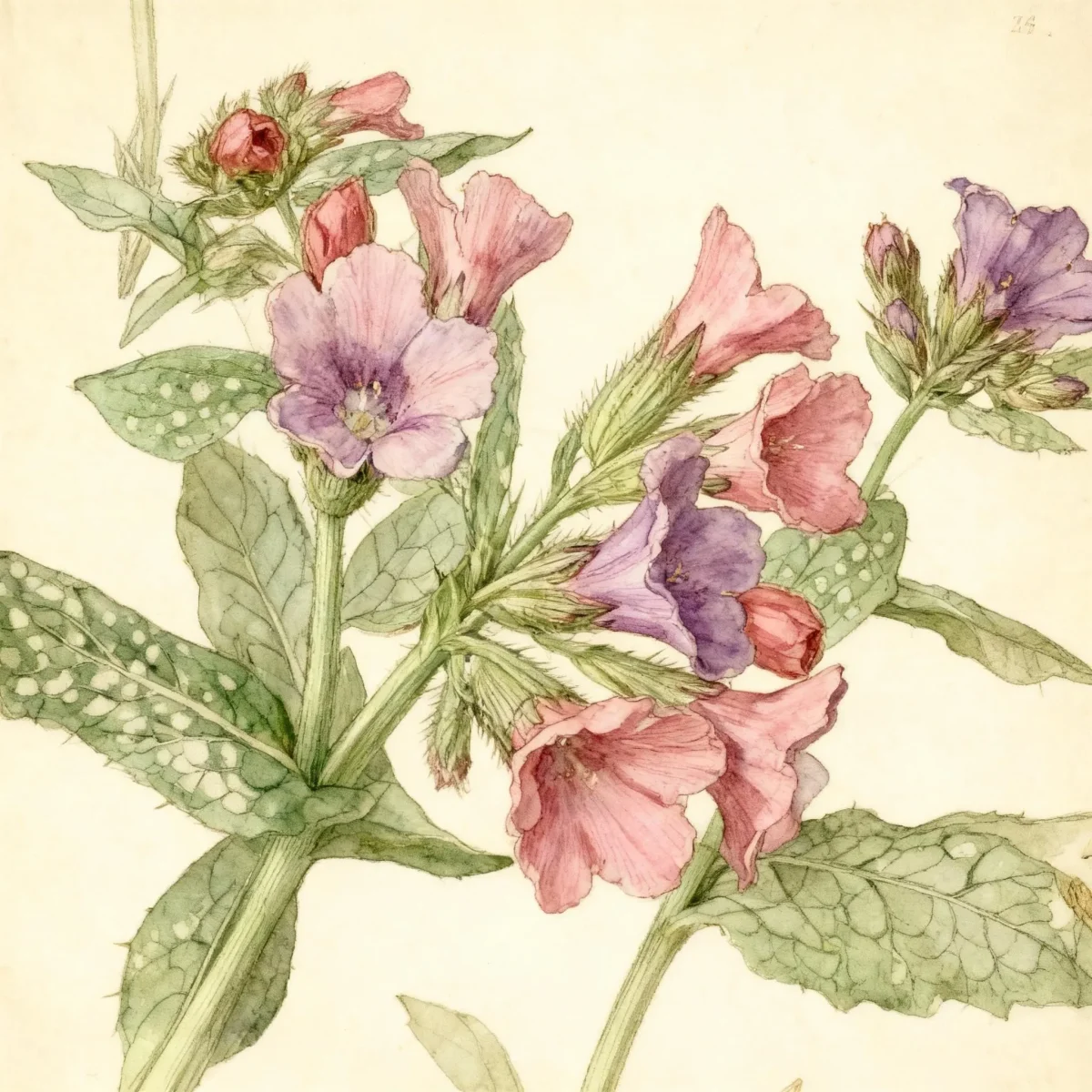
The spring display features funnel-shaped flowers that emerge a rich red-maroon before maturing to a beautiful purple-violet, often appearing simultaneously on the same plant. As a ground cover, it spreads slowly via creeping roots, effectively blanketing shady spots while requiring minimal intervention once established. Gardeners value Pulmonaria ‘Mountain Magic’ GAELIC MAGIC for its durability and ability to thrive where many other ornamentals struggle.
This specific cultivar offers excellent visual interest, making it a perfect foundation plant for woodland or shade gardens that need year-round structure beneath taller shrubs or trees. Growing Lungwort is an excellent way to enhance the aesthetics of otherwise dull, dark corners of the landscape.
Fast Facts
- Plant Family: Boraginaceae
- Plant Type: Herbaceous perennial
- Hardiness Zones: USDA Zones 4-9
- Size at Maturity:
- Height: 0.5-0.75 ft
- Spread: 1-1.5 ft
- Bloom Time: April
- Bloom Description: Purple-violet
- Sun Exposure: Part shade to full shade
- Water Needs: Medium
- Maintenance Level: Low
How to Grow
Plant Lungwort in average, medium moisture, well-drained soils. Although Pulmonaria ‘Mountain Magic’ GAELIC MAGIC handles part shade well, it absolutely requires afternoon shade to prevent leaf scorch, especially in hotter climates. For the richest foliage color and best performance, aim for organically rich, humusy soils that are kept consistently moist; these plants do not tolerate drying out.
Watering should be diligent, especially during summer heat, as allowing the soil to dry out can cause the plants to go into summer dormancy or severely damage the leaves. While low maintenance overall, remove spent flower stems immediately after the purple-violet bloom fades to neat up the clump. Propagation is straightforward; plants spread slowly and can be divided in the fall if they become overcrowded.
Be mindful that while this cultivar, Pulmonaria ‘Mountain Magic’ GAELIC MAGIC, exhibits good resistance, powdery mildew can still be an issue if air circulation is poor or if the plant experiences drought stress. Providing deep, organic mulch helps maintain cool, steady soil moisture essential for continuous foliage health.
Landscape Uses
Pulmonaria ‘Mountain Magic’ GAELIC MAGIC excels as a shade-loving ground cover or massed planting beneath deciduous trees where bright spring flowers and silver markings can be best appreciated. Its creeping root structure makes it excellent for naturalizing areas in woodland gardens, softening hard edges along shaded paths, or effectively edging borders that abut structures blocking midday sun.
Because Lungwort stays relatively compact, reaching only about 1.5 feet wide, it functions beautifully as an early-season border accent next to later-emerging, larger perennials like astilbes or ferns. When grown in drifts, the silvery spotting on the foliage creates a shimmering effect that brightens dark recesses of the garden. Ensure it is planted near walkways where its unique architectural foliage can be easily viewed.
Standout Features
Flower Qualities
- Showy
Noteworthy Characteristics
Pulmonaria is a genus of about 17 species of deciduous or evergreen herbaceous perennials from Europe and Asia. Lungworts are shade plants that, like many of the hostas, are often valued more for their attractive foliage than for their spring flowers. Genus name comes from the Latin pulmo meaning lung. ‘Mountain Magic’ is a mounding variety that features silvery blotched leaves and purple-violet flowers, typically growing to 9” tall and spreading to 20” wide. Drooping clusters of funnel-shaped flowers appear just above the foliage in spring, changing from red-maroon to purple-violet as they mature.
Tolerances
- Deer
- Heavy Shade
- Black Walnut
Potential Problems
Lungwort generally suffers from few serious insect or disease issues, offering a significant advantage over more delicate shade perennials. Slugs and snails are the primary occasional insect pests to watch for, requiring standard preventative measures in overly moist or sheltered spots. While powdery mildew plagues some lungwort varieties, Pulmonaria ‘Mountain Magic’ GAELIC MAGIC is reported to have good resistance, though this resistance is contingent on consistent soil moisture; letting the soil dry out in summer increases susceptibility. To prevent foliage depreciation, ensure the plant receives deep, regular water during hot spells and strictly avoid intense afternoon sun exposure, which causes leaf scorch.
Frequently Asked Questions
What hardiness zones is Lungwort suitable for?
Pulmonaria ‘Mountain Magic’ GAELIC MAGIC is hardy and suitable for USDA Zones 4 through 9.
How tall and wide does Pulmonaria ‘Mountain Magic’ GAELIC MAGIC grow?
This variety typically forms a basal clump reaching 0.5 to 0.75 feet in height and spreading between 1 and 1.5 feet wide.
What sun exposure does Lungwort need?
It thrives best in part shade to full shade conditions, benefiting greatly from afternoon shade protection to keep its foliage pristine.
When does Lungwort bloom?
The bloom time for Pulmonaria ‘Mountain Magic’ GAELIC MAGIC is in April, producing gorgeous purple-violet flowers.
Conclusion
Pulmonaria ‘Mountain Magic’ GAELIC MAGIC is an indispensable perennial offering unparalleled foliage interest combined with reliable early spring color, making it a powerful asset in any shaded landscape design. By providing consistent moisture and afternoon shade, this Lungwort variety will perform reliably year after year with minimal effort. Before planting, always confirm your garden location falls within its USDA Zones 4–9 range to ensure long-term success with this magical ground cover.
Companion Planting
When selecting neighbors for Lungwort, focus on other plants that share similar requirements for consistent moisture and deep to partial shade. Hostas make excellent companions; their broad architectural leaves contrast beautifully with the speckled mounds of Pulmonaria ‘Mountain Magic’ GAELIC MAGIC. Similarly, various shade-loving ferns, such as Japanese Painted Ferns or Tassel Ferns, provide delicate texture that offsets the dense habit of the Lungwort. For continuous color in the shade border, consider pairing it with bleeding hearts (Dicentra) or epimediums, which enjoy similar humus-rich soils.
Design Ideas for Ground Cover
Utilizing Pulmonaria ‘Mountain Magic’ GAELIC MAGIC as a ground cover allows gardeners to effectively suppress weeds in difficult, shady areas while maximizing visual impact. Mass planting this cultivar creates a shimmering carpet effect, especially where sunlight filters through overhead canopy trees, highlighting the silver spotting on the leaves. Consider planting it on a slight slope or bank within a woodland garden, allowing it to gently colonize the area without becoming invasive. For formal edging along shaded borders, maintain a tight trim after the bloom fades to keep its mounding shape sharp and defined against lawn or pathway materials.