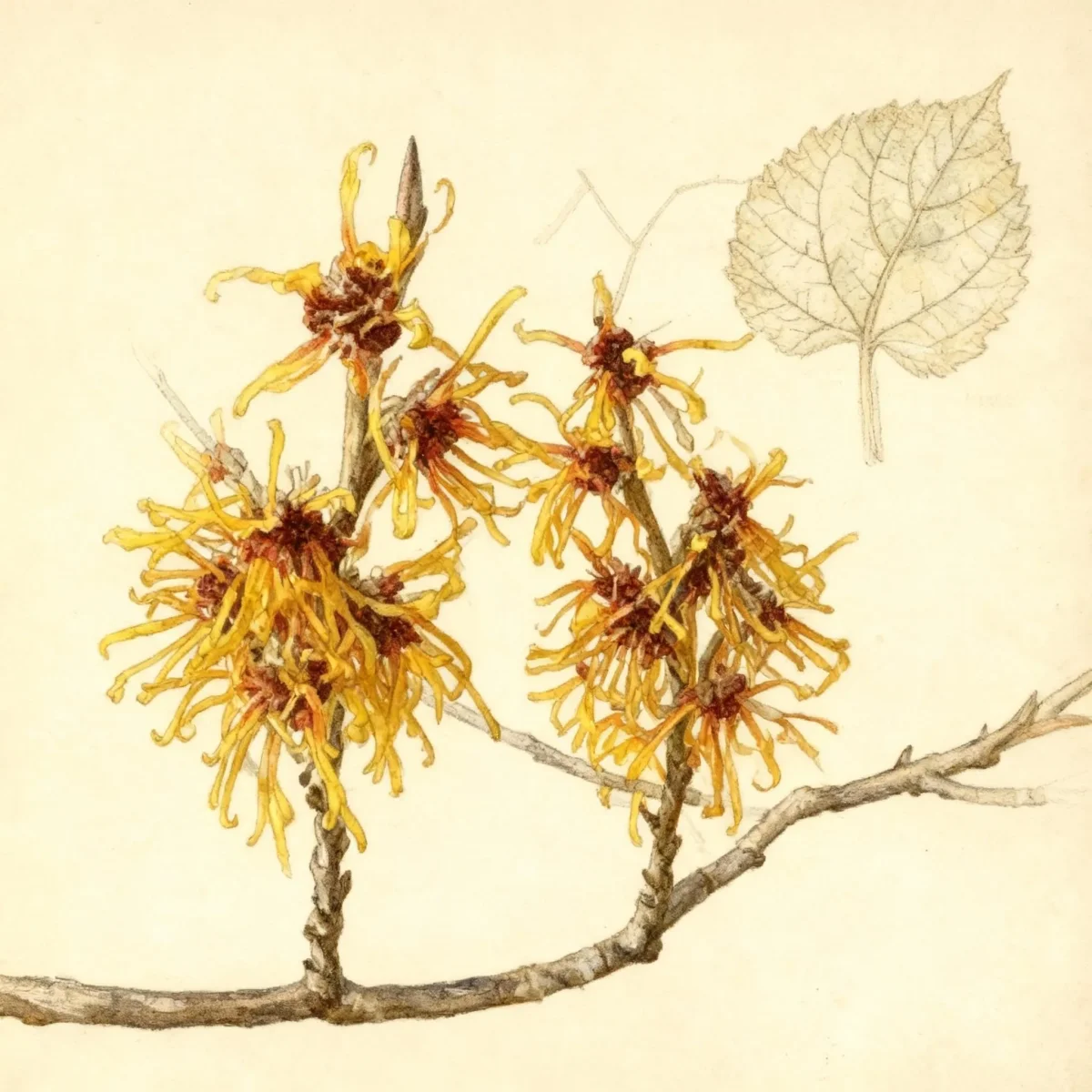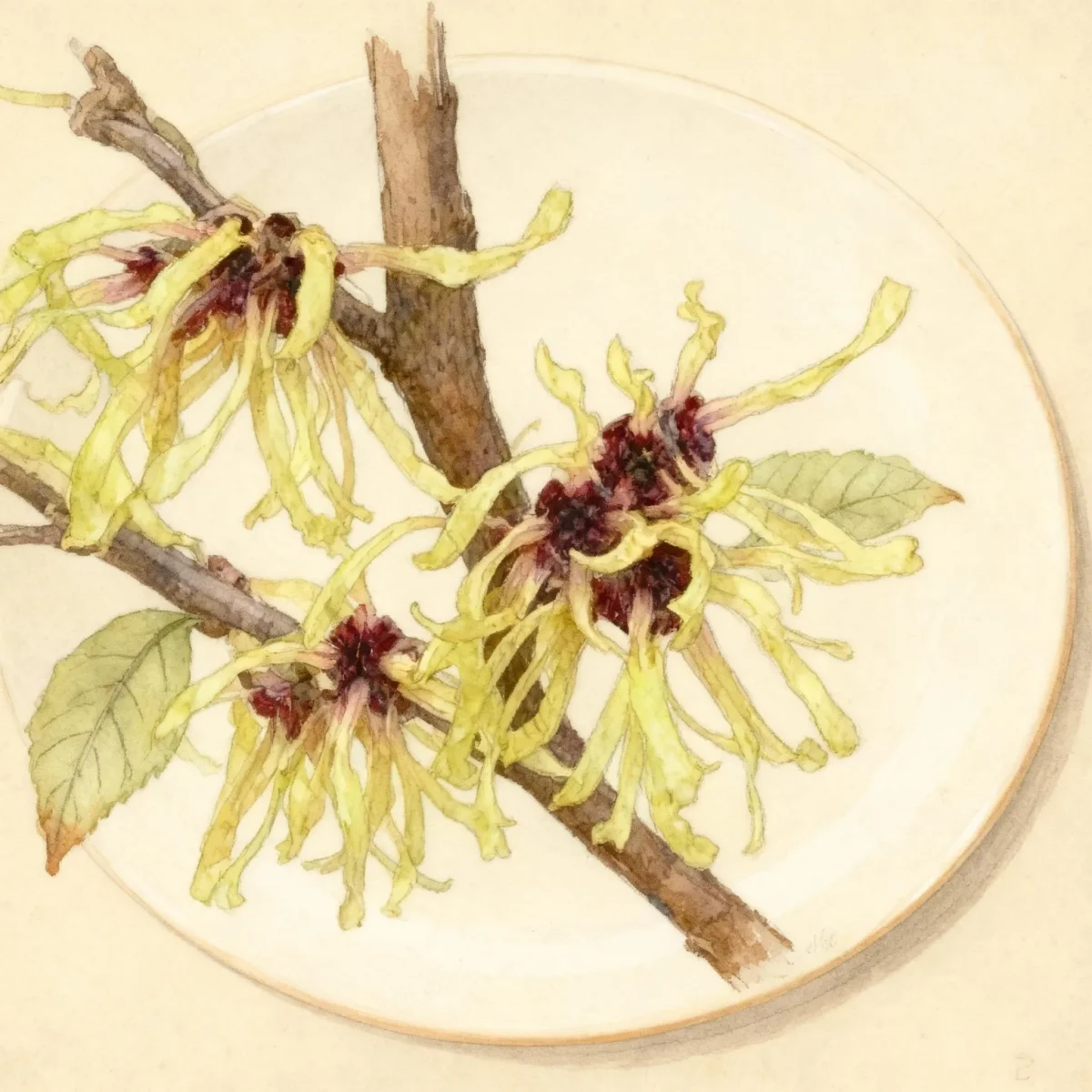

Witch hazel (Hamamelis × intermedia 'Moonlight')
Hamamelis × intermedia 'Moonlight' is a low-maintenance Witch hazel prized for its fragrant, showy yellow winter flowers.
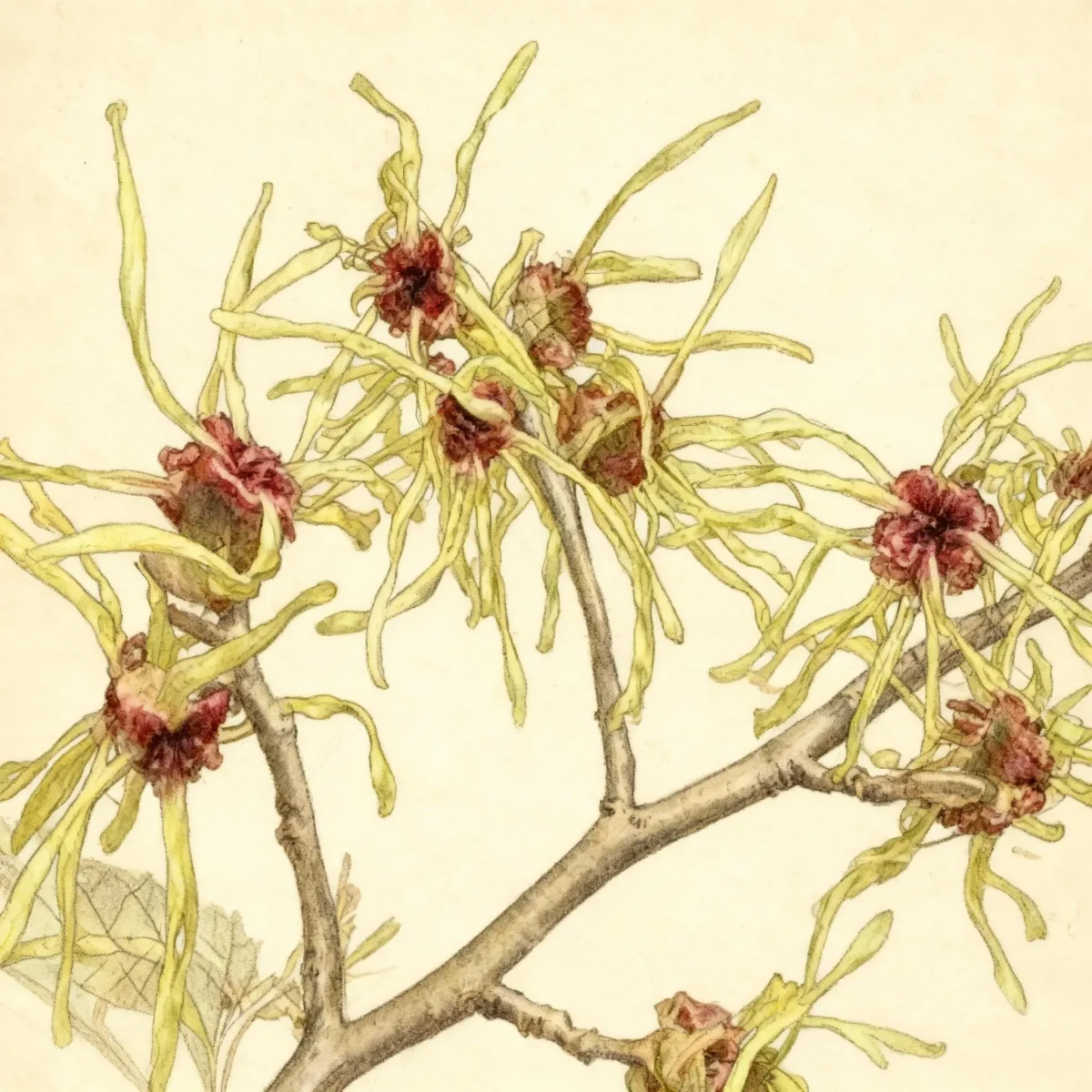

Bloom Boldly, No Matter the Season - Sweatshirt
Cozy organic cotton sweatshirt featuring our exclusive Purple Coneflower design. Perfect for gardeners who bloom year-round.
Inspired by the beautiful Witch hazel
Limited first batch (50) — join the waitlist for early access
Waitlist closes Feb 15, 2026.
Complete Plant Information
Field Guide Continues
Ready for care notes, companion picks, and planting tips?
The map is just the start. The full guide below covers growth habits, seasonal performance, and landscape uses.
Overview
Hamamelis × intermedia ‘Moonlight’ provides spectacular color when little else is blooming, making it an essential focal point in the late winter garden. This deciduous shrub is renowned specifically for its unique, spidery flowers that burst forth in the coldest months, often preceding spring awakening. As a hybrid Witch hazel, ‘Moonlight’ combines desirable traits from its Japanese and Chinese ancestors into a hardy, often fragrant specimen.
Growing into a medium-to-large, vase-shaped shrub, the Hamamelis × intermedia ‘Moonlight’ offers substantial structure throughout the year. Its low maintenance needs coupled with its deer resistance make it an excellent choice for challenging landscape situations. Gardeners value this plant not just for the winter show, but also for its pleasant yellow fall foliage display.
These Witch hazel shrubs thrive when given space to develop their characteristic spreading habit. Proper placement ensures that the late winter show of yellow petals can be fully appreciated before the dense green summer foliage obscures the branching structure. Planning for its mature size is key to ensuring the success of this spectacular performer.
Fast Facts
- Plant Family: Hamamelidaceae
- Plant Type: Deciduous shrub
- Hardiness Zones: USDA Zones 5-8
- Size at Maturity:
- Height: 10-12 ft
- Spread: 12-14 ft
- Bloom Time: January to March
- Bloom Description: Yellow petals
- Sun Exposure: Full sun to part shade
- Water Needs: Medium
- Maintenance Level: Low
How to Grow
Planting Hamamelis × intermedia ‘Moonlight’ is best done in spring or fall when temperatures are mild. Choose a location that receives full sun for the absolute best flowering, though part shade is tolerated. This Witch hazel prefers moist, acidic, organically rich soils that drain exceptionally well. While it has some tolerance for clay soils, excellent drainage is non-negotiable to prevent root issues.
Ongoing care centers around maintaining consistent moisture, especially during hot, dry summers, as periods of drought can lead to leaf scorch. Fertilization is generally unnecessary if the native soil is rich, but an application of organic matter around the base annually helps retain soil moisture and acidity. Pruning should be performed immediately after the flowers fade but before new leaves emerge in the spring, strictly to control shape or size.
A crucial maintenance task involves watching for and promptly removing any root suckers, particularly those arising from below the graft union, to maintain the integrity of the specific ‘Moonlight’ cultivar. Because the Hamamelis × intermedia ‘Moonlight’ blooms on bare wood, gardeners must resist the urge to prune in fall or winter, as this removes next season’s flowers.
Landscape Uses
The Hamamelis × intermedia ‘Moonlight’ excels as a superior specimen plant, grabbing attention during late winter months when the landscape is otherwise barren. Due to its size and structure, it functions perfectly as a screen or a substantial component within a shrub border. Consider using this Witch hazel near walkways or seating areas where its fragrant winter blooms can be easily enjoyed up close.
For woodland gardens, its requirement for well-drained soil pairs well with understory plantings that appreciate similar conditions, such as rhododendrons or azaleas planted after it finishes flowering. When used specifically as a tall hedge, ensure adequate spacing, allowing the vase-shaped habit sufficient room to fill out to its 14-foot spread.
Standout Features
Flower Qualities
- Showy
- Fragrant
Noteworthy Characteristics
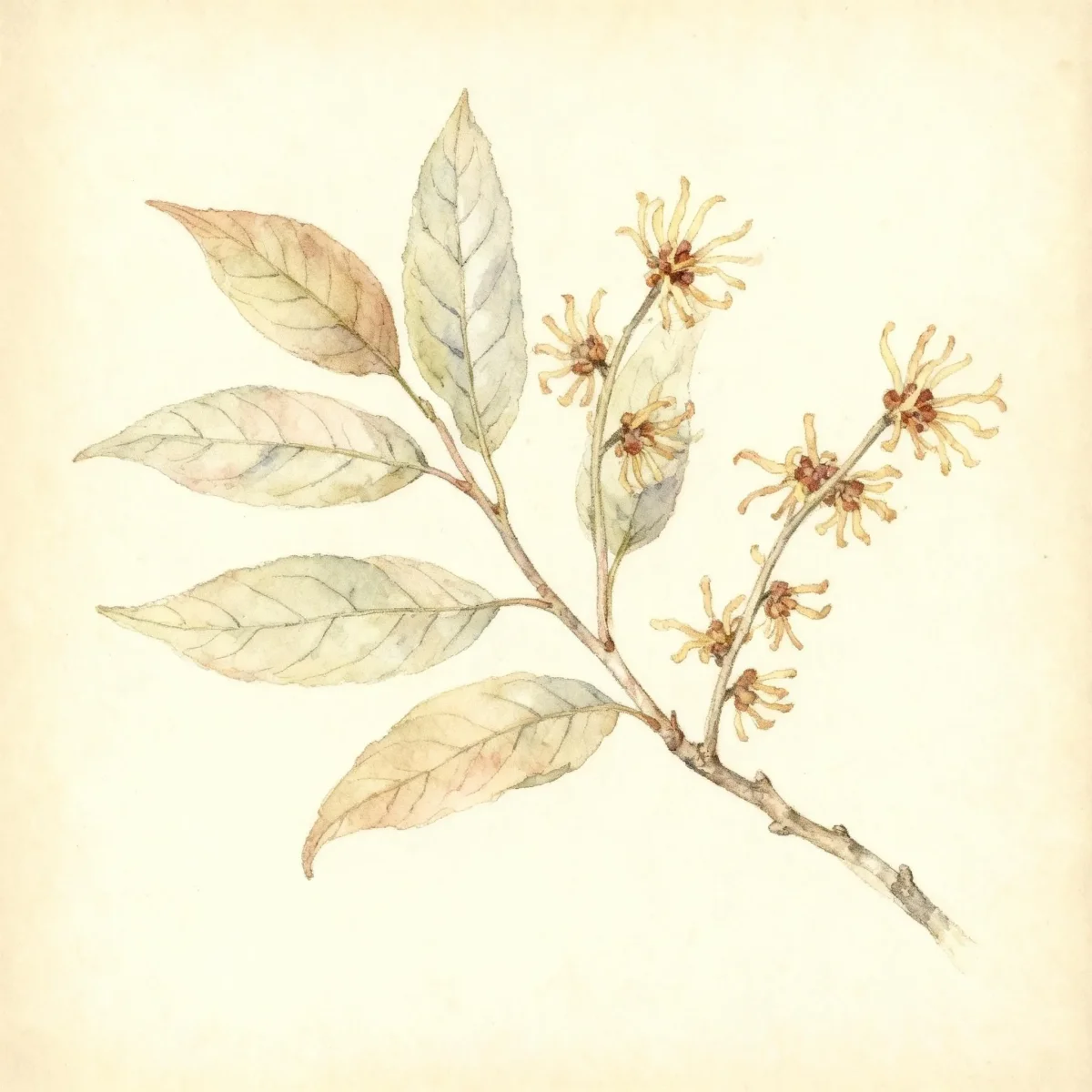
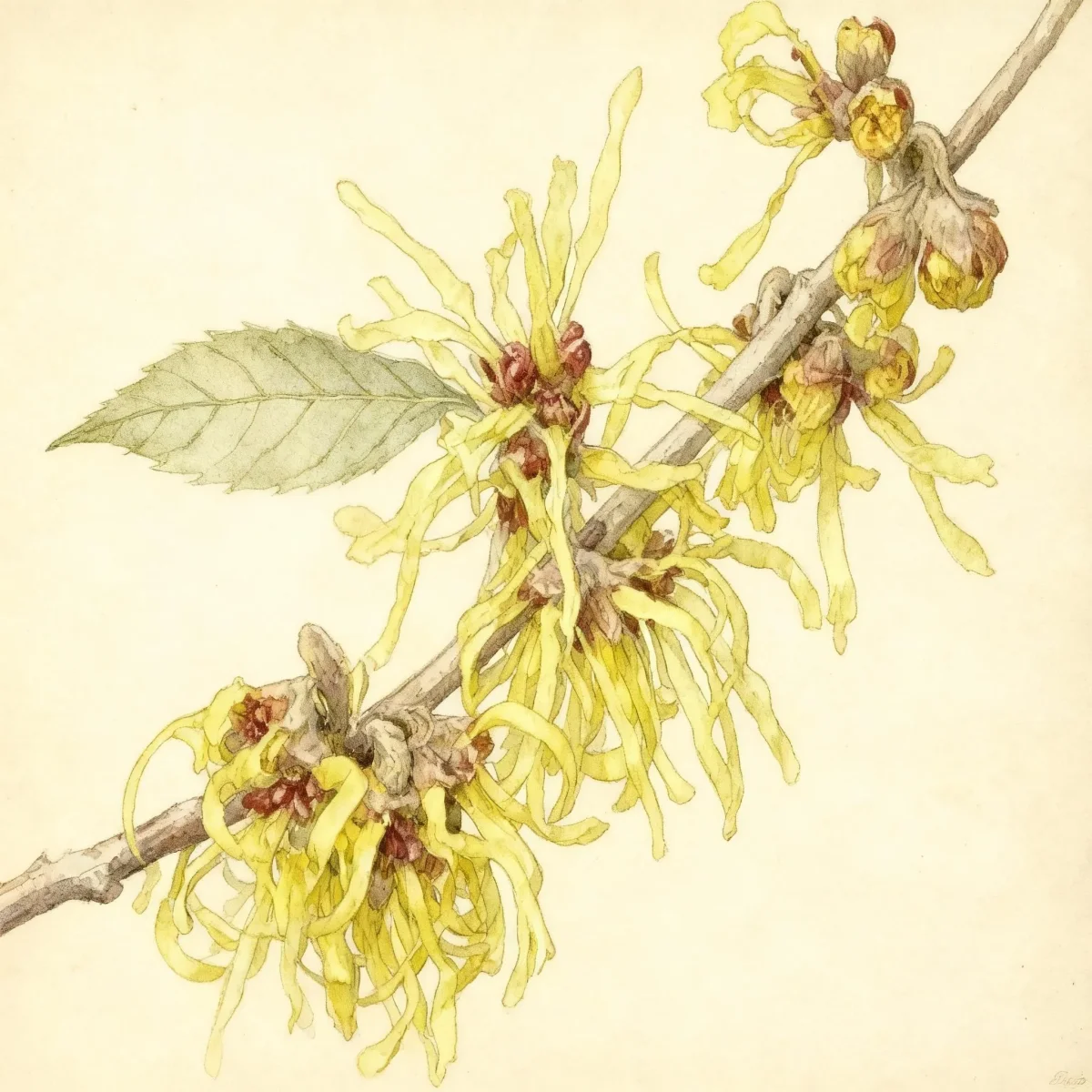
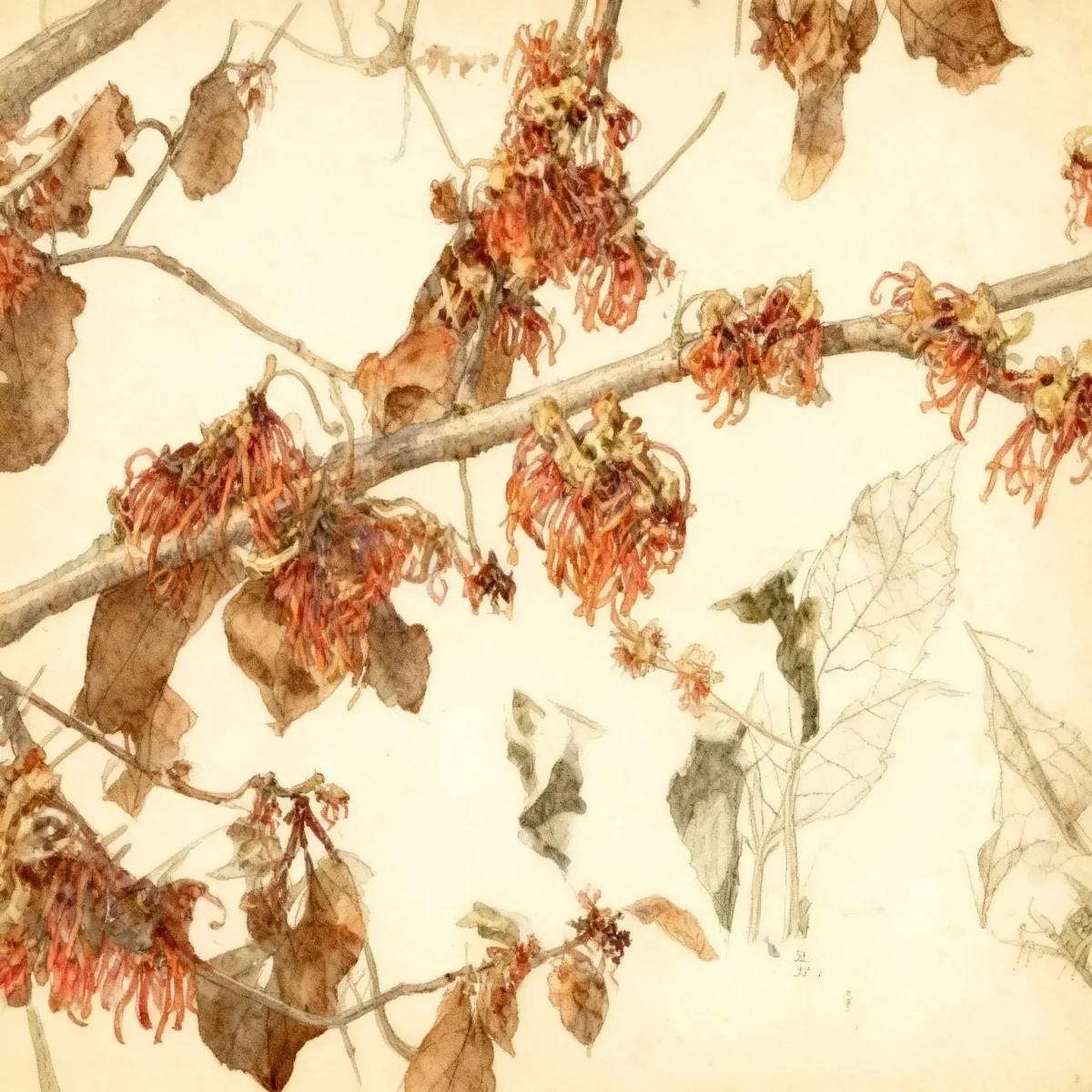
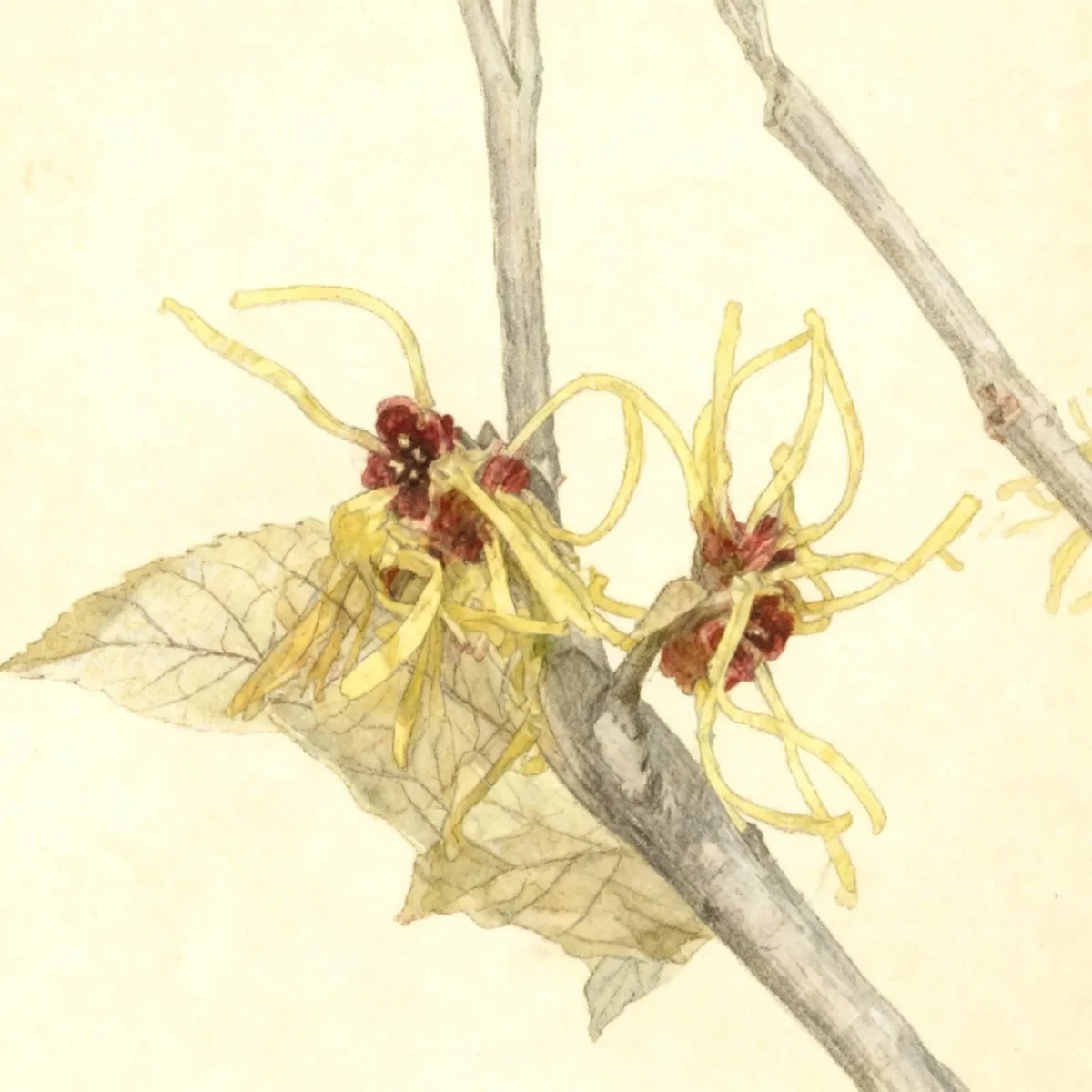
Hamamelis × intermedia hybrids are crosses between Japanese witch hazel (H. Japonica) and Chinese witch hazel (H. Mollis). They are particularly noted for their spidery, often fragrant, mid- to late winter flowers which appear before the spring foliage emerges. The cultivar ‘Moonlight’ features these showy flowers in axillary clusters blooming along the bare stems, displaying narrow, ribbon-like, curled and crinkled, yellow petals against a deep red calyx. After the blooms fade, the leaves emerge medium green, eventually turning a quality yellow tone in the fall.
Tolerances
- Deer
- Erosion
- Clay Soil
Potential Problems
Insect pests, while present, are generally not serious threats to established Hamamelis × intermedia ‘Moonlight’. Gardeners should scout for caterpillars or Japanese beetles that may cause leaf chewing damage during the summer growing season. Watch for opportunistic pests like scale or leafminers, though chemical intervention is rarely required. Potential diseases include powdery mildew or occasional leaf spots; ensuring good air circulation through proper pruning can mitigate fungal issues.
Frequently Asked Questions
What hardiness zones is Witch hazel suitable for?
The Hamamelis × intermedia ‘Moonlight’ Witch hazel is reliably hardy in USDA Zones 5 through 8.
How large does Hamamelis × intermedia ‘Moonlight’ grow?
This cultivar typically matures to a height range of 10 to 12 feet, with a comparable spread of 12 to 14 feet wide, developing a spreading, vase-shaped habit.
When does Witch hazel bloom?
This Witch hazel variety provides its signature display between January and March, featuring notable yellow petals that appear before the foliage emerges.
What sun exposure does Hamamelis × intermedia ‘Moonlight’ need?
For optimal flowering performance, plant this Witch hazel where it can receive full sun, although it will tolerate partial shade conditions.
Conclusion
The Hamamelis × intermedia ‘Moonlight’ offers exceptional late-winter interest through its fragrant, showy yellow flowers, making it an invaluable structural element in any garden design. This low-maintenance Witch hazel brings color to the otherwise dormant landscape and offers good tolerance to common garden pressures like deer browsing. Before planting, be sure to check your local USDA Hardiness Zone compatibility and prepare moist, well-drained soil to ensure a spectacular performance year after year.
Companion Planting
When selecting companions for Hamamelis × intermedia ‘Moonlight’, focus on plants that share similar preferences for moist, acidic, and organically rich soil conditions. Groups of broadleaf evergreens like Rhododendrons and Azaleas are superb choices, as they provide deep green contrast to the pale winter blossoms and thrive in similar filtered light. Consider planting spring-flowering bulbs like snowdrops or winter aconite nearby to layer continuous color beneath the shrub during its bloom time.
Seasonal Care Calendar
During the late winter (January through March), this Witch hazel is at its peak performance; ensure the area around the base remains clear so its structure is visible. Spring is the critical pruning window—after flowering ceases, lightly prune only to address shape or suckers threatening the graft line. Summer care for Hamamelis × intermedia ‘Moonlight’ must focus on consistent watering to prevent summer drought stress, which can lead to foliage scorch. Finally, look forward to the rewarding, quality yellow fall color displayed just before the dormant season begins.