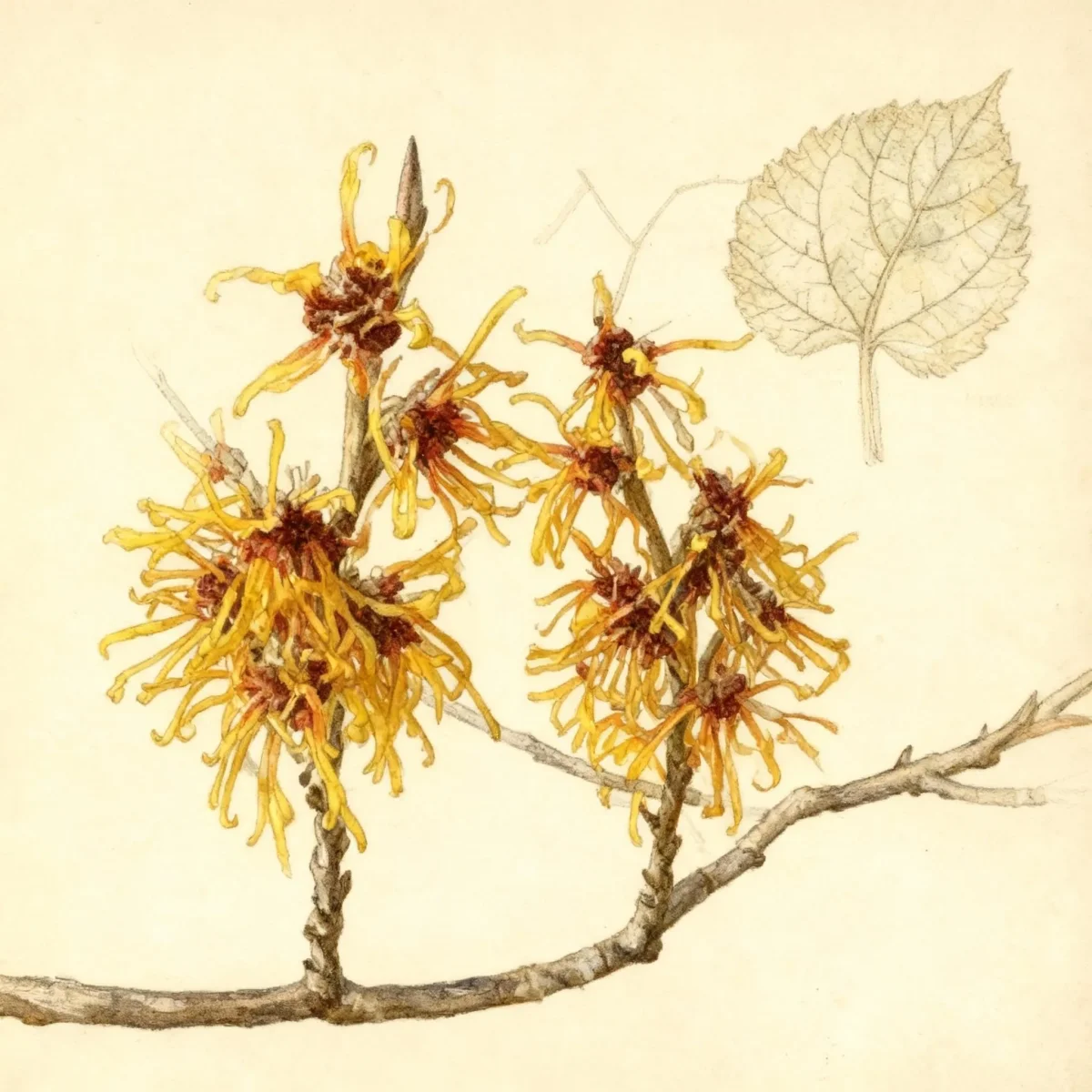
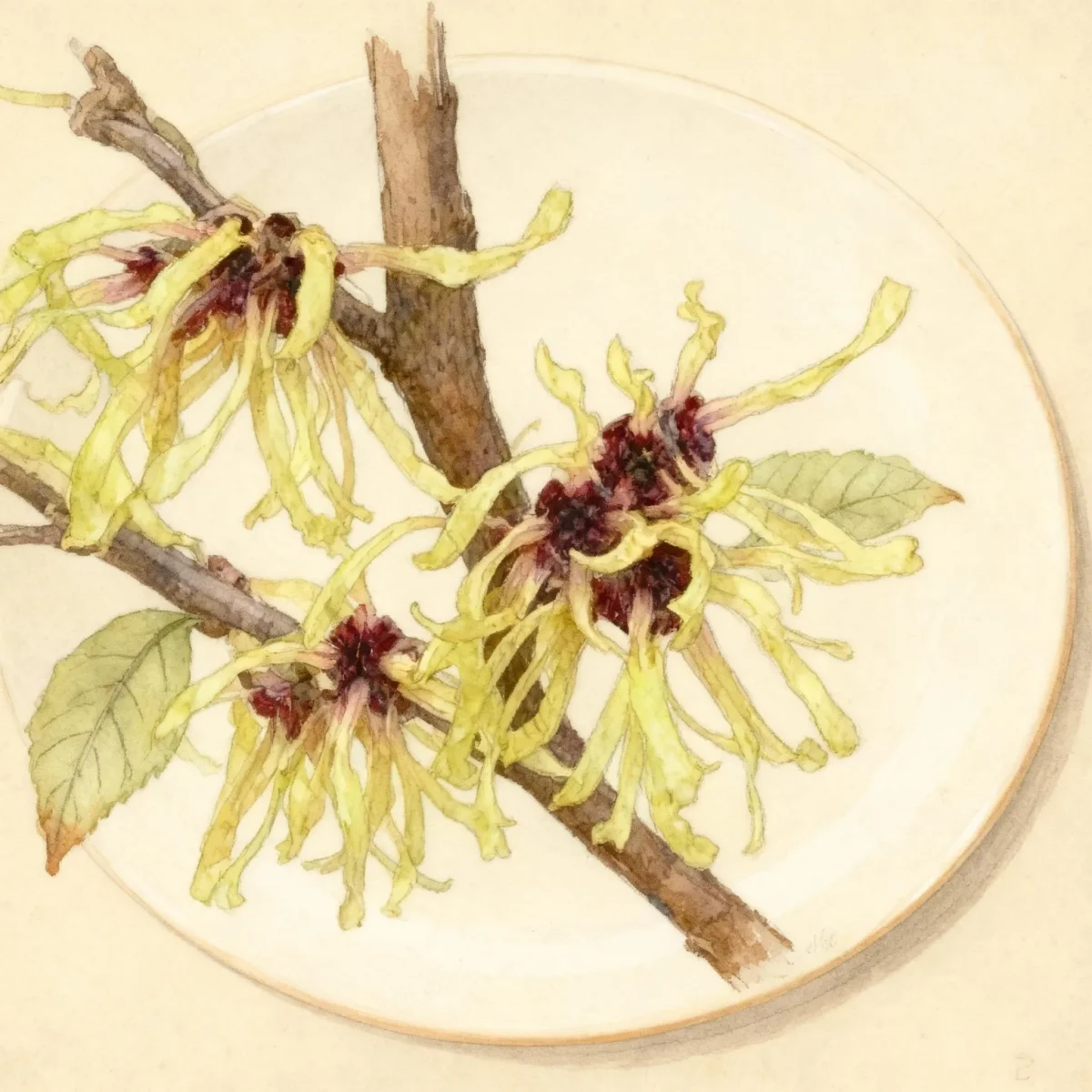
Witch hazel (Hamamelis × intermedia 'Vesna')
Hamamelis × intermedia 'Vesna' is a low-maintenance Witch hazel offering spectacular, fragrant winter flowers and excellent fall color.
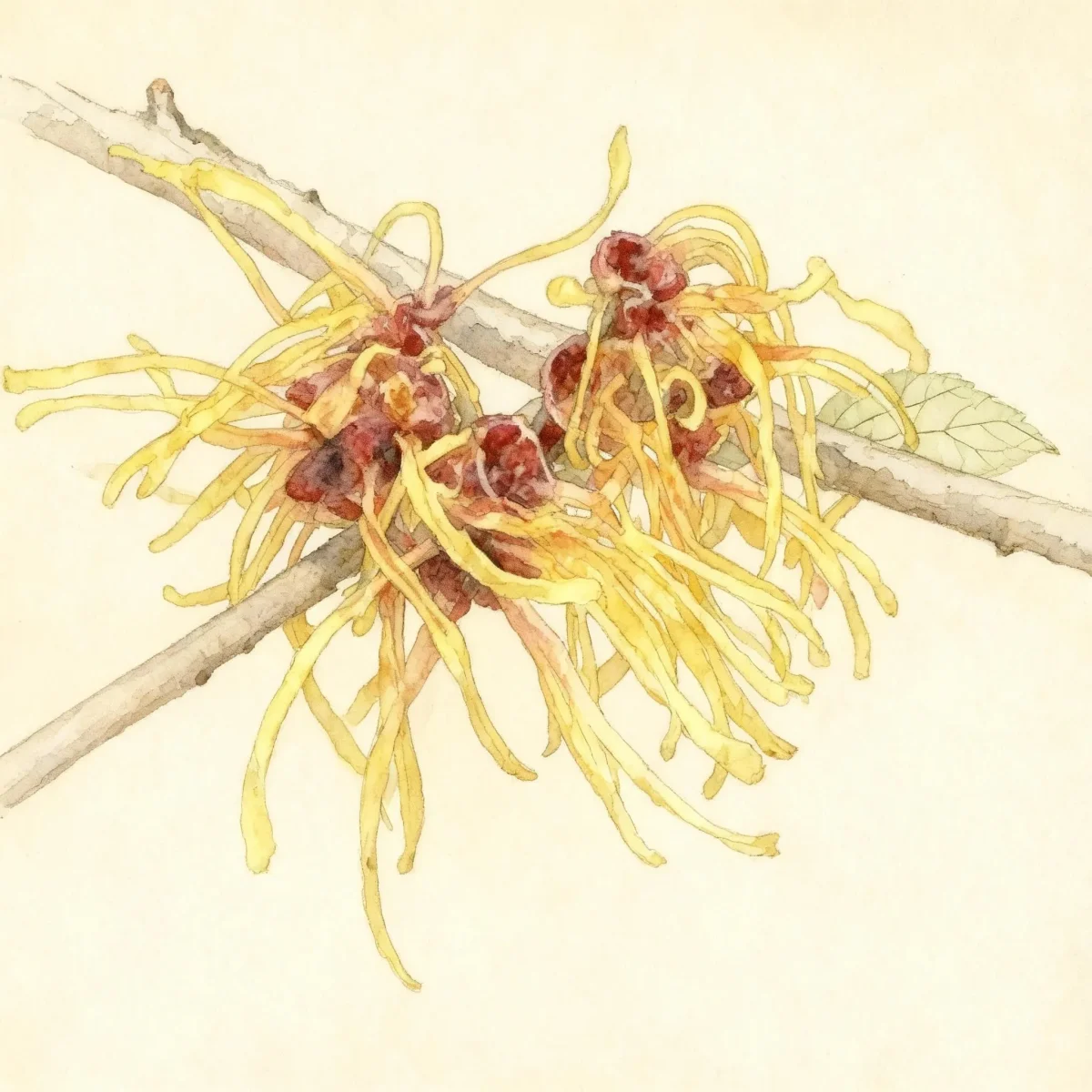

Bloom Boldly, No Matter the Season - Sweatshirt
Cozy organic cotton sweatshirt featuring our exclusive Purple Coneflower design. Perfect for gardeners who bloom year-round.
Inspired by the beautiful Witch hazel
Limited first batch (50) — join the waitlist for early access
Waitlist closes Feb 15, 2026.
Complete Plant Information
Field Guide Continues
Ready for care notes, companion picks, and planting tips?
The map is just the start. The full guide below covers growth habits, seasonal performance, and landscape uses.
Overview
Hamamelis × intermedia ‘Vesna’ is a highly valued deciduous shrub celebrated for providing brilliant color during the bleakest part of the year. As a hybrid Witch hazel, this cultivar offers superior winter interest when few other plants are active, making it indispensable for winter gardens. Gardeners rely on Hamamelis × intermedia ‘Vesna’ not just for its unique bloom time, but also for its attractive seasonal aesthetics.
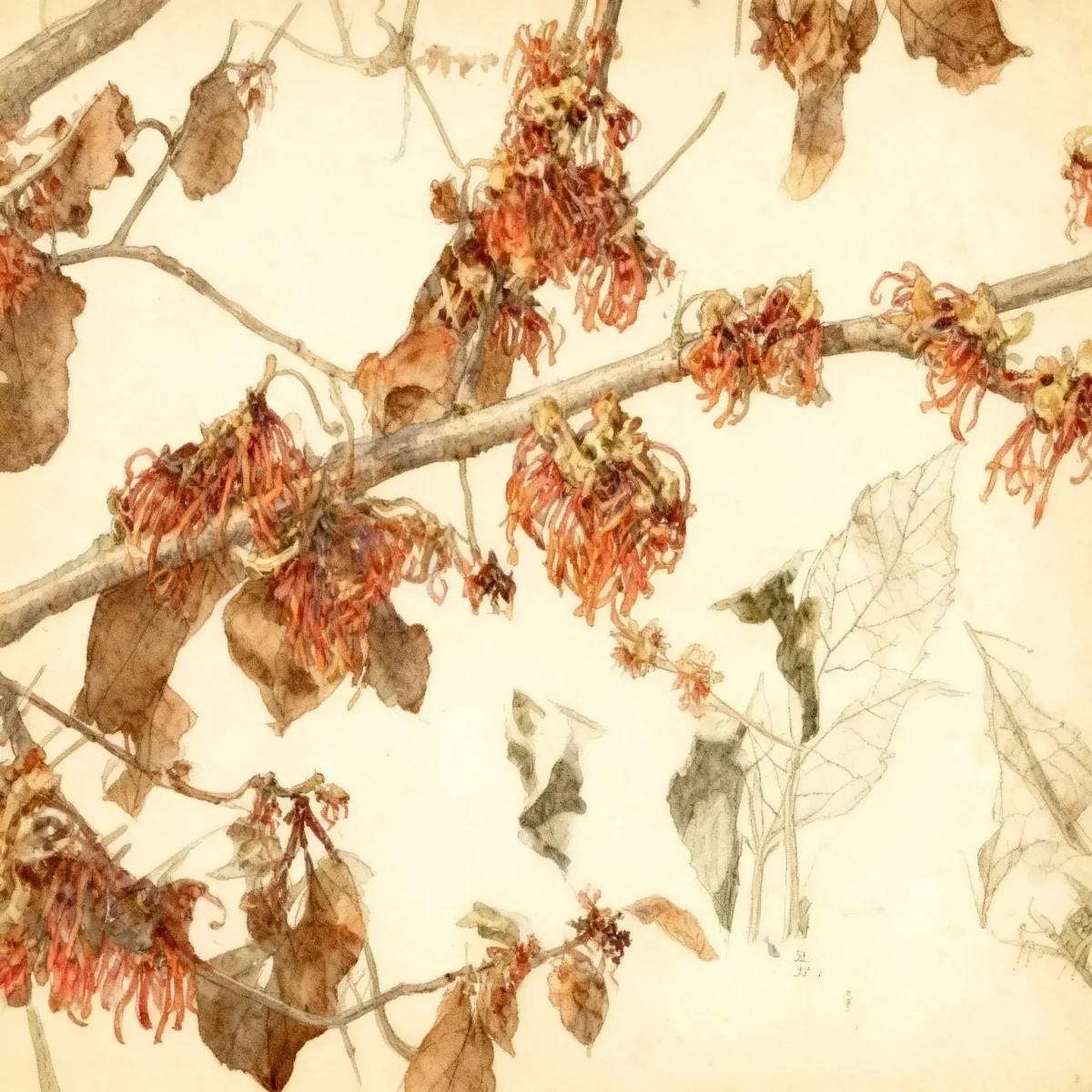
This cultivar typically forms an upright, moderately sized shrub, reaching 10 to 12 feet tall. Its structure is defined by medium to large leaves that offer vibrant red, orange, and yellow tones before dropping, adding excellent autumn structure. The primary appeal remains the late winter display of spidery, fragrant flowers that appear before the emerging spring foliage.
Because Hamamelis × intermedia ‘Vesna’ requires relatively low maintenance once established and exhibits good tolerance to various conditions, it serves excellently as a specimen plant or integrated structure within mixed borders. Its winter fragrance and notable flower structure ensure that this Witch hazel remains a focal point in any landscape setting.
Fast Facts
- Plant Family: Hamamelidaceae
- Plant Type: Deciduous shrub
- Hardiness Zones: USDA Zones 5-8
- Size at Maturity:
- Height: 10-12 ft
- Spread: 6-9 ft
- Bloom Time: January to March
- Bloom Description: Yellow-orange petals
- Sun Exposure: Full sun to part shade
- Water Needs: Medium
- Maintenance Level: Low
How to Grow
The best time to establish your Hamamelis × intermedia ‘Vesna’ is during the dormant season, either early spring before major growth resumes or in the fall. For optimal flowering, situate this Witch hazel where it receives full sun, although it tolerates partial shade. It thrives in average, medium moisture conditions but strongly prefers consistently moist, acidic, and organically rich soils.
Consistent moisture management is crucial, especially during summer droughts, as insufficient water can lead to leaf scorch on the Hamamelis × intermedia ‘Vesna’. While it shows tolerance for clay soils, ensure that drainage remains adequate to prevent root issues. Maintenance is generally low; however, be vigilant about removing any root suckers, particularly those arising below the graft union, to discourage colonial spread and maintain the desired cultivar characteristics.
Pruning should be done judiciously in the spring immediately following the conclusion of the bloom period. This timing prevents the removal of next year’s flower buds, which set the previous summer. Focus pruning efforts on shaping the shrub or controlling size effectively.
Landscape Uses
The superior winter flowering of Hamamelis × intermedia ‘Vesna’ positions it perfectly as a vital four-season specimen tree or shrub in the landscape plan. Its capability to produce flowers on bare wood makes it an excellent focal point near walkways or windows where winter viewing is possible. Use it as a strong anchor in shrub borders or as sculptural elements in woodland gardens.
When planted as a screen or tall hedge, the Hamamelis × intermedia ‘Vesna’ provides structure throughout the year, breaking up hard lines in the garden layout. Its fall color is an added bonus, bridging the gap between summer greens and deep winter dormancy. Consider planting near evergreens to contrast the bright winter blooms against dark foliage.
Standout Features
Flower Qualities
- Showy
- Fragrant
Noteworthy Characteristics
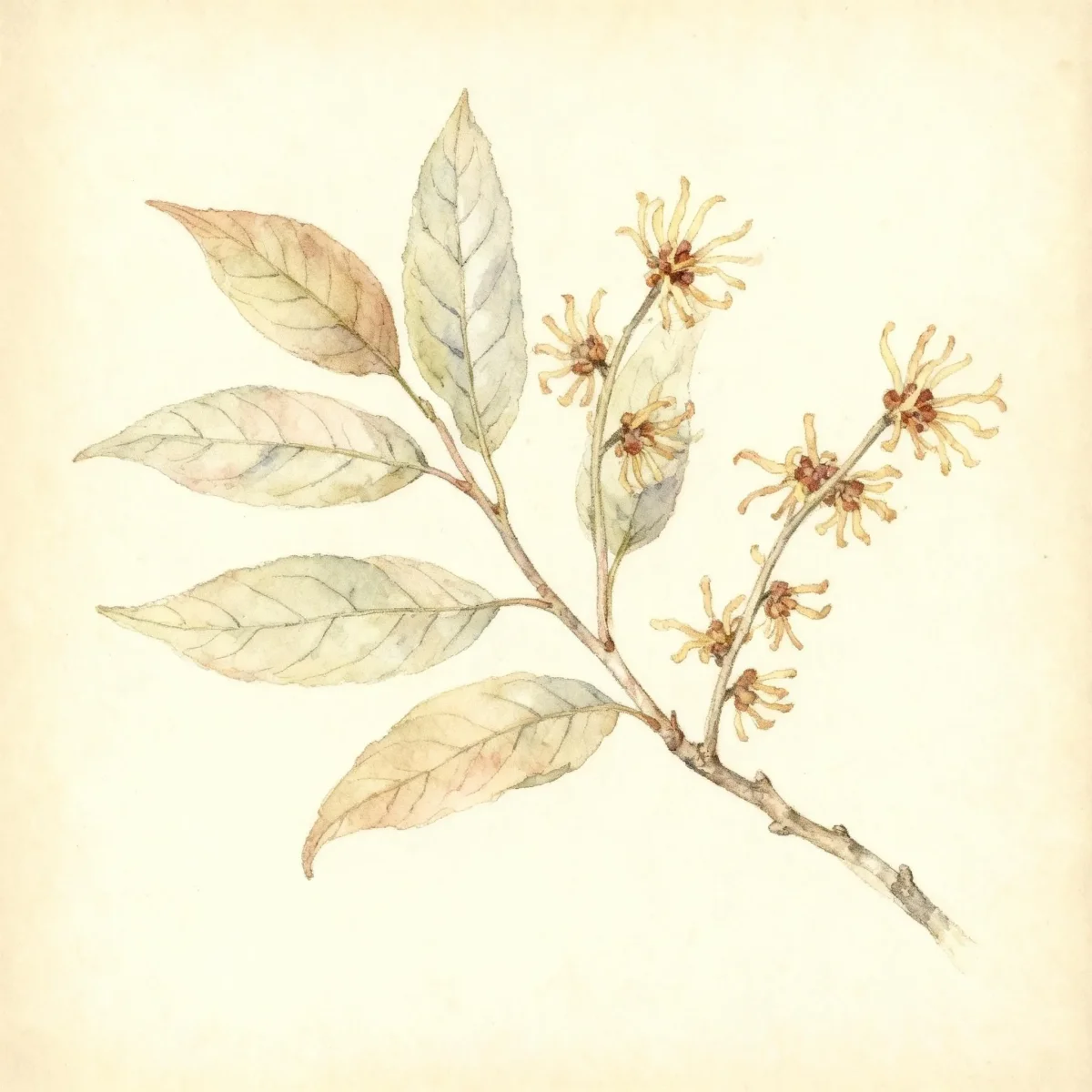
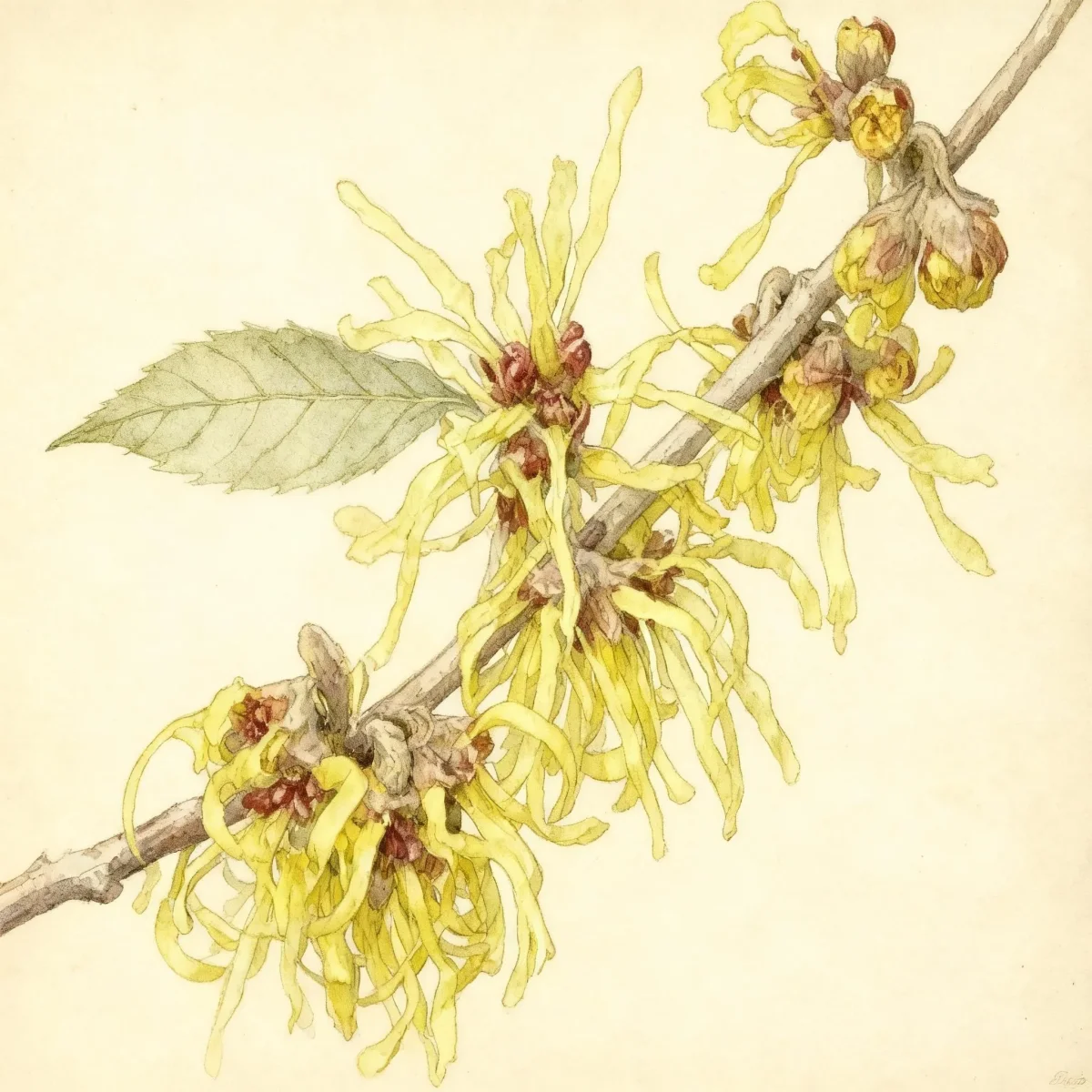
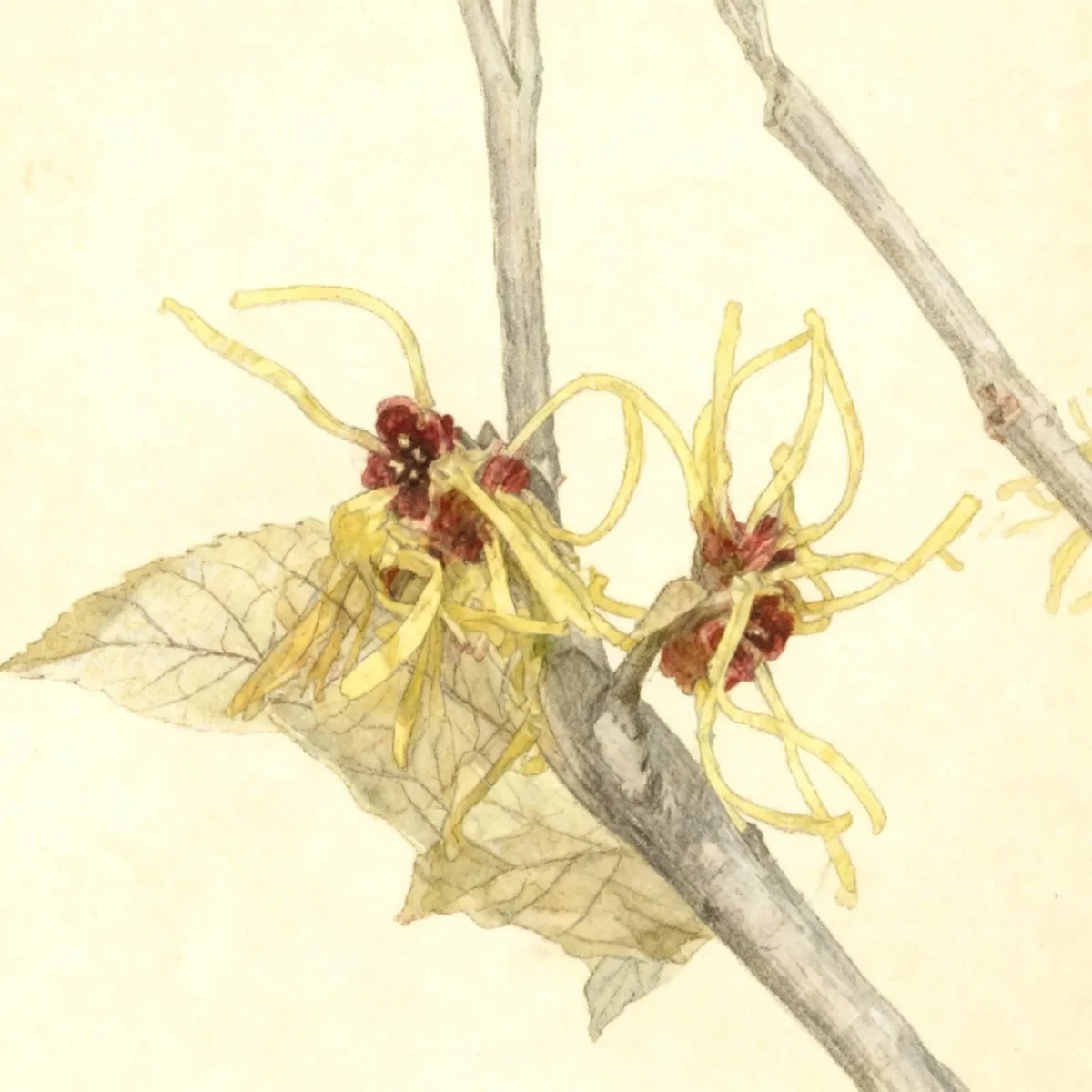
Hamamelis × intermedia hybrids are crosses between Japanese witch hazel (H. Japonica) and Chinese witch hazel (H. Mollis). They are noted for their spidery, often fragrant, mid- to late winter flowers appearing before new foliage emerges. The cultivar ‘Vesna’ specifically features yellow flowers tinged with red emerging in axillary clusters along the bare stems, creating a stunning winter spectacle. Each flower boasts four narrow, ribbon-like, twisted yellow-orange petals which often display mild red hues near their base.
Tolerances
- Deer
- Erosion
- Clay Soil
Potential Problems
Insect and disease issues for this Witch hazel are typically minor and rarely require chemical intervention. Caterpillars and Japanese beetles might occasionally chew on the leaves during the growing season. Gardeners should also remain watchful for sap-sucking pests such as gall aphids, scale, leafrollers, and leafminers.
Potential diseases include powdery mildew, which can affect foliage, and sporadic leaf spots or root rots if drainage is excessively poor. To support overall plant health and resistance, adhere to correct planting practices, ensuring good air circulation and appropriate soil moisture levels for Hamamelis × intermedia ‘Vesna’.
Frequently Asked Questions
What hardiness zones is Witch hazel suitable for?
Hamamelis × intermedia ‘Vesna’ is well-suited for cultivation across USDA Hardiness Zones 5 through 8.
How large does Hamamelis × intermedia ‘Vesna’ grow?
This upright shrub generally matures to a height between 10 and 12 feet, with a spread ranging from 6 to 9 feet wide.
When does Witch hazel bloom?
This specific Witch hazel cultivar blooms from January through March, offering its fragrant yellow-orange flowers before the leaves emerge.
What sun exposure does Hamamelis × intermedia ‘Vesna’ need?
For the very best flowering display, this plant should be situated in full sun, though it will tolerate partial shade conditions.
Conclusion
Hamamelis × intermedia ‘Vesna’ is an exceptional choice for gardeners seeking reliable winter interest, notable fragrance, and dependable autumn color from one low-maintenance specimen. The striking display of its unique flowers makes this Witch hazel a standout performer during otherwise dormant months. Before planting, always confirm that your site aligns with USDA Zones 5-8 and plan for consistently moist, well-drained soil conditions to maximize the beauty of your Hamamelis × intermedia ‘Vesna’.
Companion Planting
Selecting appropriate companions enhances the Hamamelis × intermedia ‘Vesna’ landscape value, particularly when it is dormant. Consider planting early spring ephemerals beneath the canopy, such as snowdrops and crocus, which emerge concurrently with or just after the Witch hazel blooms. Once summer arrives, deciduous companions like Japanese maples or dogwoods offer contrasting foliage textures and colors that complement the shrub’s structure.
Ensure companion plants share similar cultural needs, especially concerning soil acidity and moisture. Since this Witch hazel prefers moist, rich soil and good drainage, avoid drought-tolerant Xeriscape companions which may cause stress. Grouping it with plants that also enjoy part shade ensures optimal summer health for all components of the border system.
Seasonal Care Calendar
Winter (December - February): This is the prime viewing window for Hamamelis × intermedia ‘Vesna’. Inspect branches for any broken limbs following heavy snow or ice, removing any damaged wood promptly after flowering ceases. Avoid heavy pruning now to preserve flower buds.
Spring (March - May): Once flowering is finished, this is the ideal time for shaping and size control. Apply a balanced, slow-release fertilizer if soil tests indicate a deficiency, focusing on improving organic content. Monitor for early pest activity like caterpillars and address any root suckers immediately.
Summer (June - August): Maintain consistent soil moisture during dry spells to prevent leaf scorch, which detracts from the late-season foliage display. Deep, infrequent watering is preferable over shallow daily sprinklings.
Fall (September - November): Enjoy the rich red, orange, and yellow tones as the leaves put on their final performance. Leaf cleanup is often minimal, as leaf litter can nourish the soil, but remove fallen leaves from lawns or pathways as desired.