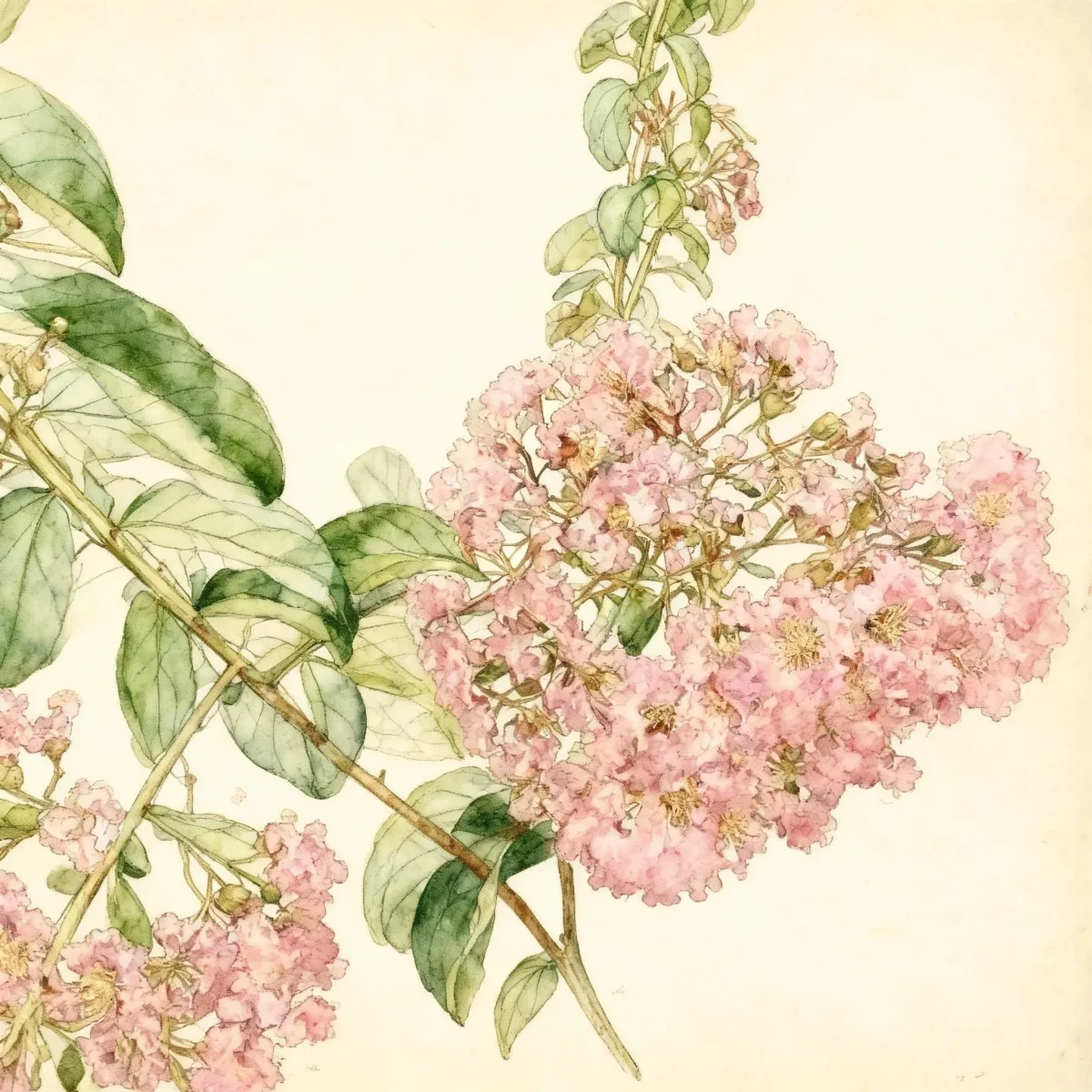
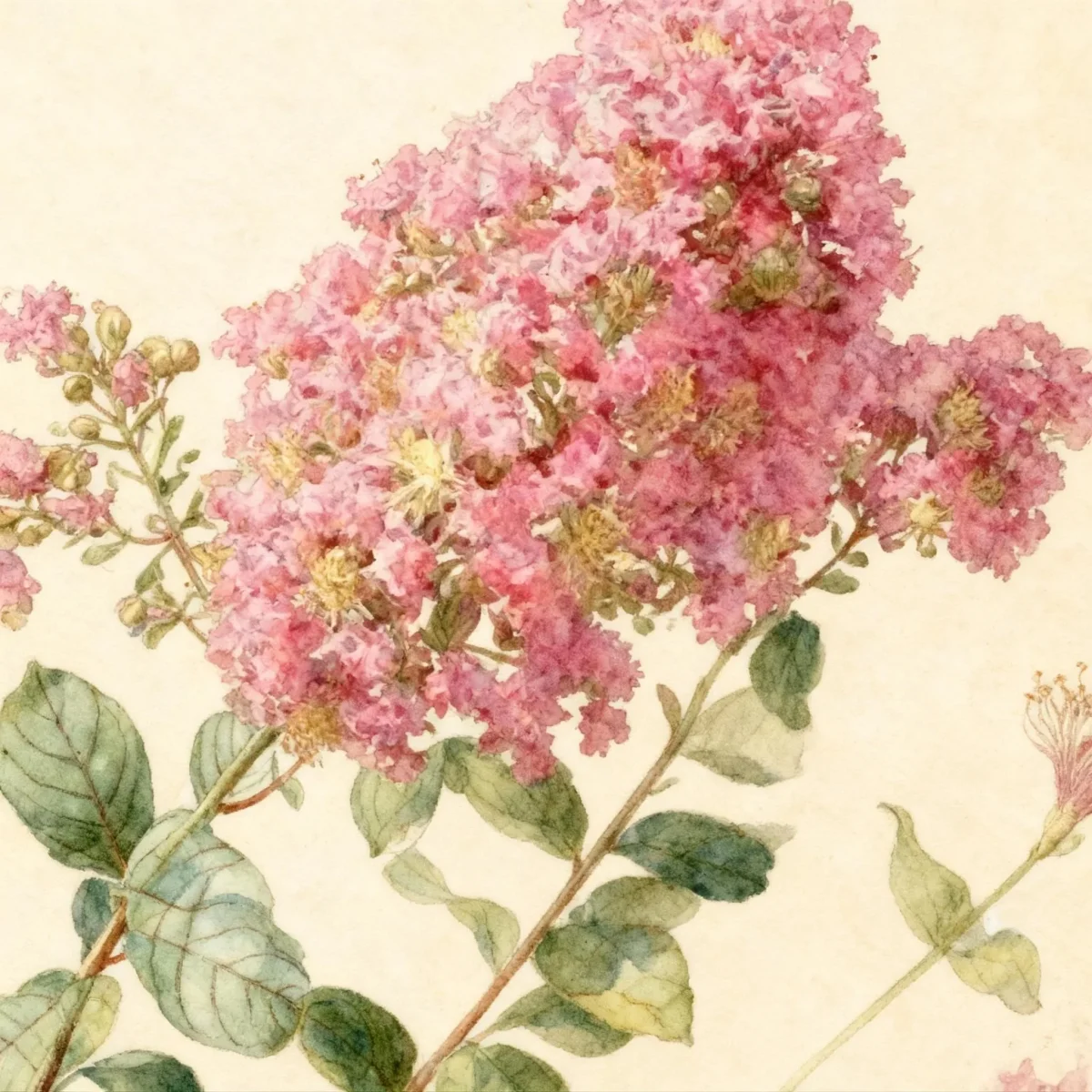
Crape myrtle (Lagerstroemia indica 'Hopi')
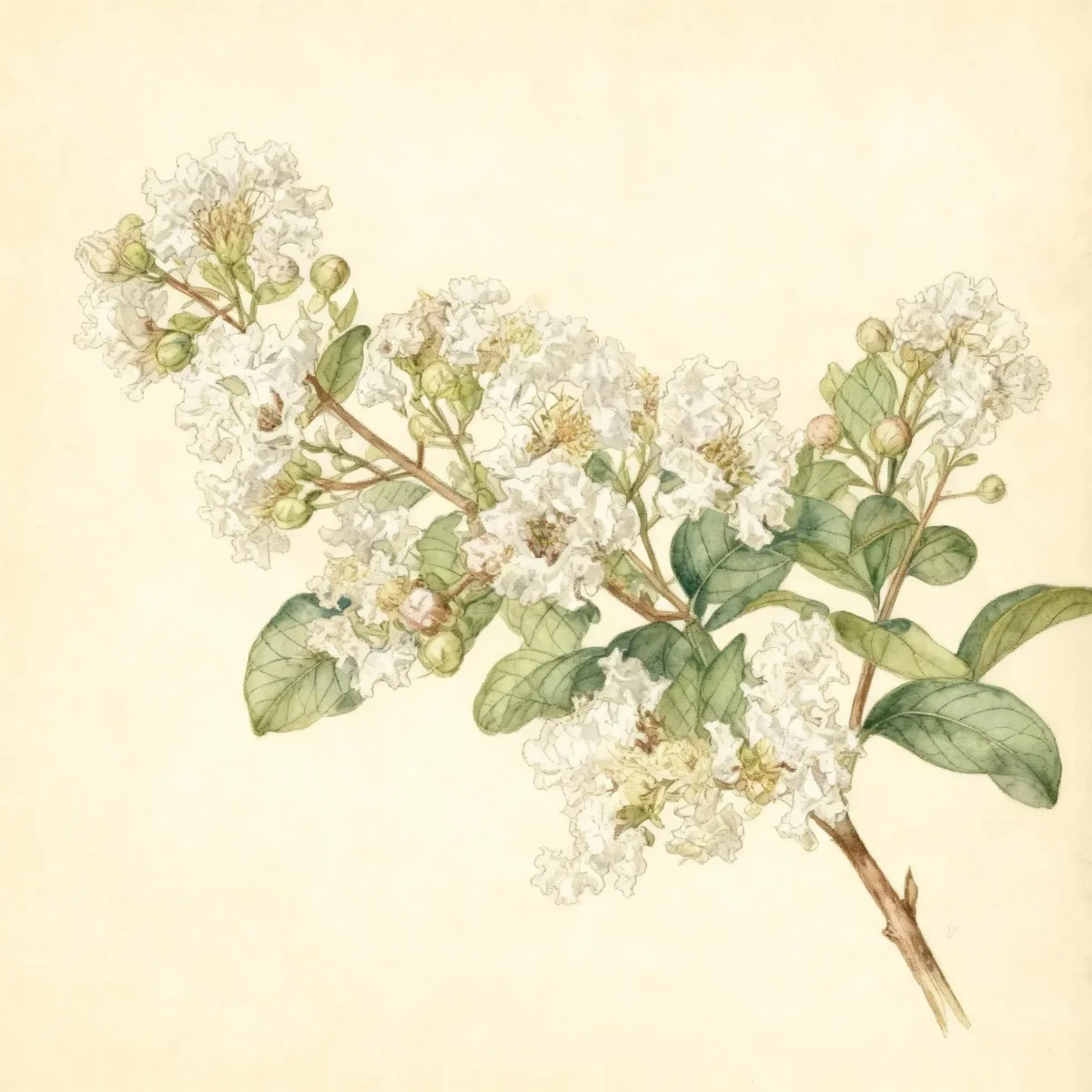
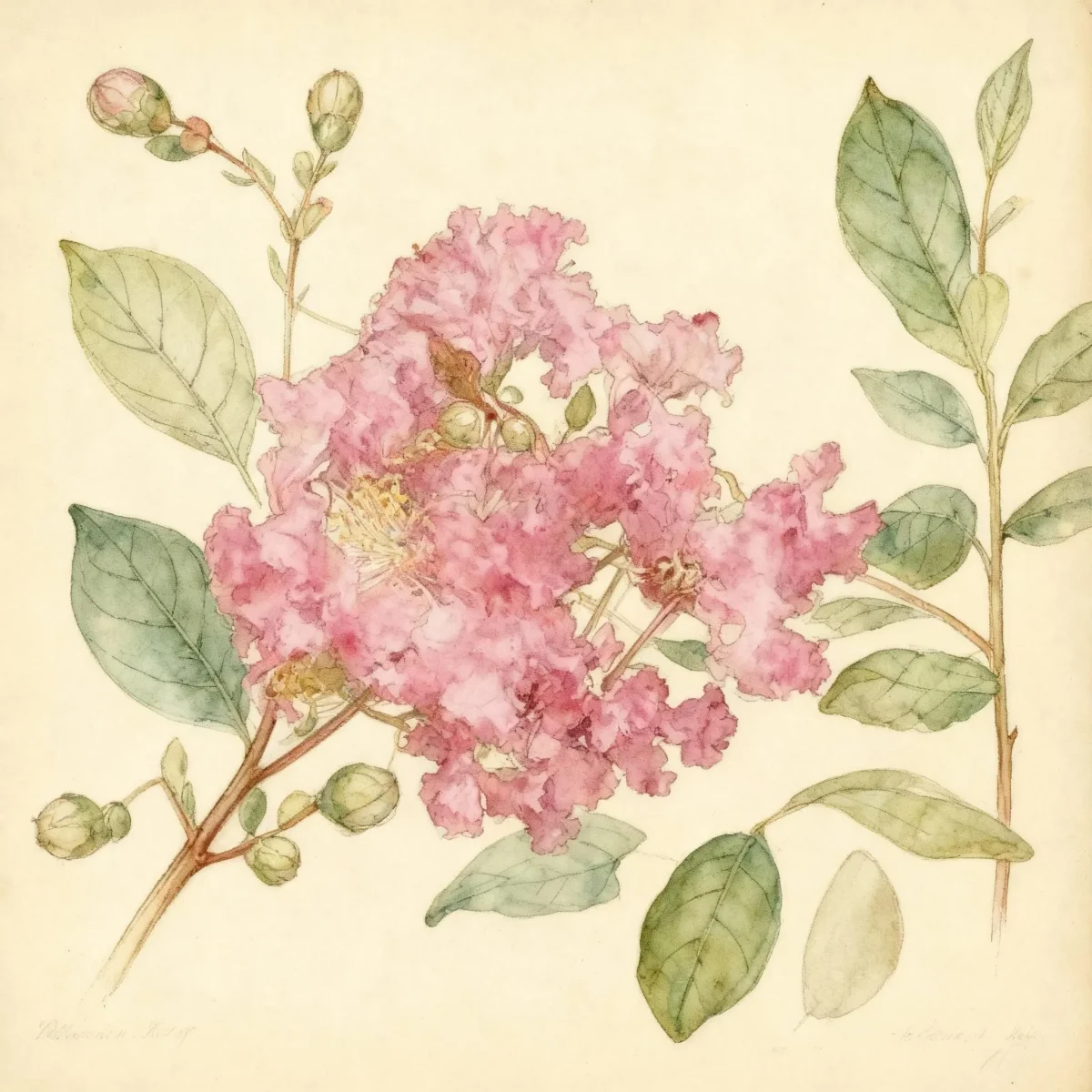
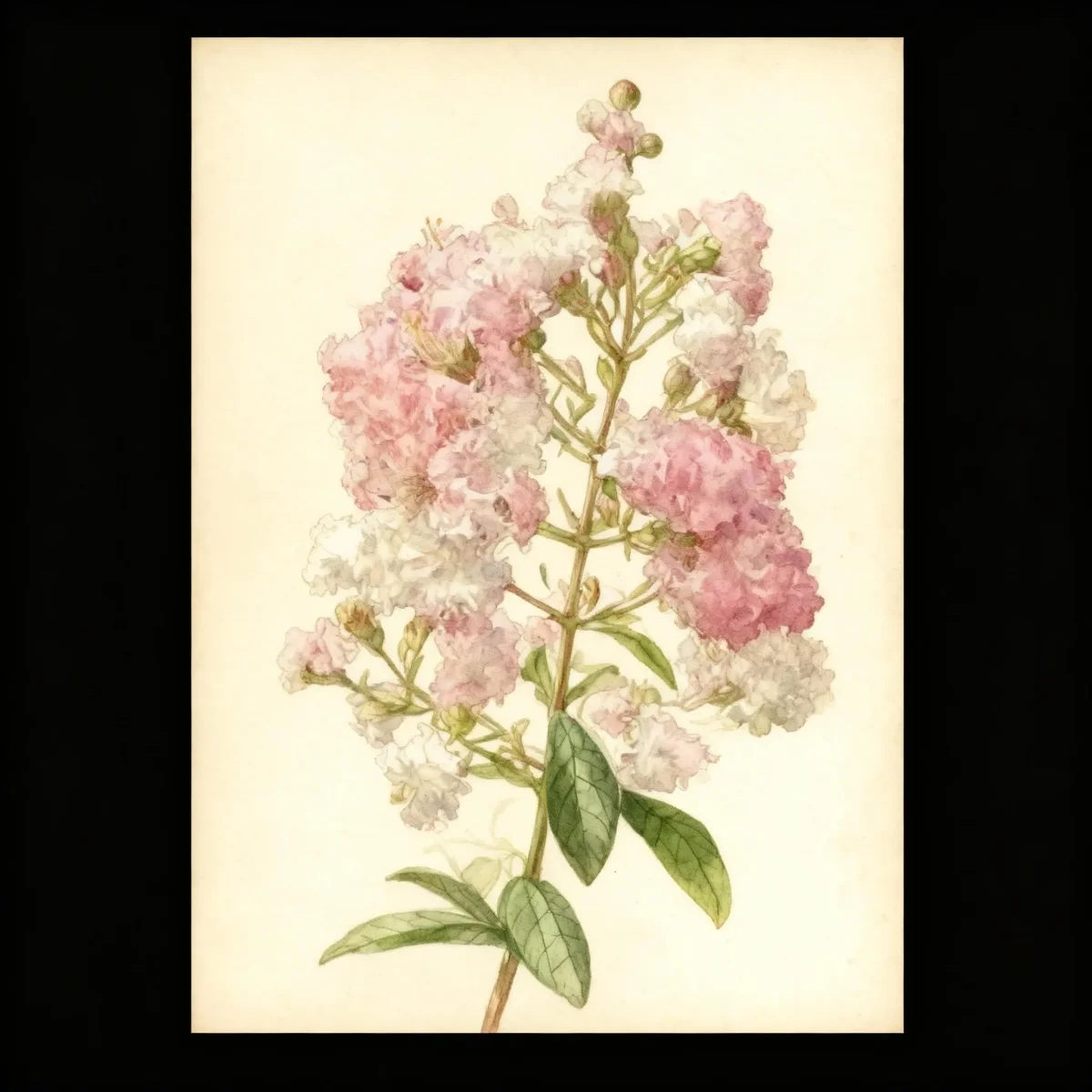
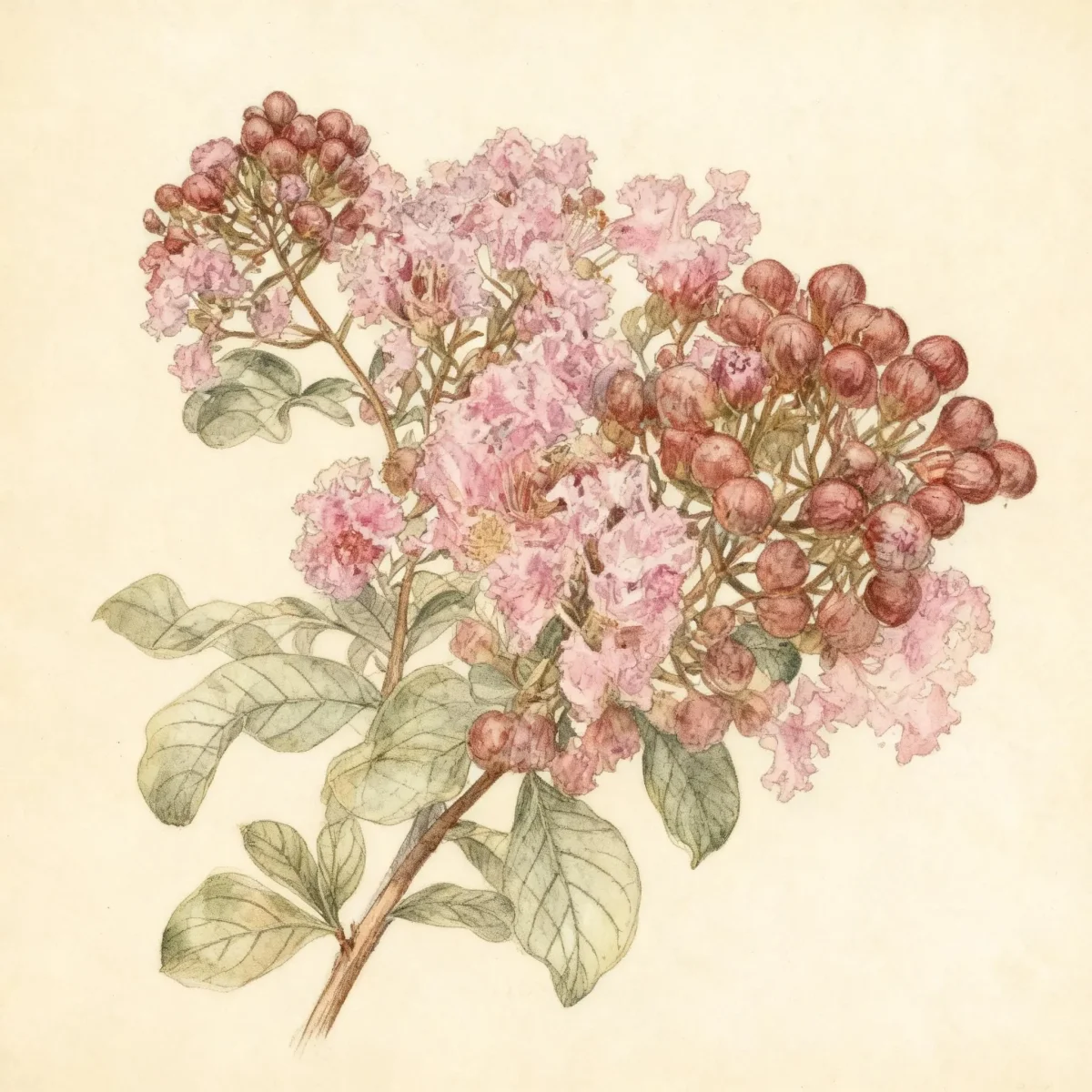
Lagerstroemia indica 'Hopi' Crape myrtle is a mildew-resistant, deciduous shrub featuring light pink flowers from mid-summer to early fall.
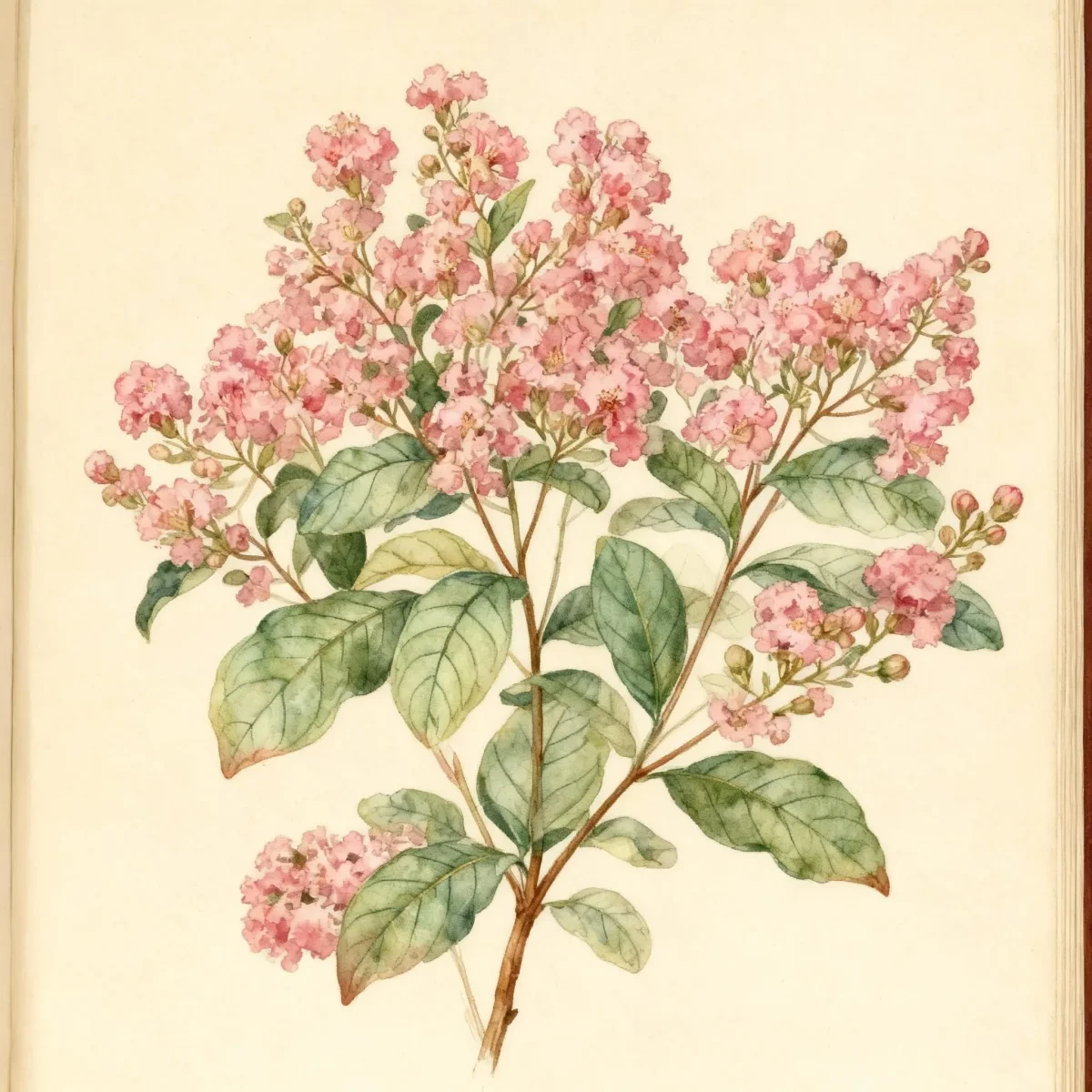

Bloom Boldly, No Matter the Season - Sweatshirt
Cozy organic cotton sweatshirt featuring our exclusive Purple Coneflower design. Perfect for gardeners who bloom year-round.
Inspired by the beautiful Crape myrtle
Limited first batch (50) — join the waitlist for early access
Waitlist closes Feb 15, 2026.
Complete Plant Information
Field Guide Continues
Ready for care notes, companion picks, and planting tips?
The map is just the start. The full guide below covers growth habits, seasonal performance, and landscape uses.
Overview
Lagerstroemia indica ‘Hopi’ is a highly valued, compact cultivar of the Crape myrtle, celebrated for its extended summer bloom period and improved disease resistance. This deciduous shrub distinguishes itself with terminal panicles of light pink, crepe-papery flowers that continue to appear from mid-summer well into early fall, providing invaluable color when many other garden specimens are fading. It offers structure with its wide-spreading, multi-stemmed habit, dark green foliage that turns an attractive dull reddish-orange in autumn, and appealing exfoliating bark on mature wood.
As a successful cultivar developed by the National Arboretum, Lagerstroemia indica ‘Hopi’ minimizes the common fungal issues associated with its relatives, making maintenance easier for the home gardener. While it thrives as a robust shrub in the warmer portions of its range, in cooler areas like the St. Louis region, winter protection or hard pruning may be necessary to encourage reliable seasonal growth and flowering.
This Crape myrtle is an excellent choice for gardeners seeking long-lasting summer interest combined with moderate drought tolerance once established. Its manageable size makes it versatile for use in borders or as a solitary accent, ensuring the classic beauty of the Lilac of the South is accessible even in slightly smaller garden spaces.
Fast Facts
- Plant Family: Lythraceae
- Plant Type: Deciduous shrub
- Hardiness Zones: USDA Zones 6-9
- Size at Maturity:
- Height: 4-11 ft
- Spread: 4-11 ft
- Bloom Time: July to September
- Bloom Description: Pink
- Sun Exposure: Full sun
- Water Needs: Medium
- Maintenance Level: Medium
How to Grow
The best time to plant Lagerstroemia indica ‘Hopi’ is typically in the spring after the threat of hard frost has passed, allowing the root system ample time to establish before winter stress. This Crape myrtle performs optimally in full sun exposure—a minimum of six hours of direct sun is essential for abundant flowering. While it prefers average, medium-moisture, well-drained soils, it adapts well to loamy and clay soils, provided drainage is adequate.
For consistent performance, water the root zone deeply, especially during periods of dry weather, but make a conscious effort to avoid wetting the foliage, which can encourage fungal issues even when the plant is mildew-resistant. Feeding should be done cautiously; benefits are seen from a slow-release fertilizer, but overly fertile soil pushes excessive leafy growth at the expense of flower production. Mulching around the base and planting in protected locations is recommended, particularly in northern zones.
Gardeners in marginal zones (5-6) must prepare for potential die-back. In early spring, stems that were injured or killed by cold temperatures (below -5°F) can be cut back to about 8 inches above the ground. The plant will reliably sprout new, flower-bearing wood from the established root system, though the season’s growth in these tricky areas may only reach 2-4 feet tall.
Landscape Uses
Lagerstroemia indica ‘Hopi’ is highly adaptable, making it a strategic choice for various landscaping roles. Its natural, upright, and wide-spreading form works exceptionally well when utilized as an informal hedge or a tall screen, particularly in the South where top-growth survival is not a winter concern. Even in cooler climates, its substantial size when thriving allows it to function as a strong structural element.
Consider grouping several ‘Hopi’ specimens together to create a continuous bank of summer color along a property line or as an informal border separating lawn areas from flower beds. Because of its appealing size range (4 to 11 feet), it fits perfectly into mixed shrub borders or perennial borders where it can provide mid-level structure and late-season impact. Its exfoliating bark also offers winter interest, preventing the border from becoming monotonous once flowering ceases.
Standout Features
Flower Qualities
- Showy
Fruit Qualities
- Showy
Noteworthy Characteristics
This specific cultivar, Lagerstroemia indica ‘Hopi’, is noted for being a compact hybrid cultivar that features terminal panicles of light pink flowers lasting from mid-summer until early fall. Its dark green leaves provide attractive autumn color, turning a dull reddish-orange before dropping, and the smooth, grayish-brown bark exfoliates pleasantly with age, offering year-round visual appeal.
Tolerances
- Drought
- Clay Soil
- Air Pollution
Potential Problems
The primary concerns for Crape myrtle cultivation typically involve fungal diseases, namely powdery mildew and fungal leaf spot, although ‘Hopi’ benefits from being bred for excellent mildew resistance. Where maintenance is concerned, be vigilant for scale insects or aphids, which can sometimes colonize lush new growth. Foliage may exhibit chlorosis, or yellowing, if grown in soils with high alkalinity, requiring soil pH adjustment or iron supplementation. The most significant threat, however, is winter injury in USDA Zones 5 and 6, where top growth frequently dies back, requiring hard pruning in the spring to stimulate new flowering wood.
Frequently Asked Questions
What hardiness zones is Crape myrtle suitable for?
Lagerstroemia indica ‘Hopi’ is rated for USDA Hardiness Zones 6 through 9.
How large does Lagerstroemia indica ‘Hopi’ grow?
In ideal conditions, this compact cultivar typically reaches a height between 4 to 11 feet, with a corresponding spread of 4 to 11 feet.
What sun exposure does Crape myrtle need?
To achieve its best flowering potential, this plant absolutely requires full sun exposure.
When does Lagerstroemia indica ‘Hopi’ bloom?
This Crape myrtle provides abundant color primarily from July to September, displaying distinctive light pink blooms.
Conclusion
The Lagerstroemia indica ‘Hopi’ is an essential selection for gardeners seeking reliable, long-blooming color coupled with good disease resistance. Its manageable stature and attractive bark ensure structural interest throughout the year in the landscape. Before planting, confirm that your growing location falls within USDA Zones 6-9 to maximize its woody growth potential and enjoy beautiful pink blooms all summer long.
Companion Planting
When planning the garden around your Crape myrtle, consider plants that thrive in similar full sun and well-drained conditions but offer contrasting textures or bloom times. Companion planting with summer-blooming perennials like Coneflowers (Echinacea) or Black-Eyed Susans (Rudbeckia) can enhance the visual impact since they share similar sunlight needs. For low borders beneath the shrub, consider lower-growing, sun-loving groundcovers that do not aggressively compete for root space, or opt for drought-tolerant Mediterranean herbs like Lavender, whose silvery foliage contrasts nicely with the deep green leaves of the Lagerstroemia indica ‘Hopi’.
Design Ideas
This cultivar excels when used as a medium-height screen that softens hard architectural lines without overwhelming the space like its taller species cousins. For a refined, cottage-style border, place ‘Hopi’ behind drifts of salvias or ornamental grasses, allowing their fine texture to complement the myrtle’s bold leaves and crinkled petals. Furthermore, because of its multi-stemmed natural habit, it functions beautifully as a specimen accent planted near entryways where its exfoliating bark can be appreciated up close, especially when illuminated by low winter sun.