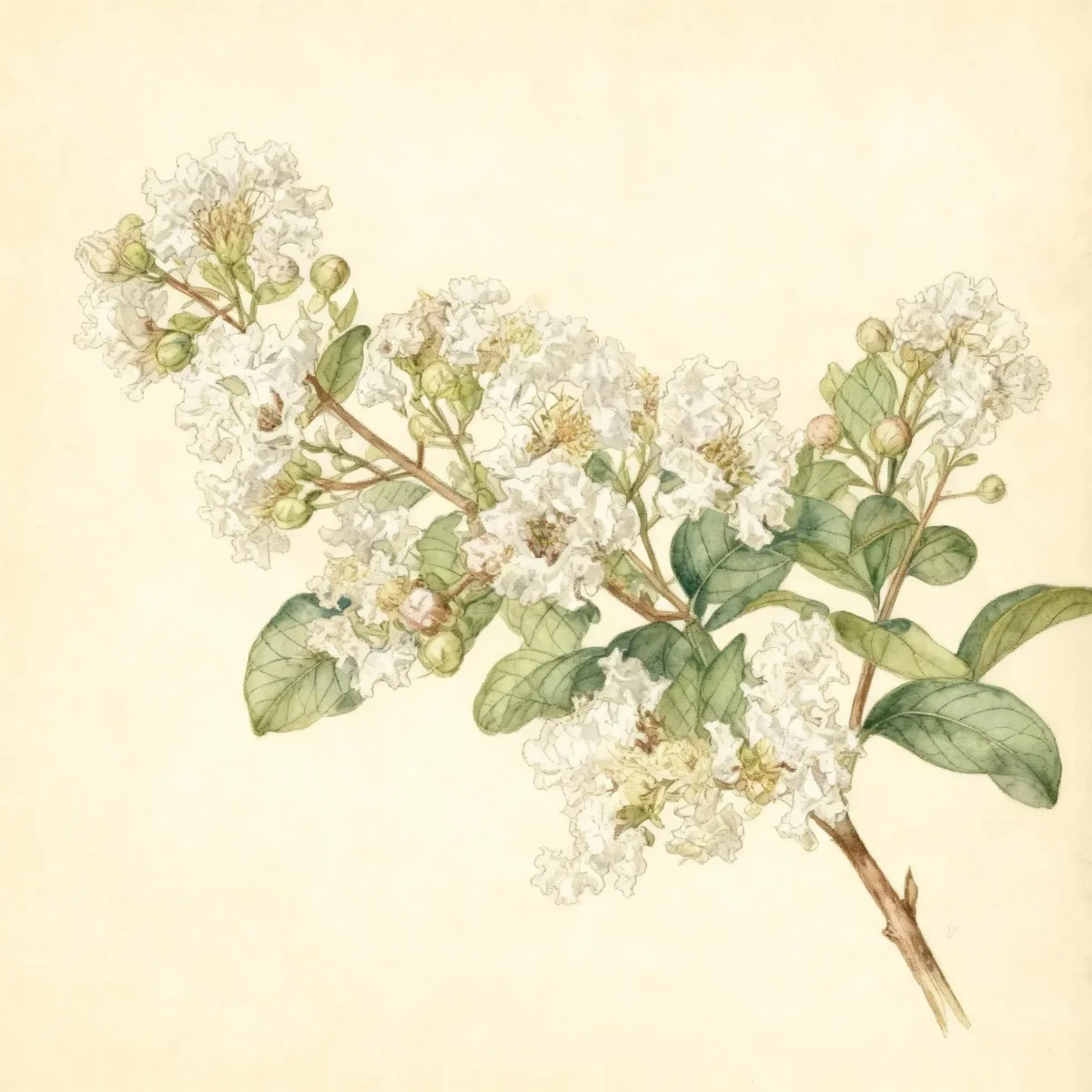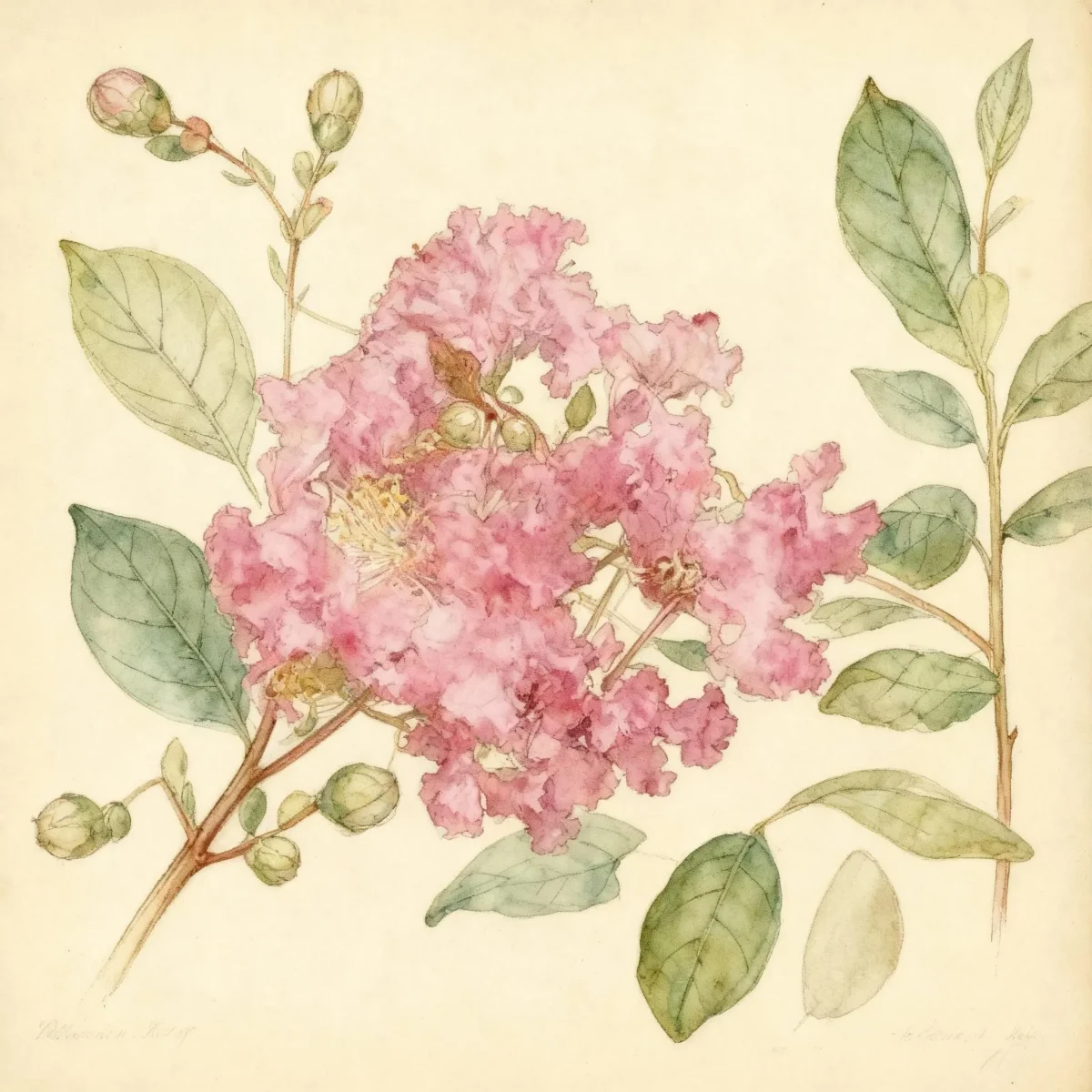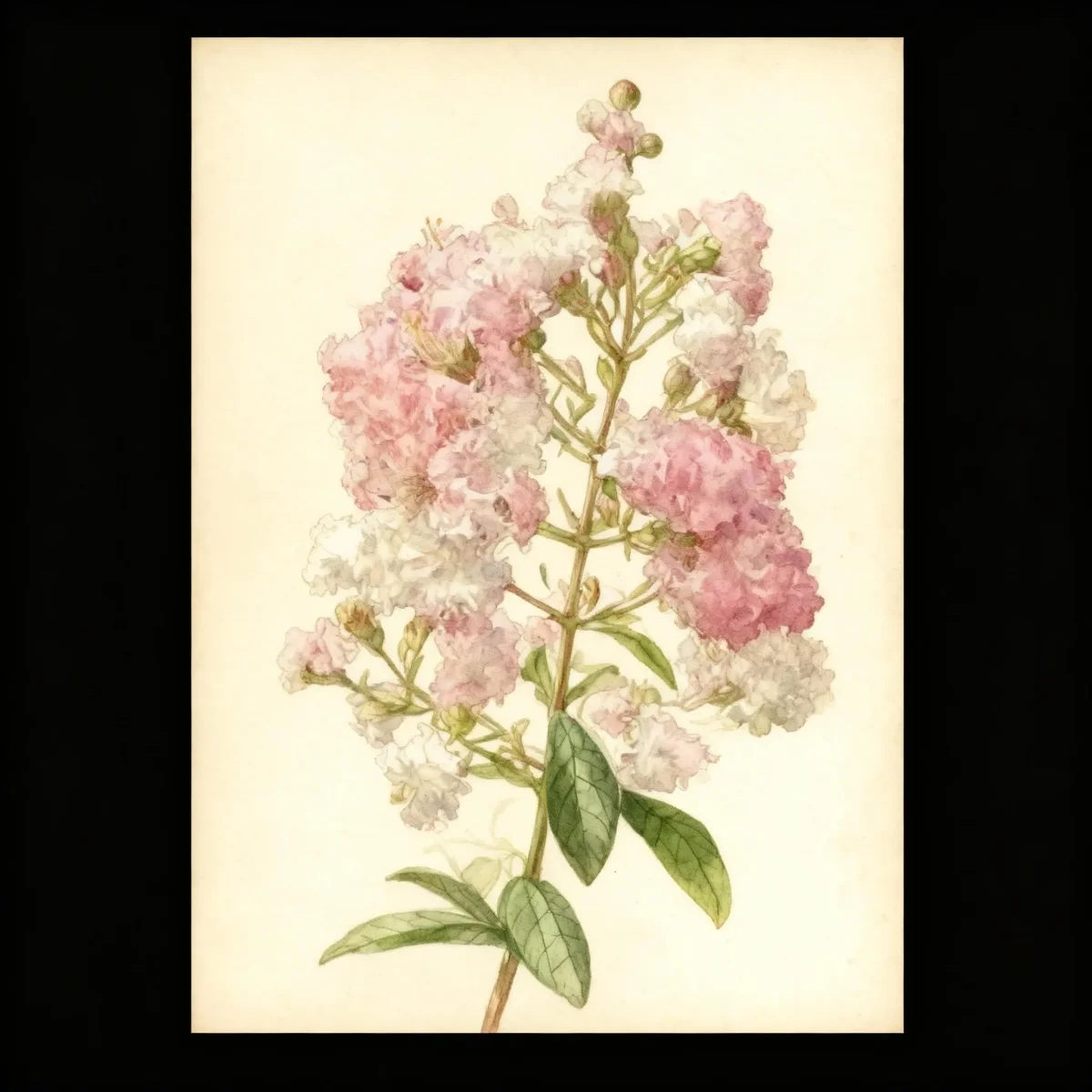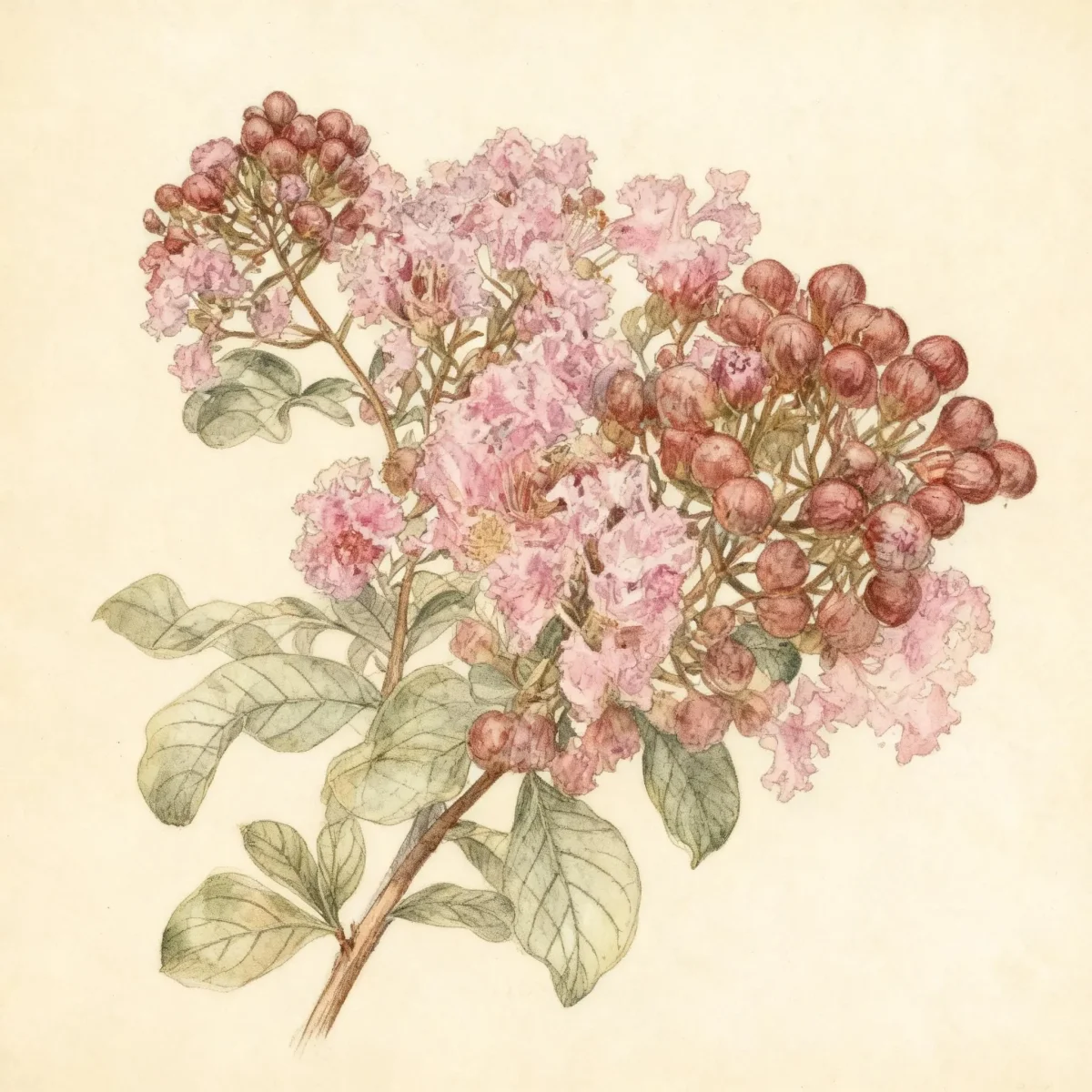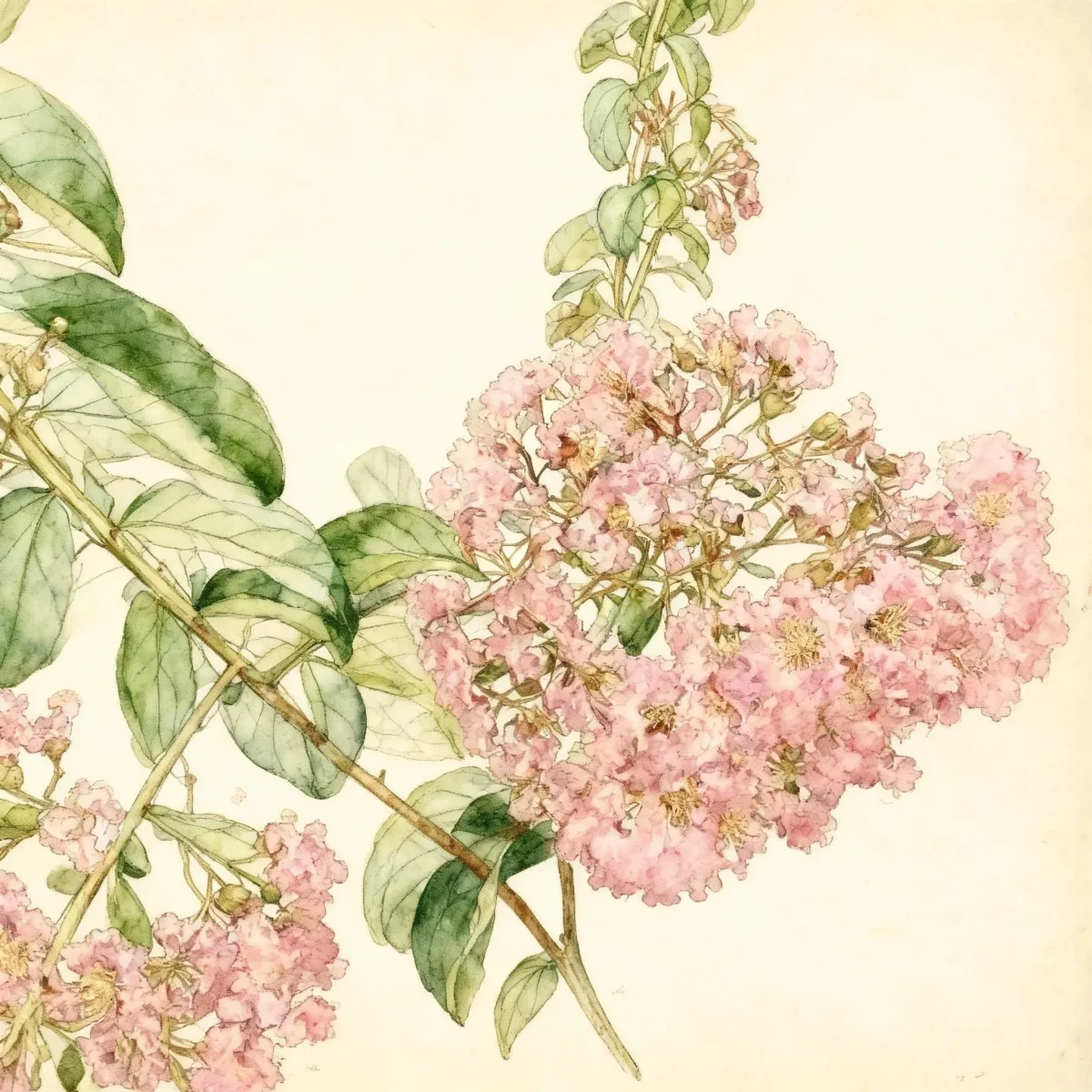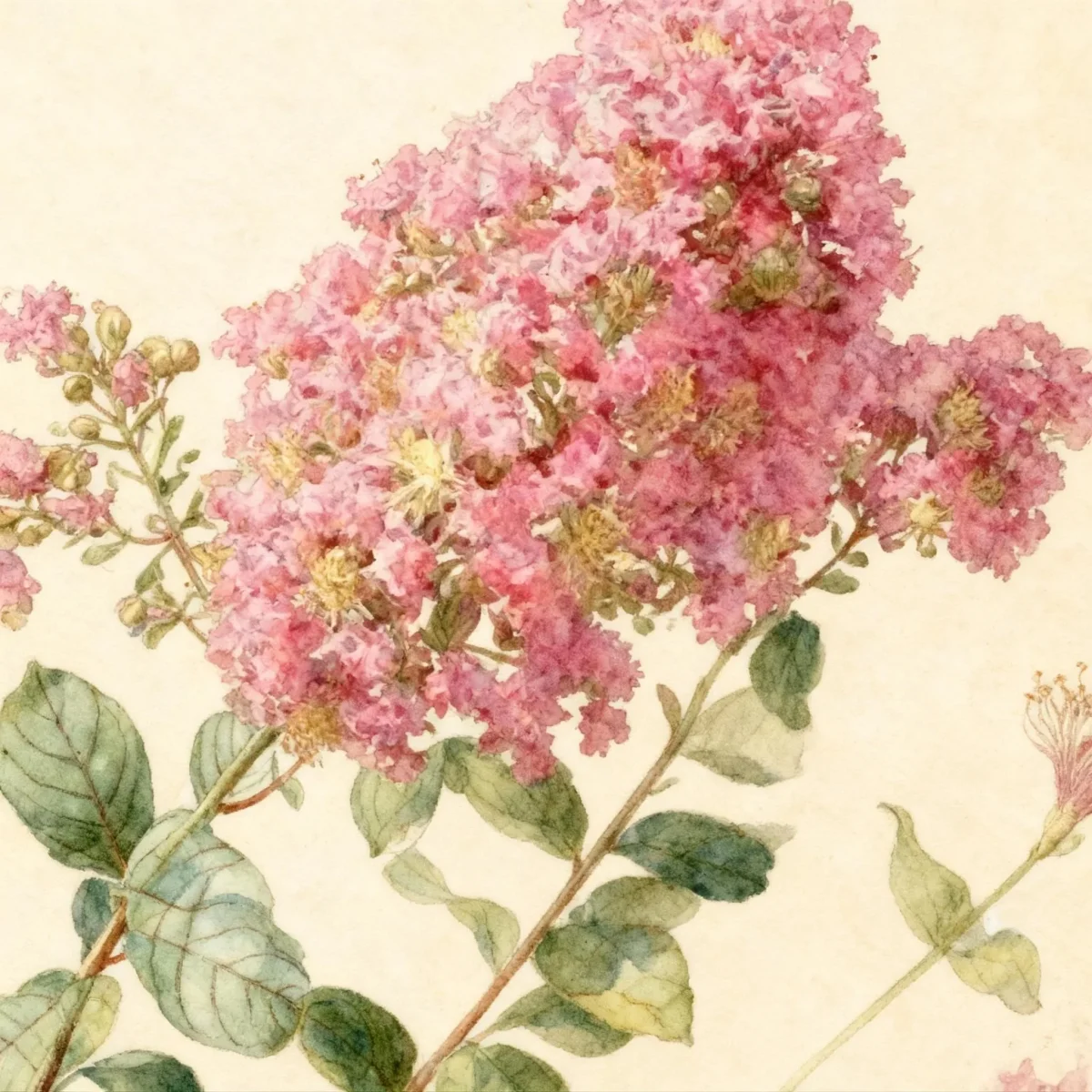

Crape myrtle (Lagerstroemia indica 'Tuscarora')
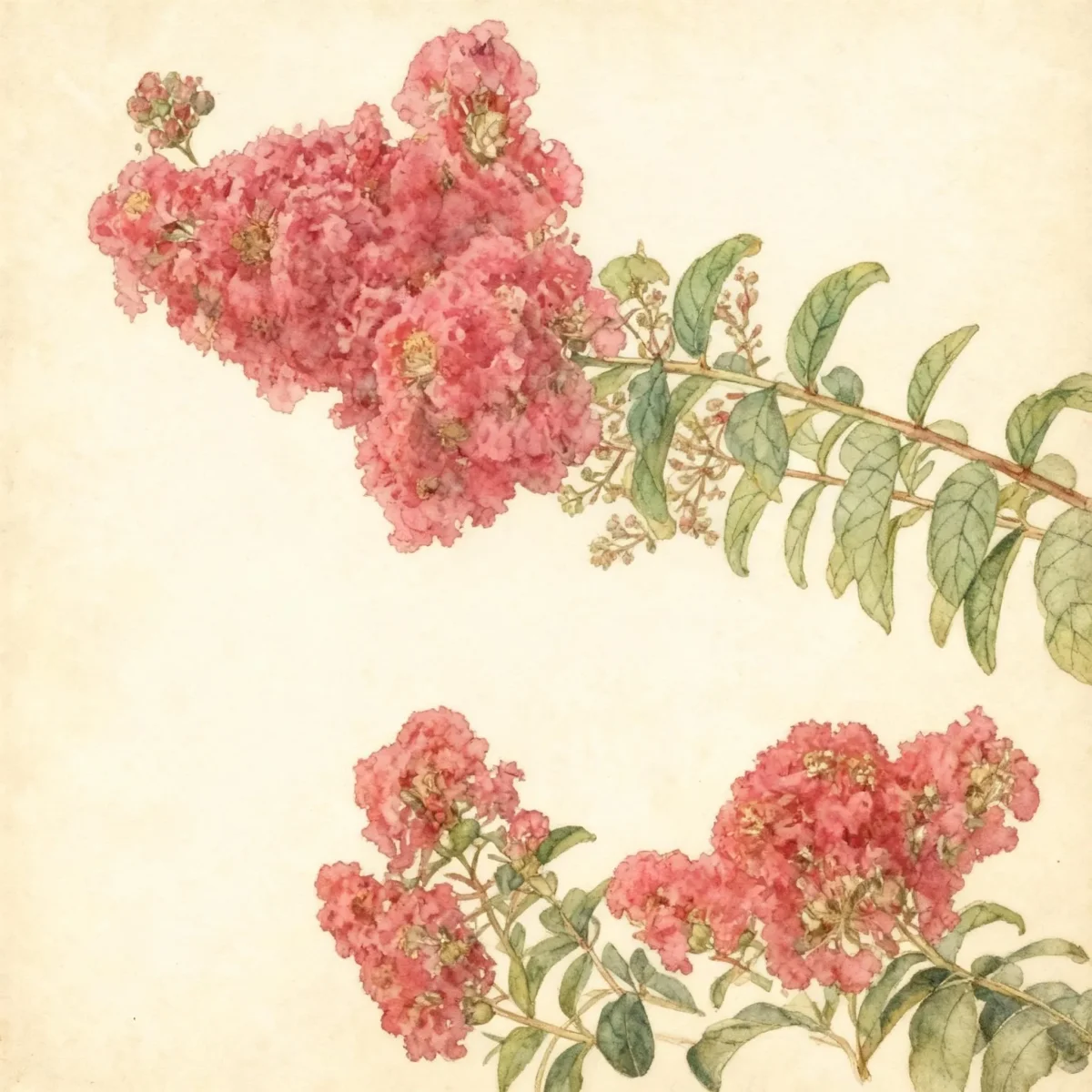
Lagerstroemia indica 'Tuscarora' (Crape myrtle) offers showy pinkish coral flowers from July-September. Thrives in full sun; medium water needs.
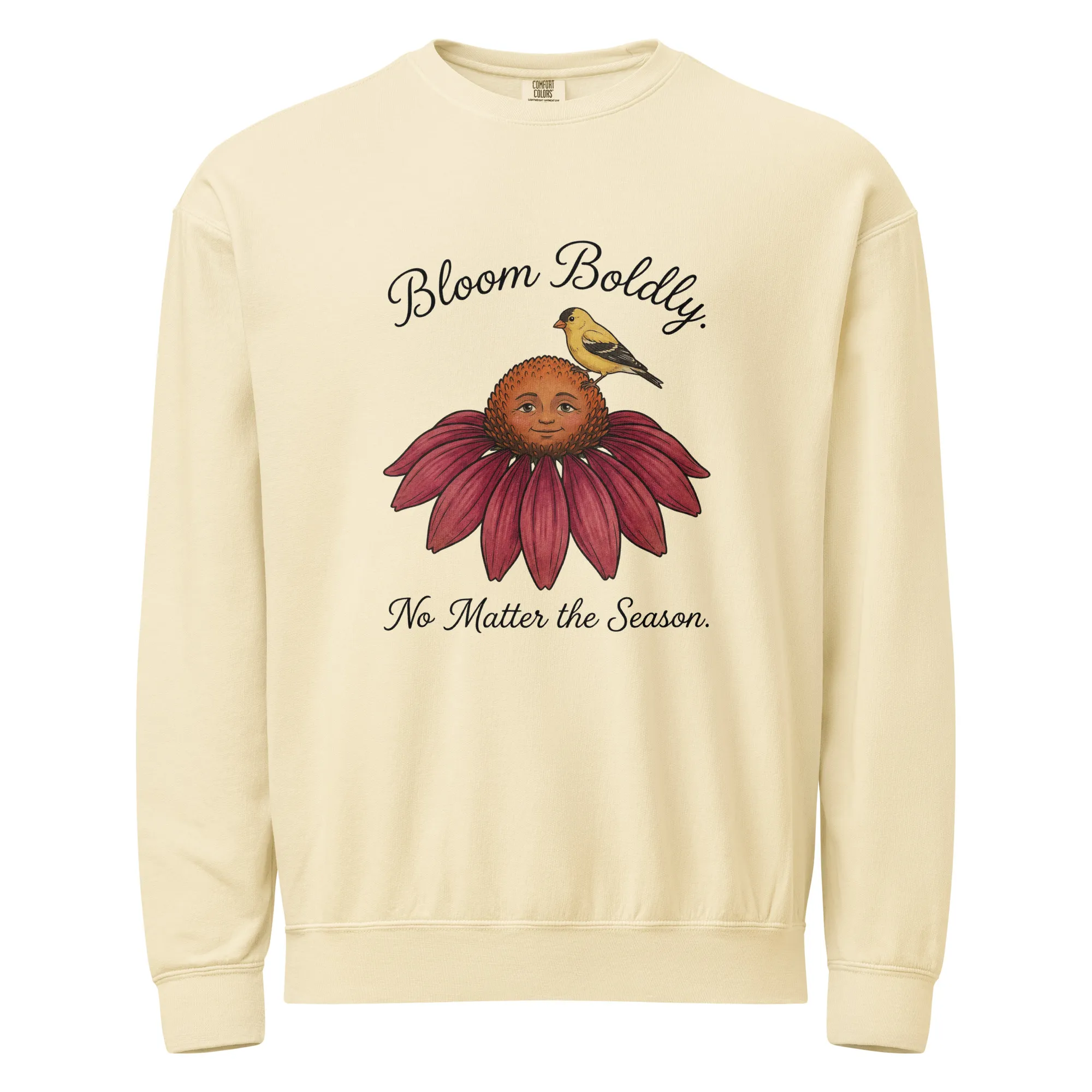
Bloom Boldly, No Matter the Season - Sweatshirt
Cozy organic cotton sweatshirt featuring our exclusive Purple Coneflower design. Perfect for gardeners who bloom year-round.
Inspired by the beautiful Crape myrtle
Limited first batch (50) — join the waitlist for early access
Waitlist closes Feb 15, 2026.
Complete Plant Information
Field Guide Continues
Ready for care notes, companion picks, and planting tips?
The map is just the start. The full guide below covers growth habits, seasonal performance, and landscape uses.
Overview
Lagerstroemia indica ‘Tuscarora’ is a highly valued cultivar of the Crape myrtle, celebrated for its long bloom period and beautiful exfoliating bark. This deciduous shrub produces masses of stunning pinkish coral flowers from mid-summer well into early fall, adding vibrant color when many other shrubs have faded. It is an excellent choice for gardeners seeking reliable summer performance and attractive winter structure.
This specific variety, developed by the National Arboretum, features improved disease resistance, making it easier to maintain than some traditional Crape myrtles. While adaptable to various sizes, its mature shape is an upright, spreading, multi-stemmed shrub, though in warmer regions, Lagerstroemia indica ‘Tuscarora’ can be trained into a small, elegant tree form.
For dependable summer blooms and visual interest across all four seasons, the Crape myrtle is a staple in southern landscapes, though gardeners in cooler zones must be prepared for occasional top-growth dieback, as noted in its cultural requirements.
Fast Facts
- Plant Family: Lythraceae
- Plant Type: Deciduous shrub
- Hardiness Zones: USDA Zones 6-9
- Size at Maturity:
- Height: 2-16 ft
- Spread: 2-16 ft
- Bloom Time: July to September
- Bloom Description: Pinkish coral
- Sun Exposure: Full sun
- Water Needs: Medium
- Maintenance Level: Medium
How to Grow
The best setting for Lagerstroemia indica ‘Tuscarora’ is in full sun, which ensures the longest bloom time and best flower color saturation. Plant in average, medium moisture, well-drained soils; this cultivar proves versatile, doing well even in loamy or clay soils, provided drainage is adequate. Planting in protected locations is advised, especially in the northern reaches of its hardiness range.
Care revolves around deep watering, particularly during dry spells, although runoff prevention is key—always avoid wetting the foliage when applying water. Fertilize beneficially with a slow-release formula, but beware: overly fertile conditions result in excessive foliage growth at the expense of flowering, and can increase susceptibility to winter injury.
For Zone 6 gardeners, winter preparation is crucial. Apply a winter mulch around the root zone and understand that top growth may die back to the ground when temperatures drop below -5°F. In these marginally hardy areas (Zones 5-6), prune stems back to about 8 inches in early spring; new stems will emerge and produce flowers on the new wood that same season.
Landscape Uses
Lagerstroemia indica ‘Tuscarora’ excels as a specimen shrub, providing a focal point throughout the summer months due to its outstanding bloom quality. It integrates seamlessly into shrub or perennial borders, adding height and texture where needed, or can be utilized in groups for massing effects.
In the warmer parts of its range (Zones 8-9), this cultivar shines when trained as a single-trunk specimen tree, making it suitable for street planting or as an elegant feature near patios. Alternatively, it functions effectively as a tall, informal screen or hedge, offering seasonal structure and exceptional summer color.
Standout Features
Flower Qualities
- Showy
- Good Cut
Noteworthy Characteristics
Lagerstroemia indica, commonly known as crape myrtle, is valued for its long bloom period, stunning exfoliating bark, and superior fall color. The ‘Tuscarora’ cultivar specifically features terminal panicles of dark coral pink flowers, contrasted by dark green foliage that turns reddish orange in autumn. This mildew-resistant hybrid often develops mottled tan bark that peels with age, providing excellent year-round structure.
Tolerances
- Drought
- Clay Soil
- Air Pollution
Potential Problems
The primary concerns for Crape myrtles include fungal leaf spot and powdery mildew, though ‘Tuscarora’ exhibits good resistance to these issues. Chlorosis, or yellowing of the foliage, can occur if the soil pH is too alkaline. Aphids and scale insects occasionally pose minor threats, manageable with horticultural oils or insecticidal soap. The most significant challenge is winter injury, especially in zones 5 and 6, where top growth frequently dies back, requiring annual hard pruning in early spring.
Frequently Asked Questions
What hardiness zones is Crape myrtle suitable for?
Lagerstroemia indica ‘Tuscarora’ is reliably hardy in USDA Zones 6 through 9.
How large does Lagerstroemia indica ‘Tuscarora’ grow?
This variety can mature anywhere between 2 to 16 feet in height and spread, depending heavily on climate; it tends to grow smaller where significant winter dieback occurs.
What sun exposure does Crape myrtle need?
This plant absolutely requires full sun exposure to achieve optimal flowering and robust growth.
When does Lagerstroemia indica ‘Tuscarora’ bloom?
It displays its beautiful pinkish coral blooms consistently from July through September.
Conclusion
The Crape myrtle, Lagerstroemia indica ‘Tuscarora’, delivers unmatched late-season color alongside desirable exfoliating bark, solidifying its status as an essential landscape shrub. Its combination of showy flowers and proven disease resistance makes it a wise selection for diverse garden settings. Always confirm your specific site conditions, especially checking your hardiness zone and ensuring adequate sun exposure before planting.
Companion Planting
Selecting the right companions enhances the visual appeal of your Crape myrtle throughout the season. Consider pairing it with late-summer blooming perennials that enjoy similar growing conditions. Plants that contrast well with the pinkish coral flowers, such as silver-leaved perennials or deep purple salvias, create excellent visual depth. Since Lagerstroemia indica ‘Tuscarora’ tolerates clay soil, select surrounding plants that also appreciate medium moisture and well-drained, average substrates.
Seasonal Care Calendar
For optimal health, the care schedule for your Crape myrtle should be adaptive. Spring is the critical time for pruning; remove any dead or damaged wood, cutting back hard (to 8 inches) in severely cold zones to encourage fresh, flowering stems. In summer, focus on watering deeply, especially during dry periods, and monitor for any lingering pest issues. In fall, appreciate the foliage turning shades of red and orange before preparing the base with mulch for winter protection.