Mondo grass(Ophiopogon japonicus 'Gyoku-ryu')
Grow dwarf mondo grass 'Gyoku-ryu' (Ophiopogon japonicus): 2-inch evergreen shade carpet, stepping-stone gap filler, USDA zones 7–10 spacing and care.

Complete Plant Information
- Hardiness zones
- USDA 7–10
- Plant type
- Ornamental grass
- Plant family
- Asparagaceae
- Sun exposure
- Part shade to full shade
- Water needs
- Medium
- Maintenance
- Low
- Height
- 0.15–0.25 ft (5–8 cm)
- Spread
- 0.5–1 ft (15–30 cm)
- Bloom time
- June to July
- Flower color
- Tiny pale lilac to white flowers hidden among dense blades, followed by metallic blue berries
- Flower qualities
- Insignificant
- Fruit qualities
- Not recorded
- Tolerances
- Drought, Heavy Shade, Black Walnut, Foot Traffic
- Garden uses
- Ground cover between pavers, moss-garden lawn alternative, shade border edging
- Native range
- East Asia (Japan, Korea, China; cultivar selection)
Field Guide Continues
Ready for care notes, companion picks, and planting tips?
The map is just the start. The full guide below covers growth habits, seasonal performance, and landscape uses.
Overview
Dwarf mondo grass ‘Gyoku-ryu’ (Ophiopogon japonicus ‘Gyoku-ryu’, also written ‘Gyokuryu’) is an ultra-dwarf, miniature evergreen perennial in the asparagus family (Asparagaceae), hardy across USDA Zones 7 through 10. Growing only 1.5 to 2 inches tall (under 0.25 feet), it forms an exceptionally dense, rolling carpet of stiff, curved, blackish-green blades that spread slowly via compressed underground rhizomes. Reaching less than half the height of standard dwarf mondo grass (‘Nana’), ‘Gyoku-ryu’ is the premier living groundcover for filling tight joints between flagstone pavers, edging formal shady walkways, and creating no-mow moss lawn alternatives.
In early summer, tiny pale lilac-to-white florets nod beneath the arching foliage canopy, followed in autumn by bright, iridescent turquoise-blue berries nestled deep within the clump.
How to Grow
- Hardiness & Siting: USDA Zones 7 through 10. Reliably evergreen through temperate winters. In Zone 7, choose a location sheltered from desiccating subfreezing winter winds, which can tip-burn leaf edges.
- Sunlight: Partial shade to full shade. While it tolerates gentle morning sun in cooler northern districts, direct midday or harsh afternoon sun scorches foliage tips and bleaches the deep green pigment.
- Soil & Drainage: Prefers rich, slightly acidic to neutral loamy soil enriched with organic leaf mold or compost. Sharp soil drainage is critical; avoid saturated, waterlogged sites prone to fungal crown rot (Pythium).
- Spacing Guidelines: Because ‘Gyoku-ryu’ spreads via short, compressed rhizomes rather than fast runners:
- For rapid solid paver filling (1 year): Space plugs 3 to 4 inches apart on center.
- For standard shade groundcover beds (2 to 3 years): Space plugs 6 inches apart on center.
- Watering: Water consistently until established. Mature sod demonstrates good drought tolerance in shady garden soil.
Landscape Uses
- Paver & Stepping-Stone Joints: Compact 2-inch height fits neatly into gaps between flagstones, granite pavers, and stepping-stone pathways without requiring mowing.
- No-Mow Shady Lawn Alternative: Forms an undulating, carpet-like emerald lawn substitute in deeply shaded courtyards where turfgrass refuses to grow.
- Formal Pathway Ribbon: Creates crisp, non-invasive evergreen border definition along walkways and garden beds.
Potential Problems
- Soggy Soil & Crown Rot: Poor soil drainage during wet winter months can lead to root and crown rot. Ensure planting beds drain freely.
- Leaf Scorch in Direct Sun: Avoid full southern or western sun exposure, which causes foliage browning and stunted growth.
- Slow Spreading Pace: If planted too far apart, weed competition can arise before the dense carpet knits together. Mulch between new plugs.
Frequently Asked Questions
Does ‘Gyoku-ryu’ ever need to be mowed?
No. Unlike standard lawn grass or taller liriope, ‘Gyoku-ryu’ naturally stays at 1.5 to 2 inches tall and never requires mowing or trimming.
Can ‘Gyoku-ryu’ tolerate foot traffic?
It handles moderate, light foot traffic (such as stepping between pavers or along path edges), but should not be subjected to heavy athletic use or continuous daily wear.
Is dwarf mondo grass safe for pets?
Yes. The ASPCA confirms that Ophiopogon japonicus is non-toxic to dogs and cats, making it a safe selection for family gardens.
Companion Plants
Pair ‘Gyoku-ryu’ with shade-loving perennials and structural accents that contrast with its fine, dark green carpet:
- Bold Broadleaf Partners: Underplant beneath broad-leaved hostas or Japanese painted ferns (Athyrium niponicum).
- Shaded Flowering Perennials: Pair with bleeding hearts (Dicentra), astilbes, or Japanese forest grass (Hakonechloa macra).
- Courtyard Focal Elements: Plant around stone lanterns, granite stepping stones, or weeping Japanese maples in Zen gardens.
Sources & Lineage
- Missouri Botanical Garden PlantFinder: Record taxon 261599 (Ophiopogon japonicus ‘Gyoku-ryu’) — dwarf dimensions, growth characteristics, and cultural parameters.
- Kew Plants of the World Online (POWO): Ophiopogon japonicus (Thunb.) Ker Gawl. (POWO: 539384-1) — species taxonomy, family (Asparagaceae), and East Asian distribution.
- North Carolina State Extension Gardener Plant Toolbox: Ophiopogon japonicus — groundcover establishment, shade adaptability, and pet safety profile.
Recommended Companion Plants
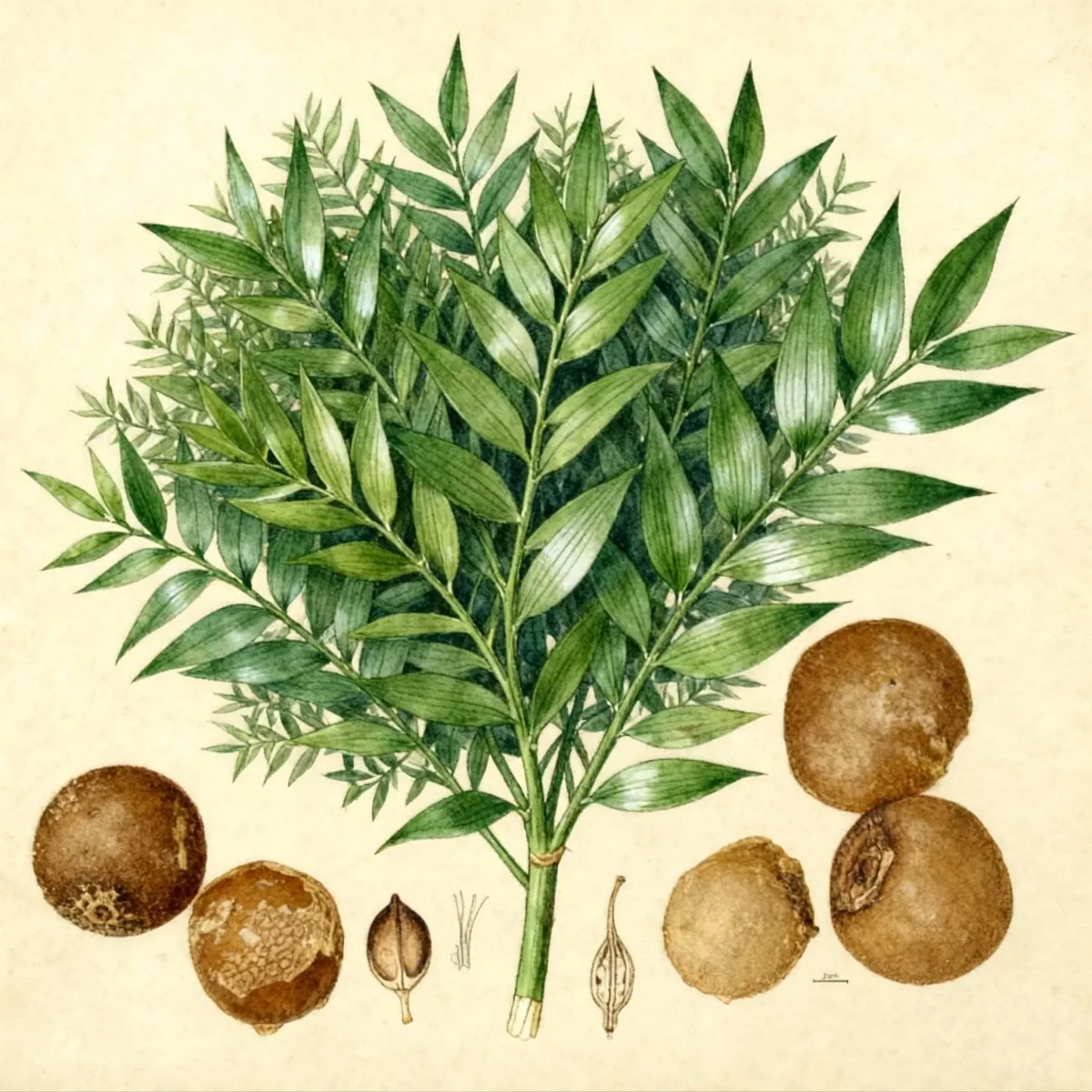
Butcher's broom
Ruscus aculeatus
- USDA zones
- 7–9
- Light
- Part shade to full shade
- Water
- Medium
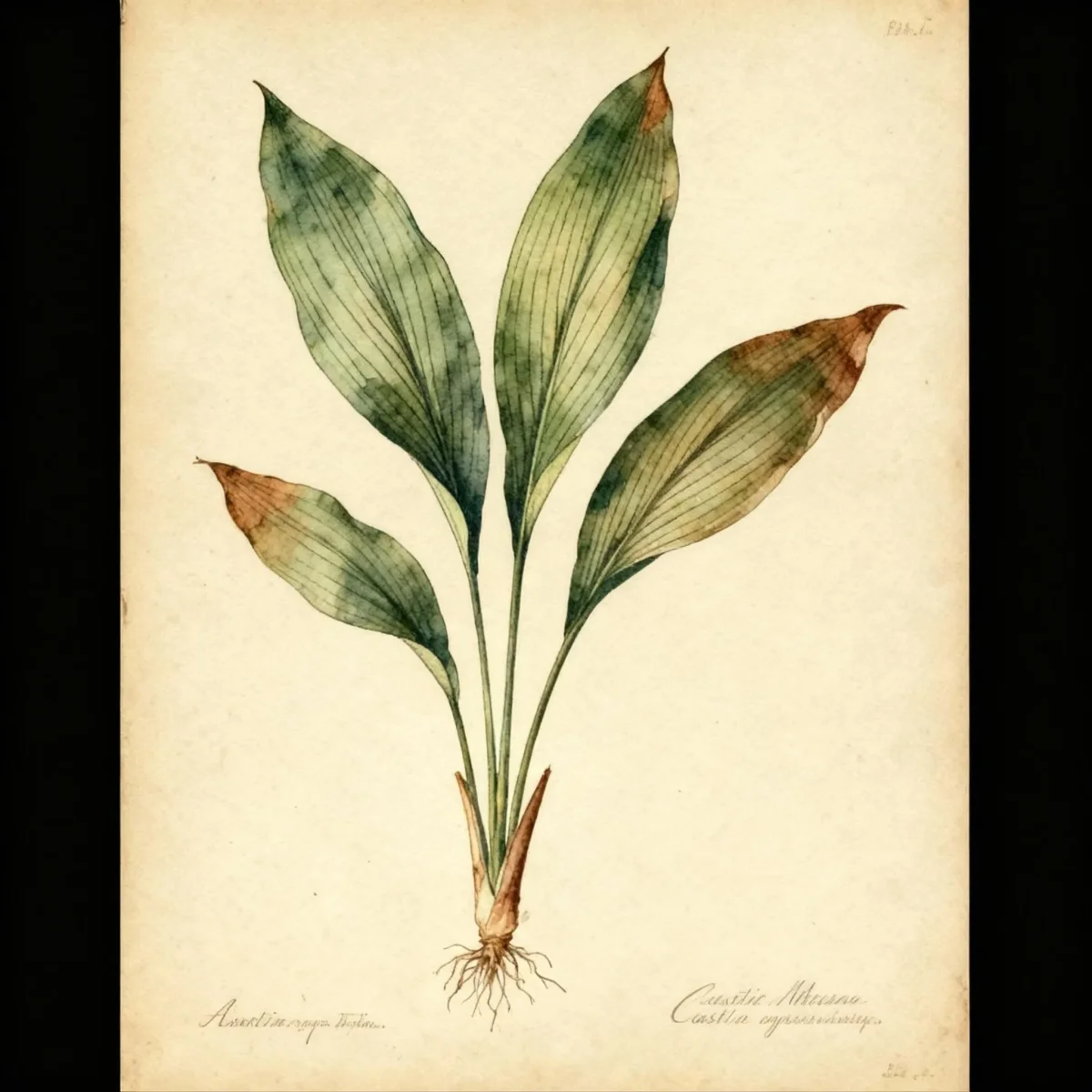
Cast-iron plant
Aspidistra elatior
- USDA zones
- 8–10
- Light
- Part shade to full shade
- Water
- Medium

Evergreen Solomon's seal
Disporopsis pernyi
- USDA zones
- 6–9
- Light
- Part shade to full shade
- Water
- Medium

Dwarf lilyturf
Ophiopogon japonicus
- USDA zones
- 7–10
- Light
- Part shade to full shade
- Water
- Medium

Lily of the valley
Convallaria majalis var. Rosea
- USDA zones
- 2–7
- Light
- Part shade to full shade
- Water
- Medium
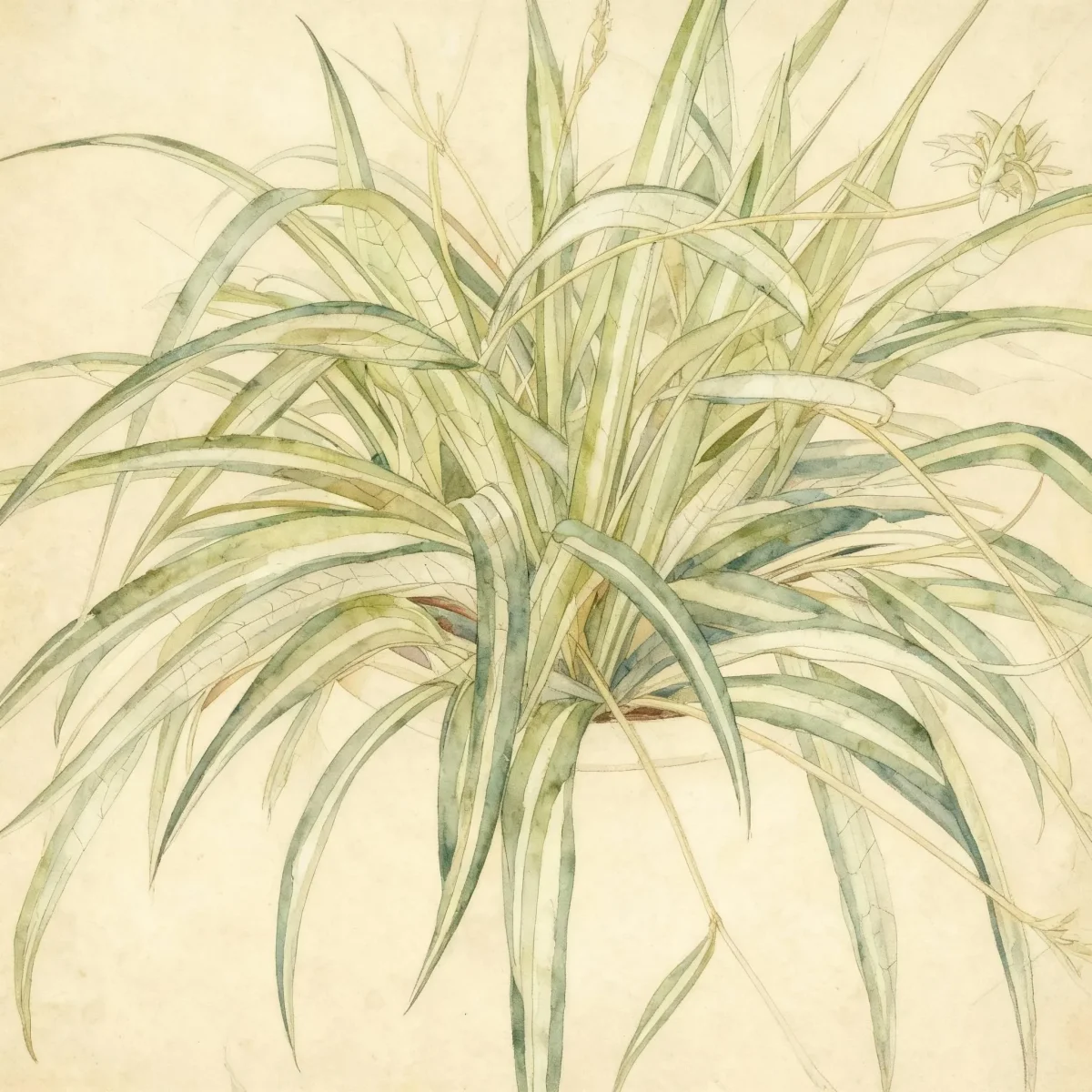
Spider plant
Chlorophytum comosum 'Vittatum'
- USDA zones
- 9–11
- Light
- Part shade to full shade
- Water
- Medium
Keep Learning
Test what you know with a garden quiz
You have the plant facts and care notes. Continue with a related challenge, or browse the complete quiz library.

Can You Identify These Common Garden Plants? Test Your Plant Knowledge
Think you know your roses from your peonies? Test your plant identification skills with our comprehensive garden plant quiz featuring 10 challenging questions.
Start quiz
USDA Garden Zone Map Quiz
Use this USDA garden zone map quiz to check whether you can read hardiness zones and choose plants with more confidence.
Start quizBrowse the full quizzes section
Explore plant identification, zone strategy, and seasonal gardening challenges.
View all quizzes