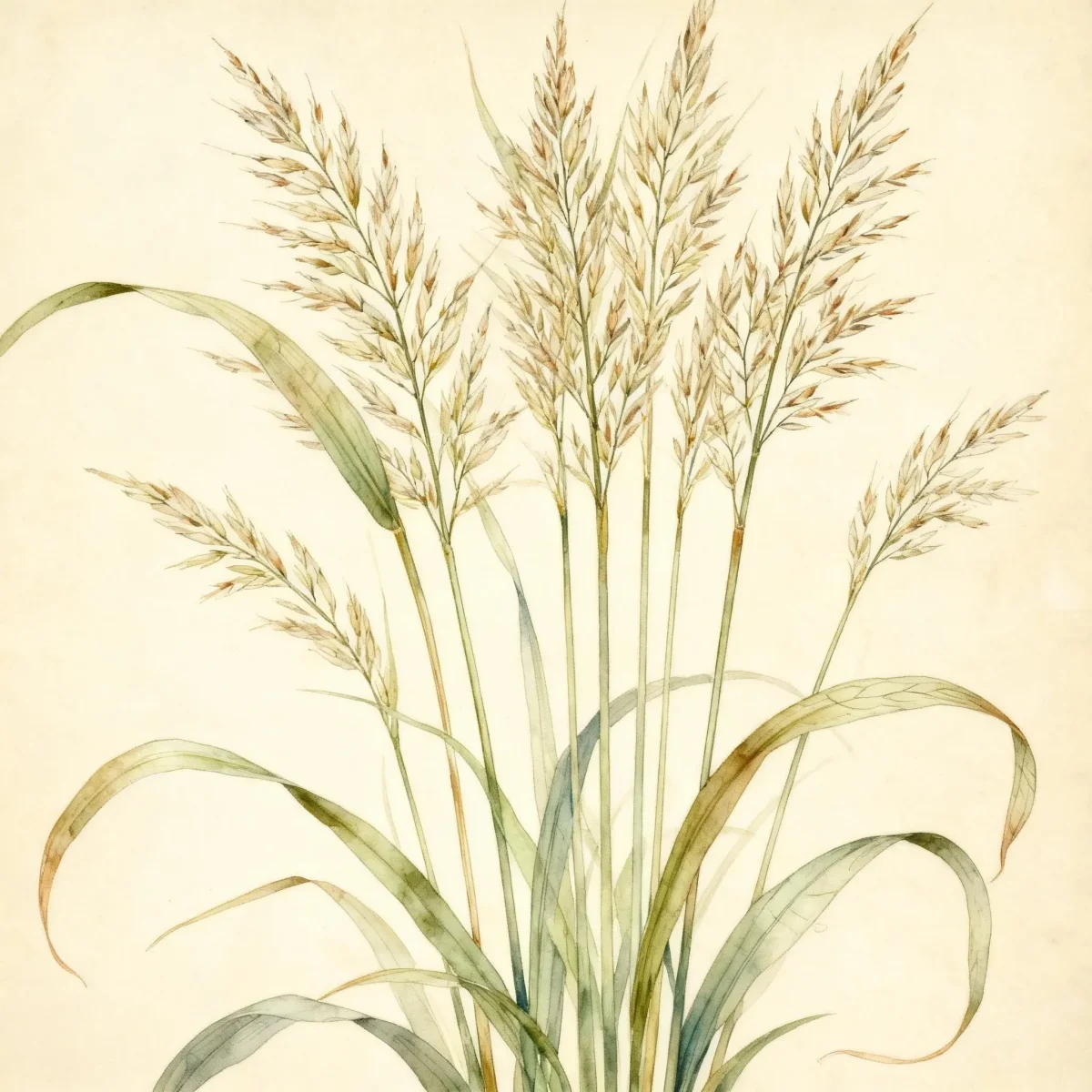
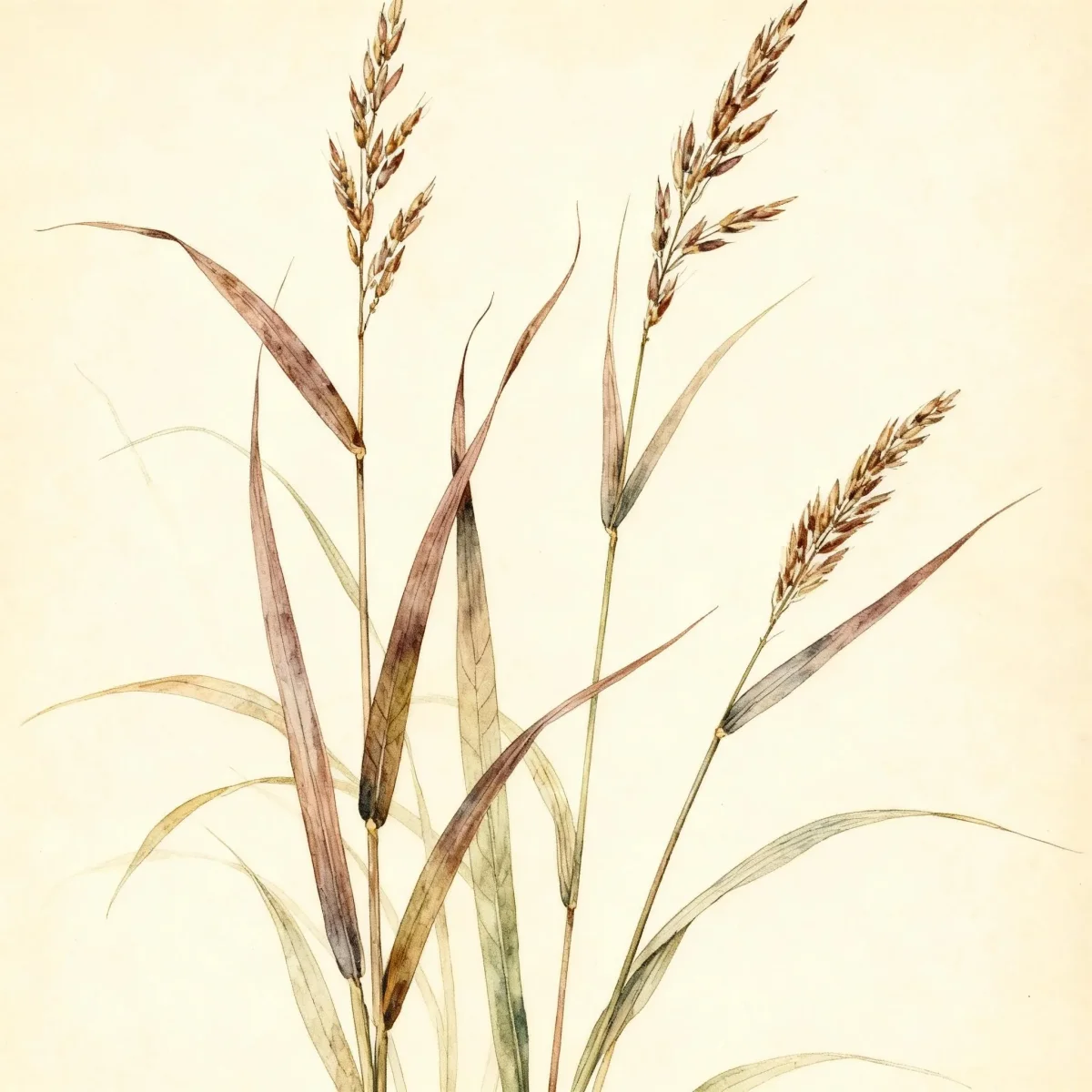
Reed canary grass (Phalaris arundinacea var. Picta 'Picta')
Striking Reed canary grass, Phalaris arundinacea var. picta 'Picta', offers bold variegated foliage excellent for wet areas or ground cover.

Bloom Boldly, No Matter the Season - Sweatshirt
Cozy organic cotton sweatshirt featuring our exclusive Purple Coneflower design. Perfect for gardeners who bloom year-round.
Inspired by the beautiful Reed canary grass
Limited first batch (50) — join the waitlist for early access
Waitlist closes Feb 15, 2026.
Complete Plant Information
Field Guide Continues
Ready for care notes, companion picks, and planting tips?
The map is just the start. The full guide below covers growth habits, seasonal performance, and landscape uses.
Overview
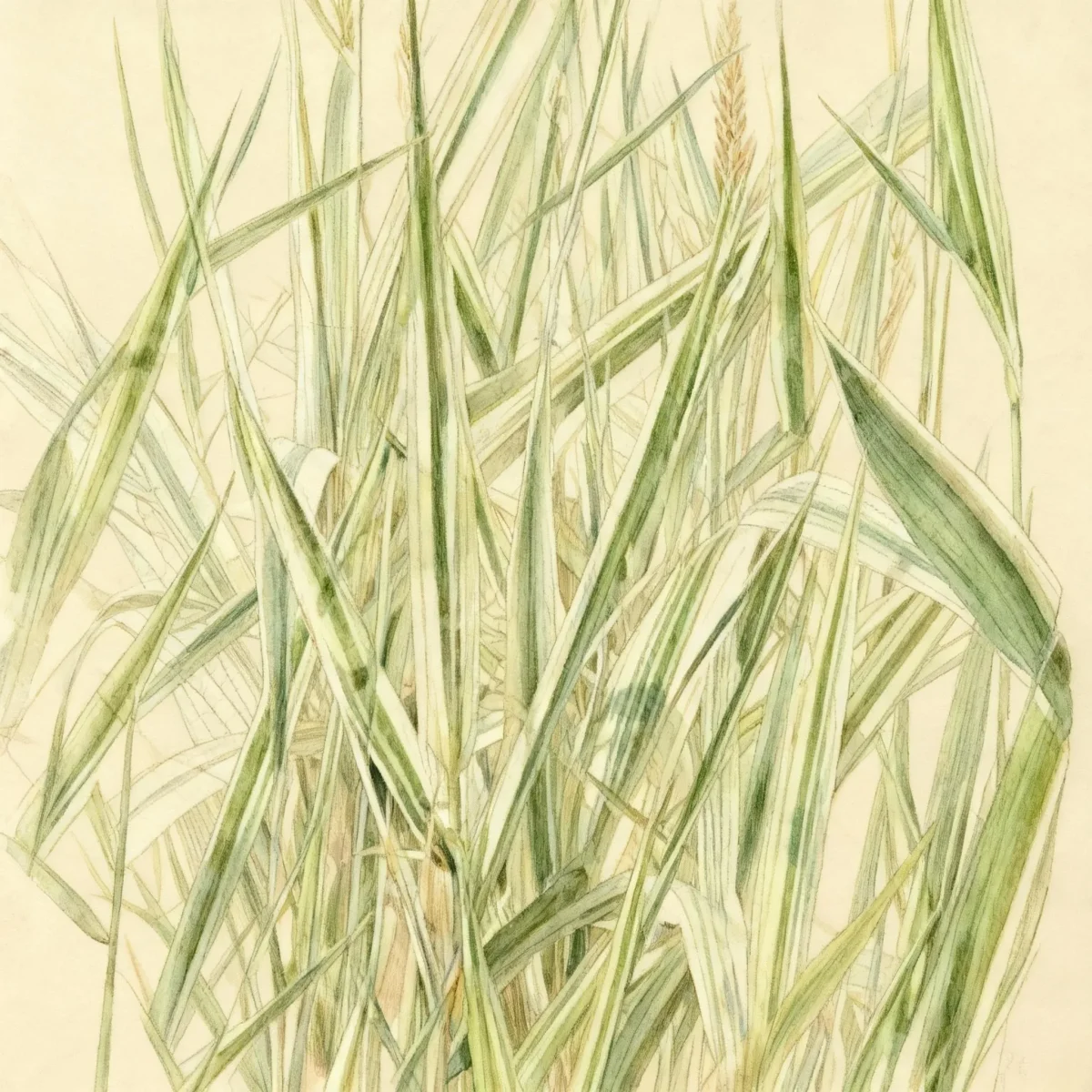
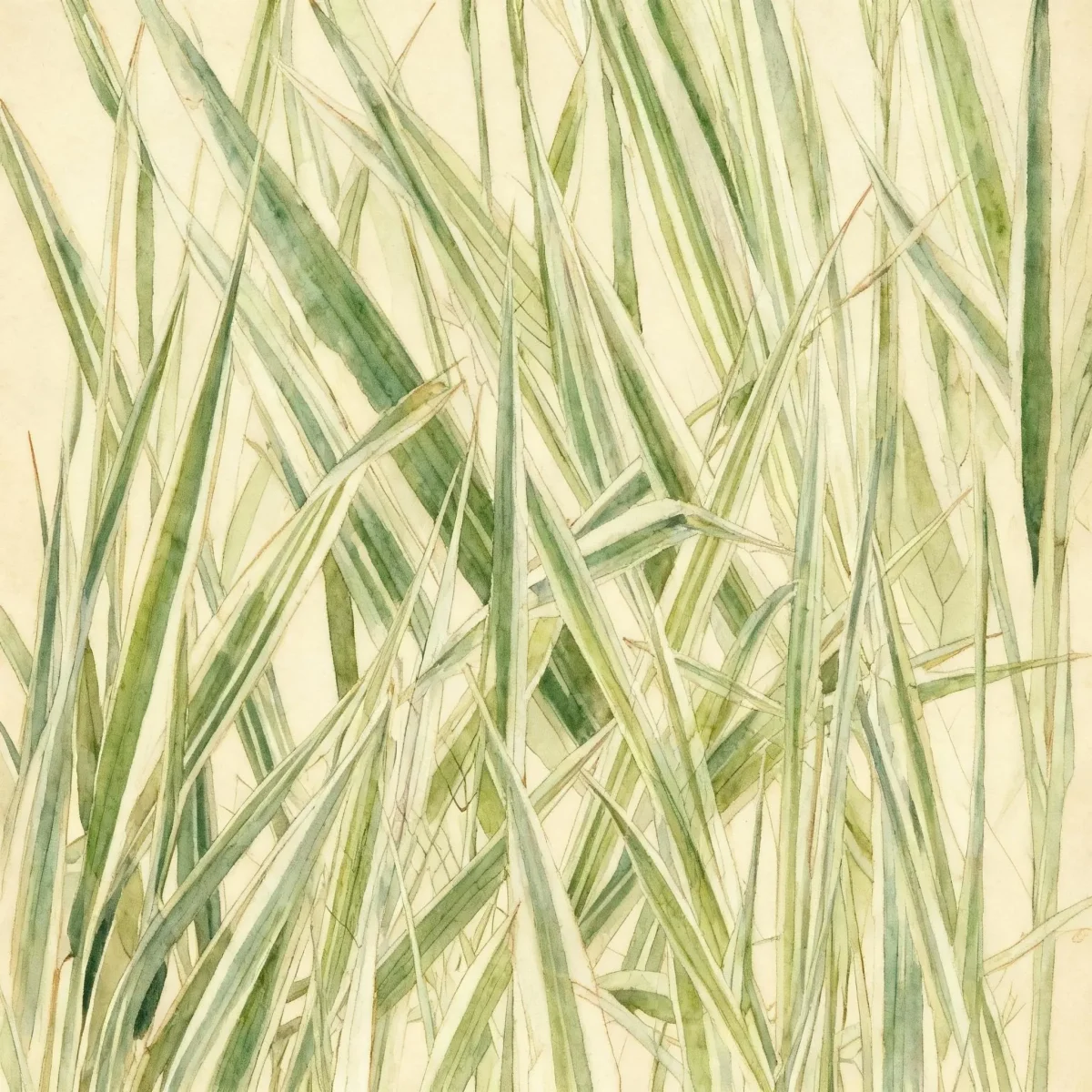
Phalaris arundinacea var. picta ‘Picta’, commonly known as Reed canary grass, brings strong vertical structure and vibrant striped foliage to the garden. Its distinctive arching blades, marked with green and white variegation, provide substantial interest from spring through midsummer. This cultivar, often called Ribbon Grass, offers a significant visual punch compared to its solid green relatives.
This rhizomatous perennial is adaptable, thriving in conditions ranging from standing water to relatively dry soils, making it highly versatile. While the standard species can be aggressive, the variegated variety, Phalaris arundinacea var. Picta ‘Picta’, is often a more controlled choice for managed landscapes where its bright foliage is desired. Gardeners looking for bold texture, especially in challenging wet spots, will find this ornamental grass invaluable.
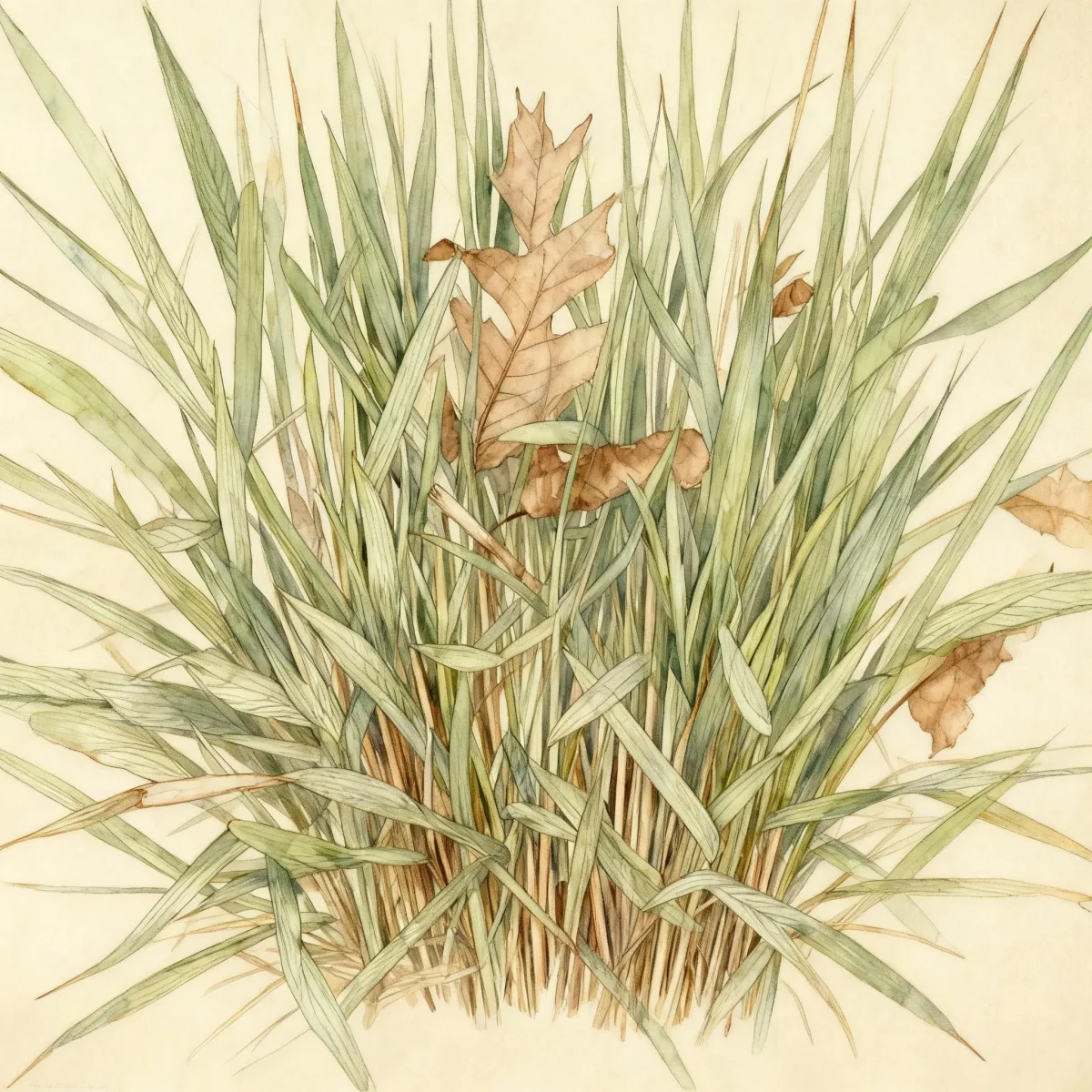
Although its flowers are subtle, the overall effect of the clumping, variegated greenery anchors rain gardens, pond edges, and large naturalized areas effectively. Proper placement is key to harnessing the vigor of Reed canary grass while managing its spreading nature.
Fast Facts
- Plant Family: Poaceae
- Plant Type: Ornamental grass
- Hardiness Zones: USDA Zones 4-9
- Size at Maturity:
- Height: 2-4 ft
- Spread: 2-5 ft
- Bloom Time: June to July
- Bloom Description: White to pale pink
- Sun Exposure: Full sun to part shade
- Water Needs: Medium to wet
- Maintenance Level: Medium
How to Grow
Phalaris arundinacea var. picta ‘Picta’ is exceptionally easy to establish. Plant it during the spring into average, well-drained soils, though it tolerates a vast range from wet to dry, acidic to alkaline conditions. For use as a fast-filling ground cover, space plants approximately four per square yard to ensure quick colonization.
Water needs are flexible; this grass can handle growing submerged in several inches of water in boggy areas or water gardens. In average garden settings, maintain even moisture, though it exhibits surprising drought tolerance once established. Fertilization is rarely necessary, as vigorous growth is inherent; excessive nitrogen may lead to flopping.
Spring division is the simplest method of propagation for this rhizomatous plant. Divide clumps into smaller sections, ensuring each piece has healthy root structure, and replant immediately. Monitor growth throughout the season; established Reed canary grass is robust and requires minimal seasonal intervention beyond cutting back old foliage in late winter or early spring before new stripes emerge.
Landscape Uses
The recommended uses for this grass highlight its affinity for moisture management and naturalizing areas. Because Phalaris arundinacea var. picta ‘Picta’ quickly colonizes, it excels where aggressive spreading is welcome, such as stabilizing stream banks or filling large, open areas in a low-maintenance manner. It is an excellent choice for rain gardens, absorbing significant runoff, and can even be planted directly along pond margins or submerged slightly for a true water garden effect.
Avoid using this ornamental grass in formal borders or containers unless containment is strictly enforced, due to its invasive rhizomatous habit. Instead, pair it with large, slow-spreading perennials that can tolerate moist conditions, such as Iris or Gunnera, in a woodland edge or naturalized meadow setting. Its bright, variegated leaves contrast beautifully against dark-leafed shrubs, providing year-round visual texture when planted near evergreens in suitable zones.
Standout Features
Flower Qualities
- Showy
Noteworthy Characteristics
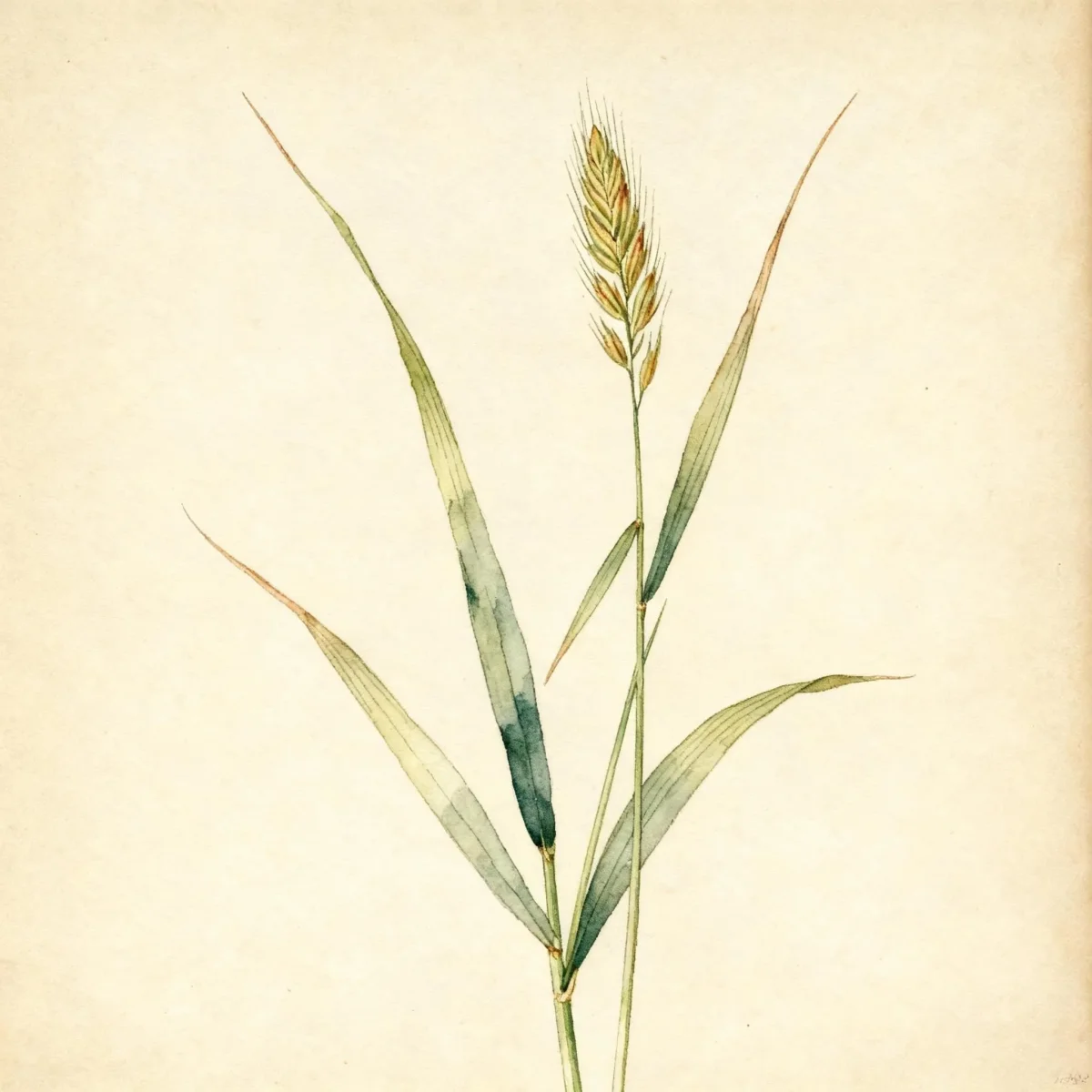
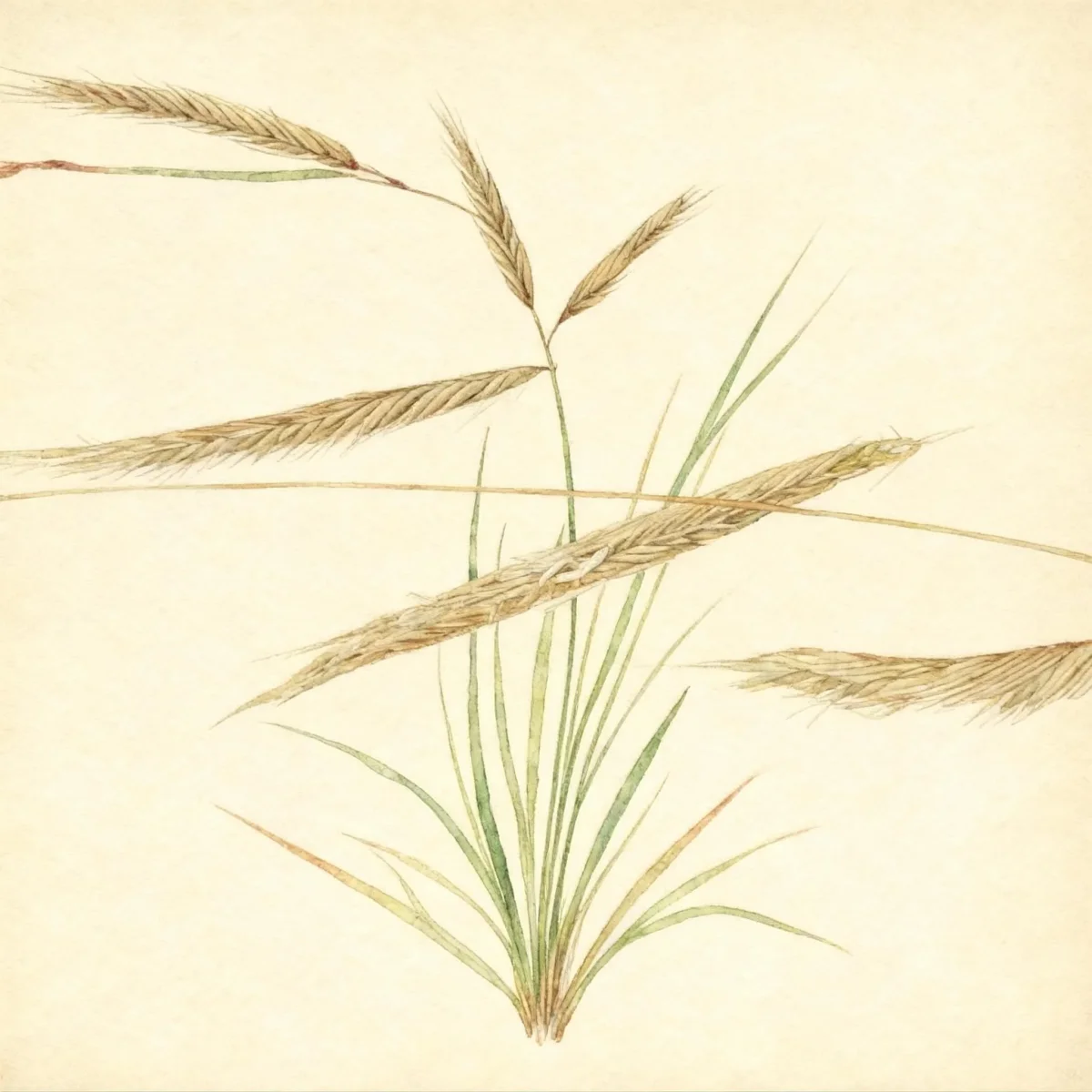
Phalaris arundinacea, commonly called reed canary grass, is an upright, rhizomatous, cool season perennial grass which typically grows to 3-6’ tall. Its stems sometimes possess a hollow, bamboo-like quality. The ‘Picta’ variety is slightly shorter, reaching 2-4’ tall when flowering, and is distinguished by flat, arching, green and white striped leaf blades that reach 6-12” long. Panicles of whitish to pale pinkish flowers bloom well above this colorful foliage in early summer.
Tolerances
- Drought
- Black Walnut
- Air Pollution
Potential Problems
The primary concern when cultivating Phalaris arundinacea var. picta ‘Picta’ is its aggressive, invasive spreading capability due to its persistent rhizomes. Any small root or rhizome segment left in the soil during division or removal can readily sprout anew, making eradication extremely difficult once fully established. Gardeners must recognize that this plant spreads vigorously, whether in wet or dry areas.
To successfully incorporate this visually appealing grass without ecological disruption, proactive management is essential. Installation of deep, non-perforated metal or heavy plastic soil barriers is strongly recommended at planting time. These barriers should extend at least 18 to 24 inches into the soil profile to effectively contain the traveling rhizomes of the Reed canary grass.
Frequently Asked Questions
What hardiness zones is Reed canary grass suitable for?
Phalaris arundinacea var. picta ‘Picta’ is hardy across a wide range, thriving in USDA Zones 4 through 9.
How large does Reed canary grass grow?
This ornamental grass typically reaches a mature height between 2 to 4 feet tall, spreading variably between 2 and 5 feet wide.
What sun exposure does Phalaris arundinacea var. picta ‘Picta’ need?
It performs best when situated in areas receiving full sun to partial shade to maintain optimal foliage variegation.
When does Reed canary grass bloom?
The pale greenish-white to pale pink flowers appear above the foliage generally between June and July.
Conclusion
The variegated leaves of Phalaris arundinacea var. picta ‘Picta’ offer dynamic visual interest, perfectly pairing its ornamental value with exceptional adaptability to various moisture regimes. While this vibrant Reed canary grass must be sited wisely due to its rhizomatous nature, it excels in low-lying or wet areas needing ground stabilization. Always check your local regional guidelines and plan for rhizome containment before planting this handsome grass.
Companion Planting Suggestions
When using Phalaris arundinacea var. picta ‘Picta’ in managed spaces, selecting companions that thrive in moist soil and tolerate high light levels is crucial. Pairing it with moisture-loving perennials that don’t mind a little competition will create a lush, bog-like planting. Consider using moisture-loving ferns or robust plants like Caltha palustris (Marsh Marigold) for contrasting leaf texture near the vertical stripes of the grass.
For drier sites where the grass is slightly less invasive, plants that appreciate good drainage but can tolerate periodic wetness, such as certain Astilbe cultivars or native sedges, pair well. The key is selecting plants robust enough to handle the water fluctuations this adaptable grass endures, ensuring the overall planting scheme remains healthy and visually balanced throughout the growing season.
Seasonal Care Calendar
Spring: This is the ideal time for propagation via division of established clumps of Reed canary grass. Cut back all old, dead foliage from the previous season before new variegated shoots begin to emerge to promote clean, fresh growth. Ensure any soil barriers are intact or newly installed now.
Summer: Monitor moisture levels, especially if establishing new plants. While established clumps handle drought and wetness well, periods of intense heat may benefit from consistent medium watering. Enjoy the white to pale pink blooms appearing in early summer.
Fall/Winter: As temperatures drop, the foliage of Phalaris arundinacea var. picta ‘Picta’ may begin to brown after blooming. Cut back the entire clump in late fall or wait until very early spring before new growth starts for a bit of winter interest from the dried structure.