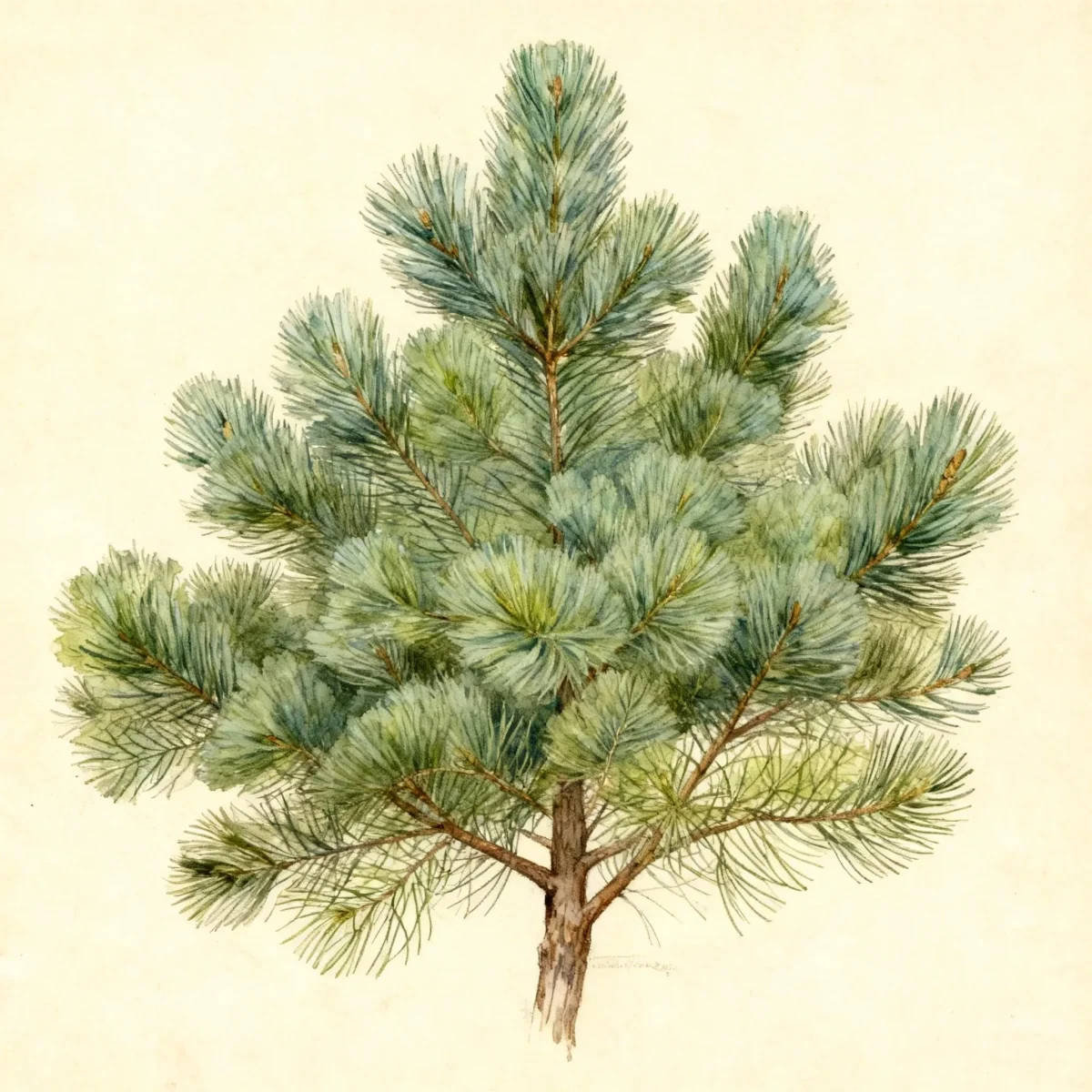
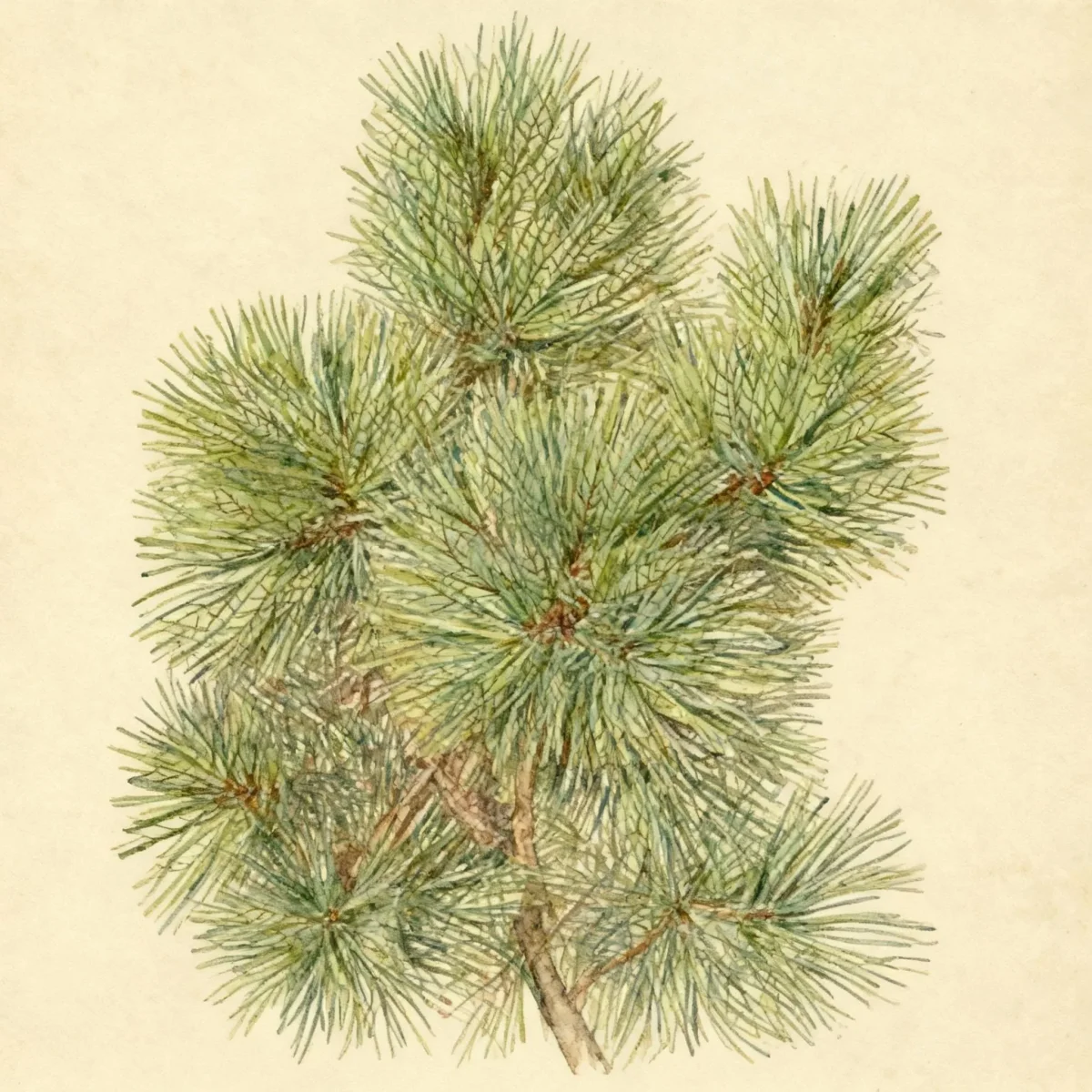
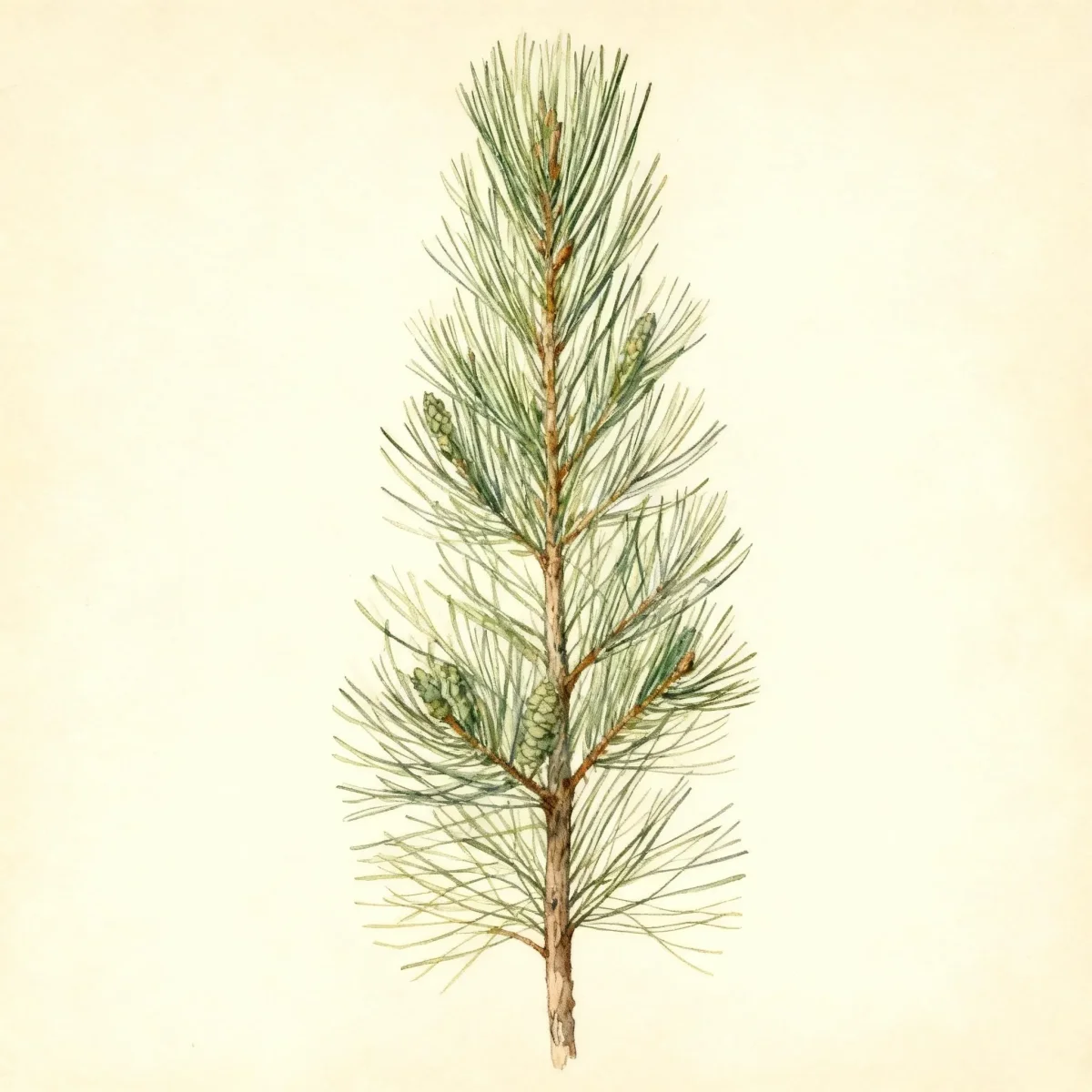
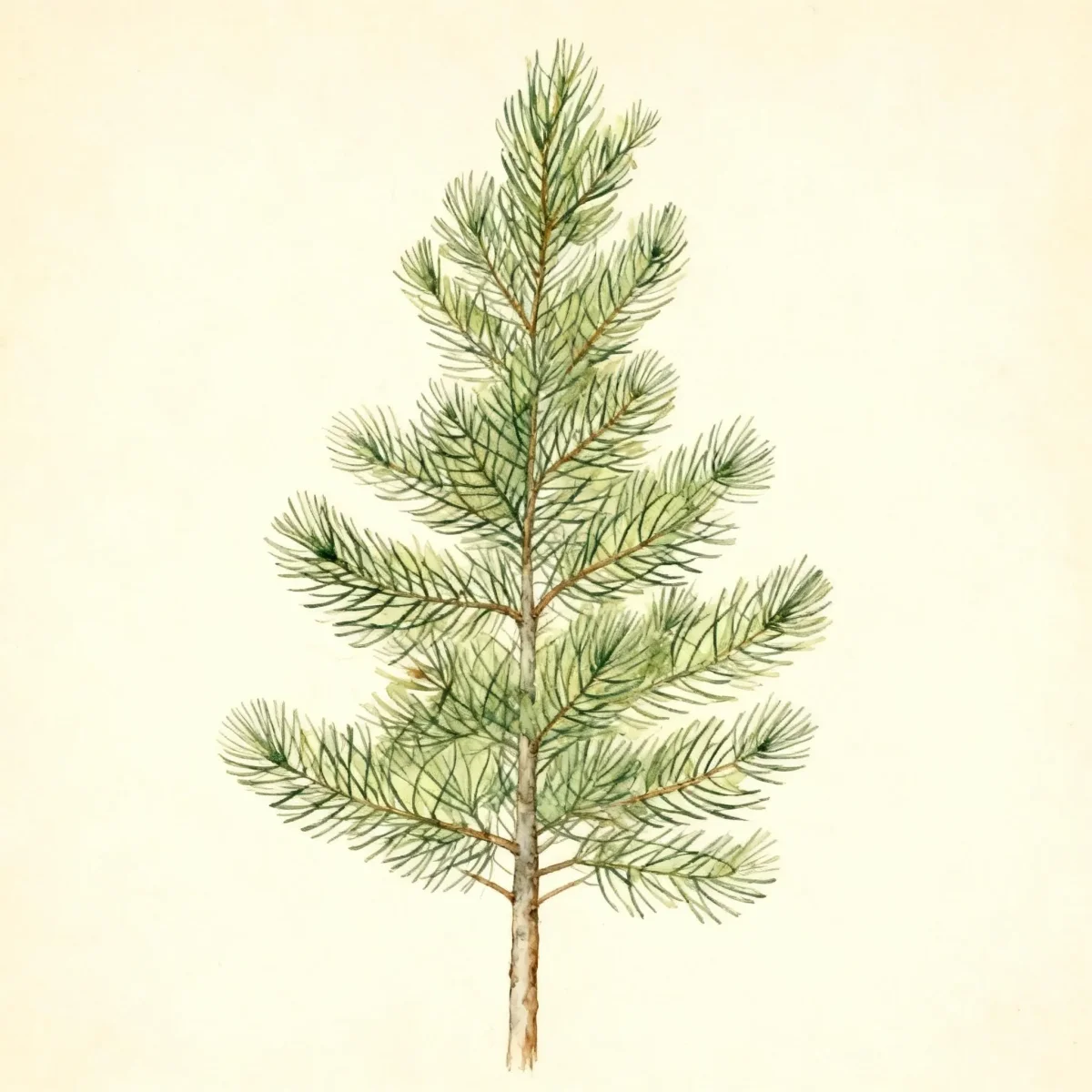
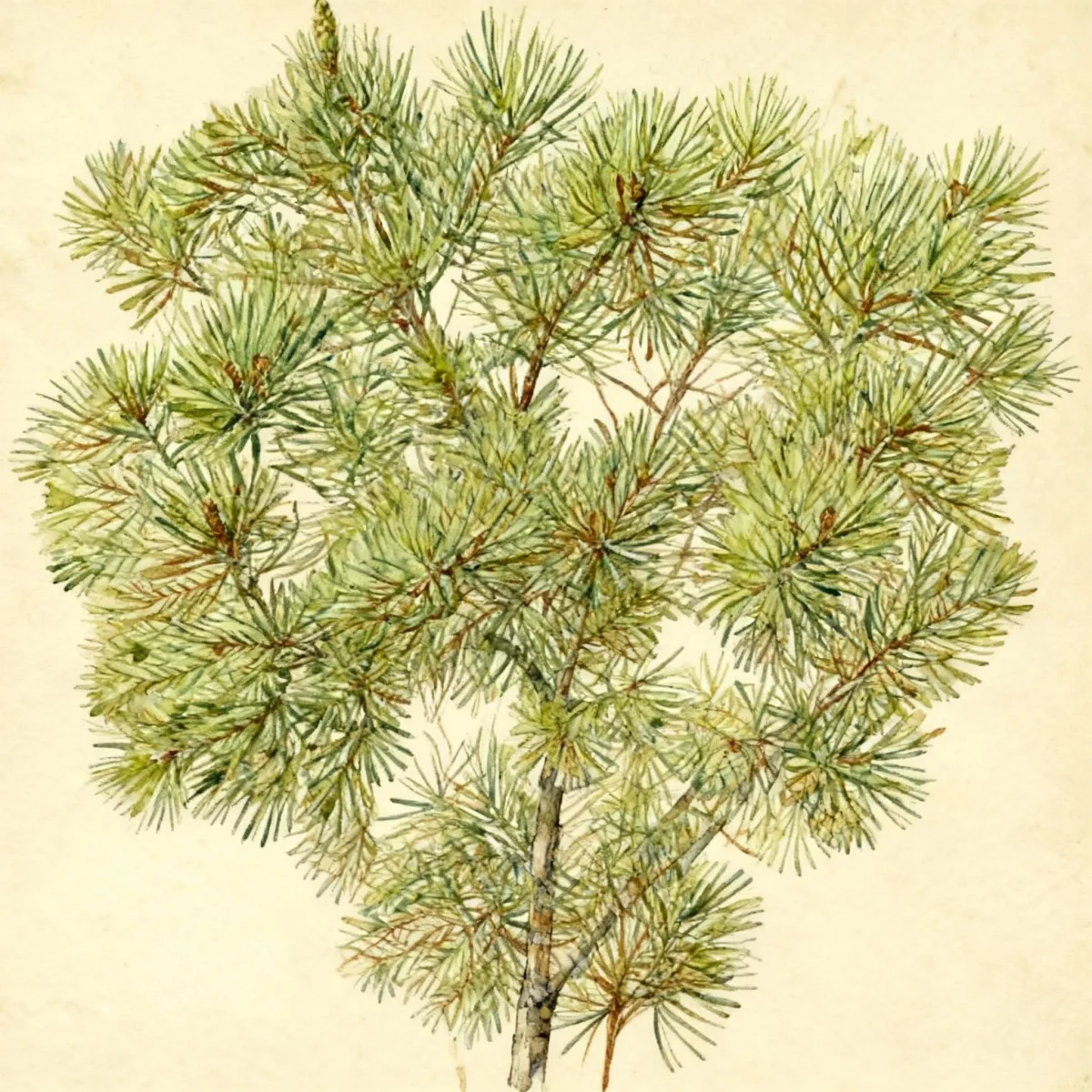
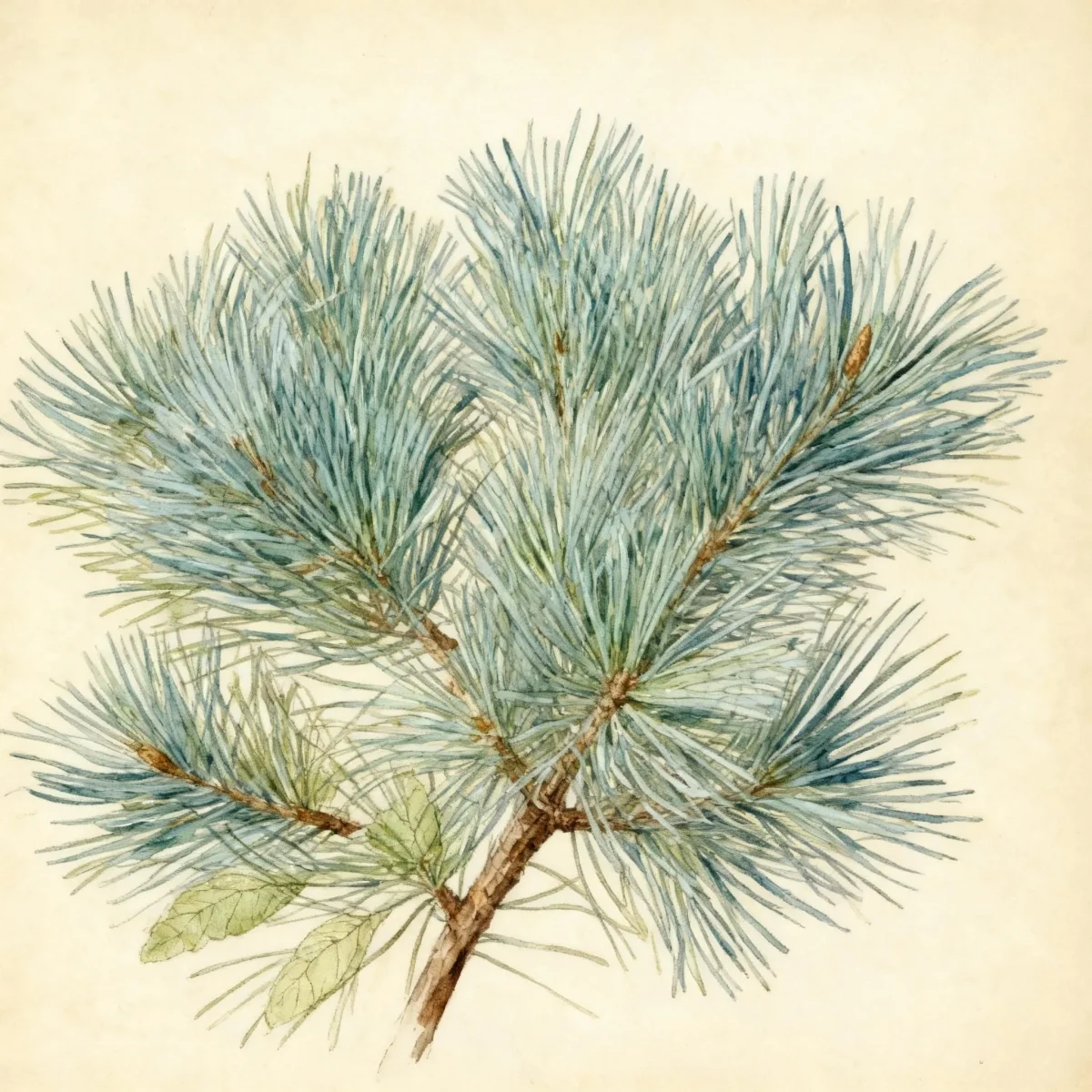
Eastern white pine (Pinus strobus (Nana Group))
Discover the dwarf Eastern white pine, Pinus strobus (Nana Group), a compact needled evergreen perfect for rock gardens and borders.

Bloom Boldly, No Matter the Season - Sweatshirt
Cozy organic cotton sweatshirt featuring our exclusive Purple Coneflower design. Perfect for gardeners who bloom year-round.
Inspired by the beautiful Eastern white pine
Limited first batch (50) — join the waitlist for early access
Waitlist closes Feb 15, 2026.
Complete Plant Information
Field Guide Continues
Ready for care notes, companion picks, and planting tips?
The map is just the start. The full guide below covers growth habits, seasonal performance, and landscape uses.
Overview
The Pinus strobus (Nana Group) offers the classic beauty of the native Eastern white pine in a manageable, dwarf package ideal for smaller landscapes. This selection is highly valued for retaining the soft, silvery-blue needles characteristic of the species while remaining significantly smaller than its towering relatives. These compact forms provide year-round texture and structure.
As a slow-growing, needled evergreen, the Pinus strobus (Nana Group) delivers dependable color and form across all seasons. Unlike the large forest tree, these cultivars are perfectly suited for foundational plantings or as feature specimens where space is limited. Their irregular, mounding habit adds naturalistic charm wherever they are placed.
These dwarf Eastern white pines are generally low-maintenance once established, requiring minimal intervention. They enrich the garden setting with their fine texture and appeal to gardeners seeking resilient evergreens tolerant of mild shade and occasional browsing pressure. Incorporating a Pinus strobus (Nana Group) ensures enduring winter interest.
Fast Facts
- Plant Family: Pinaceae
- Plant Type: Needled evergreen
- Hardiness Zones: USDA Zones 3-8
- Size at Maturity:
- Height: 2-7 ft
- Spread: 3-10 ft
- Bloom Time: Non-flowering
- Bloom Description: Non-flowering
- Sun Exposure: Full sun to part shade
- Water Needs: Medium
- Maintenance Level: Low
How to Grow
Planting the Pinus strobus (Nana Group) should ideally occur in spring or early fall, giving the roots time to establish before extreme weather hits. Select a location that receives full sun, though some part shade tolerance is acceptable. The most crucial requirement is excellent drainage; these pines thrive in acidic soils and dislike heavy, compacted conditions or alkaline pH levels. Fertility is appreciated, especially in cooler, more humid climates.
Watering should be consistent, classifying this evergreen as medium water-need, especially during the first few growing seasons. Ensure the soil remains evenly moist but never saturated. Once established, Eastern white pine varieties are relatively drought-tolerant once their root systems are developed. Fertilization is rarely necessary if the soil is fertile, but general evergreen food can be applied sparingly in early spring if growth seems stunted.
Pruning is generally minimal due to the dwarf nature of the Pinus strobus (Nana Group). If shaping is desired, follow the tradition of pruning pines by “candling” in the spring—pinching the soft, new growth tips before they fully expand. Avoid shearing heavily into old wood as this can stimulate unsightly brown patches. These plants are sensitive to poor air quality, specifically sulfur dioxide and ozone, so avoid planting near heavily polluted industrial areas.
Landscape Uses
The compact, textured presence of dwarf Eastern white pine makes them incredibly versatile for detailed landscape designs. They function beautifully as low foreground plantings in shrub borders, softening the transition between the lawn and taller structures. Their evergreen foliage ensures that beds retain visual weight even in the dead of winter.
Consider using Pinus strobus (Nana Group) in rock gardens where their irregular, mounding habit mimics natural mountain growth better than rigidly conical forms. They also serve as excellent, year-round anchor plants near entryways or patios, providing structure without overwhelming the space. They pair well with deciduous shrubs that offer fall color, creating seasonal contrast around their silvery-blue needles.
These selections are also good specimen plants, capable of drawing the eye in a mixed perennial border or used strategically in foundation plantings where a standard upright pine would become too large too quickly. Their tolerance for some shade allows for flexible placement throughout the layered garden design.
Standout Features
Noteworthy Characteristics
The standard Pinus strobus, or Eastern white pine, is historically significant as a fast-growing, long-lived tree prized for its soft, bluish-green needles held in bundles of five. The dwarf selections, categorized as Pinus strobus (Nana Group), exhibit this same pleasing texture but mature slowly, often reaching only 3 feet tall by 4 feet wide over many years. These slower growth rates and irregular branching patterns make them excellent choices for adding textural interest to close-up garden views.
Tolerances
- Rabbit
- Deer
Potential Problems
Generally, Pinus strobus (Nana Group) cultivars are low-maintenance dwarf pines, but gardeners should be vigilant against specific issues. The most serious concern is white pine blister rust, a fungal bark disease that can be fatal. This pathogen requires an alternate host—species of Ribes (currants or gooseberries)—to complete its life cycle; removing nearby currants can mitigate this risk.
Beyond rust, these evergreens remain susceptible to common conifer pests. Watch for signs of aphids, scale insects, and spider mites, which can weaken the plant by sucking sap or causing needle discoloration. The white pine weevil is another noted pest known to attack terminal buds, which can distort the plant’s natural habit. Regular scouting, especially during warmer months, allows for early treatment with appropriate horticultural oils or insecticides if infestations occur.
Frequently Asked Questions
What hardiness zones is Eastern white pine suitable for?
The Pinus strobus (Nana Group) is hardy across a wide range, suitable for USDA Zones 3 through 8, providing resilient evergreen coverage across many climates.
How large does Eastern white pine grow?
This specific grouping reaches a manageable mature height between 2 to 7 feet and spreads from 3 to 10 feet wide, making the Pinus strobus (Nana Group) ideal for smaller spaces than the large species tree.
What sun exposure does Eastern white pine need?
For best results and dense foliage, plant Pinus strobus (Nana Group) where it receives full sun, although it demonstrates flexibility by tolerating partial shade conditions.
When does Eastern white pine bloom?
This plant is non-flowering, as is characteristic of conifers in the Pinaceae family; it maintains its visual appeal through its needles rather than seasonal blooms.
Conclusion
The dwarf Eastern white pine, represented by the Pinus strobus (Nana Group), offers textural beauty and reliable evergreen structure on a small scale. Its tolerance for varying light conditions, combined with low maintenance requirements, makes it a superb addition to contemporary and traditional landscapes alike. Before planting, always confirm that your site provides the necessary acidic, well-drained soil conditions to ensure your dwarf pine thrives for years to come.
companion planting
Selecting appropriate companions is key to maximizing the aesthetic appeal of the Pinus strobus (Nana Group). Because this dwarf evergreen prefers consistently moist, acidic soil, pair it with other acid-loving plants such as rhododendrons, azaleas, and blueberries. These companions offer complementary textures or seasonal flowers that contrast nicely with the fine, silvery-green needles of the pine.
For rock garden or border applications where excellent drainage is present, consider lower-growing groundcovers like creeping phlox or various low sedums. These plants provide a textural base that highlights the mounding, irregular form of the Eastern white pine. Ensure any companion plant does not aggressively compete for root space, as these dwarf pines prefer not to be crowded.
If planting in sunnier, slightly drier conditions (though they prefer moisture), hardy ornamental grasses can offer lovely movement and vertical contrast to the dense structure of the Pinus strobus (Nana Group). Focus on companions that share similar low-maintenance needs to reduce overall upkeep in the planting bed.
design ideas
The irregular, shrubby habit of the Pinus strobus (Nana Group) shines when used architecturally in a border design. Place the taller specimens toward the back or center, allowing their soft texture to diffuse the hard lines of fences or walls. Because they stay relatively compact, they function excellently as the “bones” of a winter garden, anchoring seasonal displays planted around them.
Use these dwarf pines as repeating accents when designing a long low foundation planting. Repeating the same texture at consistent intervals across the front of a home provides visual rhythm, and the slow growth rate means frequent replacement or pruning won’t be necessary. They serve as excellent year-round anchors in foundation beds that might otherwise look bare in winter.
For specimen use, place a single Eastern white pine away from overhead canopy to ensure it receives adequate light and showcase its natural, irregular silhouette against a contrasting background, such as a dark-stained wooden fence or a wall made of light-colored stone. This highlights the unique mounding character of the Nana Group.