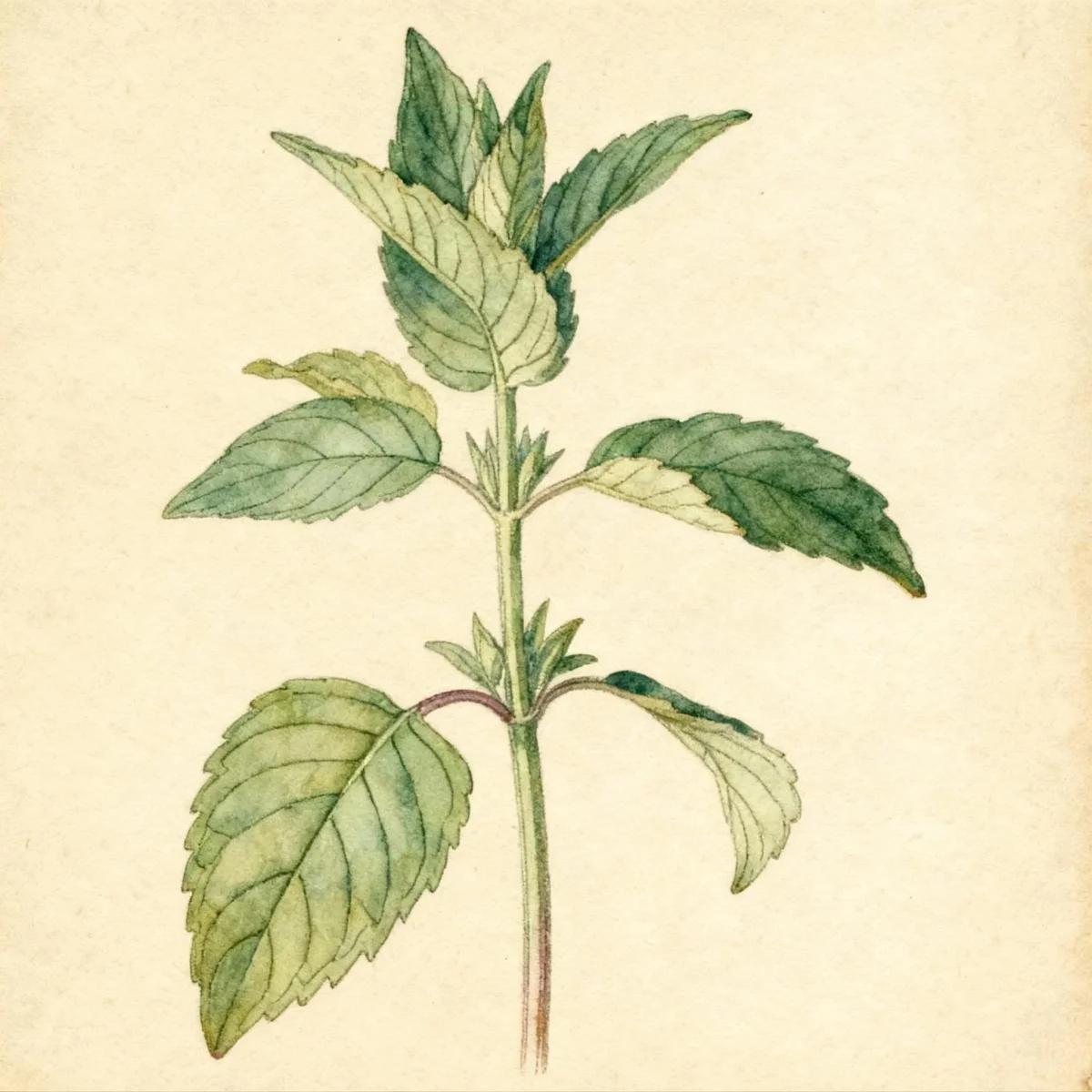
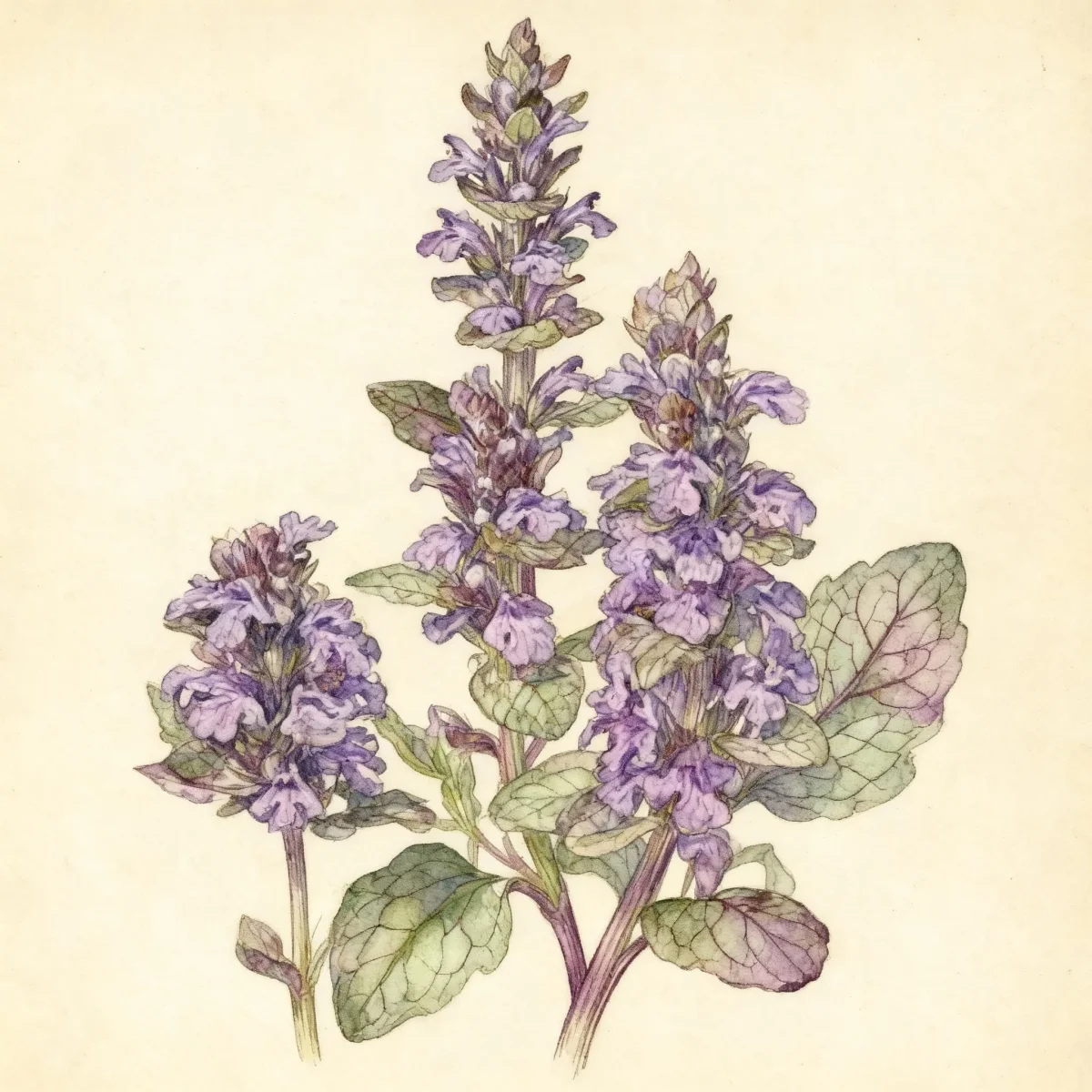
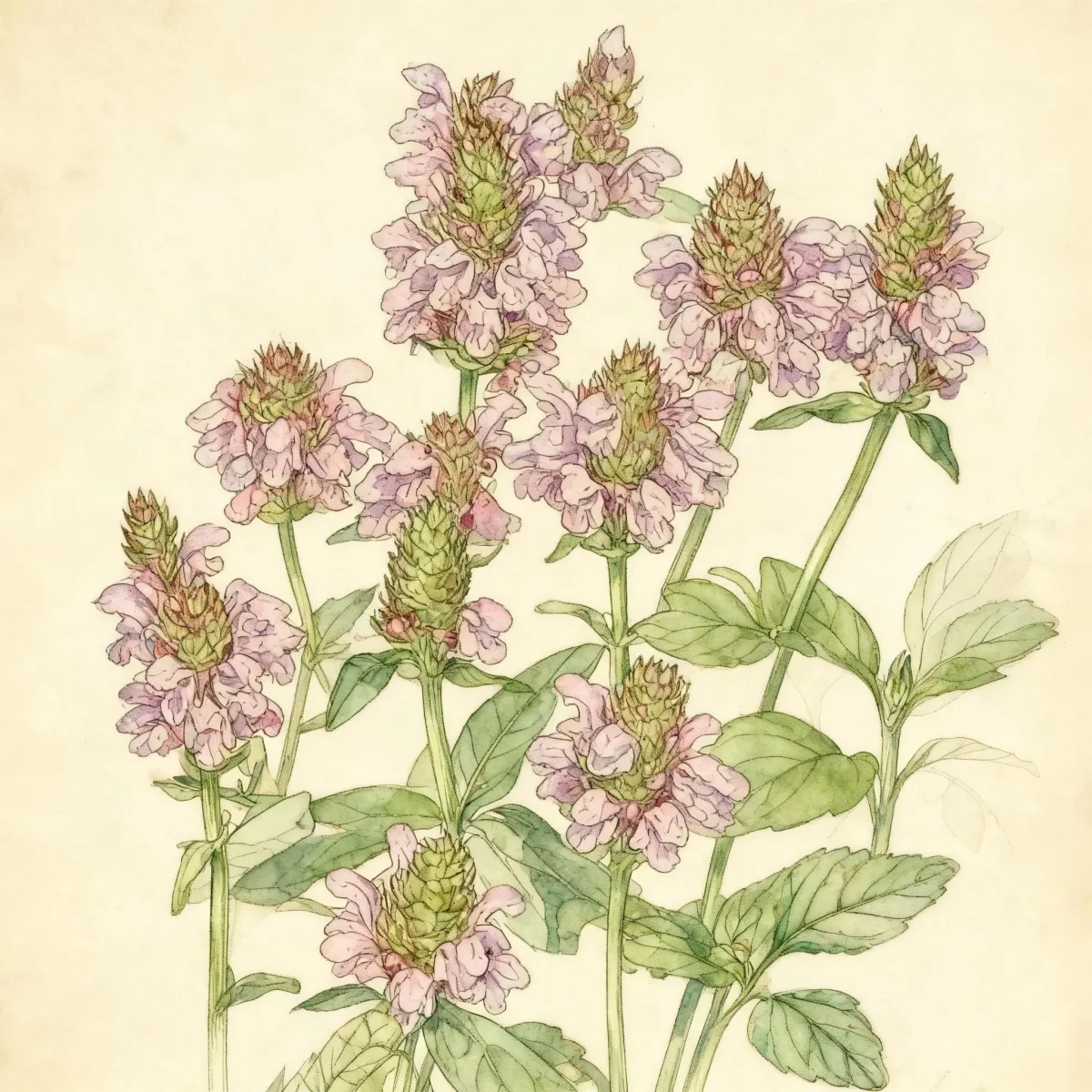
Self heal (Prunella grandiflora 'Rosea')
Prunella grandiflora 'Rosea' (Self heal) is a sprawling perennial ground cover thriving in Zones 4-8, offering rose-pink blooms from June to August.

Bloom Boldly, No Matter the Season - Sweatshirt
Cozy organic cotton sweatshirt featuring our exclusive Purple Coneflower design. Perfect for gardeners who bloom year-round.
Inspired by the beautiful Self heal
Limited first batch (50) — join the waitlist for early access
Waitlist closes Feb 15, 2026.
Complete Plant Information
Field Guide Continues
Ready for care notes, companion picks, and planting tips?
The map is just the start. The full guide below covers growth habits, seasonal performance, and landscape uses.
Overview
Prunella grandiflora ‘Rosea’, commonly known as Self heal, is a valuable, mat-forming perennial prized for its low, spreading habit and attractive summer blooms. This member of the mint family creates dense carpets ideal for covering difficult spaces in the landscape while offering soft, rose-pink flowers through the peak heat of summer. Its ability to establish quickly makes it an excellent choice for naturalizing areas where a neat, yet vigorous, groundcover is desired.
This handsome cultivar of large-flowered self-heal spreads via stolons and rhizomes, quickly creating a semi-evergreen tapestry ideal for softening edges or filling in beneath taller shrubs. Gardeners appreciate its moderate maintenance requirements, provided its moist soil needs are met, allowing it to thrive through USDA Zones 4 to 8. The deep green foliage provides a rich backdrop for the terminal flower spikes appearing from June through August.
Functionally, the Self heal plant offers aesthetic benefits as an edger or in cottage garden settings, while historically it carries a reputation as both a medicinal and culinary herb. By selecting Prunella grandiflora ‘Rosea’, you introduce texture, color, and historical interest to your garden floor with minimal long-term fuss.
Fast Facts
- Plant Family: Lamiaceae
- Plant Type: Herbaceous perennial
- Hardiness Zones: USDA Zones 4-8
- Size at Maturity:
- Height: 0.5-1 ft
- Spread: 1-1.5 ft
- Bloom Time: June to August
- Bloom Description: Rose Pink
- Sun Exposure: Full sun to part shade
- Water Needs: Medium
- Maintenance Level: Medium
How to Grow
Plant Prunella grandiflora ‘Rosea’ during the spring or fall when soil temperatures are moderate. This plant establishes best in a variety of moist but well-drained soils. Ensure your site receives the desired sun exposure, ranging from full sun to partial shade, to encourage the best performance of the flowering Self heal. It shows a preference for organically rich soil structures.
Watering requirements for Prunella grandiflora ‘Rosea’ are medium; plantings must be kept consistently moist, particularly throughout the heat of summer. Fertilization is usually unnecessary if the soil is organically rich, as excessive fertility can promote excessive leaf growth over flowering. Deadheading spent cultivar flowers is often necessary if you wish to prevent unwanted self-seeding, as cultivars may not come true from seed.
For managing large groundcover plots of Prunella grandiflora ‘Rosea’, mowing after the initial bloom on a high setting is a sensible maintenance practice. This action helps both deadhead the flowers for a tidier appearance and maintains the structural integrity of the low-growing mat. Propagation is straightforward via division, stem cuttings, or seed collection.
Landscape Uses
The creeping nature and attractive rose-pink blooms make the Self heal plant superb as a low-maintenance ground cover, effectively suppressing weeds beneath its dense foliage. For edging borders, its defined 1-foot height provides a neat, soft transition between turf or hardscaping and taller plantings. It also excels when naturalized in wild gardens or woodland margins where its spreading habit can be fully appreciated.
Consider using Prunella grandiflora ‘Rosea’ in cottage gardens where its slightly rambling nature complements informal plantings. While suitable for rock gardens as an accent, discretion is advised; this plant can be quite vigorous and potentially too aggressive near very choice, delicate rock garden specimens. It pairs well with plants that enjoy similar moisture levels, such as Astilbe or various ferns in shadier margins.
Its versatility allows it to function beautifully as a border front, adding textural contrast along pathways where its semi-evergreen leaves offer year-round structure. Planting Self heal in mass can create a stunning, flowing carpet of color when in full bloom during the summer months.
Standout Features
Flower Qualities
- Showy
Noteworthy Characteristics
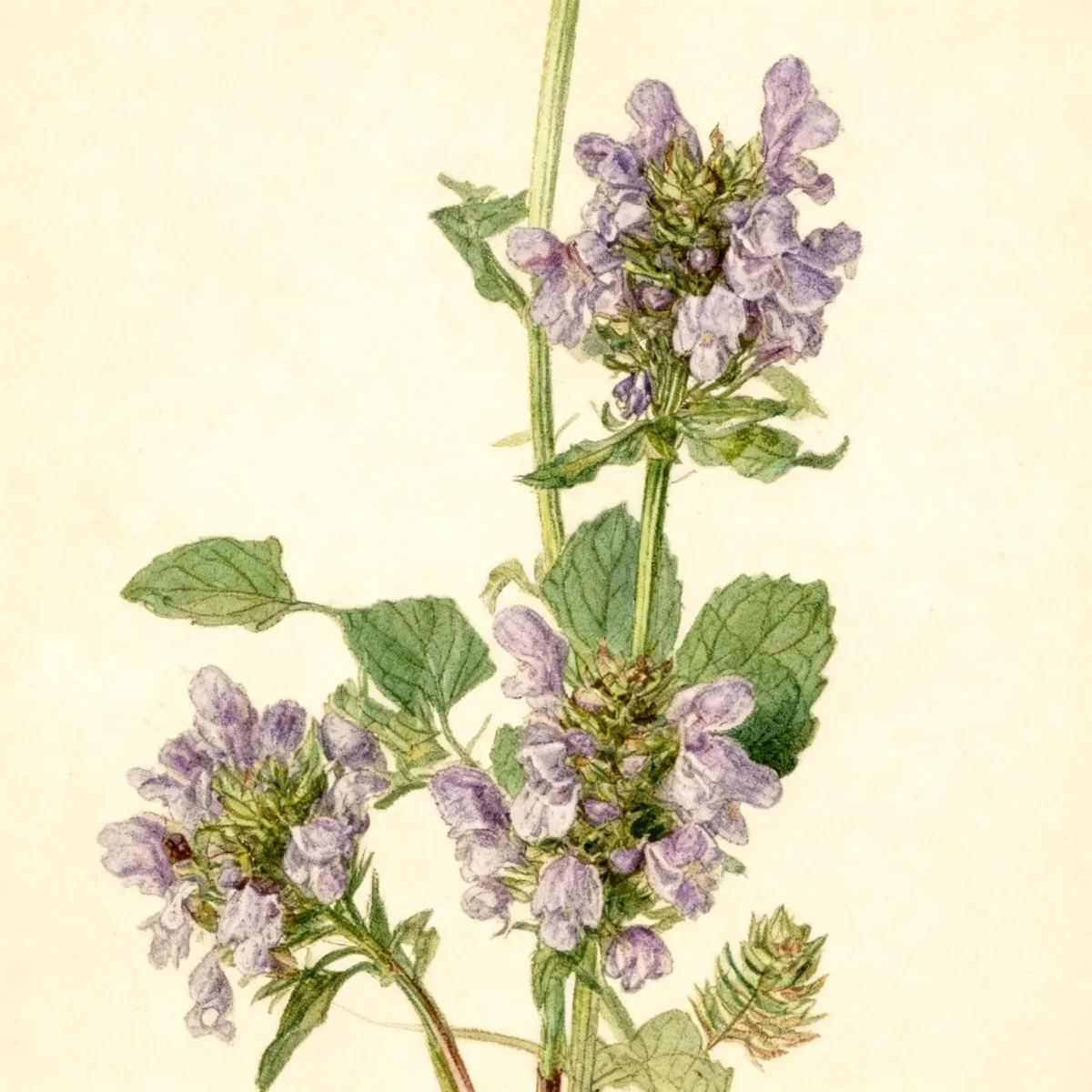
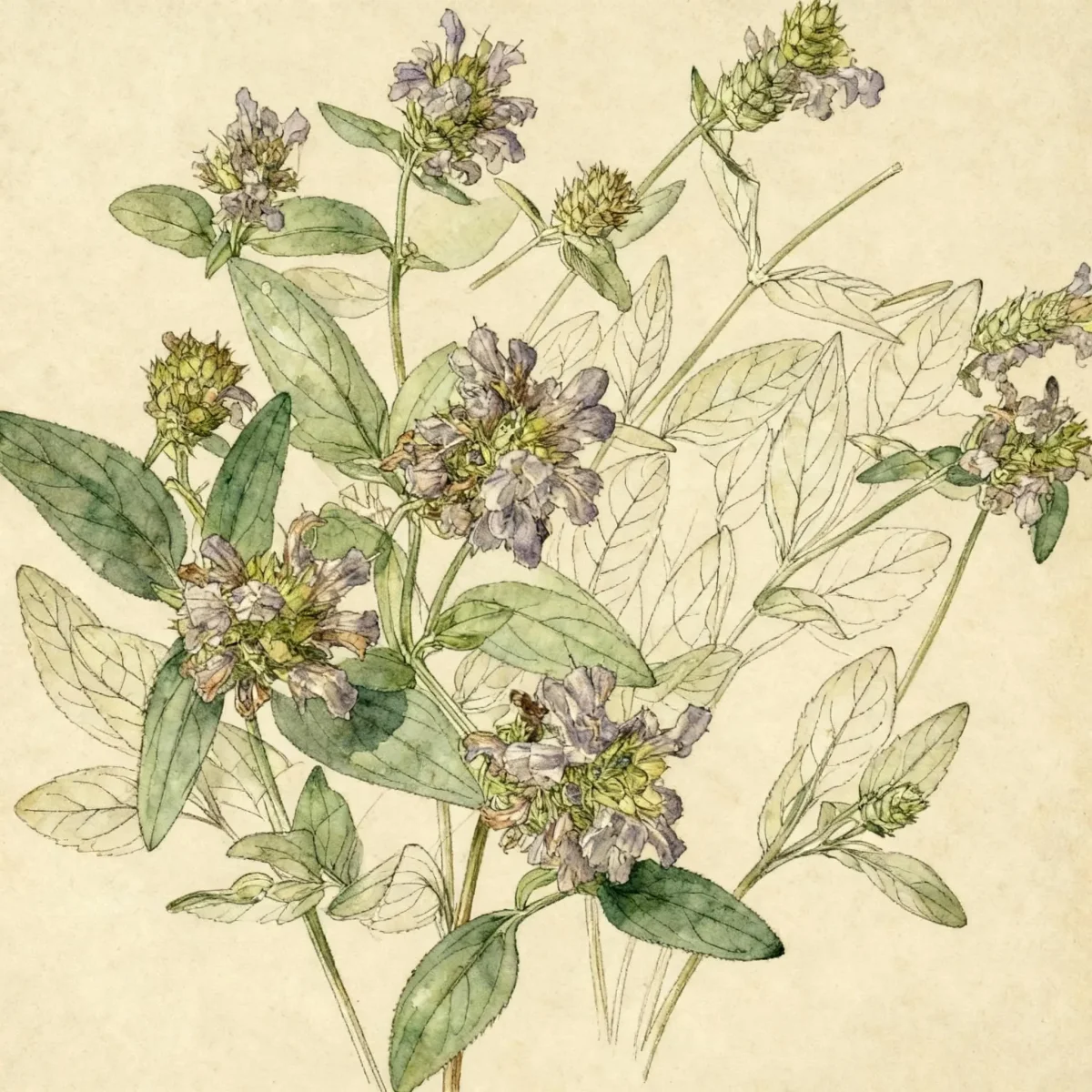
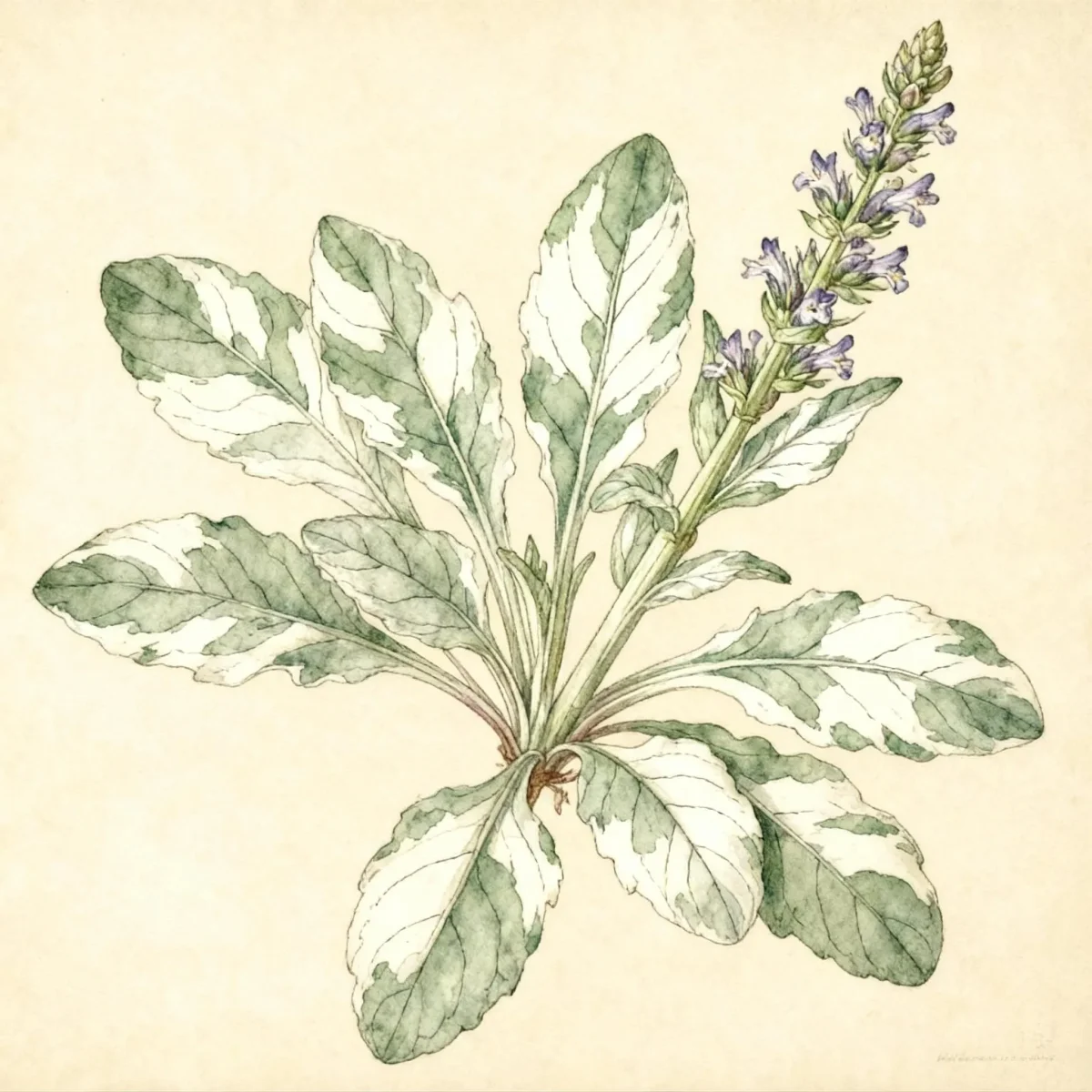
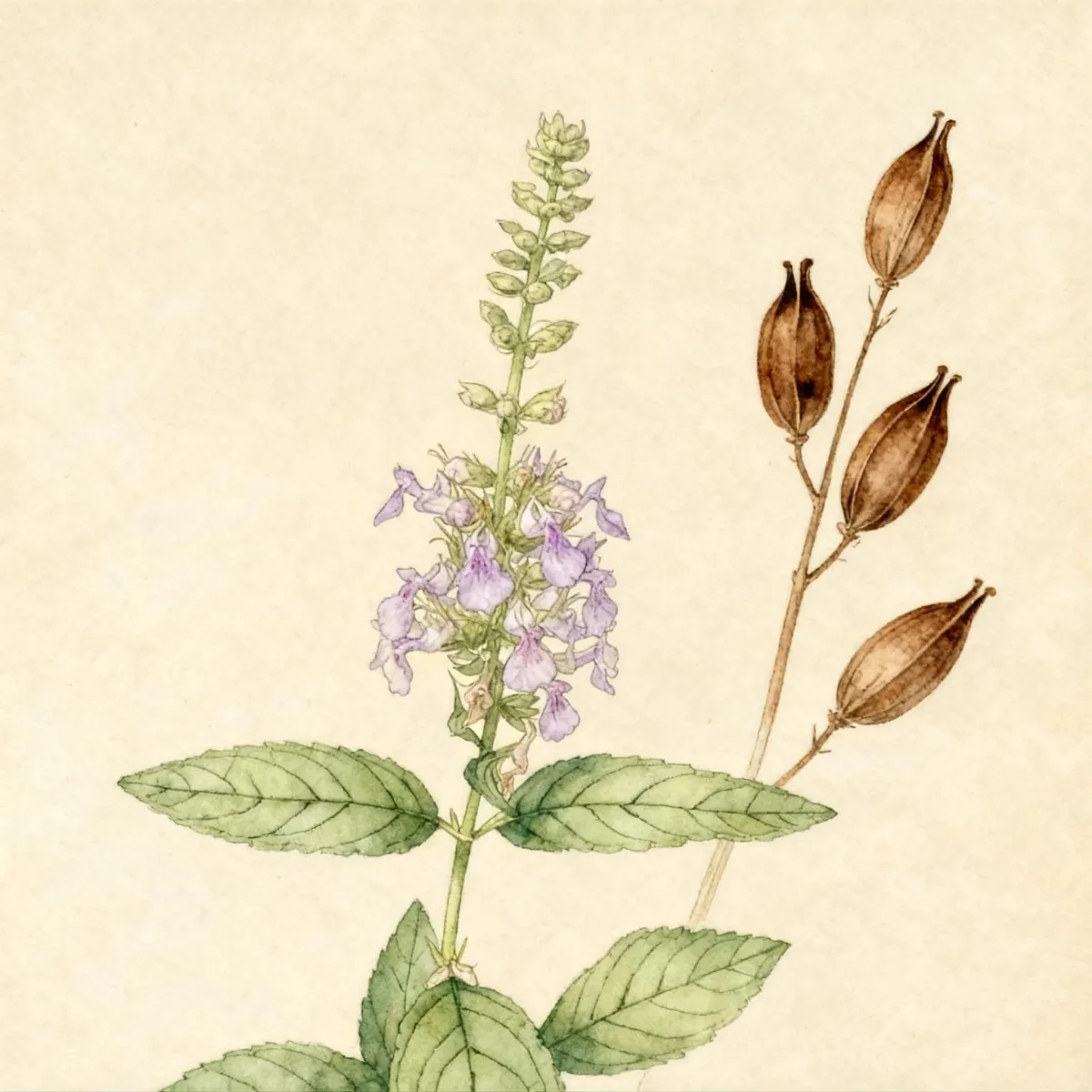
Prunella grandiflora, commonly known as large-flowered self-heal, is a sprawling, low-growing, mat-forming, semi-evergreen perennial of the mint family that typically grows to 6-12” tall, but spreads by stolons and rhizomes to 18-36” wide. It is native to meadows and woodlands in Europe. Ovate to lanceolate, deep green leaves (4” long) with sparsely toothed margins grow in basal tufts. Tubular, 2-lipped, purple flowers (to 1” long) bloom in summer in terminal flower spikes (to 2-3” long) located atop square, opposite-leaved flowering stems rising to 12” tall. The specific cultivar ‘Rosea’ is noted for its distinct rose-pink flowers, distinguishing it from the typical purple form.
Tolerances
Potential Problems
Self heal generally exhibits few serious insect or disease issues, making it a robust choice for many gardeners. However, in conditions of high humidity or poor air circulation, issues like powdery mildew, leaf spot, and blight can occasionally develop. Ensure adequate spacing when planting Prunella grandiflora ‘Rosea’ to promote good airflow, which is the primary defense against fungal outbreaks.
If mildew does appear, standard garden fungicides can be employed, though cultural adjustments (like improved watering practices that avoid wetting foliage) are often more effective long term. Because this plant is vigorous, its main “problem” is often controlling its spread in mixed plantings, which is managed through regular trimming or mowing after flowering concludes.
Frequently Asked Questions
What hardiness zones is Self heal suitable for?
Prunella grandiflora ‘Rosea’ is hardy and reliably grows in USDA Zones 4 through 8.
How large does Prunella grandiflora ‘Rosea’ grow?
This perennial typically reaches a height between 0.5 to 1 foot tall, spreading to a width of 1 to 1.5 feet through its creeping rhizomes.
What sun exposure does Self heal need?
Prunella grandiflora ‘Rosea’ performs well in a range of light, tolerating conditions from full sun down to part shade.
When does Self heal bloom?
This plant flowers reliably during the summer months, specifically from June to August, displaying attractive rose-pink blooms.
Conclusion
Prunella grandiflora ‘Rosea’ is a fantastically versatile herbaceous perennial, offering effective ground coverage paired with the delightful rose-pink color of its summer flowers. The Self heal plant provides structure and beauty with manageable care, making it a loyal addition to many landscape designs. Before planting, confirm that your growing location falls within USDA Zones 4-8 and that you can consistently provide medium moisture to ensure vibrant success with this gorgeous perennial.
Propagation Tips
Propagating Prunella grandiflora ‘Rosea’ is relatively simple, offering several avenues for increasing your patch of Self heal. Division of established clumps is perhaps the easiest method; conduct this in early spring before new growth begins vigorously or in early fall after flowering has ceased. Ensure each divided piece retains several healthy roots and shoots.
Stem cuttings taken from young, non-flowering shoots also root readily, particularly when taken during late spring or early summer. Place the cuttings in a moist, well-drained medium under light shade until roots form. While seed propagation is possible, remember that cultivars like ‘Rosea’ may not breed true, so horticultural division or cuttings are preferred for maintaining the exact color and form.
Wildlife Benefits
The flowers of Prunella grandiflora ‘Rosea’ are known to attract various beneficial insects. As a member of the mint family (Lamiaceae), its bloom structure is particularly appealing to short-tongued bees and smaller pollinators working the tubular flowers. Establishing drifts of Self heal contributes to local biodiversity by providing a reliable nectar source during mid-summer when some other bloom cycles might be tapering off.
Creating large, naturalized areas using this plant maximizes the benefit for local wildlife populations. Its dense, low foliage also offers excellent cover for ground-dwelling beneficial insects and small amphibians seeking shelter near moist garden areas. Maintaining the planting without heavy pesticide use will ensure its ongoing value as a wildlife resource.