Blackberry (Rubus 'Navaho')
Thornless Rubus 'Navaho' Blackberry offers edible, showy fruit in a manageable 4-5 ft size, thriving in zones 6-8.

Bloom Boldly, No Matter the Season - Sweatshirt
Cozy organic cotton sweatshirt featuring our exclusive Purple Coneflower design. Perfect for gardeners who bloom year-round.
Inspired by the beautiful Blackberry
Limited first batch (50) — join the waitlist for early access
Waitlist closes Feb 15, 2026.
Complete Plant Information
Field Guide Continues
Ready for care notes, companion picks, and planting tips?
The map is just the start. The full guide below covers growth habits, seasonal performance, and landscape uses.
Overview
Rubus ‘Navaho’ is a highly valued, erect, thornless cultivar prized by home gardeners for producing excellent quality blackberries. As a self-fruitful shrub, it simplifies pollination requirements compared to some other brambles. This Blackberry cultivar establishes itself as a free-standing structure, often performing exceptionally well in regions like Missouri, provided winter protection is adequate.
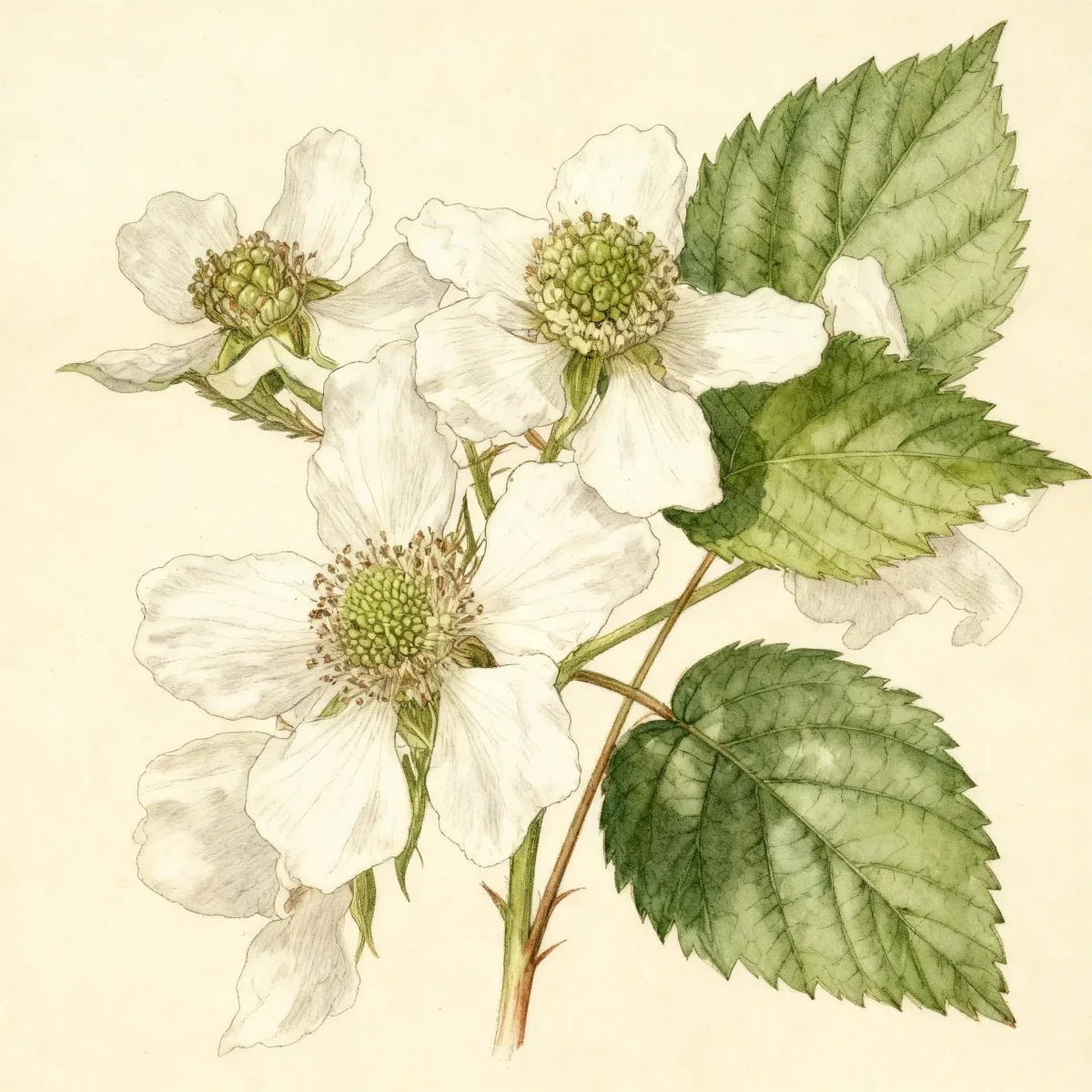
The plant exhibits attractive clusters of white, 5-petaled flowers in the spring, which signal the impending summer harvest. The berries mature mid-to-late July, offering a functional and flavorful addition to the home landscape. Successful cultivation of the Rubus ‘Navaho’ focuses on providing optimal soil conditions and consistent pruning management.
While primarily grown for its edible harvest, the structure and spring blooms of the Blackberry offer some seasonal interest. Gardeners should note that this is a perennial with biennial canes, meaning pruning routines are critical for sustained productivity and plant health.
Fast Facts
- Plant Family: Rosaceae
- Plant Type: Fruit
- Hardiness Zones: USDA Zones 6-8
- Size at Maturity:
- Height: 4-5 ft
- Spread: 4-5 ft
- Bloom Time: April to May
- Bloom Description: White
- Sun Exposure: Full sun to part shade
- Water Needs: Medium
- Maintenance Level: Medium
How to Grow
For the best results with Rubus ‘Navaho’, plant in a location receiving full sun to part shade, ensuring the soil is moist, organically rich, and slightly acidic. Drainage is crucial; this Blackberry is intolerant of wet soils, making raised beds a strong consideration, especially in heavy clay areas. Although the canes are biennial—meaning they live for two years, fruiting in their second year—the root system is perennial.
Water needs are medium, requiring consistent moisture, especially during fruit development, without letting the roots sit in standing water. Successful management requires diligent pruning. Immediately after the summer fruit harvest, prune all canes that fruited down to the ground.
In late winter or early spring, before new growth begins, trim out any canes damaged by winter cold or wind. Thin the remaining canes, keeping only 4 to 5 strong, well-spaced canes, and trim the laterals on those remaining canes. Furthermore, tip-pruning new vegetative canes during the summer can help manage the structure of this erect variety.
Gardeners must also be mindful of microclimates. Rubus ‘Navaho’ is not reliably winter hardy everywhere, so avoid frost pockets and locations exposed to drying winter winds to ensure cane survival and subsequent fruiting. Staking is also recommended for optimal plant performance.
Landscape Uses
Although the flowers are attractive, this blackberry is grown primarily as a food crop and it is not considered appropriate for ornamental use where aesthetic display is the sole goal. Its primary landscape role is functional—producing delicious, edible fruit. Consider planting Rubus ‘Navaho’ along a back fence or property line where its structured, erect habit (requiring support) can be managed without dominating the main views.
Since it requires specific soil conditions and sun exposure, companion planting should focus on other edibles or plants sharing similar, slightly acidic moisture requirements. Avoid heavy feeders or deep-rooted plants that might compete aggressively with the shallow root system of the Blackberry.
If space allows, planting a row of Rubus ‘Navaho’ can create a productive edible screen. Its need for diligent post-harvest pruning means it should be situated where access is easy for annual maintenance tasks.
Standout Features
Flower Qualities
- Showy
Fruit Qualities
- Showy
- Edible
Noteworthy Characteristics
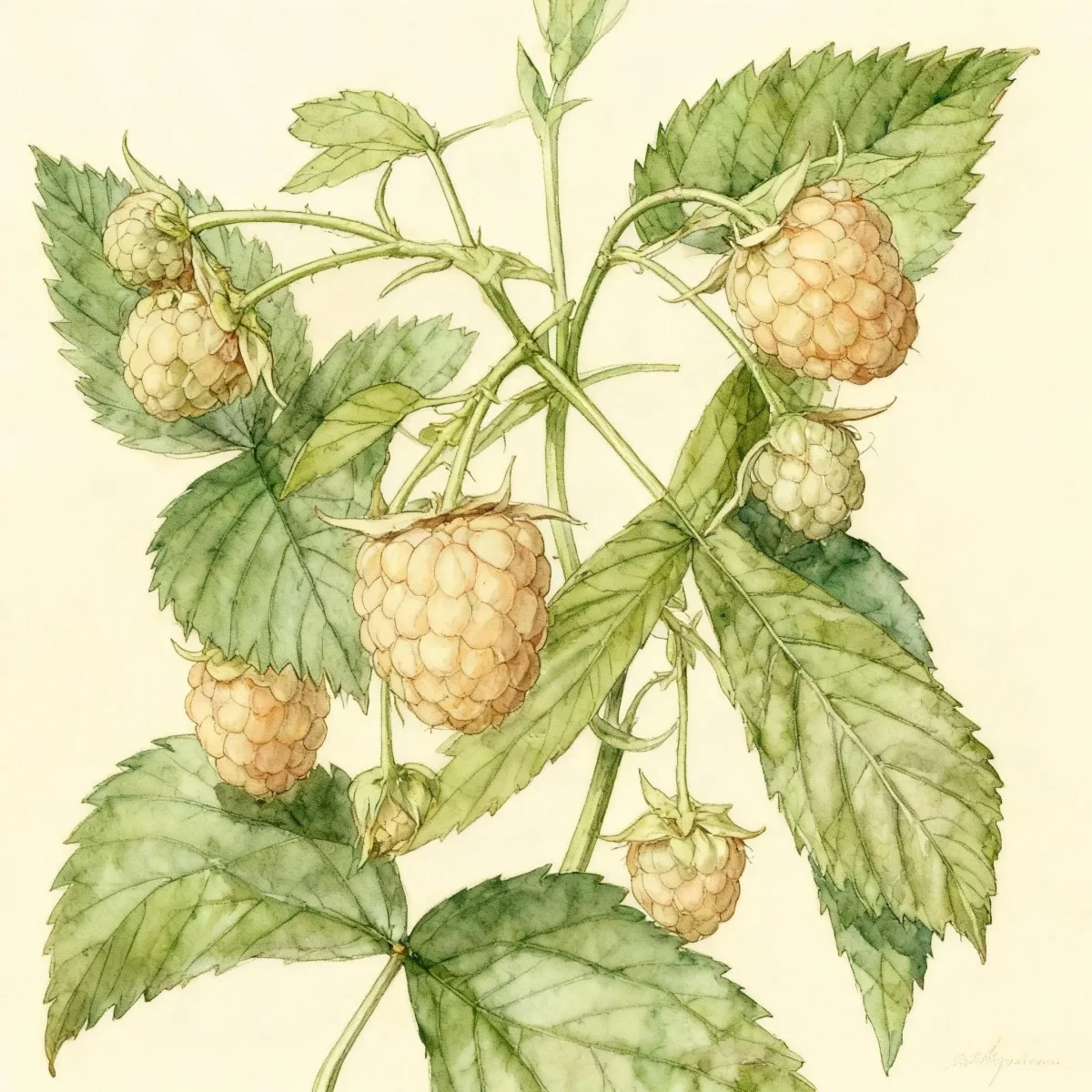
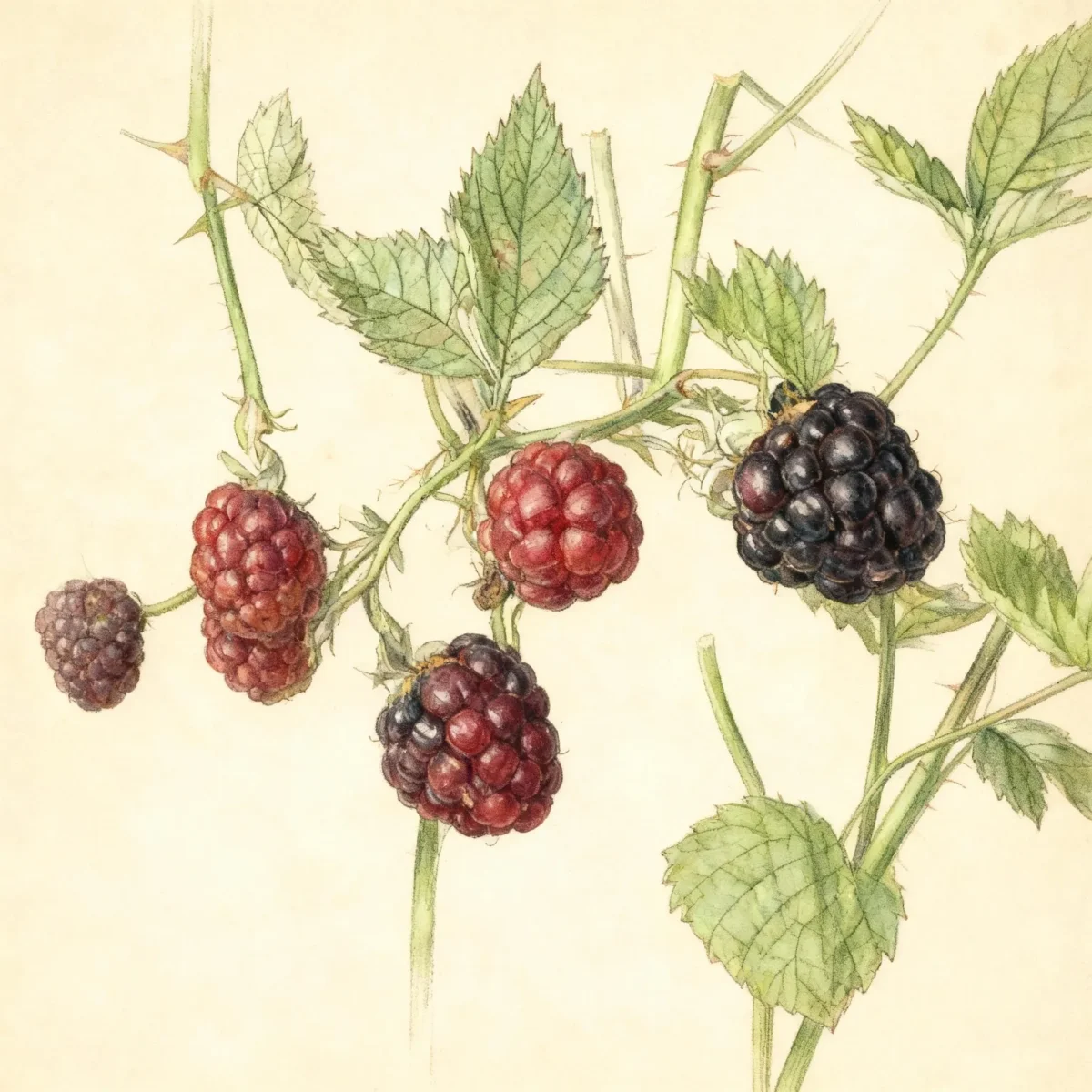
Blackberries are aggregate fruited brambles native to temperate regions around the world. The biennial canes emerge from a perennial rootstock and can take on a sprawling to erect habit. Most blackberry cultivars available today are hybrids of multiple species in the genus Rubus. Blackberries can be distinguished from raspberries by certain characteristics of their aggregate fruits. When blackberries are picked off the canes, the receptacle (central attachment point for the fruiting body) remains inside the aggregate fruit. Raspberries have hollow centers. The drupelets (small, individual fruits that make up the aggregate fruit) of blackberries are smooth while the drupelets of raspberries have small hairs. Modern blackberry cultivars are divided into three main groups based on their growth habits: trailing, semi-erect, and erect. These can be further divided by their fruiting habits and whether the canes have thorns or are considered thornless. Cultivars that produce a single crop on only two year old canes are called floricanes. “Everbearing” or primocane varieties will produce fruit on two year old canes as well as a smaller, late crop on new canes. Genus name is the Latin name for brambles (blackberry and raspberry). ‘Navaho’ is an erect, thornless, self-fruitful, free-standing shrub which produces one crop of fruit per year. Clusters of white, 5-petaled, rose-like flowers in spring give way to blackberries of excellent eating quality which mature in summer (mid-to-late July). This cultivar is one of the best of the erect varieties for Missouri.
Tolerances
Potential Problems
Anthracnose, botrytis, and verticillium wilt present serious disease challenges for Blackberry cultivation. Proper air circulation, achieved through correct pruning and spacing, is the best defense against fungal issues like anthracnose and botrytis. Ensure you remove all fruiting canes immediately after harvest when sanitation is crucial for disease management.
Cane borers and crown borers represent potentially serious insect pests to watch for. Monitoring the canes during the growing season for signs of infestation, such as sawdust accumulation or dead cane tips, allows for timely intervention. Always prune canes cleanly using sterilized tools to prevent the spread of pathogens.
Frequently Asked Questions
What hardiness zones is Blackberry suitable for?
The Rubus ‘Navaho’ Blackberry is best suited for USDA Hardiness Zones 6 through 8.
How large does Rubus ‘Navaho’ grow?
This cultivar typically reaches a mature height between 4 and 5 feet, with a spread of 4 to 5 feet, often requiring staking for support.
What sun exposure does Blackberry need?
Rubus ‘Navaho’ performs well in locations ranging from full sun to part shade exposures.
When does Blackberry bloom?
This Blackberry variety typically blooms between April and May, producing clusters of white flowers.
Conclusion
The Rubus ‘Navaho’ Blackberry offers gardeners a dependable source of edible, thornless fruit with manageable, erect growth habits. Success hinges on providing well-drained soil and adhering strictly to its biennial pruning schedule following harvest and in early spring. Before planting, confirm your location falls within USDA Zones 6-8 and prepare the soil to ensure a bountiful harvest of this excellent Blackberry cultivar.
Companion Planting
Choosing appropriate companions helps manage pests and utilize space effectively around your Rubus ‘Navaho’. Because blackberries prefer slightly acidic, rich soil, consider planting acid-tolerant companions like blueberries or rhododendrons nearby, provided they do not shade the fruit canes excessively. Avoid planting tomatoes or potatoes close by, as they share susceptibility to Verticillium wilt, a common disease in this Blackberry.
For ground cover under the vines, low-growing edible herbs like creeping thyme or chamomile can suppress weeds without competing heavily for nutrients near the shallow roots. Alternatively, using a thick layer of organic mulch will help maintain the required consistent soil moisture and suppress weeds, which is often more beneficial than dense planting near the base of the canes.
Seasonal Care Calendar
Spring care centers on pruning and disease prevention before active growth begins in earnest. In late winter to early spring, perform your final structural pruning, removing winter-damaged canes and thinning to 4-5 strong main canes, trimming laterals as needed. Apply dormant oil if pest issues were identified the previous year.
Summer demands are focused on harvest and immediate post-harvest cleanup. Once the last of the Rubus ‘Navaho’ fruit is picked in mid-to-late July, immediately cut all canes that fruited (floricanes) right down to the ground level. This step is vital for disease prevention and directs the plant’s energy into developing next year’s fruiting wood.
Fall is for site preparation and protection. After the foliage drops, ensure the base of the plants is well-mulched. If you are in the colder end of Zone 6, consider wrapping the canes lightly or creating a temporary windbreak to protect them from drying winter winds that can damage the cane tissue.