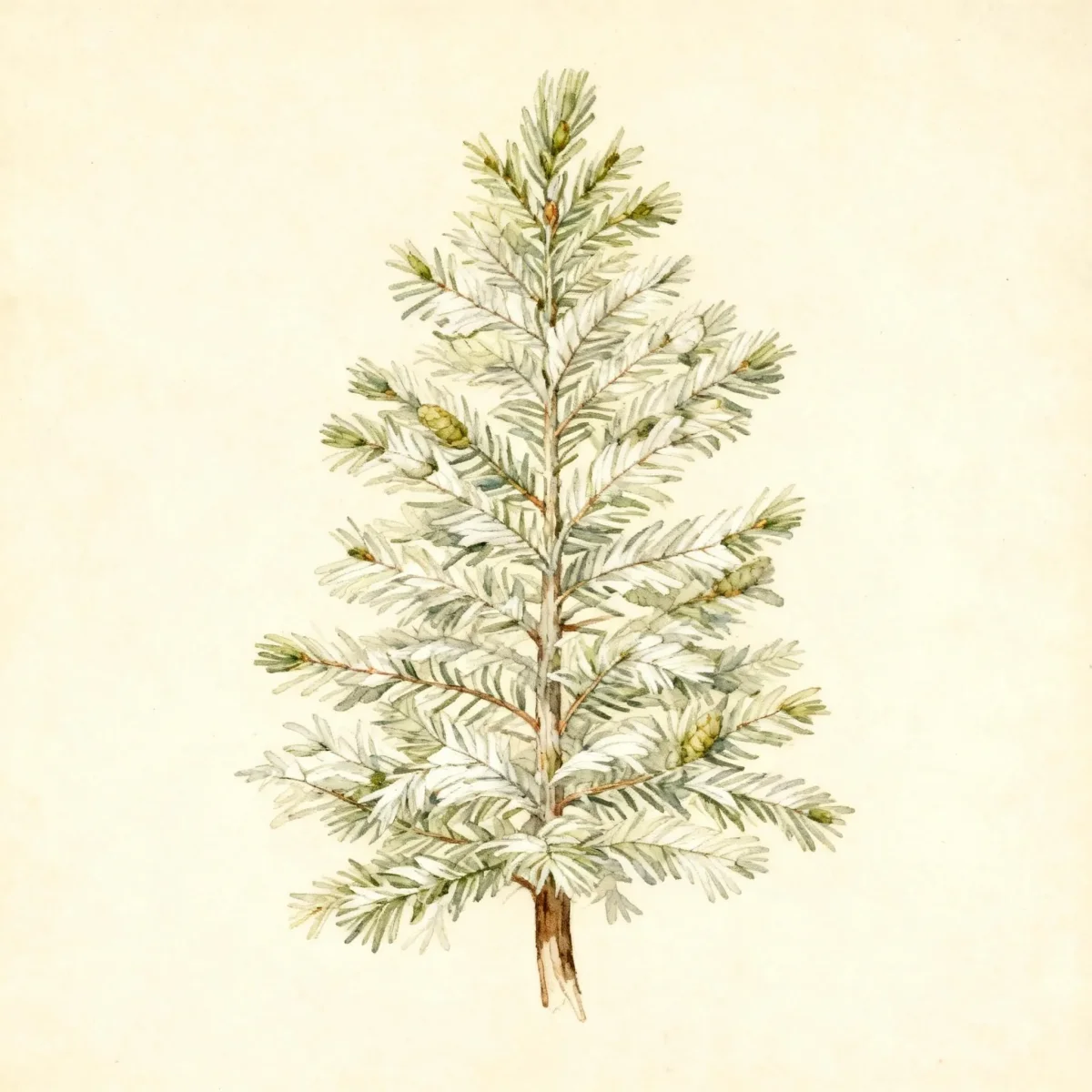
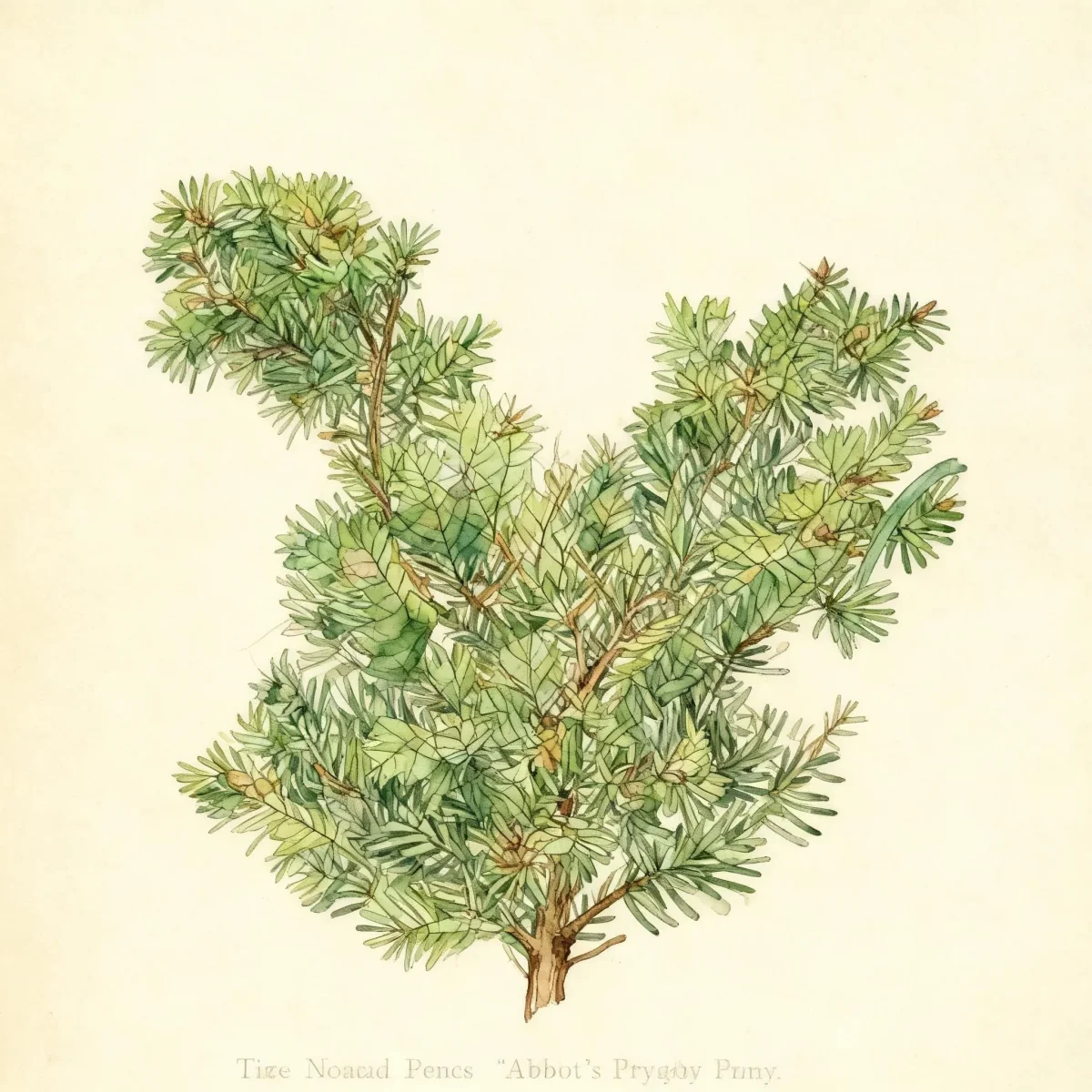
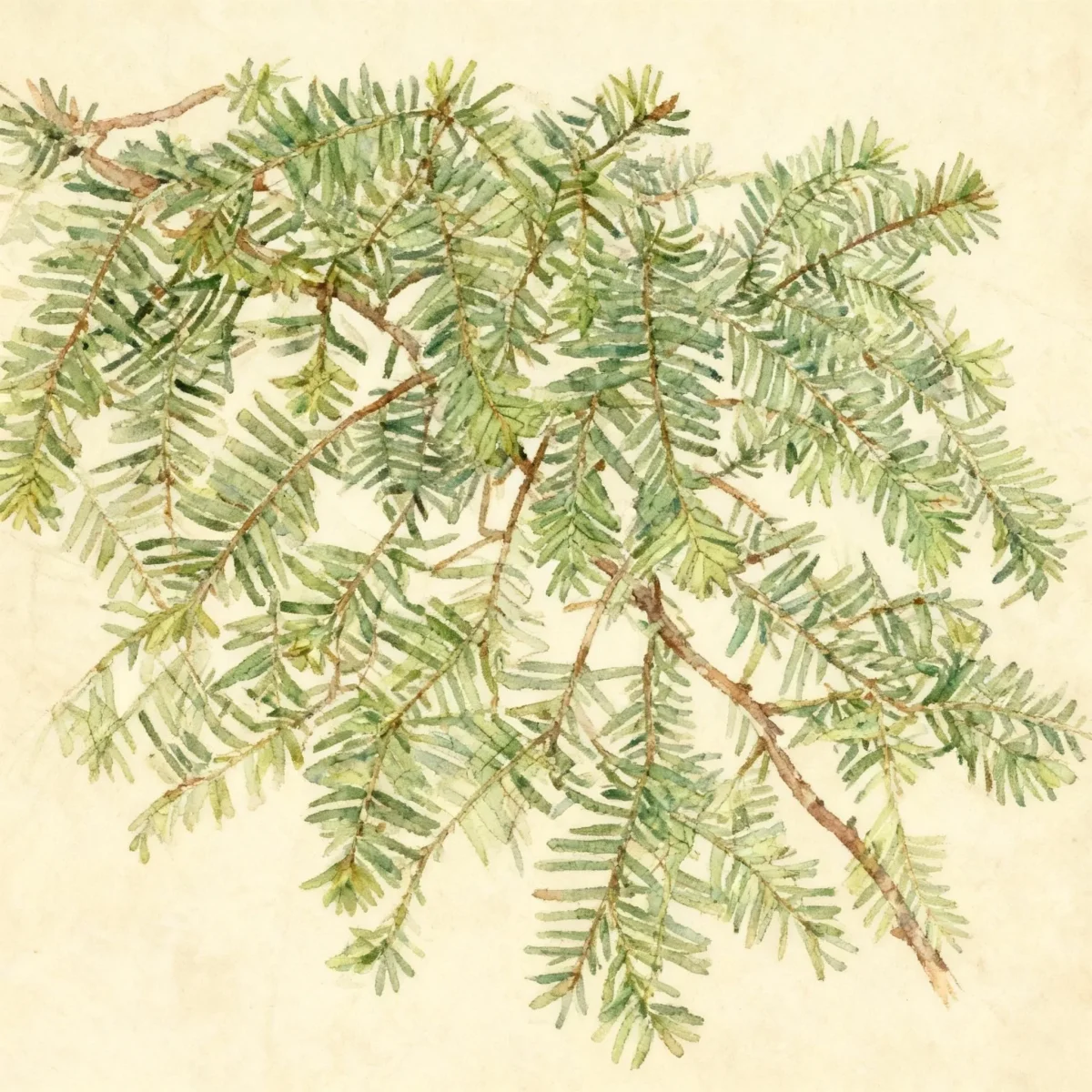
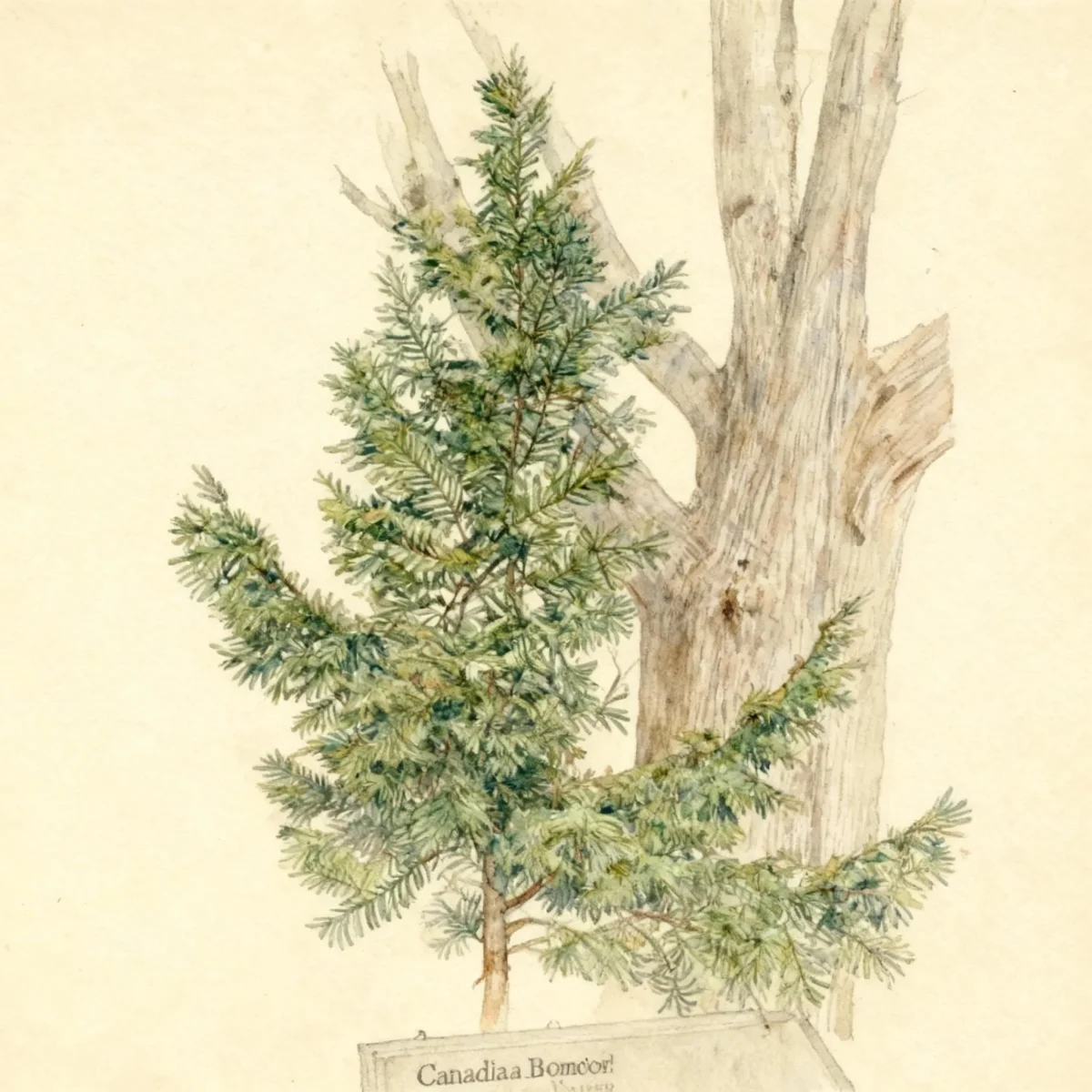
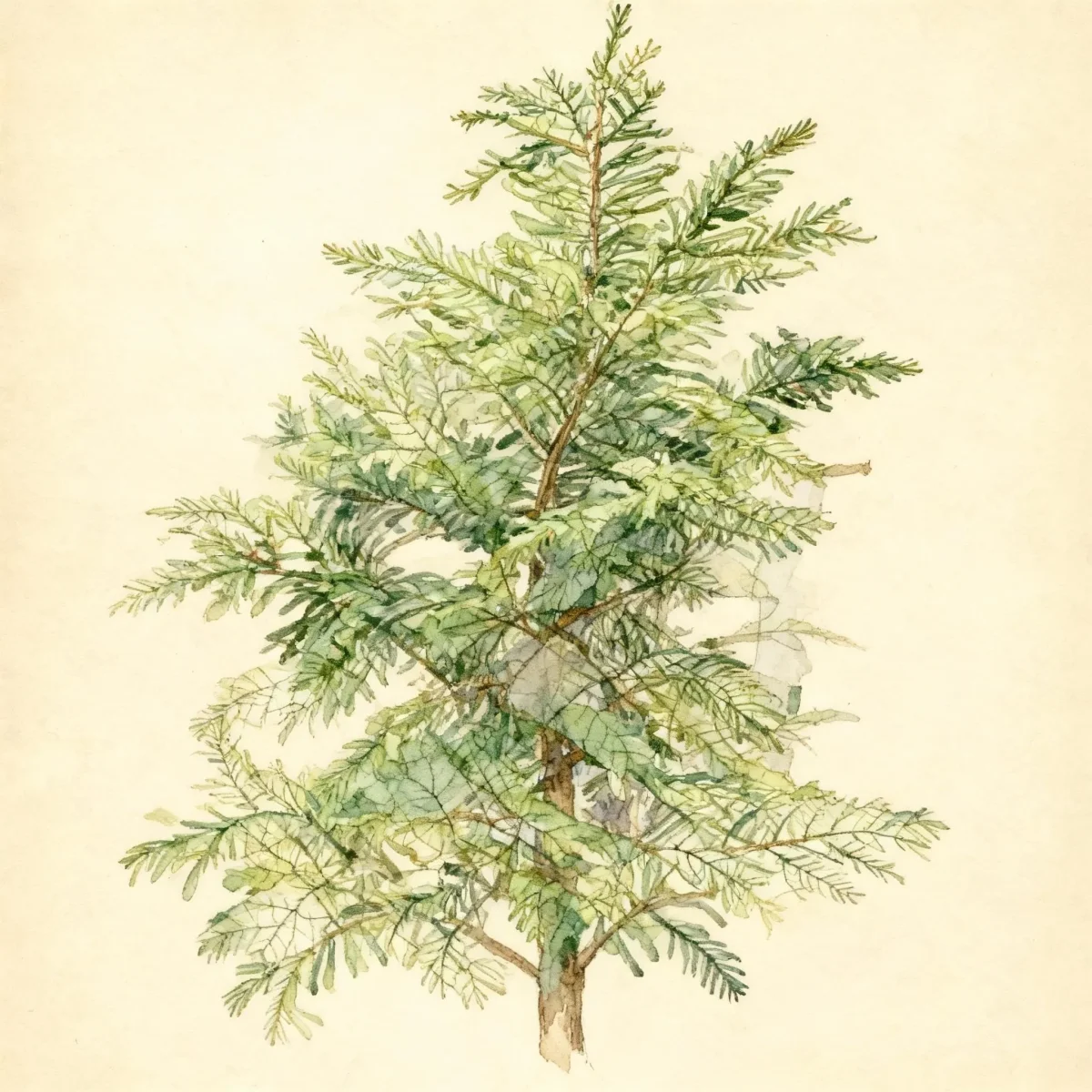
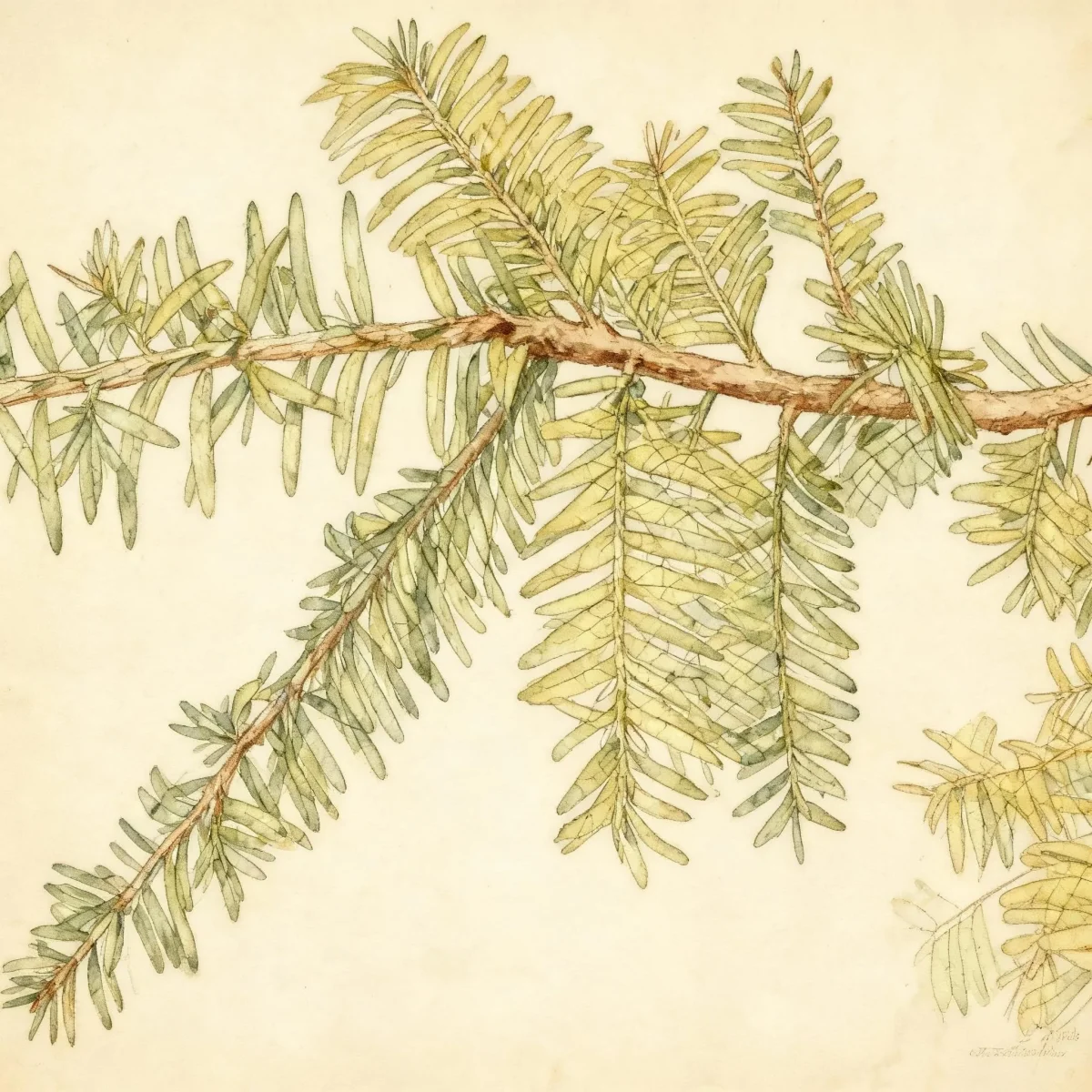
Canadian hemlock (Tsuga canadensis 'Brandley')
Tsuga canadensis 'Brandley' is a dwarf, low-maintenance Canadian hemlock perfect for rock gardens and foundation plantings, thriving in shade.
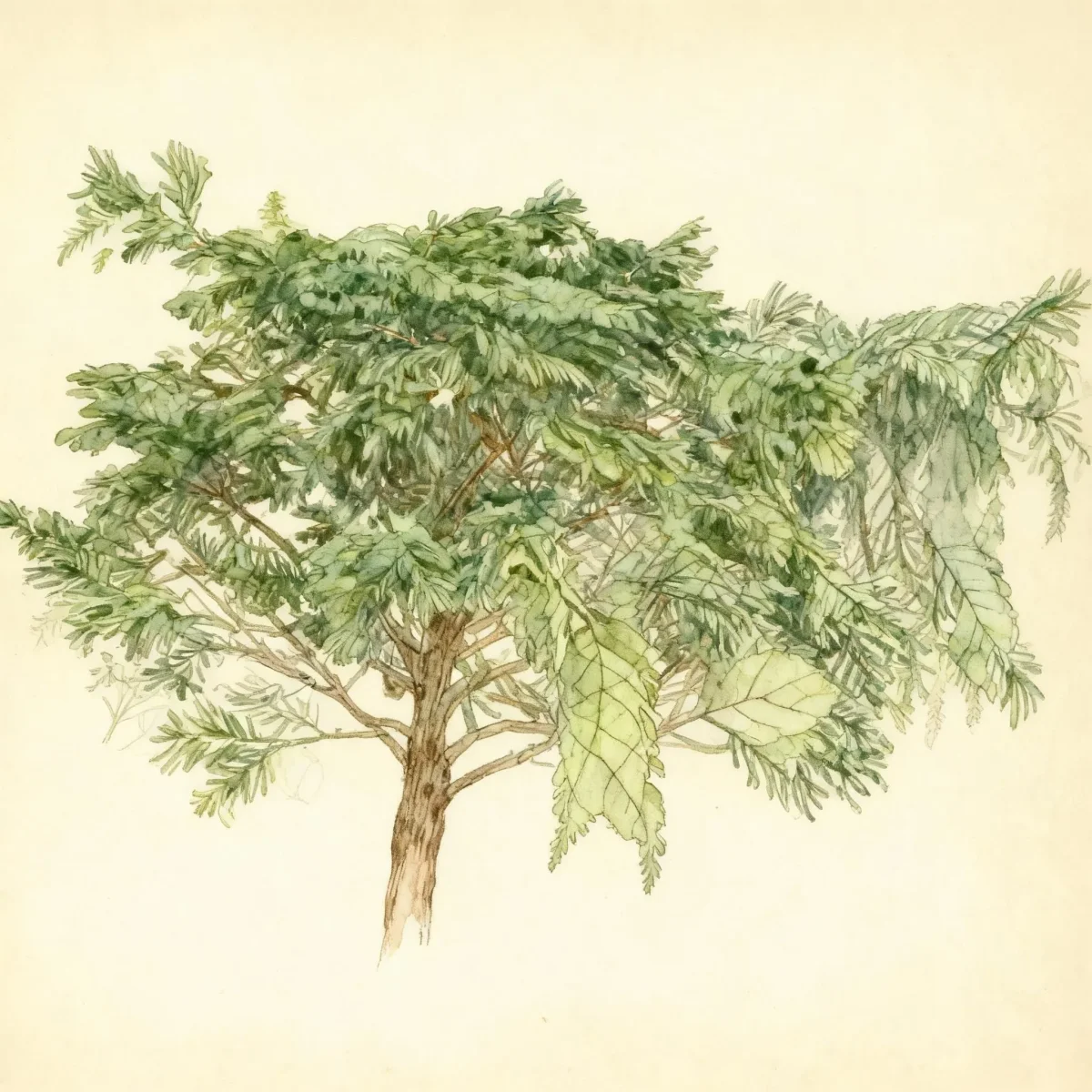

Bloom Boldly, No Matter the Season - Sweatshirt
Cozy organic cotton sweatshirt featuring our exclusive Purple Coneflower design. Perfect for gardeners who bloom year-round.
Inspired by the beautiful Canadian hemlock
Limited first batch (50) — join the waitlist for early access
Waitlist closes Feb 15, 2026.
Complete Plant Information
Field Guide Continues
Ready for care notes, companion picks, and planting tips?
The map is just the start. The full guide below covers growth habits, seasonal performance, and landscape uses.
Overview
Tsuga canadensis ‘Brandley’ is a highly valued dwarf cultivar of the Eastern Hemlock, offering the graceful, lacy texture of the species in a much more manageable size for smaller landscapes. This cultivar, commonly known as Canadian hemlock, maintains a dense, appealing form, starting globe-shaped when young before maturing into a slightly broader pyramid suitable for foundation plantings. Gardeners appreciate this variety for its low maintenance needs and exceptional tolerance for deep shade conditions where many other evergreens struggle.
The dark green needles provide year-round structure and contrast, making the Canadian hemlock a perfect specimen choice. It showcases superior adaptability to average soil conditions, provided moisture is consistent and drainage is adequate. While the full-sized species can reach towering heights, the ‘Brandley’ cultivar remains diminutive, typically topping out around 3 feet tall and 2 feet wide.
This slow-growing evergreen brings significant aesthetic value to shaded borders or rock gardens. Its resilience against deer browsing and its ability to thrive under black walnut trees make Tsuga canadensis ‘Brandley’ a versatile and practical selection for challenging garden spots where reliable year-round greenery is desired.
Fast Facts
- Plant Family: Pinaceae
- Plant Type: Needled evergreen
- Hardiness Zones: USDA Zones 3-7
- Size at Maturity:
- Height: 2.5-3 ft
- Spread: 2-2 ft
- Bloom Time: Non-flowering
- Bloom Description: Non-flowering
- Sun Exposure: Part shade to full shade
- Water Needs: Medium
- Maintenance Level: Low
How to Grow
Planting the dwarf Canadian hemlock is best done in spring or fall when temperatures are moderate, allowing the roots to establish before facing extreme weather. Select a location that offers part shade; while it can manage full shade, very deep shade may slow growth. Ensure the soil is well-drained but consistently average in moisture.
Watering is critical, especially during the establishment phase and during prolonged dry periods, as this conifer is intolerant of drought. For established Tsuga canadensis ‘Brandley’, maintain medium moisture through supplemental watering if rainfall is scarce. Fertilizing is rarely necessary for this low-maintenance selection; heavy feeding can encourage softer, weaker growth.
Protecting the foliage from harsh conditions is crucial. Site your plant away from strong drying winds or areas subjected to intense, hot afternoon sun, especially south of Zone 6, as this can lead to foliage scorch. Before winter arrives, apply a thick layer of mulch around the base. This helps moderate soil temperatures and conserve moisture throughout the colder months.
Landscape Uses
The diminutive size of Tsuga canadensis ‘Brandley’ unlocks numerous landscape opportunities that are unavailable to its towering relatives. Its globe-to-pyramidal shape makes it an outstanding choice for rock gardens, providing permanent texture among smaller perennials and stones. Because this Canadian hemlock cultivar is deer resistant and highly shade tolerant, it excels at softening the foundation planting directly against a home or under the canopy of deciduous trees.
Consider using multiple ‘Brandley’ hemlocks to create low, formal edging along shaded pathways where repetitive, slow-growing structure is required. It pairs well with shade-loving woodland plants like hostas, ferns, and astilbes, which appreciate similar moisture and light conditions.
When specimen planting, place Tsuga canadensis ‘Brandley’ where its fine texture can contrast sharply with broadleaf evergreens or coarse, green structures. Its dense habit also makes it a dependable, year-round feature in shaded mixed borders.
Standout Features
Noteworthy Characteristics
The native Eastern Hemlock, Tsuga canadensis, is characterized by flat sprays of lacy evergreen foliage featuring short dark green needles with two white bands beneath for a graceful appearance. The species is noted for having the smallest needles and cones within the genus. The ‘Brandley’ is a specific dwarf cultivar, typically globe-shaped when young, maturing slower to a broad pyramid, usually staying under three feet tall. This cultivar retains the classic look of the Canadian hemlock but in a highly compact form perfect for modern landscaping.
Tolerances
- Deer
- Heavy Shade
- Black Walnut
Potential Problems
A healthy Tsuga canadensis ‘Brandley’ generally requires low maintenance, but vigilance is required regarding potential threats to the genus. Foliage can scorch if exposed to excessively hot weather or prolonged drought, so consistent moisture is key to prevention. The most serious threat nationwide is the Hemlock Woolly Adelgid (HWA), a tiny, destructive sap-sucking insect.
HWA has devastated natural stands of Eastern hemlock and can severely weaken or kill garden specimens. Control methods often involve systemic pesticides applied when the pest is actively feeding, though management remains challenging. Regularly inspect the undersides of branches, particularly where the twig meets the branch, for the tell-tale white, cottony egg sacs of HWA.
For disease control, ensure good air circulation, even with this dwarf variety, to minimize risks like needle blight or various rots. Avoid overhead watering late in the day, keeping foliage dry to discourage fungal issues.
Frequently Asked Questions
What hardiness zones is Canadian hemlock (Tsuga canadensis ‘Brandley’) suitable for?
This dwarf cultivar is quite hardy, thriving in USDA Zones 3 through 7, providing excellent evergreen coverage across a wide climatic range.
How large does Tsuga canadensis ‘Brandley’ grow?
This dwarf cultivar reaches a mature height between 2.5 and 3 feet tall, with a spread of approximately 2 feet wide, making it ideal for constrained spaces.
What sun exposure does Canadian hemlock need?
Tsuga canadensis ‘Brandley’ performs best in part shade to full shade conditions, where its needles remain protected from scorching summer sun.
When does Canadian hemlock bloom?
This is a non-flowering needled evergreen, meaning it does not produce conspicuous flowers or showy blooms; its ornamental value lies in its persistent foliage.
Conclusion
The Tsuga canadensis ‘Brandley’ offers gardeners a tiny piece of the venerable Eastern Hemlock, delivering year-round texture and shade tolerance with minimal fuss. Its compact size and resistance to common browsing animals solidify its status as an indispensable foundation or rock garden specimen. Review your site conditions; if you have a shady, moderately moist location within Zones 3-7, plan to plant your Canadian hemlock this spring or fall.
Companion Planting
When selecting companions for Tsuga canadensis ‘Brandley’, focus on plants that share its affinity for cool, moist, and shaded environments. Low-growing ferns, such as Japanese Painted Ferns or Autumn Ferns, offer complementary frond textures against the fine needles of the hemlock. Hostas, particularly those with blue or heavily textured leaves, create a beautiful visual contrast near the base of this evergreen.
Because this cultivar has a low nutrient demand and dislikes competition from aggressive surface roots, consider using groundcovers that spread slowly or remain nicely mounded. Creeping Jenny (Lysimachia nummularia) can spill nicely near the edge of a planting bed, provided it receives adequate moisture alongside the needs of the Canadian hemlock.
Design Ideas
The formal, yet soft, structure of the ‘Brandley’ cultivar lends itself well to Japanese-inspired garden designs where controlled shaping and year-round evergreen presence are key. Use it as a repeating element to define the edges of woodland pathways or as a consistent textural anchor in shaded perennial borders.
For small-space gardening or patio displays, a single specimen of Tsuga canadensis ‘Brandley’ planted in a quality evergreen potting mix can serve wonderfully as an accent piece. Ensure the container is large enough to accommodate its slow but steady growth over several years and monitor winter watering, as containers dry out faster even for shade lovers.