Hosta(Hosta 'Gold Standard')
Grow Hosta 'Gold Standard': iconic variegated plantain lily with golden centers, dark green margins, lavender summer scapes, and USDA zones 3–8 shade care.
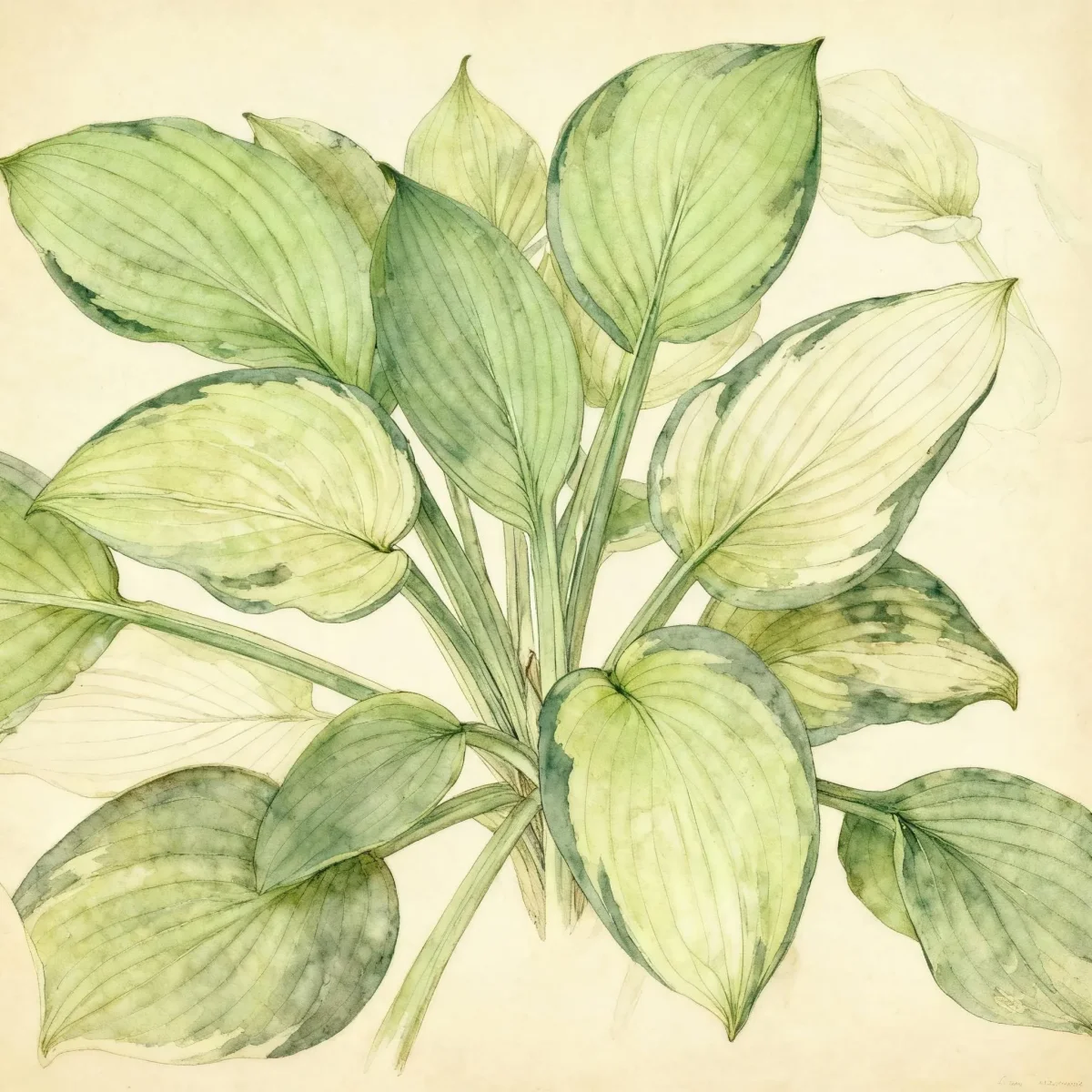
Complete Plant Information
- Hardiness zones
- USDA 3–8
- Plant type
- Herbaceous perennial
- Plant family
- Asparagaceae
- Sun exposure
- Part shade to full shade
- Water needs
- Medium
- Maintenance
- Low
- Height
- 1.5–2.5 ft (46–76 cm)
- Spread
- 2.5–3.5 ft (76–107 cm)
- Bloom time
- July to August
- Flower color
- Funnel-shaped pale lavender flowers on upright scapes to 36 inches
- Flower qualities
- Showy, Attracts Hummingbirds
- Fruit qualities
- Not recorded
- Tolerances
- Heavy Shade, Black Walnut
- Garden uses
- Not recorded
- Native range
- Horticultural hybrid (genus native to East Asia)
Field Guide Continues
Ready for care notes, companion picks, and planting tips?
The map is just the start. The full guide below covers growth habits, seasonal performance, and landscape uses.
Overview
Hosta ‘Gold Standard’ is one of the most famous and widely planted variegated plantain lilies in horticulture, recipient of the Royal Horticultural Society’s Award of Garden Merit. Hardy in USDA Zones 3 through 8, it forms an impressive, spreading mound 20 to 24 inches tall and up to 3.5 feet wide. Broad ovate leaves feature wide chartreuse-to-bright-gold centers framed by irregular, contrasting dark green margins, topped in midsummer by lavender trumpet-shaped blooms that attract hummingbirds.
Discovered in 1976 by Pauline Banyai as a sport of Hosta ‘Fortunei’, ‘Gold Standard’ is renowned for its dynamic seasonal color transition, brightening shaded borders from late spring until autumn dormancy.
How to Grow
- Seasonal Variegation & Morning Sunlight: Best variegation develops with 2 to 3 hours of cool morning sun or high, dappled canopy shade. In early spring, leaf centers emerge light chartreuse; as temperatures warm and morning light filters through, centers shift to brilliant parchment-gold. In dense deep shade, centers remain chartreuse.
- Sun Scorch Caution: Avoid harsh, direct afternoon summer sun, especially in warmer southern zones (Zones 7 and 8), which bleaches and scorches the golden centers.
- Soil & Moisture: Prefers fertile, organic-rich, moist, well-draining loam. While mature clumps show moderate tolerance for dry shade once established, consistent moisture produces the largest leaves and fastest clump expansion.
- Winter Dormancy: Requires 6 to 8 weeks of winter dormancy below 40°F (4°C) to reset its annual growth cycle. Cut back dead foliage in late autumn after frost collapses the leaves.
Landscape Uses
- Woodland Border Illuminator: The golden leaf centers create high-contrast luminosity against dark green conifers, stone retaining walls, and shaded foundation corners.
- Mass Groundcover Drifts: Planted in sweeps under mature deciduous trees, it forms an overlapping, weed-suppressing foliar carpet.
- Patio Planters: Excellent as a foliage focal anchor in wide, shaded containers paired with trailing ivy or flowering impatiens.
Potential Problems
- Slugs & Snails: Thinner leaf substance than blue-leaved hostas makes young spring leaves attractive to slugs and snails. Apply pet-safe iron phosphate bait around emerging crowns in early spring.
- Pet Safety Warning: Hostas contain toxic steroidal saponins. Ingestion of leaves or roots by dogs, cats, or horses can cause vomiting, diarrhea, abdominal cramping, and depression.
- Hosta Virus X (HVX): Inspect leaves for sunken, mottled, or ink-bleed variegation patterns; destroy infected plants immediately to prevent spreading the virus on garden tools.
Frequently Asked Questions
Why are my ‘Gold Standard’ hosta leaves staying green instead of yellow?
‘Gold Standard’ leaf centers require 2 to 3 hours of gentle morning sun or bright dappled canopy light to activate the golden-yellow pigment. In deep, dark shade, the centers remain chartreuse-green.
How big does Hosta ‘Gold Standard’ get?
Mature foliage mounds reach 20 to 24 inches (approx. 2 feet) tall with flower scapes rising to 36 inches, spreading 2.5 to 3.5 feet wide over several seasons.
When does ‘Gold Standard’ bloom?
Trumpet-shaped pale lavender blossoms open on tall scapes in midsummer (July to August), attracting pollinators and hummingbirds.
Companion Plants
Pair Hosta ‘Gold Standard’ with shade-loving perennials that highlight its dynamic gold-and-green variegation:
- Contrasting Blue Foliage: Pair alongside frosty blue hostas (like ‘Halcyon’) for stunning color contrast.
- Fine Textural Partners: Interplant with maidenhair ferns, Japanese painted ferns, or astilbes (Astilbe × arendsii).
- Dark Foliage Accents: Combine with dark purple coral bells (Heuchera) or black snakeroot (Actaea racemosa).
Sources & Lineage
- Missouri Botanical Garden PlantFinder: Record taxon 261767 (Hosta ‘Gold Standard’) — historical registration data, color transitions, and culture.
- American Hosta Society (AHS): Cultivar Registry: Hosta ‘Gold Standard’ — Pauline Banyai registration (1976), sport origin, and morphological specifications.
- Royal Horticultural Society (RHS): Hosta ‘Gold Standard’ AGM Profile — Award of Garden Merit confirmation and garden trial performance.
Recommended Companion Plants
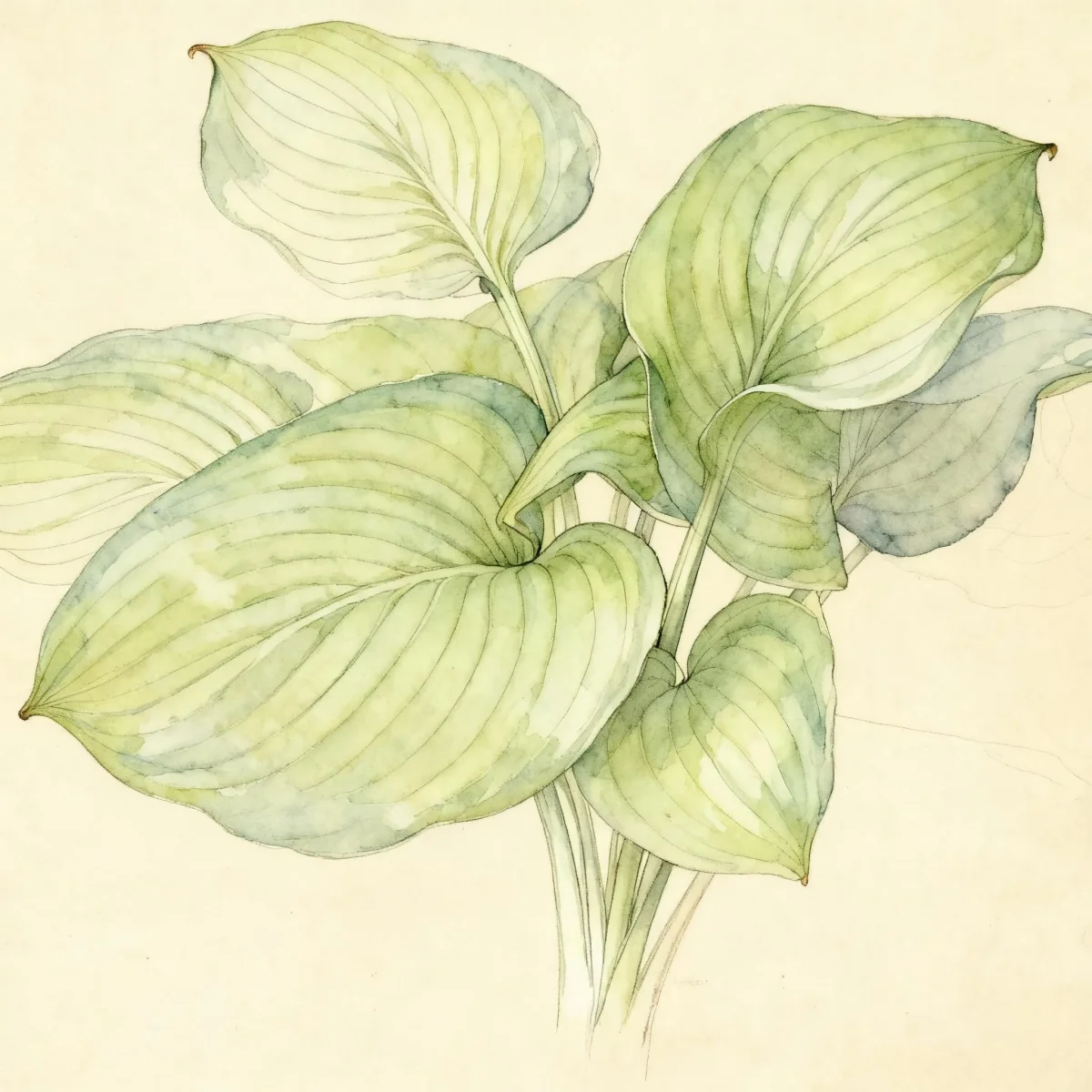
Hosta
Hosta 'Guacamole'
- USDA zones
- 3–8
- Light
- Part shade to full shade
- Water
- Medium
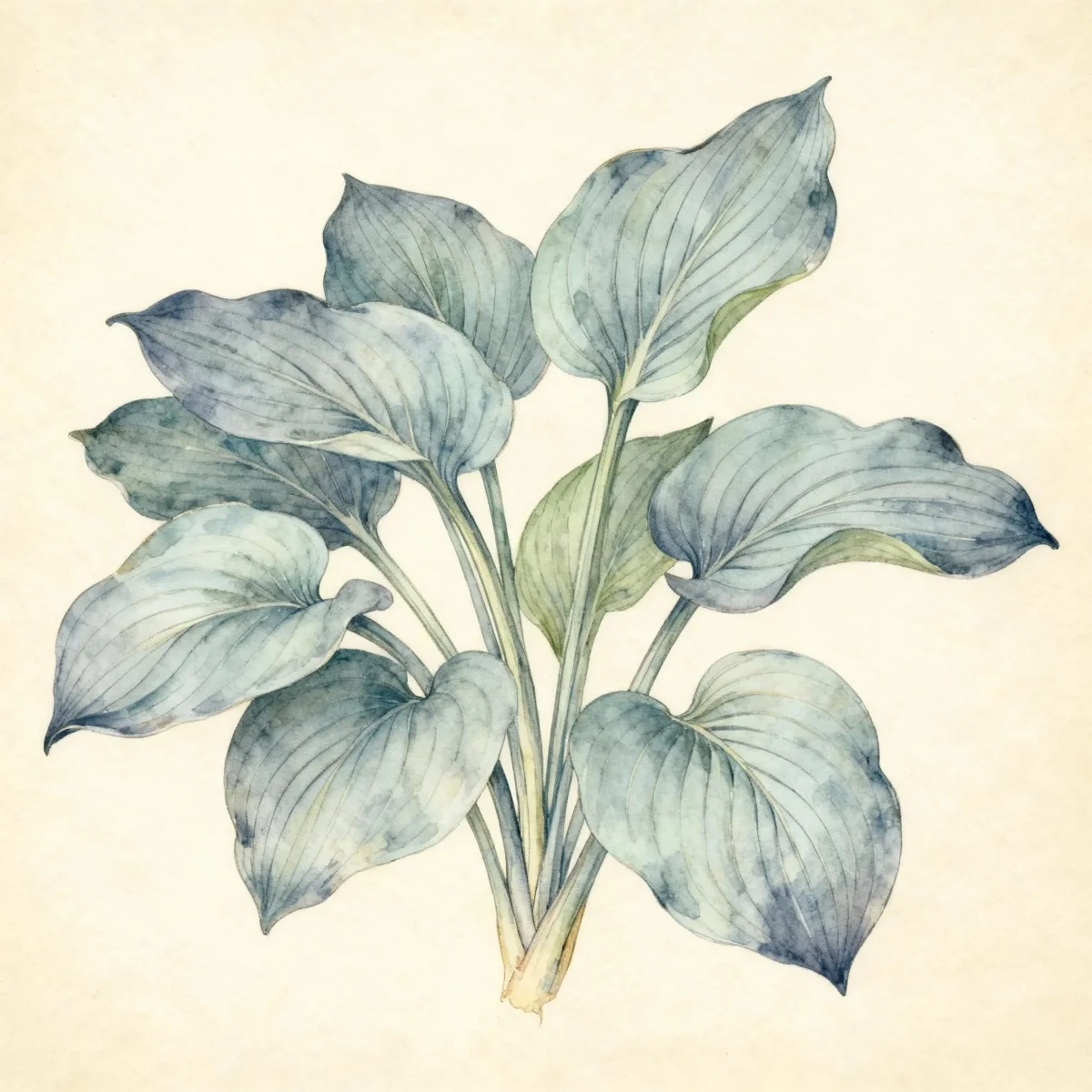
Hosta
Hosta 'Hadspen Blue'
- USDA zones
- 3–8
- Light
- Part shade to full shade
- Water
- Medium
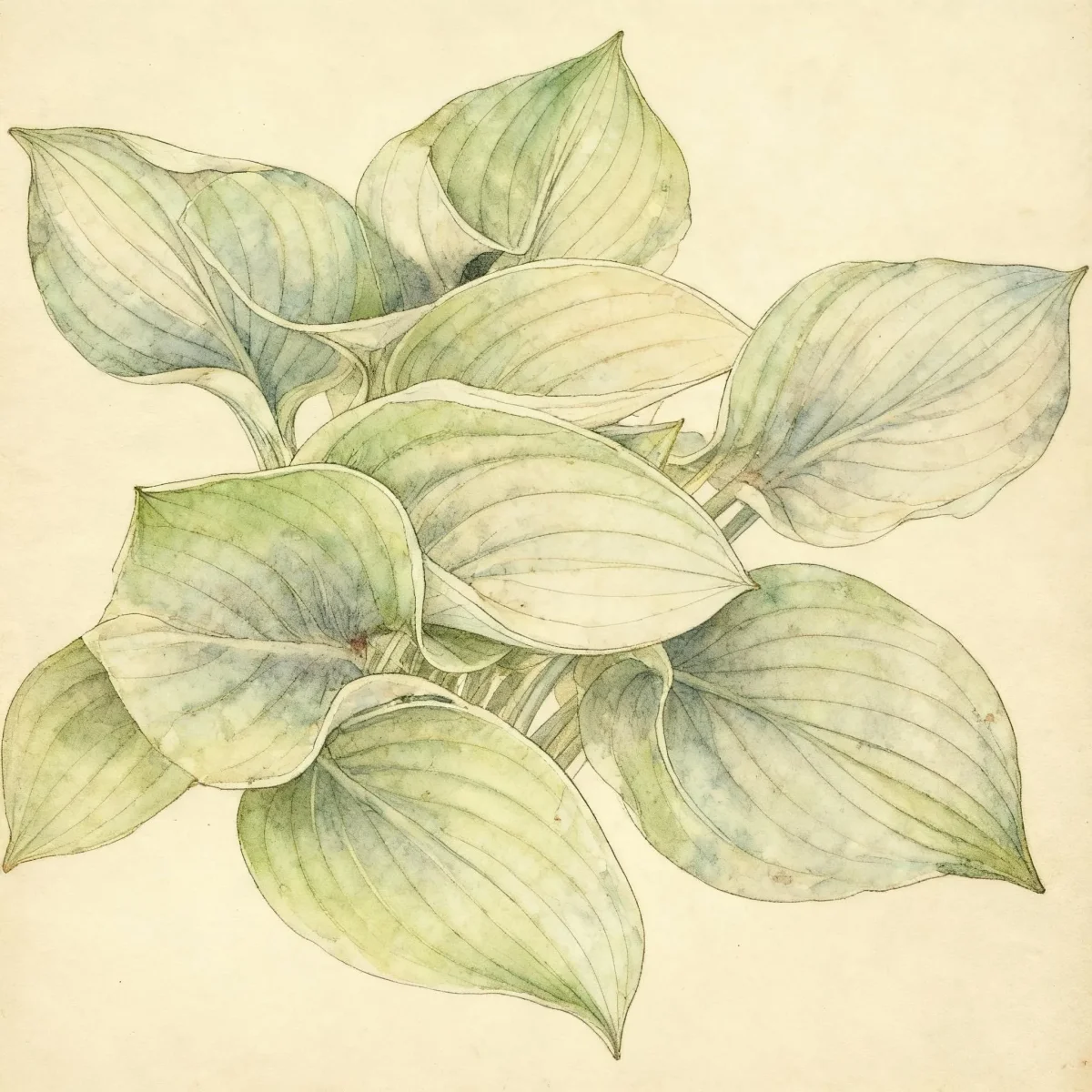
Hosta
Hosta (Tardiana Group) 'Hadspen Hawk'
- USDA zones
- 3–8
- Light
- Part shade to full shade
- Water
- Medium
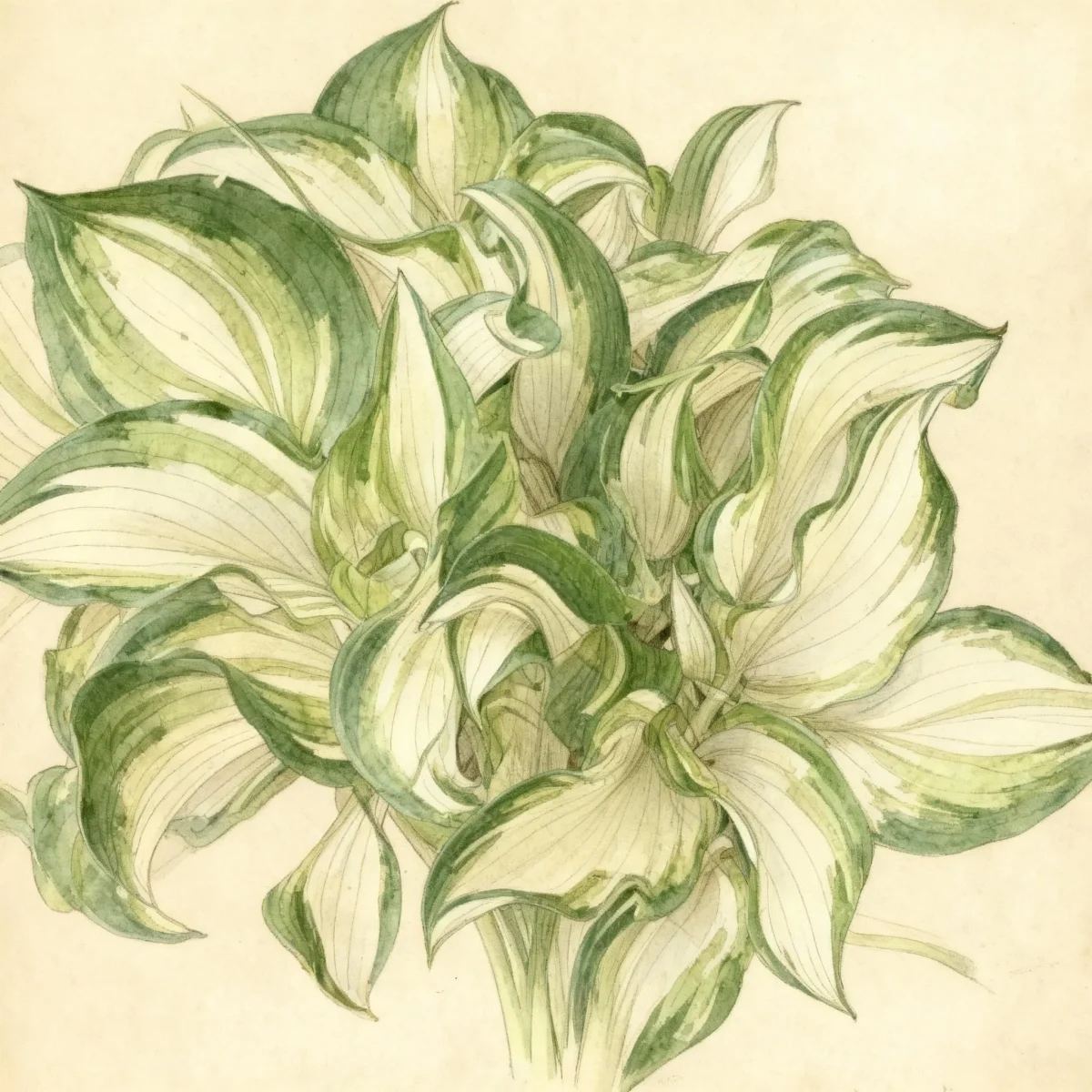
Hosta
Hosta 'Haku Chu Han'
- USDA zones
- 3–8
- Light
- Part shade to full shade
- Water
- Medium
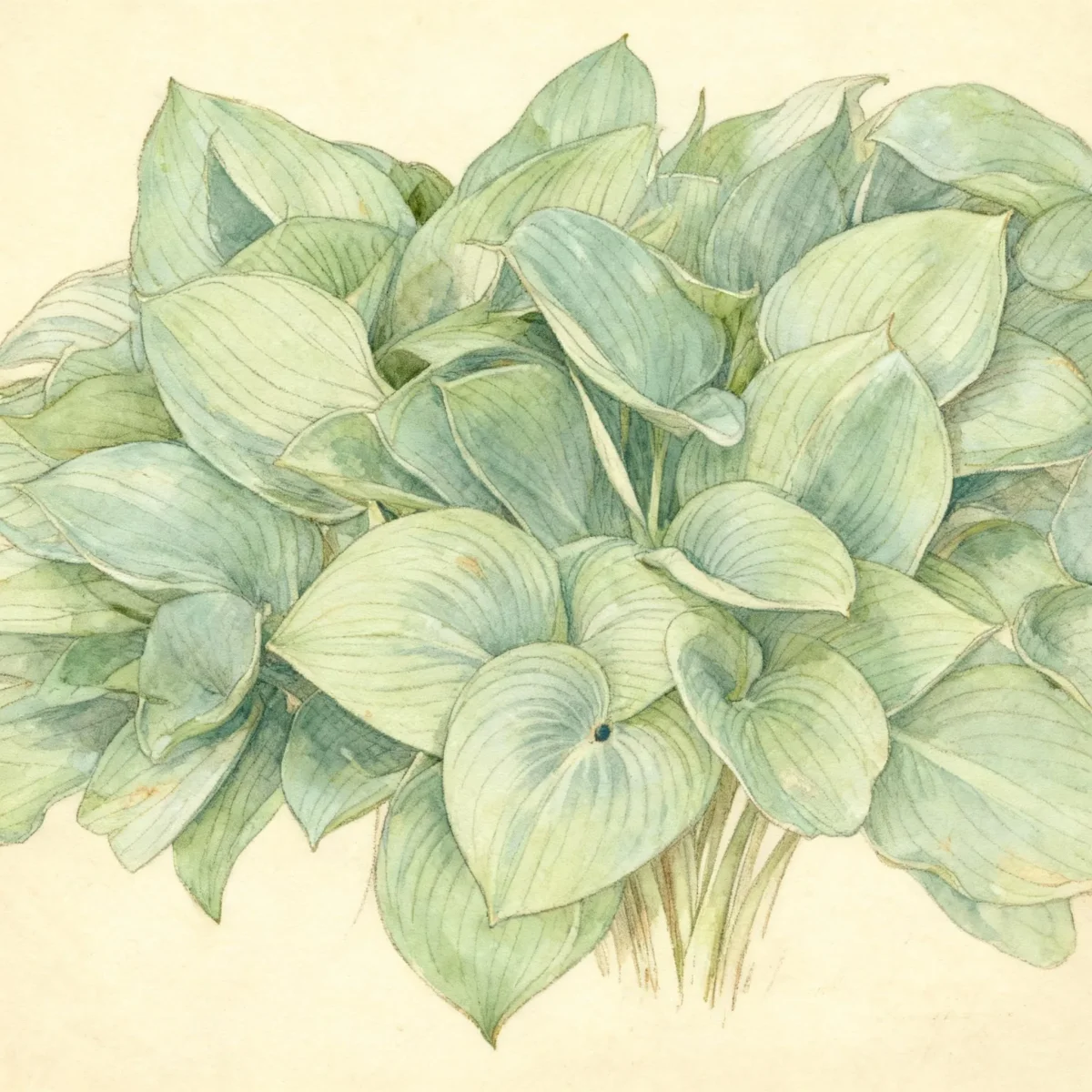
Hosta
Hosta (Tardiana Group) 'Halcyon'
- USDA zones
- 3–8
- Light
- Part shade to full shade
- Water
- Medium
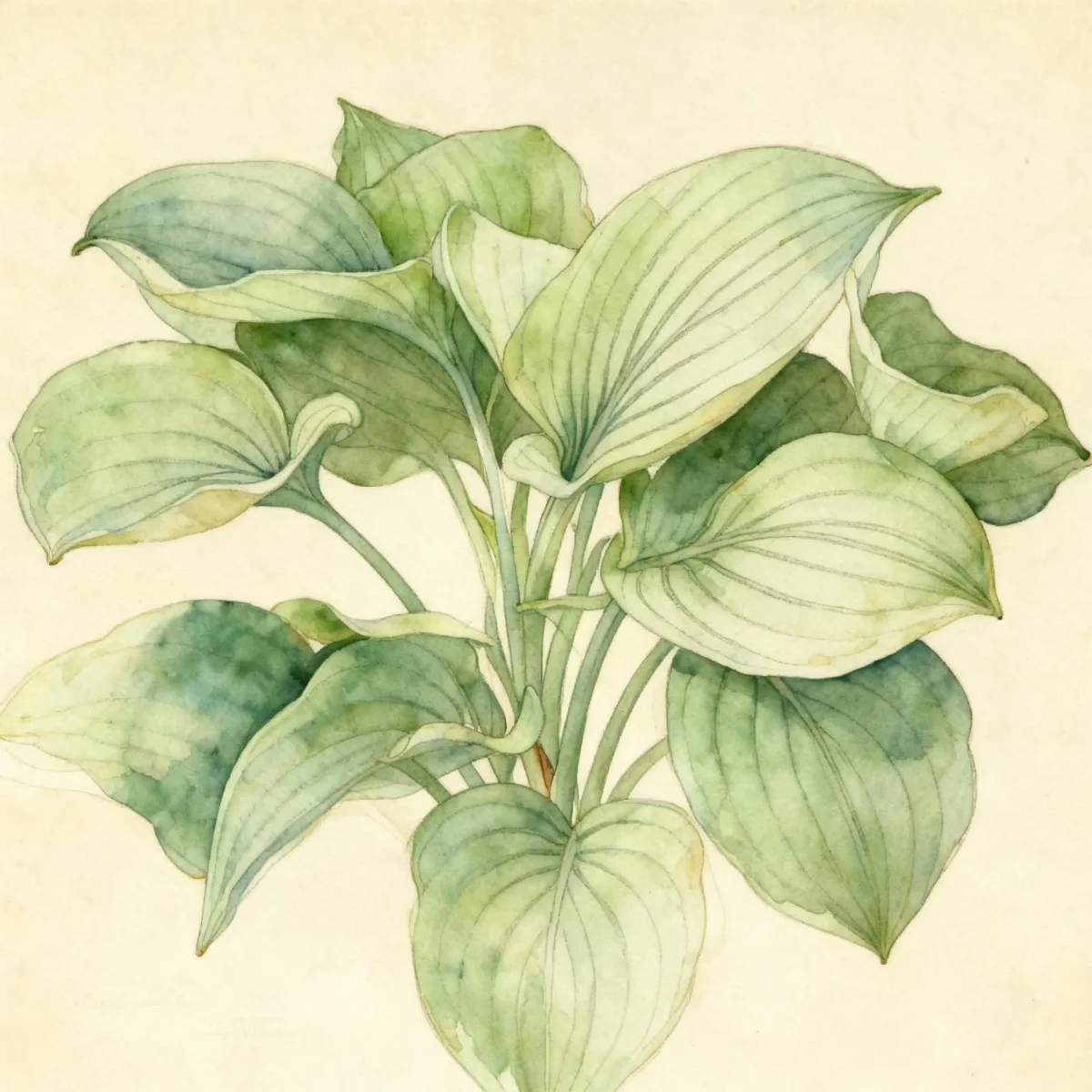
Hosta
Hosta (Tardiana Group) 'Harmony'
- USDA zones
- 3–8
- Light
- Part shade to full shade
- Water
- Medium
Keep Learning
Test what you know with a garden quiz
You have the plant facts and care notes. Continue with a related challenge, or browse the complete quiz library.

Can You Identify These Common Garden Plants? Test Your Plant Knowledge
Think you know your roses from your peonies? Test your plant identification skills with our comprehensive garden plant quiz featuring 10 challenging questions.
Start quiz
Wild Garlic Quiz: Foraging & Facts
Think you know your wild garlic? Take this quiz to test your foraging knowledge and learn safe identification tips.
Start quizBrowse the full quizzes section
Explore plant identification, zone strategy, and seasonal gardening challenges.
View all quizzes