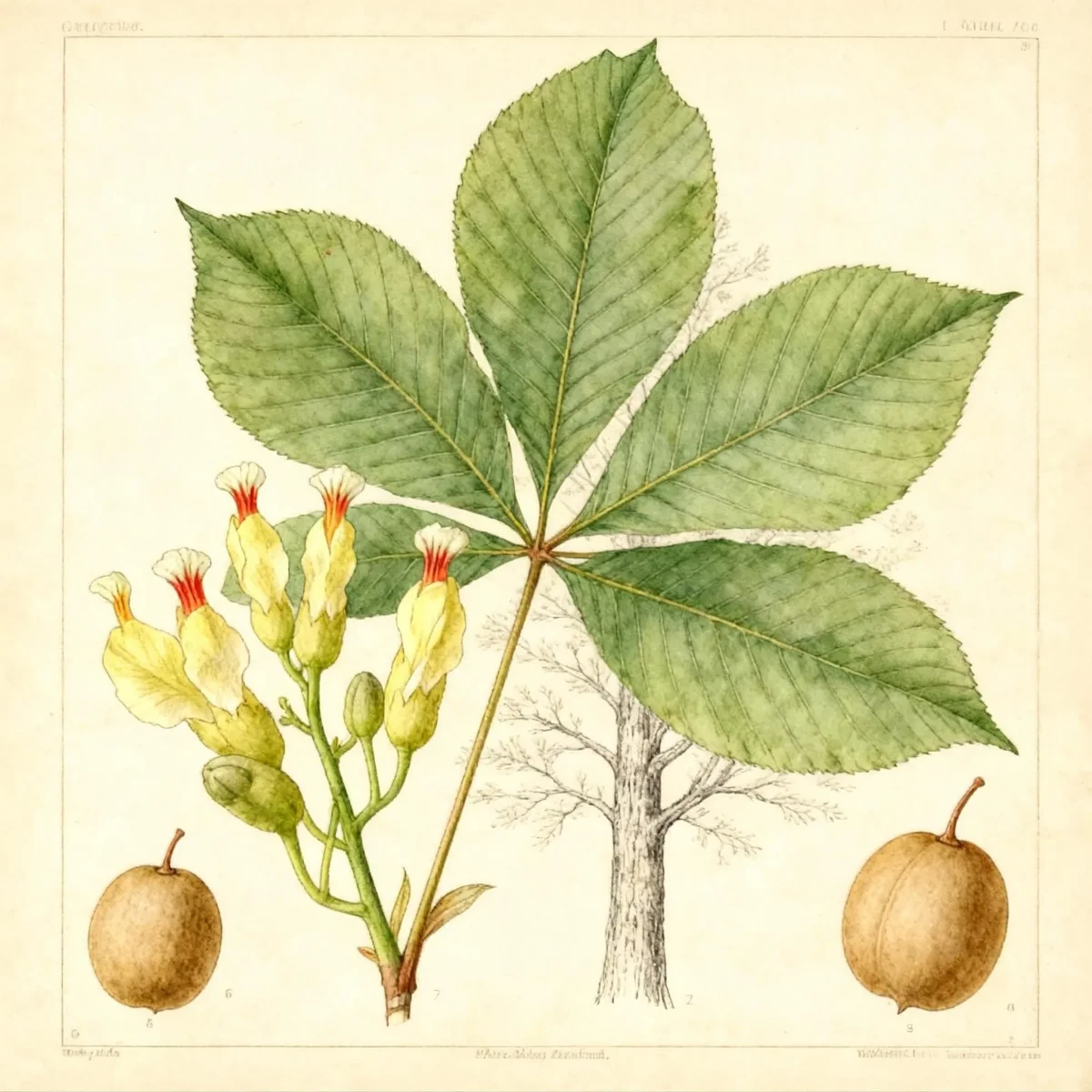
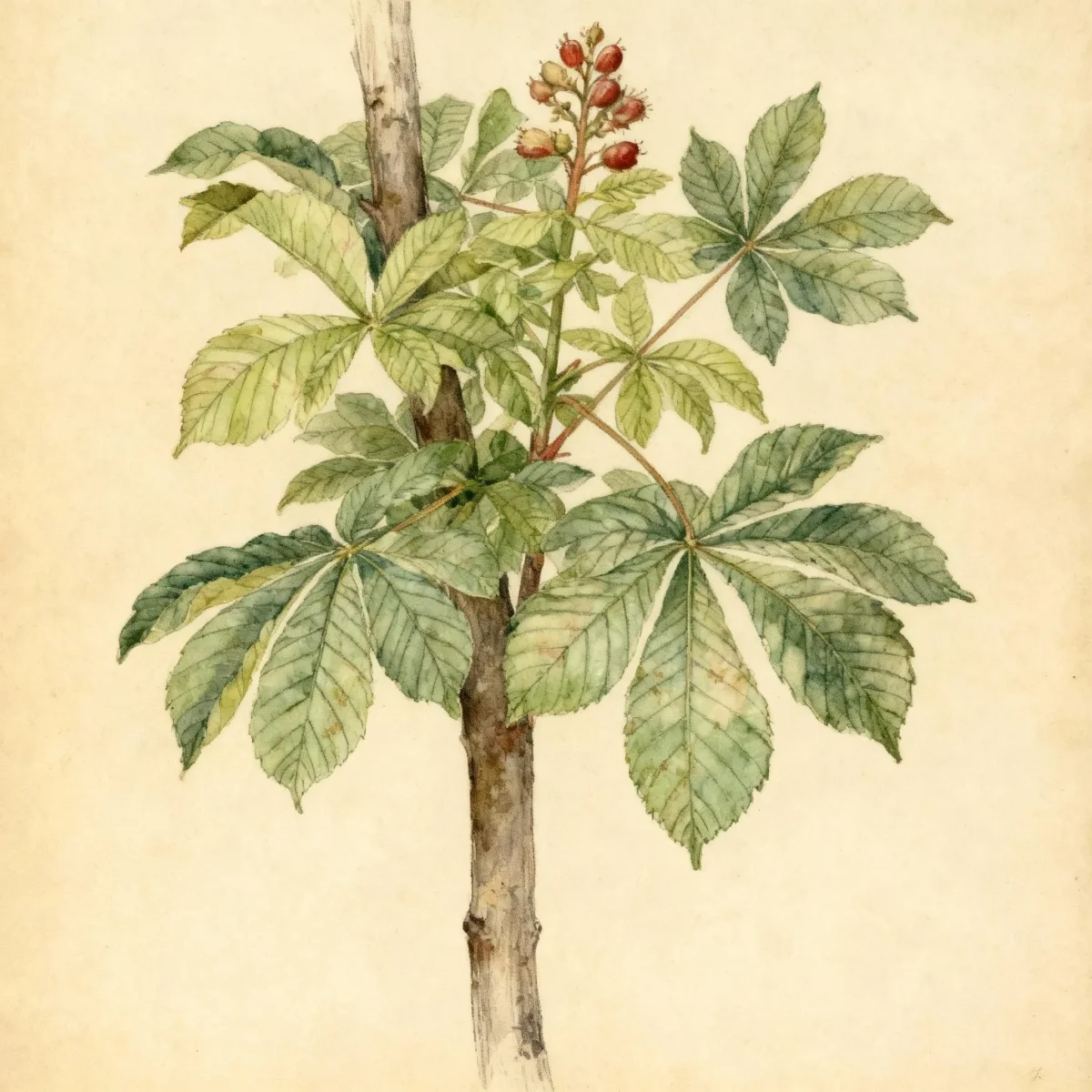
Red horse chestnut (Aesculus × carnea)
The Red horse chestnut (Aesculus × carnea) is a stunning, rounded deciduous tree noted for showy red spring flowers. Hardy in Zones 5-8.

Bloom Boldly, No Matter the Season - Sweatshirt
Cozy organic cotton sweatshirt featuring our exclusive Purple Coneflower design. Perfect for gardeners who bloom year-round.
Inspired by the beautiful Red horse chestnut
Limited first batch (50) — join the waitlist for early access
Waitlist closes Feb 15, 2026.
Complete Plant Information
Field Guide Continues
Ready for care notes, companion picks, and planting tips?
The map is just the start. The full guide below covers growth habits, seasonal performance, and landscape uses.
Overview
The Red horse chestnut (Aesculus × carnea) is a highly valued hybrid, resulting from a European cross, prized primarily for its spectacular spring floral display. This medium-sized, rounded deciduous tree offers excellent shade potential with an upright, appealing structure that brightens the mid-spring landscape. While valued for its beauty, potential seasonal foliage issues mean careful placement is necessary.
This hybrid brings deep green palmate foliage and showy red flower clusters, typically appearing in May. Unlike some relatives, the foliage of Aesculus × carnea generally exhibits better disease resistance as the growing season progresses, though it still requires adequate moisture.
Gardeners seeking a strong specimen tree for large lawns or park settings often select the Red horse chestnut for its reliable seasonal color and classic, balanced form. Proper siting that meets its needs for consistent moisture will maximize its landscape performance.
Fast Facts
- Plant Family: Sapindaceae
- Plant Type: Tree
- Native Range: Garden origin
- Hardiness Zones: USDA Zones 5-8
- Size at Maturity:
- Height: 30-40 ft
- Spread: 25-35 ft
- Bloom Time: May
- Bloom Description: Red
- Sun Exposure: Full sun to part shade
- Water Needs: Medium
- Maintenance Level: Medium
How to Grow
The Aesculus × carnea establishes best when planted in the spring or fall during cooler weather. Select a location offering full sun to partial shade, ensuring the soil is average, medium moisture, and well-drained. This tree prefers moist, fertile soils; consistently dry conditions significantly increase the risk of foliage scorch.
Watering should be medium and consistent, especially during establishment and throughout dry periods, as the foliage depreciates rapidly in drought. Generally, supplemental feeding is unnecessary if the soil is fertile, but ensure the site is protected from harsh, drying winds which exacerbate leaf edge browning.
Once established, transplanting the Red horse chestnut can be challenging due to its strong taproot system. While maintenance is moderate, be aware that the litter produced by nuts, twigs, and leaves often precludes its use as a street tree. Fortunately, new plants grown from seed will often breed true to this desirable hybrid form.
Landscape Uses
The primary recommended setting for the Aesculus × carnea is as a beautiful feature tree for parks and expansive residential lawns where space allows for its 30- to 40-foot maturity. Its upright, rounded habit makes it an excellent focal point or specimen tree, providing dependable mid-spring color.
Due to concerns over seasonal foliage depreciation from insects, disease, or scorching, it is generally not recommended for very restrictive urban sites. Furthermore, the litter created by fallen nuts limits its appeal near patios or walkways.
When siting the Red horse chestnut, look for companion plants that thrive in similar well-drained, fertile soil conditions and require medium moisture, ensuring a cohesive planting zone that minimizes maintenance issues for the entire group. Its size makes it unsuitable for foundation plantings or small borders.
Standout Features
Flower Qualities
- Showy
Fruit Qualities
- Showy
Noteworthy Characteristics
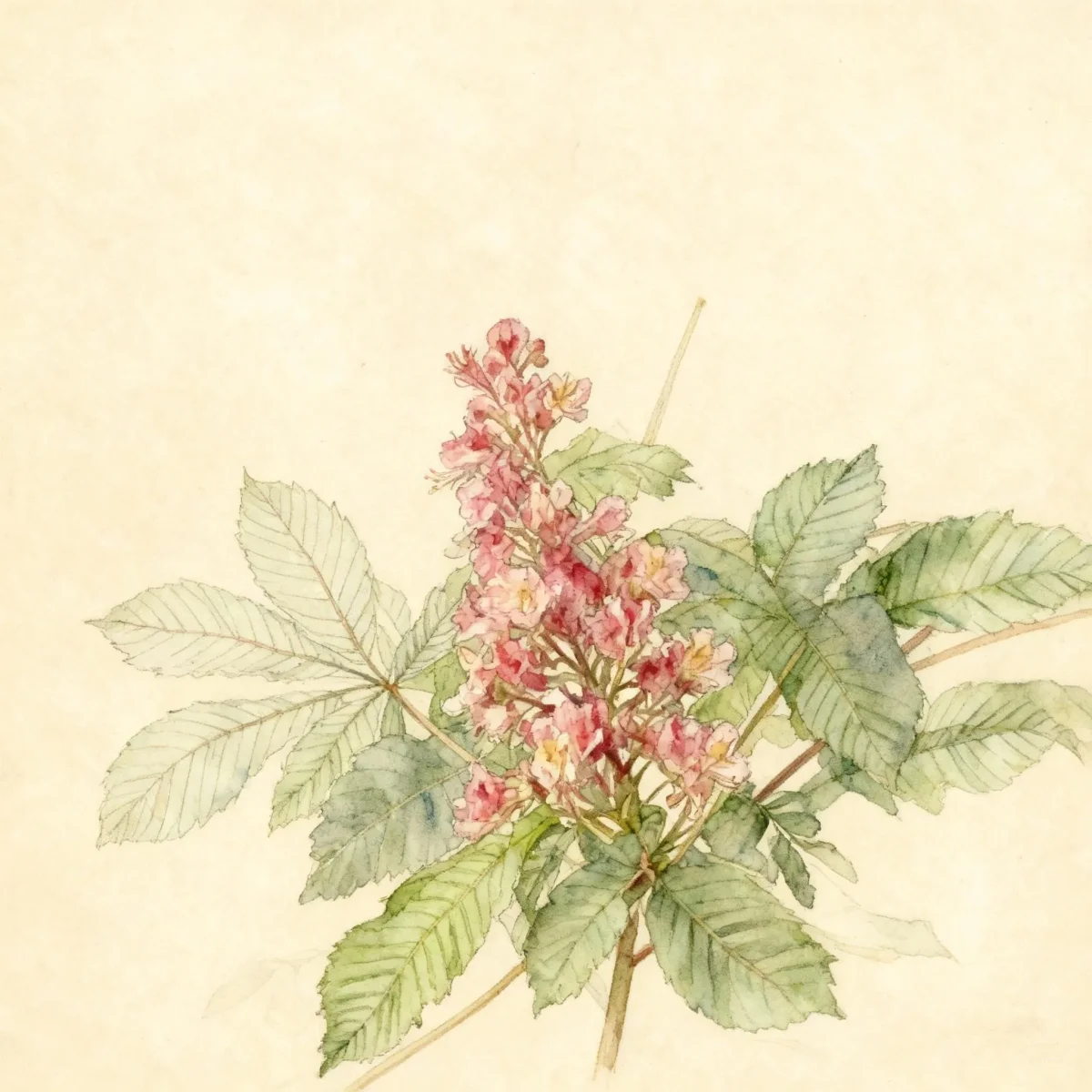
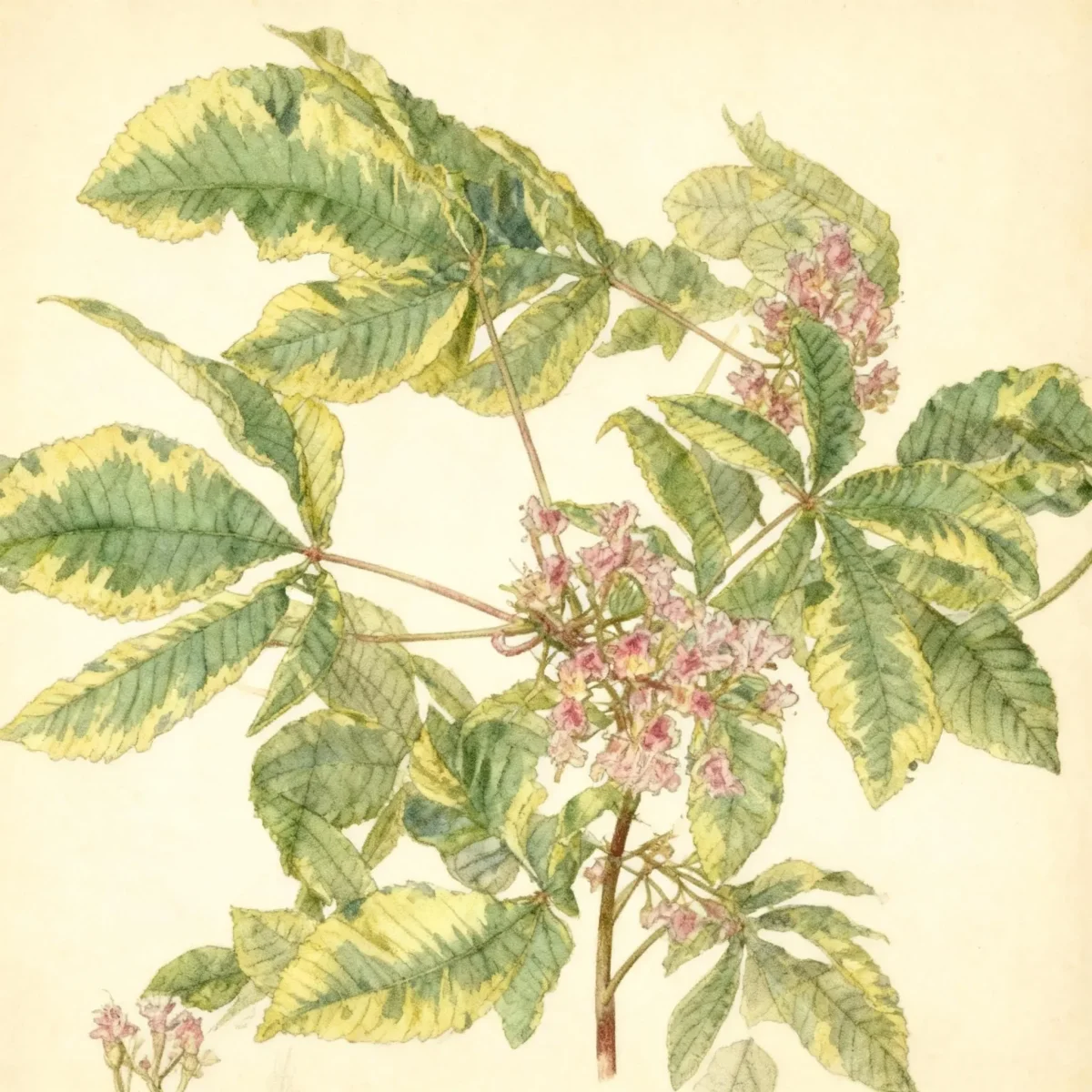
Aesculus × carnea, commonly called red horse chestnut, is the result of a cross between A. Hippocastanum and A. Pavia that was discovered in Europe in 1812. It is a small, oval to rounded, deciduous tree that grows 30-40’ tall, and is perhaps best noted for its attractive red flowers. Very showy red flowers appear in upright terminal panicles (to 6-8” long) in mid-spring (May).
Tolerances
- Foliage tends to scorch and generally depreciate in dry conditions
Potential Problems
Leaf blotch can be a significant aesthetic concern for the Red horse chestnut, often requiring management to keep the appearance optimal. Powdery mildew and various leaf spots are additional fungal issues that may arise, particularly in humid or crowded conditions. Abiotic stress, such as leaf scorch (brown edges), frequently occurs when the tree is exposed to drought or harsh, dry winds.
To mitigate common problems, ensure consistent watering, especially during summer heat, to resist scorch. While the foliage of Aesculus × carnea generally shows better resistance to seasonal decline than some related species, regular inspection for insect pests like Japanese beetles, bagworms, or borers is advised.
Frequently Asked Questions
What hardiness zones is Red horse chestnut suitable for?
The Red horse chestnut (Aesculus × carnea) is reliably hardy in USDA hardiness zones 5 through 8.
How large does Red horse chestnut grow?
This tree typically reaches a mature height between 30 and 40 feet tall, with a corresponding spread ranging from 25 to 35 feet wide.
What sun exposure does Aesculus × carnea need?
Aesculus × carnea performs best when situated in a location that provides full sun to part shade conditions.
When does Aesculus × carnea bloom?
The striking bloom time for the Red horse chestnut is generally in May, producing showy red flowers.
Conclusion
The Aesculus × carnea, or Red horse chestnut, remains a superb choice for establishing structure and dramatic color in large landscapes and park settings due to its showy red flowers. Though it requires medium maintenance to manage potential scorch and disease susceptibility, its aesthetic rewards are high. Evaluate your site conditions, ensuring medium moisture and protection from extreme heat, before planning your planting of this exceptional hybrid tree.
Companion Planting
When siting the Aesculus × carnea, selecting companions that share its cultural requirements for medium moisture and well-drained soil is key to creating a thriving mono-climate. Consider underplanting with shade-tolerant, moisture-loving perennials such as Hostas or Astilbes around the dripline, ensuring roots do not compete aggressively once the tree is mature.
For visual contrast beneath the broad canopy, use groundcovers that prefer similar light conditions (full sun to part shade) but offer different textures, perhaps low-growing ferns or Pachysandra, acknowledging that the mature canopy may become quite dense, limiting understory growth. Always maintain space to allow for good air circulation around the trunk and lower branches to help mitigate fungal issues common to many large deciduous trees.
Seasonal Care Calendar
Spring (March–May) is the crucial preparation time; ensure the soil has sufficient moisture leading up to bud break to support the rapid emergence of foliage and the stunning red flower display in May. Avoid heavy fertilization at this time unless soil tests indicate severe deficiencies, which is rarely needed for established Aesculus × carnea.
Summer care focuses almost entirely on water management. Monitor for signs of leaf scorch, indicated by brown, crispy edges on the leaflets; increase watering frequency if drought stress is observed, ensuring deep soaking to encourage robust root development away from the surface. Minimal pruning is usually required, limited to removing dead or damaged wood at any time.
In autumn, while the fall color is generally described as undistinguished, rake fallen leaves and debris promptly, especially if disease pressure was evident during the summer. This sanitation step helps reduce overwintering fungal spores. Winter protection is generally unnecessary for established hardy trees, though young specimens benefit from a thick layer of mulch applied over the root zone well away from the trunk flare.