Hellebore (Helleborus × hybridus (red hybrid))
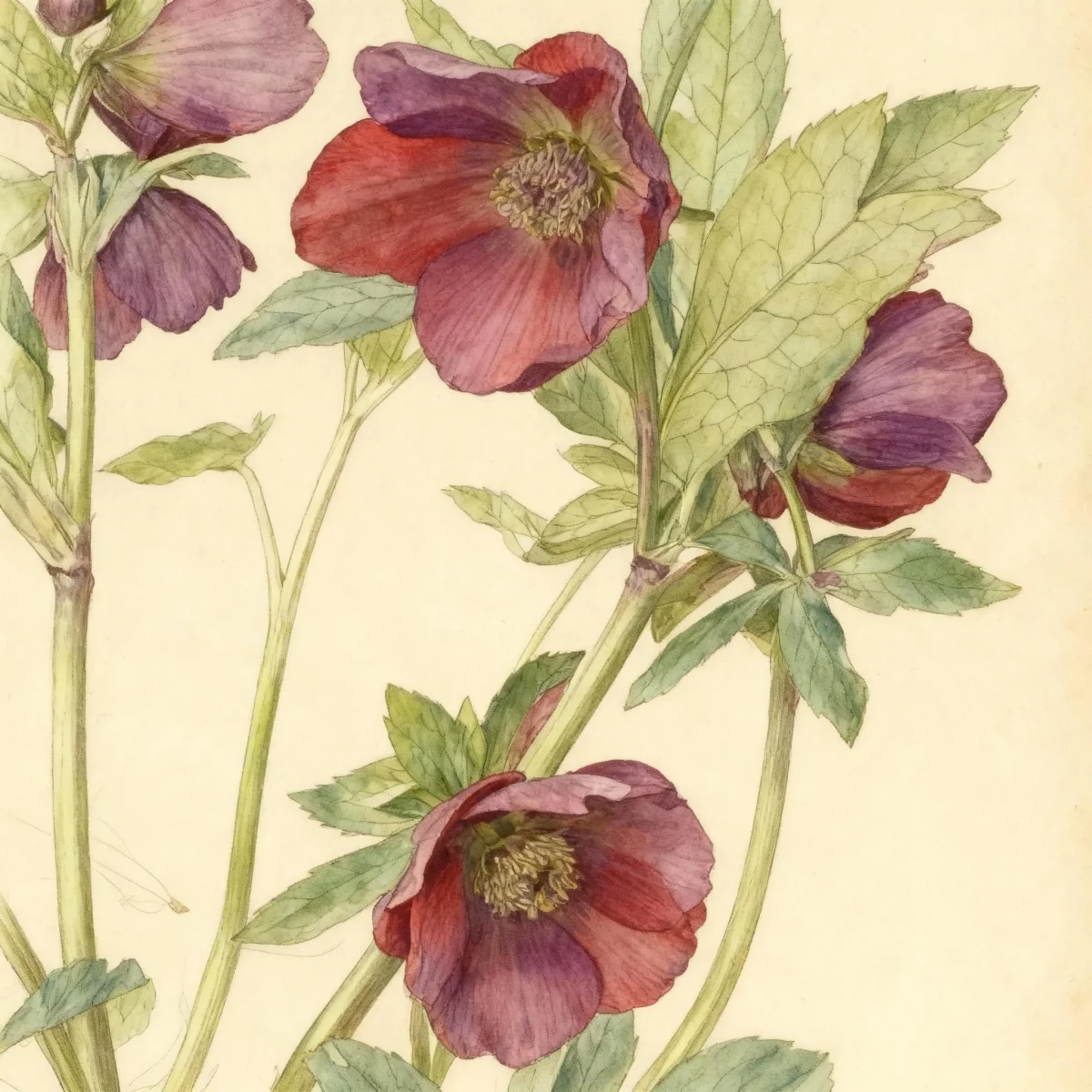
Valuable Helleborus × hybridus (red hybrid) offers deep maroon red blooms in late winter. A low-maintenance Hellebore for shade.

Bloom Boldly, No Matter the Season - Sweatshirt
Cozy organic cotton sweatshirt featuring our exclusive Purple Coneflower design. Perfect for gardeners who bloom year-round.
Inspired by the beautiful Hellebore
Limited first batch (50) — join the waitlist for early access
Waitlist closes Feb 15, 2026.
Complete Plant Information
Field Guide Continues
Ready for care notes, companion picks, and planting tips?
The map is just the start. The full guide below covers growth habits, seasonal performance, and landscape uses.
Overview
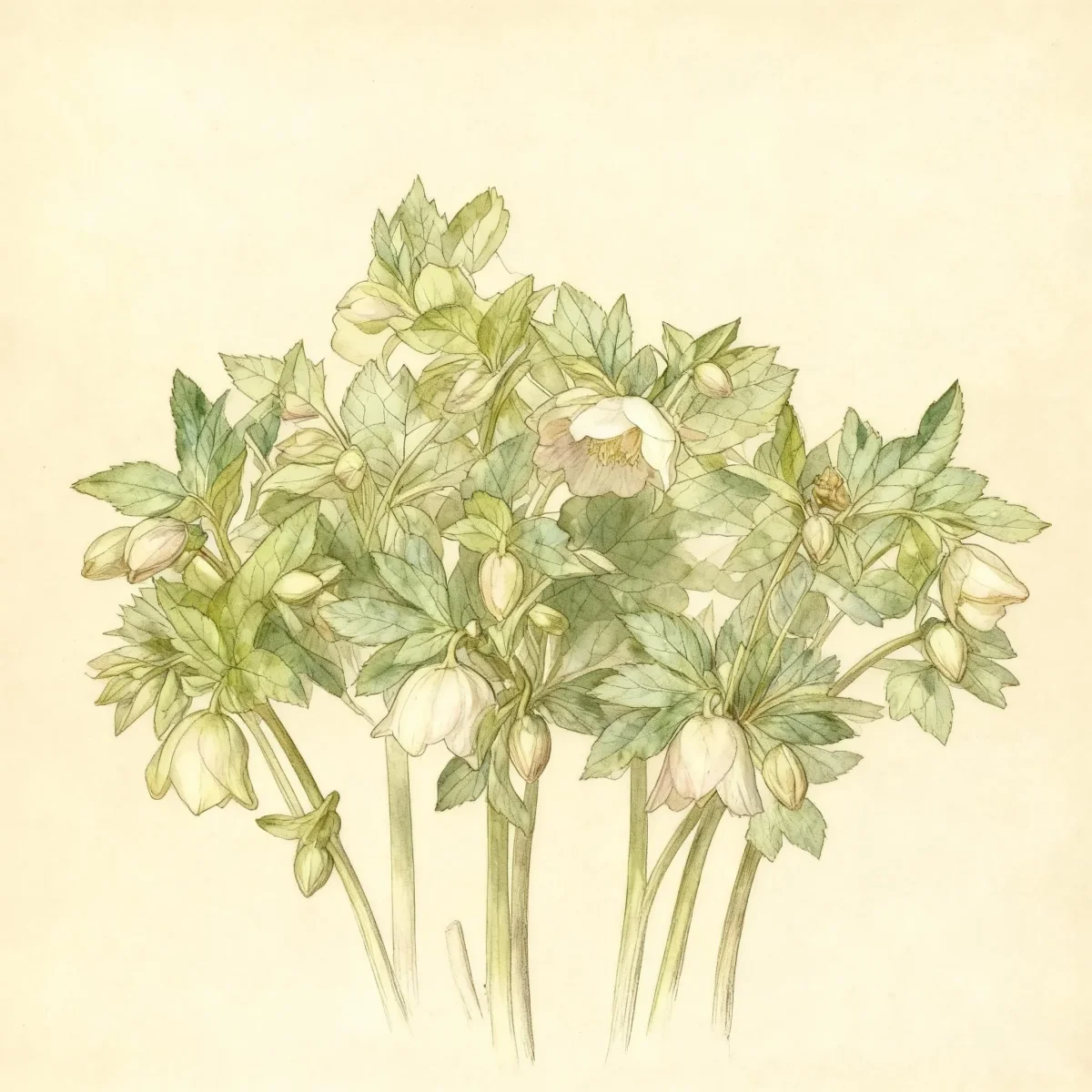
The Helleborus × hybridus (red hybrid) is highly prized by gardeners for its ability to provide color when little else is growing. This clump-forming perennial, commonly known as Hellebore or Lenten rose, offers deeply colored flowers, specifically deep maroon red in this hybrid form, starting as early as February. Its evergreen foliage ensures structure in the winter garden, making it a reliable backbone plant for shaded areas.
These bushy perennials typically reach 12 to 15 inches tall, offering nodding, cup-shaped blooms that herald the coming spring. Helleborus × hybridus (red hybrid) is valued for its low maintenance requirements once established, thriving in consistent, moist, and rich soil conditions. Its resilience against shade and deer makes it an indispensable choice for woodland plantings.
By strategically placing this Hellebore near walkways or patios, gardeners can fully appreciate the spectacle of the Helleborus × hybridus (red hybrid) blooming during the late winter and early spring months. It contributes essential color and texture long before traditional spring ephemerals emerge.
Fast Facts
- Plant Family: Ranunculaceae
- Plant Type: Herbaceous perennial
- Hardiness Zones: USDA Zones 4-9
- Size at Maturity:
- Height: 1-1.5 ft
- Spread: 1-1.5 ft
- Bloom Time: February to April
- Bloom Description: Deep maroon red
- Sun Exposure: Part shade to full shade
- Water Needs: Medium
- Maintenance Level: Low
How to Grow
Planting Helleborus × hybridus (red hybrid) should ideally occur in fall or early spring into organically rich, fertile, humusy, well-drained soil. They prefer alkaline conditions and thrive best when situated in part shade or light to moderate shade locations. Avoid areas with harsh, cold winter winds, as the otherwise evergreen foliage can become scorched.
Water established plants moderately, keeping the soil consistently moist but never waterlogged, as Hellebore can suffer from crown rot in overly saturated conditions. Maintenance is generally low; however, cutting back the old flowering stems immediately after blooming will encourage the emergence of clean, fresh foliage.
Established clumps of this Hellebore may become congested and benefit from division in late summer to early fall. While many hybrid hellebores can be grown from seed, be aware that plants started this way may take two full years before they produce their first captivating bloom. Protecting plants from the harshest winter elements ensures the best foliage quality year-round.
Landscape Uses
The primary strength of the Helleborus × hybridus (red hybrid) lies in its ability to beautify deep shade areas where few other perennials flourish. They are spectacular when planted in large drifts under the canopy of deciduous trees or large shrubs, mimicking a woodland setting. Locating these plants close to outdoor living spaces allows year-round enjoyment of their evergreen structure and incredible early bloom.
Use Hellebore massed as an attractive year-round ground cover or integrate them into naturalized areas where they may slowly spread via self-seeding. Consider grouping them near shaded foundations or along pathways where their February to April flowers provide a crucial splash of deep maroon red. They pair beautifully with spring bulbs, ferns, and hostas, which will emerge later to complement the Hellebore foliage.
Standout Features
Flower Qualities
- Showy
Noteworthy Characteristics
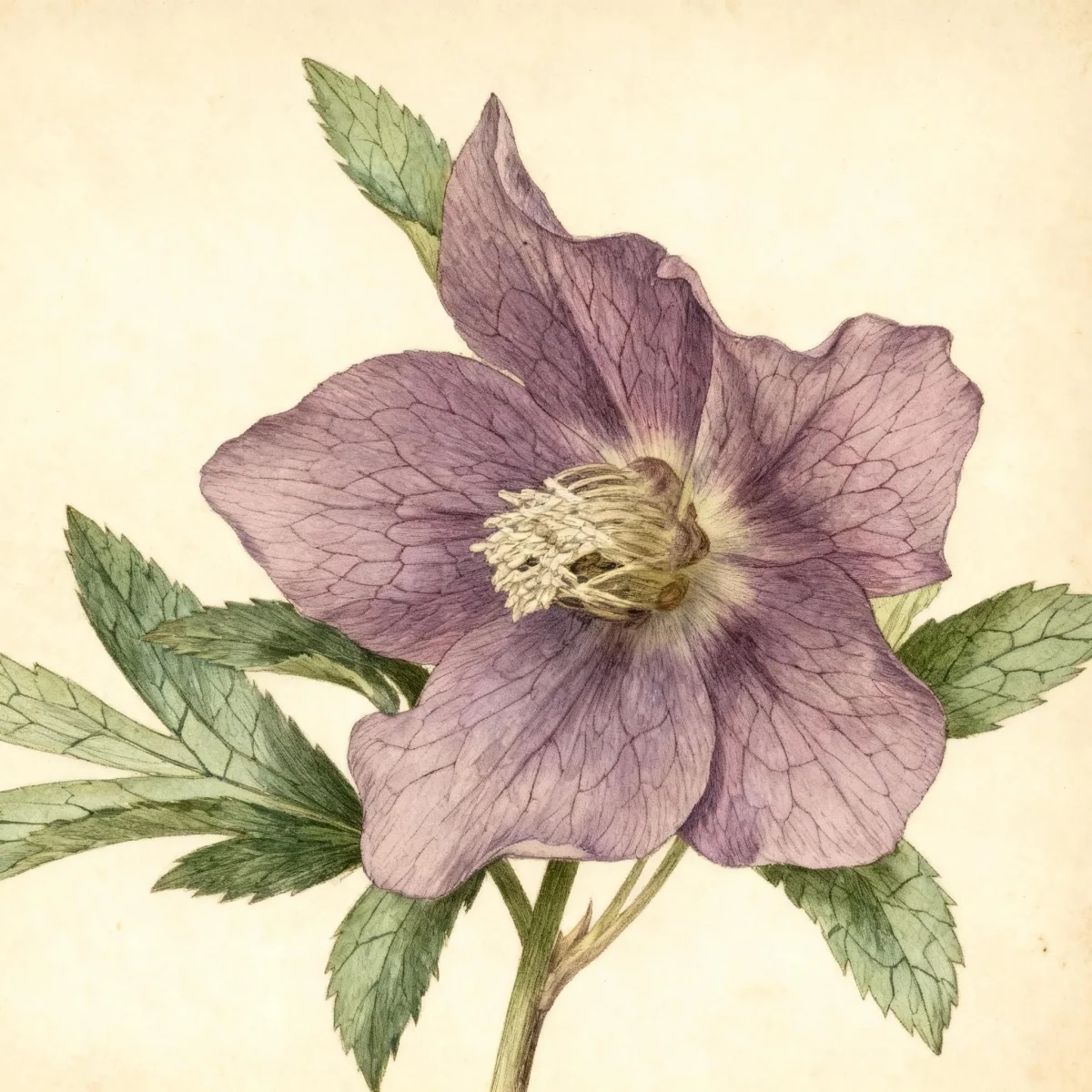
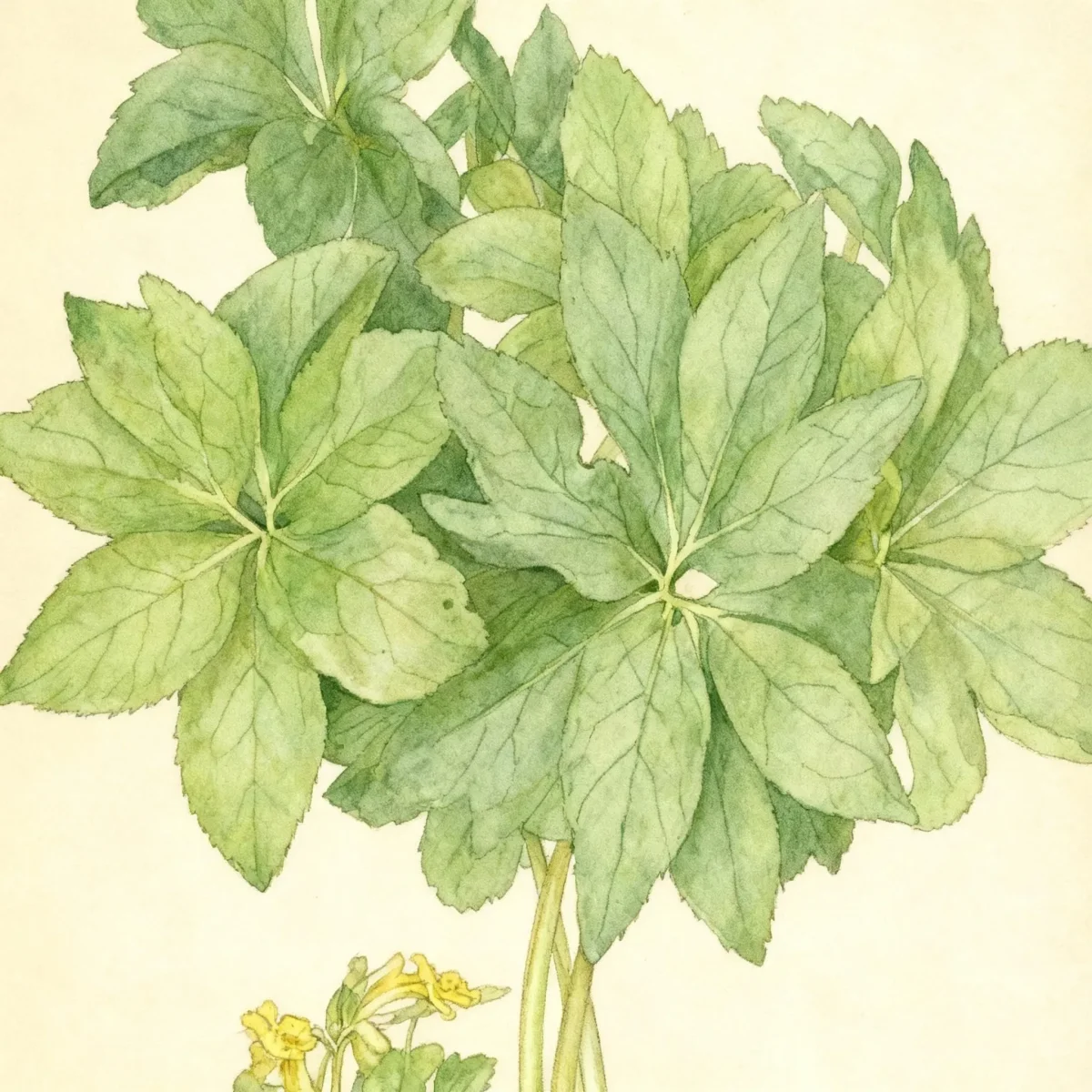
Hybrid hellebores, sometimes commonly called hybrid Lenten roses or hybrid winter roses, are bushy, clump-forming perennials which typically grow to 12-15” tall. They are noted for producing single, cup-shaped flowers (typically 2-3” diameter) with five showy, usually overlapping petals (technically sepals), but sometimes come in a double flowered form. Flowers bloom in a large variety of colors, including various shades and tints of white, pink, red, purple, and yellow, and sometimes have inside spotting. Bloom typically commences in mid to late winter extending into early spring. Flowers appear at the tips of branched stems clad with evergreen dark green leaves which are divided into glossy, leathery, deeply-lobed, often toothed, lanceolate to elliptic segments.Genus name comes from the Greek words bora meaning “food” and helein meaning “injures/destroys” in reference to the plant’s toxic leaves, stems and roots which are poisonous to humans if ingested.Red hybrid is a dark maroon-red hybrid plant of the popular Lenten rose. This is an evergreen, bushy, clump-forming perennial which typically grows 12-15” tall with a similar spread. Nodding, cup-shaped, deep maroon flowers (to 2” diameter) with overlapping petals and center crowns of conspicuously contrasting yellow stamens appear in clusters (cymes) at the tips of leafy stems from February through April. Bloom period can be longer in mild winters. Glossy, deeply-cut, dark green, evergreen leaves are deeply lobed.
Tolerances
- Deer
- Heavy Shade
Potential Problems
This Hellebore generally presents few serious insect or disease issues when sited correctly. The main cultural concerns are fungal problems like crown rot and leaf spot, which usually develop in overly wet or poorly draining soils. Ensure excellent drainage when planting to mitigate these risks.
A critical consideration is that the leaves, stems, and roots of all Hellebores are poisonous if ingested by humans or pets. Always handle young plants with gloves, especially before washing hands to prevent skin irritation.
Frequently Asked Questions
What hardiness zones is Hellebore suitable for?
This Helleborus × hybridus (red hybrid) is suitable for USDA Zones 4 through 9, offering reliable winter performance across a wide climatic range.
How large does Hellebore grow?
Hellebore typically matures to a height and spread between 1 and 1.5 feet tall and wide, forming a tidy, bushy clump.
What sun exposure does Hellebore need?
The ideal requirement for this variety is part shade to full shade; avoid intense afternoon sun which can scorch the attractive evergreen foliage.
When does Hellebore bloom?
Hellebore blooms quite early, generally from February to April, featuring its signature deep maroon red flowers.
Conclusion
The Helleborus × hybridus (red hybrid) is an invaluable component for any shaded garden space, providing unparalleled winter and early spring interest with its deep maroon red blooms. As a low-maintenance, evergreen perennial, this Hellebore deserves a prime spot near viewing areas. Before planting, confirm hardiness in your area and ensure your garden soil offers rich organic matter and excellent drainage for long-term success.
Propagation Tips
Division is the most reliable method for propagating established Helleborus stock. Perform this task in the late summer or early fall, which allows the separated clumps ample time to establish roots before the winter dormancy period hits. Ensure each division retains a healthy crown and a good mass of roots to successfully reestablish.
While hybrid hellebores can be grown from seed, this process is slow; expect a two-year wait before seeing any flowers from seedlings. Furthermore, due to the hybrid nature of these plants, the resulting offspring may not consistently reflect the deep maroon red color of the parent plant.
Companion Planting
Because the Hellebore thrives in shaded, rich environments, excellent companions include plants that appreciate similar conditions in late spring and summer. Hostas provide bold leaf texture that contrasts beautifully with the delicate, cut foliage of the Helleborus × hybridus (red hybrid) once the Hellebore finishes blooming.
Consider pairing these with spring-blooming bulbs like snowdrops or spring stars, as these flowers emerge even earlier, creating a layered tapestry of early color before the Hellebore’s flowering peak. Any shade-tolerant groundcover that fills in later in the season will complement the structure provided by this evergreen Hellebore.