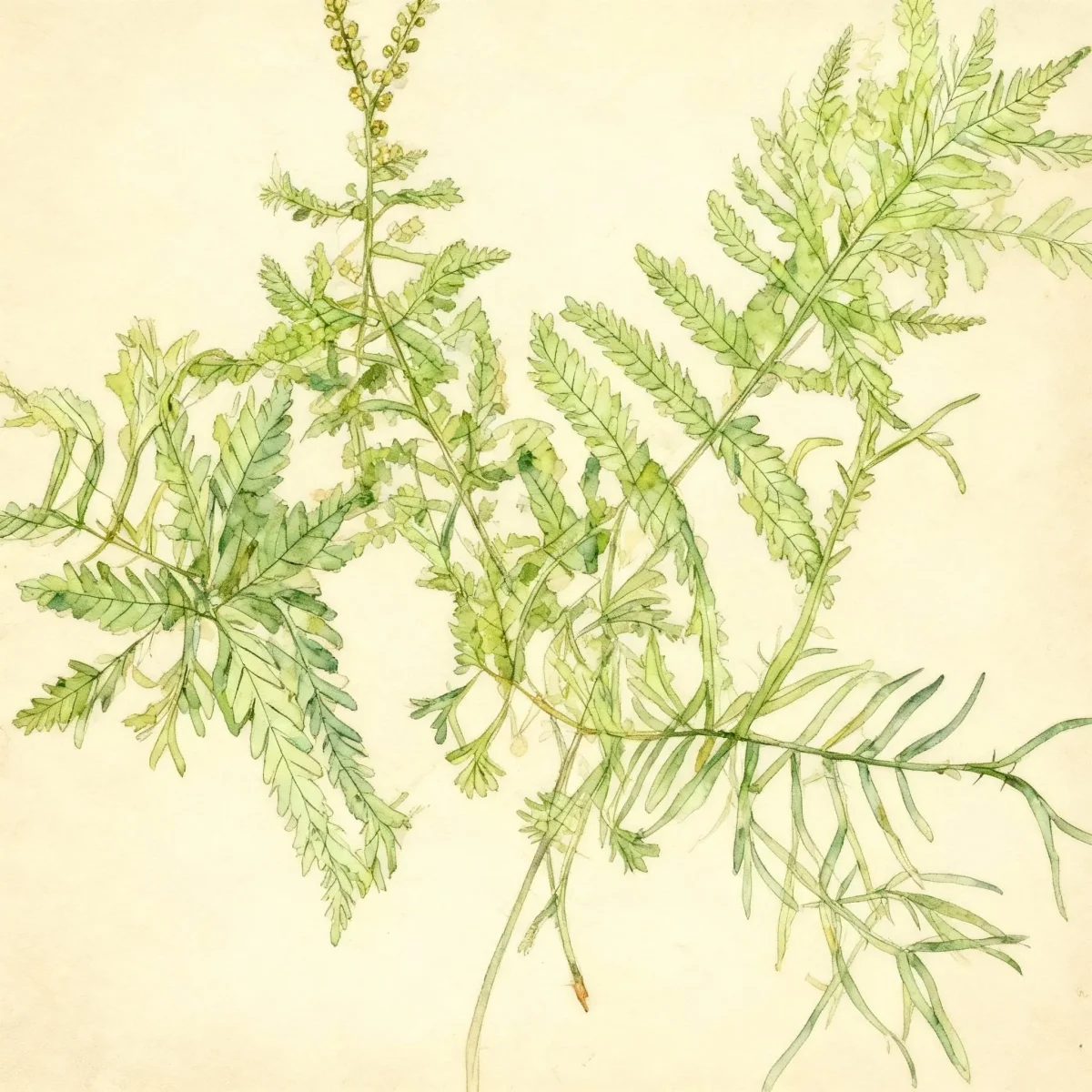
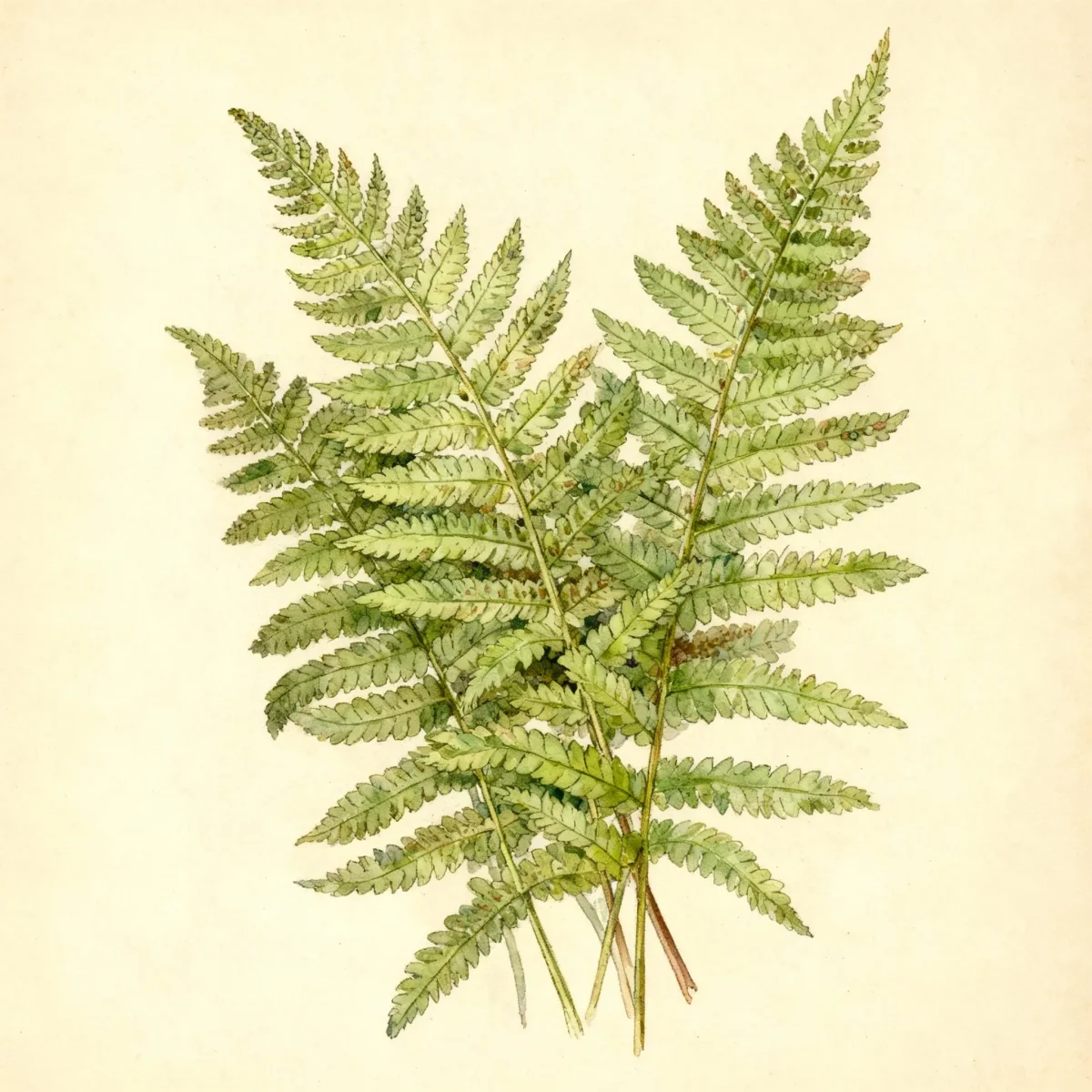
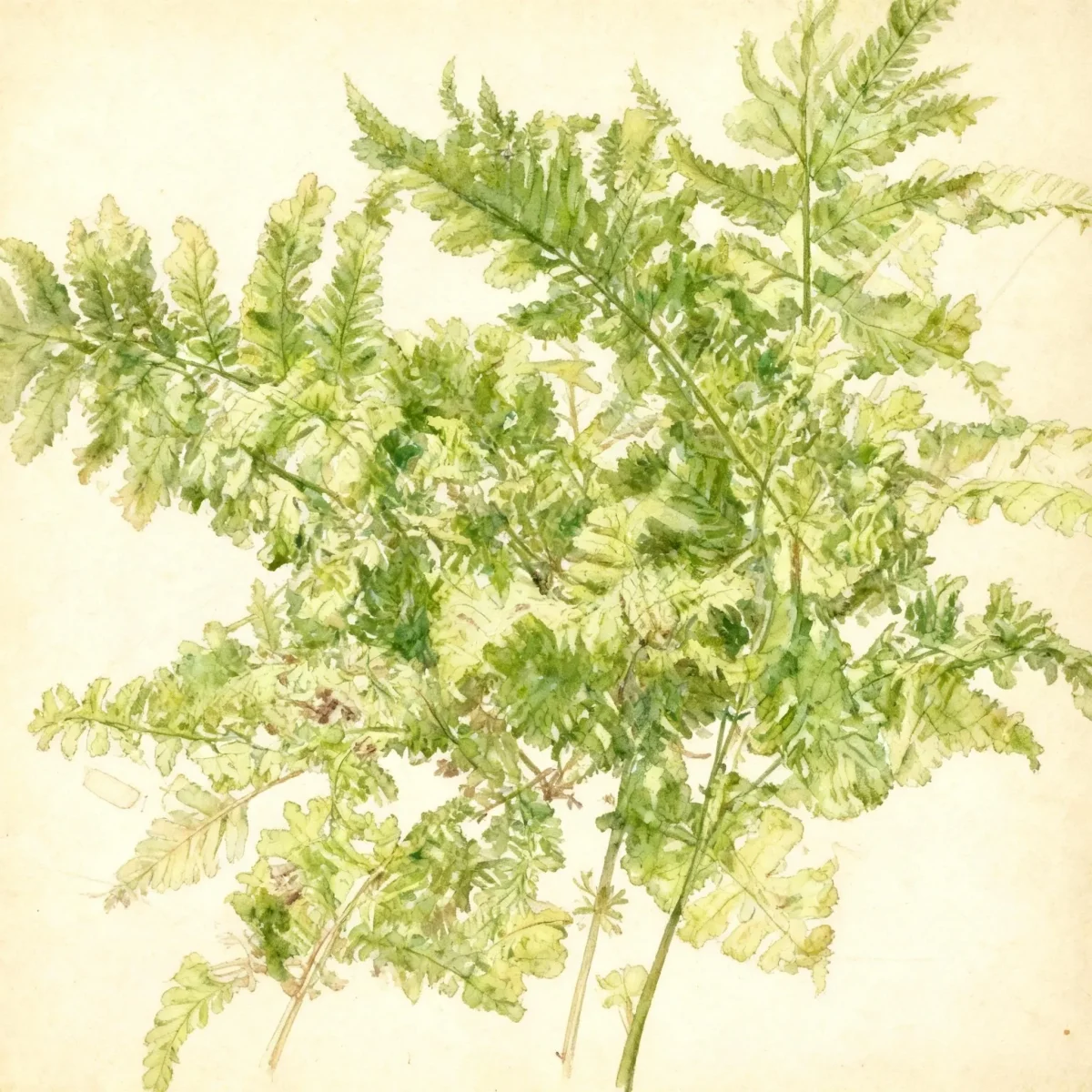
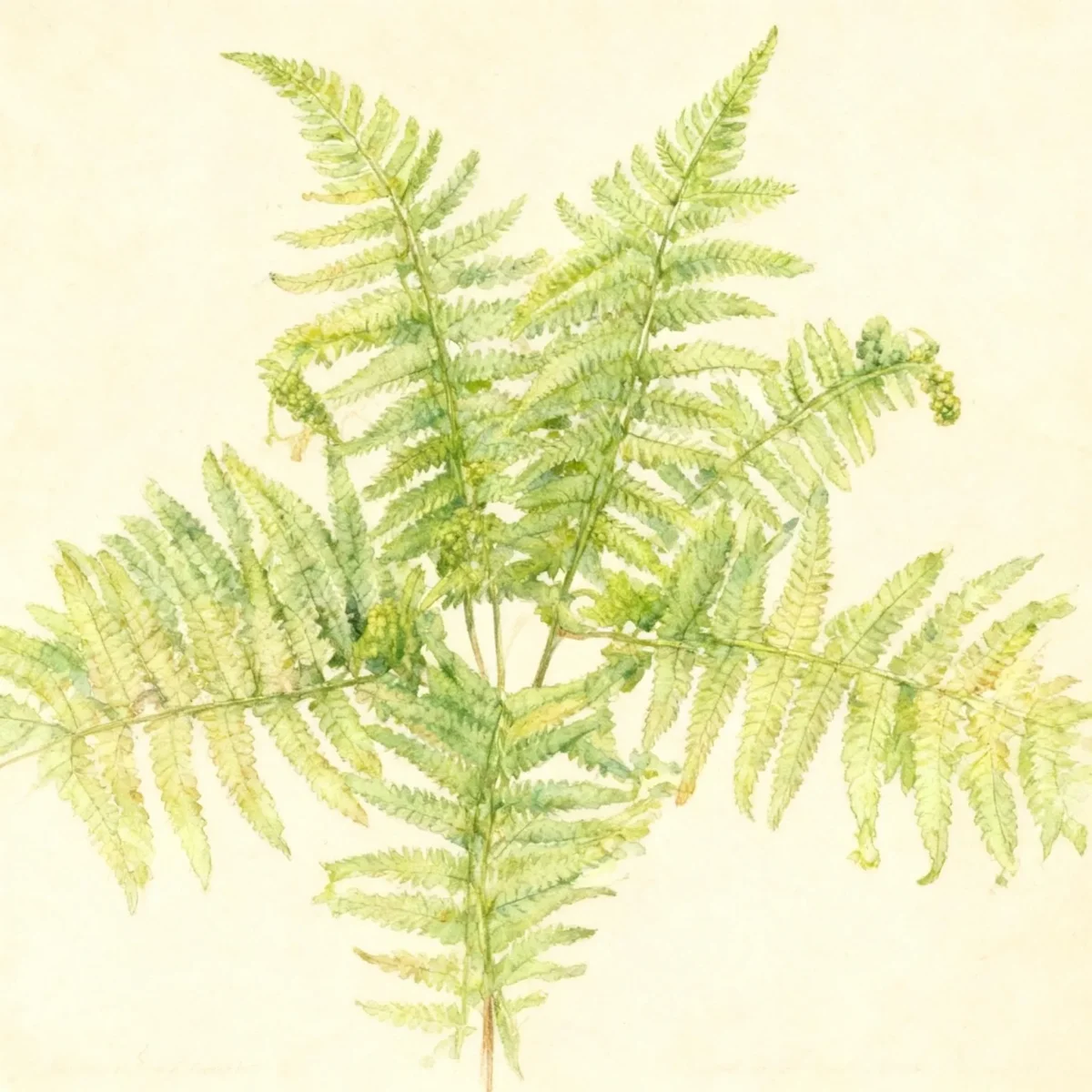
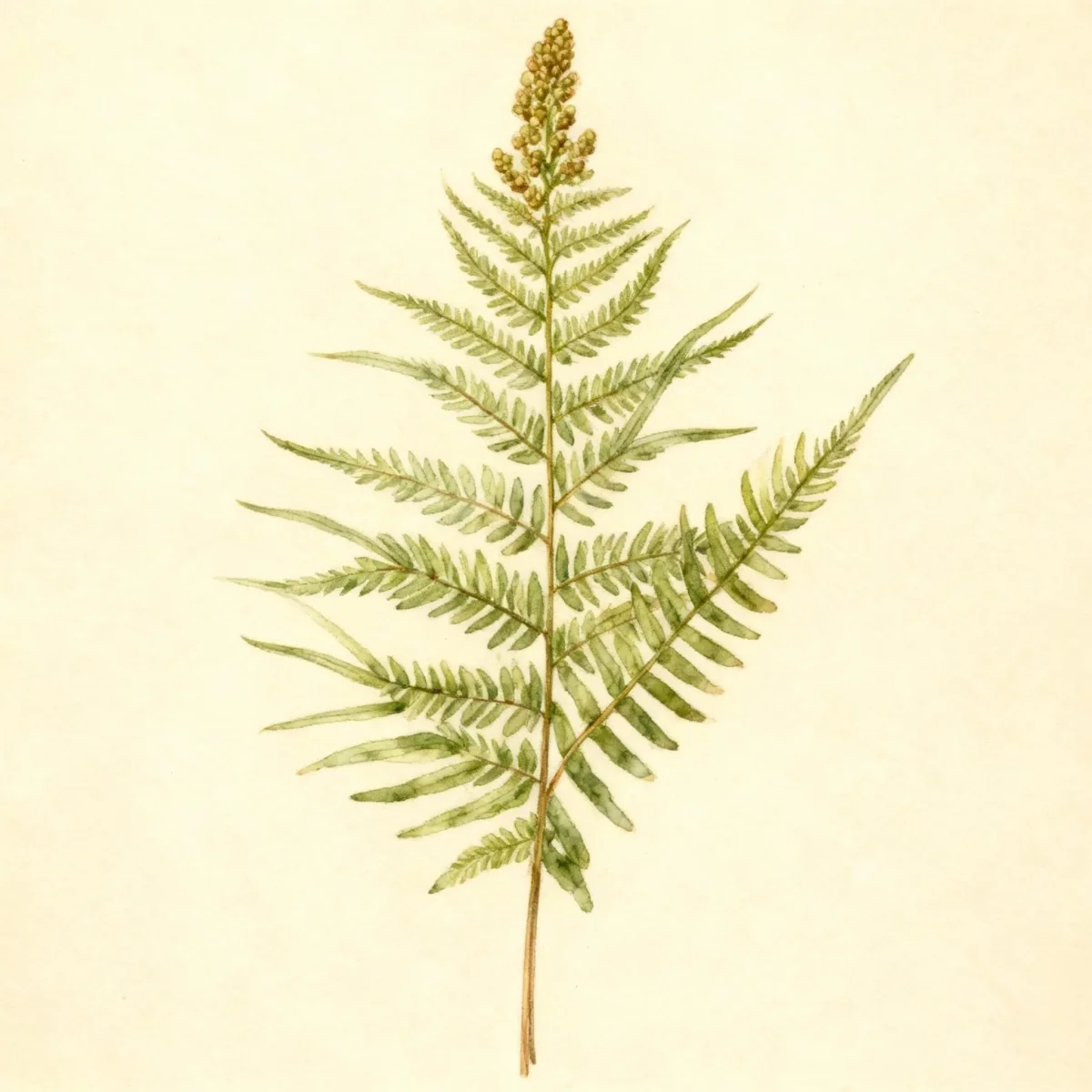
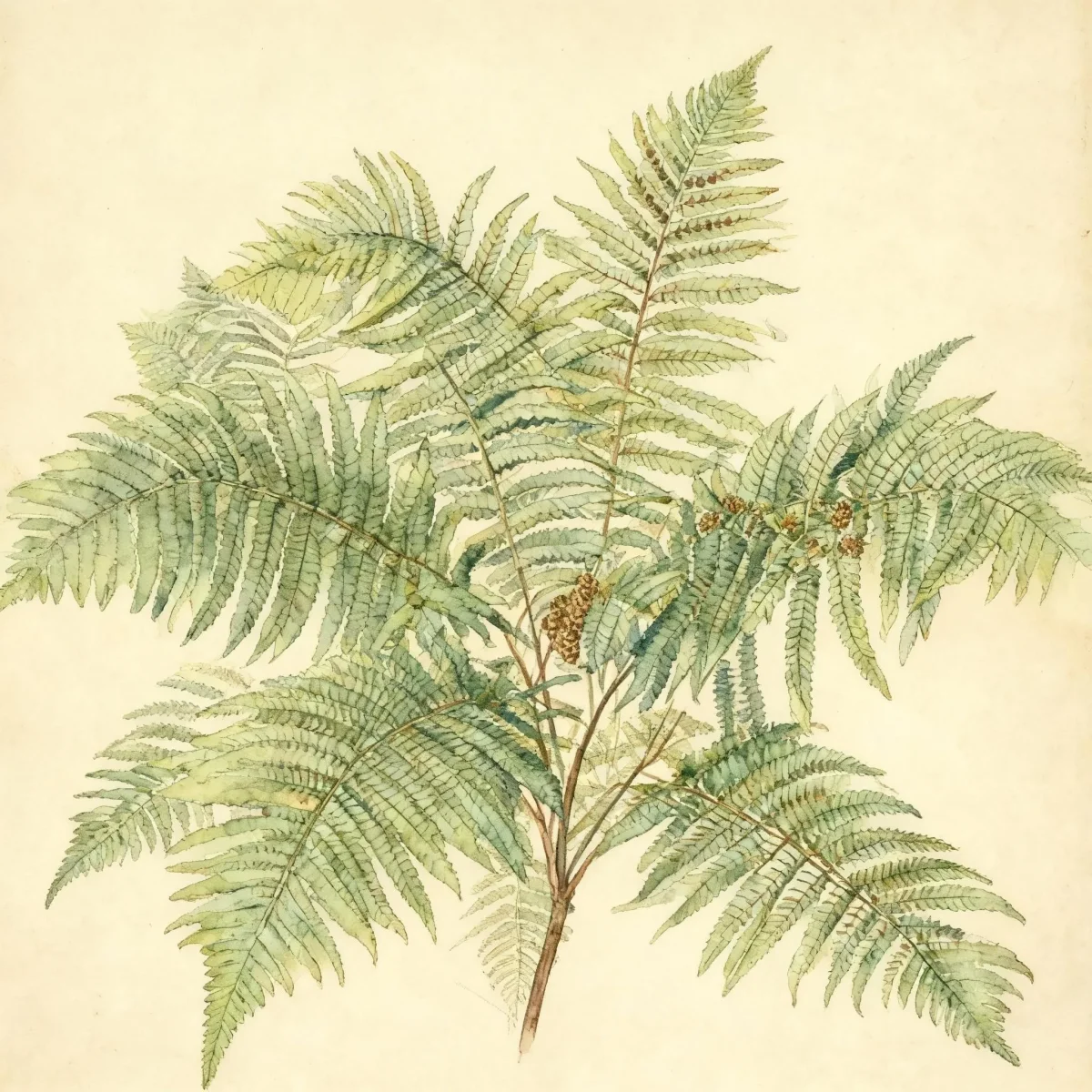
Male fern (Dryopteris filix-mas 'Cristata Martindale')
Discover Dryopteris filix-mas 'Cristata Martindale', a low-maintenance Male fern cultivar perfect for deep shade gardens with its unique crested fronds.

Bloom Boldly, No Matter the Season - Sweatshirt
Cozy organic cotton sweatshirt featuring our exclusive Purple Coneflower design. Perfect for gardeners who bloom year-round.
Inspired by the beautiful Male fern
Limited first batch (50) — join the waitlist for early access
Waitlist closes Feb 15, 2026.
Complete Plant Information
Field Guide Continues
Ready for care notes, companion picks, and planting tips?
The map is just the start. The full guide below covers growth habits, seasonal performance, and landscape uses.
Overview
The Male fern cultivar Dryopteris filix-mas ‘Cristata Martindale’ offers exceptional texture and structure for shaded and woodland settings. This variety is distinguished by its unique, crested pinnae—small points on the leaflets that curve inward toward the frond tip, giving it a decorative, almost fish-tail appearance. Gardeners value this fern for its reliable, low-maintenance growth in difficult, dark areas of the landscape.
As a deciduous variety, the Male fern provides excellent seasonal interest, returning reliably in spring to offer medium green foliage reaching up to two feet tall. Its arching fronds create soft, mounding forms that contrast beautifully with groundcovers and shade-loving perennials. The cultivar Dryopteris filix-mas ‘Cristata Martindale’ is a robust choice, tolerating heavier shade better than many other ferns.
Cultivating this specific variety, Dryopteris filix-mas ‘Cristata Martindale’, is straightforward, provided its need for consistent moisture and organic-rich soil is met. It requires minimal intervention once established, making it an ideal “set-it-and-forget-it” specimen for creating naturalized, texture-rich shade gardens.
Fast Facts
- Plant Family: Dryopteridaceae
- Plant Type: Fern
- Hardiness Zones: USDA Zones 4-8
- Size at Maturity:
- Height: 1.5-2 ft
- Spread: 1-1.5 ft
- Bloom Time: Non-flowering
- Bloom Description: Non-flowering
- Sun Exposure: Part shade to full shade
- Water Needs: Medium
- Maintenance Level: Low
How to Grow
Planting the Male fern thrives when situated in a protected location that shields it from harsh, drying winds, which can easily damage the delicate fronds. The ideal planting time is typically spring or early fall, allowing the plant time to establish roots before intense summer heat or winter freezes arrive. This fern requires average, well-drained soils, but it performs best when the humus level is high, mimicking its native woodland floor.
Maintain a medium water schedule, ensuring the soil does not dry out between waterings; consistency is key for healthy frond development. While fertilizer is rarely required due to its preference for rich organic matter, supplementing the soil with compost annually helps maintain the ideal humus content. Since this is a low-maintenance plant, pruning consists mainly of cutting back the old, withered fronds close to the crown in early spring before the new fiddleheads emerge.
For propagation, the crowns of existing Dryopteris filix-mas ‘Cristata Martindale’ plants can be divided regularly when they become crowded. This division should occur when actively growing, ensuring each new division has adequate root material to support the emerging foliage. Proper siting in deep shade helps minimize any potential issues related to sun scorch.
Landscape Uses
This fern is an excellent choice for creating depth and texture within woodland or shade gardens where flowering plants often struggle. Whether used as an accent or massed together, the unique crested foliage of Dryopteris filix-mas ‘Cristata Martindale’ provides year-round structure, even though it is technically deciduous. It serves well as a specimen planting near shaded entryways or tucked beside foundational plantings.
Consider companion planting the Male fern with broadleaf groundcovers or plants that prefer similar cool, moist conditions, such as Hostas, Astilbes, or Hellebores. Its upright yet arching habit makes it a good middle-layer component in a multi-tiered shade border, contrasting nicely with low-growing mosses or taller Japanese forest grasses.
Standout Features
Noteworthy Characteristics
Dryopteris filix-mas, commonly called male fern, is native to Europe and North America. This is a large, arching, deciduous male fern with erect, stout rhizomes and medium green blades (fronds) that grow to 3’ (less frequently to 4’) tall. Blade is pinnate-pinnatifid (almost 2-pinnate) with 20-30 pair of long-pointed pinnae (leaflets) per blade. Each leaflet is divided into short, rounded, finely-serrated pinnules (sub-leaflets). Sori (fruit dots) on the leaflets are located closer to the midvein than the margin. Crisped, crested, forked and dwarf variants of this species exist. In North America, this fern ranges from Newfoundland to British Columbia, from New England to the Great Lakes, and from South Dakota to Washington south to California and Texas. It is typically found in cool, moist, rocky woods, but in New England it is uncommon and limited only to areas with calcareous soils. In Europe, it is commonly found in a variety of locations including roadsides.Genus name from Greek dryas meaning oak and pteris meaning fern in reference to the presence of some species of wood ferns in woodland areas populated with oaks.Specific epithet means male fern in reference to the somewhat vigorous growing habits of ferns in this species.‘Cristata Martindale’ features medium green fronds that grows to 2’ tall. It is noted for having small crests on the pinnae which all curve toward the frond apex. The frond appearance gives rise to the sometimes used common name of fish-tail crested male fern for this cultivar.
Tolerances
- Rabbit
- Heavy Shade
- Clay Soil
Potential Problems
This cultivar of Male fern rarely encounters serious insect or disease issues when grown under appropriate conditions. Prevention centers on ensuring excellent drainage while maintaining consistent moisture; overly compacted or saturated soil can lead to root issues. If pests like slugs or snails are a concern, standard integrated pest management techniques appropriate for ferns should be employed, particularly when the new growth (fiddleheads) is emerging in spring.
Frequently Asked Questions
What hardiness zones is Male fern suitable for?
The Dryopteris filix-mas ‘Cristata Martindale’ is suitable for USDA Zones 4 through 8, providing reliable perennial performance across a wide range of cooler to temperate climates.
How large does Dryopteris filix-mas ‘Cristata Martindale’ grow?
This specific cultivar typically reaches a mature height between 1.5 and 2 feet tall, with a corresponding spread of 1 to 1.5 feet, forming an attractive, self-contained mound.
What sun exposure does Male fern need?
This fern thrives in part shade to full shade conditions. It is particularly useful for deeply shaded areas where many flowering plants struggle, though it still prefers protection from intense afternoon sun during the summer months.
When does Dryopteris filix-mas ‘Cristata Martindale’ bloom?
As a fern, this plant is non-flowering and reproduces via spores located on the undersides of its mature fronds.
Conclusion
The unique, crested texture of Dryopteris filix-mas ‘Cristata Martindale’ secures its place as a superior specimen for dark garden corners. This low-maintenance Male fern is valued for its ability to anchor a design with reliable, unusual foliage in deep shade. Always verify that your garden provides consistently rich, moist soil before planting this beautiful cultivar.
Companion Planting
Selecting the right companions is crucial for maximizing the tropical, textured look of the Male fern. Plants that offer contrasting leaf shapes, such as Japanese painted ferns or large-leafed Hostas, create dynamic visual interest. For textural contrast at the base, consider low-growing woodland phlox (Phlox divaricata) or small patches of moss.
Ensure that companion plants share the same cultural needs—medium water, rich soil, and protection from intense sun are non-negotiable for the health of Dryopteris filix-mas ‘Cristata Martindale’. Avoid aggressive spreaders that might compete directly with the fern’s root system for the finite nutrients in the shady environment.
Seasonal Care Calendar
Spring is the designated time for cleanup; cut back all dead, brown fronds from the previous year before new growth begins emerging as fiddleheads. Lightly amend the soil around the base of the Male fern with a layer of compost as new growth accelerates to replenish organic matter.
During the active growing season (late spring through mid-fall), monitor moisture levels closely, especially during dry spells, to ensure the soil remains consistently medium in dampness. In winter, mulch heavily in colder Zone 4 gardens to prevent deep freezes from affecting the crowns, although the plant is generally rugged once established.