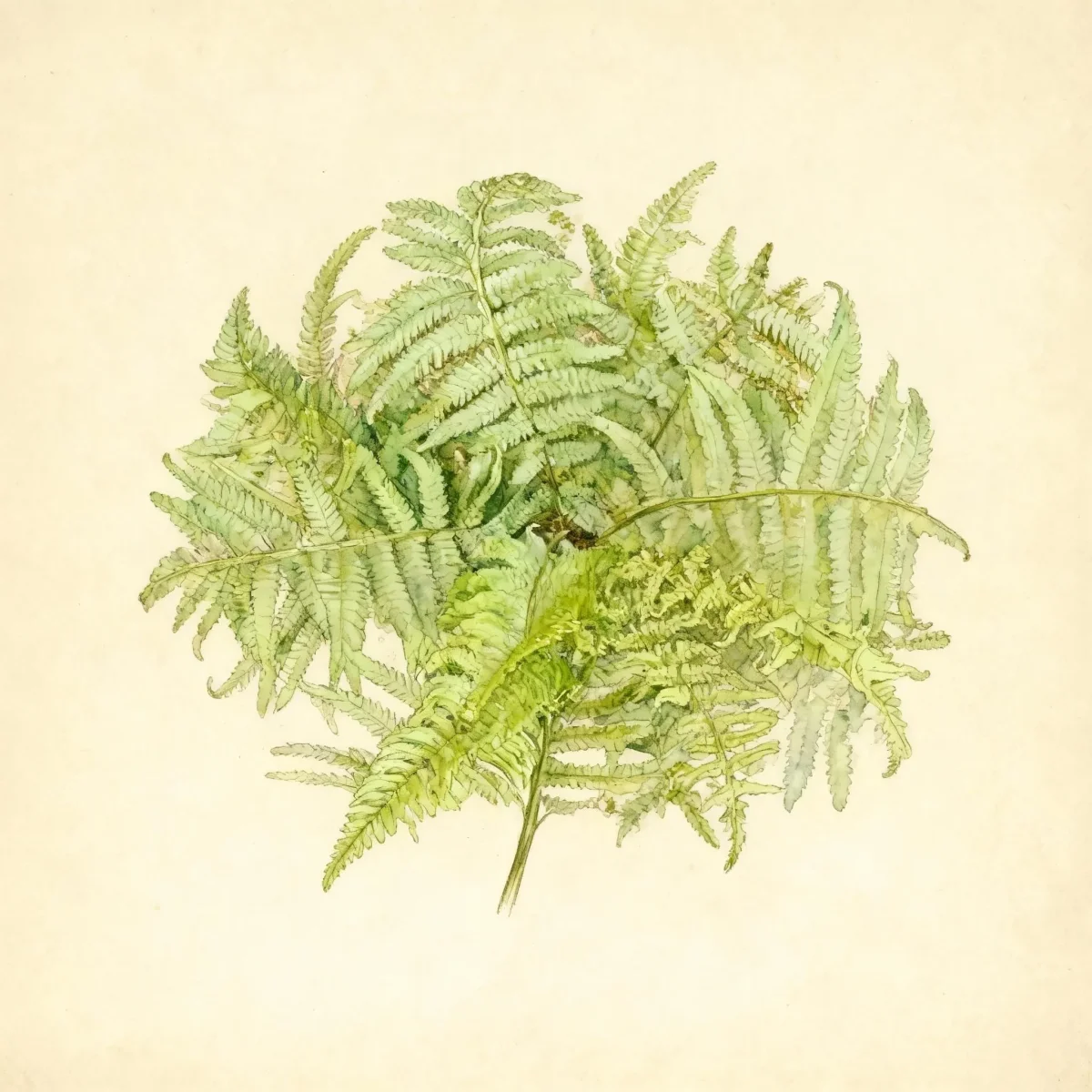
Male fern(Dryopteris filix-mas 'Cristata Martindale')
Grow 'Cristata Martindale' male fern for its upright fronds and crested tips. Learn how to provide the shade, moisture, soil, and seasonal care it needs.
Complete Plant Information
- Hardiness zones
- USDA 4–8
- Plant type
- Fern
- Plant family
- Dryopteridaceae
- Sun exposure
- Part shade to full shade
- Water needs
- Medium
- Maintenance
- Low
- Height
- 1.5–2 ft (46–61 cm)
- Spread
- 1–1.5 ft (30–46 cm)
- Bloom time
- Non-flowering
- Flower color
- Non-flowering
- Flower qualities
- Not recorded
- Fruit qualities
- Not recorded
- Tolerances
- Rabbit, Heavy Shade, Clay Soil
- Garden uses
- Not recorded
- Native range
- Not recorded
Field Guide Continues
Ready for care notes, companion picks, and planting tips?
The map is just the start. The full guide below covers growth habits, seasonal performance, and landscape uses.
A Fern with Crested Tips
‘Cristata Martindale’ male fern (Dryopteris filix-mas ‘Cristata Martindale’) has the familiar upright outline of a woodland fern, but each frond ends in a branched, crested tip. The detail is subtle from across the yard and especially appealing beside a path or shaded sitting area where the fronds can be seen up close.
Growing 18 to 24 inches tall and 12 to 18 inches wide, it fits comfortably beneath shrubs or among other shade plants. It is hardy in USDA Zones 4–8. Use the hardiness zone map to check your garden before planting.
Creating the Right Conditions
Choose part shade to full shade with moist, humus-rich soil that drains after rain. Morning light or dappled light beneath deciduous trees is ideal. Deep, dry shade under dense evergreens is much harder: tree roots compete for moisture, and the fern’s fronds may remain small.
Plant with the crown level with the surrounding soil. Water thoroughly and spread leaf mold or fine bark mulch around the root zone without burying the crown. Keep a new plant evenly moist through its first season. Established clumps tolerate short dry periods, but frond edges may brown if the soil stays dry.
For other cold-hardy choices, visit the Zone 4 plant guide. If your garden is at the warmer edge of this fern’s range, the Zone 8 guide can help you compare shade plants.
Placing It in the Garden
Use ‘Cristata Martindale’ where its textured tips will not disappear behind larger foliage. Three plants repeated along a shaded walk make a stronger display than one isolated specimen. Hostas, woodland sedges, spring bulbs, and low groundcovers can fill the surrounding space while keeping the fern visible.
It is also a good candidate for a shaded container, provided the pot drains and does not dry out. A container needs winter protection in the coldest zones because roots above ground are exposed to lower temperatures.
Browse the plant collection to find companions by zone and light exposure.
Year-Round Care
This fern does not flower. Its value comes from the shape and texture of the fronds. Remove battered old foliage in late winter or early spring before new fronds unfurl. Avoid cutting fresh fiddleheads.
Fertilizer is seldom needed in soil enriched with compost or leaf mold. If growth is weak, first check moisture and soil condition rather than reaching for a high-nitrogen feed. Slugs and snails may chew young fronds; hand-picking and reducing damp hiding places near the crown are useful first steps.
Common Questions
Is this fern evergreen?
Its winter behavior varies with climate and exposure. In colder areas the fronds typically decline; in milder, sheltered sites they may persist longer.
Can it grow under trees?
Yes, if the site has enough moisture and organic matter. Water competition from shallow tree roots can be more limiting than shade itself.
How is it different from ordinary male fern?
The defining feature is the crested, divided tip at the end of each frond.
Should I divide it?
Divide an established clump in spring only when it becomes crowded or when you want additional plants. Keep divisions moist while they re-establish.
Recommended Companion Plants
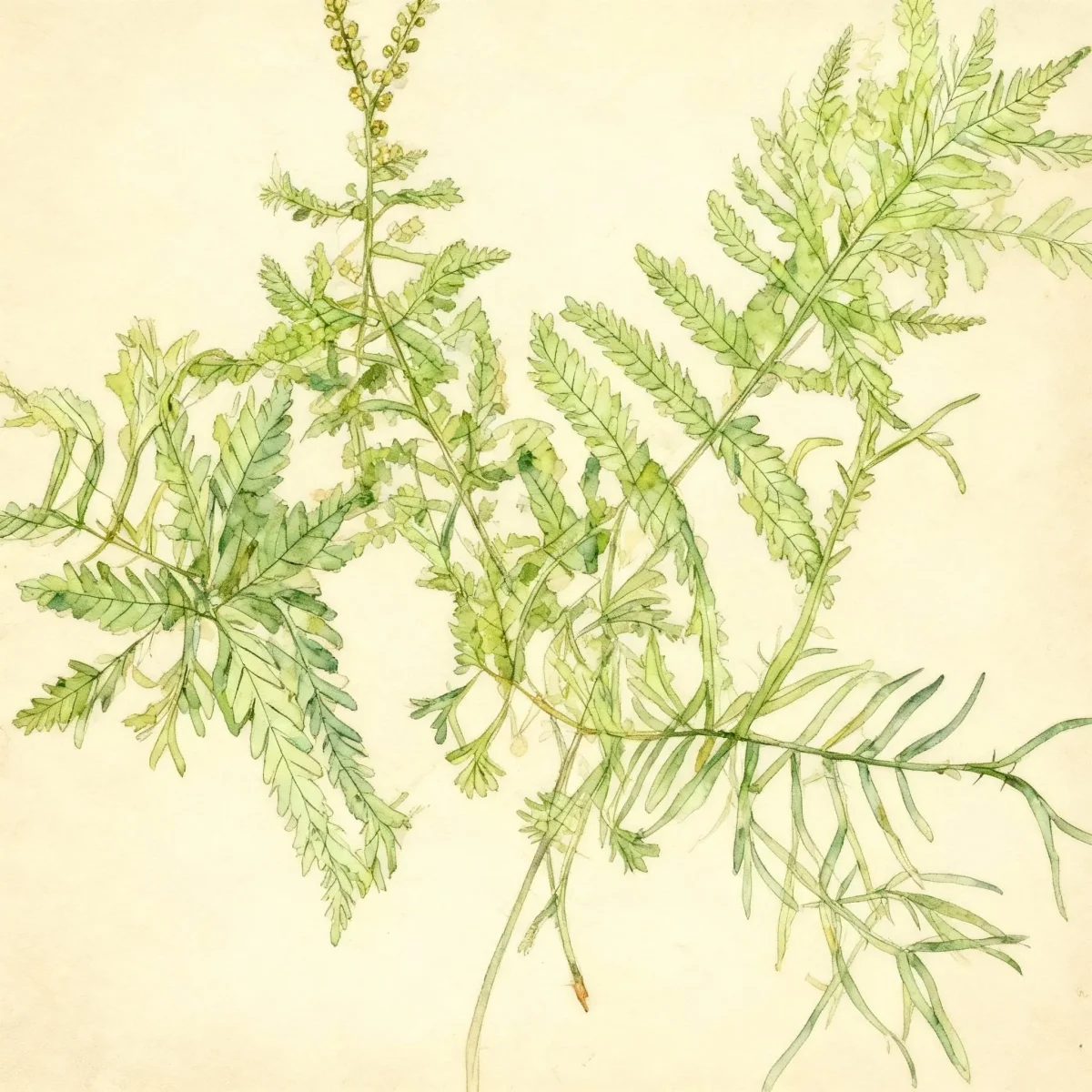
Male fern
Dryopteris filix-mas 'Linearis Polydactyla'
- USDA zones
- 5–9
- Light
- Part shade to full shade
- Water
- Medium
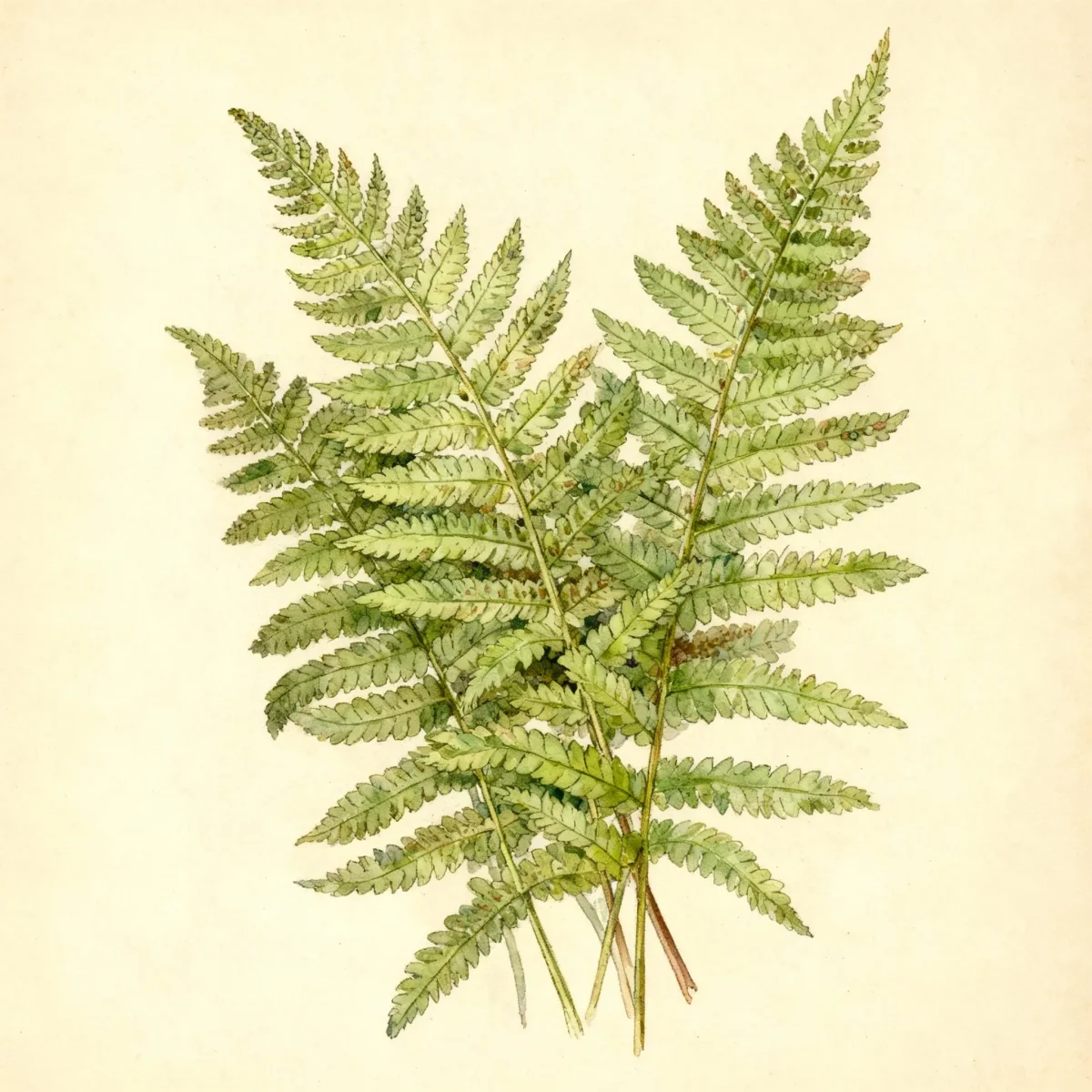
Male fern
Dryopteris filix-mas 'Barnesii'
- USDA zones
- 4–8
- Light
- Part shade to full shade
- Water
- Medium
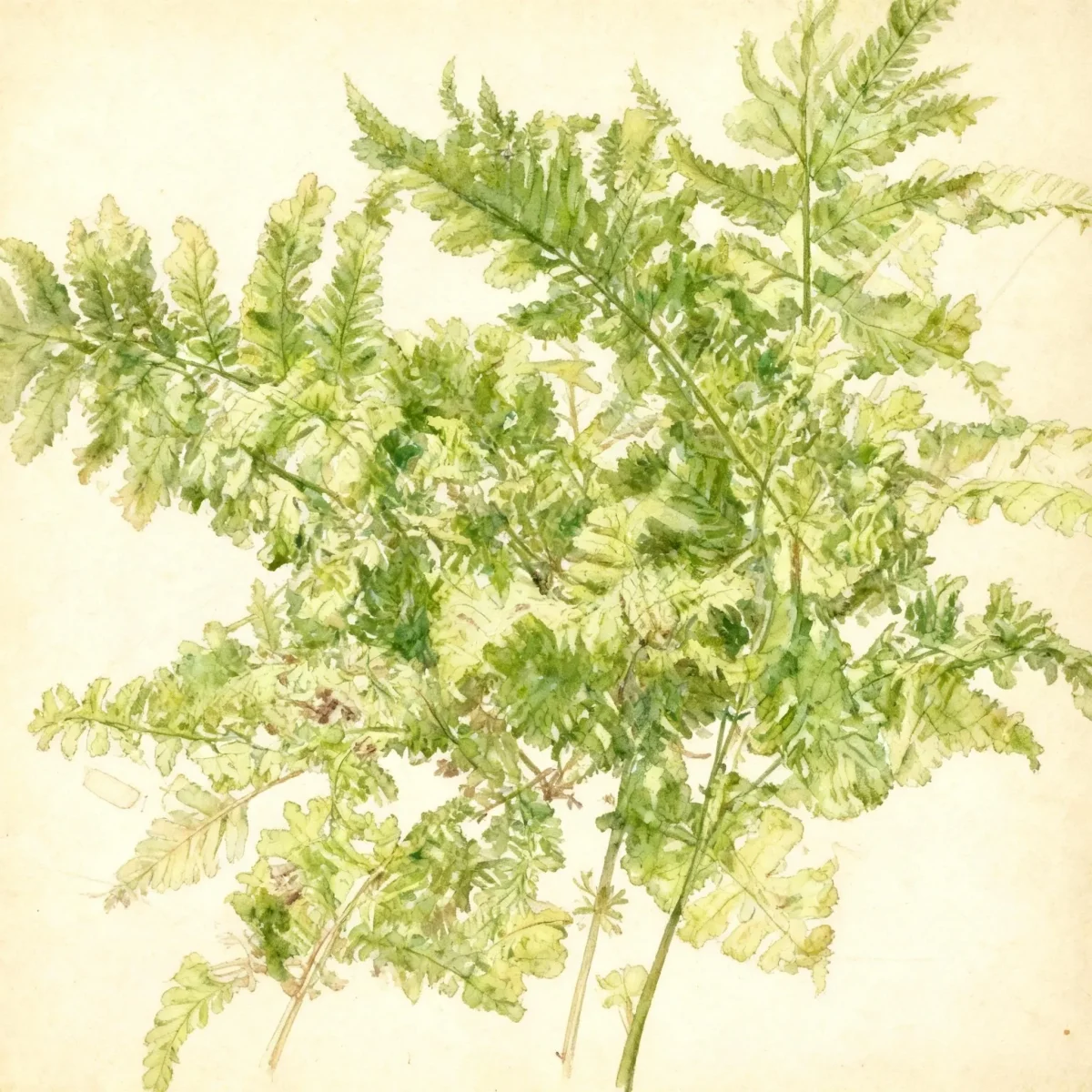
Male fern
Dryopteris filix-mas 'Crispatissima'
- USDA zones
- 4–8
- Light
- Part shade to full shade
- Water
- Medium
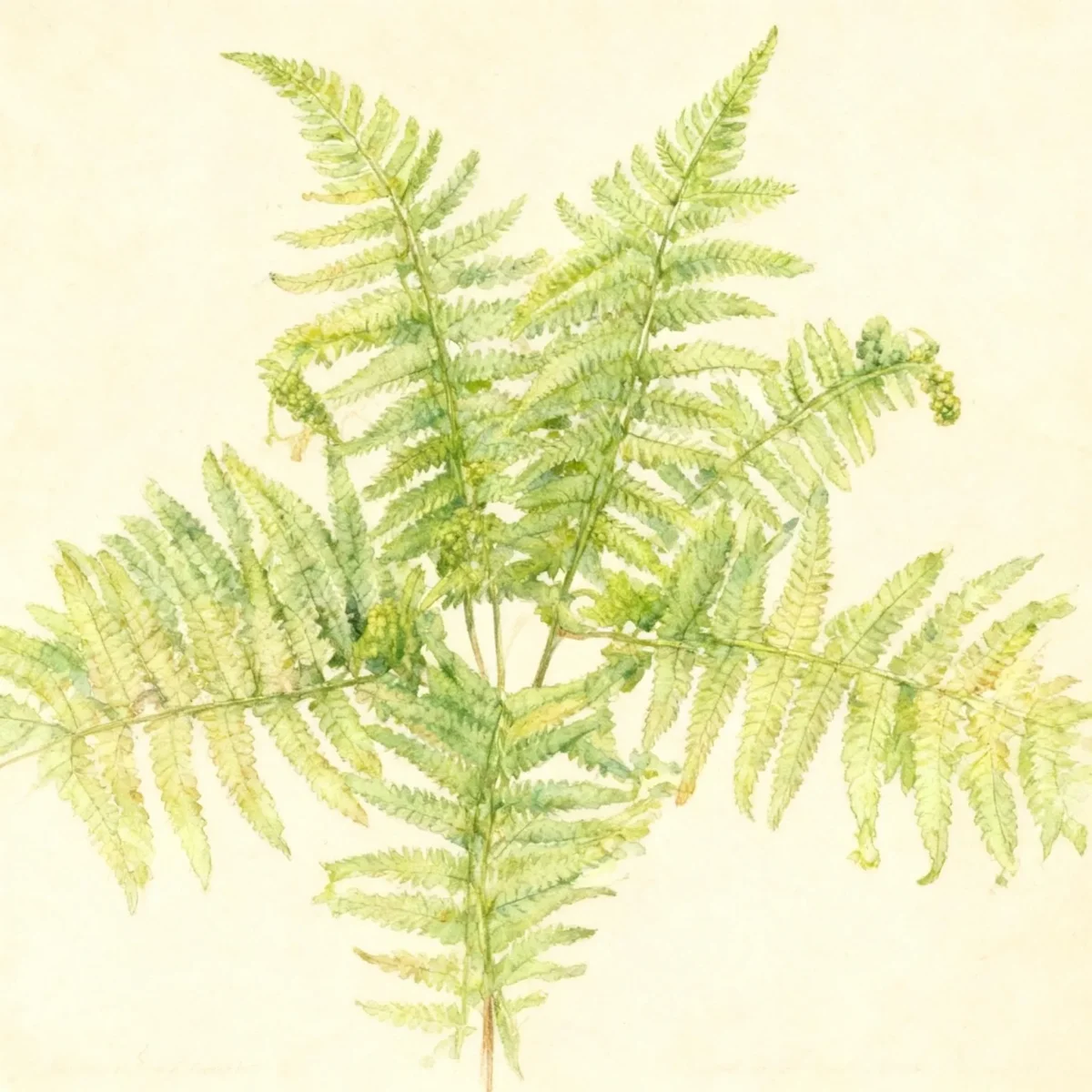
Male fern
Dryopteris filix-mas 'Grandiceps Wills'
- USDA zones
- 4–8
- Light
- Part shade to full shade
- Water
- Medium
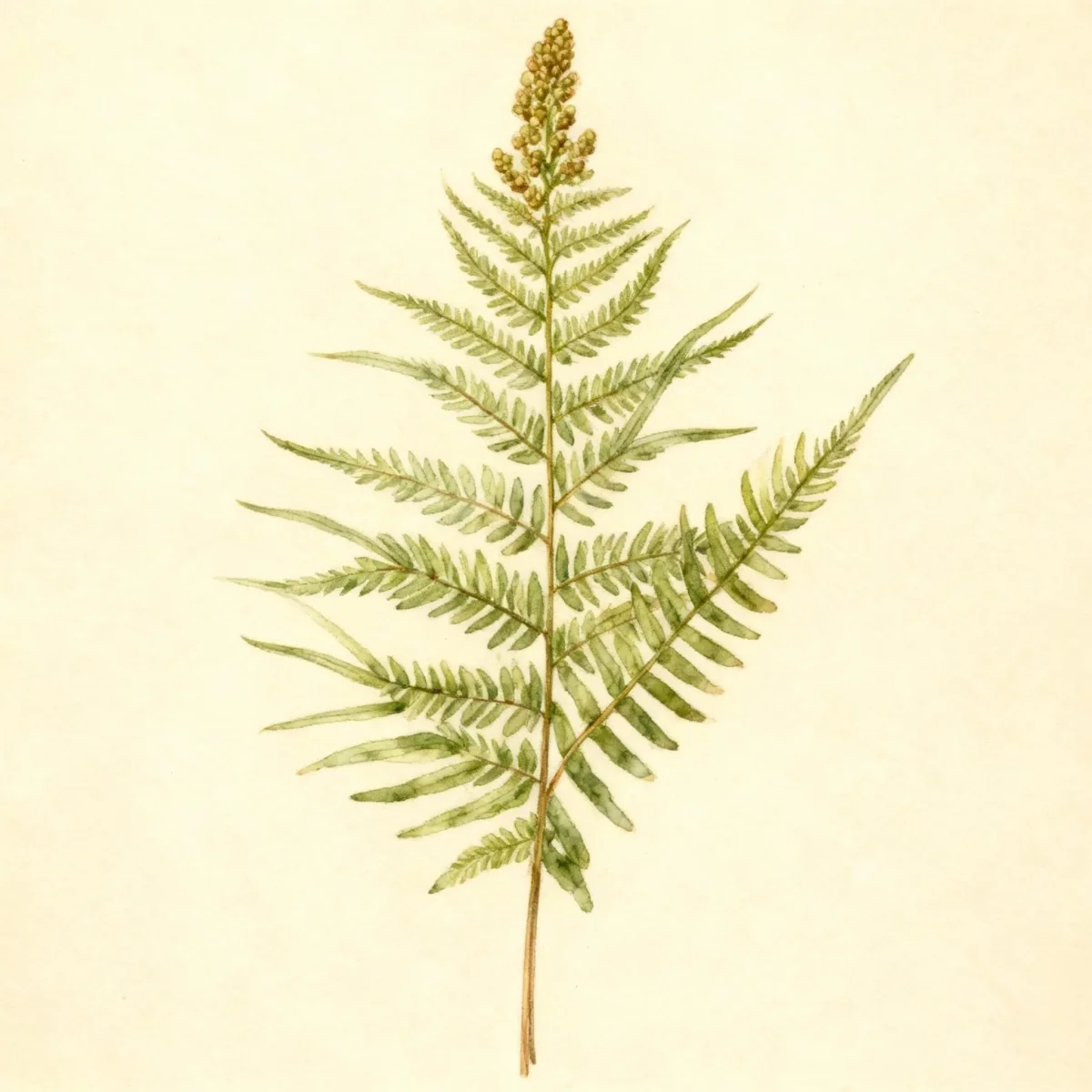
Male fern
Dryopteris filix-mas 'Linearis'
- USDA zones
- 5–9
- Light
- Part shade to full shade
- Water
- Medium
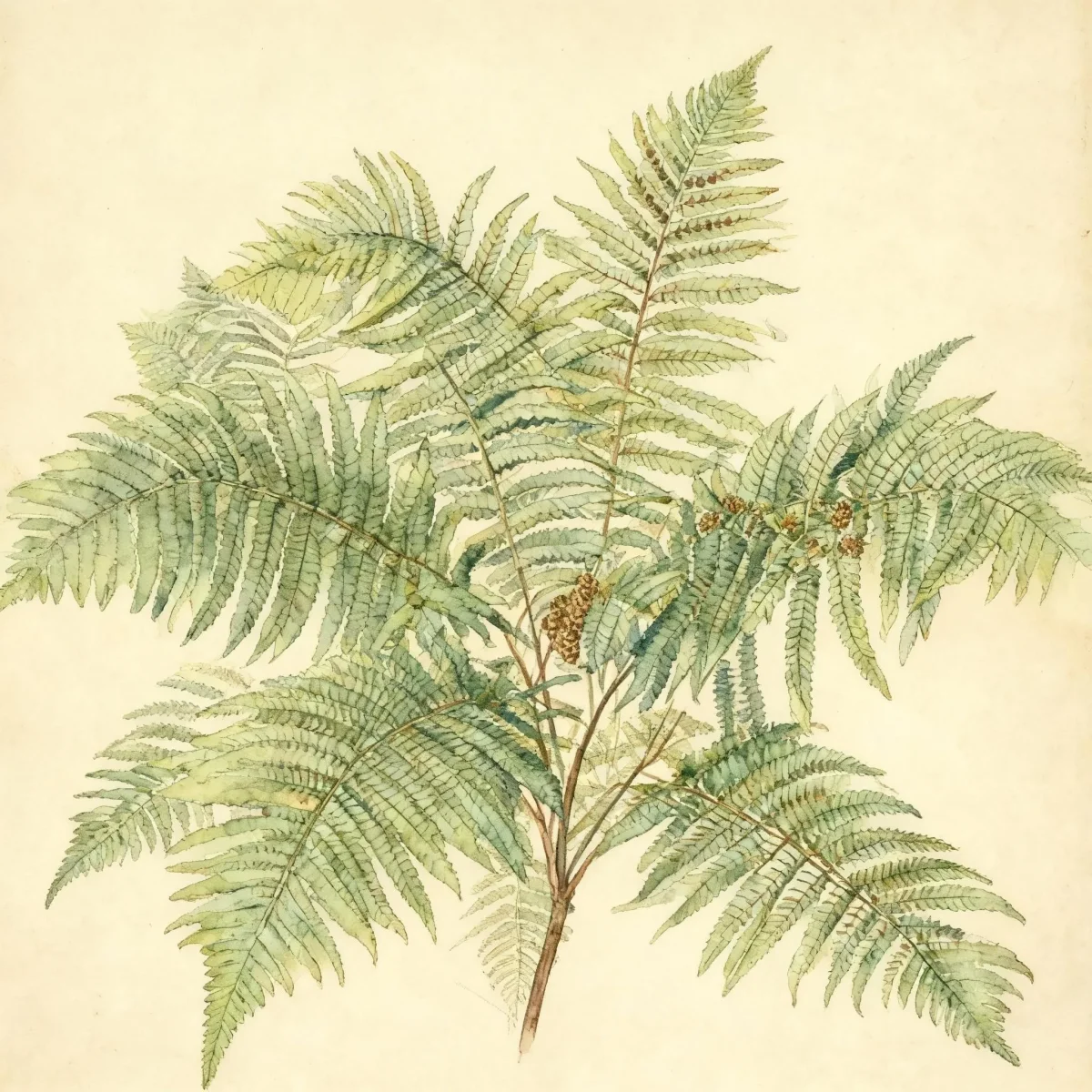
Male fern
Dryopteris filix-mas
- USDA zones
- 4–8
- Light
- Part shade to full shade
- Water
- Medium
Keep Learning
Test what you know with a garden quiz
You have the plant facts and care notes. Continue with a related challenge, or browse the complete quiz library.

Can You Identify These Common Garden Plants? Test Your Plant Knowledge
Think you know your roses from your peonies? Test your plant identification skills with our comprehensive garden plant quiz featuring 10 challenging questions.
Start quiz
USDA Garden Zone Map Quiz
Use this USDA garden zone map quiz to check whether you can read hardiness zones and choose plants with more confidence.
Start quizBrowse the full quizzes section
Explore plant identification, zone strategy, and seasonal gardening challenges.
View all quizzes