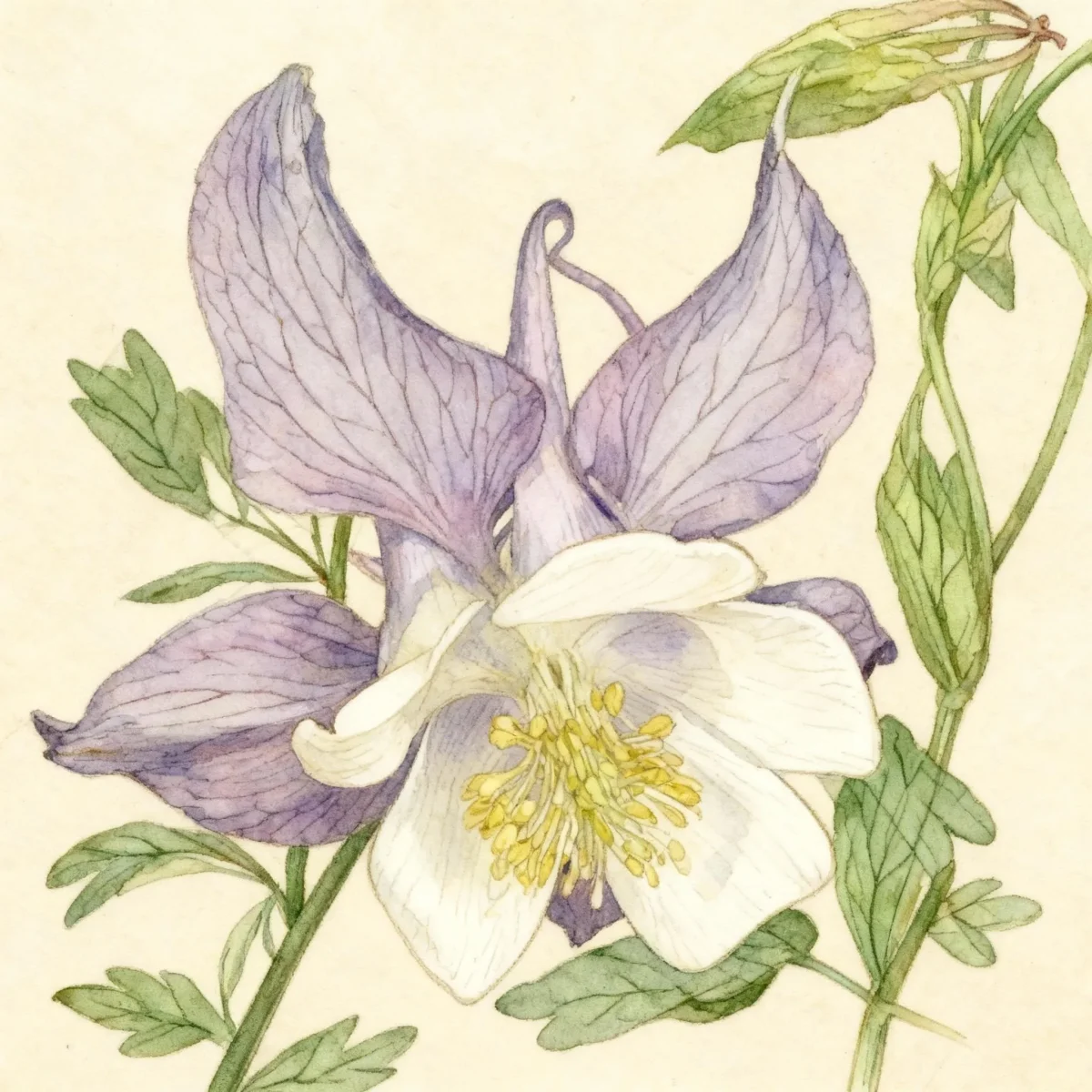
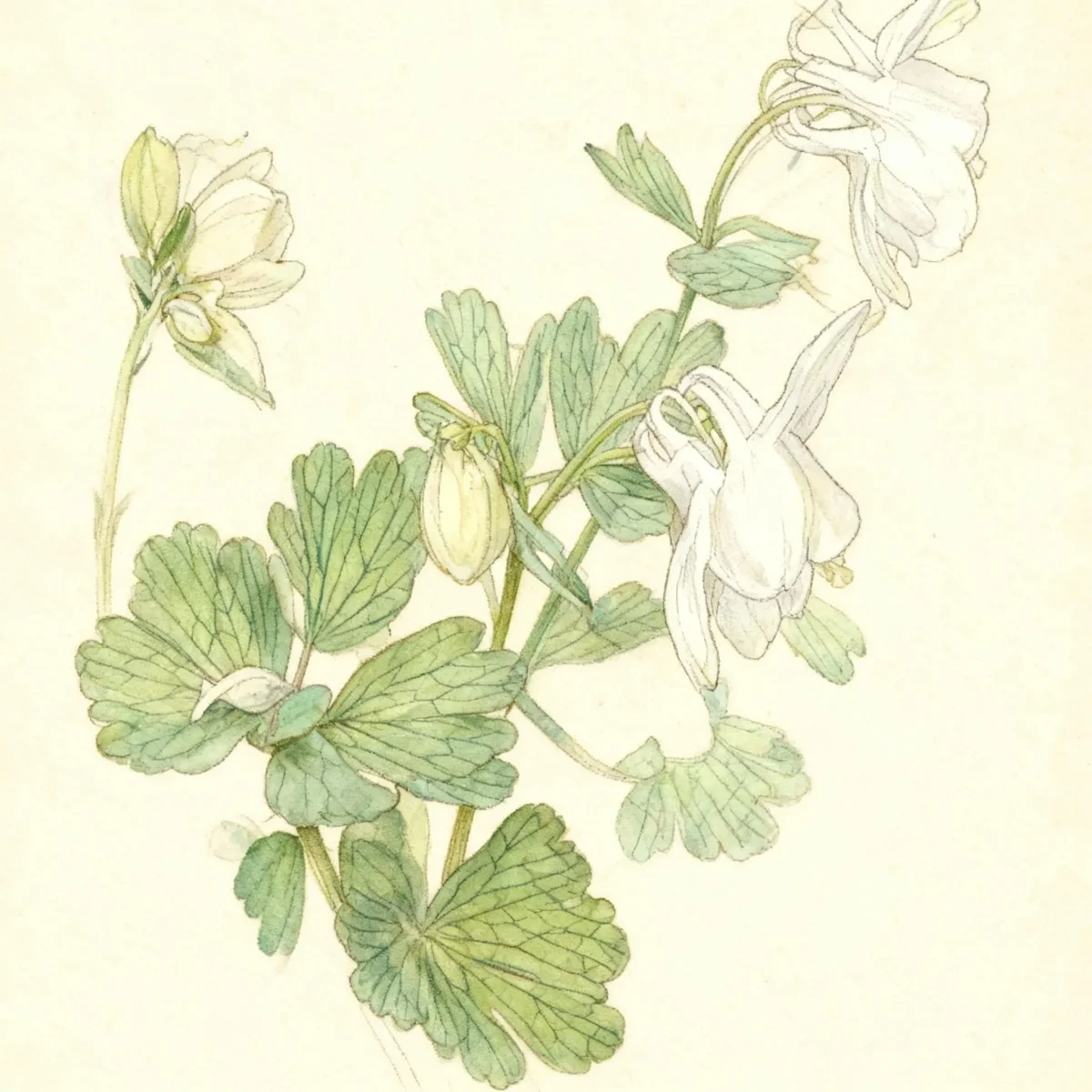
Columbine (Aquilegia 'Swallowtail')
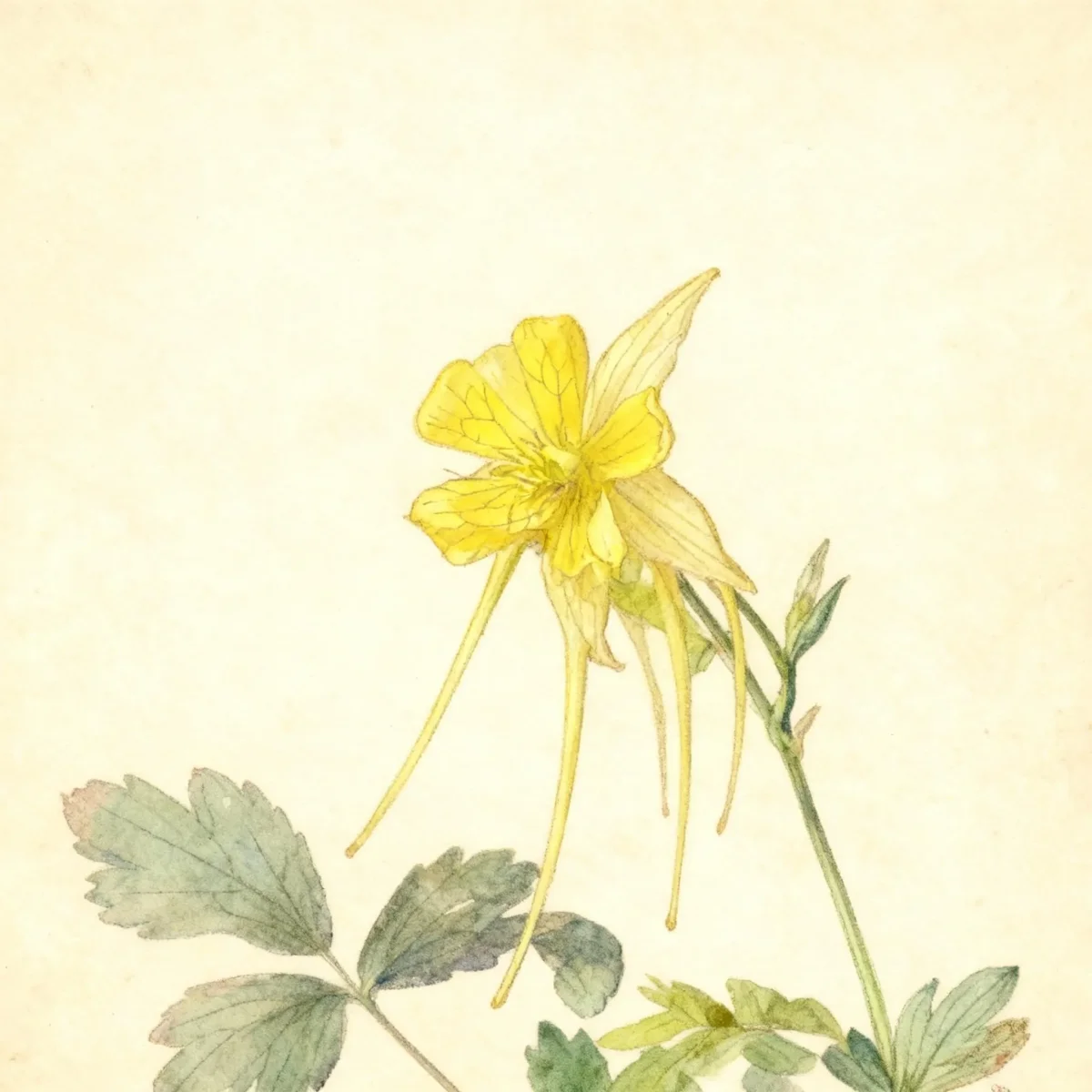
Aquilegia 'Swallowtail' Columbine offers striking yellow blooms from May to June. This medium-maintenance perennial thrives in sun to part shade.

Bloom Boldly, No Matter the Season - Sweatshirt
Cozy organic cotton sweatshirt featuring our exclusive Purple Coneflower design. Perfect for gardeners who bloom year-round.
Inspired by the beautiful Columbine
Limited first batch (50) — join the waitlist for early access
Waitlist closes Feb 15, 2026.
Complete Plant Information
Field Guide Continues
Ready for care notes, companion picks, and planting tips?
The map is just the start. The full guide below covers growth habits, seasonal performance, and landscape uses.
Overview
Aquilegia ‘Swallowtail’, commonly known as Columbine, is a valued addition for gardens seeking vibrant spring color and interesting form. This herbaceous perennial is cherished for its distinctive yellow and lemon-yellow bicolor flowers, which feature long, trailing spurs, making it a visual focal point. Growing typically between two and three feet tall, Aquilegia ‘Swallowtail’ establishes itself as a clumping plant perfect for softening borders or providing interest in shaded woodland settings.
This variety offers reliable performance across a wide range of climates, fitting into USDA Zones 5 through 10. While it enjoys average to rich soils, consistent moisture is key to maintaining its attractive blue-green foliage, especially after the main flush of blooms fades. The genus name Aquilegia references the eagle, derived from the flower’s likeness to an eagle’s talon.
Beyond its ornamental appeal, Aquilegia ‘Swallowtail’ is a fantastic choice for attracting hummingbirds, adding dynamic wildlife activity to the garden space. Gardeners will appreciate its ability to handle both full sun and partial shade, offering flexibility in placement, provided the soil remains evenly moist.
Fast Facts
- Plant Family: Ranunculaceae
- Plant Type: Herbaceous perennial
- Hardiness Zones: USDA Zones 5-10
- Size at Maturity:
- Height: 2-3 ft
- Spread: 1-2 ft
- Bloom Time: May to June
- Bloom Description: Yellow and lemon-yellow
- Sun Exposure: Full sun to part shade
- Water Needs: Medium
- Maintenance Level: Medium
How to Grow
Planting Columbine generally succeeds best in the cooler temperatures of spring or early fall. For optimal performance, locate Aquilegia ‘Swallowtail’ where it receives its preferred conditions: average, evenly moist, well-drained soil enriched with organic matter. While it handles full sun, areas receiving light to moderate afternoon shade help prolong the foliage quality, especially in warmer zones.
Routine care centers on moisture management. Ensure the soil remains uniformly moist, particularly during dry spells and immediately following the main bloom in early summer. Fertilization is rarely required if the soil is organically rich. A crucial mid-season task is to remove the spent flowering stems after the May to June show concludes; this practice can encourage a secondary, though usually smaller, wave of fresh blooms.
As summer progresses, the foliage of many Columbines tends to decline. When this happens, you can confidently cut the entire plant back to the ground. Keeping the soil watered even after flowering helps maintain the ground cover effect of the remaining leaves. Be mindful that seeds collected from garden settings may result in offspring that differ from the parent stock due to potential cross-pollination between different Columbine varieties.
Landscape Uses
Aquilegia ‘Swallowtail’ lends itself beautifully to several garden aesthetics, fitting perfectly into cottage gardens where its airy structure contrasts nicely with denser plantings. Its height (2 to 3 feet) makes it an ideal component for back-of-border plantings, drawing the eye upward without overwhelming shorter neighbors. Consider using this Columbine in rock gardens, where improved drainage mimics its native mountainous habitat, or naturalize it within open shade gardens or woodland borders.
For specialized garden designs, Aquilegia ‘Swallowtail’ is highly recommended for hummingbird gardens, as its spurred flowers provide excellent nectar access for these fast-moving visitors. Pair this yellow Columbine with spring-blooming bulbs that die back before the Aquilegia is at its peak, or interplant it with shade-tolerant perennials like Hosta or Astilbe to maintain interest when its foliage eventually depreciates.
Standout Features
Flower Qualities
- Showy
Noteworthy Characteristics
This clumping perennial typically matures to 24-30 inches tall and about 18 inches wide, showcasing beautiful blue-green leaves. Its namesake flowers are a striking yellow and lemon-yellow bicolor, featuring 4-inch long trailing spurs that bloom from May into early June. The genus name Aquilegia is derived from the Latin word for eagle, referencing the flower’s talon-like spurs.
Tolerances
- Rabbit
- Deer
Potential Problems
Aquilegia ‘Swallowtail’ is generally robust but can face a few specific pest and disease issues. Leaf miner is a primary concern, creating winding trails across the foliage; prompt removal of affected leaves upon discovery is the best control method. Aphids may occasionally appear but are usually a lesser problem. Potential fungal diseases include leaf spot, rust, and powdery mildew, which are often exacerbated by poor air circulation or inadequate sunlight. Ensuring good air movement and avoiding overhead watering can help mitigate these fungal risks.
Frequently Asked Questions
What hardiness zones is Columbine suitable for?
Aquilegia ‘Swallowtail’ performs reliably in USDA Hardiness Zones 5 through 10.
How large does Aquilegia ‘Swallowtail’ grow?
This perennial typically reaches a height of 2 to 3 feet and spreads between 1 and 2 feet wide at maturity.
What sun exposure does Columbine need?
For best results, plant Aquilegia ‘Swallowtail’ where it receives full sun to part shade, ensuring consistent moisture retention in sunny locations.
When does Columbine bloom?
This variety of Columbine displays its yellow and lemon-yellow flowers primarily from May to June.
Conclusion
The Aquilegia ‘Swallowtail’ provides gardeners with exceptional vertical interest and bright color during the late spring show. Its tolerance for varied light conditions and its attraction to hummingbirds make this Columbine a versatile and rewarding perennial for cottage or woodland settings. Before planting, confirm that your garden location aligns with USDA Zones 5-10 and plan for medium watering needs to maximize its visual impact.
Companion Planting
Selecting appropriate companions is key to managing the mid-summer foliage decline common to Columbine. Plants that emerge later or thrive in partial shade offer excellent filler when the Aquilegia ‘Swallowtail’ fades. Hostas are classic partners, as their broad leaves mask the yellowing foliage while appreciating similar moisture levels and dappled shade. Ferns, such as Japanese Painted Ferns, provide vertical texture that complements the airy structure of the Columbine flowers.
For sunny borders, integrate spring-flowering bulbs like Daffodils, whose foliage matures before the Aquilegia ‘Swallowtail’ reaches its full height. Once the Columbine finishes blooming in June, late-season bloomers like Astilbe or Geraniums can take over the color show, maintaining visual interest throughout the summer months in the rich, moist soil this plant prefers.
Wildlife Benefits
Beyond attracting hummingbirds, which seek the nectar from the long spurs, this type of Columbine serves as a host plant for certain specialized insects. While it is deer and rabbit resistant, the flowers provide valuable early-season pollen and nectar sources for various native bees and small butterflies emerging in spring. Planting Aquilegia ‘Swallowtail’ en masse in a naturalized area creates a significant resource patch for local pollinators as they ramp up activity in May and June. Ensuring a clean environment by avoiding broad-spectrum insecticides will help support this important wildlife contribution.