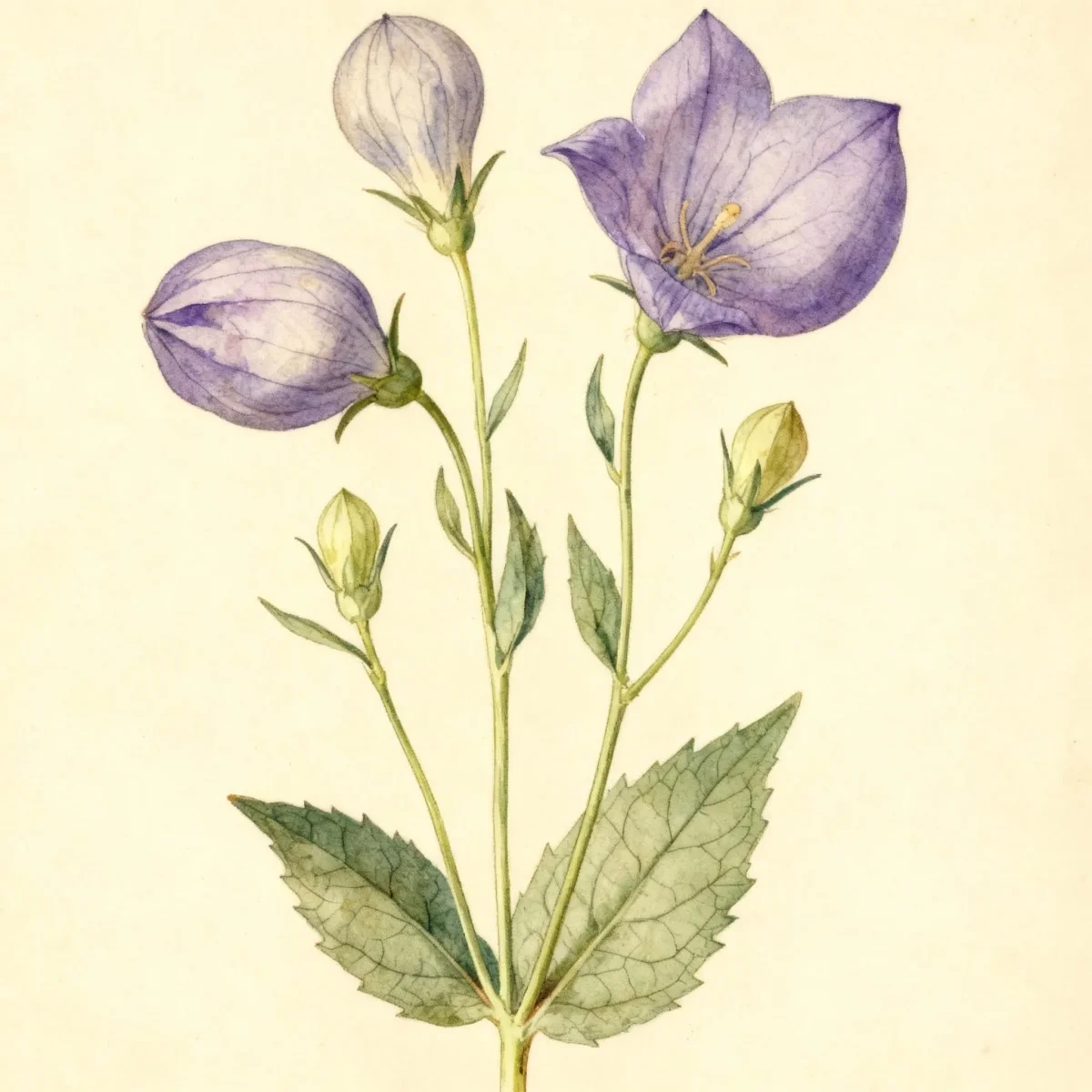
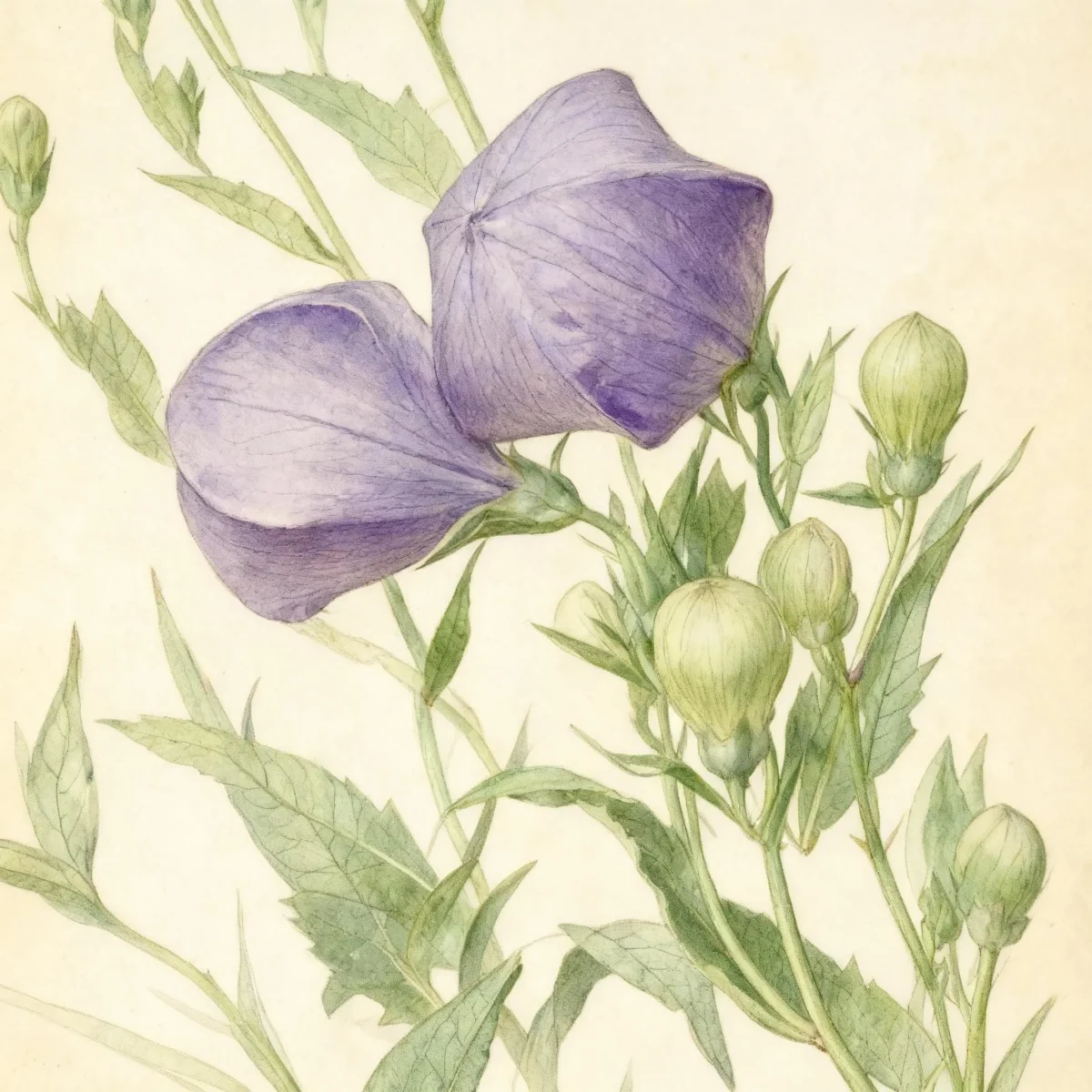
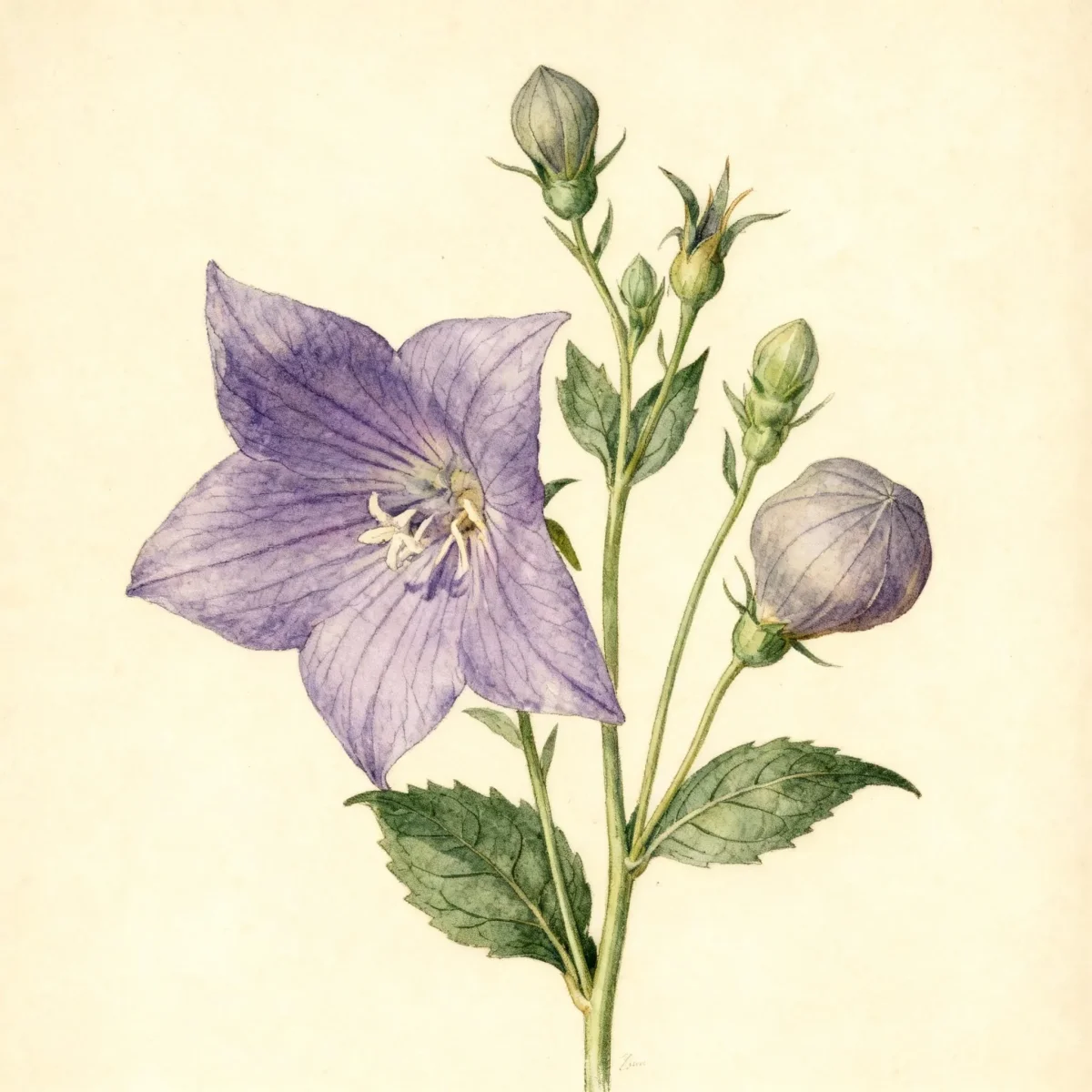
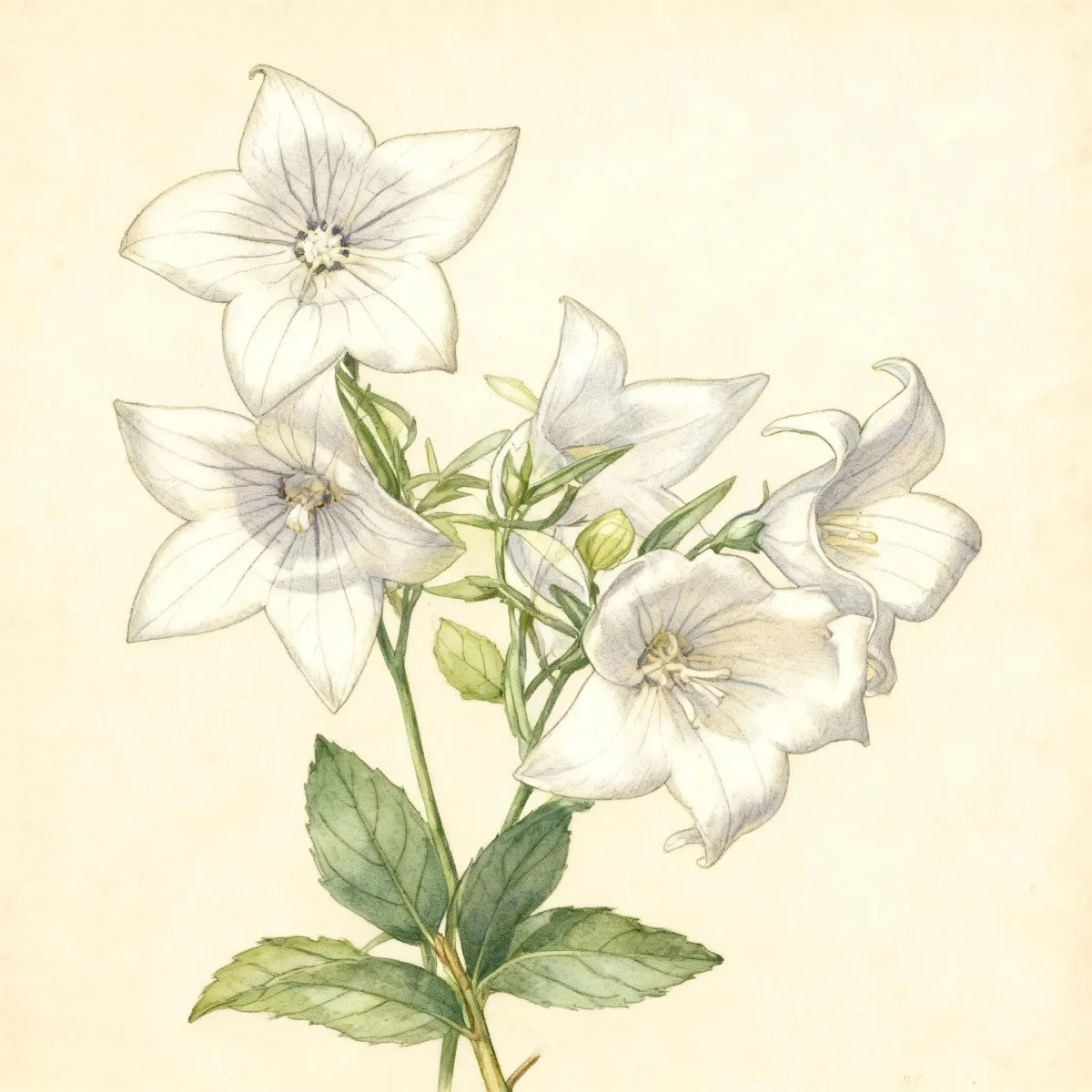
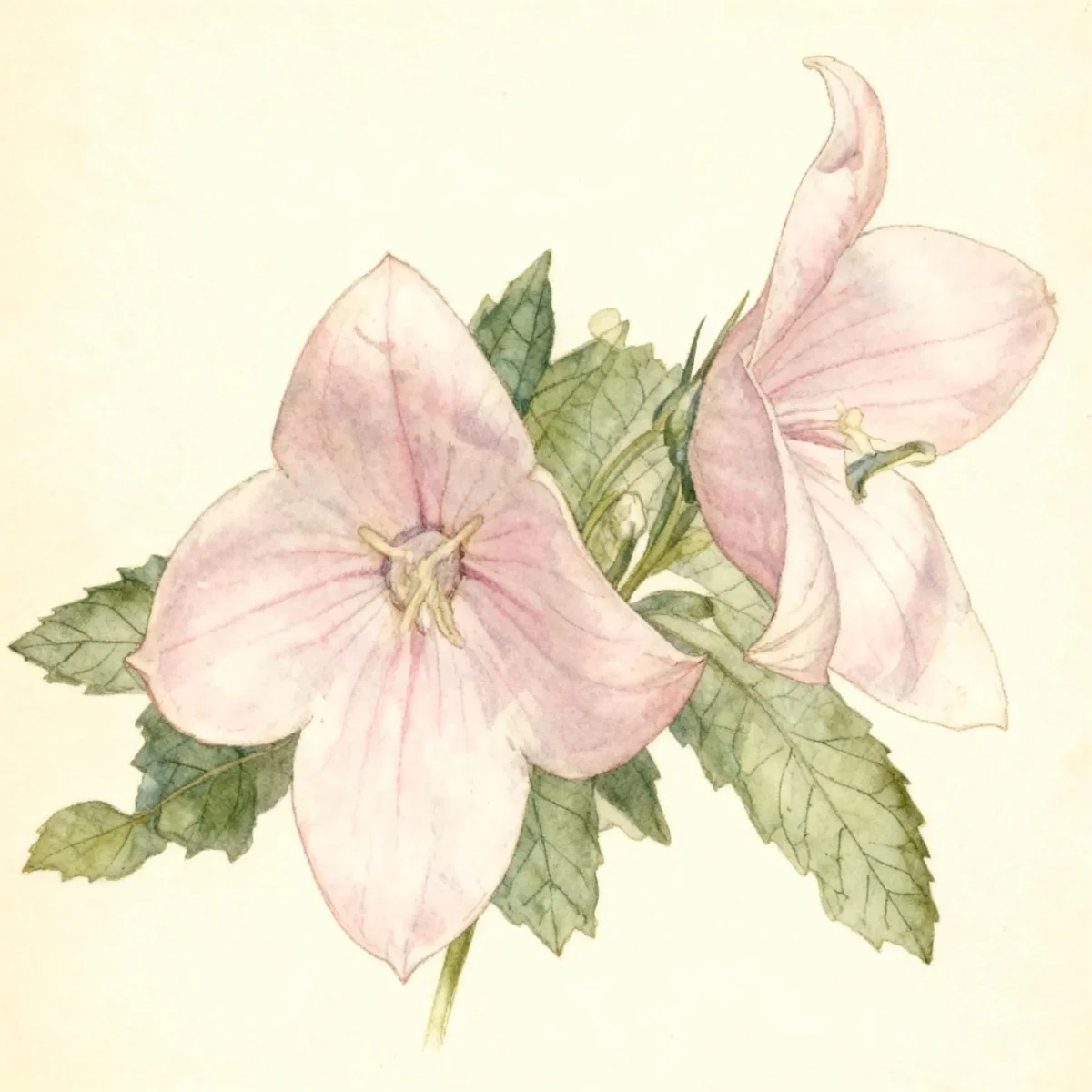
Balloon flower (Platycodon grandiflorus 'Astra Pink')
Platycodon grandiflorus 'Astra Pink', the compact Balloon flower, offers vibrant pink, bell-shaped blooms from June to August in sunny topart-shaded borders.

Bloom Boldly, No Matter the Season - Sweatshirt
Cozy organic cotton sweatshirt featuring our exclusive Purple Coneflower design. Perfect for gardeners who bloom year-round.
Inspired by the beautiful Balloon flower
Limited first batch (50) — join the waitlist for early access
Waitlist closes Feb 15, 2026.
Complete Plant Information
Field Guide Continues
Ready for care notes, companion picks, and planting tips?
The map is just the start. The full guide below covers growth habits, seasonal performance, and landscape uses.
Overview
The Platycodon grandiflorus ‘Astra Pink’, commonly known as the Balloon flower, is a cherished springtime selection valued for its unique bud structure and reliable summer color. Before the flowers open, the buds inflate like small balloons, providing distinct ornamental interest even before the bloom period begins. This compact cultivar ensures that gardeners can enjoy the deep pink, star-shaped flowers without needing extensive support.
As a low-maintenance herbaceous perennial, the Balloon flower fits seamlessly into many garden designs, providing excellent texture contrast with its blue-green foliage. Its ability to thrive in conditions ranging from full sun to partial shade makes it surprisingly versatile for cottage gardens or contemporary borders.
Gardeners looking for long-lasting summer interest appreciate the reliable blooming nature of Platycodon grandiflorus ‘Astra Pink’. Its generally trouble-free nature and manageable low stature make it an excellent choice for edging, rock gardens, or containers where space is limited.
Fast Facts
- Plant Family: Campanulaceae
- Plant Type: Herbaceous perennial
- Hardiness Zones: USDA Zones 3-8
- Size at Maturity:
- Height: 0.5-1 ft
- Spread: 0.5-0.75 ft
- Bloom Time: June to August
- Bloom Description: Pink
- Sun Exposure: Full sun to part shade
- Water Needs: Medium
- Maintenance Level: Low
How to Grow
The ideal site for planting Platycodon grandiflorus ‘Astra Pink’ involves a location receiving full sun to partial shade, coupled with light, medium-moisture, organically rich, and well-drained loams. It is crucial to avoid overly wet or poorly-drained spots, as these conditions increase the risk of root rot. While this specific compact cultivar often requires no staking due to its naturally short stems, general advice for balloon flowers suggests ensuring deep planting depth, as they possess fragile, fleshy root systems.
Ongoing care for established plants is minimal, reflecting their low maintenance rating. Water consistently to maintain medium moisture levels, especially during dry periods. Fertilization is rarely necessary if the soil is organically rich. Deadheading the spent flowers is recommended, as this simple practice reliably prolongs the bloom duration throughout the summer months.
Be patient in the spring; Balloon flower stems emerge quite late compared to many perennials, often not showing growth until late spring. Gardeners should leave the old, dead stems standing through winter; these act as natural markers, preventing accidental damage to the crowns during early spring cultivation. Since ‘Astra Pink’ is easily grown from seed, propagation enthusiasts may prefer starting new plants this way, as division and transplanting of established clumps can be disruptive.
Landscape Uses
The compact habit of Platycodon grandiflorus ‘Astra Pink’ makes it an outstanding candidate for hardscaping features and formal designs. Its height of under one foot ensures it won’t obscure smaller neighbors. It excels when used for edging pathways or defining the front of perennial borders where its unique bud progression and bright pink flowers can be appreciated up close.
This plant integrates beautifully into rock gardens, spilling slightly over the stones, or tucked into pockets of well-drained scree. For container gardening, the uniform size and low spread of this Balloon flower cultivar make it an excellent mid-season filler, pairing well with taller spiky bloomers or trailing spillers that share similar sun and water requirements.
Standout Features
Flower Qualities
- Showy
Noteworthy Characteristics
The genus name Platycodon is derived from the Greek words platys (broad) and kodon (bell), describing the flower’s shape. Platycodon grandiflorus ‘Astra Pink’ is specifically noted as a dwarf, compact form, producing bright pink flowers up to 3 inches across atop stems only reaching 6 to 12 inches tall. These bell-shaped flowers open from dramatically puffed, balloon-like buds, blooming consistently throughout the summer season.
Tolerances
Potential Problems
The Balloon flower generally maintains a clean bill of health, posing little threat from serious insect pests or common fungal diseases. The primary concern relates to excessive moisture; root rot is a significant risk if soils are poorly drained or kept consistently soggy. Gardeners should also be vigilant in early spring and late fall for slugs and snails, which find the emerging, tender new growth particularly appealing.
Frequently Asked Questions
What hardiness zones is Platycodon grandiflorus ‘Astra Pink’ suitable for?
The Balloon flower is well-suited for gardeners in USDA Hardiness Zones 3 through 8.
How large does Balloon flower grow?
The compact Platycodon grandiflorus ‘Astra Pink’ typically reaches a height between 0.5 and 1 foot tall, with a spread of 0.5 to 0.75 feet wide.
What sun exposure does Platycodon grandiflorus ‘Astra Pink’ need?
This perennial performs best when positioned in an area that receives full sun exposure, though it will tolerate partial shade, especially during the hottest afternoon hours.
When does Balloon flower bloom?
You can expect the unique pink blooms of the Platycodon grandiflorus ‘Astra Pink’ to appear reliably from June through August each year.
Conclusion
The Platycodon grandiflorus ‘Astra Pink’ offers exceptional value through its unique bud structure, bright pink summer color, and reliably compact size, all wrapped up in a low-maintenance package. This cultivar allows more gardeners to enjoy the distinct beauty of the Balloon flower even in smaller or constrained areas. Before planting, confirm that your site provides well-drained soil and consult your local USDA zone to ensure optimal long-term success.
Companion Planting
When selecting partners for your Platycodon grandiflorus ‘Astra Pink’, focus on plants with similar needs for sun exposure and medium water, while prioritizing those that emerge earlier or later in the season to ensure continuous border interest. Because the Balloon flower emerges late, consider planting bulbs like Daffodils or early-blooming Alliums nearby; the spring bulbs will provide color and structure while the Balloon flower crowns are still dormant underground.
Conversely, for late-season coverage, pair the Platycodon grandiflorus ‘Astra Pink’ with late-summer bloomers such as Sedum ‘Autumn Joy’ or Asters. These companions appreciate the same sun exposure and can help mask the foliage of the Balloon flower once its summer bloom concludes, keeping the border vibrant until frost.
Design Ideas for Compact Perennials
The manageable 1-foot stature of Platycodon grandiflorus ‘Astra Pink’ makes it an MVP for formal design elements. Use straight lines or repeating patterns along the front of a mixed border to create structure that won’t overwhelm neighboring spring ephemerals or mid-sized perennials. Its rounded habit contrasts nicely with plants that feature fine, lacy foliage, such as certain varieties of ornamental grasses or Columbine.
For small urban gardens or patios, utilizing multiple Balloon flower plants in matching containers creates a cohesive, professional look. Because they are not overly aggressive spreaders, mass plantings work effectively, creating a dense drift of pink from early to mid-summer. This cultivar is excellent for creating visual pathways, acting as low “stepping stones” of color along a shaded walkway edge.