Spotted bellflower(Campanula punctata 'Pink Chimes')
Grow Pink Chimes spotted bellflower (Campanula punctata): nodding 2-inch blush-pink bells with maroon freckles, rhizomatous spreading habit, USDA zones 4–7 care.
Complete Plant Information
- Hardiness zones
- USDA 4–7
- Plant type
- Herbaceous perennial
- Plant family
- Campanulaceae
- Sun exposure
- Full sun to part shade
- Water needs
- Medium
- Maintenance
- Low
- Height
- 1–1.5 ft (30–46 cm)
- Spread
- 1.5–2 ft (46–61 cm)
- Bloom time
- June to July
- Flower color
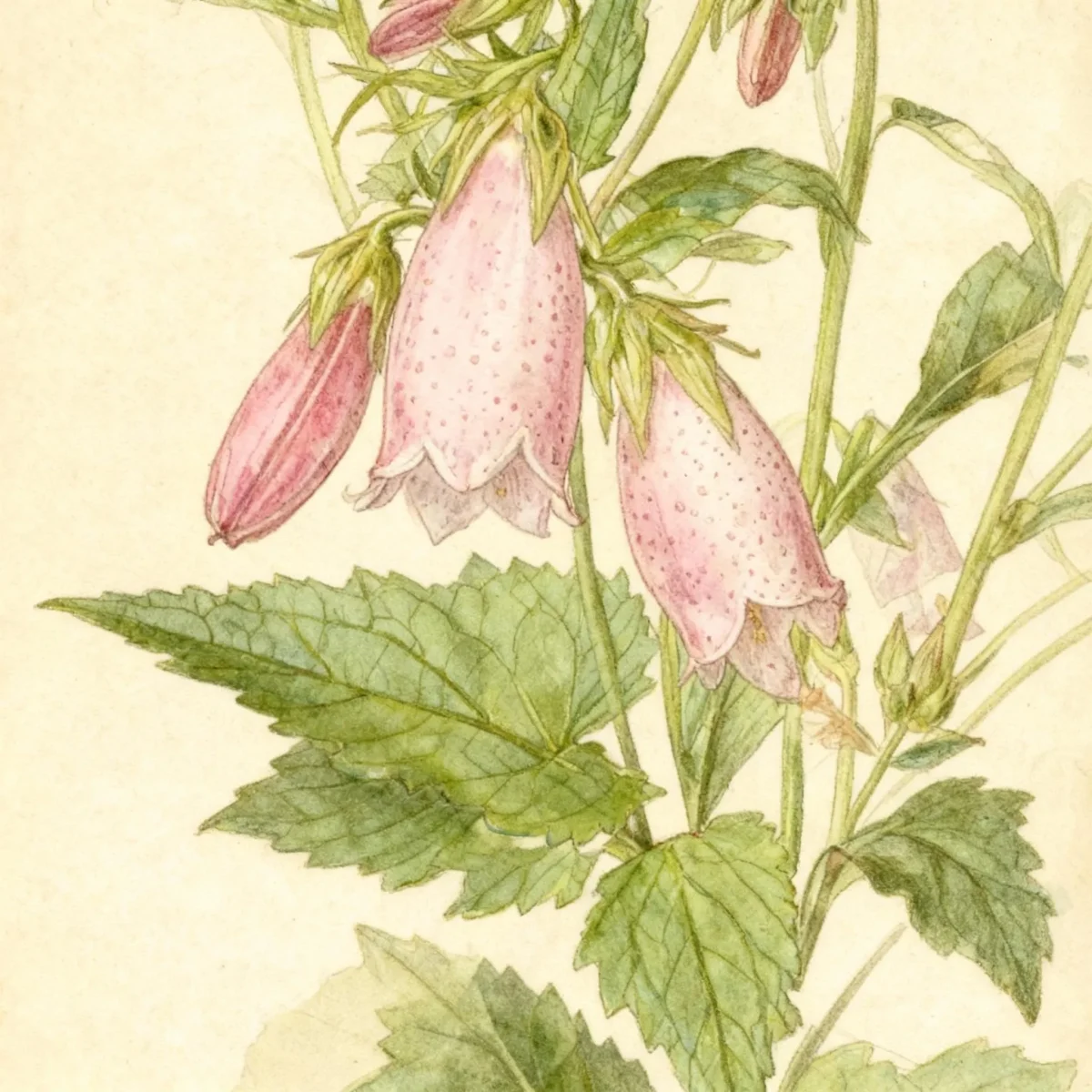
- Nodding, 2-inch tubular-bell flowers of soft blush-pink densely freckled inside with maroon spots
- Flower qualities
- Showy, Long-blooming, Pollinator friendly
- Fruit qualities
- Not recorded
- Tolerances
- Deer, Rabbit, Cold Exposure
- Garden uses
- Cottage garden border, naturalized woodland slope, groundcover carpet, rockery
- Native range
- Siberia, Russian Far East, northeast China, Korea, Japan (cultivar selection)
Field Guide Continues
Ready for care notes, companion picks, and planting tips?
The map is just the start. The full guide below covers growth habits, seasonal performance, and landscape uses.
Overview
Pink Chimes spotted bellflower (Campanula punctata ‘Pink Chimes’) is a vigorous, long-blooming perennial in the bellflower family (Campanulaceae), hardy across USDA Zones 4 through 7. Native to the cool mountain meadows and woodland edges of Siberia, northeast China, and Japan, it forms a low basal rosette of heart-shaped toothed leaves that sends up upright flowering stems 12 to 18 inches tall. From June through July, it produces nodding, pendulous 2-inch bell-shaped blossoms of delicate silvery blush-pink, each flower intricately freckled inside with crimson-maroon spots and lined with fine translucent hairs.
Bumblebees and native solitary bees crawl completely inside the nodding tubular bells to forage, emerging dusted in pale pollen.
How to Grow
- Hardiness & Cold Resilience: USDA Zones 4 through 7. Fully cold-hardy across the northern tier of North America, emerging vigorously after subzero snowmelt.
- Southern Climate Limitation: Performs poorly in the humid Deep South (USDA Zones 8 and 9), where summer night temperatures consistently exceed 70°F (21°C). High night heat combined with stagnant humidity causes foliage to wilt, melt out, and die.
- Sunlight: Full sun to partial shade. In northern regions (Zones 4 and 5), full sun produces the sturdiest flowering stems; in Zone 7, provide dappled afternoon shade.
- Soil & Moisture: Prefers average, moist, organically rich, well-draining soil. Provide consistent moisture during the June bloom flush. Avoid waterlogged or saturated winter soils.
- Deadheading for Repeat Bloom: Snip or shear spent flower stems just above the basal foliage rosette after the primary June flush to stimulate a secondary wave of blossoms through late summer.
Landscape Uses
- Cottage Garden Borders: Nodding blush-pink bells create romantic, informal movement along mid-border pathways.
- Naturalized Woodland Slopes: Shallow creeping rhizomes knit together to stabilize moist, dappled slopes and suppress weed seeds.
- Pollinator Gardens: A favorite nectar source for native bumblebees and pollinators in early summer.
Potential Problems
- Rhizomatous Spreading: Unlike clump-forming bellflowers, ‘Pink Chimes’ spreads via shallow underground runners; sink an edging barrier or divide runners every 2 to 3 years if planted beside slow-growing alpine perennials.
- High Night Heat Melt-Out: Fails south of Zone 7 due to summer night heat exceeding 70°F (21°C).
- Rust and Slugs: Wet, stagnant conditions can occasionally cause foliar rust; ensure adequate air circulation.
Frequently Asked Questions
Why is it called spotted bellflower?
The specific name punctata translates to “spotted,” describing the dense freckling of ruby-purple dots inside the pale pink bells.
Does ‘Pink Chimes’ spread aggressively?
In rich, loose garden soils, it spreads via shallow rhizomes to form a wide groundcover. It is easily contained by digging up outer runners or installing border edging.
Can spotted bellflower grow in hot climates?
No. It requires cool summer nights and struggles to survive where nighttime temperatures stay above 70°F in summer (Zones 8 and warmer).
Companion Plants
Pair Pink Chimes spotted bellflower with perennials that appreciate cool summers and moist, well-draining soil:
- Contrasting Foliage: Plant alongside broad hostas or Japanese painted ferns (Athyrium niponicum).
- Summer Blooming Companions: Combine with upright Siberian irises, foxgloves (Digitalis), or columbines (Aquilegia).
- Cottage Garden Partners: Interplant near hardy cranesbill geraniums (Geranium macrorrhizum) or lady’s mantle (Alchemilla mollis).
Sources & Lineage
- Missouri Botanical Garden PlantFinder: Record taxon 262361 (Campanula punctata ‘Pink Chimes’) — morphological description, dimensions, and cultivation.
- Kew Plants of the World Online (POWO): Campanula punctata Lam. (POWO: 140913-1) — species taxonomy, family (Campanulaceae), and East Asian distribution.
- Royal Horticultural Society (RHS): Campanula punctata Profile — garden performance, rhizome spread, and cool-climate culture.
Recommended Companion Plants

Spotted bellflower
Campanula punctata 'Cherry Bells'
- USDA zones
- 5–7
- Light
- Full sun to part shade
- Water
- Medium
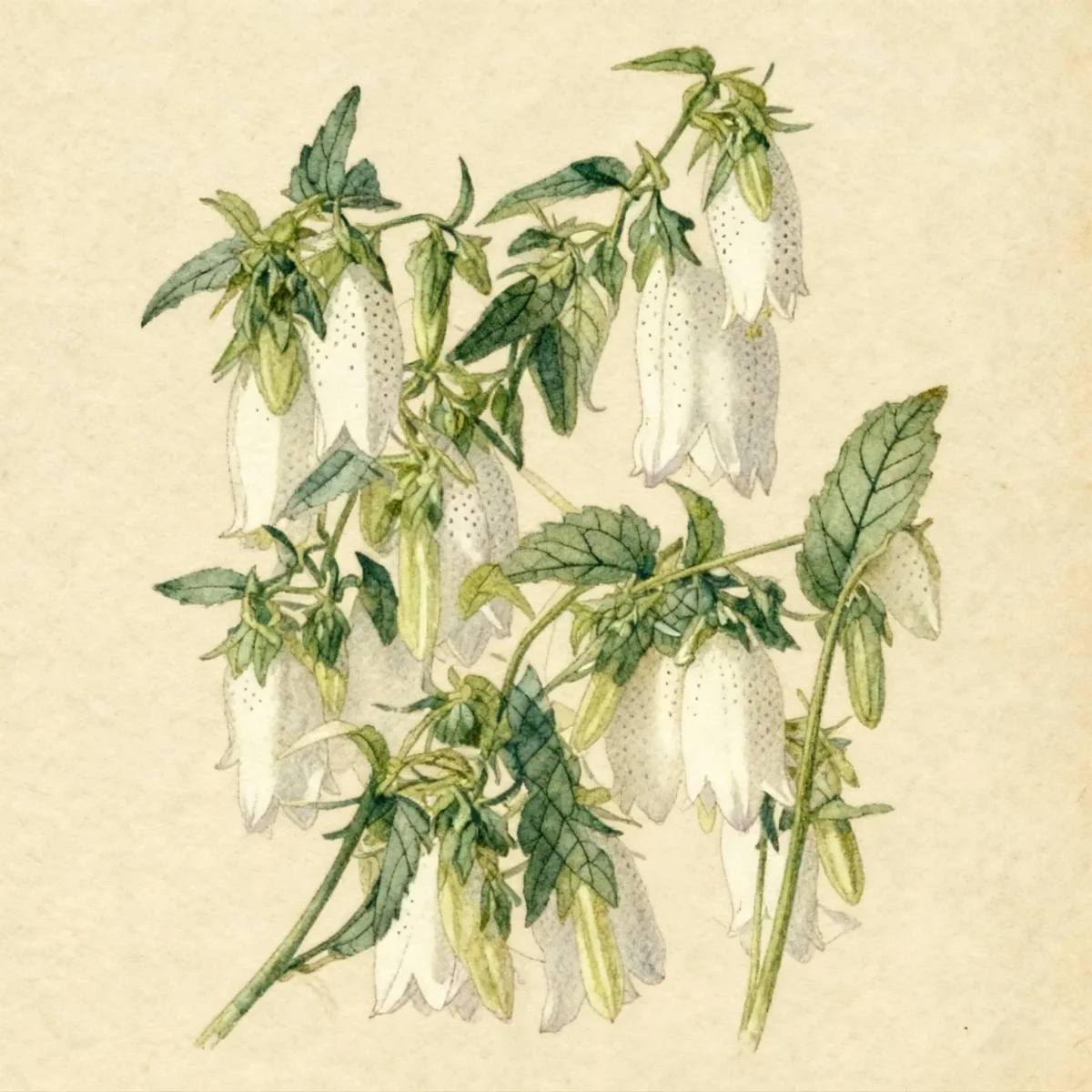
Spotted bellflower
Campanula punctata
- USDA zones
- 5–7
- Light
- Full sun to part shade
- Water
- Medium
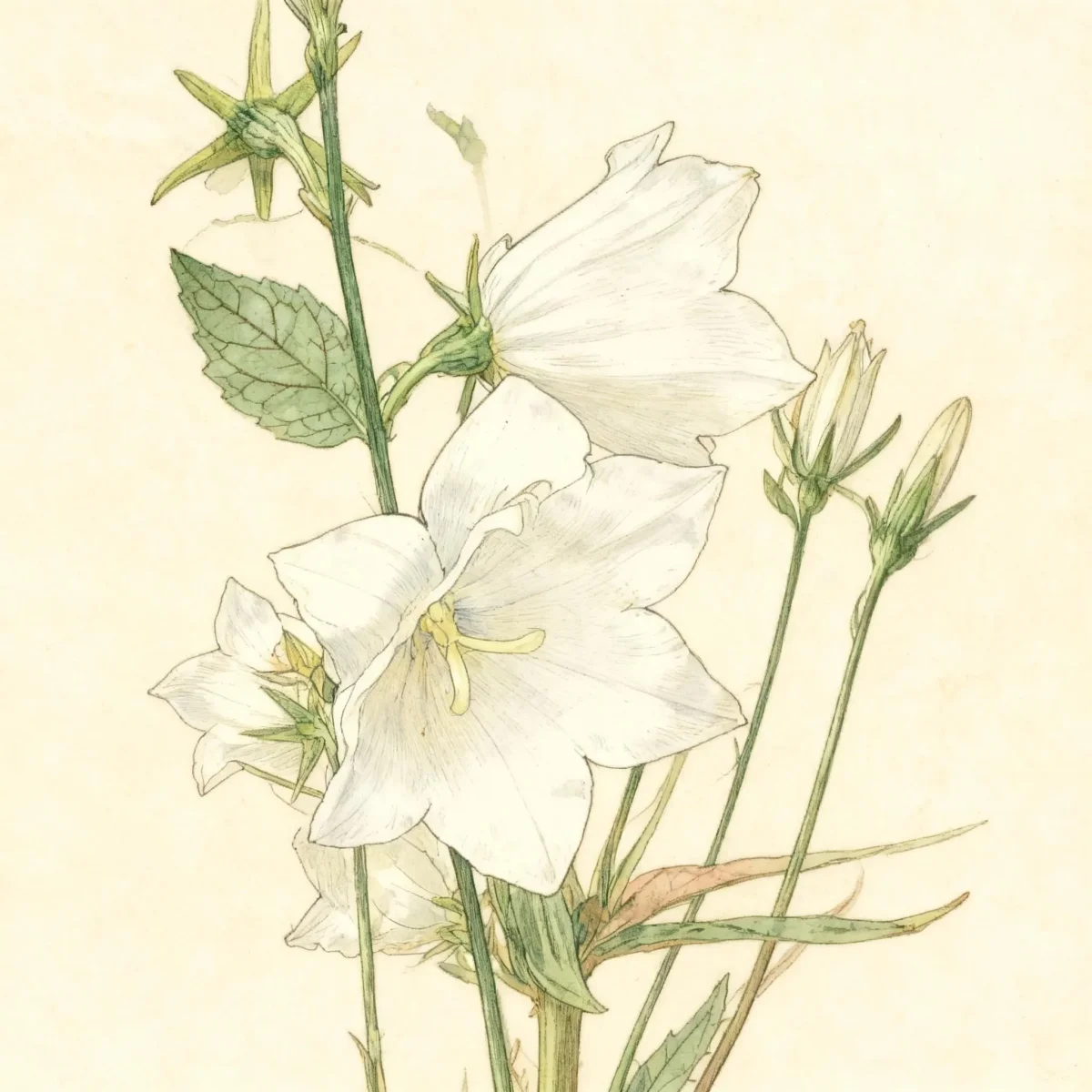
Peach-leaved bellflower
Campanula persicifolia 'Chettle Charm'
- USDA zones
- 3–7
- Light
- Full sun to part shade
- Water
- Medium
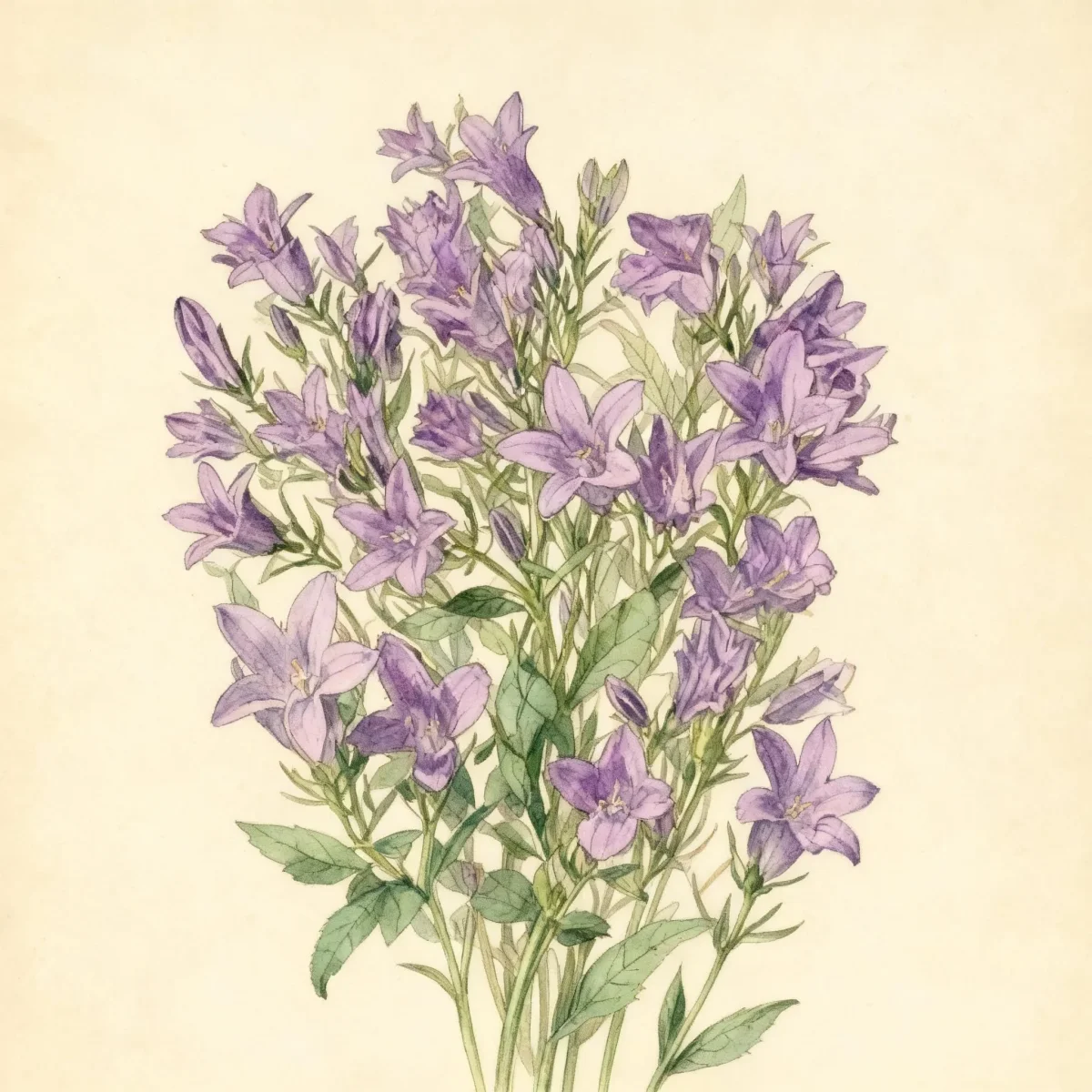
Serbian bellflower
Campanula poscharskyana 'Stella'
- USDA zones
- 3–8
- Light
- Full sun to part shade
- Water
- Medium

Bellflower
Campanula takesimana 'Elizabeth'
- USDA zones
- 5–8
- Light
- Full sun to part shade
- Water
- Medium
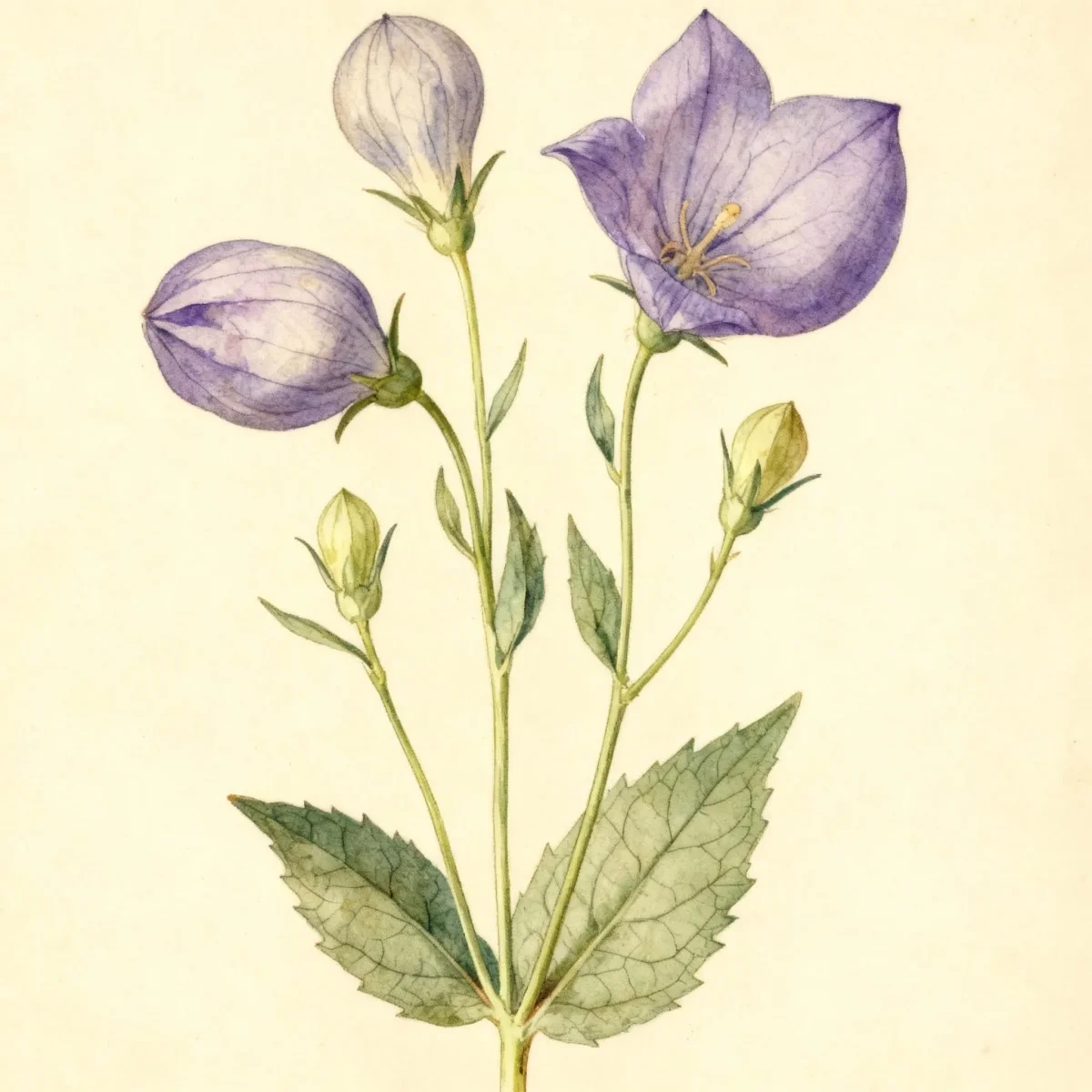
Balloon flower
Platycodon grandiflorus 'Hakone Blue'
- USDA zones
- 3–8
- Light
- Full sun to part shade
- Water
- Medium
Keep Learning
Test what you know with a garden quiz
You have the plant facts and care notes. Continue with a related challenge, or browse the complete quiz library.

Can You Identify These Common Garden Plants? Test Your Plant Knowledge
Think you know your roses from your peonies? Test your plant identification skills with our comprehensive garden plant quiz featuring 10 challenging questions.
Start quiz
USDA Garden Zone Map Quiz
Use this USDA garden zone map quiz to check whether you can read hardiness zones and choose plants with more confidence.
Start quizBrowse the full quizzes section
Explore plant identification, zone strategy, and seasonal gardening challenges.
View all quizzes