Black-eyed Susan (Rudbeckia hirta 'Indian Summer')
Rudbeckia hirta 'Indian Summer' offers huge, stunning blooms ideal for borders. This Black-eyed Susan variety thrives in full sun.
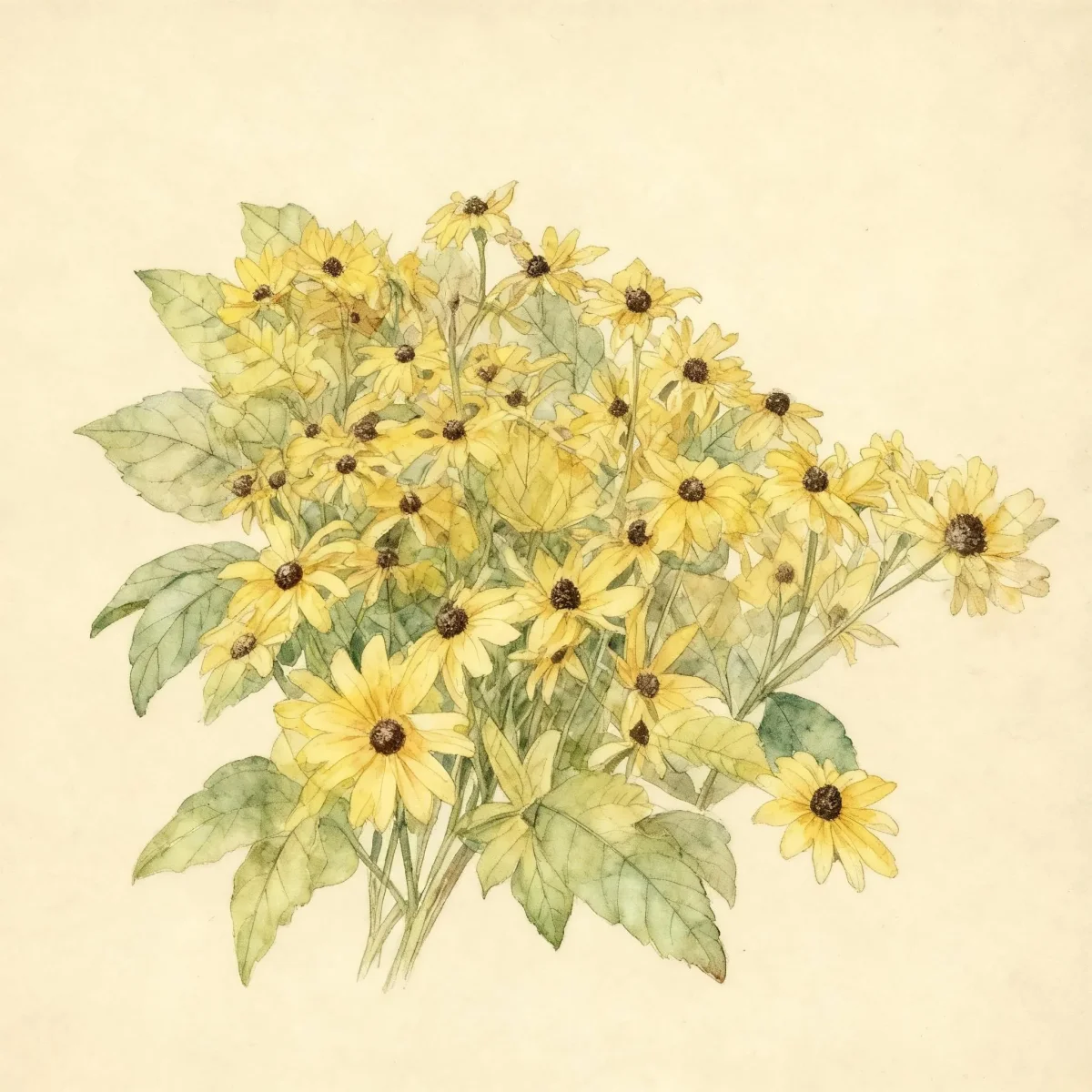

Bloom Boldly, No Matter the Season - Sweatshirt
Cozy organic cotton sweatshirt featuring our exclusive Purple Coneflower design. Perfect for gardeners who bloom year-round.
Inspired by the beautiful Black-eyed Susan
Limited first batch (50) — join the waitlist for early access
Waitlist closes Feb 15, 2026.
Complete Plant Information
Field Guide Continues
Ready for care notes, companion picks, and planting tips?
The map is just the start. The full guide below covers growth habits, seasonal performance, and landscape uses.
Overview
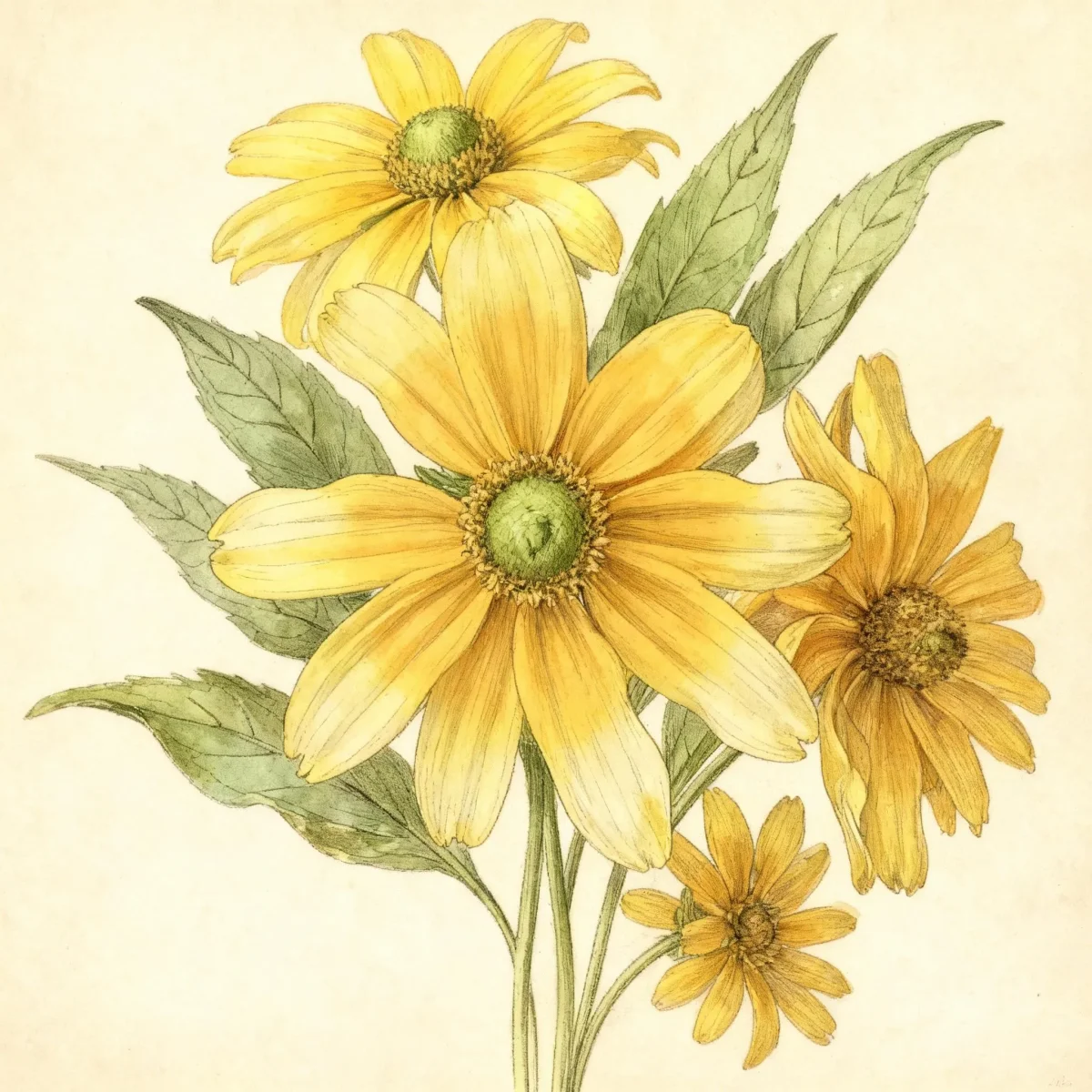
Rudbeckia hirta ‘Indian Summer’ is celebrated for its incredibly vivid and large daisy-like flowers, bringing bold, stunning color to summer and fall gardens. Commonly known as Black-eyed Susan, this variety distinguishes itself with flowerheads reaching 6 to 9 inches in diameter, featuring brilliant yellow rays contrasted against dark, domed centers. While technically a short-lived perennial, it is often grown as an annual due to its prolific first-year blooming habit from spring seed.
This Hairy Coneflower is an excellent choice for gardeners seeking low-maintenance impact, tolerating a wide range of conditions once established. It thrives with minimal fuss, provided it receives adequate sunlight in well-drained media, making Rudbeckia hirta ‘Indian Summer’ a dependable workhorse in the perennial border. Its robust nature ensures excellent performance through the heat of summer until the first hard frost.
Its structure—stiff, upright stems supporting the large blooms—makes it an excellent architectural anchor in mixed plantings. The reliable return of this bright bloom ensures consistent color and reliable texture, solidifying the Black-eyed Susan’s place in both formal settings and wilder landscape designs.
Fast Facts
- Plant Family: Asteraceae
- Plant Type: Herbaceous perennial
- Hardiness Zones: USDA Zones 3-7
- Size at Maturity:
- Height: 2-3 ft
- Spread: 1-2 ft
- Bloom Time: June to frost
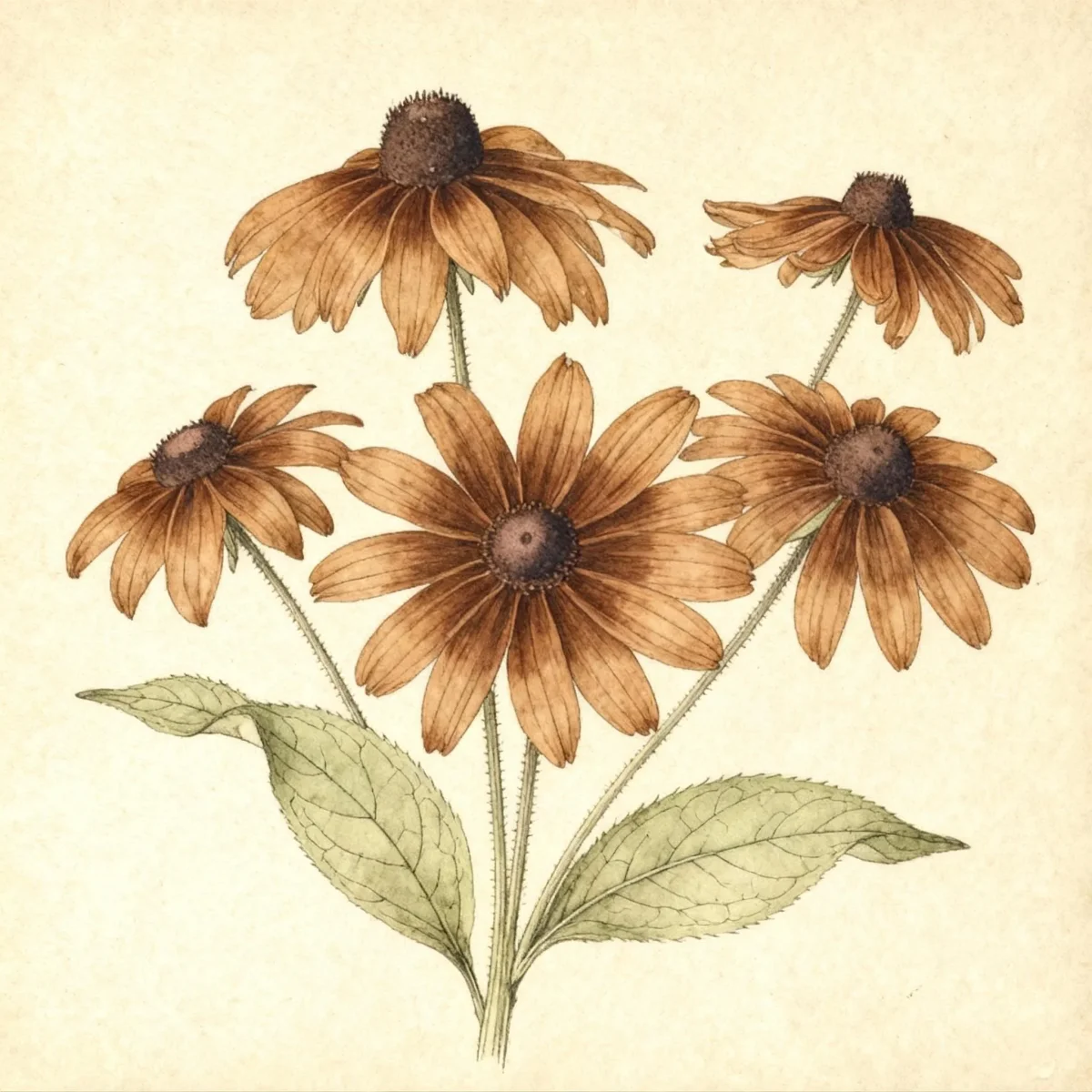
- Bloom Description: Bright yellow rays and purplish-brown center disks
- Sun Exposure: Full sun
- Water Needs: Medium
- Maintenance Level: Low
How to Grow
Planting Rudbeckia hirta ‘Indian Summer’ is straightforward; whether starting indoors around March 1st for early color or direct sowing seeds after the last frost date, good drainage is key. This plant performs best in average, medium moisture, well-drained soils, though it appreciates organically rich soil when available. It thrives in full sun conditions, which are necessary to produce the largest flowerheads.
Care is generally low maintenance. Provide medium moisture, especially to young plants, though established Rudbeckia hirta ‘Indian Summer’ demonstrates good heat and drought tolerance once settled. Deadheading spent flowers is crucial; this encourages a flush of additional blooms throughout the season and also manages the plant’s vigorous self-seeding habit.
As an annual or short-lived perennial, maintenance focuses on encouraging bloom rather than long-term survival strategies. Even if plants do not overwinter in your specific microclimate, they frequently return the following year via these self-sown seedlings, ensuring the Black-eyed Susan remains a garden fixture.
Landscape Uses
The bold stature and vibrant coloring of Rudbeckia hirta ‘Indian Summer’ make it highly versatile. It is perfectly suited for defined borders, providing a striking vertical element against shorter foreground plants, or mass plantings where its collective color creates a swath of sunlight late in the season.
Consider using Rudbeckia hirta ‘Indian Summer’ in cottage gardens for a classic, slightly informal look, or integrate it into wild gardens and meadows where its native tendencies are complemented by surrounding grasses and prairie flowers. Furthermore, its stiff stems and large flowerheads secure its spot as a good cut flower, perfect for bringing that summertime cheer indoors.
Standout Features
Flower Qualities
- Showy
Noteworthy Characteristics
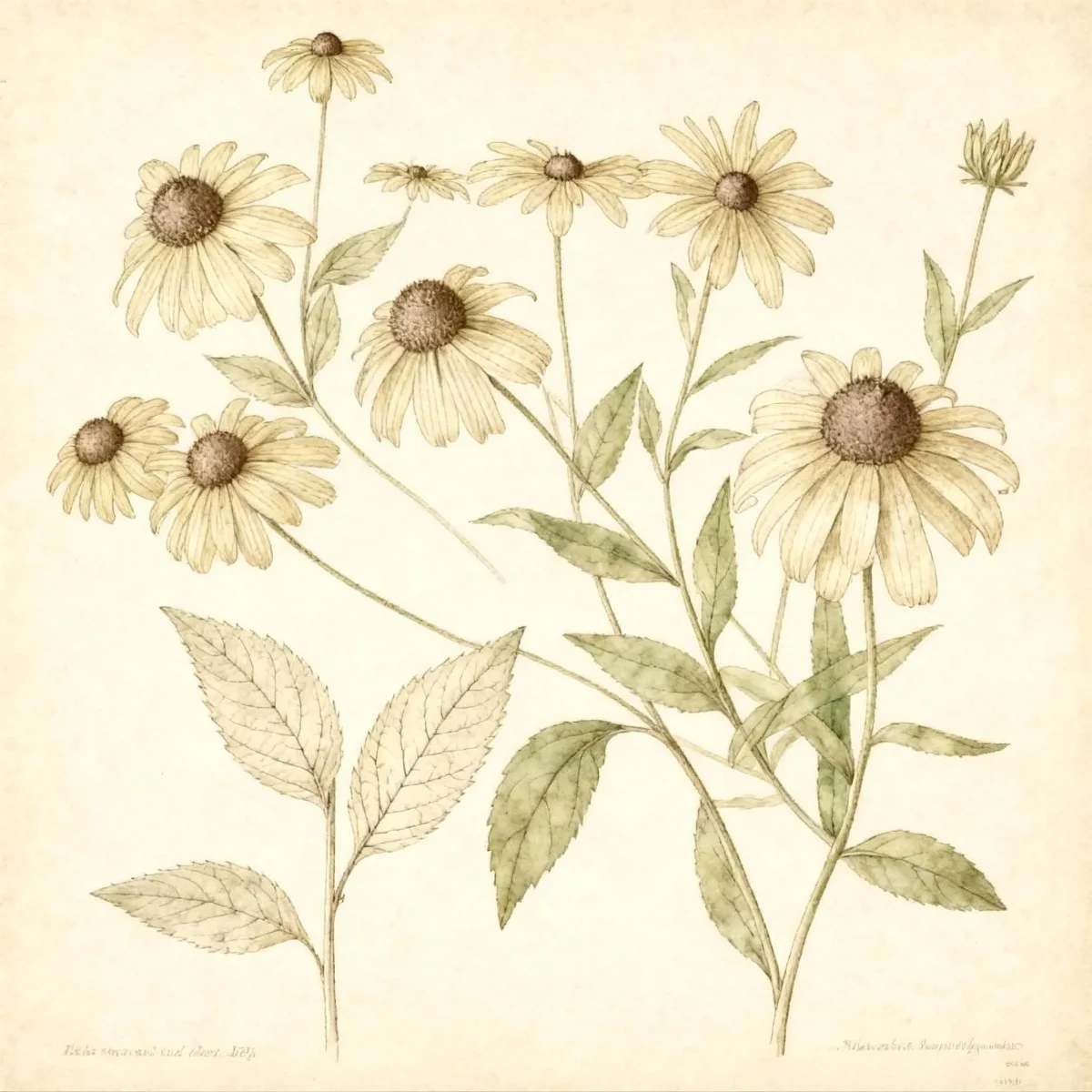
Rudbeckia hirta, commonly called black-eyed Susan, is a common Missouri native wildflower which typically occurs in open woods, prairies, fields, roadsides and waste areas throughout the State. It is a coarse, hairy, somewhat weedy plant that features daisy-like flowers (to 3” across) with bright yellow to orange-yellow rays and domed, dark chocolate-brown center disks. ‘Indian Summer’ produce huge flowerheads (6-9” diameter) that add bold, stunning color to borders. Genus name honors Olof Rudbeck (1630-1702) Swedish botanist and founder of the Uppsala Botanic Garden in Sweden where Carl Linnaeus was professor of botany.
Tolerances
- Deer
- Drought
- Clay Soil
Potential Problems
Rudbeckia hirta ‘Indian Summer’ is generally resilient, presenting few serious insect or disease issues when grown correctly. The primary concern for susceptibility is powdery mildew, which often appears under humid conditions or when air circulation is poor. To mitigate this, ensure adequate spacing between plants.
Slugs and snails can occasionally bother very young seedlings, so monitor new growth immediately following planting. Another factor to manage is its tendency to self-seed freely; if you do not wish for seedlings to appear everywhere the following spring, diligent deadheading before seeds fully mature is necessary. Deer, thankfully, tend to avoid this hairy foliage.
Frequently Asked Questions
What hardiness zones is Black-eyed Susan suitable for?
Rudbeckia hirta ‘Indian Summer’ is winter hardy across USDA Zones 3 through 7.
How large does Black-eyed Susan grow?
This cultivar typically reaches a height between 2 and 3 feet, with a spread ranging from 1 to 2 feet wide.
What sun exposure does Rudbeckia hirta ‘Indian Summer’ need?
For optimal blooming performance and to maintain its sturdy structure, this plant requires full sun exposure throughout the growing season.
When does Black-eyed Susan bloom?
The brilliant display of the Black-eyed Susan begins in June and continues consistently until the arrival of the first hard frost, featuring bright yellow rays and purplish-brown center disks.
Conclusion
The reliability and spectacular size of its blooms make Rudbeckia hirta ‘Indian Summer’ an indispensable addition to mid-to-late season gardens. Its toughness against drought and its tolerance for clay soil offer significant practical value for many gardeners facing imperfect growing conditions. Plan to integrate this vibrant Black-eyed Susan into your landscape now by checking your local USDA zone compatibility before early spring planting.
Wildlife Benefits
The classic daisy structure of the Black-eyed Susan is highly attractive to a wide variety of beneficial insects. Its prominent center disk is rich in pollen and nectar, making it a necessary inclusion for supporting local pollinator populations, including many species of native bees and butterflies searching for late-season sustenance.
While the foliage may deter larger grazers like deer, the seeds produced late in the season provide important food sources for songbirds as they prepare for winter. Planting Rudbeckia hirta ‘Indian Summer’ ensures a continuous supply of nutrition for the garden ecosystem spanning from peak summer well into autumn.
Companion Planting
Given that Rudbeckia hirta ‘Indian Summer’ demands full sun and tolerates drying conditions, pair it with other sun-loving, drought-tolerant natives. Excellent companions include ornamental grasses like Switchgrass (Panicum virgatum) or Prairie Dropseed (Sporobolus heterolepis), which offer textural contrast without competing heavily for moisture.
For flowering partners, consider adding plants that bloom slightly earlier or later to extend the overall display, such as early-season Salvia or later spikes of Sedum. In a cottage garden setting, its height works well behind shorter companions like Coreopsis or shorter perennial Geraniums.