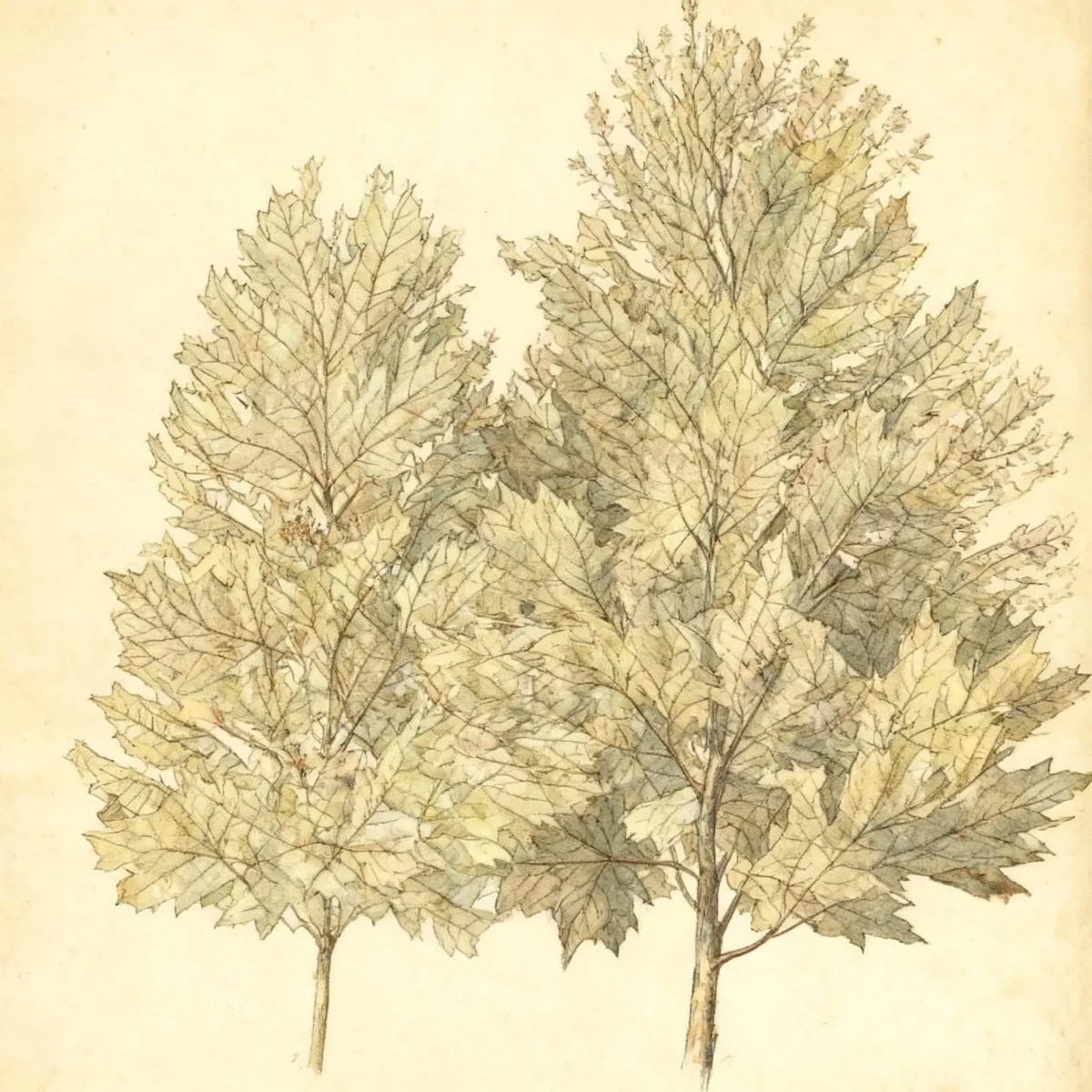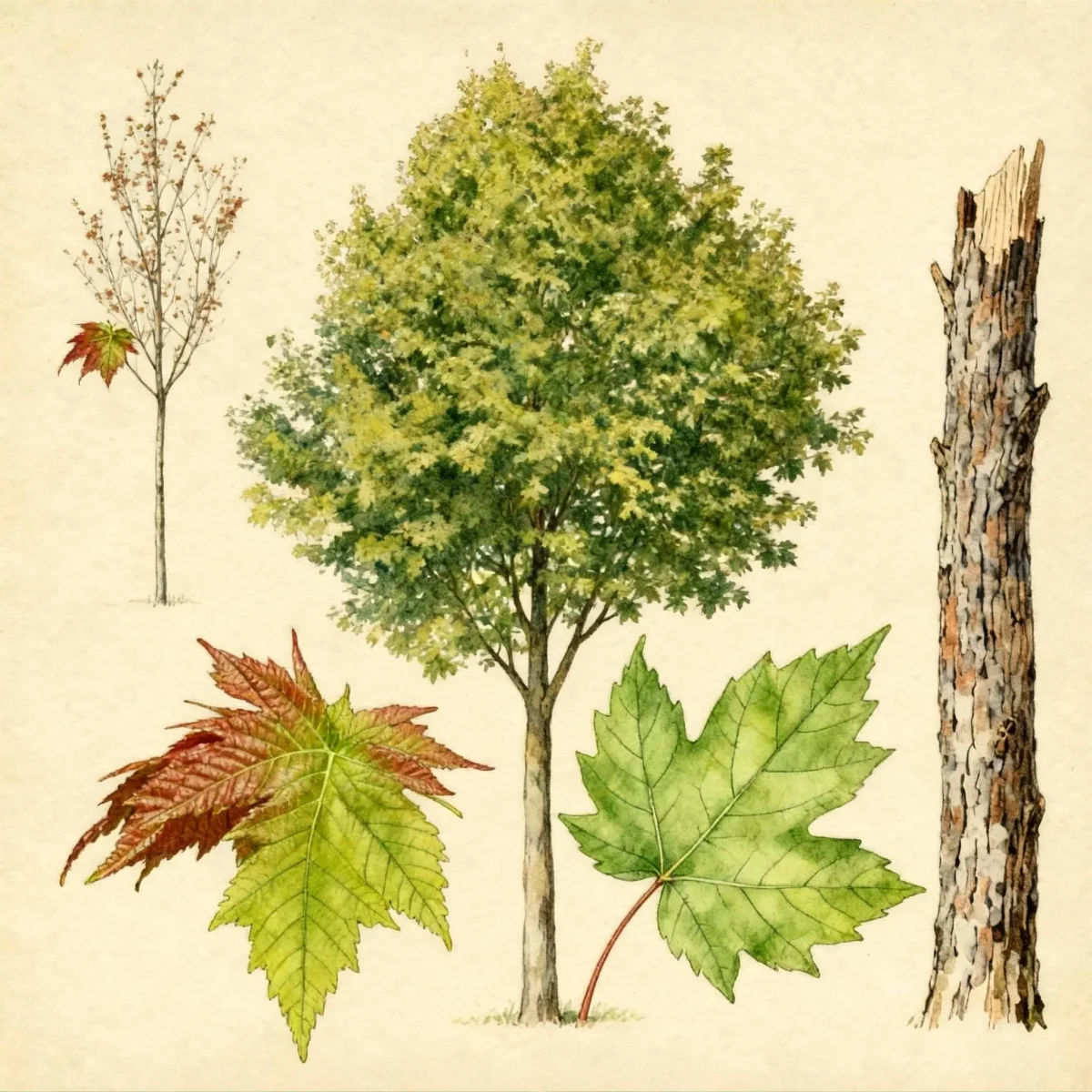

Freeman maple (Acer × freemanii 'Marmo')
The Acer × freemanii 'Marmo' is a stunning, low-maintenance Freeman maple valued for its superb fall color and adaptability across USDA zones 3-9.

Bloom Boldly, No Matter the Season - Sweatshirt
Cozy organic cotton sweatshirt featuring our exclusive Purple Coneflower design. Perfect for gardeners who bloom year-round.
Inspired by the beautiful Freeman maple
Limited first batch (50) — join the waitlist for early access
Waitlist closes Feb 15, 2026.
Complete Plant Information
Field Guide Continues
Ready for care notes, companion picks, and planting tips?
The map is just the start. The full guide below covers growth habits, seasonal performance, and landscape uses.
Overview
The Acer × freemanii ‘Marmo’, commonly known as the Freeman maple, is an esteemed hybrid recognized for blending the best traits of its parents, the Red Maple and Silver Maple. Gardeners prize this tree for its robust structure, strong upright-oval habit, and spectacular seasonal foliage display. This magnificent hybrid offers rapid growth and high adaptability, making the Freeman maple a fantastic choice for larger landscape features.
This deciduous tree typically reaches heights between 45 and 70 feet, providing substantial presence in established settings. Its cultural requirements are relatively forgiving, thriving in average to wet soils when provided full sun to partial shade. A key advantage of the ‘Marmo’ cultivar is its noted low maintenance level combined with exceptional color potential.
When planted correctly, Acer × freemanii ‘Marmo’ offers reliable structure and brilliant fall color ranging from scarlet-green to burgundy-yellow. Furthermore, growers will appreciate that this specific cultivar does not produce seed, eliminating common cleanup concerns associated with many other maple varieties.
Fast Facts
- Plant Family: Sapindaceae
- Plant Type: Tree
- Hardiness Zones: USDA Zones 3-9
- Size at Maturity:
- Height: 45-70 ft
- Spread: 35-45 ft
- Bloom Time: April
- Bloom Description: Red
- Sun Exposure: Full sun to part shade
- Water Needs: Medium to wet
- Maintenance Level: Low
How to Grow
Planting the Acer × freemanii ‘Marmo’ should occur either in spring or fall when conditions encourage root establishment. Select a location providing full sun to dappled afternoon shade and ensure the soil has adequate drainage, even though it tolerates wet conditions. This tree prefers moist, acidic soils, so testing and amending the pH prior to planting is beneficial for optimum vigor.
Established Freeman maples require medium watering, though consistent moisture is best during dry spells. Due to their hybrid vigor, heavy fertilization is usually unnecessary unless soil tests indicate severe deficiencies. Young plants may benefit from monitoring for common pests like leafhoppers and scale, but mature trees exhibit low maintenance overall.
Winter preparation is minimal for established trees once they enter dormancy in their appropriate hardiness zones (3-9). Pruning should focus primarily on removing crossing or damaged branches to maintain the strong central leader characteristic of the ‘Marmo’ selection. Remember that once established, this hybrid exhibits good tolerance to drought, though consistent moisture supports the best growth rate.
Landscape Uses
The stately stature of the Freeman maple makes Acer × freemanii ‘Marmo’ exceptionally well-suited as a specimen tree for open lawns or park settings, where its eventual size can be fully appreciated. Its solid structure and good form also secure its role as a premier street tree, capable of handling urban conditions better than many traditional maples.
Incorporating the ‘Marmo’ into rain garden designs is highly effective given its tolerance for wet soil conditions. This adaptability, combined with the vivid autumn display, allows it to serve as a strong vertical accent against evergreen backdrops or near water features. Consider pairing this large deciduous tree with durable, lower-growing shrubs that appreciate similar acidic soil profiles.
Standout Features
Flower Qualities
- Insignificant
Noteworthy Characteristics
Acer × freemanii, commonly called Freeman maple, is a hybrid of red maple (A. Rubrum) and silver maple (A. Saccharinum). The Freeman maple cultivars commonly sold in commerce today reportedly combine some of the best features of both parents, namely, solid structure, attractive form and showy fall color (from red maple) and adaptability and rapid growth (from silver maple). ‘Marmo’ is an upright-oval to broad columnar deciduous tree with a strong central leader, selected from trees planted in 1920 near Lake Marmo in Illinois. Its five-lobed leaves mature to medium green above and silver-gray beneath, providing superb fall color varying from scarlet-green to burgundy-yellow.
Tolerances
- Drought
- Clay Soil
- Wet Soil
Potential Problems
This low-maintenance tree generally avoids serious insect or disease issues, which is one reason for its popularity as a street tree. However, younger Acer × freemanii ‘Marmo’ specimens can occasionally be susceptible to minor infestations of leafhoppers or scale insects. Borers pose a potential threat, particularly to stressed or newly planted trees. Ensure adequate water during establishment and promote overall tree health to build natural resistance against pests.
Frequently Asked Questions
What hardiness zones is Freeman maple suitable for?
The Acer × freemanii ‘Marmo’ is highly adaptable, thriving across USDA Hardiness Zones 3 through 9.
How large does Acer × freemanii ‘Marmo’ grow?
This large hybrid tree matures to a substantial size, typically reaching 45 to 70 feet in height and spreading 35 to 45 feet wide.
When does Acer × freemanii ‘Marmo’ bloom?
The Freeman maple produces red blooms early in the season during April.
What sun exposure does Freeman maple need?
For the best performance and most reliable fall color, plant the Acer × freemanii ‘Marmo’ in full sun to a location receiving partial shade.
Conclusion
The Acer × freemanii ‘Marmo’ offers superior structure, vibrant seasonal aesthetics, and reliable performance across a wide range of soil types, solidifying its place as an excellent landscape tree. If you seek a dependable, large shade producer with minimal cleanup because it is seedless, the Freeman maple is an outstanding selection. Check your local soil pH and water availability, then plan to plant your Acer × freemanii ‘Marmo’ during optimal fall or spring timing.
Design Ideas for the Freeman Maple
The upright-oval habit of the ‘Marmo’ cultivar makes it an ideal anchor plant in large landscape designs where vertical impact is desired without excessive lateral spread immediately around the base. Since it is promoted for use as a specimen tree, placing it where it can be viewed from multiple vantage points, such as near a main entrance or property line, maximizes the visibility of its superb fall coloration. Use its high canopy potential to create usable shade over patios or driveways once the tree reaches maturity.
Because the Freeman maple tolerates wet soil and clay, it pairs well with moisture-loving understory plantings that can handle similar conditions, provided they do not compete too aggressively for topsoil nutrients. Consider pairing the developing shade cast by the Acer × freemanii ‘Marmo’ with shade-tolerant groundcovers, or use it to frame views towards architectural features of your home or yard.
Companion Planting Considerations
When designing near your Acer × freemanii ‘Marmo’, focus on plants that thrive in medium to wet soil moisture levels and appreciate the filtered light provided by a large tree canopy. Hydrangeas, especially those partial to acidic soil, often make excellent companions beneath the maturing canopy. Astilbes or native ferns are also suitable for adding texture to the ground layer while tolerating the dappled light conditions cast by the Freeman maple.
If planting in a rain garden setting due to its wet soil tolerance, select native grasses or moisture-loving perennials that complement the tree’s eventual size without overcrowding the root zone. Avoid shallow-rooted turf grasses directly abutting the trunk, as this contest for water and nutrients can stress even a tough tree like the Acer × freemanii ‘Marmo’.