Rose-gold pussy willow (Salix gracilistyla 'Melanostachys')
Distinctive Salix gracilistyla 'Melanostachys' offers striking black catkins with red anthers. This Rose-gold pussy willow excels in wet soils.


Bloom Boldly, No Matter the Season - Sweatshirt
Cozy organic cotton sweatshirt featuring our exclusive Purple Coneflower design. Perfect for gardeners who bloom year-round.
Inspired by the beautiful Rose-gold pussy willow
Limited first batch (50) — join the waitlist for early access
Waitlist closes Feb 15, 2026.
Complete Plant Information
Field Guide Continues
Ready for care notes, companion picks, and planting tips?
The map is just the start. The full guide below covers growth habits, seasonal performance, and landscape uses.
Overview
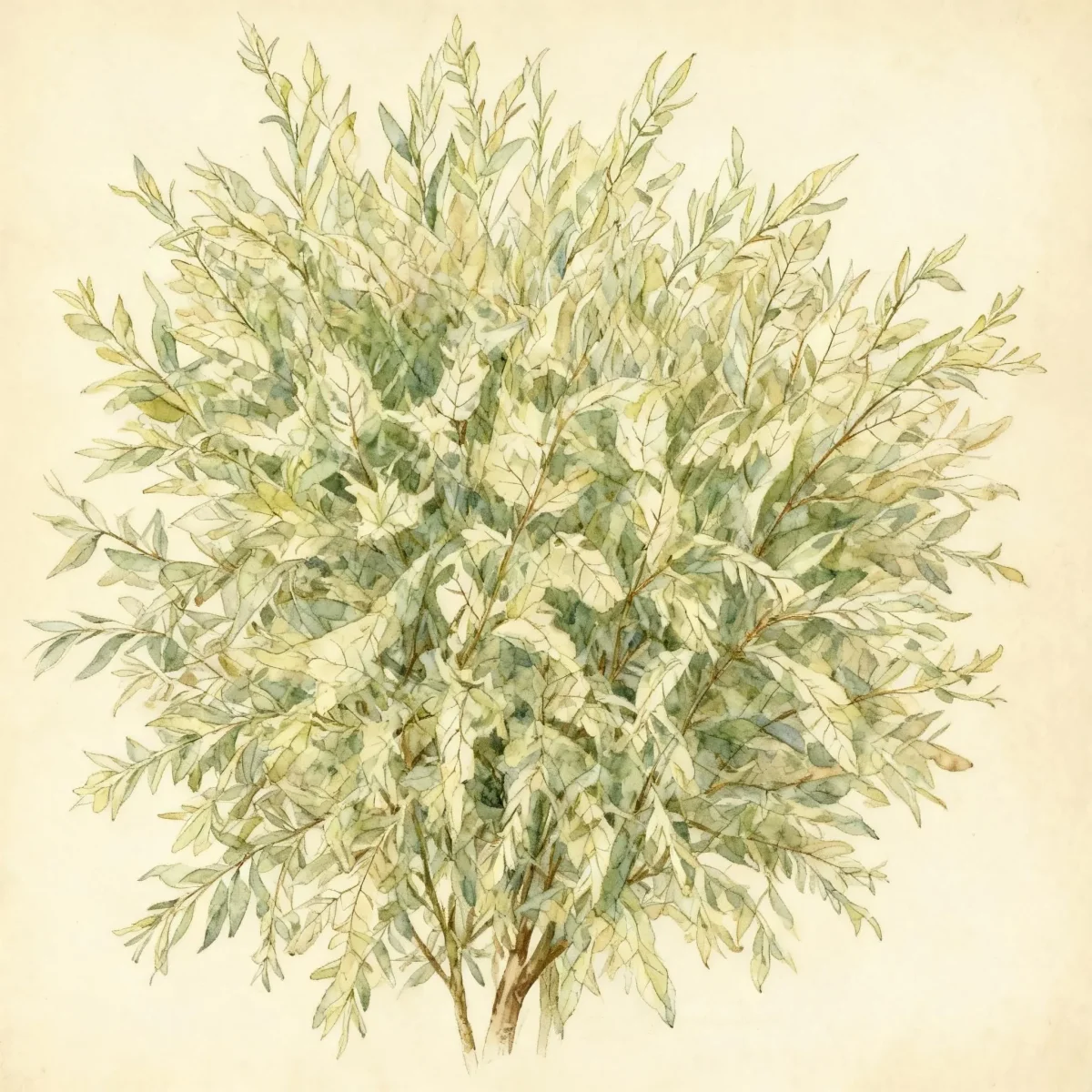
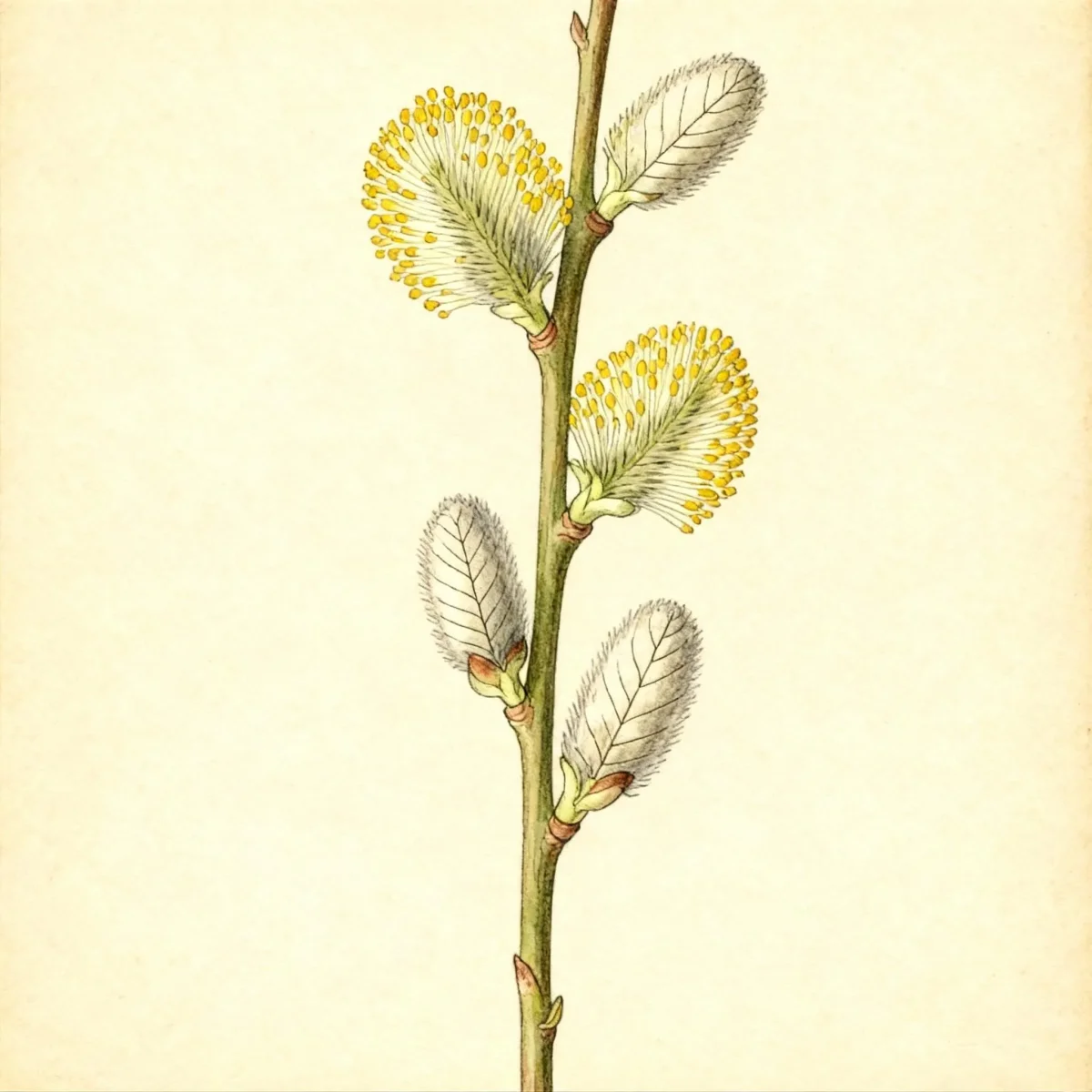
The Rose-gold pussy willow, scientifically known as Salix gracilistyla ‘Melanostachys’, is highly prized for its dramatic, early spring display of fuzzy catkins. These male catkins are uniquely deep purplish black, strikingly contrasted by vibrant red anthers, making them a favorite for winter interest before leaf-out. This deciduous shrub offers excellent architectural structure, reaching up to 10 feet tall and wide, and performs best in moist to wet conditions. Gardeners value the Salix gracilistyla ‘Melanostachys’ for its tolerance of difficult, wet sites, making it a superb choice for rain gardens or pond margins.
Fast Facts
- Plant Family: Salicaceae
- Plant Type: Deciduous shrub
- Hardiness Zones: USDA Zones 5-7
- Size at Maturity:
- Height: 6-10 ft
- Spread: 6-10 ft
- Bloom Time: March to April
- Bloom Description: Deep purplish black with red anthers
- Sun Exposure: Full sun to part shade
- Water Needs: Medium to wet
- Maintenance Level: Medium
How to Grow
Plant your Salix gracilistyla ‘Melanostachys’ in late fall or early spring, ensuring the crown is well-situated in a location offering full sun for the best bloom, although it tolerates part shade. This shrub thrives in average, medium to wet, well-drained soils, making it ideal for moisture-retentive areas like rain gardens—just be sure the drainage isn’t poor, as it is intolerant of consistently dry soils. Water regularly, especially while establishing, though established plants prefer consistently moist ground.
Maintenance is classified as medium, requiring attention primarily to its structure and potential pests. Prune damaged or dead wood in late winter or early spring before the buds swell. For significant size reduction or revitalization, you can cut plants back severely to the ground every 3 to 5 years.
Because the wood is naturally weak, site selection is crucial. Avoid planting the Rose-gold pussy willow where it will be exposed to heavy, damaging ice or snow loads. If you are using it as a structural element, ensure branches are protected from high winds that can cause breakage.
Landscape Uses
The primary role for this cultivar is leveraging its moisture tolerance; it excels in rain gardens or along the edges of ponds and streams where many shrubs fail. Remember to select a male plant if you desire the striking ornamental catkins, as only males produce the showy flowers. The Rose-gold pussy willow also performs well when incorporated into mixed border plantings or can be kept trimmed back for use as a dense, informal hedge.
The exceptional spring catkins make stems highly sought after for use as good cut flowers indoors. For indoor display, cut branches in late winter before full opening. This ensures you receive the best visual effect from the dark catkins and red anthers before they fade.
Standout Features
Flower Qualities
- Showy
- Good Cut
Noteworthy Characteristics
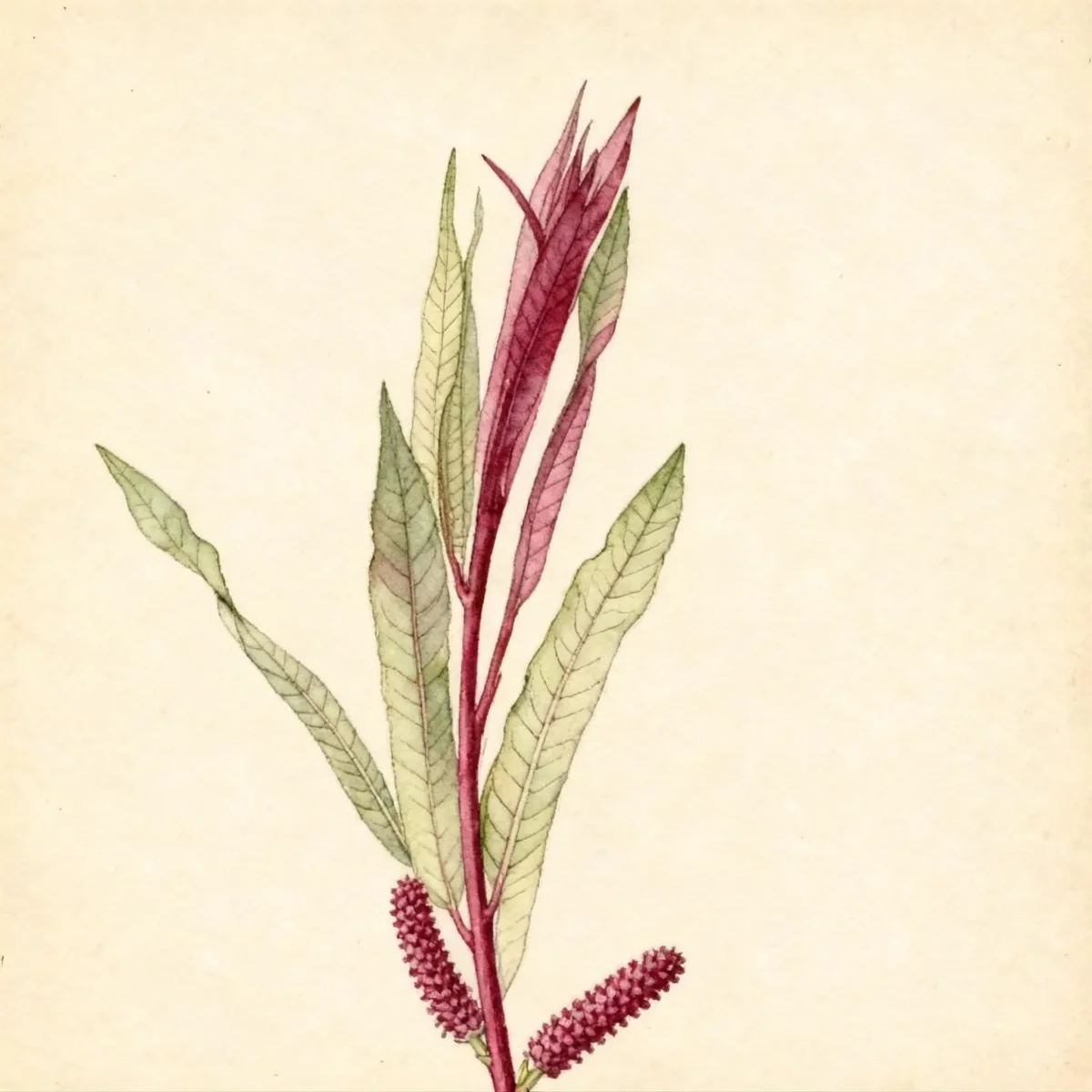
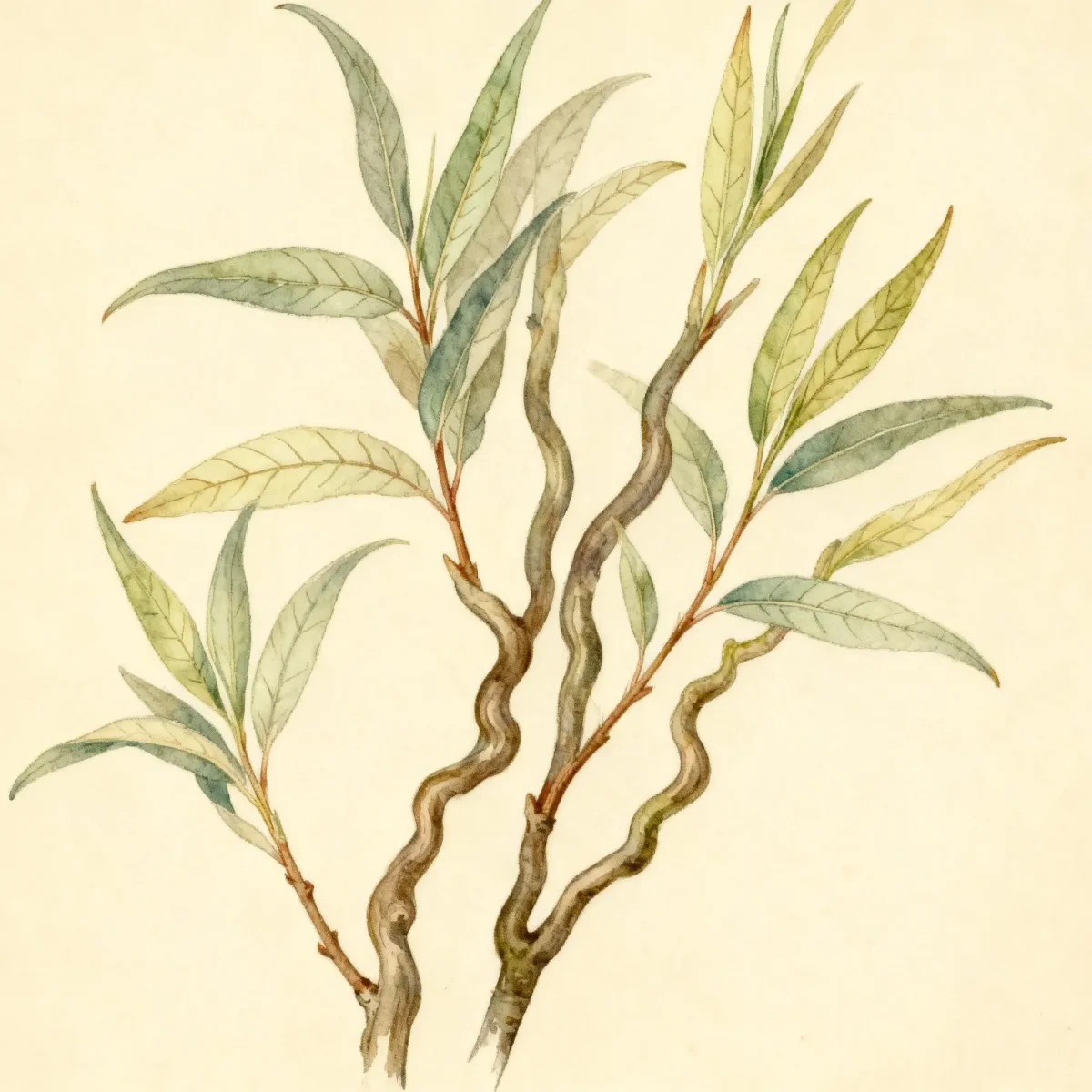
Look for the dark, almost black male spring catkins highlighted by showy red anthers that distinguish the ‘Melanostachys’ cultivar from the standard species. Beyond the early blooms, the winter stems show an attractive purplish-black color, offering textural appeal throughout the dormant season. Foliage consists of ovate, finely-toothed leaves that are dark green above and silver green beneath, providing good contrast.
Tolerances
- Deer
- Erosion
- Wet Soil
- Black Walnut
Potential Problems
The weak wood structure of this willow is perhaps its most significant structural drawback, easily damaged by heavy ice or snow accumulation, necessitating placement in somewhat sheltered sites. Furthermore, Salix gracilistyla ‘Melanostachys’ is susceptible to a variety of cosmetic and health issues, including powdery mildew, leaf spots, and blights. Combat these proactively by ensuring good air circulation through proper pruning and avoiding overhead watering. Insect pests like aphids and borers may also appear; monitor plants regularly and treat minor infestations promptly. Be mindful that the shallow, vigorous root system can aggressively seek water sources, potentially clogging drains or causing issues near foundations if planted too closely.
Frequently Asked Questions
What hardiness zones is Rose-gold pussy willow suitable for?
This selection is hardy in USDA Zones 5 through 7, making it reliable across a wide band of temperate climates.
How large does Salix gracilistyla ‘Melanostachys’ grow?
It typically matures into a medium shrub, reaching heights and spreads between 6 and 10 feet, though annual pruning can keep it smaller.
When does Salix gracilistyla ‘Melanostachys’ bloom?
The spectacular bloom occurs early in the season, usually from March through April, displaying deep purplish black catkins with contrasting red anthers.
What sun exposure does Rose-gold pussy willow need?
For the best spring floral display and overall health, this plant requires full sun, though it can tolerate partial shade.
Conclusion
The Rose-gold pussy willow brings unique, dark-hued drama to the late winter landscape, perfectly complementing the light grays and greens of early spring interest plants. The distinctive black catkins of Salix gracilistyla ‘Melanostachys’ make it an essential specimen for collectors interested in early color and texture. Before planting, confirm your site has medium to wet moisture levels and is relatively protected from severe winter weather, and then enjoy the low-commitment beauty this shrub offers.
Companion Planting
When selecting companions for your moisture-loving Salix gracilistyla ‘Melanostachys’, focus on plants that enjoy similar damp root runs but offer contrasting late-season color. Consider placing it near native ferns, which thrive in moist, partially shaded understories, or with water-loving perennials like Marsh Marigold (Caltha palustris) or various Irises (Iris species). These pairings ensure that the area remains visually interesting long after the signature pussy willow catkins have faded into foliage.
Design Ideas
Utilize the upright, spreading habit of this deciduous shrub to create visual barriers or frame water features. Because it can be aggressively pruned, grouping several Salix gracilistyla ‘Melanostachys’ plants closely together creates a dense, living screen or hedge that excels in damp borders. In modern landscape design, place it against evergreen hedging or dark stone hardscaping to maximize the contrast against its silvery-green spring foliage and dark winter stems.