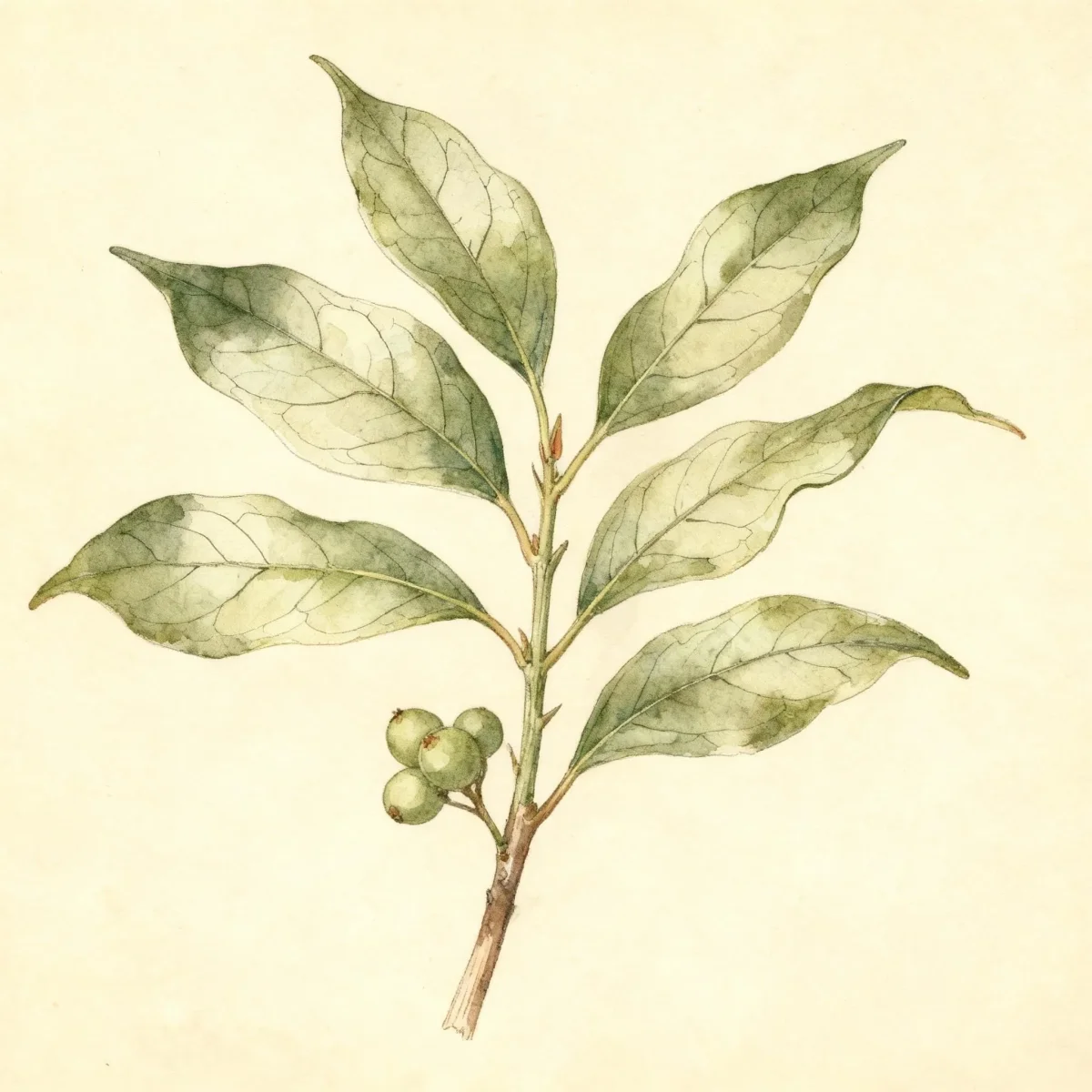
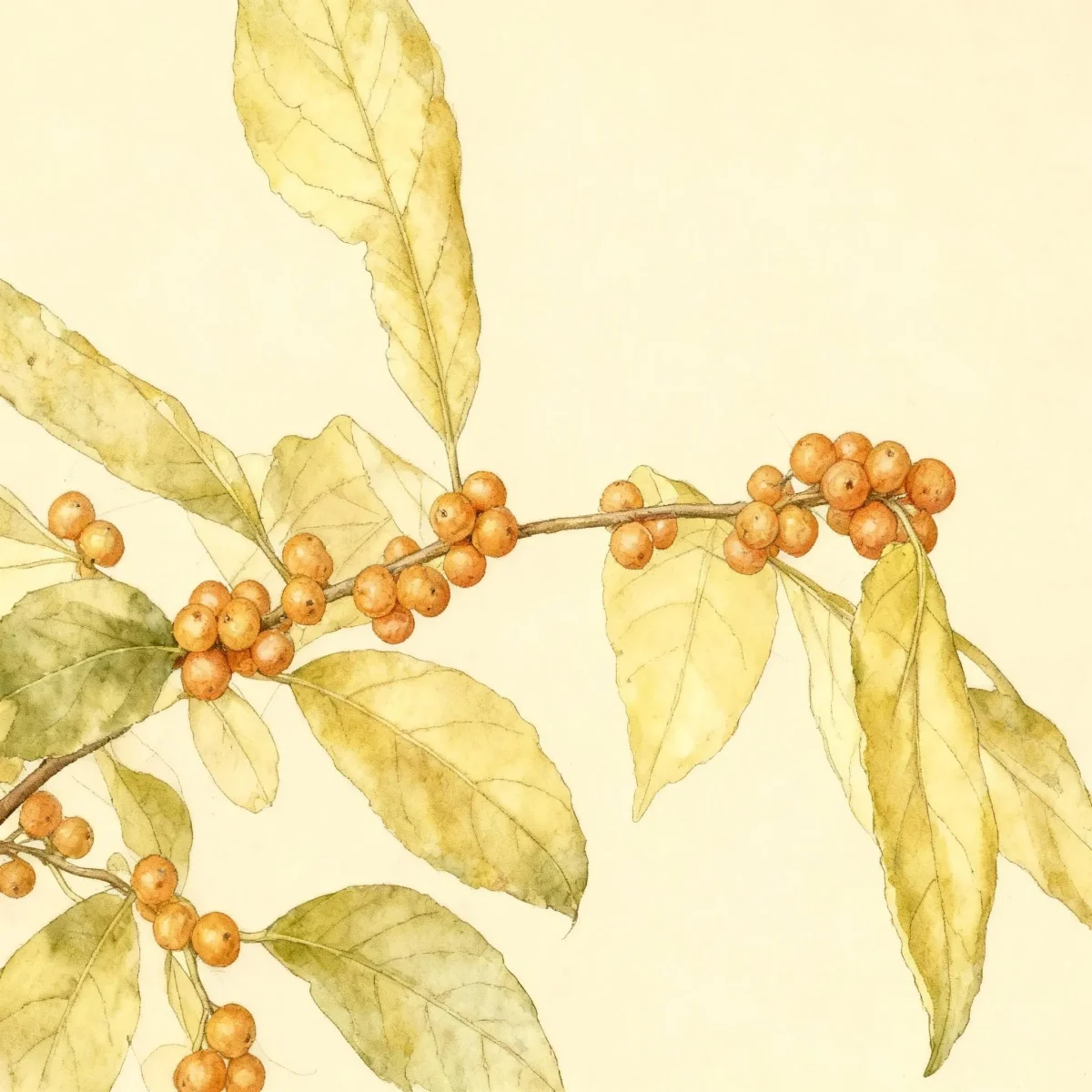
Winterberry (Ilex verticillata 'Spriber' BERRY NICE)
Discover Ilex verticillata 'Spriber' BERRY NICE Winterberry, a low-maintenance shrub famous for its dense red berries persisting all winter.

Bloom Boldly, No Matter the Season - Sweatshirt
Cozy organic cotton sweatshirt featuring our exclusive Purple Coneflower design. Perfect for gardeners who bloom year-round.
Inspired by the beautiful Winterberry
Limited first batch (50) — join the waitlist for early access
Waitlist closes Feb 15, 2026.
Complete Plant Information
Field Guide Continues
Ready for care notes, companion picks, and planting tips?
The map is just the start. The full guide below covers growth habits, seasonal performance, and landscape uses.
Overview
The Ilex verticillata ‘Spriber’ BERRY NICE, commonly known as Winterberry, is highly valued for one spectacular feature: its brilliant, persistent red fruit that lights up the barren winter landscape. This deciduous holly sheds its leaves in autumn, leaving behind a dense network of stems covered in showy berries, providing crucial color and sustenance when little else is blooming. As a female cultivar, the BERRY NICE plant requires a male pollinator nearby to ensure this spectacular fruit display the following year, making site planning essential.
This shrub thrives in moist to wet conditions, mirroring its native Eastern North American swampy habitats, and exhibits remarkable adaptability to different soil types, including heavy clay. Its low maintenance needs coupled with its striking winter aesthetics make Ilex verticillata ‘Spriber’ BERRY NICE an increasingly popular choice for year-round garden interest, especially in rain gardens or near water features.
Fast Facts
- Plant Family: Aquifoliaceae
- Plant Type: Deciduous shrub
- Hardiness Zones: USDA Zones 3-9
- Size at Maturity:
- Height: 6-8 ft
- Spread: 6-8 ft
- Bloom Time: May to June
- Bloom Description: White
- Sun Exposure: Full sun to part shade
- Water Needs: Medium to wet
- Maintenance Level: Low
How to Grow
Planting Ilex verticillata ‘Spriber’ BERRY NICE is best done in spring or fall when the soil is cool. Ensure the location receives full sun to part shade for the best berry production, though it tolerates heavier shade. This plant thrives in average, acidic, medium to wet soils. It shows excellent tolerance for poorly drained conditions, making established swamps, boggy areas, or rain gardens ideal homes for this adaptable shrub.
Watering needs for Winterberry are medium to high, favoring consistent moisture, particularly when establishing. Avoid letting the soil dry out, especially during hot periods, as this species prefers moist, organic loams. Pruning should be scheduled for early spring, just before new growth emerges, to maintain desired shape and size. Remember, the flowers and subsequent berries form on new growth.
A critical aspect of growing the Ilex verticillata ‘Spriber’ BERRY NICE is pollination. Being dioecious, female plants like BERRY NICE require pollen from a male pollinator, such as ‘Southern Gentleman’ or ‘Jim Dandy,’ generally one male for every 9-10 female plants. Failure to provide this results in a barren winter landscape, defeating the purpose of growing this spectacular cultivar.
Landscape Uses
The year-round appeal of Winterberry, culminating in the spectacular display of red berries in the cold months, secures its place in many landscape designs. It functions excellently as a mass planting or group planting to create an informal hedge or screen where moisture retention is high. Its tolerance for wet soil makes the Ilex verticillata ‘Spriber’ BERRY NICE a perfect structural element for rain gardens or bordering streams and ponds, helping stabilize banks.
Consider using cut branches of the BERRY NICE selection in striking winter floral arrangements indoors. For foundation plantings or shrub borders, these deciduous shrubs provide excellent structure when other broadleaf evergreens might appear too heavy or stiff. When flowering, the inconspicuous white blooms attract small bees and flies, contributing to early-season biodiversity.
Standout Features
Flower Qualities
- Insignificant
Fruit Qualities
- Showy
Noteworthy Characteristics
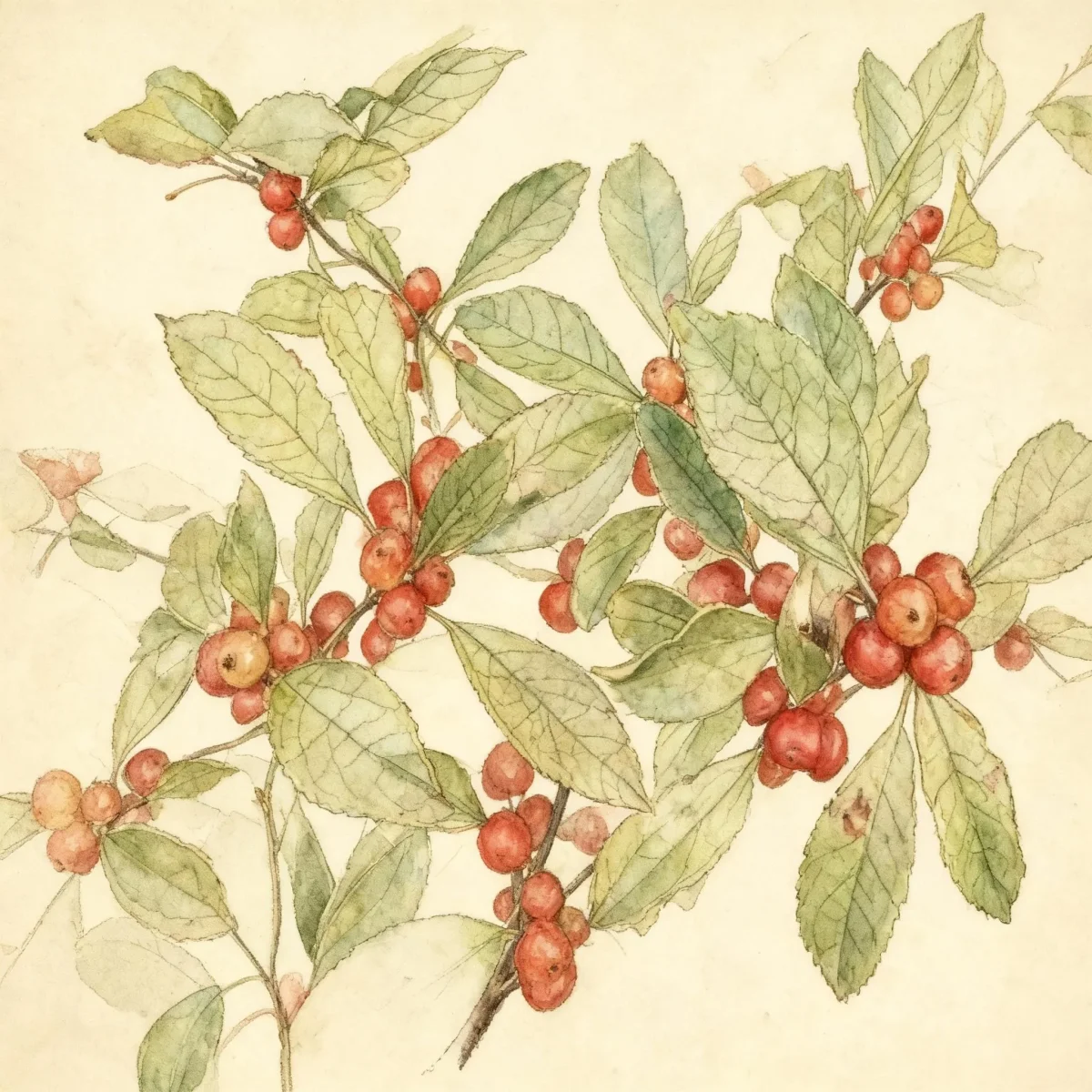
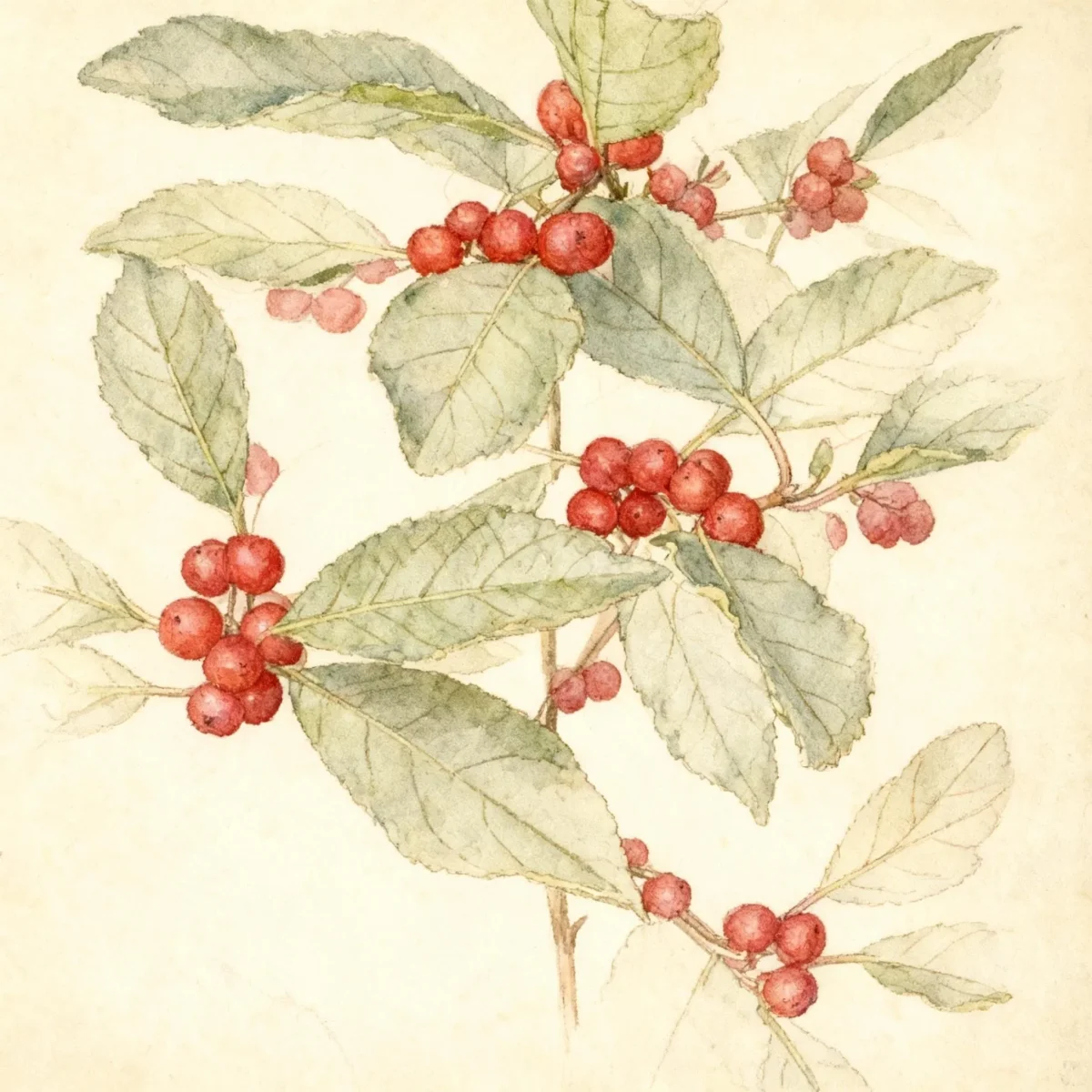
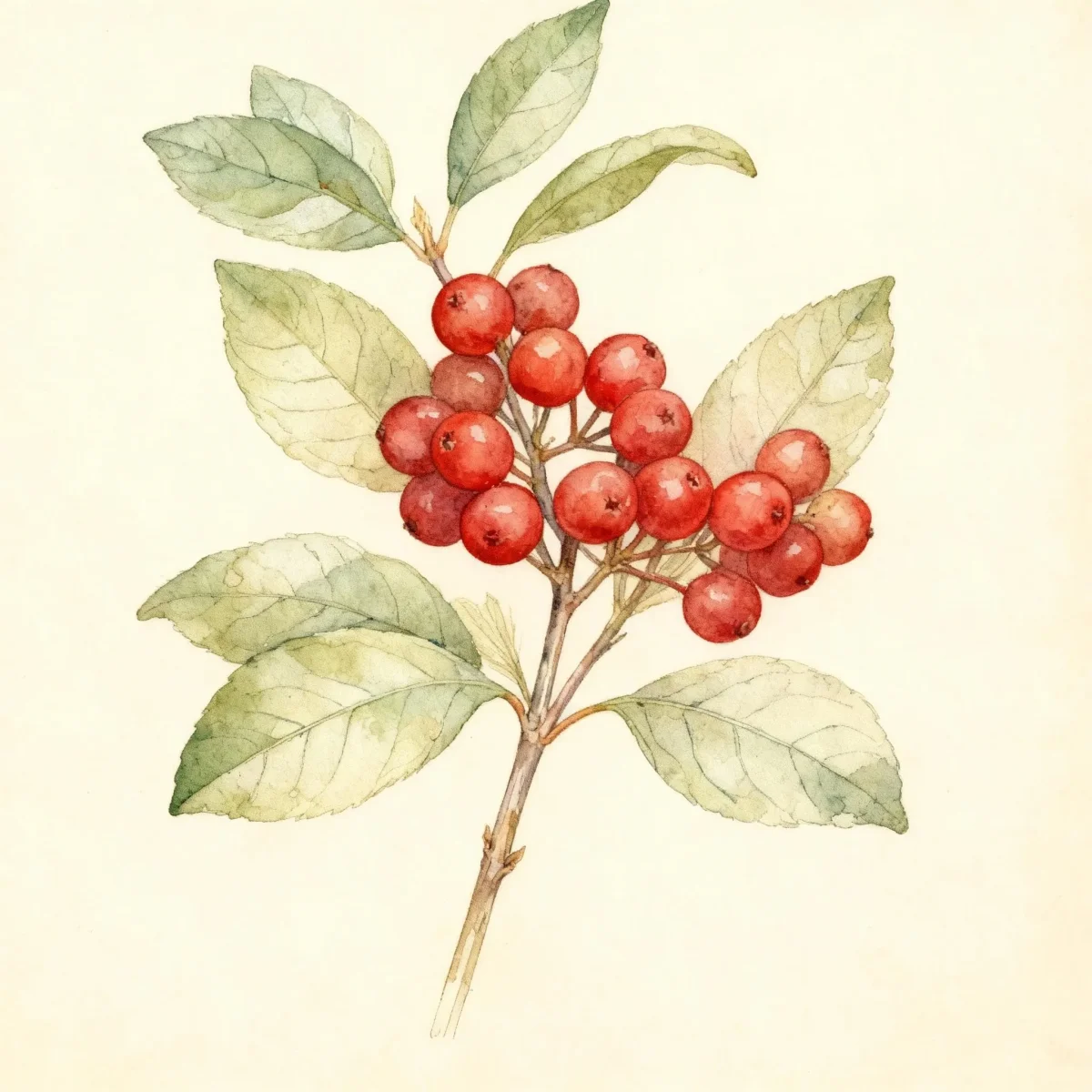
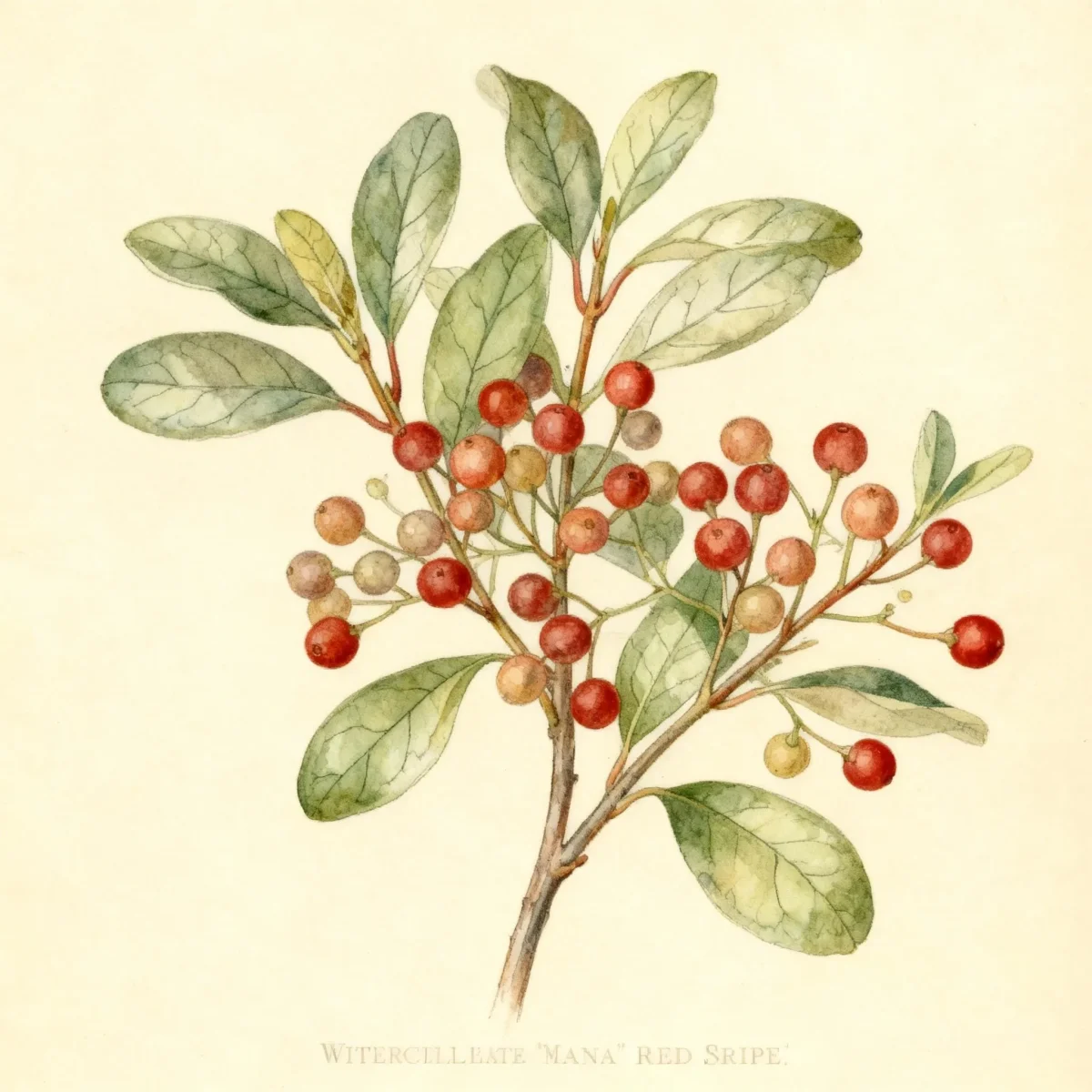
Ilex verticillata, commonly known as Winterberry, is a deciduous holly famous for its showy, bright red berries (3/8” diameter) that appear in fall and often persist well into early spring, providing significant winter landscape impact. The cultivar ‘Spriber’, marketed as BERRY NICE, is noted among winterberries specifically for its dense, heavy fruiting and excellent retention of the dark red fruit throughout the cold season. While the foliage is dark green and lustrous, shedding in autumn reveals the branches adorned with berries, making it a highlight against snow.
Tolerances
- Erosion
- Clay Soil
- Wet Soil
- Air Pollution
Potential Problems
Ilex verticillata ‘Spriber’ BERRY NICE generally exhibits low susceptibility to serious insect or disease issues, adding to its low maintenance profile. However, gardeners should watch for occasional fungal activity, such as leaf spots or powdery mildew, particularly in humid conditions late in the growing season. The most significant health problem arises from incorrect pH levels; these plants do poorly in neutral or alkaline soils, which can lead to chlorosis—a noticeable yellowing of the leaves—and potential decline or death of the shrub. Maintaining acidic soil conditions is key to plant vigor.
Frequently Asked Questions
What hardiness zones is Winterberry suitable for?
The Ilex verticillata ‘Spriber’ BERRY NICE is hardy across a wide range, thriving in USDA Zones 3 through 9.
How large does Ilex verticillata ‘Spriber’ BERRY NICE grow?
This cultivar typically matures to a manageable size for many gardens, reaching 6 to 8 feet tall with an equal spread.
What sun exposure does Winterberry need?
For optimal performance and the heaviest berry load, Winterberry requires full sun but will tolerate partial shade.
When does Winterberry bloom?
The inconspicuous white flowers appear from May to June, setting the stage for the fall and winter berry display.
Conclusion
The Ilex verticillata ‘Spriber’ BERRY NICE is an indispensable choice for gardeners seeking dramatic, reliable winter interest backed by low maintenance needs. Ensure you pair this essential female Winterberry with an appropriate male pollinator to guarantee the dense, eye-catching fruit display that defines this plant’s value. Before planting, confirm your site’s moisture levels and soil acidity to give your BERRY NICE shrub the best possible start.
Companion Planting
Selecting plants that share the moisture and acidity requirements of Winterberry will ensure a cohesive, thriving planting scheme, particularly beneficial when utilizing the BERRY NICE cultivar in rain gardens. Consider partnering it with moisture-loving perennials that offer contrasting texture or late-season color. Good companions might include Marsh Marigold (Caltha palustris) for early spring color, or larger ferns that enjoy damp shade during the summer months when the holly is leafed out. In formal borders, group them with other plants that tolerate wet feet, such as various species of Siberian Iris or red-twig dogwood if moisture management is a priority.
Wildlife Benefits
Beyond the striking color provided by the BERRY NICE berries, this deciduous holly offers significant ecological value, particularly for birds during the lean winter months. The persistent fruit array acts as a vital, dependable food source for numerous bird species when snow cover is heavy or other resources are depleted. Furthermore, the foliage supports local insect life; the leaves of Ilex verticillata serve as a necessary larval food source for the Harris’ three-spot and pawpaw sphinx moths, boosting local butterfly and moth populations.