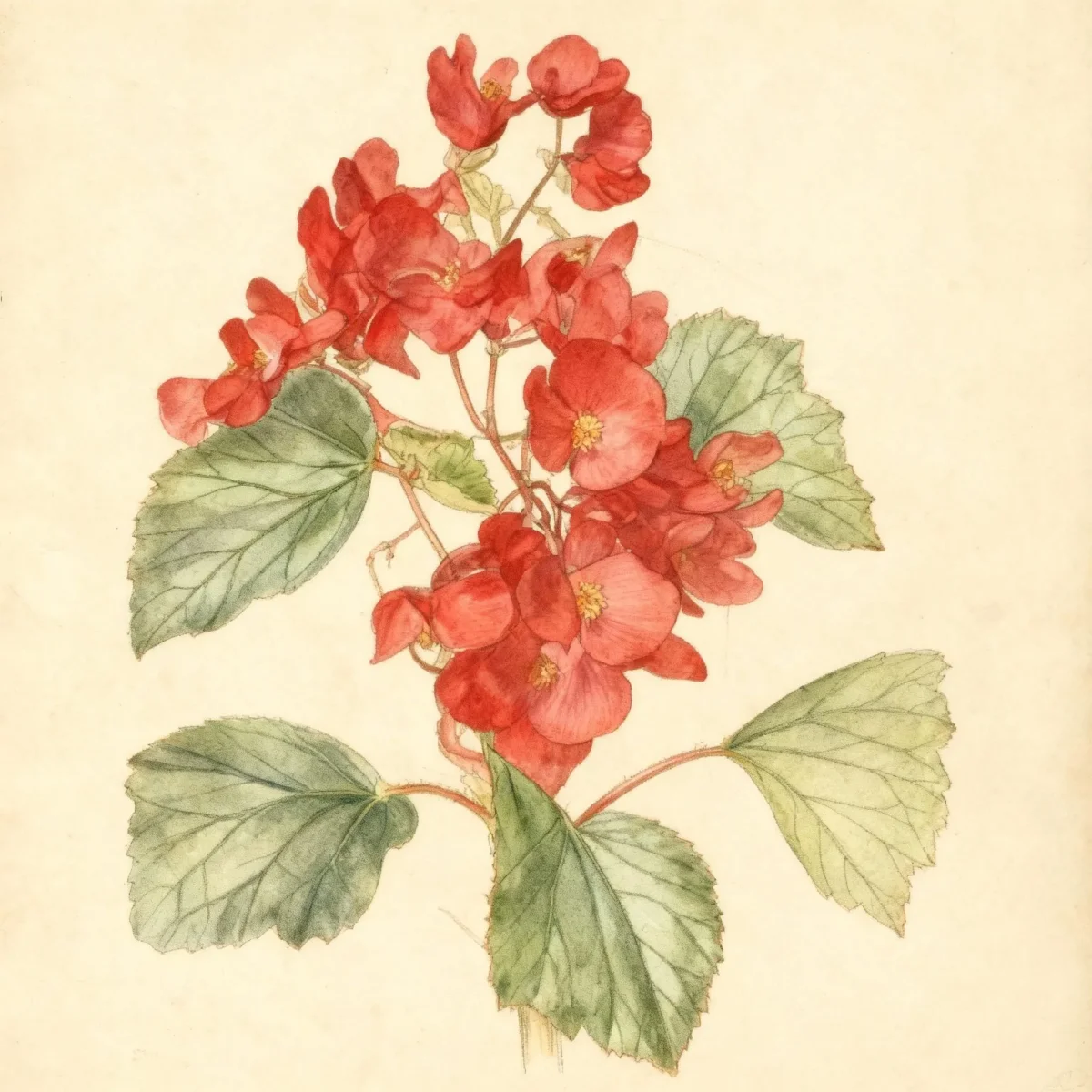
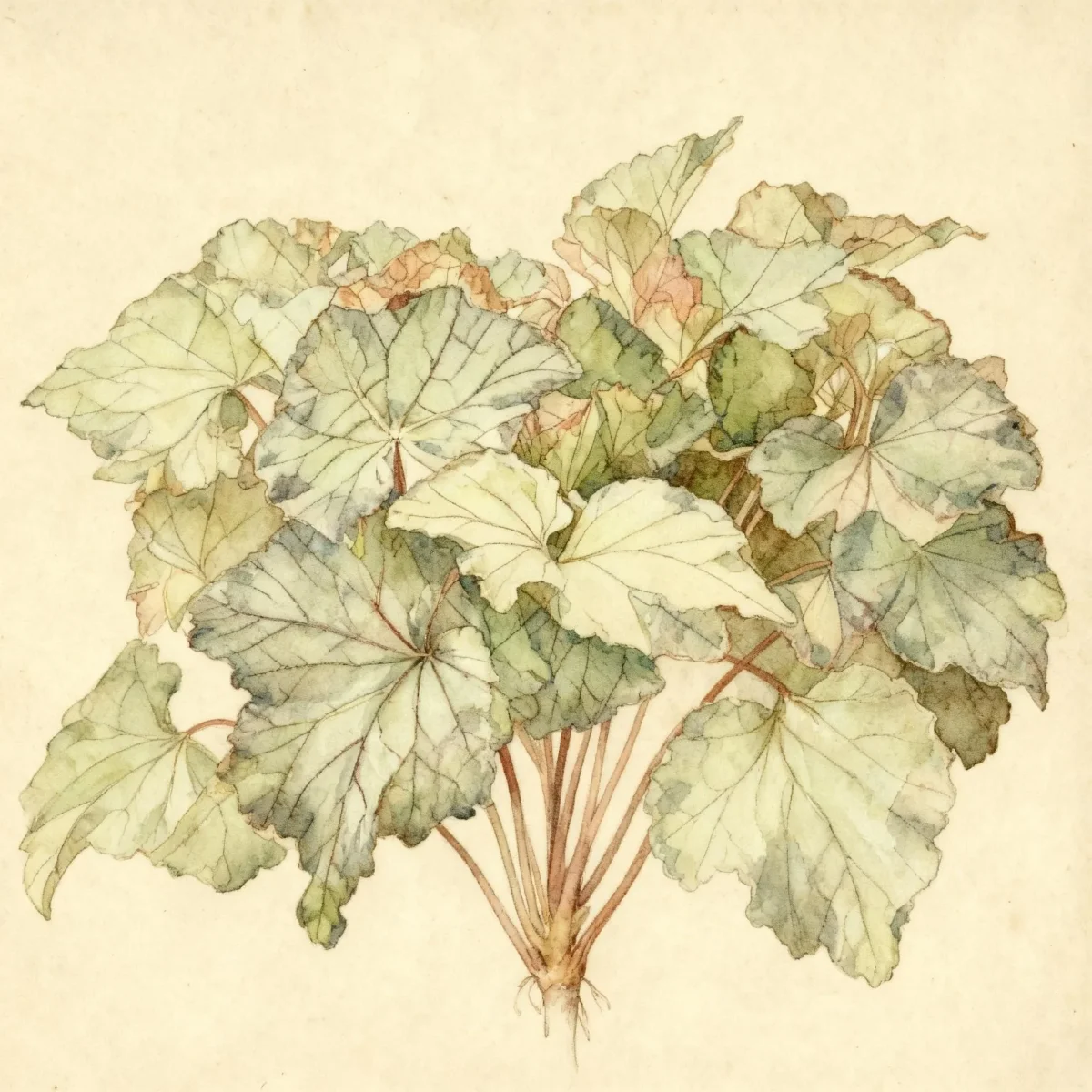
Begonia (Begonia (Semperflorens Cultorum Group))
The ubiquitous Begonia (Semperflorens Cultorum Group) brings season-long color with low maintenance. A tender perennial, this Begonia thrives in heat.

Bloom Boldly, No Matter the Season - Sweatshirt
Cozy organic cotton sweatshirt featuring our exclusive Purple Coneflower design. Perfect for gardeners who bloom year-round.
Inspired by the beautiful Begonia
Limited first batch (50) — join the waitlist for early access
Waitlist closes Feb 15, 2026.
Complete Plant Information
Field Guide Continues
Ready for care notes, companion picks, and planting tips?
The map is just the start. The full guide below covers growth habits, seasonal performance, and landscape uses.
Overview
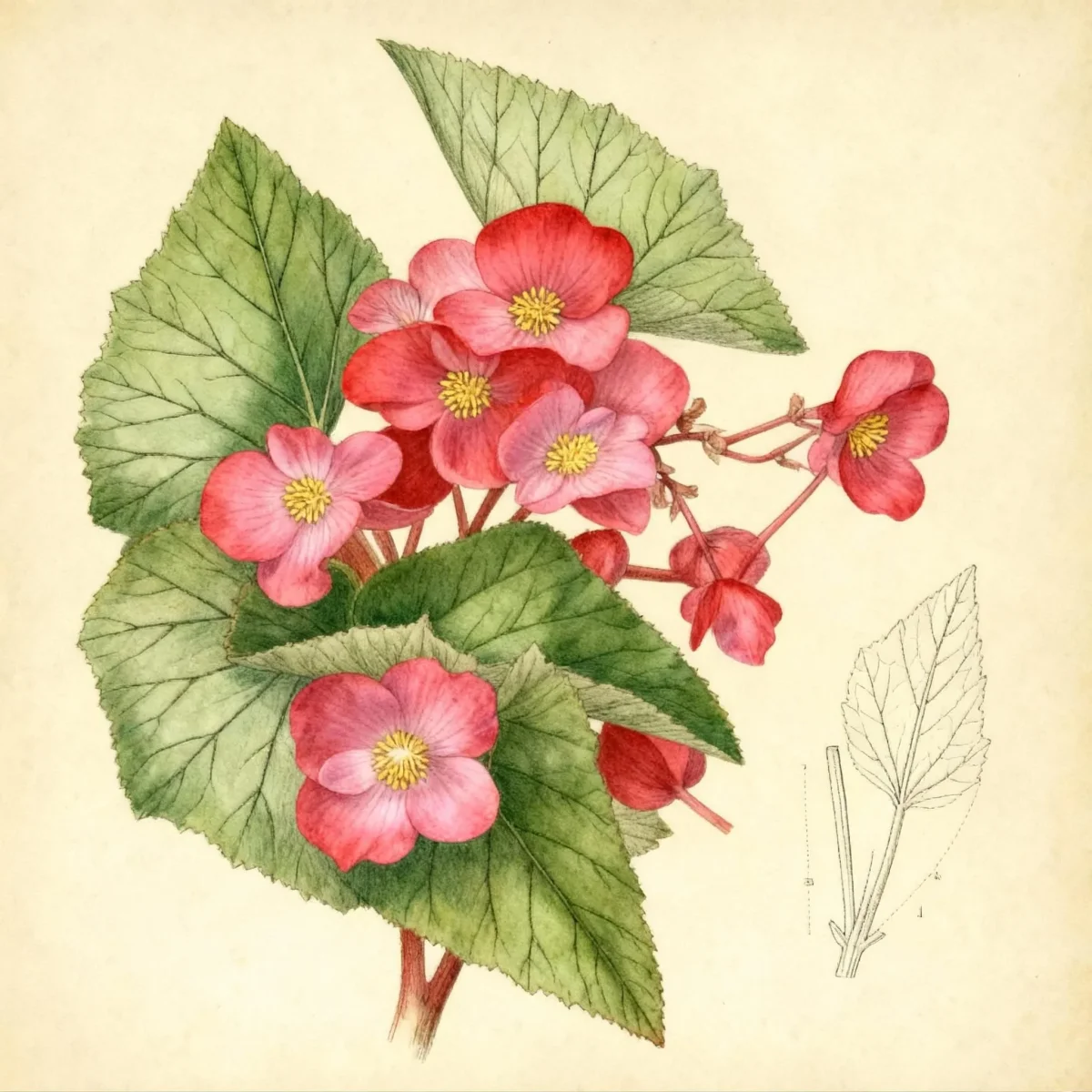
The wax begonia, formally known as Begonia (Semperflorens Cultorum Group), is perhaps the most familiar bedding plant due to its consistent performance and glossy foliage. This extremely popular garden annual provides reliable bursts of white, pink, or red blooms from early summer right up until the first frost. As a genus, Begonia offers incredible diversity, but the compact, bushy nature of the wax type makes it indispensable for mass plantings.
This tender perennial is celebrated for its resilience, notably tolerating notoriously hot and humid summers where other annuals might struggle. While it thrives as an annual in most climates, gardeners in USDA Zones 10-11 can treat their Begonia as a perennial. Its preference for average, moist, well-drained soil combined with its low maintenance requirements ensure an attractive display with minimal fuss.
The Begonia (Semperflorens Cultorum Group) is valued for both its flowers and its attractive, fleshy stems and waxy leaves, some varieties featuring bronze coloration. Due to its dense growth habit, it serves perfectly to edge pathways or fill in gaps in mixed summer borders, providing continuous color all season long.
Fast Facts
- Plant Family: Begoniaceae
- Plant Type: Herbaceous perennial
- Hardiness Zones: USDA Zones 10-11
- Size at Maturity:
- Height: 0.5-1 ft
- Spread: 0.5-1 ft
- Bloom Time: June to frost
- Bloom Description: White, pink, red, bicolor
- Sun Exposure: Full sun to part shade
- Water Needs: Medium
- Maintenance Level: Low
How to Grow
For the best results when starting Begonia (Semperflorens Cultorum Group), begin seeds indoors 6 to 8 weeks before your expected last frost date, though purchasing starter plants is often easier given the seed’s small stature. Plant out after all danger of frost has passed, ensuring adequate spacing of 8 inches for dwarfs and up to 12 inches for taller types to promote essential air circulation, mitigating fungal risks.
This Begonia species thrives in average, moderately fertile, moist, well-drained soils. While it tolerates full sun, most gardeners find that dappled part shade is ideal, especially when accompanied by a good layer of mulch in hot climates. Though the waxy leaves minimize water loss, consistent moisture throughout the growing season yields the best flowering performance.
In Zones 10-11, these plants survive winter outdoors, but elsewhere, treat them as annuals. If you wish to save your plants, container-grown specimens can be cut back in the fall and overwintered indoors in a cool area, reducing water significantly. Avoid sowing seed directly into the garden, as their tiny size makes germination difficult outside of a controlled environment.
Landscape Uses
The uniformity and dependable color of the wax Begonia make it a staple for formal and informal plantings alike. As it is grown primarily as an annual, it is ideally suited for massing in large beds, providing a solid block of continuous color where low-hanging flowers are desired. They work exceptionally well as neat, low borders along sidewalks or driveways.
Beyond the ground, the compact habit of Begonia (Semperflorens Cultorum Group) lends itself perfectly to containers, window boxes, and hanging baskets. Their medium water needs allow them to integrate well with other moisture-loving container components. Consider pairing bronze-leaved varieties with cool blues or silvers in containers to enhance their heat tolerance and visual contrast.
Standout Features
Flower Qualities
- Showy
Noteworthy Characteristics
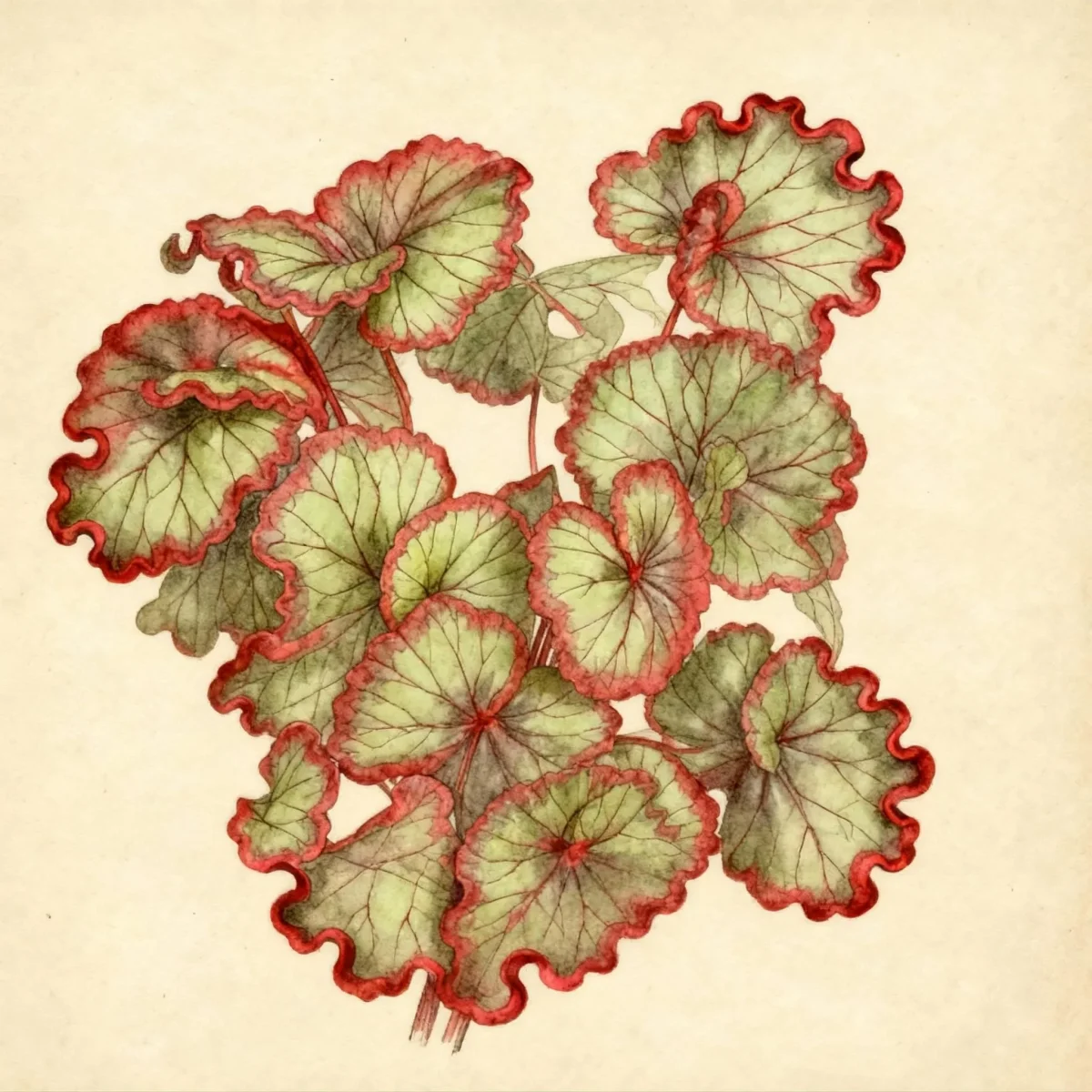
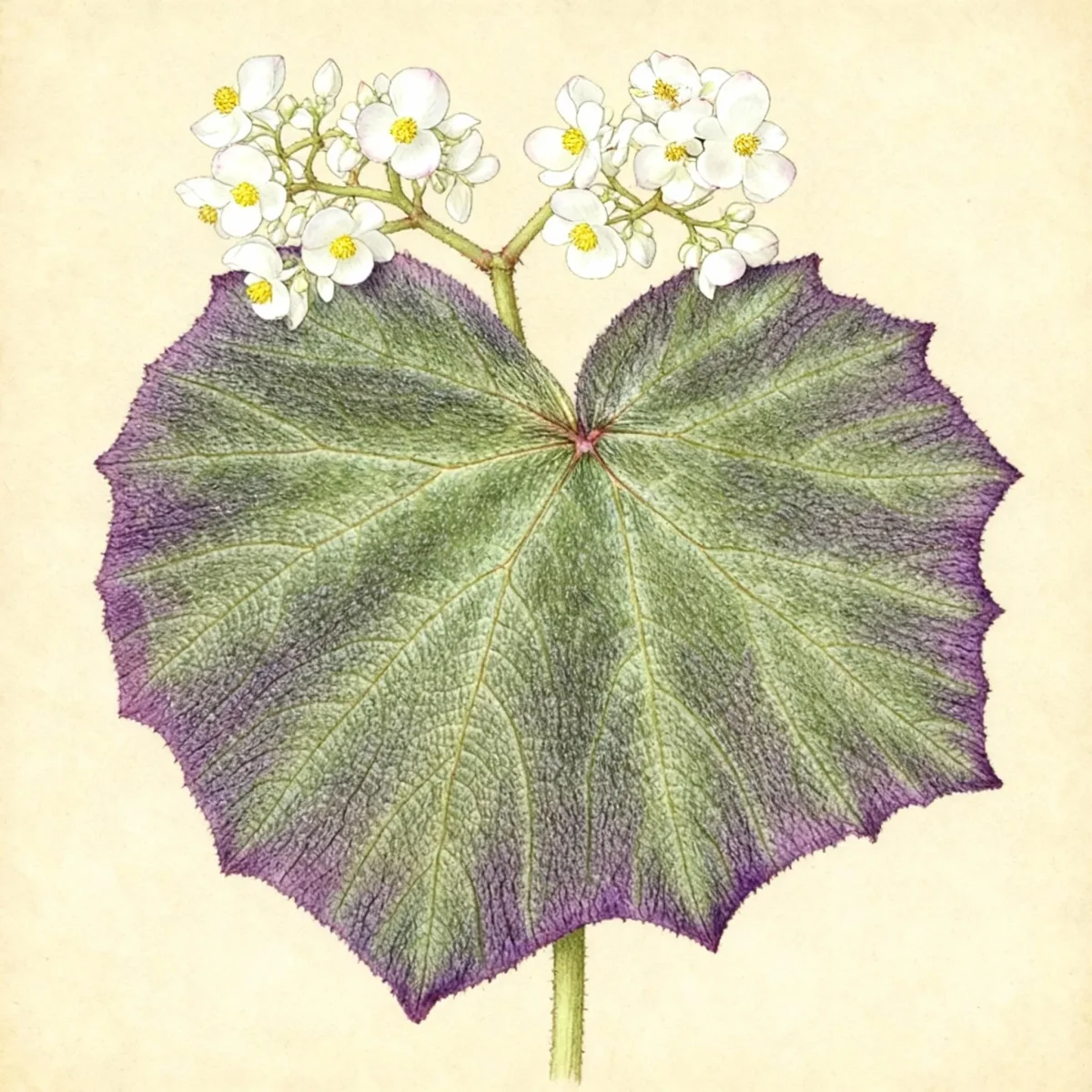
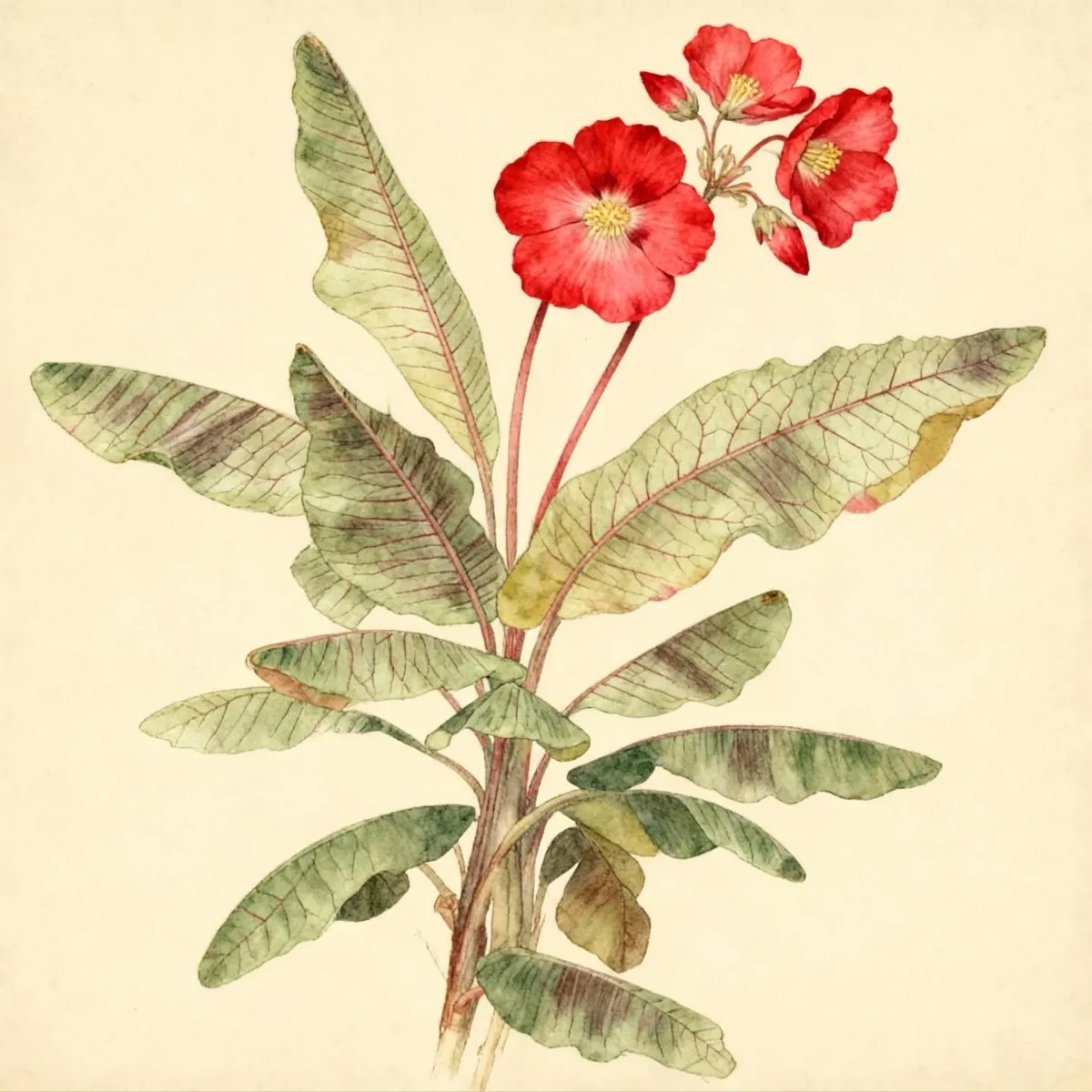
Begonia is a genus of about 1,300 species of annuals, perennials, shrubs and climbers. Most have fleshy stems, and the Semperflorens Cultorum Group, often called wax begonia, is popular for its compact, bushy form featuring waxy leaves and loose clusters of single or double flowers reliably blooming throughout the season. The genus name honors Michael Begon, Governor of French Canada.
Tolerances
- Rabbit
- Dry Soil
- Black Walnut
Potential Problems
Begonia, particularly in humid environments with poor air movement, is susceptible to fungal issues like powdery mildew, botrytis, and stem rot. Prevention centers on proper placement and spacing; ensuring good air circulation by following recommended planting distances is crucial. Keep an eye out for common pests such as mealybugs and thrips, treating early infestations promptly with insecticidal soap or horticultural oil to maintain the health of your wax begonia display.
Frequently Asked Questions
What hardiness zones is Begonia suitable for?
This Begonia is winter hardy only in USDA Zones 10 and 11, though it is popularly grown as a highly reliable annual during summer in cooler regions.
How large does Begonia (Semperflorens Cultorum Group) grow?
These compact plants typically reach heights between 0.5 and 1 foot, with a spread similar to their height, usually between 0.5 and 1 foot depending on the specific cultivar.
When does Begonia (Semperflorens Cultorum Group) bloom?
This Begonia flowers profusely from June continuously until the first frost arrives, offering blooms in white, pink, red, and attractive bicolor combinations.
What sun exposure does Begonia need?
While they tolerate full sun, Begonia plants perform best when situated in full sun to part shade, preferring dappled light in very hot climates.
Conclusion
The Begonia (Semperflorens Cultorum Group) remains a cornerstone landscape plant due to its exceptional heat tolerance, low maintenance needs, and incredibly long blooming season. This versatile Begonia provides constant color, whether massed in beds or featured in containers. Before planting, confirm your local hardiness zone or plan ahead to enjoy these compact beauties as summer annuals.
Companion Planting
Choosing suitable companions ensures your Begonia thrives while enhancing the overall garden view. Because Begonia (Semperflorens Cultorum Group) prefers consistently moist, well-drained soil and bright, yet somewhat indirect light in the hottest weather, pair it with other mid-season bedding plants that share these requirements. Consider using dark green foliage plants like Coleus or Iresine to provide a strong visual contrast to the waxy leaves and vibrant flowers of the Begonia.
In container arrangements, utilizing plants that spill or trail over the edge can soften the look of the mounded wax begonia. Sweet potato vine (Ipomoea batatas) or creeping Jenny (Lysimachia nummularia) work well, provided their water needs align closely with the medium requirements of your Begonia. Remember that bronze-leaved cultivars can handle more direct sun than their green-leaved counterparts, which might influence companion placement.
Seasonal Care Calendar
For gardeners overwintering their Begonia plants, a shift in seasonal focus is required. In early spring, as temperatures begin to rise slightly, move overwintered container Begonia into brighter light and gradually increase watering before setting them outdoors after the last frost danger has passed. This process helps acclimate the tender perennial to outdoor conditions.
During the peak summer growing season, focus on consistent moisture management rather than heavy feeding, as maintenance is generally low. If you observe signs of powdery mildew, immediately improve air circulation by gently pruning any overly dense interior growth. This proactive care helps ensure the Begonia maintains its flawless appearance throughout the hottest weeks of the year.