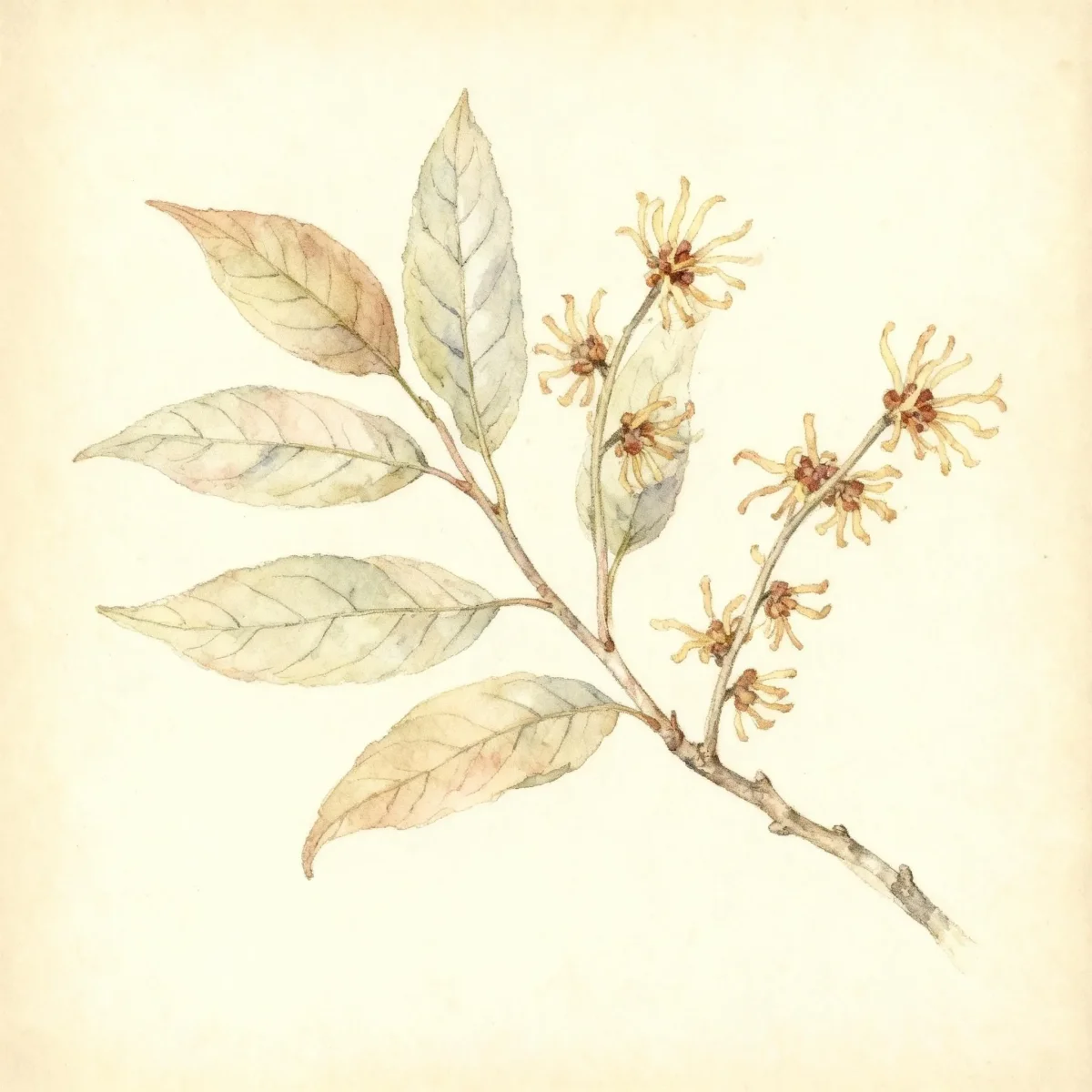
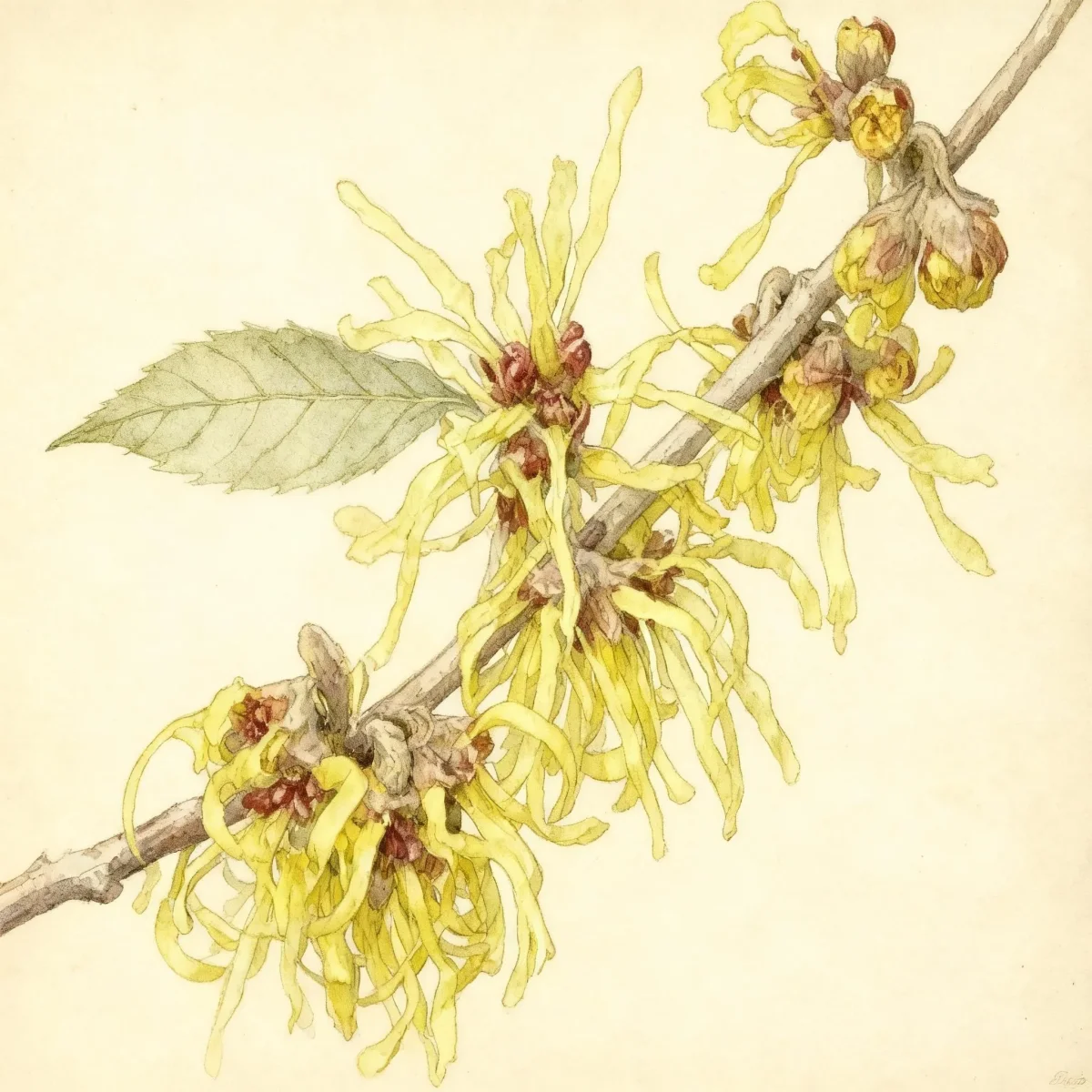
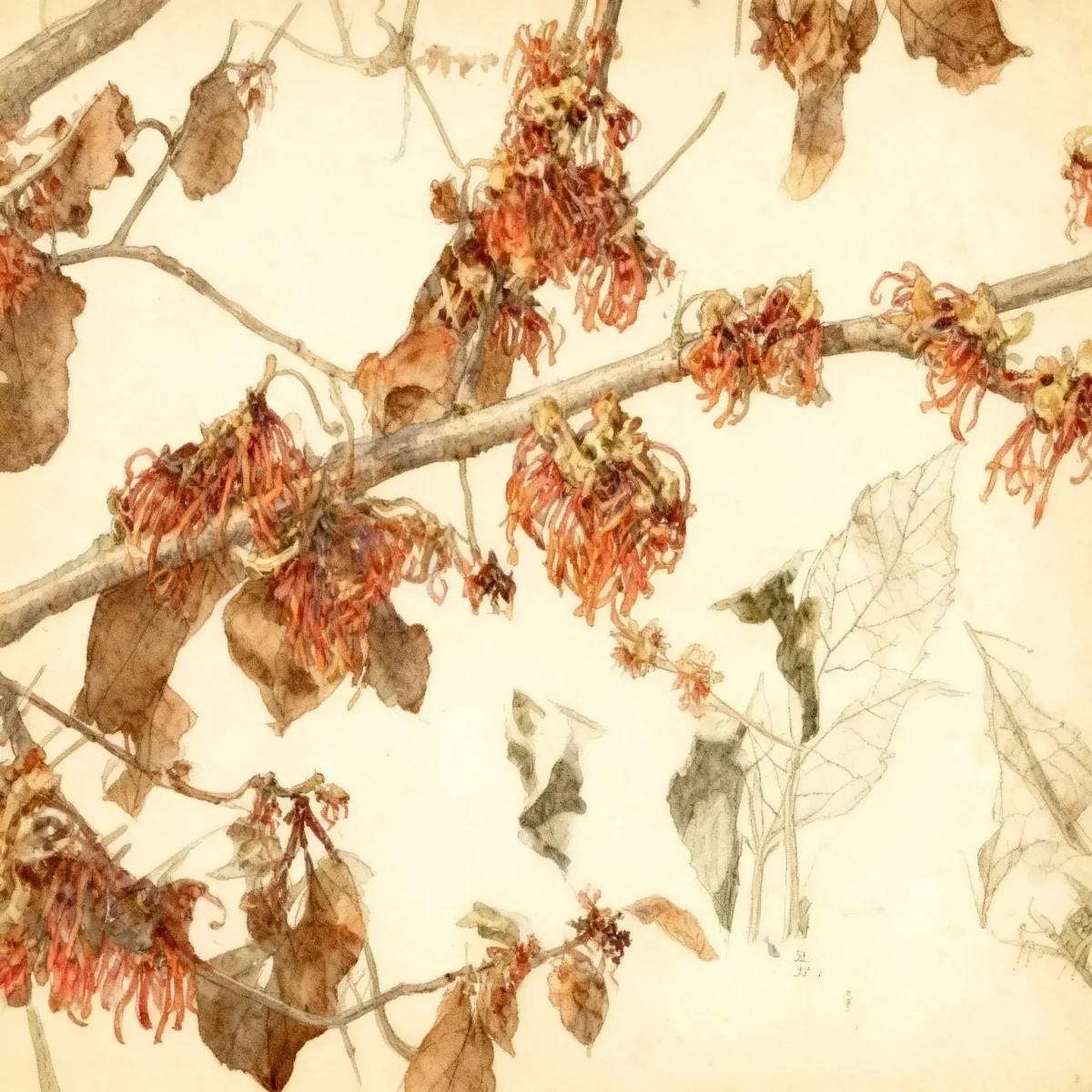
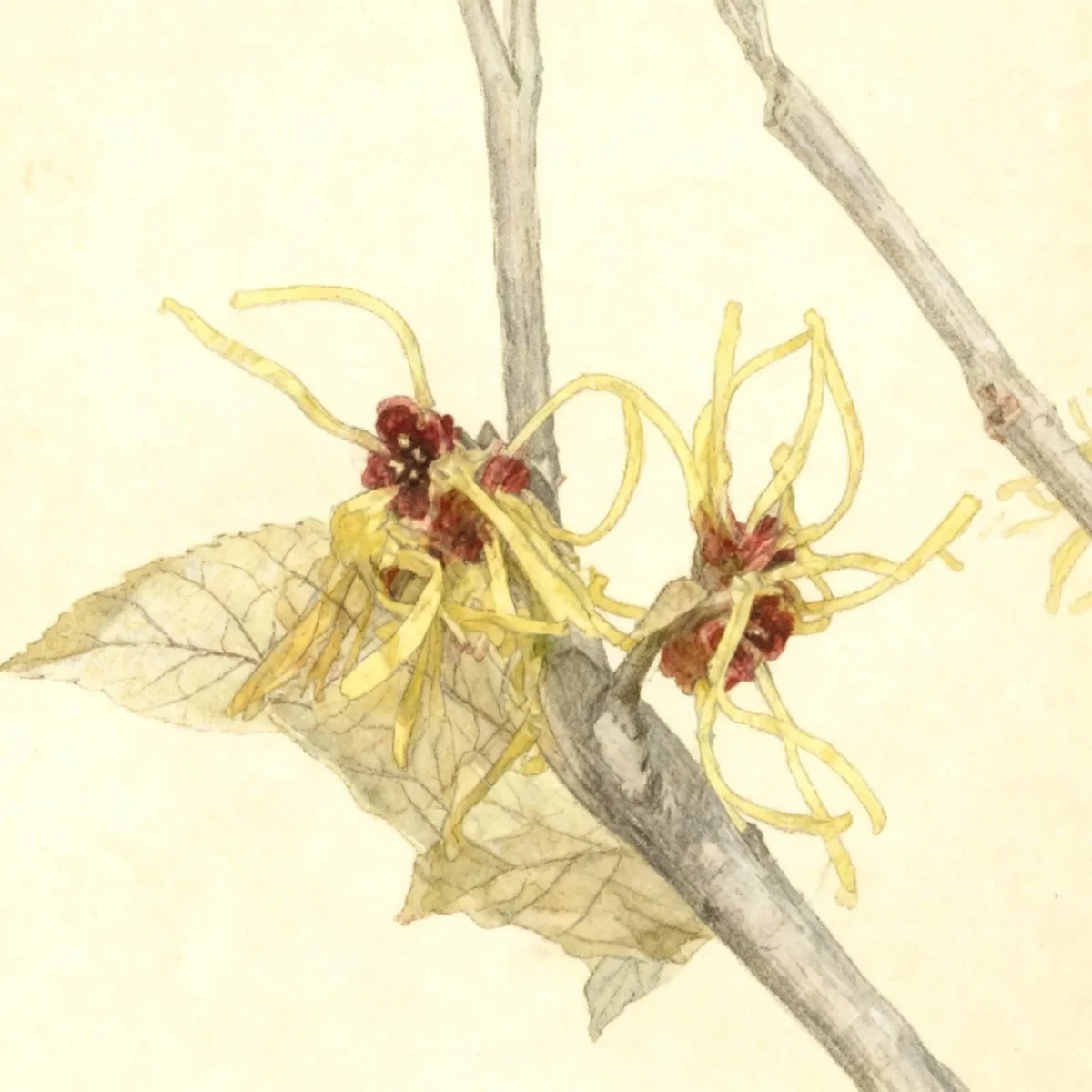
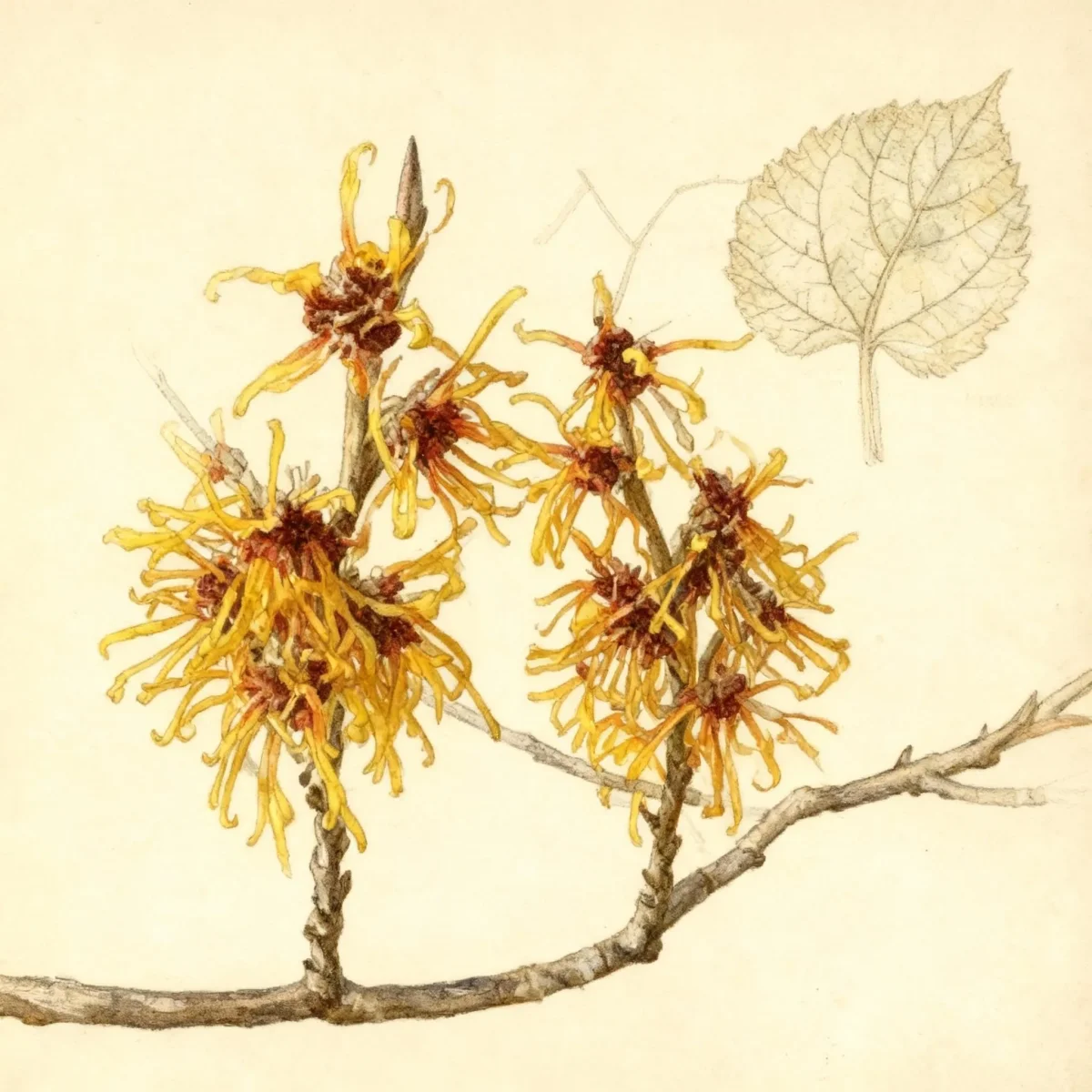
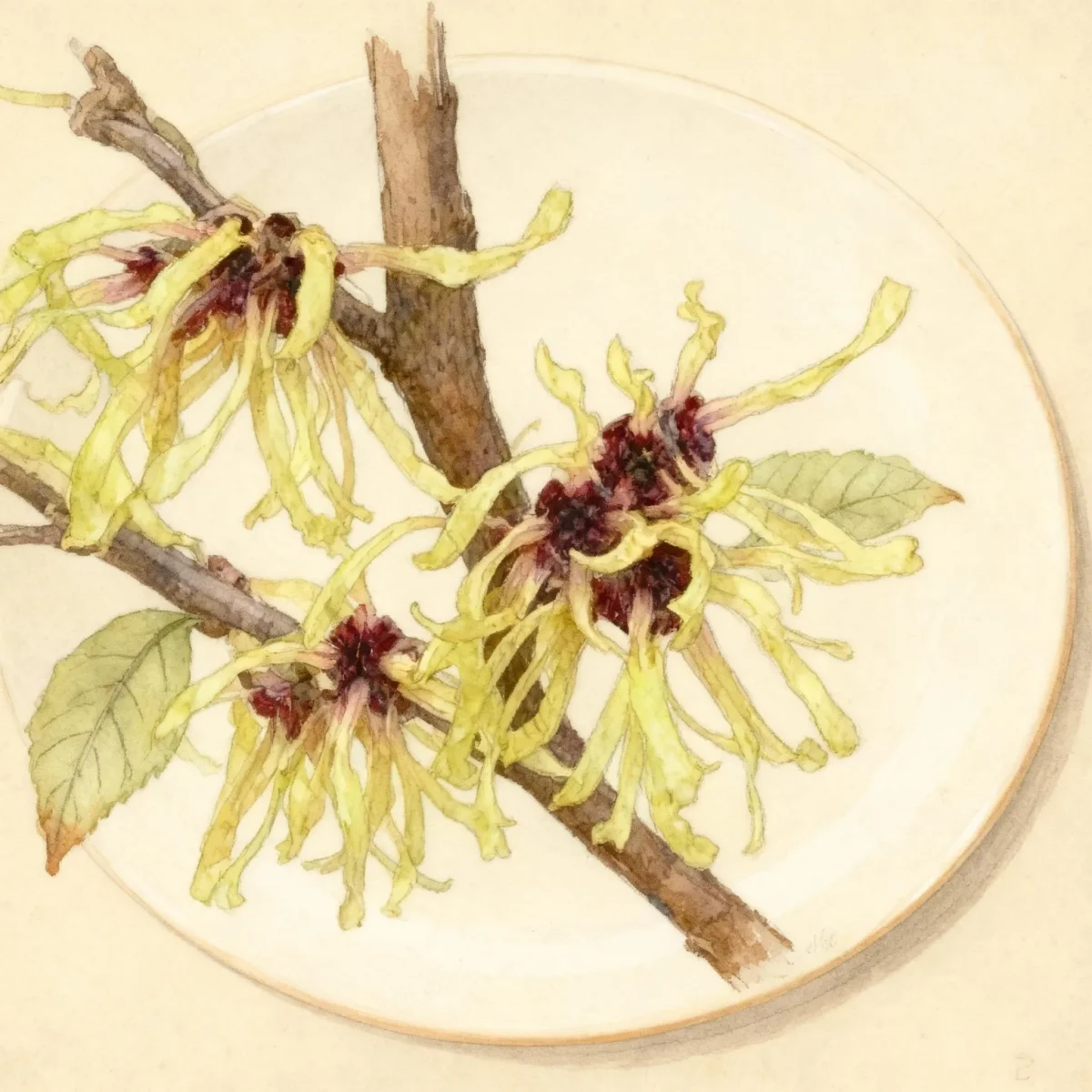
Witch hazel (Hamamelis × intermedia 'Rubin')
Hamamelis × intermedia 'Rubin' Witch hazel offers brilliant red winter flowers. This deciduous shrub is low maintenance and ideal for zones 5-8.
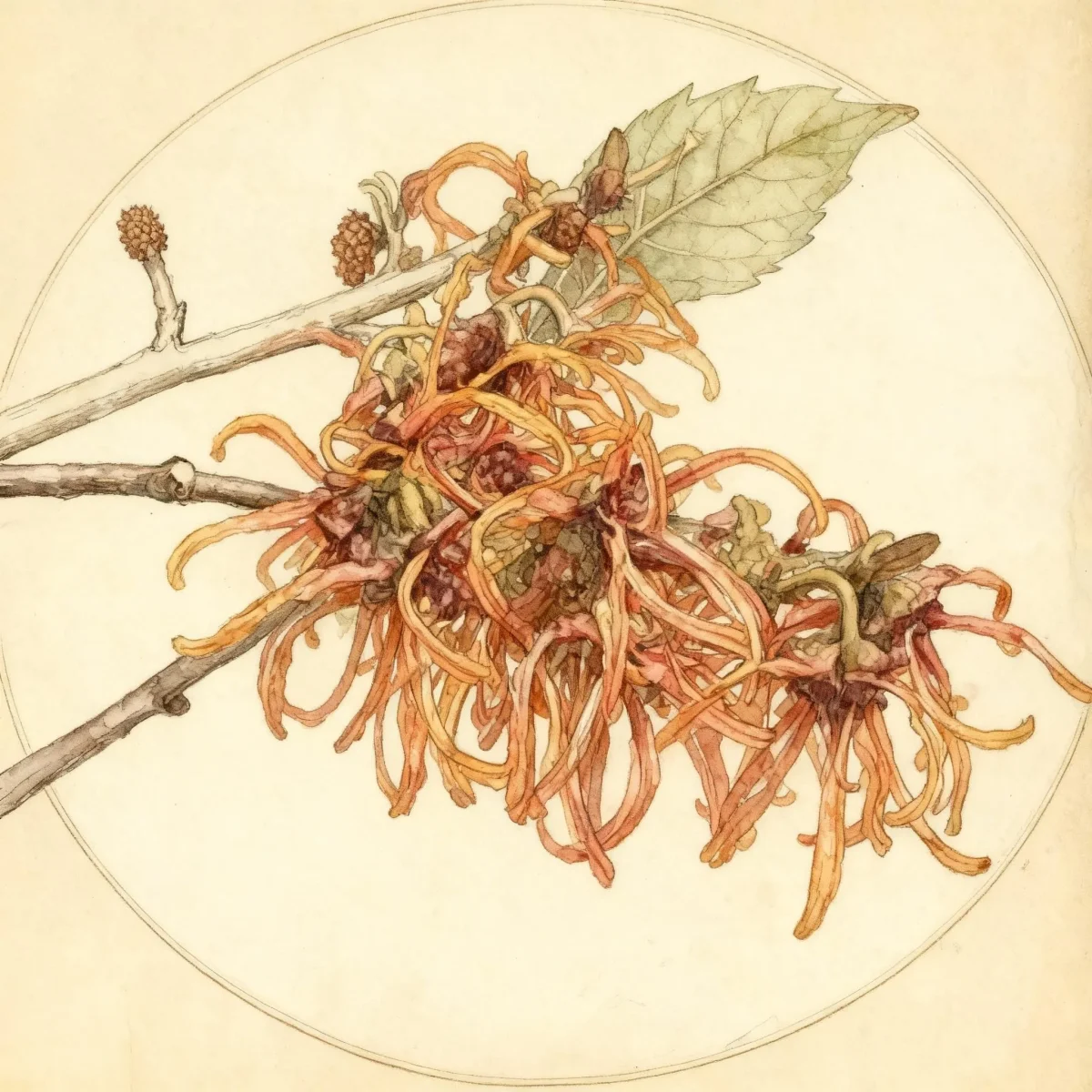

Bloom Boldly, No Matter the Season - Sweatshirt
Cozy organic cotton sweatshirt featuring our exclusive Purple Coneflower design. Perfect for gardeners who bloom year-round.
Inspired by the beautiful Witch hazel
Limited first batch (50) — join the waitlist for early access
Waitlist closes Feb 15, 2026.
Complete Plant Information
Field Guide Continues
Ready for care notes, companion picks, and planting tips?
The map is just the start. The full guide below covers growth habits, seasonal performance, and landscape uses.
Overview
The Hamamelis × intermedia ‘Rubin’, commonly known as Witch hazel, is highly valued for its extraordinary winter color display, providing visual interest when most other plants are dormant. This deciduous shrub produces striking, spidery flowers directly on bare stems, setting it apart in the landscape. As a hybrid witch hazel, it offers robust growth and a manageable size, maturing into a rounded specimen perfect for brightening the late winter scene.
Growing Hamamelis × intermedia ‘Rubin’ is generally straightforward, appealing to gardeners seeking low-maintenance impact plants. It thrives best with consistent moisture, though it does exhibit tolerance for heavier earth when drainage is managed effectively. Its ability to perform well in partial shade, combined with its tolerance for deer and erosion, makes this cultivar a practical and beautiful addition to many garden settings.
For superb flowering, position your Hamamelis × intermedia ‘Rubin’ where it receives ample sun, ensuring you benefit from its unique winter bloom period. It serves as a fantastic specimen plant or as a component in mixed shrub borders, reliably delivering texture and color well before spring arrives.
Fast Facts
- Plant Family: Hamamelidaceae
- Plant Type: Deciduous shrub
- Hardiness Zones: USDA Zones 5-8
- Size at Maturity:
- Height: 9-12 ft
- Spread: 9-12 ft
- Bloom Time: January to March
- Bloom Description: Red petals
- Sun Exposure: Full sun to part shade
- Water Needs: Medium
- Maintenance Level: Low
How to Grow
Plant witch hazel during its dormant season, ideally in the fall or early spring, allowing it time to establish roots before summer stress. Select a location offering full sun for the best bloom potential, although it tolerates part shade. The soil should ideally be moist, acidic, and organically rich, but the cultivar shows good tolerance for clay soils provided that sharp drainage is maintained to prevent standing water.
Watering needs are medium; providing consistent moisture year-round is crucial, especially throughout the summer months, as this plant can suffer from leaf scorch during drought periods. Fertilizer is usually unnecessary if the soil is rich, but an annual spring mulch application will help retain soil moisture and regulate temperature.
Pruning should be done promptly in the spring, immediately after the flowering period concludes, to refine the shape or control the overall size of your Hamamelis × intermedia ‘Rubin’. A critical maintenance point involves managing suckers; promptly remove any growth rising from below the graft union to ensure you maintain the desired hybrid characteristics.
Landscape Uses
This Witch hazel cultivar excels as a superior winter-flowering shrub, making it an indispensable element in designs aiming for year-round interest. Its moderate size, reaching up to twelve feet tall and wide, allows it to function beautifully as a screen or incorporated into a tall hedge where its late-season color can be appreciated from a distance.
Consider placing Hamamelis × intermedia ‘Rubin’ within woodland gardens, where dappled winter light can illuminate its red flowers, or utilize it as a strong vertical element in mixed shrub borders. Because it flowers before leaf-out, pair it with evergreen shrubs or early spring bloomers (like snowdrops) nearby to provide a contrasting backdrop when the witch hazel is at its peak show. Its structure also makes it an excellent screen planted in groups.
Standout Features
Flower Qualities
- Showy
Noteworthy Characteristics
Hamamelis × intermedia hybrids are complex crosses between Japanese witch hazel and Chinese witch hazel, resulting in coarse, loosely-branched deciduous shrubs often reaching 12 to 20 feet tall in the species form. These plants are famous for their spidery, mid- to late-winter flowers that emerge before any spring foliage appears. The cultivar ‘Rubin’ is specifically recognized for its vibrant red petals, which are narrow, ribbon-like, and crinkled, blooming profusely along the bare stems. The dark green foliage will transform into attractive yellow-orange tones before dropping for winter dormancy.
Tolerances
- Deer
- Erosion
- Clay Soil
Potential Problems
While Witch hazel is generally robust, gardeners should monitor for potential insect activity, though issues are usually minor. Caterpillars and Japanese beetles may occasionally chew on the leaves during the growing season. Keep an eye out for scale insects, gall aphids, leafrollers, or leafminers. Potential diseases include occasional leaf spots and powdery mildew. Since these issues rarely necessitate chemical intervention, focus on good air circulation and timely pruning of any stressed branches to maintain plant health.
Frequently Asked Questions
What hardiness zones is Witch hazel suitable for?
Hamamelis × intermedia ‘Rubin’ is reliably hardy across USDA Zones 5 through 8.
How large does Hamamelis × intermedia ‘Rubin’ grow?
This cultivar typically matures into a rounded shrub reaching between 9 and 12 feet in height, with a comparable spread of 9 to 12 feet.
When does Witch hazel bloom?
This variety features its distinctive spidery bloom from January through March, displaying beautiful red petals against the winter sky.
What sun exposure does Hamamelis × intermedia ‘Rubin’ need?
For the most impressive display of red flowers, ensure this Witch hazel receives full sun, though it will tolerate partial shade.
Conclusion
The Hamamelis × intermedia ‘Rubin’ offers unparalleled winter beauty, making it an essential choice for gardeners seeking structure and color during the coldest months. This low-maintenance Witch hazel variety is valued for its stunning red, late-season bloom and strong adaptability to various soil conditions, including clay. Before planting, confirm your site falls within USDA Zones 5-8 and ensure consistent moisture is available to maximize its ornamental impact.
Companion Planting
When planning borders around your Witch hazel, consider companions that complement its late-winter interest or provide lush greenery against its bare, flowering branches. Evergreens such as Japanese feather grass (Miscanthus) or various low-growing conifers offer excellent structural contrast during blooming time. Early spring bulbs, like Hellebores or Crocus, will emerge shortly after the ‘Rubin’ finishes flowering, creating a seamless transition into the spring garden. Ensure companions share similar medium water needs to simplify irrigation management across the planting bed.
Seasonal Care Calendar
Spring, immediately following flowering, is the prime time for shaping your Witch hazel. Prune lightly to remove crossing branches or to control size, being careful not to cut back old wood unnecessarily. During the summer, monitor soil moisture vigilantly; while tough, consistent watering prevents leaf scorch, especially during dry spells. Fall is an excellent time to apply a thick layer of organic mulch around the base, which helps insulate roots and maintain the slightly acidic, moist conditions preferred by Hamamelis × intermedia ‘Rubin’. In winter, simply enjoy the spectacular red blooms without needing to intervene, unless high winds cause damage to the brittle branches.