Japanese maple(Acer palmatum var. dissectum 'Seiryu')
Grow upright laceleaf Japanese maple 'Seiryu' (Acer palmatum): the unique upright dissectum, feathery green foliage, brilliant fall colors, USDA zones 5–8.
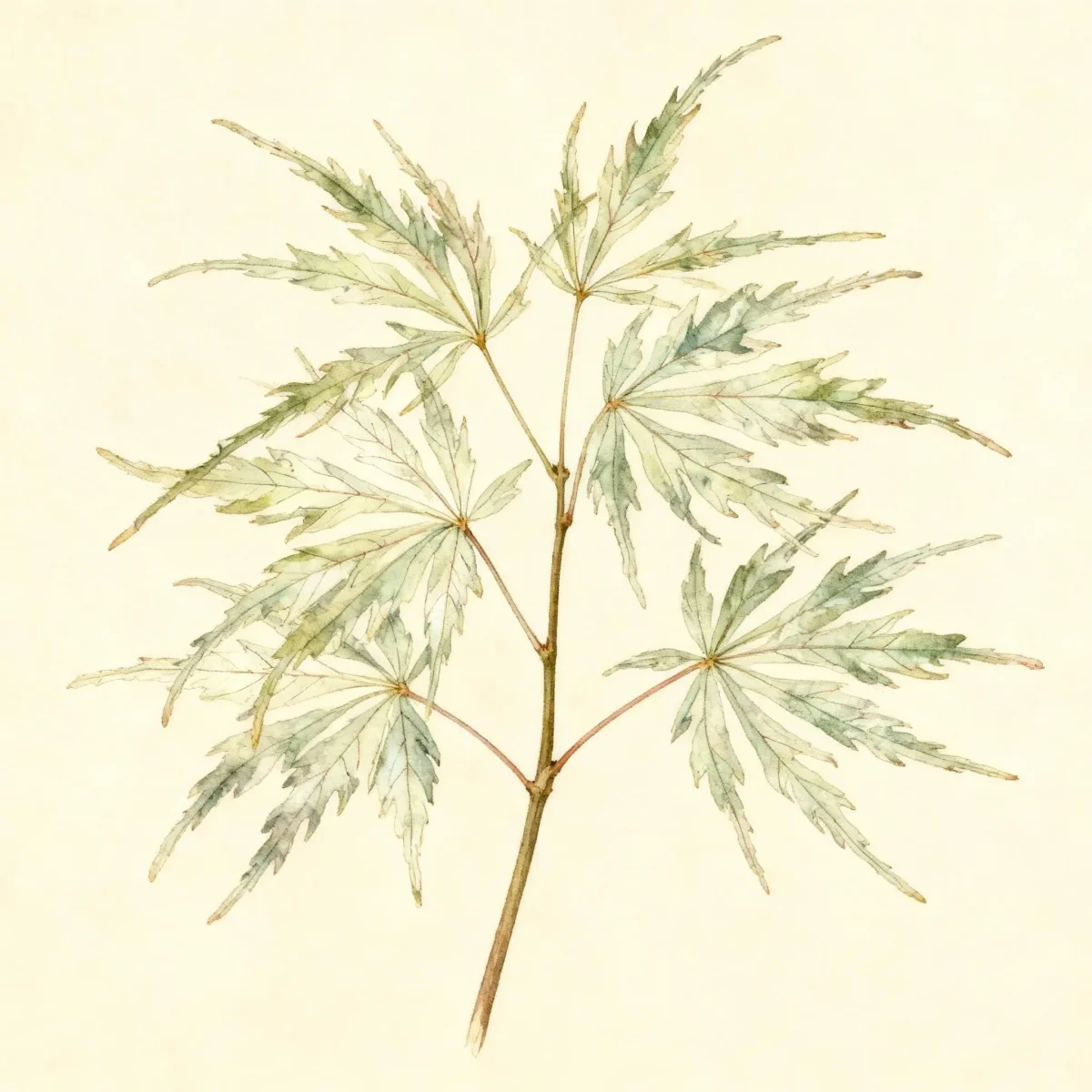
Complete Plant Information
- Hardiness zones
- USDA 5–8
- Plant type
- Tree
- Plant family
- Sapindaceae
- Sun exposure
- Full sun to part shade
- Water needs
- Medium
- Maintenance
- Low
- Height
- 10–15 ft (305–457 cm)
- Spread
- 8–12 ft (244–366 cm)
- Bloom time
- April
- Flower color
- Small reddish-purple corymbs followed by paired winged samaras
- Flower qualities
- Insignificant
- Fruit qualities
- Not recorded
- Tolerances
- Rabbit, Black Walnut
- Garden uses
- Focal specimen tree, courtyard anchor, woodland understory, patio accent
- Native range
- Japan (cultivar selection)
Field Guide Continues
Ready for care notes, companion picks, and planting tips?
The map is just the start. The full guide below covers growth habits, seasonal performance, and landscape uses.
Overview
Upright laceleaf Japanese maple ‘Seiryu’ (Acer palmatum var. dissectum ‘Seiryu’, meaning “Blue-Green Dragon” in Japanese) is a unique, award-winning deciduous specimen tree hardy across USDA Zones 5 through 8, holder of the Royal Horticultural Society’s Award of Garden Merit. While virtually every other laceleaf (dissectum) maple forms a low-mounding or weeping umbrella, ‘Seiryu’ is the only upright-growing dissectum in cultivation. Maturing into an elegant, vase-shaped small tree 10 to 15 feet tall and 8 to 12 feet wide, it combines the airy, feather-like delicacy of laceleaf foliage with the vertical architecture of an upright tree.
Delicate, deeply incised 7- to 11-lobed leaves emerge bright chartreuse with faint reddish tips in spring, mature to jade-green in summer, and explode into a luminous autumn palette of golden-amber, pumpkin-orange, and deep crimson.
How to Grow
- Sunlight & Siting: USDA Zones 5 through 8. Plant where it receives morning sun and dappled afternoon canopy shade. While more sun-tolerant than many weeping red cultivars, harsh afternoon summer sun in hot southern districts can crisp the delicate threadleaf margins.
- Shelter from Wind: Feathery, finely cut leaves are susceptible to windburn. Site away from exposed, windy hilltop corridors or hot southern foundation walls.
- Soil & Moisture: Requires moist, fertile, organically rich, well-draining soil with an acidic to neutral pH (5.5–6.8). Roots are fibrous and shallow; apply a 2- to 3-inch layer of organic mulch to protect surface roots from temperature swings.
- Pruning Discipline: Prune only during deep winter dormancy (November through January). Pruning during active spring sap flow causes heavy, weakening sap bleeding. Remove lower lateral shoots early to showcase the smooth, sculptural trunk structure.
Landscape Uses
- Focal Specimen Anchor: Its unique upright habit and lace-like foliage make it a premier focal point in front entryways, courtyards, and patio terraces.
- Woodland Understory Tree: Thrives under the high canopy of mature oaks and pines, where dappled sunlight catches its delicate green leaves.
- Water Feature Accent: Sited near a pond or stream, its fine-textured canopy casts airy reflections across water.
Potential Problems
- Leaf Tip Scorch in Harsh Sun: Intense afternoon summer sun and dry winds will cause outer leaf edges to dry and turn brown.
- Sap Bleeding: Avoid pruning between February and May when spring sap pressure is high.
- Verticillium Wilt: Plant in well-draining soil; avoid sites with a history of fungal wilt diseases.
Frequently Asked Questions
Does ‘Seiryu’ weep like other laceleaf Japanese maples?
No. ‘Seiryu’ is the only dissected laceleaf maple that grows upright like a standard tree, forming a graceful vase-shaped canopy 10 to 15 feet tall.
What color does ‘Seiryu’ turn in autumn?
In October, the green lace foliage transforms through a spectacular multi-colored display of golden-yellow, warm orange, and fiery crimson.
Can ‘Seiryu’ grow in full sun?
In cool northern climates (Zones 5 and 6), it tolerates full sun if soil is kept consistently moist. In warmer southern climates (Zones 7 and 8), afternoon shade is necessary to prevent leaf scorch.
Companion Plants
Pair ‘Seiryu’ with shade-tolerant companion plants that contrast with its fine, green laceleaf texture:
- Broadleaf Shade Perennials: Plant alongside blue hostas (like ‘Halcyon’), golden hostas (like ‘August Moon’), or rodgersias.
- Flowering Woodland Shrubs: Combine with rhododendrons, azaleas, or mountain laurel (Kalmia latifolia).
- Japanese Garden Elements: Underplant with black mondo grass (Ophiopogon planiscapus ‘Nigrescens’) or Japanese forest grass (Hakonechloa macra).
Sources & Lineage
- Missouri Botanical Garden PlantFinder: Record taxon 263607 (Acer palmatum var. dissectum ‘Seiryu’) — unique upright dissectum habit, dimensions, and fall sequence.
- Kew Plants of the World Online (POWO): Acer palmatum Thunb. (POWO: 927504-1) — species taxonomy, family (Sapindaceae), and Japanese native range.
- Royal Horticultural Society (RHS): Acer palmatum var. dissectum ‘Seiryu’ AGM Profile — Award of Garden Merit description and landscape application.
Recommended Companion Plants
Japanese maple
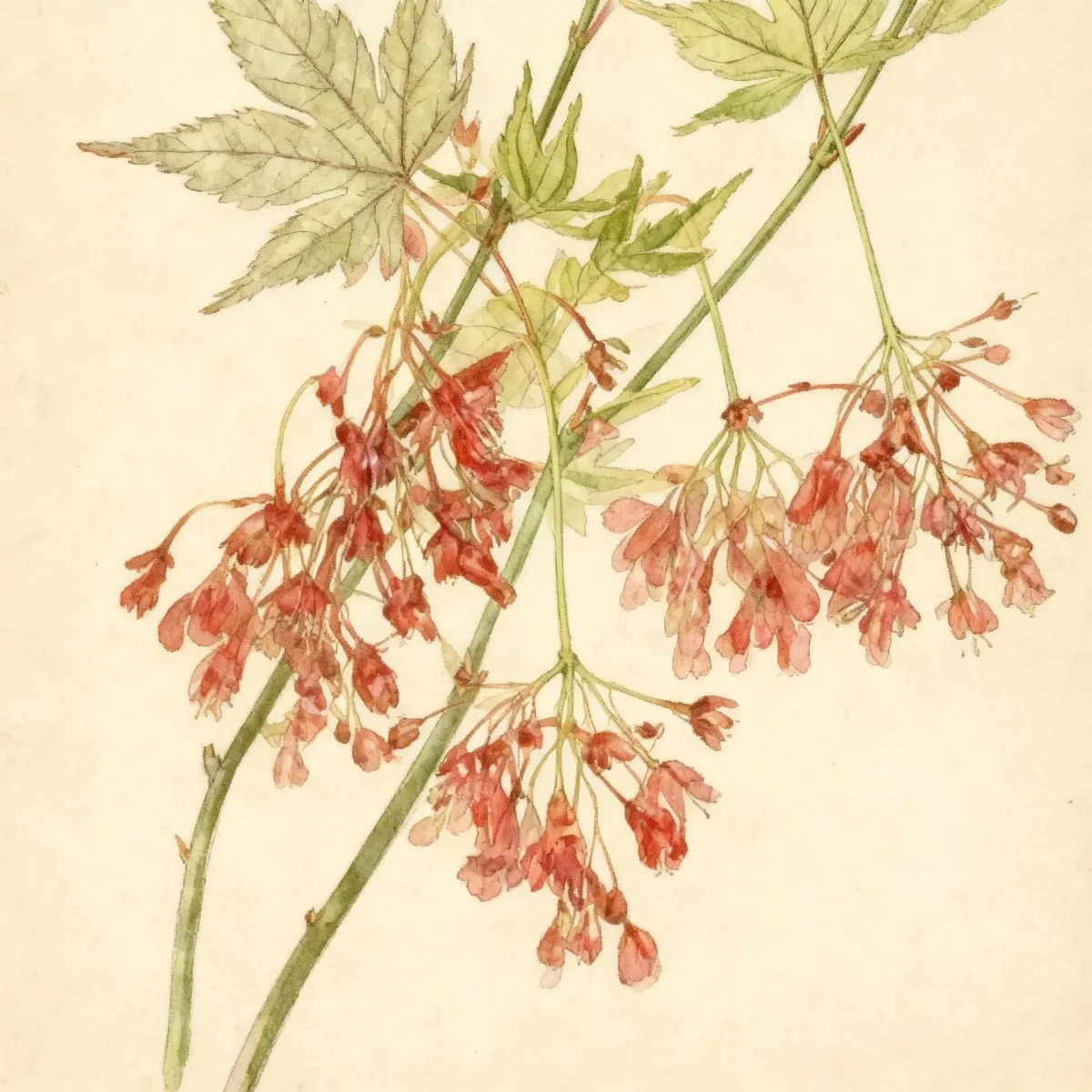
Acer palmatum 'Higasayama'
- USDA zones
- 5–9
- Light
- Full sun to part shade
- Water
- Medium
Japanese maple
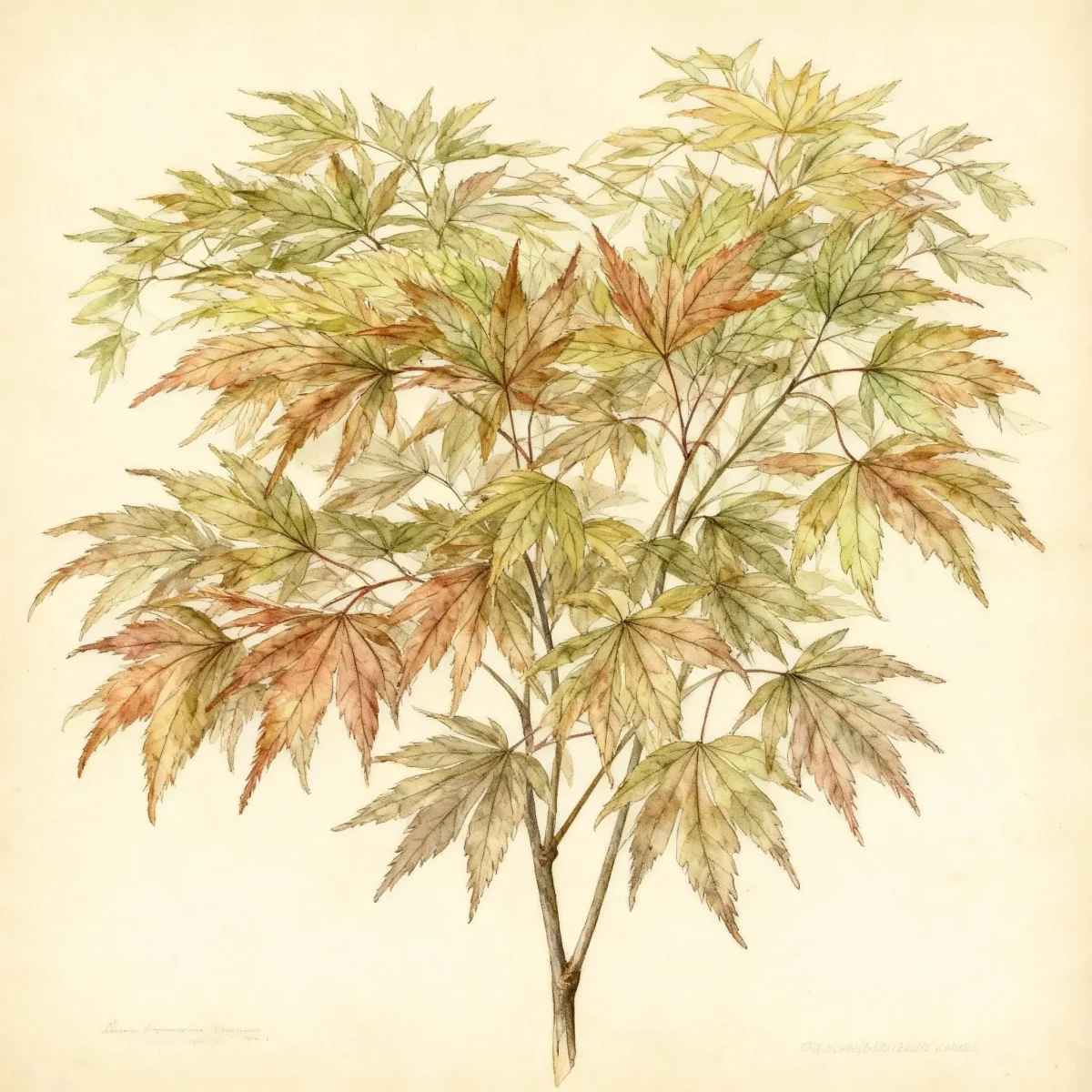
Acer palmatum 'Omurayama'
- USDA zones
- 5–9
- Light
- Full sun to part shade
- Water
- Medium
Japanese maple
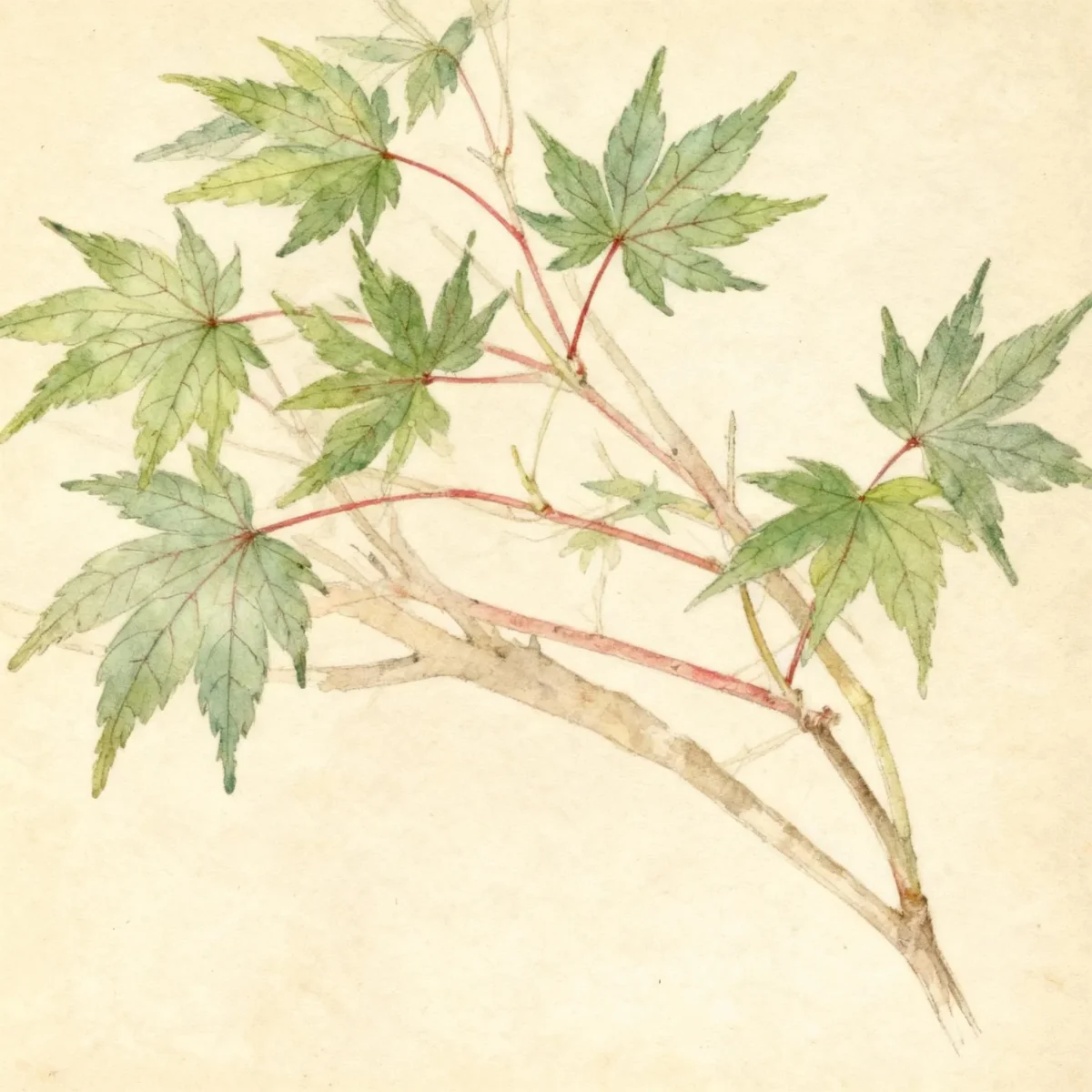
Acer palmatum 'Sango-kaku'
- USDA zones
- 5–8
- Light
- Full sun to part shade
- Water
- Medium

Japanese maple
Acer palmatum 'Scolopendrifolium'
- USDA zones
- 5–8
- Light
- Full sun to part shade
- Water
- Medium

Japanese maple
Acer palmatum 'Shaina'
- USDA zones
- 5–9
- Light
- Full sun to part shade
- Water
- Medium

Japanese maple
Acer palmatum 'Suminagashi'
- USDA zones
- 5–9
- Light
- Full sun to part shade
- Water
- Medium
Keep Learning
Test what you know with a garden quiz
You have the plant facts and care notes. Continue with a related challenge, or browse the complete quiz library.

Can You Identify These Common Garden Plants? Test Your Plant Knowledge
Think you know your roses from your peonies? Test your plant identification skills with our comprehensive garden plant quiz featuring 10 challenging questions.
Start quiz
USDA Garden Zone Map Quiz
Use this USDA garden zone map quiz to check whether you can read hardiness zones and choose plants with more confidence.
Start quizBrowse the full quizzes section
Explore plant identification, zone strategy, and seasonal gardening challenges.
View all quizzes