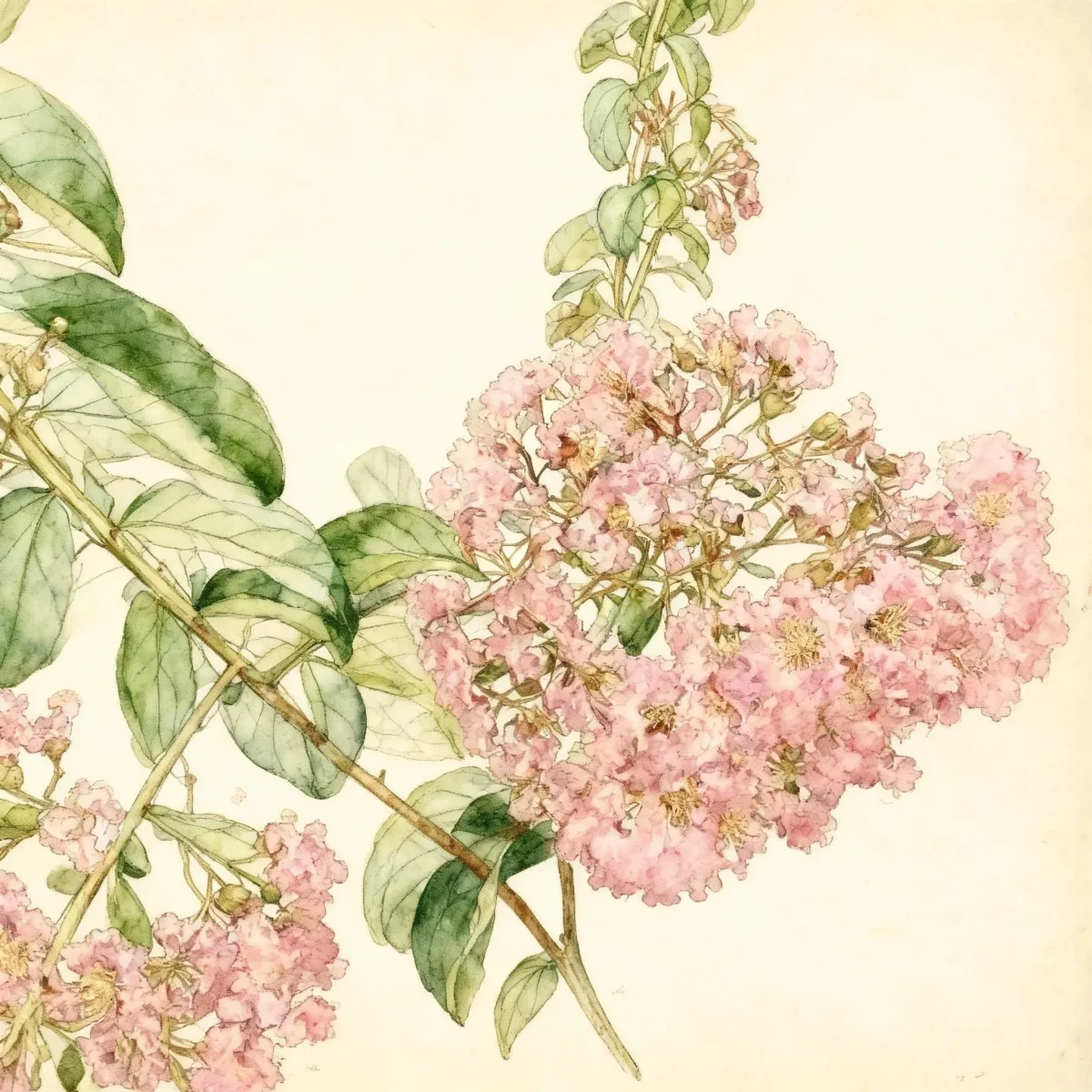
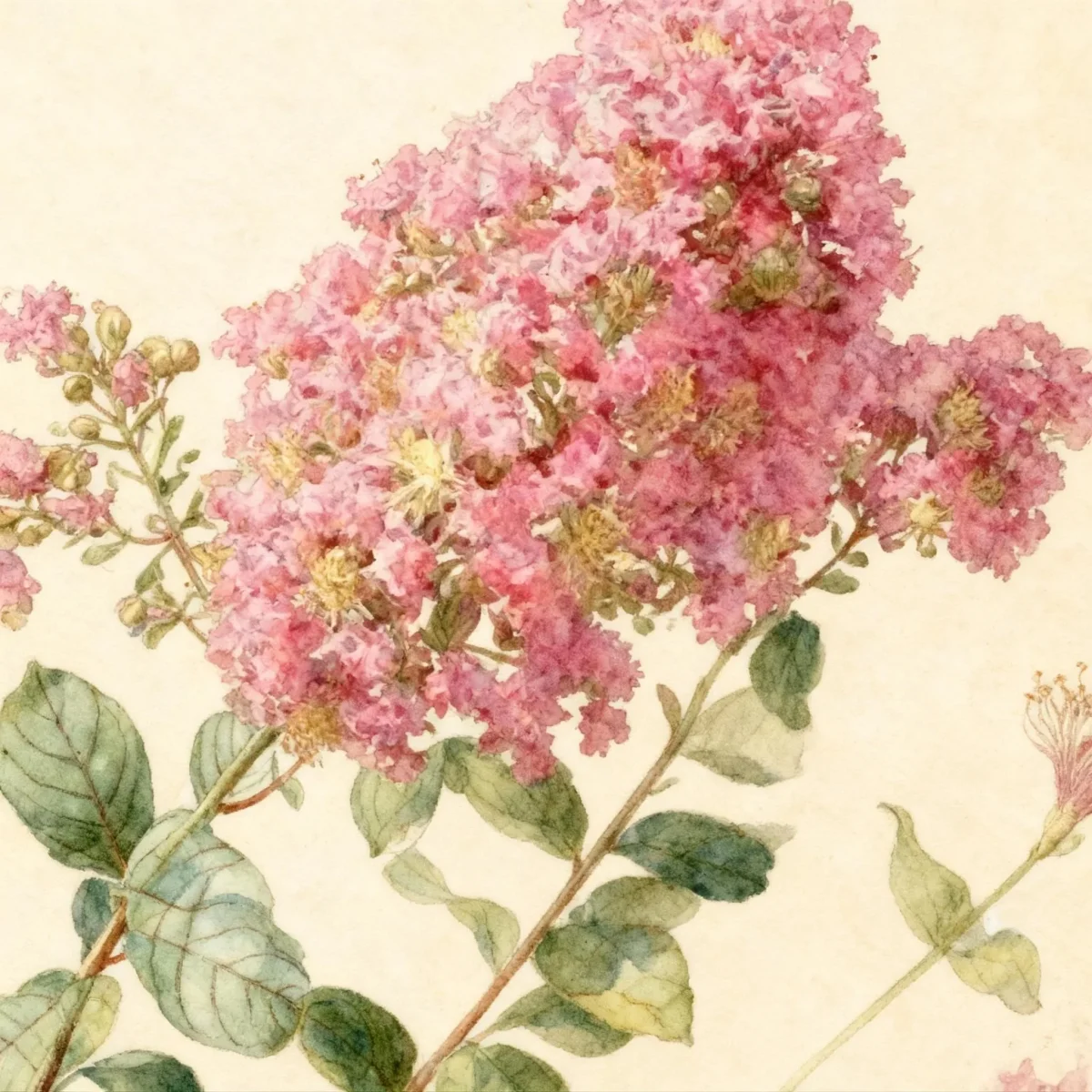
Crape myrtle (Lagerstroemia 'Yuma')
Cultivar Lagerstroemia 'Yuma' creates a stunning, mildew-resistant centerpiece with bicolored lavender blooms from mid-summer to fall.

Bloom Boldly, No Matter the Season - Sweatshirt
Cozy organic cotton sweatshirt featuring our exclusive Purple Coneflower design. Perfect for gardeners who bloom year-round.
Inspired by the beautiful Crape myrtle
Limited first batch (50) — join the waitlist for early access
Waitlist closes Feb 15, 2026.
Complete Plant Information
Field Guide Continues
Ready for care notes, companion picks, and planting tips?
The map is just the start. The full guide below covers growth habits, seasonal performance, and landscape uses.
Overview
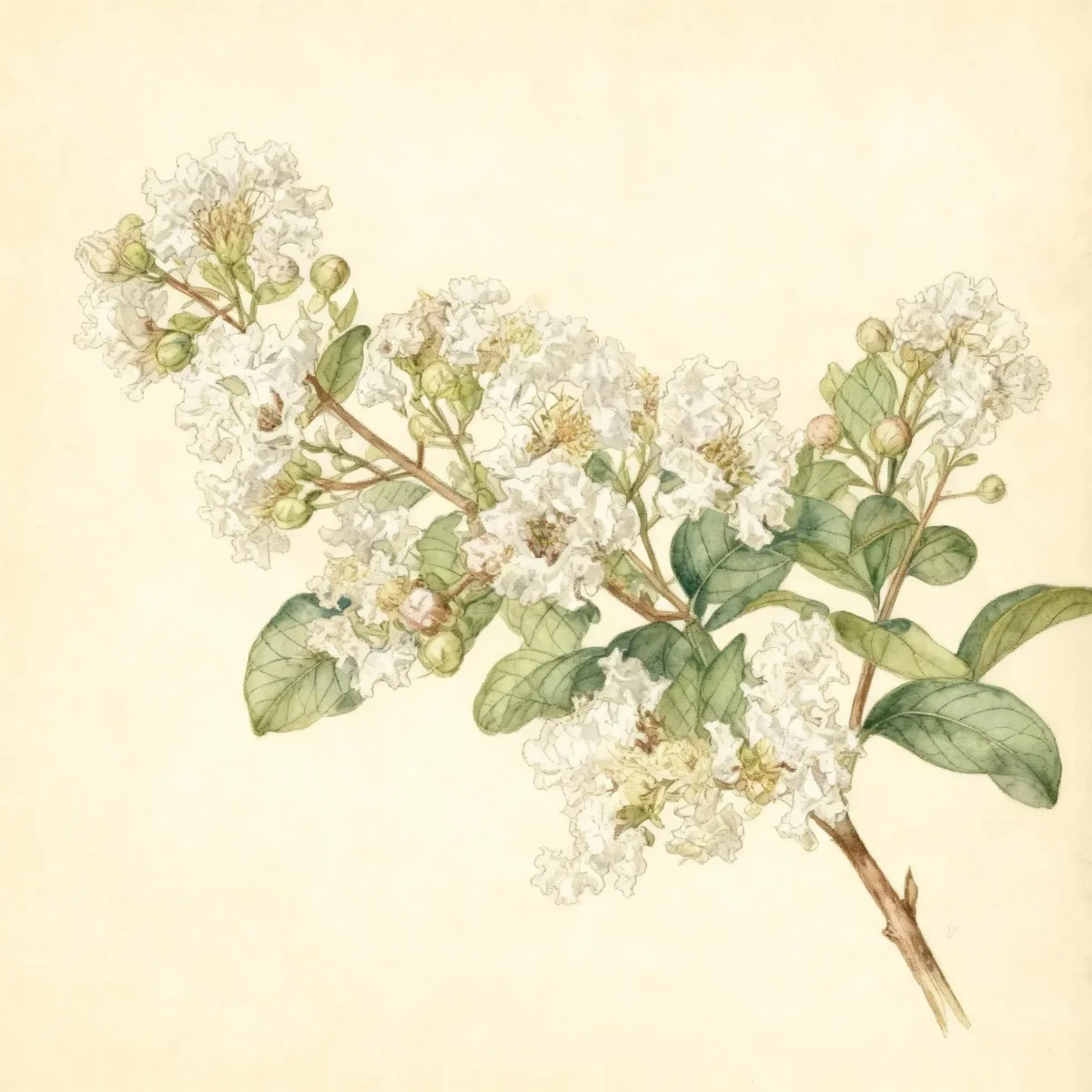
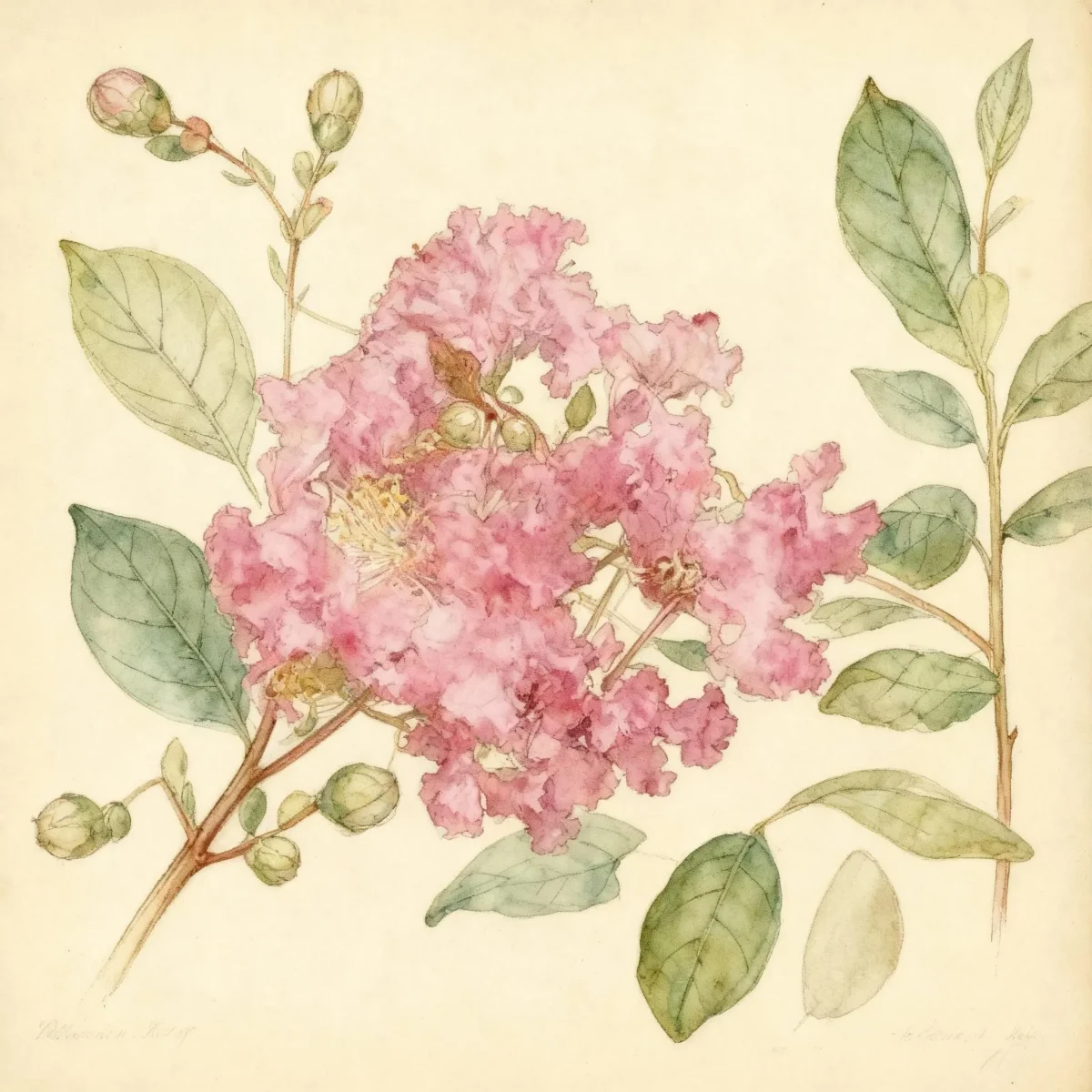
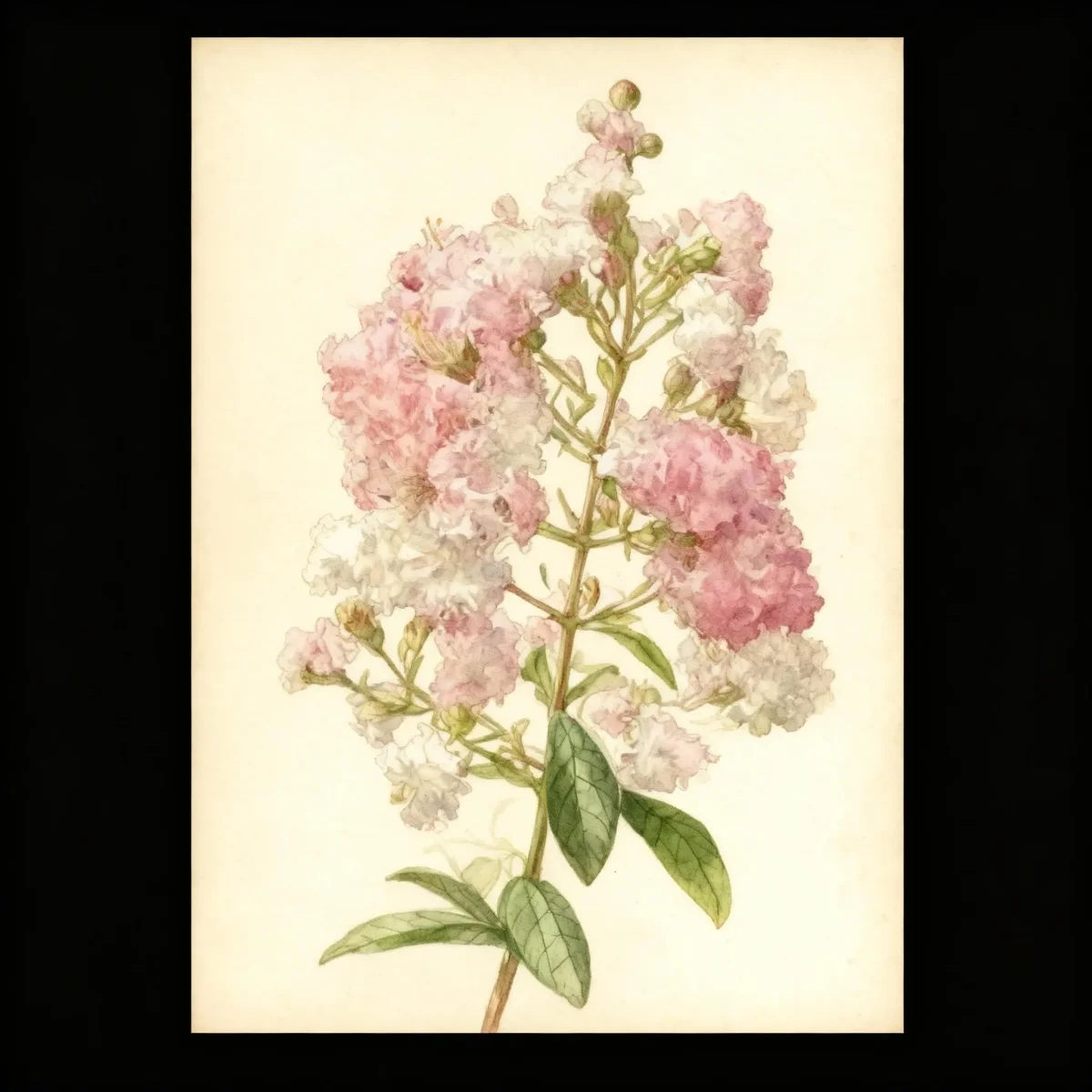
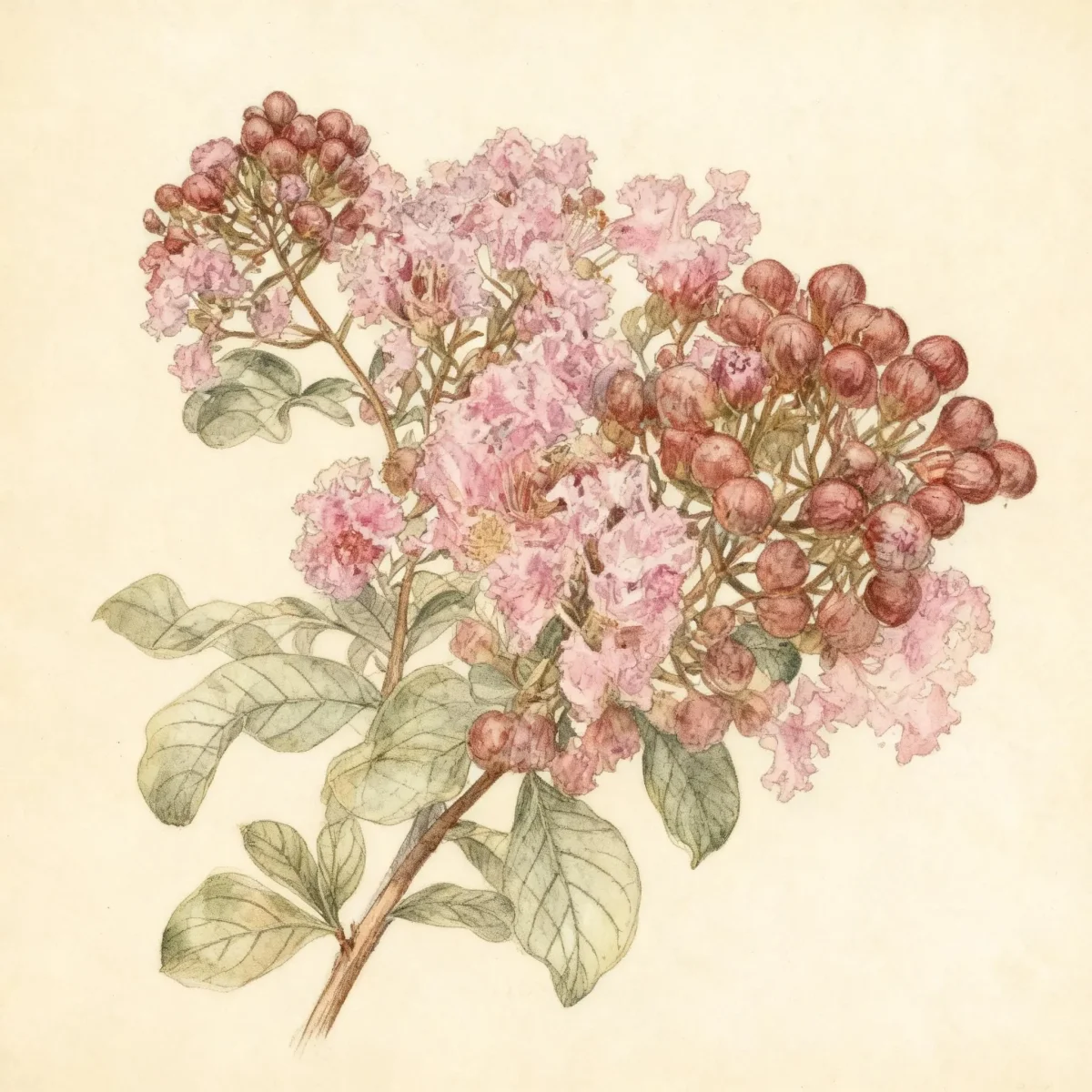
Lagerstroemia ‘Yuma’ is a highly valued cultivar of Crape myrtle, recognized for its vigorous summer display and improved performance in challenging situations. This deciduous multi-stemmed shrub produces spectacular, crepe-papery inflorescences measuring up to 14 inches long, showcasing a unique bicolored lavender hue. Developed as one of the mildew-resistant hybrids, Lagerstroemia ‘Yuma’ provides long-lasting color from mid-summer well into early fall, making it an essential feature in warm-temperate landscapes.
While it functions beautifully as a spreading specimen shrub, its ornamental appeal is enhanced by exfoliating grayish-brown bark that adds winter interest. Although it can reach 20 feet tall in warmer climates, gardeners in challenging zones often manage it successfully as a multi-stemmed shrub or a pruned specimen. For gardeners seeking reliable summer bloom coupled with resilience, Lagerstroemia ‘Yuma’ is an excellent choice.
Fast Facts
- Plant Family: Lythraceae
- Plant Type: Deciduous shrub
- Hardiness Zones: USDA Zones 6-9
- Size at Maturity:
- Height: 6-20 ft
- Spread: 6-20 ft
- Bloom Time: July to September
- Bloom Description: Bicolored lavender
- Sun Exposure: Full sun
- Water Needs: Medium
- Maintenance Level: Medium
How to Grow
The ideal placement for Lagerstroemia ‘Yuma’ requires full sun exposure to ensure robust flowering and discourage disease pressure. Plant this Crape myrtle in average, medium-moisture soils that drain well; it adapts nicely even to loamy or clay soils, provided drainage is adequate. Apply a slow-release fertilizer periodically, but avoid overly rich soils, which encourage excessive leafy growth at the expense of blooms and may increase winter susceptibility.
Water the roots deeply, especially during dry spells, taking care to keep the foliage dry during irrigation to maintain preventative health. In colder parts of its range, specifically USDA Zones 5 and 6, winter protection is crucial. Pruning decisions in these areas often mirror those for butterfly bushes: either cut stems back hard in early spring (to 8 inches) to encourage flowering on new wood, or selectively prune back to live wood when new growth emerges.
For gardeners in Zone 7 and above, Lagerstroemia ‘Yuma’ can be allowed to develop its natural multi-stemmed structure or be trained as a small tree. Even in regions where top growth dies back during harsh winters (below -5°F), the roots often survive, allowing the plant to regenerate strongly the following season. Always mulch well and plant Lagerstroemia ‘Yuma’ in a location protected from extreme winter winds.
Landscape Uses
Crape myrtle, particularly the resilient Lagerstroemia ‘Yuma’, excels when used as a focal point specimen shrub due to its extended bloom time. It naturally forms an upright, spreading shape, making it highly effective when planted in groups or incorporated into shrub borders where its height (up to 20 feet in the South) can anchor a larger design. If you are seeking structural definition, its use as an informal hedge is highly recommended.
In milder regions (warmer than Zone 7), this cultivar functions effectively as a tall screen, providing privacy while offering exceptional summer visual appeal. When pairing plants, consider companions that thrive in similar full-sun, well-drained conditions. In smaller garden settings or containers in areas with marginal winter hardiness, utilize the pruning techniques mentioned above to maintain a more manageable, shrub-like form.
Standout Features
Flower Qualities
- Showy
Fruit Qualities
- Showy
Noteworthy Characteristics
Lagerstroemia is generally recognized for its showy summer-to-fall blooming habit across warm-temperate to tropical regions. The cultivar ‘Yuma’ stands out as one of the mildew-resistant hybrids developed at the National Arboretum, featuring dark green foliage that turns dull yellow-orange in autumn. With age, the grayish-brown bark exfoliates nicely, adding winter texture to the landscape where this Crape myrtle shines.
Tolerances
- Drought
- Clay Soil
- Air Pollution
Potential Problems
The two primary disease concerns for Crape myrtles include fungal leaf spot and powdery mildew. While Lagerstroemia ‘Yuma’ possesses excellent reported mildew resistance, vigilance is still important, especially in humid conditions. Foliage can turn yellow due to chlorosis if grown in highly alkaline soils. Gardeners should also monitor for minor infestations of scale or aphids. The greatest threat wherever winter temperatures frequently drop near or below 0°F is winter injury to the above-ground woody stems, contrasting with the typically hardier root system in Zones 5.
Frequently Asked Questions
What hardiness zones is Crape myrtle suitable for?
Lagerstroemia ‘Yuma’ is reliably hardy in USDA Zones 6 through 9, though top-growth survival is best above Zone 7 in harsh winters.
How large does Crape myrtle grow?
At maturity, this deciduous shrub typically reaches heights and spreads between 6 and 20 feet, depending on the climate and pruning method employed.
What sun exposure does Lagerstroemia ‘Yuma’ need?
This plant requires full sun exposure to ensure abundant flowering and to help mitigate potential fungal issues.
When does Lagerstroemia ‘Yuma’ bloom?
This Crape myrtle variety puts on a spectacular floral display, blooming reliably from July straight through September with distinctive bicolored lavender flowers.
Conclusion
Lagerstroemia ‘Yuma’ offers exceptional value to the landscape through its extended, vibrant lavender bloom and inherent resistance to powdery mildew, making it a superior choice over less resistant types of Crape myrtle. By providing full sun and managing winter pruning appropriately in colder areas, you can enjoy the multi-season beauty of this dynamic shrub. Check your local USDA zone compatibility before planting to ensure the best development for your Lagerstroemia ‘Yuma’.
Companion Planting
When designing a border featuring Lagerstroemia ‘Yuma’, select shrubs and perennials that share high light and moderate water requirements. Consider pairing the summer color of the Crape myrtle with the late-season interest of Sedum ‘Autumn Joy’ or Coneflowers (Echinacea) which also demand full sun. For structural depth, planting evergreen shrubs like Dwarf Blue Holly (Ilex crenata) nearby provides a consistent green backdrop that highlights the exfoliating bark of the Lagerstroemia ‘Yuma’ in winter.
Design Ideas
Utilize the multi-stemmed habit of Lagerstroemia ‘Yuma’ to create vertical accents within a mixed perennial border, allowing the low-growing flowers to cascade visually around the base. In formal cottage gardens, plant several specimens in a row during establishment; once they mature to hedge size, they offer a unique flowering screen hardier than many tropical alternatives. Furthermore, pruning this cultivar severely in spring mimics the look of a large, flowering perennial, integrating it seamlessly into zones where woody shrub forms are unreliable.