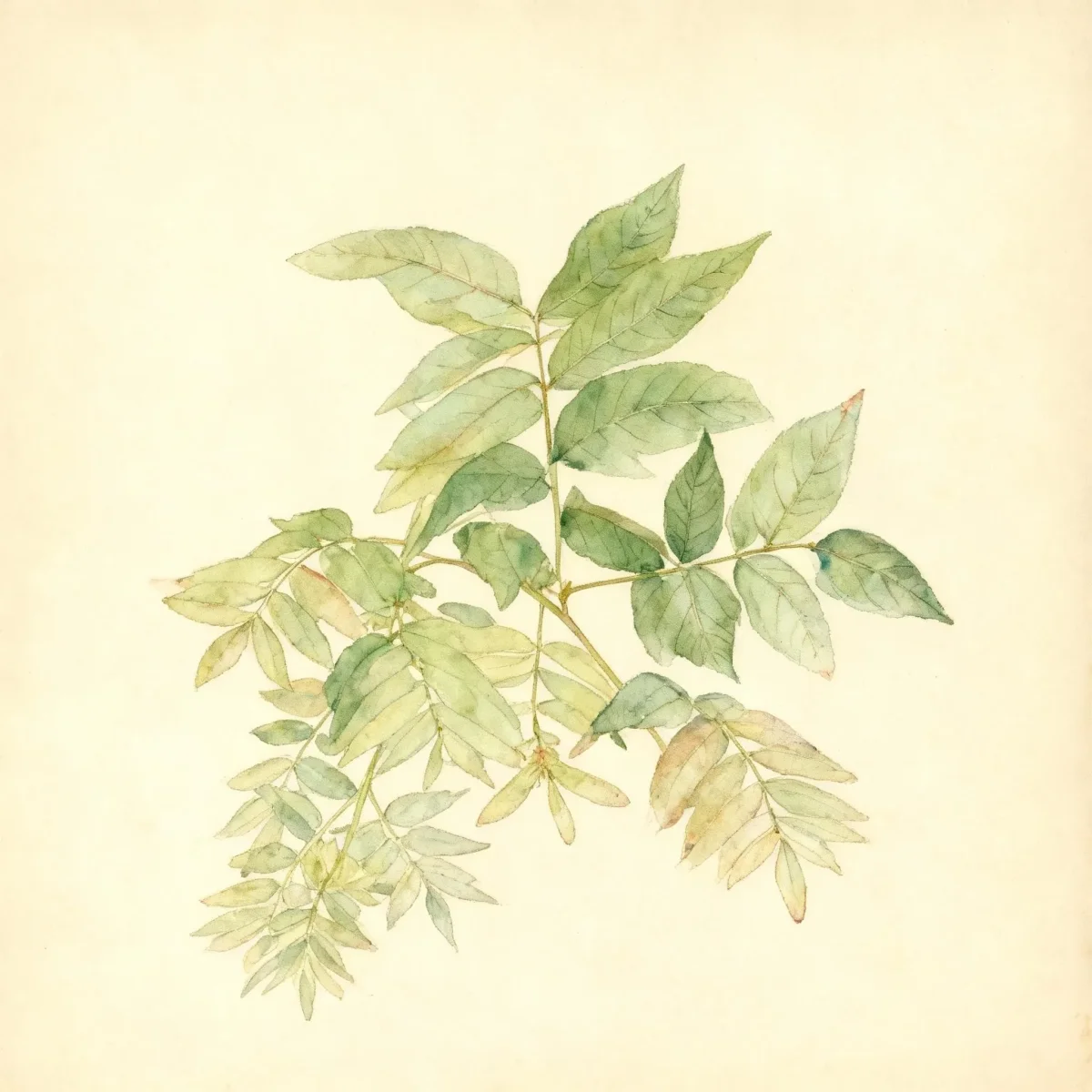
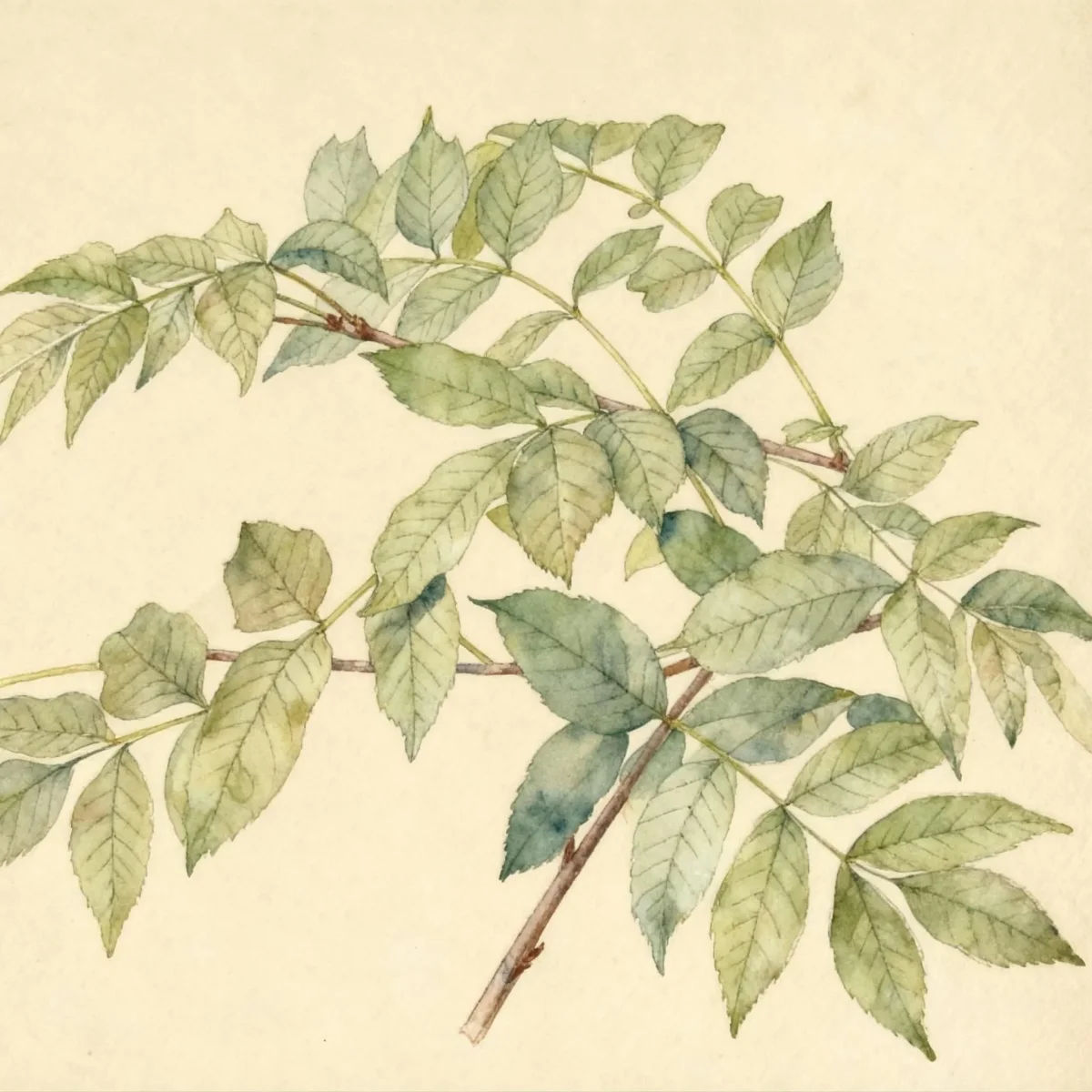
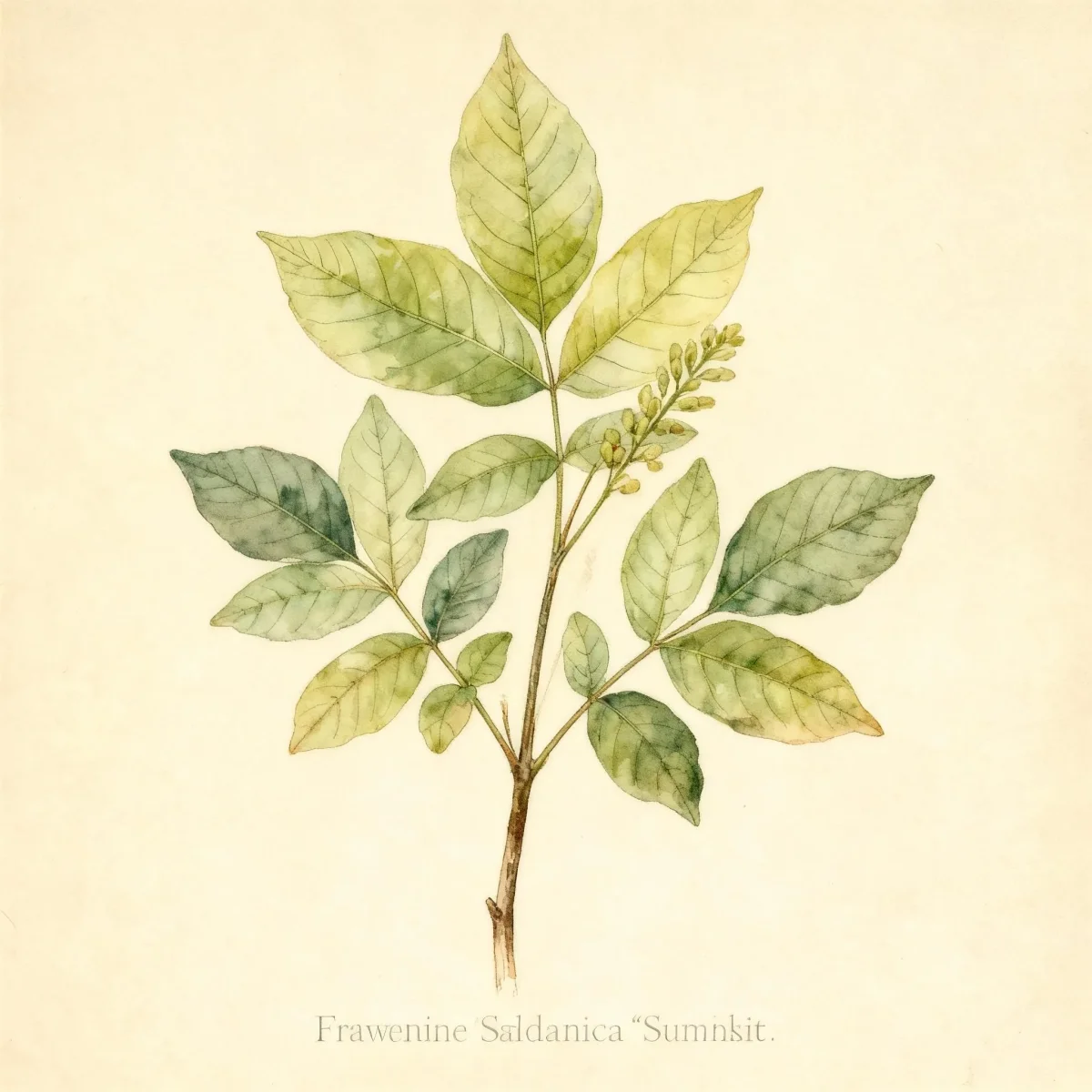
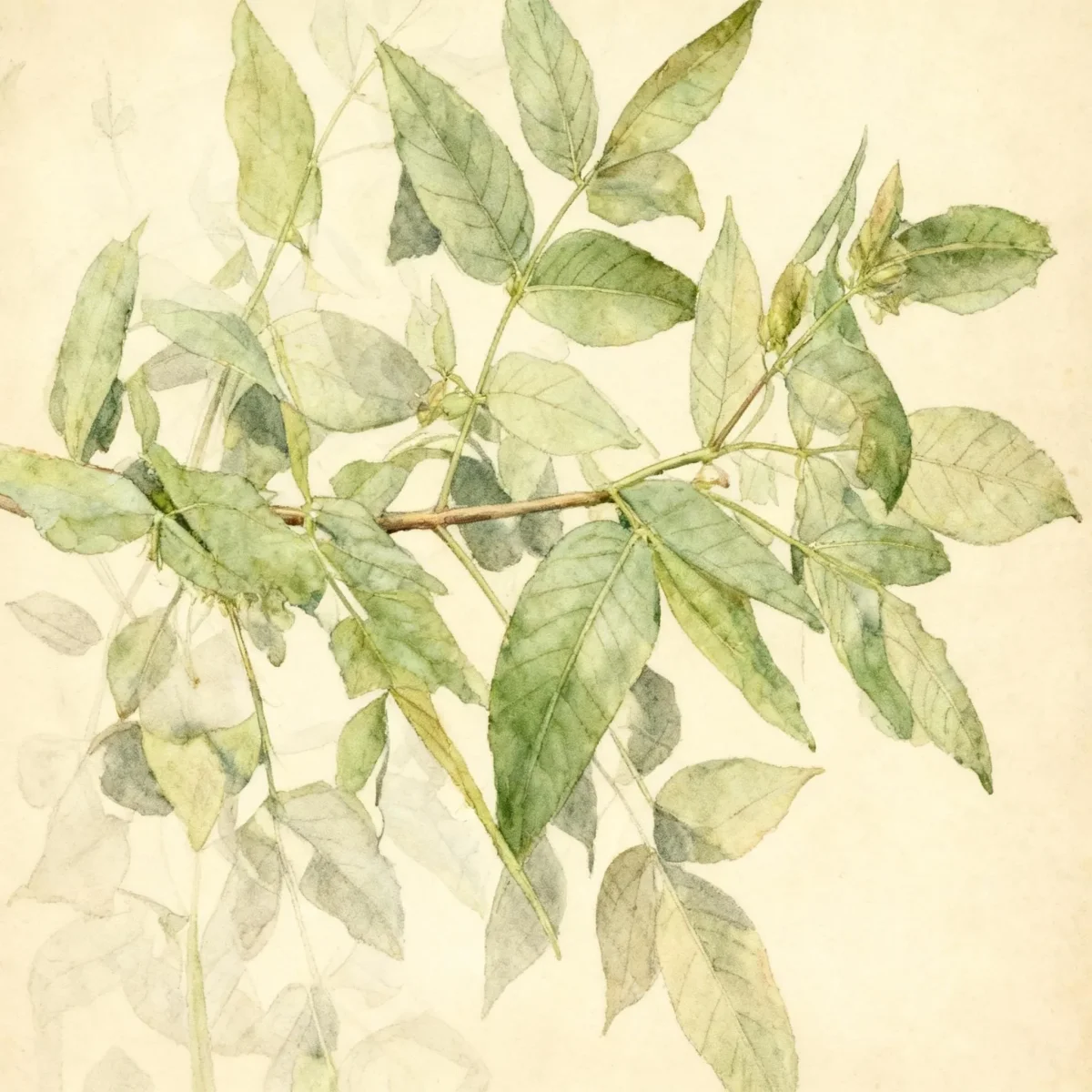
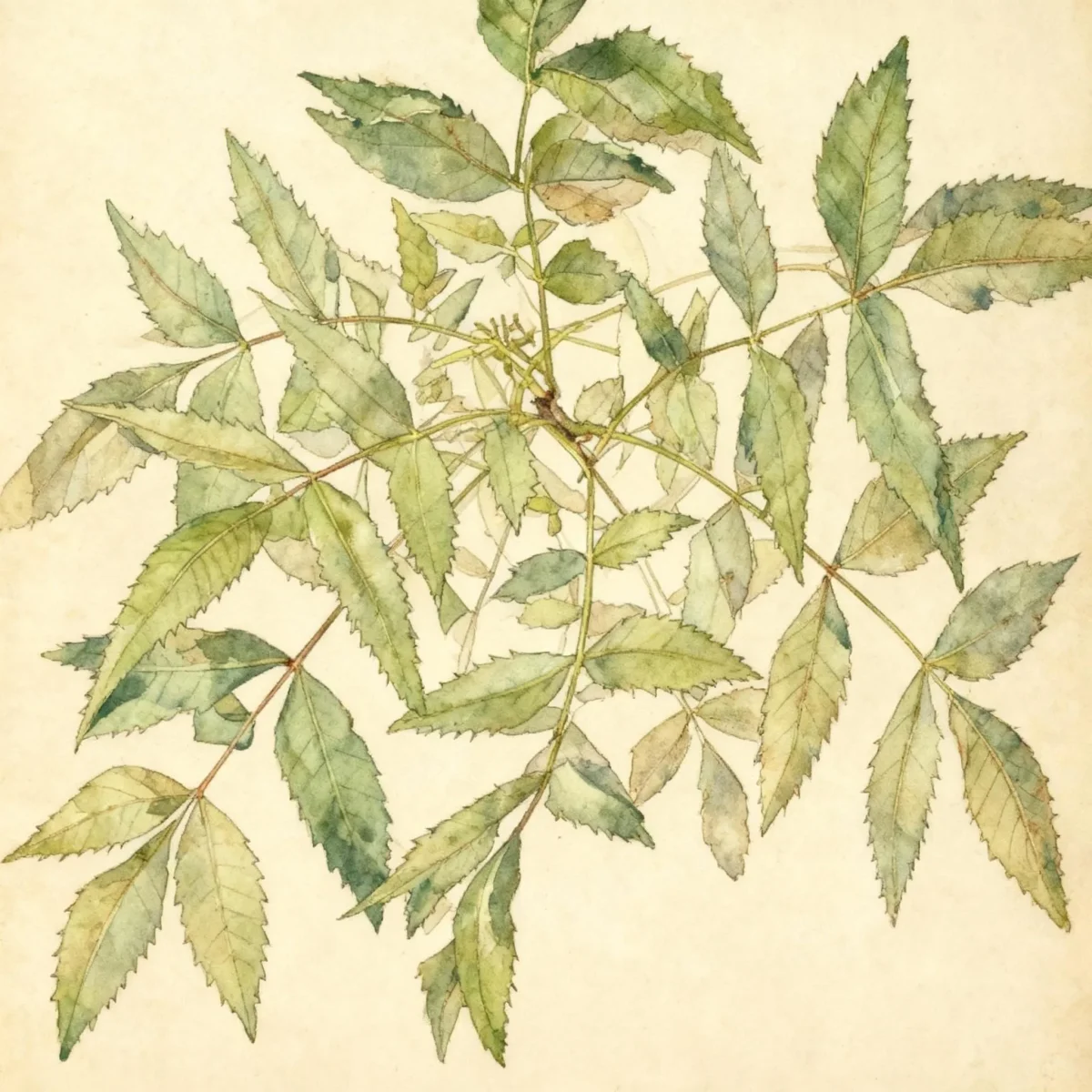
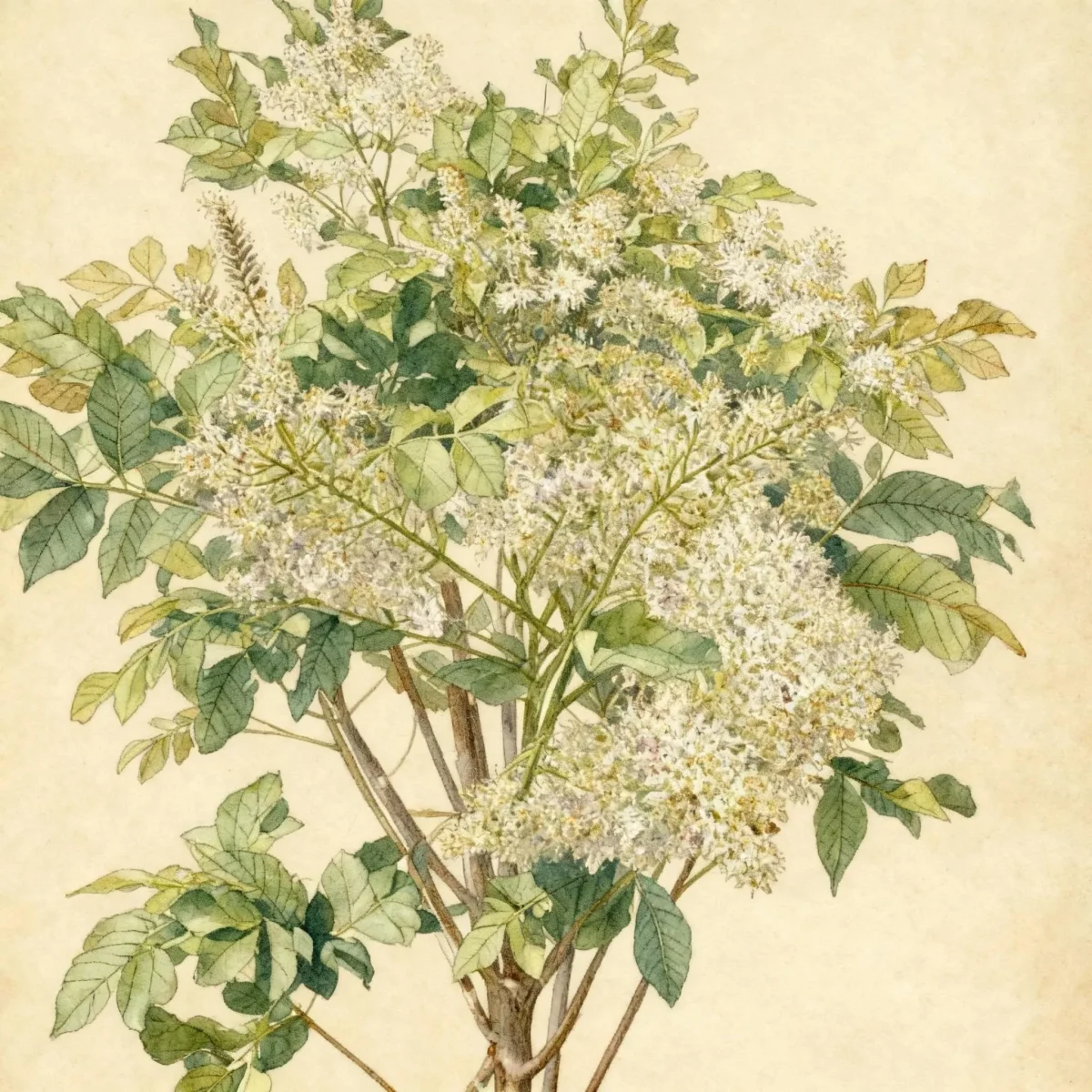
European ash (Fraxinus excelsior 'Hessei')
Fraxinus excelsior 'Hessei', or European ash, is a large shade tree known for its simple leaves and dense, rounded habit, requiring full sun.

Bloom Boldly, No Matter the Season - Sweatshirt
Cozy organic cotton sweatshirt featuring our exclusive Purple Coneflower design. Perfect for gardeners who bloom year-round.
Inspired by the beautiful European ash
Limited first batch (50) — join the waitlist for early access
Waitlist closes Feb 15, 2026.
Complete Plant Information
Field Guide Continues
Ready for care notes, companion picks, and planting tips?
The map is just the start. The full guide below covers growth habits, seasonal performance, and landscape uses.
Overview
Fraxinus excelsior ‘Hessei’, often recognized as the cultivar of the European ash, offers the structure of a stately deciduous tree adapted for providing significant shade. Unlike the straight species, this cultivar develops simple, rather than compound, leaves, which remain dark green well into the autumn. Gardeners seeking a large specimen for structure appreciate its reliably rounded form and 50 to 60-foot mature height.
While historically valued as a popular landscape choice across Europe for its stature, the use of European ash in North America is now heavily scrutinized due to pest susceptibility. This tree thrives best when planted in climates that afford cooler summer temperatures, preferring consistent moisture and rich soil conditions. The cultivar ‘Hessei’ is particularly noteworthy as it does not produce seed, simplifying landscape management where fertility control is desired.
The established size and dense canopy of Fraxinus excelsior ‘Hessei’ make it an imposing feature tree when placed appropriately in large settings. Although its green spring flowers are insignificant, its robust structure fills the need for a substantial, spreading shade provider when site conditions match its specific cultural requirements.
Fast Facts
- Plant Family: Oleaceae
- Plant Type: Tree
- Hardiness Zones: USDA Zones 5-7
- Size at Maturity:
- Height: 50-60 ft
- Spread: 40-50 ft
- Bloom Time: April to May
- Bloom Description: Green
- Sun Exposure: Full sun
- Water Needs: Medium
- Maintenance Level: Medium
How to Grow
Planting European ash should occur in well-drained loams that are organically rich, ensuring the roots have access to adequate moisture retention. The optimal site for Fraxinus excelsior ‘Hessei’ will receive full sun throughout the day. Because this species performs best where summers are relatively cool, avoid intensely hot, dry locations, especially in Zones 6 and 7, where heat stress exacerbates other issues.
Watering should be consistent, meeting the medium needs of the tree, particularly while it establishes its root system. Once mature, it can tolerate periods of dryness better than some trees, but regular deep watering during prolonged summer droughts ensures vitality. Fertilization is seldom required in rich soils, but an annual balanced feed may benefit older specimens showing signs of decline.
Pruning requirements focus primarily on maintenance and safety. Remove crossing or damaged limbs promptly, as the wood can be brittle and susceptible to breakage from high winds or heavy ice loads. Always inspect the trunk and major scaffold branches annually when checking for signs of various borers, which are a significant concern for all ash varieties.
Landscape Uses
Historically, the impressive size and broad crown of the European ash made it an excellent, timeless choice for a shade tree in sprawling lawns or expansive park settings. Its capability to mature at 50 to 60 feet tall allowed it to function effectively as a street tree, softening hard urban environments with its dense summer foliage. However, due to threats like the emerald ash borer, planting new specimens is strongly discouraged in many regions.
If planting is undertaken outside of established quarantine zones or in highly controlled environments, consider pairing Fraxinus excelsior ‘Hessei’ with other large, resilient deciduous trees like Oaks or Maples in the background to maintain visual mass. Because light penetration beneath the canopy is poor once established, limit flowering shrubs or delicate perennials near the base, favoring shade-tolerant groundcovers or mulch.
For landscapes that require a significant, imposing focal point where no pest risk exists, the rounded silhouette of this cultivar is highly desirable. Since this cultivar does not produce seed, maintenance related to seedling cleanup is eliminated, adding to its usefulness as a specimen tree in formal designs.
Standout Features
Flower Qualities
- Insignificant
Noteworthy Characteristics
Fraxinus excelsior, commonly called European ash or common ash, is native to Europe and western Asia. This specific cultivar, ‘Hessei’, develops an oval-rounded form, reaching up to 60 feet, and is distinguished by its simple, dark green, toothed leaves that hold color late into fall. A major distinguishing feature is that this cultivar of European ash does not produce seed, simplifying landscape management.
Tolerances
- Deer
Potential Problems
The primary threat to Fraxinus excelsior ‘Hessei’, and all ash species, is the Emerald Ash Borer (EAB), an invasive pest whose larvae feed under the bark, leading to tree death within three to five years post-infestation. Immediate quarantine protocols and preventative systemic insecticide treatments are necessary if EAB is present in your growing region as a proactive measure for safeguarding European ash.
Beyond EAB, European ash trees are susceptible to a host of other issues, including various borers, scale insects, and leaf-feeding pests like webworms and leaf miners. Disease can manifest as fungal leaf spots, rust, powdery mildew, and cankers, often exacerbated by stress factors like drought. General ash decline is also a common concern, often linked to adverse soil conditions or environmental pressures.
To mitigate branch breakage problems, carefully inspect older specimens for signs of structural weakness, as brittle limbs are prone to falling during severe ice storms or high winds. Consistent cultural care—providing deep water during dry spells and ensuring proper siting—is the best defense against stress-related infections and pest vulnerability for your Fraxinus excelsior ‘Hessei’.
Frequently Asked Questions
What hardiness zones is European ash suitable for?
Fraxinus excelsior ‘Hessei’ is suitable for USDA Hardiness Zones 5 through 7.
How large does Fraxinus excelsior ‘Hessei’ grow?
This cultivar typically matures to a height between 50 and 60 feet, with a corresponding spread of 40 to 50 feet.
What sun exposure does European ash need?
The European ash requires full sun exposure for optimal growth and health.
When does Fraxinus excelsior ‘Hessei’ bloom?
Blooming occurs between April and May, characterized by insignificant green flowers.
Conclusion
The Fraxinus excelsior ‘Hessei’ offers significant architectural presence with its dense, rounded canopy, making it a powerful statement tree when sited correctly. Despite its historical landscape popularity, the severe threat posed by the Emerald Ash Borer necessitates extreme caution when considering planting any European ash cultivar today. Before planting, always confirm local advisories regarding EAB spread and ensure your site offers the moist, rich soils and cooler summers required for this magnificent tree.
Companion Planting
When successfully growing Fraxinus excelsior ‘Hessei’ in suitable cool-climate areas, consider companion plantings that can handle deep shade once the ash matures. Good understory choices that tolerate low light include Hostas, especially the larger, more robust varieties, and ferns such as the Japanese Painted Fern for contrasting texture and color. In the broader planting scheme, utilize resilient specimen trees like certain Oaks (Quercus species) or large maples (Acer species) as structural companions that share similar soil base requirements but offer different resistances.
Seasonal Care Calendar
Spring preparation for your European ash should involve a thorough inspection for winter damage and signs of early pest activity, such as emerging aphids or scale crawlers. Summer care centers almost entirely on moisture management; apply slow, deep watering during dry spells to keep the soil consistently moist, reflecting the tree’s preference for well-drained yet organically rich loam. In the fall, avoid heavy fertilization; instead, focus on clearing leaf litter if disease history warrants, though this cultivar generally retains foliage well. Winter preparation is straightforward; ensure the root zone is insulated should extreme temperature swings occur, especially for younger specimens in Zone 5.