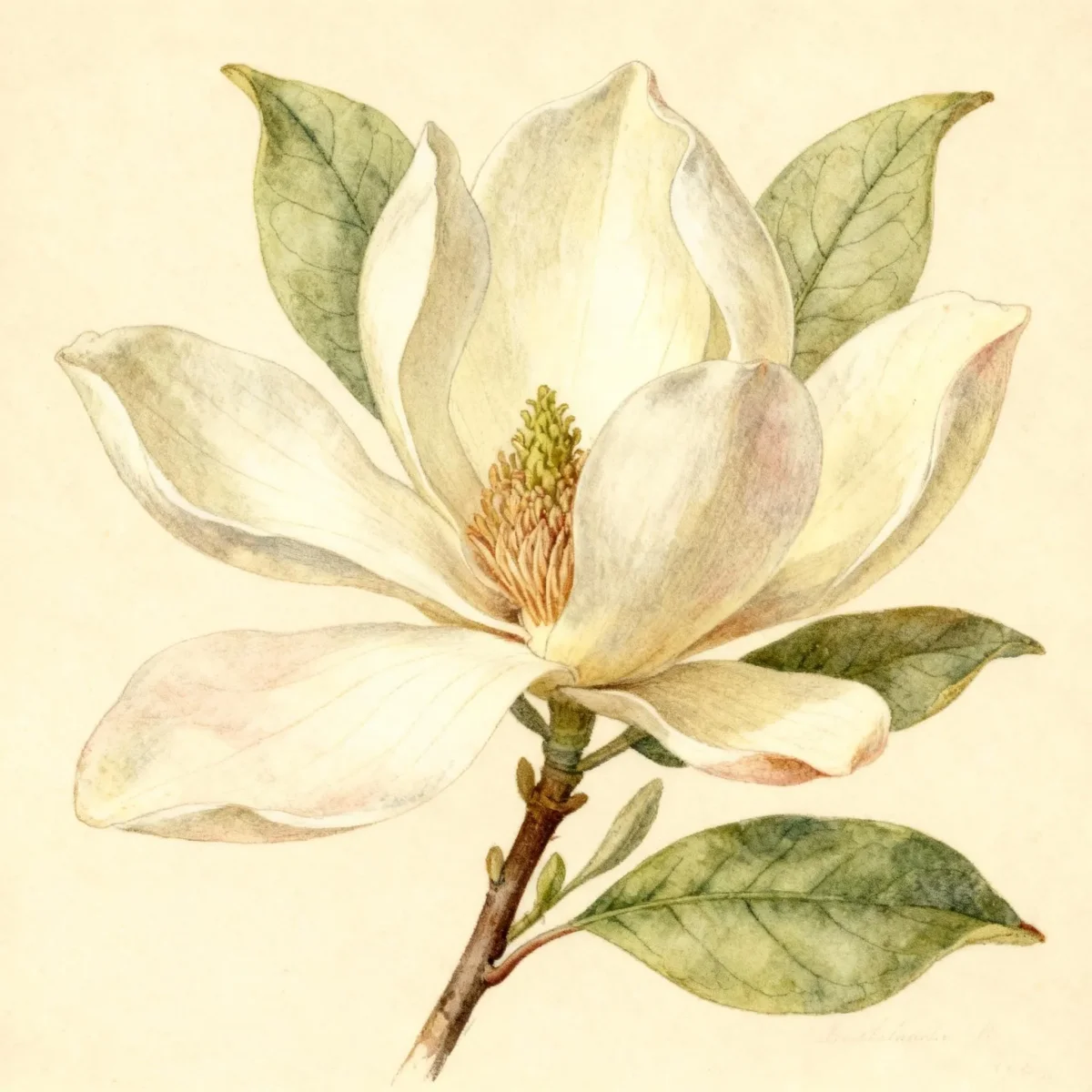
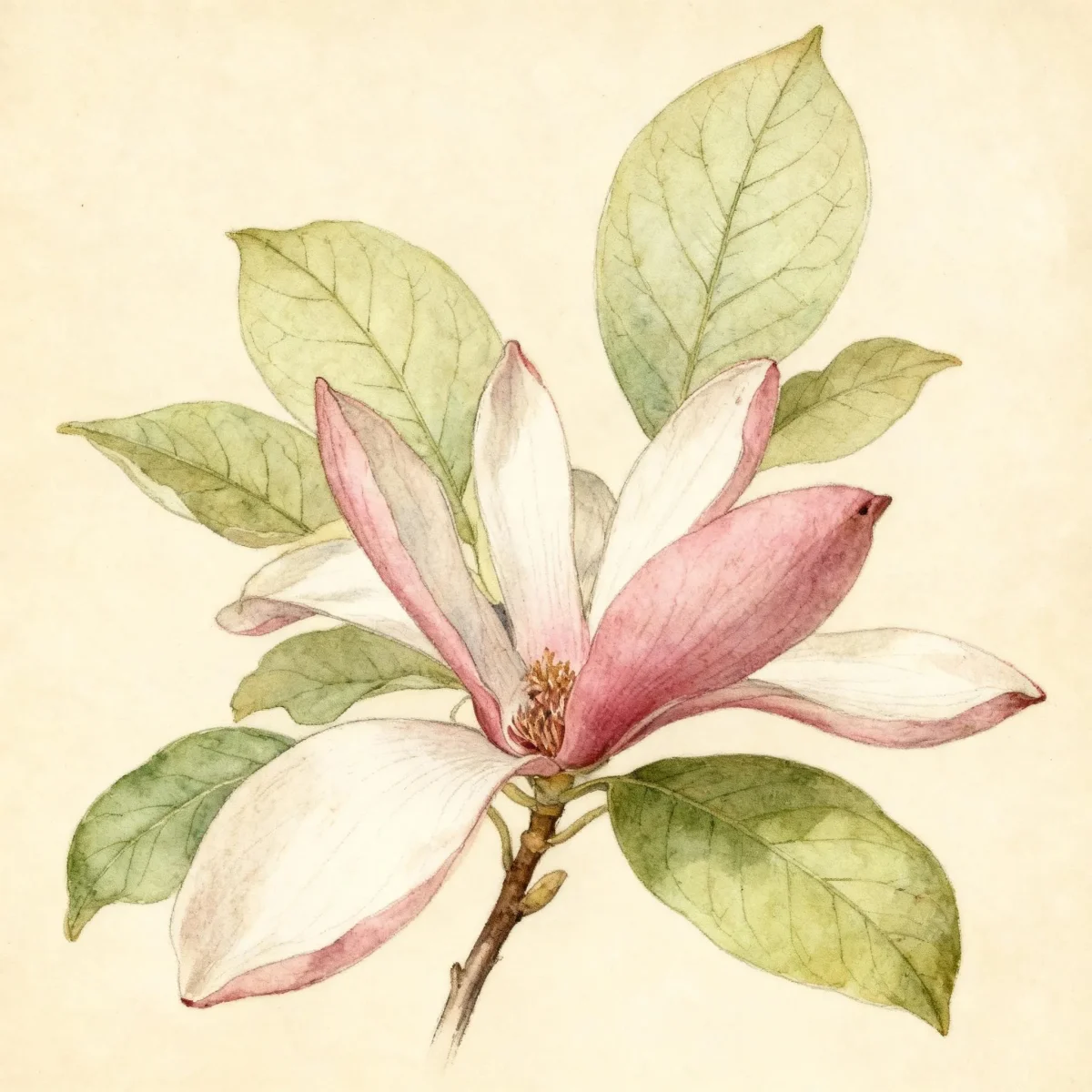
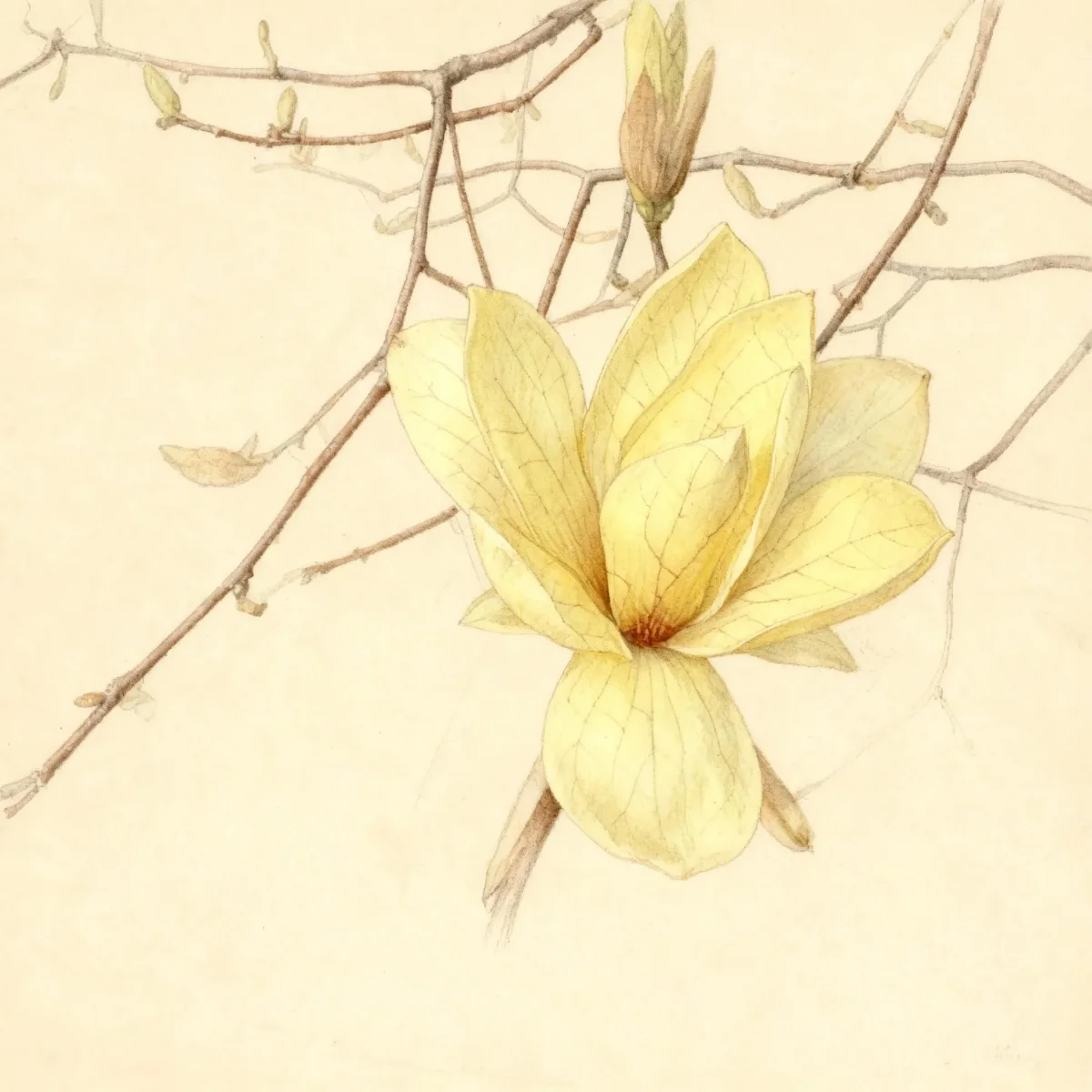
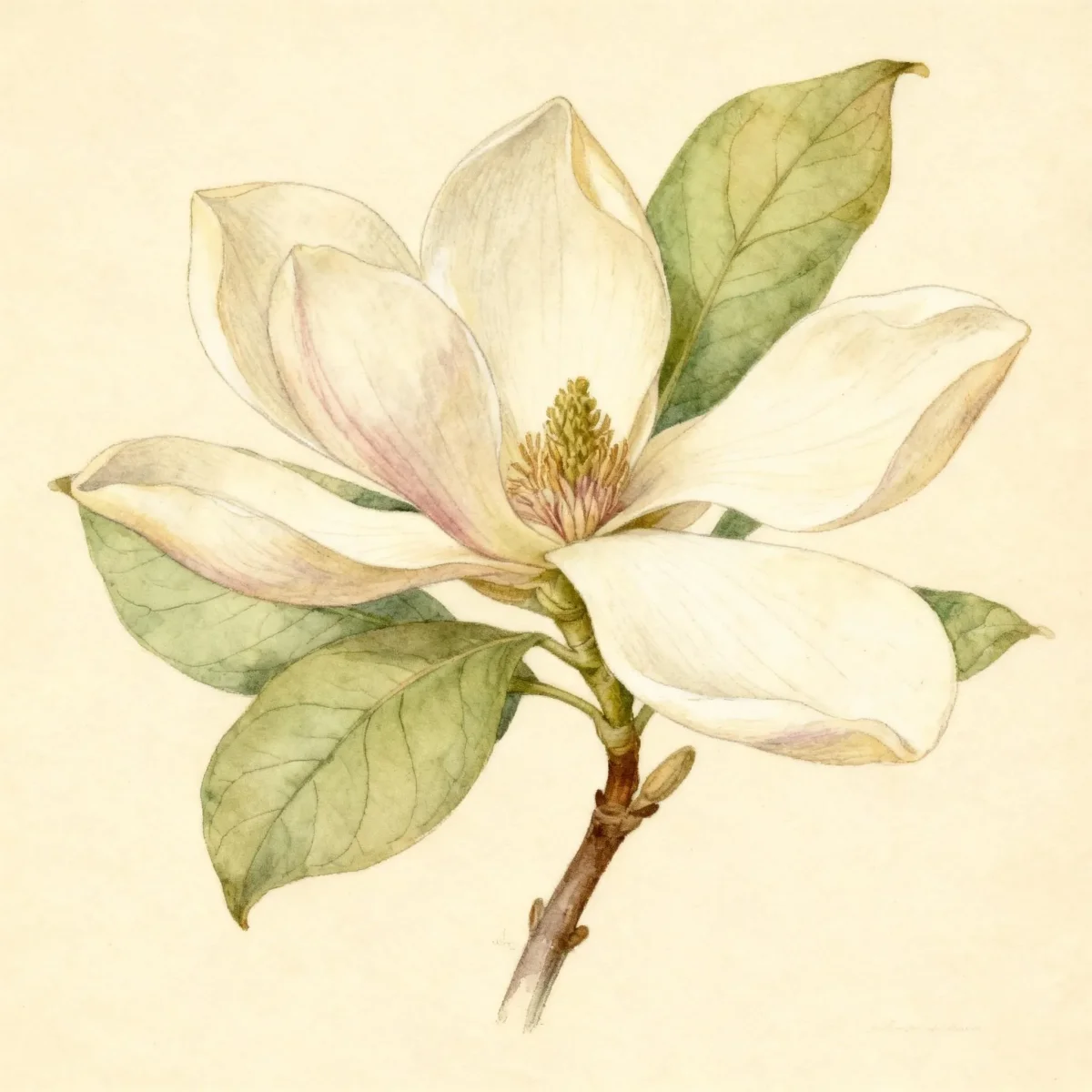
Magnolia (Magnolia 'Butterflies')
Discover Magnolia 'Butterflies,' a low-maintenance hybrid tree featuring showy, fragrant yellow spring blooms. Hardy in Zones 5-9.

Bloom Boldly, No Matter the Season - Sweatshirt
Cozy organic cotton sweatshirt featuring our exclusive Purple Coneflower design. Perfect for gardeners who bloom year-round.
Inspired by the beautiful Magnolia
Limited first batch (50) — join the waitlist for early access
Waitlist closes Feb 15, 2026.
Complete Plant Information
Field Guide Continues
Ready for care notes, companion picks, and planting tips?
The map is just the start. The full guide below covers growth habits, seasonal performance, and landscape uses.
Overview
Magnolia ‘Butterflies’ is a highly prized deciduous hybrid, celebrated for introducing reliable, non-fading yellow color to the spring garden. This specific cultivar of Magnolia offers an upright, pyramidal habit, making it an excellent choice where space is moderate or a strong vertical accent is desired. Gardeners value this tree for its unique bloom time and relatively low maintenance requirements once established.
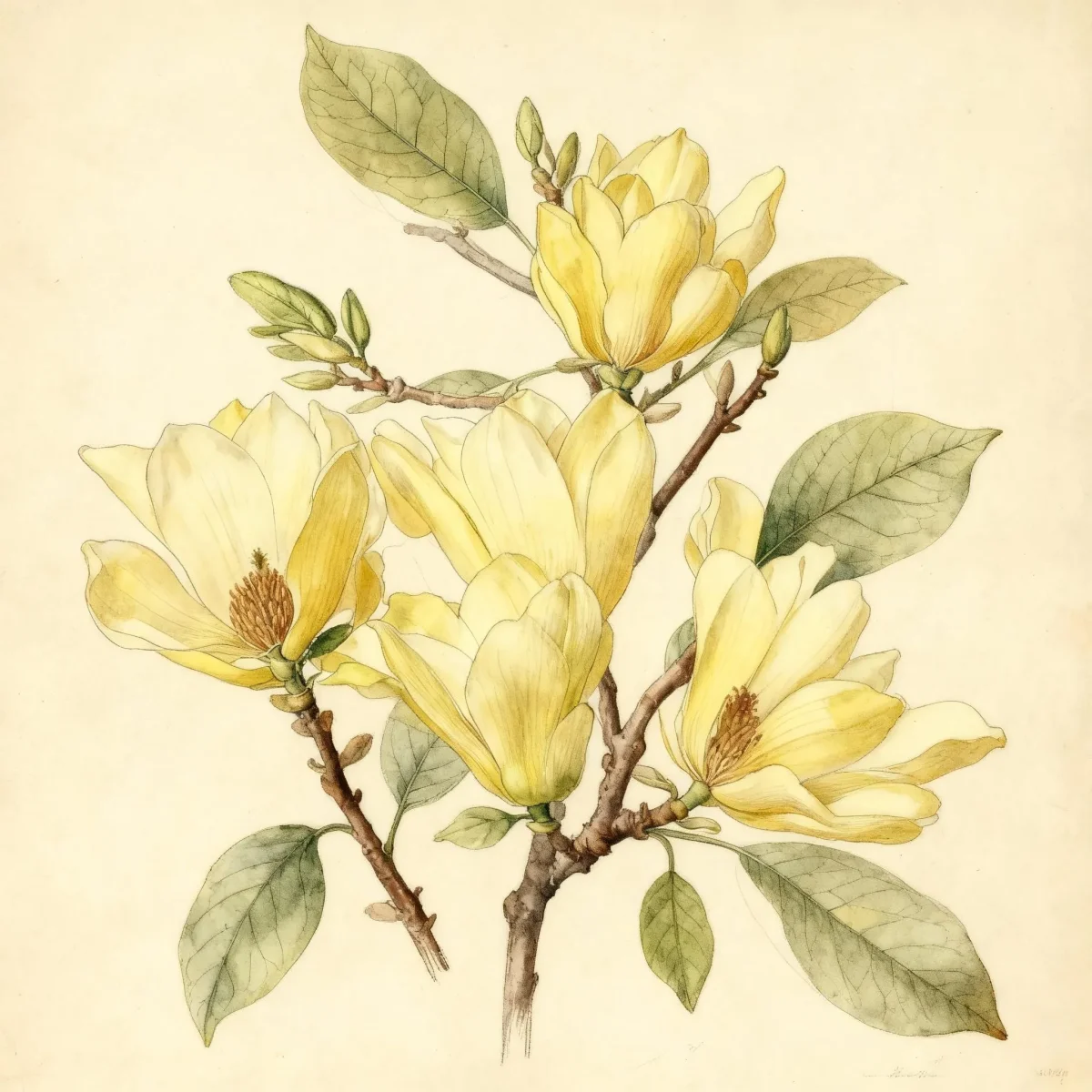
As a cross between M. Acuminata and M. Denudata, Magnolia ‘Butterflies’ inherits hardiness to both cold winters and summer heat. Its stunning, tulip-like yellow flowers appear robustly in April, typically before the dark green foliage fully emerges, creating a spectacular, concentrated floral display that lasts nearly a week.
The overall structure of Magnolia ‘Butterflies’ lends itself well to formal or informal settings, functioning beautifully as a focal point or a modest structural component in the landscape design. Its dependable performance and striking seasonal interest solidify its place as a superior flowering tree option for many regions.
Fast Facts
- Plant Family: Magnoliaceae
- Plant Type: Tree
- Hardiness Zones: USDA Zones 5-9
- Size at Maturity:
- Height: 15-20 ft
- Spread: 10-15 ft
- Bloom Time: April
- Bloom Description: Yellow
- Sun Exposure: Full sun to part shade
- Water Needs: Medium
- Maintenance Level: Low
How to Grow
Establishment of Magnolia ‘Butterflies’ requires careful initial placement, as its fleshy root system is highly susceptible to damage during transplanting. Aim to plant in early spring or fall in organically rich, neutral to slightly acidic, medium-moisture, well-drained soils. Full sun exposure is ideal for best flowering, though this Magnolia will tolerate part shade.
Once planted, ensure the root zone is covered with mulch to help conserve the necessary consistent soil moisture. Locate your Magnolia ‘Butterflies’ away from harsh, drying winds, and specifically avoid warm southern exposures, which can trick the spring buds into opening prematurely, exposing them to frost damage.
Watering should remain consistent, aiming for medium moisture levels, especially throughout the first few years. Pruning this Magnolia is minimal; restrict invasive cuts to removing dead or damaged wood, which should be done immediately following the bloom period in spring. Avoid any major structural pruning outside of this window.
Landscape Uses
The elegant, compact pyramidal form of Magnolia ‘Butterflies’ makes it a fantastic flowering tree for specimen planting where its canopy can be viewed from all sides. It serves excellently as a central accent in a sunny border or as a slightly taller element when utilized in a layered hedge design. Furthermore, its moderate mature size qualifies it as a small shade tree perfect for softening patio areas or entryways without overpowering them.
When considering companions, select slower-growing foundation shrubs that appreciate similar soil conditions—rich, slightly acidic, and well-draining. Look for plants that bloom later in the season, such as late-flowering Hydrangeas or perennial groupings, to extend visual interest beyond the brief but brilliant Magnolia performance.
Standout Features
Flower Qualities
- Showy
- Fragrant
Noteworthy Characteristics
The genus Magnolia encompasses about 100 species plus numerous hybrids, typically presenting as deciduous or evergreen trees and shrubs featuring large, simple leaves and showy flowers. The cultivar ‘Butterflies’ is a noted deciduous hybrid recognized for its stable, non-fading yellow flowers and compact pyramidal shape, boasting good adaptability to heat and cold. Its upright, tulip-like yellow flowers, measuring up to 5 inches across, bloom profusely for about 7 to 9 days in early spring, with the dark green foliage emerging only after the tepals have dropped.
Tolerances
- Air Pollution
Potential Problems
Magnolia ‘Butterflies’ generally exhibits low maintenance, but like all Magnolias, it can be susceptible to specific issues if conditions are not ideal. Potential disease concerns include powdery mildew, leaf spots, anthracnose, canker, and dieback. Vigilant monitoring of foliage, especially in humid or overly shaded conditions, is key to early intervention for fungal issues.
Insect pests that may target this plant include scale insects, weevils, snails, and thrips. Managing these pests often involves promoting good air circulation through proper pruning and using horticultural oils or targeted treatments if populations become severe. The greatest vulnerability remains transplant shock due to the sensitive, fleshy root system.
Frequently Asked Questions
What hardiness zones is Magnolia ‘Butterflies’ suitable for?
Magnolia ‘Butterflies’ is hardy and performs best when planted within USDA Hardiness Zones 5 through 9.
How large does Magnolia ‘Butterflies’ grow?
This upright, pyramidal tree typically reaches a mature height of 15 to 20 feet, spreading between 10 and 15 feet wide.
What sun exposure does Magnolia ‘Butterflies’ need?
For optimal flowering and growth, plant this Magnolia hybrid in locations receiving full sun, though it tolerates partial shade.
When does Magnolia ‘Butterflies’ bloom?
The stunning yellow blooms of this Magnolia typically appear in April, often before the leaves emerge.
Conclusion
Magnolia ‘Butterflies’ provides exceptional structure and brilliant yellow spring color with minimal fuss, making it a rewarding choice for any thoughtful gardener. This exceptional Magnolia hybrid proves that bold spring impact doesn’t require high annual maintenance. Before planting, always confirm your local hardiness zone compatibility and plan your site selection carefully to protect that sensitive root system.
Companion Planting
When designing beds around your Magnolia ‘Butterflies’, select plants that thrive in the same rich, slightly acidic, medium-moisture soil environment. Later-blooming shrubs, such as Rhododendrons or Azaleas—which share similar preferred soil chemistry—can ensure color continuity after the Magnolia’s initial show fades. Underplanting with acid-loving perennials like Hosta or Astilbe works well, provided the companion plants do not compete directly with the Magnolia’s shallow root zone, especially within the mulch ring.
Seasonal Care Calendar
Spring care focuses heavily on protecting those glorious blooms; avoid late-season pruning or heavy fertilizing that might encourage tender new growth at the wrong time. Summer maintenance centers on consistent, deep watering to meet the medium water needs, especially during dry spells, while ensuring established mulch remains intact around the root zone. Fall is the time to gently clean up any fallen leaves, but most importantly, ensure the tree has adequate moisture as it enters winter dormancy, which helps protect its root vigor.