Magnolia(Magnolia 'Butterflies')
Grow Butterflies yellow magnolia (Magnolia 'Butterflies'): non-fading canary-yellow fragrant blooms, late-frost avoidance, Phil Savage hybrid, USDA zones 5–9 care.
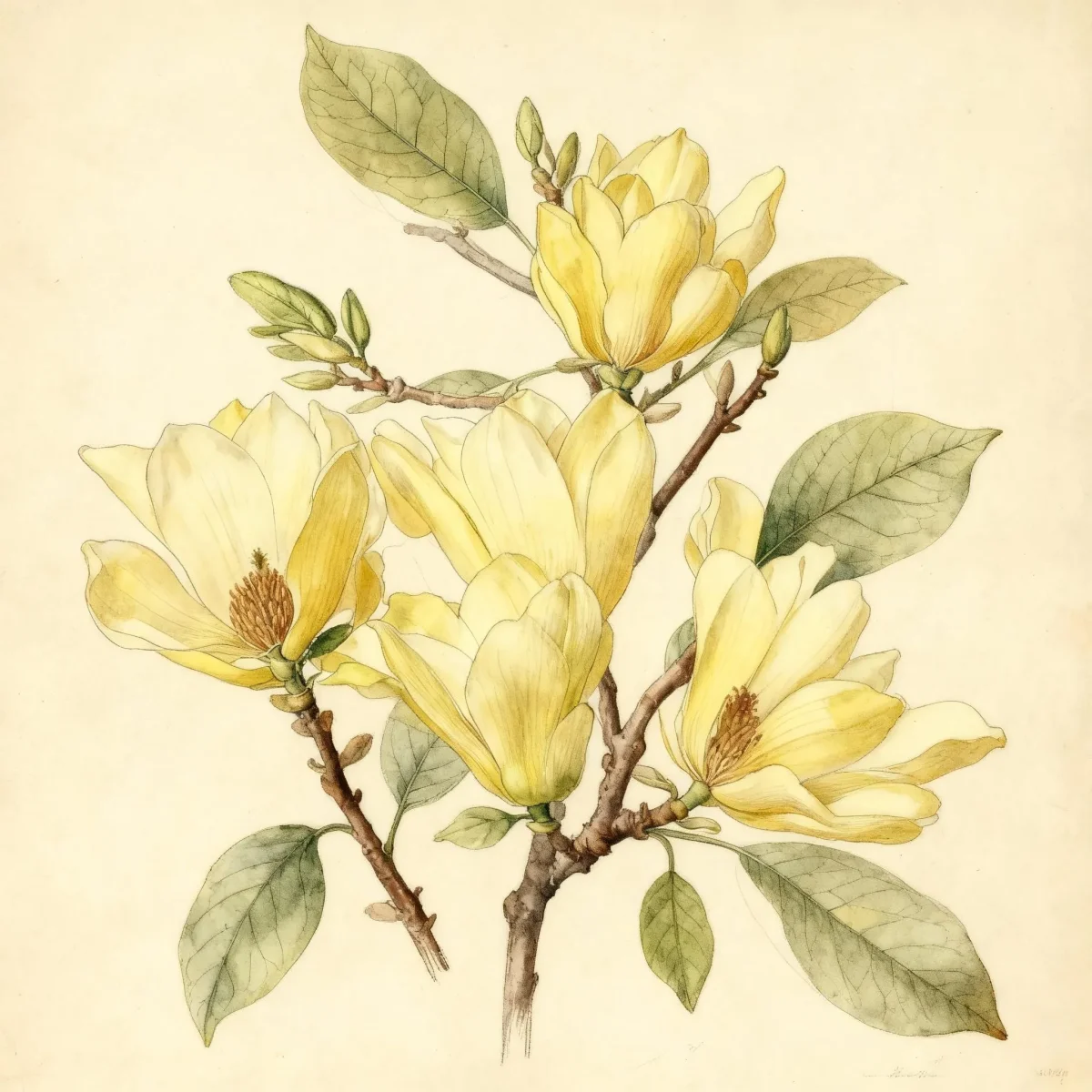
Complete Plant Information
- Hardiness zones
- USDA 5–9
- Plant type
- Tree
- Plant family
- Magnoliaceae
- Sun exposure
- Full sun to part shade
- Water needs
- Medium
- Maintenance
- Low
- Height
- 15–20 ft (457–610 cm)
- Spread
- 10–15 ft (305–457 cm)
- Bloom time
- April
- Flower color
- Upright, 4-5 inch tulip-shaped flowers of non-fading canary-yellow with red stamens and sweet lemon fragrance
- Flower qualities
- Showy, Fragrant
- Fruit qualities
- Not recorded
- Tolerances
- Air Pollution, Clay Soil
- Garden uses
- Focal specimen lawn tree, spring courtyard anchor, sunny border focal point
- Native range
- Artificial hybrid origin (Phil Savage cross: M. acuminata × M. denudata)
Field Guide Continues
Ready for care notes, companion picks, and planting tips?
The map is just the start. The full guide below covers growth habits, seasonal performance, and landscape uses.
Overview
Butterflies magnolia (Magnolia ‘Butterflies’) is a landmark yellow-flowering deciduous ornamental small tree hardy across USDA Zones 5 through 9. Hybridized in Michigan by legendary magnolia breeder Phil Savage by crossing native American cucumber tree (Magnolia acuminata) with the Asian Yulan magnolia (Magnolia denudata), ‘Butterflies’ is universally acclaimed as one of the finest true-yellow magnolias in cultivation. Maturing into a neat, pyramidal to rounded small tree 15 to 20 feet tall and 10 to 15 feet wide, it blankets its bare branches in mid-spring with upright, 4- to 5-inch tulip-shaped blossoms of non-fading, rich canary-yellow with red-tipped stamens and a sweet lemon scent.
Because it inherits late-blooming genes from its native cucumber tree parent, ‘Butterflies’ opens 7 to 10 days later in spring than saucer or star magnolias, safely escaping damaging late spring frosts.
How to Grow
- Sunlight & Siting: Full sun (at least 6 hours daily) produces the heaviest flower bud count and most symmetrical canopy. In warmer southern climates (Zones 8 and 9), light afternoon canopy shade protects foliage from extreme summer heat.
- Avoid Reflective South Walls: Avoid planting directly against warm, south-facing reflective brick walls, which can trigger buds to swell prematurely in late winter.
- Soil & Shallow Roots: Magnolias have thick, fleshy, cord-like root systems that grow close to the soil surface. Never cultivate, till, or dig around the base. Plant in moist, organically rich, slightly acidic to neutral loamy soil (pH 5.5 to 6.8). Apply a 2- to 3-inch layer of organic bark mulch out to the drip line to conserve moisture.
- Pruning Discipline: Prune only immediately following petal drop in late spring to remove crossed or dead branches. Pruning later in summer removes developing flower buds set for the following spring.
Landscape Uses
- Spring Specimen Lawn Tree: Serves as a breathtaking focal tree in front lawns, bursting with bright yellow blooms before leaves emerge.
- Courtyard & Patio Anchor: Compact 15- to 20-foot stature fits comfortably into smaller urban lots without overwhelming residential space.
- Sunny Border Focal Point: Provides vertical height and early spring drama anchored behind lower summer-blooming perennials.
Potential Problems
- Root Disturbance: Fleshy surface roots are sensitive to soil compaction and digging; always maintain a wide mulch bed.
- Premature Warm Spells: While later than saucer magnolias, unprecedented warm late-winter heat followed by a deep freeze can damage expanding buds.
- Scale Insects: Occasionally susceptible to magnolia scale; treat with horticultural oil in late winter.
Frequently Asked Questions
Do ‘Butterflies’ magnolia flowers fade to white?
No. ‘Butterflies’ inherits rich carotenoid pigments that hold their vivid canary-yellow coloration throughout the 7- to 10-day bloom cycle without fading to cream.
When does ‘Butterflies’ magnolia bloom?
It blooms in mid-to-late April, approximately 7 to 10 days later than pink saucer magnolias, significantly reducing the risk of late-spring frost damage.
What does the flower smell like?
Blossoms release a sweet, clean citrus-and-lemon fragrance accented with delicate anise notes.
Companion Plants
Pair Butterflies magnolia with spring-blooming perennials and understory bulbs that appreciate similar moist, slightly acidic soil:
- Spring Flowering Bulbs: Underplant with grape hyacinths (Muscari), blue squill (Scilla), and purple crocuses for yellow-and-blue contrast.
- Shade-Tolerant Native Perennials: Combine with Virginia bluebells (Mertensia virginica), bleeding hearts, and foamflower (Tiarella).
- Evergreen Shrubs: Sited near dark green hollies or yews to emphasize the bright canary-yellow blossoms.
Sources & Lineage
- Missouri Botanical Garden PlantFinder: Record taxon 263919 (Magnolia ‘Butterflies’) — Phil Savage 1988 hybrid background, parentage, and dimensions.
- Kew Plants of the World Online (POWO): Magnolia Plum. ex L. (POWO: 30000709-2) — genus taxonomy and classification.
- Magnolia Society International (MSI): Cultivar Checklist: Magnolia ‘Butterflies’ — registration details, M. acuminata × M. denudata cross, and evaluation notes.
Recommended Companion Plants
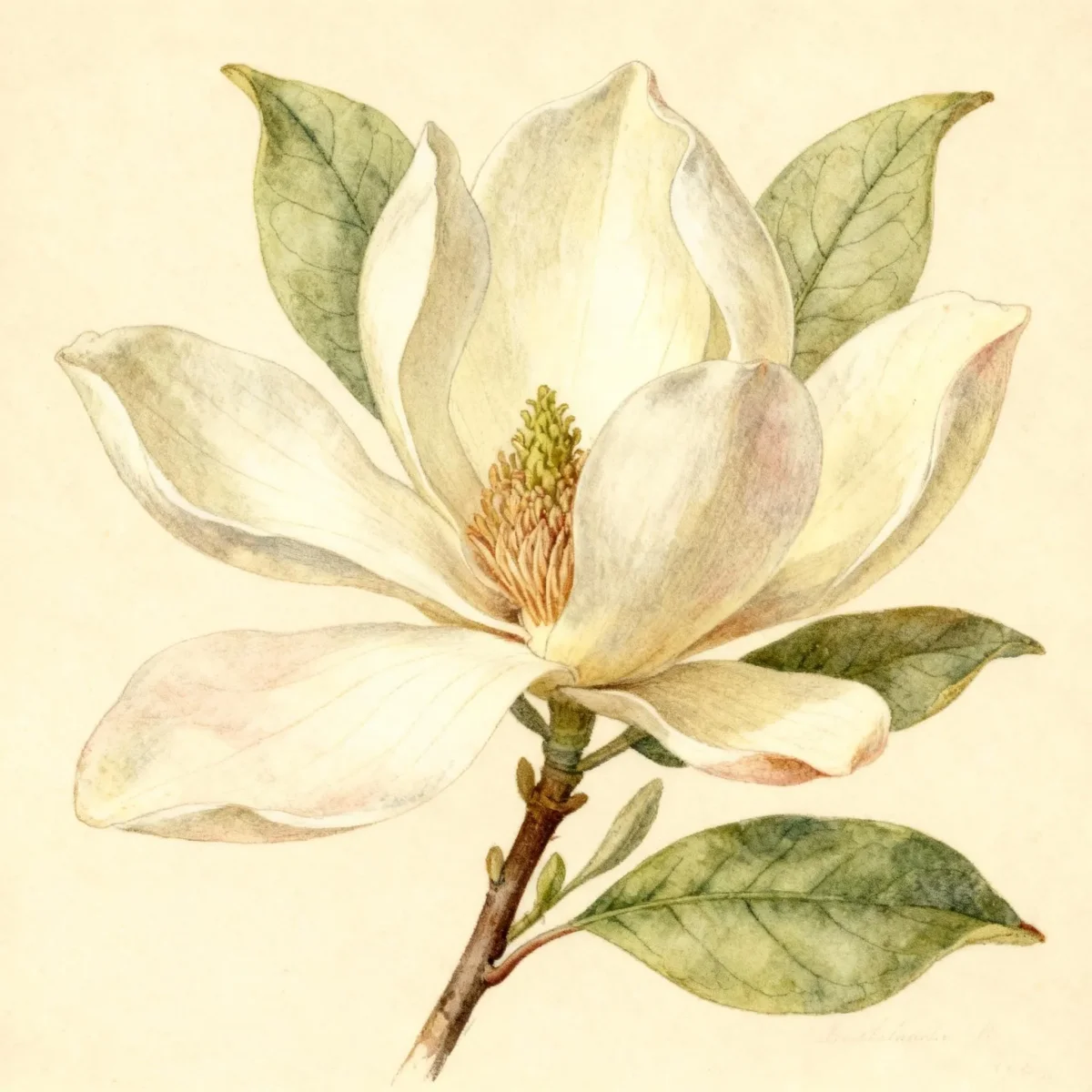
Magnolia
Magnolia 'Elizabeth'
- USDA zones
- 5–8
- Light
- Full sun to part shade
- Water
- Medium
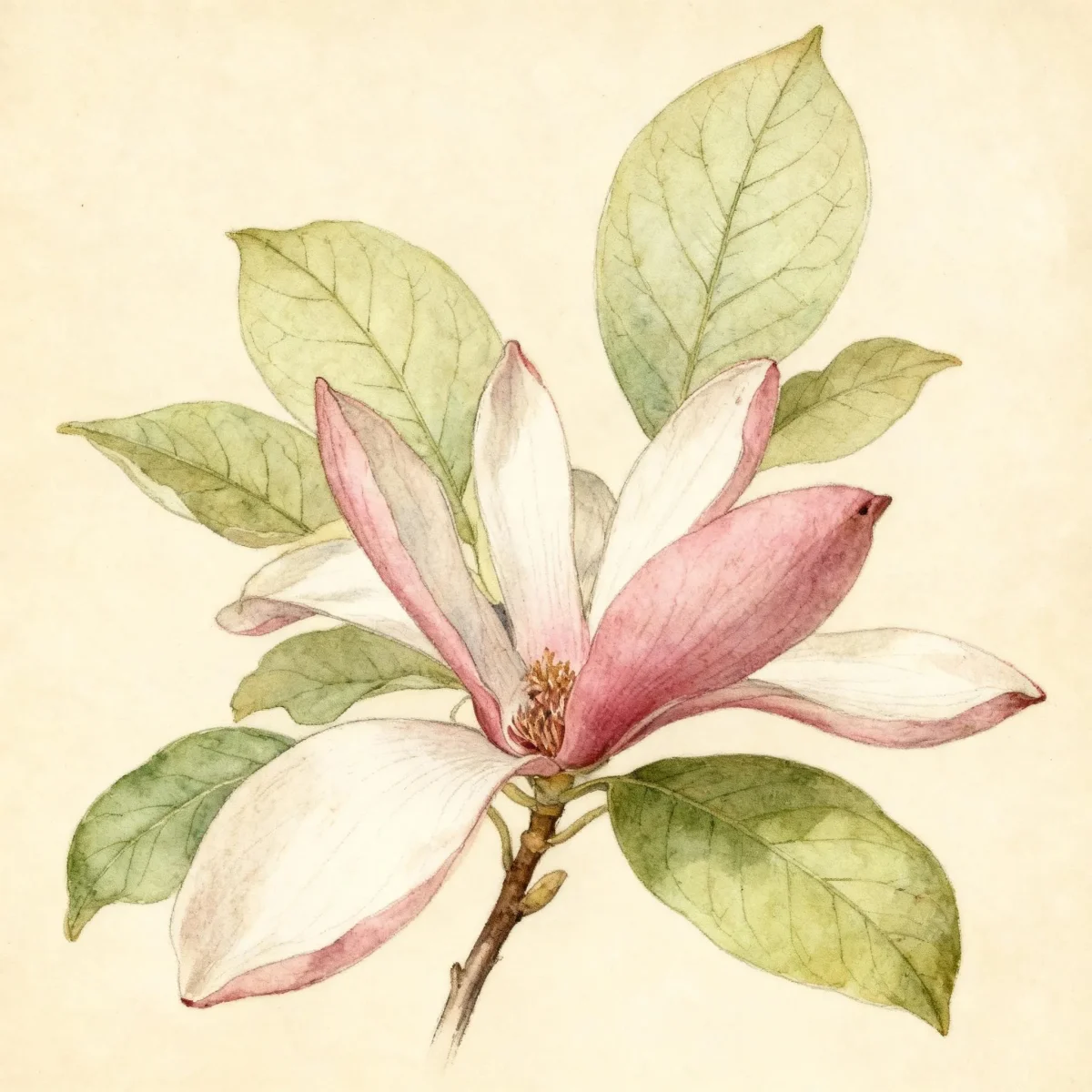
Magnolia
Magnolia 'Galaxy'
- USDA zones
- 5–9
- Light
- Full sun to part shade
- Water
- Medium
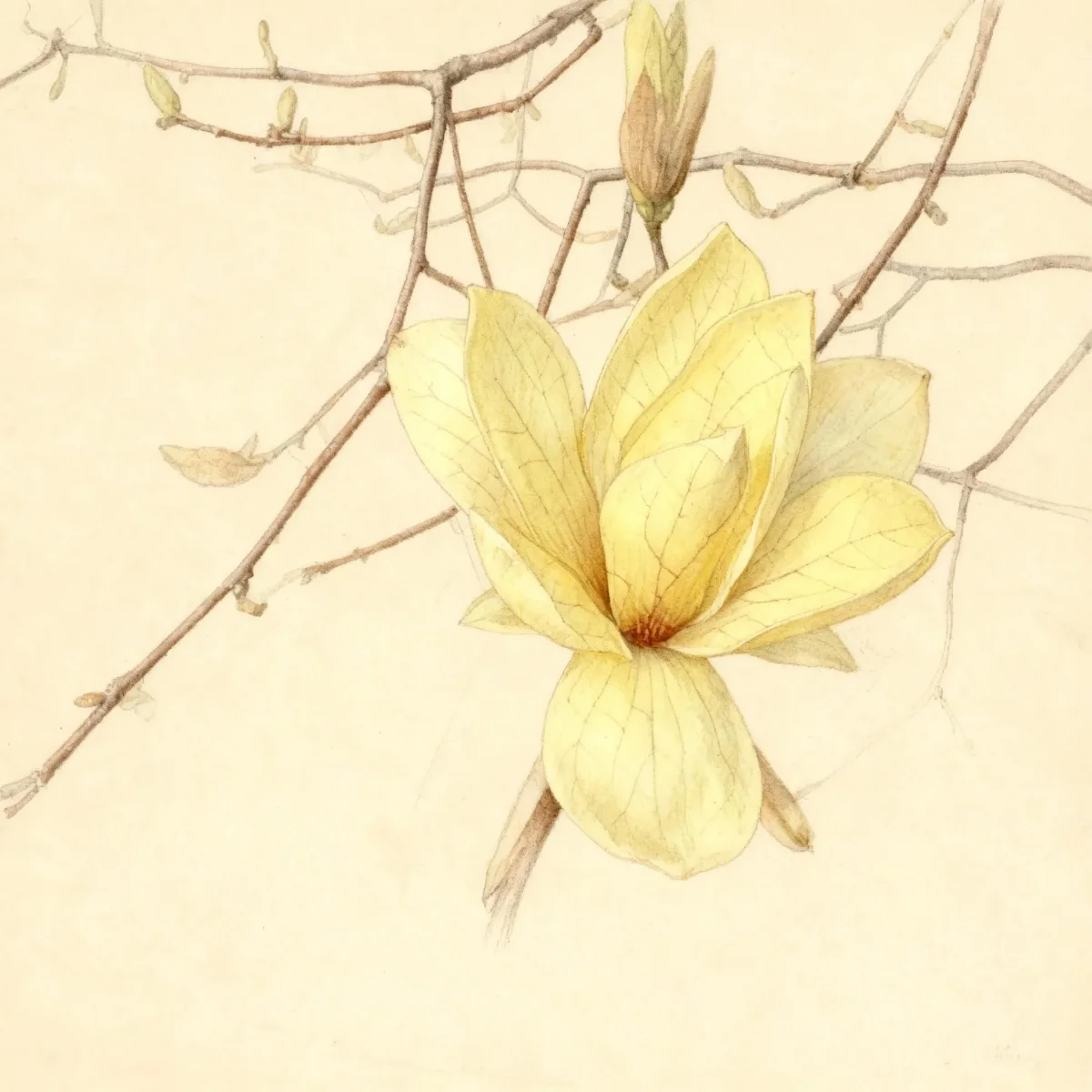
Magnolia
Magnolia 'Gold Star'
- USDA zones
- 5–8
- Light
- Full sun to part shade
- Water
- Medium
Magnolia
Magnolia acuminata var. Subcordata 'Miss Honeybee'
- USDA zones
- 5–8
- Light
- Full sun to part shade
- Water
- Medium

Magnolia
Magnolia 'Yellow Fever'
- USDA zones
- 4–8
- Light
- Full sun to part shade
- Water
- Medium

Magnolia
Magnolia 'Yellow Lantern'
- USDA zones
- 4–8
- Light
- Full sun to part shade
- Water
- Medium
Keep Learning
Test what you know with a garden quiz
You have the plant facts and care notes. Continue with a related challenge, or browse the complete quiz library.

Can You Identify These Common Garden Plants? Test Your Plant Knowledge
Think you know your roses from your peonies? Test your plant identification skills with our comprehensive garden plant quiz featuring 10 challenging questions.
Start quiz
USDA Garden Zone Map Quiz
Use this USDA garden zone map quiz to check whether you can read hardiness zones and choose plants with more confidence.
Start quizBrowse the full quizzes section
Explore plant identification, zone strategy, and seasonal gardening challenges.
View all quizzes