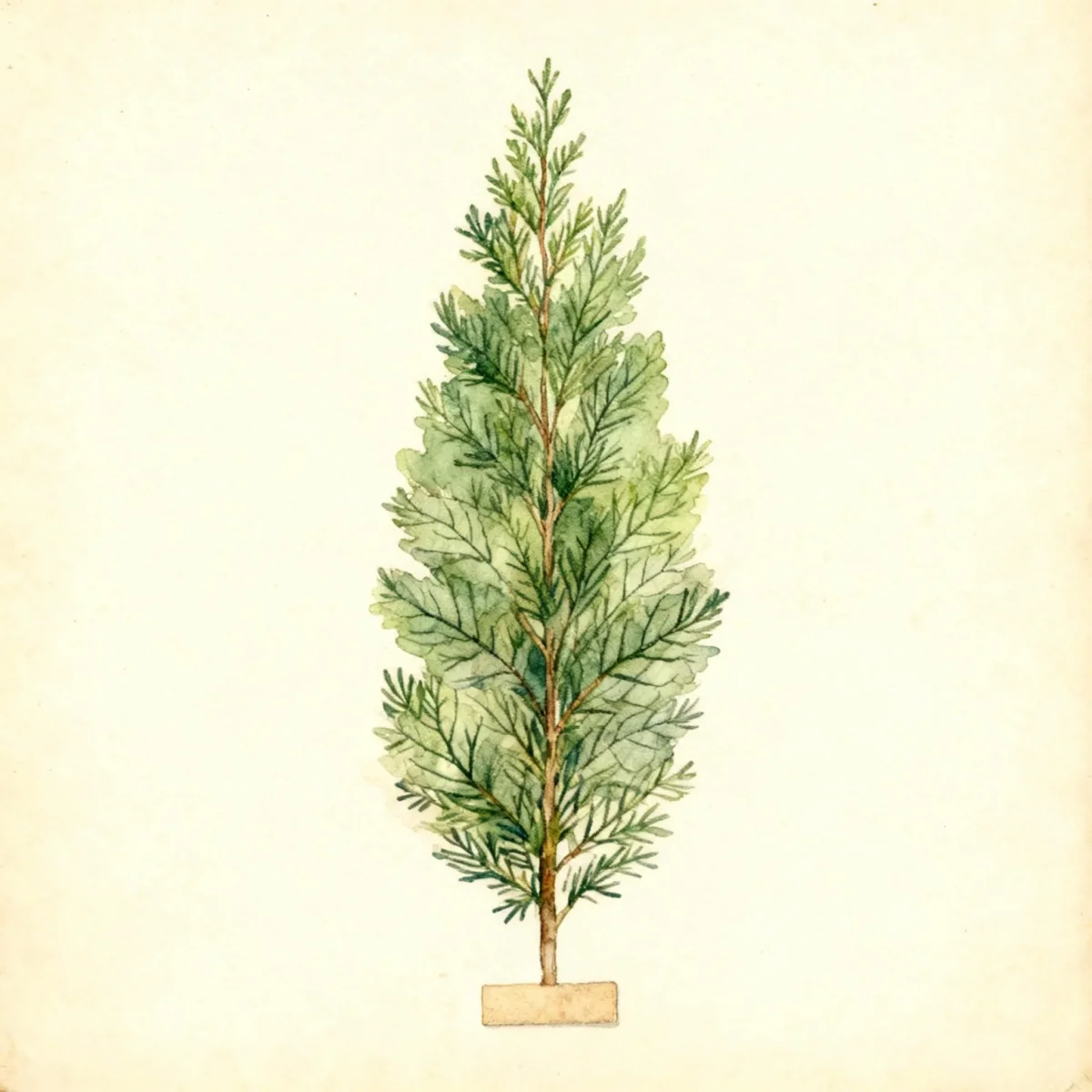
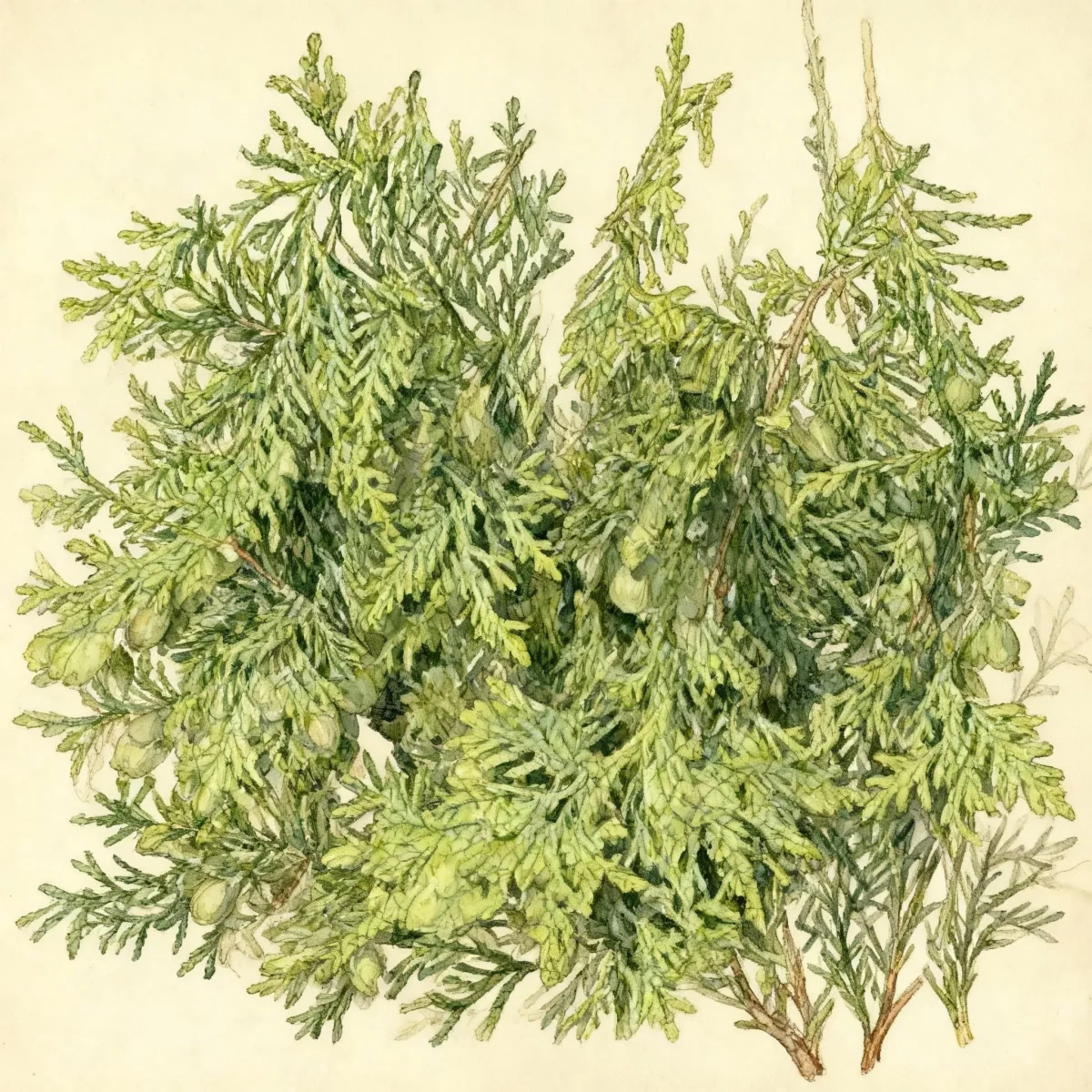
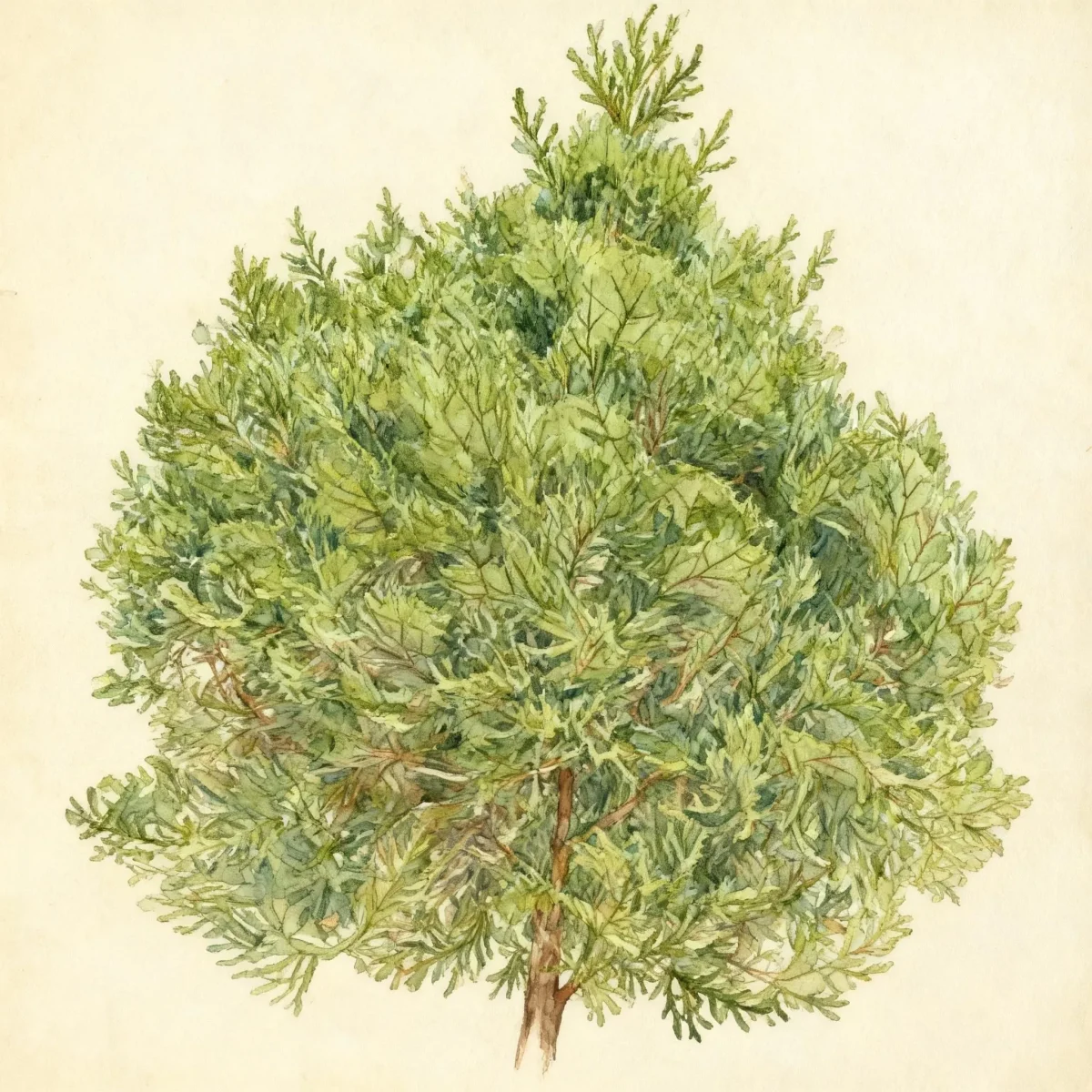
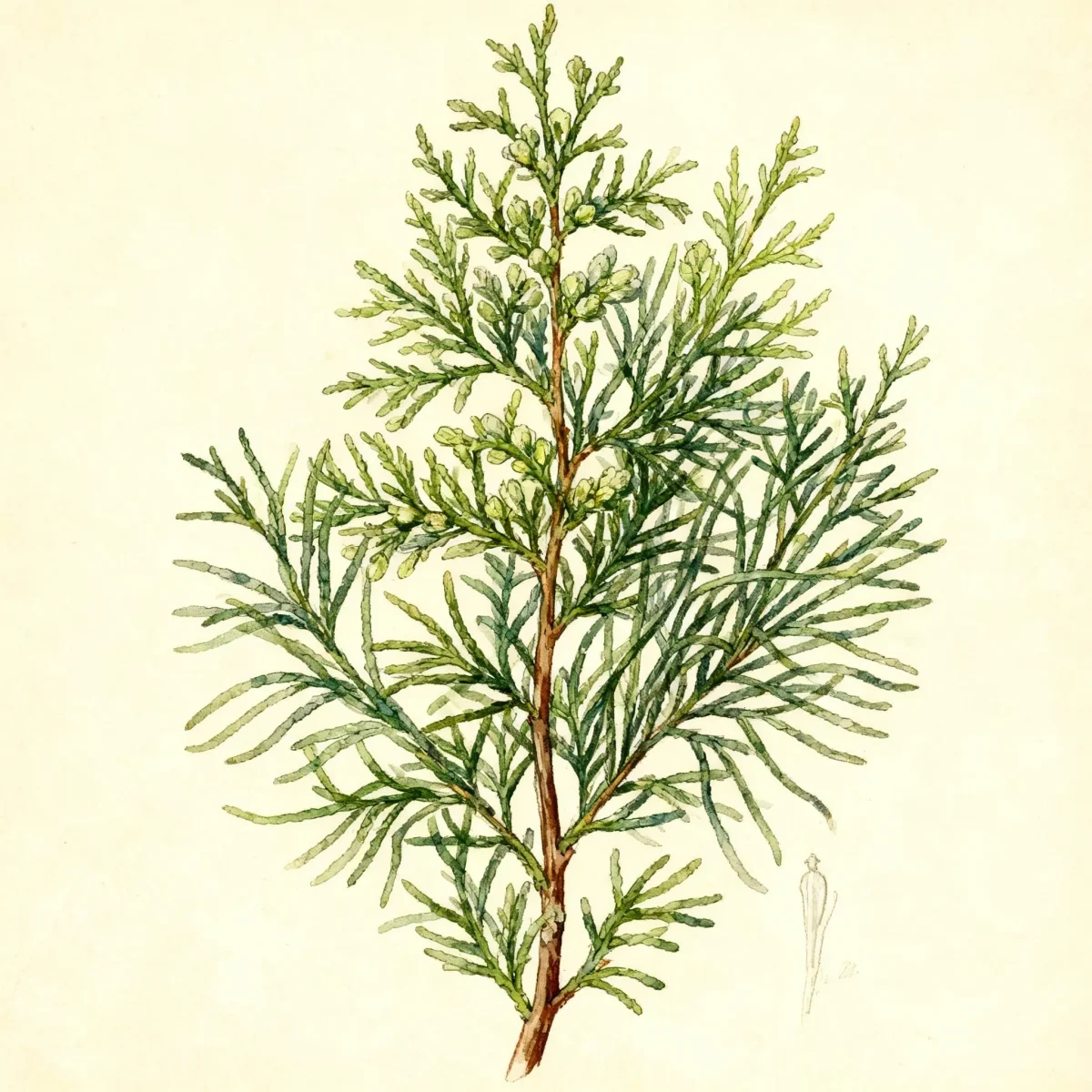
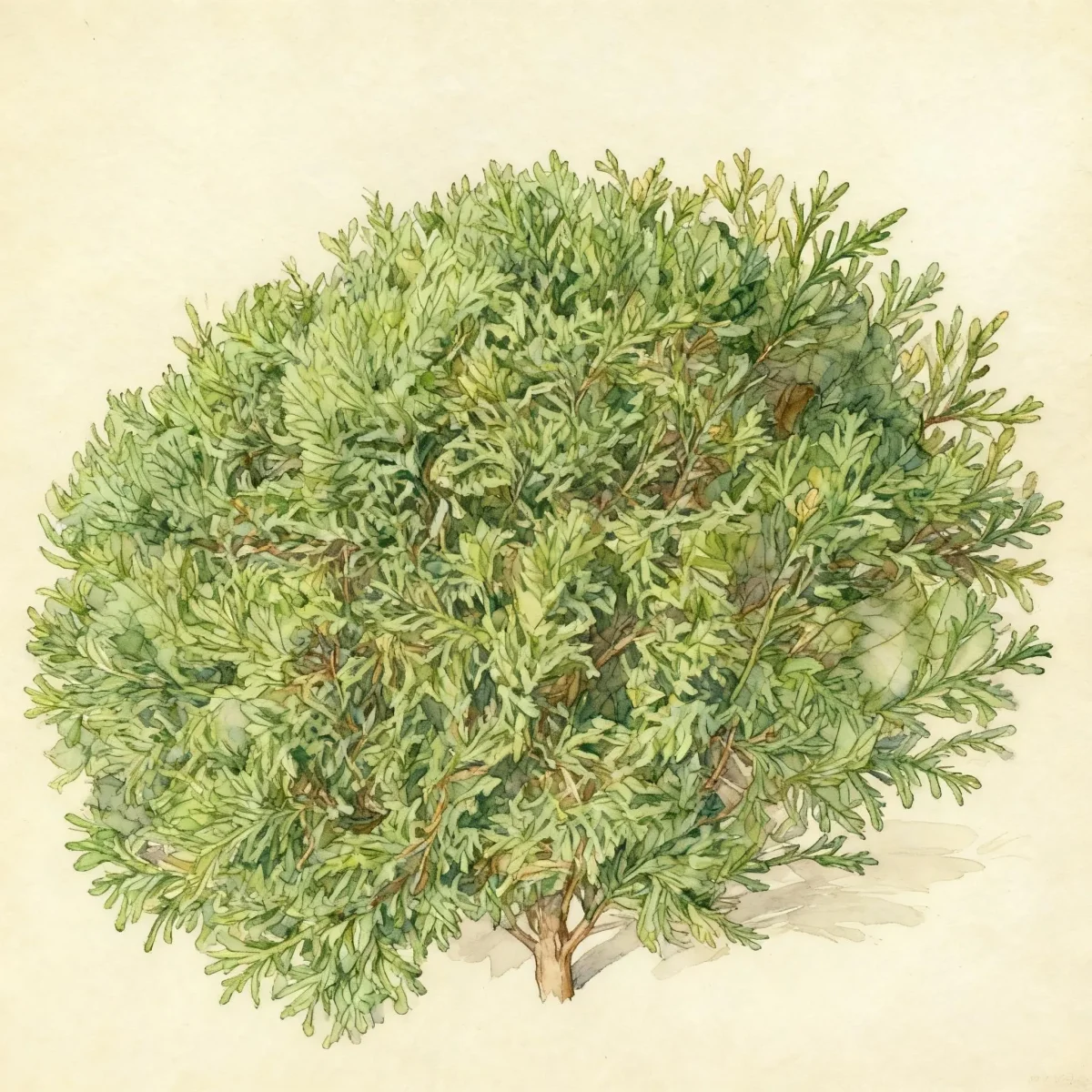
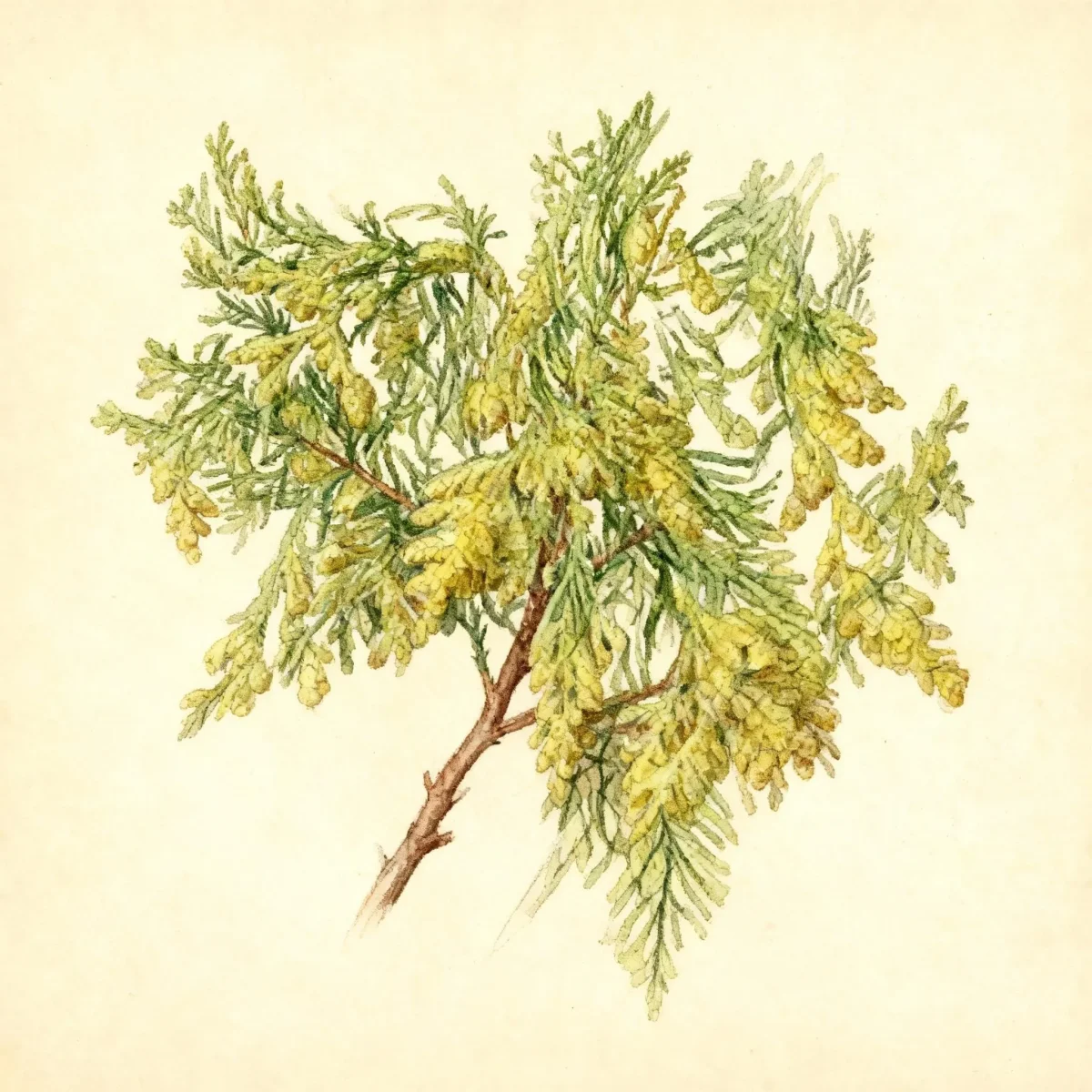
American arborvitae (Thuja occidentalis (Aurea Group))
Iconic American arborvitae, Thuja occidentalis (Aurea Group), offers low-maintenance evergreen texture, perfect for hedges in USDA Zones 2-7.
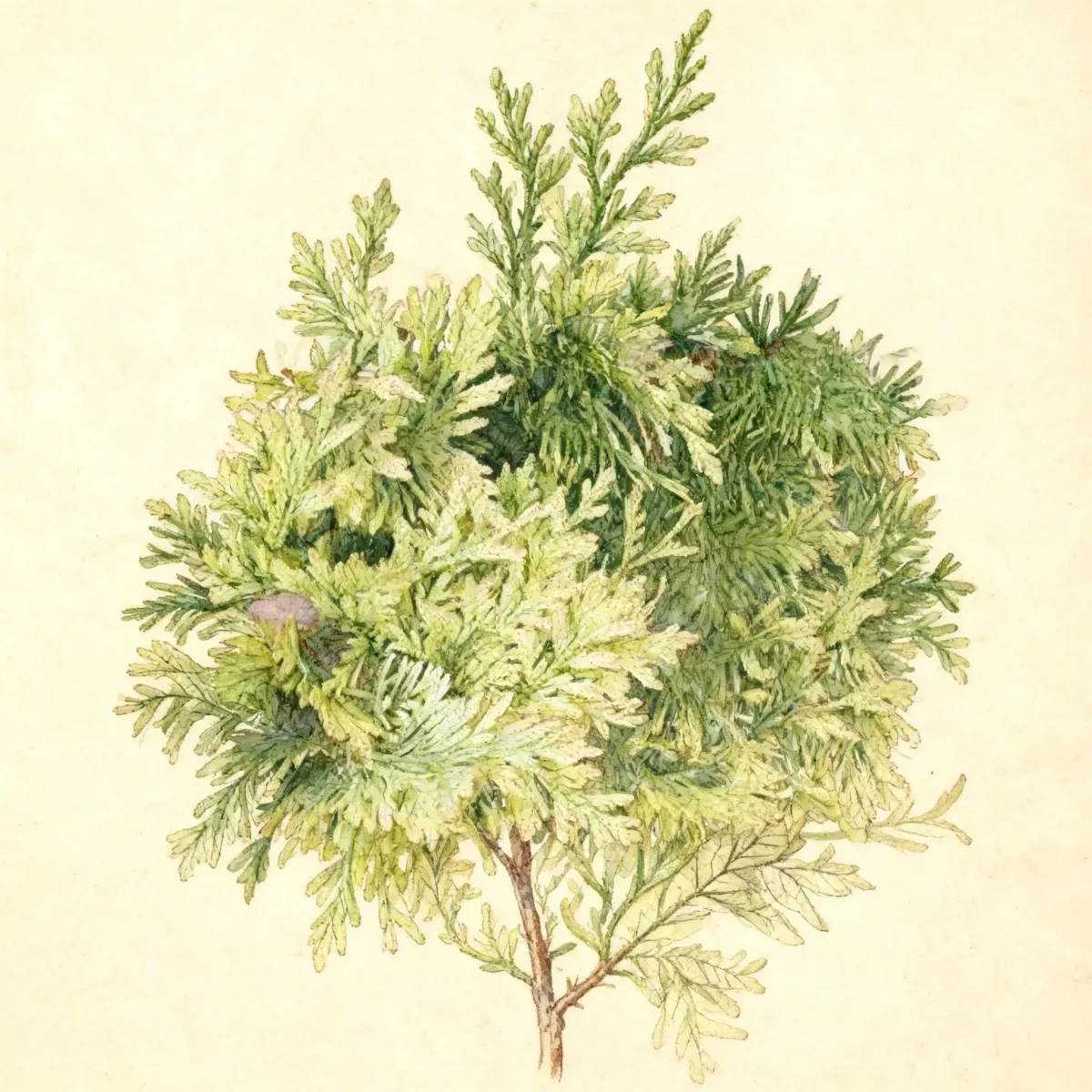

Bloom Boldly, No Matter the Season - Sweatshirt
Cozy organic cotton sweatshirt featuring our exclusive Purple Coneflower design. Perfect for gardeners who bloom year-round.
Inspired by the beautiful American arborvitae
Limited first batch (50) — join the waitlist for early access
Waitlist closes Feb 15, 2026.
Complete Plant Information
Field Guide Continues
Ready for care notes, companion picks, and planting tips?
The map is just the start. The full guide below covers growth habits, seasonal performance, and landscape uses.
Overview
The Thuja occidentalis (Aurea Group), commonly known as the American arborvitae, is a cornerstone landscape evergreen prized for its year-round interest and adaptable nature. Cultivars within the Aurea Group are notable for their distinct golden-yellow foliage, setting them slightly apart from the standard green forms of Thuja occidentalis. These evergreens provide essential structure and screening in gardens across a wide range of climates.
This dense, often pyramidal tree offers excellent texture, maturing anywhere from a compact dwarf shrub to a towering specimen, depending on the specific cultivar selected. For gardeners seeking reliable screening or formal accents, the American arborvitae presents a low-maintenance solution that retains its color and form effectively throughout the seasons.
Native to Eastern North America, this species is robustly cold-hardy, making it a dependable choice for colder regions seeking evergreen presence. The Aurea Group allows gardeners to introduce light and color contrast into evergreen plantings while benefiting from the structural reliability of the species.
Fast Facts
- Plant Family: Cupressaceae
- Plant Type: Needled evergreen
- Hardiness Zones: USDA Zones 2-7
- Size at Maturity:
- Height: 2-45 ft
- Spread: 1-30 ft
- Bloom Time: Non-flowering
- Bloom Description: Non-flowering
- Sun Exposure: Full sun to part shade
- Water Needs: Medium
- Maintenance Level: Low
How to Grow
Planting the American arborvitae is best done in spring or early fall, allowing the roots time to establish before the stress of summer heat or deep winter freezes. Choose a location that receives full sun for the best color; while it tolerates part shade, dense shade can significantly thin the foliage of your Thuja occidentalis (Aurea Group). These evergreens thrive in average, medium moisture, well-drained soils. Although they show tolerance for various conditions, they perform best in moist, neutral to alkaline loams and must avoid perpetually dry sites.
Routine care for the American arborvitae is relatively minimal, aligning with its low maintenance rating. Water deeply and regularly, especially in the first few years after planting, ensuring the soil stays consistently moist but never waterlogged, as they are intolerant of drought. Fertilizing is generally unnecessary unless the soil quality is extremely poor, but a slow-release evergreen food in spring can encourage robust growth. Pruning should be light, primarily removing wayward or dead branches, as heavy shearing can damage the old wood and lead to poor regrowth.
A key consideration for success is site selection, especially avoiding exposed, windy sites which can lead to winter burn—where foliage turns an unsightly yellow-brown color. In regions with heavy snow or ice, be aware that Thuja occidentalis (Aurea Group) can suffer from stem breakage under the weight; consider planting in slightly sheltered locations if ice storms are common. In hot summer climates, appreciate the light afternoon shade to prevent scorching of the characteristic golden foliage.
Landscape Uses
The sheer versatility of the American arborvitae makes it indispensable in landscape design. Its ability to be tightly sheared or allowed to grow into its natural form means it excels where containment is needed, making it a prime candidate for use as a formal hedge or screen along property lines. Varieties within the Aurea Group, with their variable height and spread, are also frequently utilized to anchor foundational plantings, providing continuous texture against a home’s siding throughout the year.
Because many cultivars of Thuja occidentalis (Aurea Group) range from dwarf to medium, they are excellent for creating layered borders where varying heights provide depth and interest. When used as a background plant, the golden-hued foliage contrasts beautifully next to darker green evergreens, broadleaf shrubs, or colorful deciduous perennials that thrive under similar sun and moisture regimes. Always ensure adequate spacing upon planting, accounting for the mature spread to prevent overcrowding, which compromises air circulation and increases disease susceptibility.
Standout Features
Noteworthy Characteristics
Thuja occidentalis, commonly known as American arborvitae, Eastern arborvitae, Eastern white cedar or Northern white cedar, is a dense, conical to narrow-pyramidal (sometimes maturing to broad-pyramidal), often single-trunked, evergreen tree that is native to eastern and central Canada south to northern Illinois, Ohio and New York with scattered populations further south in the Appalachians to North Carolina. Mature trees may reach 40-60’ tall in the wild over time, but in cultivation typically grow much smaller to 20-30’ tall. Scale-like, aromatic, yellow-green to green foliage appears in flattened sprays. The Aurea Group includes cultivars that feature golden yellow foliage, ranging from narrow pyramidal trees to small globose dwarf forms.
Tolerances
- Clay Soil
- Black Walnut
- Air Pollution
Potential Problems
The American arborvitae can occasionally be afflicted by several fungal diseases and pests that require proactive monitoring. Leaf blight is a common concern, presenting as spotted or dropping foliage, often exacerbated by poor air circulation in overcrowded plantings. To mitigate this, ensure proper spacing and avoid overhead watering late in the day, allowing foliage to dry quickly. Canker is another potential issue affecting stems, and while difficult to manage once established, sanitation pruning can remove infected wood.
Insect pests such as bagworms, mealybugs, scales, and spider mites are occasional visitors to Thuja occidentalis (Aurea Group). Treatment usually involves horticultural oils or insecticidal soaps, targeting pests during vulnerable life stages, often in early spring or mid-summer. A severe issue for any upright evergreen—including American arborvitae—is winter burn, which turns the foliage yellow-brown due to drying winds and frozen soil. Planting in a semi-sheltered location mitigates this physical stress significantly.
Frequently Asked Questions
What hardiness zones is American arborvitae suitable for?
Thuja occidentalis (Aurea Group) is exceptionally cold-hardy, suitable for planting across USDA Zones 2 through 7.
How large does American arborvitae grow?
Depending on the cultivar, the height of this plant can range dramatically, from as little as 2 feet up to 45 feet tall, with spreads varying between 1 and 30 feet.
What sun exposure does American arborvitae need?
This evergreen thrives best in full sun to part shade conditions, needing sufficient light to maintain the vibrant coloration characteristic of the Aurea Group.
When does American arborvitae bloom?
This species is classified as non-flowering, meaning it does not produce noticeable ornamental flowers or true fruit displays typically seen in deciduous garden plants.
Conclusion
Offering dependable evergreen screening and attractive golden contrast, the Thuja occidentalis (Aurea Group) is a highly valued architectural plant for North American gardens. Its low maintenance needs combine seamlessly with its tolerance for challenging soils, cementing its status as a versatile landscape choice. Before planting this robust American arborvitae, always confirm your local USDA hardiness zone compatibility to ensure the best long-term performance.
Companion Planting
For optimal performance and aesthetic appeal alongside Thuja occidentalis (Aurea Group), consider pairing it with plants that share its medium water needs and preference for neutral to alkaline soils. Dark green conifers, such as Taxus (Yew) cultivars, create a stunning backdrop that truly makes the golden foliage of the Aurea Group pop, especially when used in formal hedging arrangements. Alternatively, companion plantings like Hydrangea varieties or deciduous shrubs that tolerate partial shade can soften the evergreen structure during the summer months.
Design Ideas
The structural upright habit of common American arborvitae lends itself perfectly to formal design elements. Use larger cultivars planted in symmetrical pairs flanking an entryway or driveway to establish a grand sense of arrival and permanence. For contemporary designs, single globe or columnar Aurea selections can serve as strong vertical accents against horizontal modern architecture, providing necessary year-round green (or yellow-green) mass without overwhelming the space.