
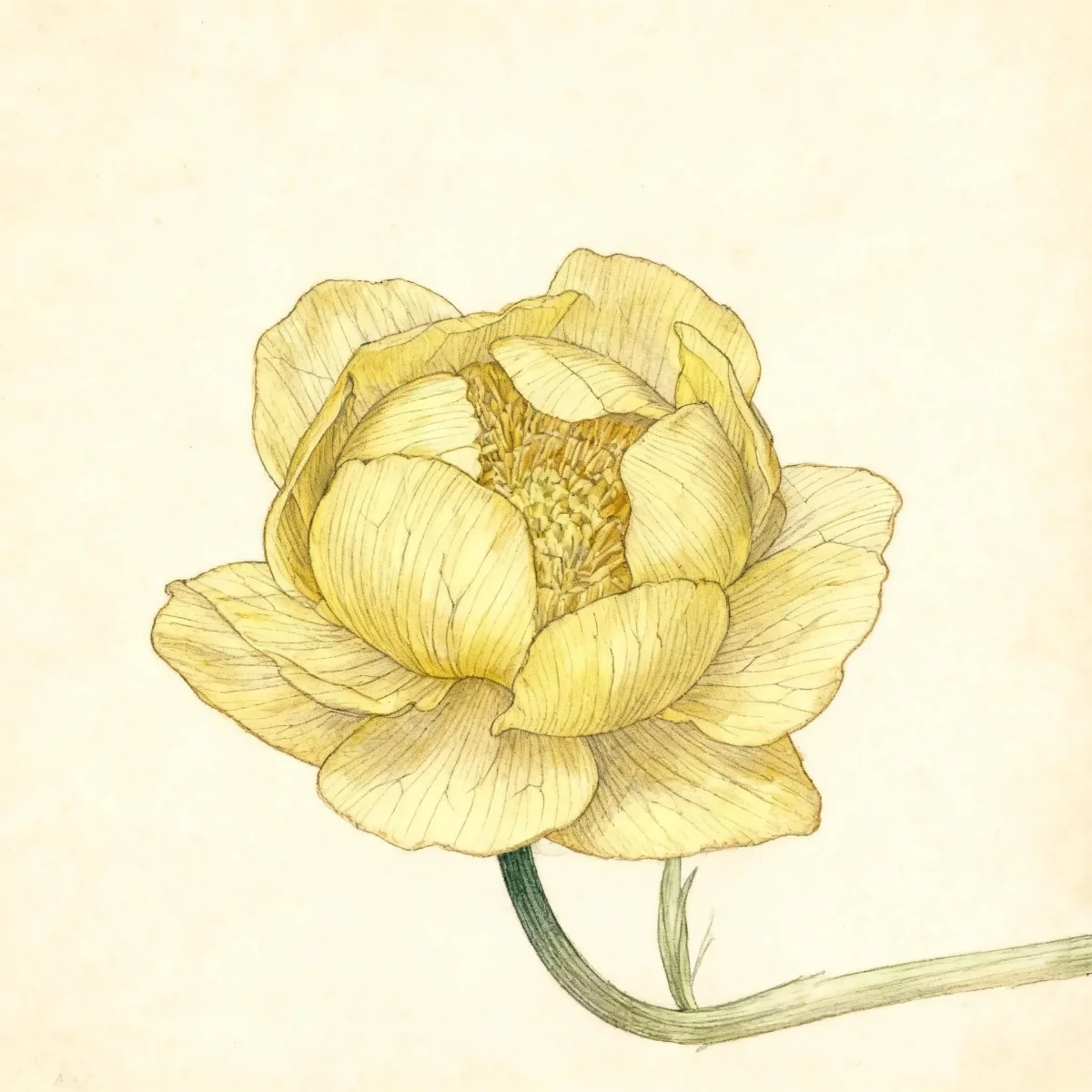
Globe flower (Trollius × cultorum)
Trollius × cultorum, the Globe flower, is a low-maintenance perennial boasting globular yellow-orange blooms in late spring.
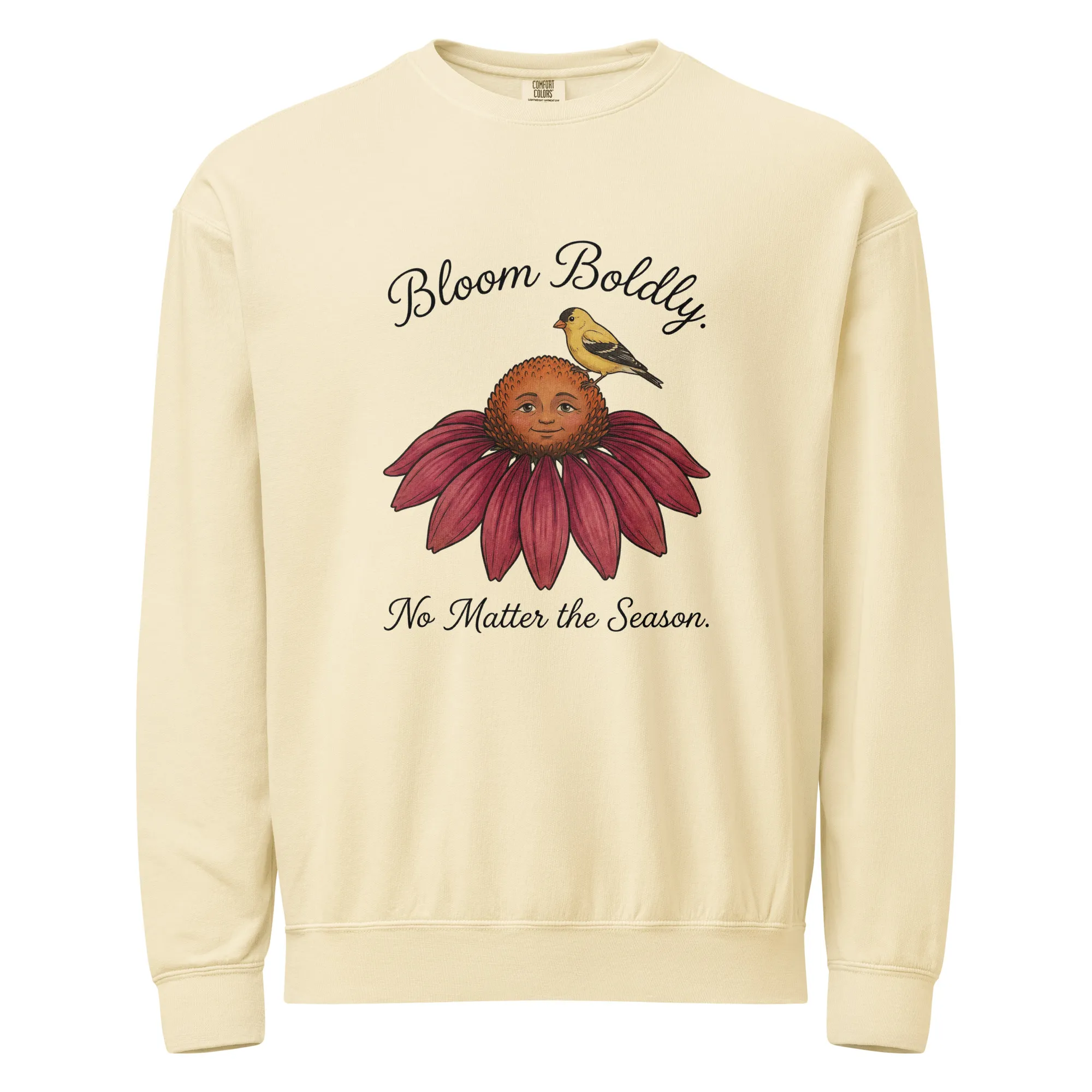
Bloom Boldly, No Matter the Season - Sweatshirt
Cozy organic cotton sweatshirt featuring our exclusive Purple Coneflower design. Perfect for gardeners who bloom year-round.
Inspired by the beautiful Globe flower
Limited first batch (50) — join the waitlist for early access
Waitlist closes Feb 15, 2026.
Complete Plant Information
Field Guide Continues
Ready for care notes, companion picks, and planting tips?
The map is just the start. The full guide below covers growth habits, seasonal performance, and landscape uses.
Overview
The Globe flower, scientifically known as Trollius × cultorum, offers a distinctive splash of saturated color perfect for damp garden areas. These clump-forming perennials are cherished for their unique, incurved, globular flowers that resemble double buttercups but maintain their tight, round shape throughout the blooming period. Originating from hybridization between several primary Trollius species, Trollius × cultorum thrives in cooler, moist conditions, making it a reliable performer from mid-spring into early summer.
Gardeners value the Trollius × cultorum for its relatively low maintenance needs and its striking appearance, especially when mass-planted near water features. The sturdy stems elevate the blooms, which appear in gorgeous shades of yellow, orange, and cream, adding bright accents to the early season landscape. These plants require consistent moisture, rewarding consistent care with vibrant color and lush, deeply divided foliage.
This choice perennial brings architectural interest and brilliant color to locales where many other border plants might falter due to wet feet. Providing excellent coverage and thriving in specific moisture regimes, the Globe flower is an indispensable element for creating lush, naturalistic plantings around ponds and streams.
Fast Facts
- Plant Family: Ranunculaceae
- Plant Type: Herbaceous perennial
- Native Range: Garden origin
- Hardiness Zones: USDA Zones 3-7
- Size at Maturity:
- Height: 2-3 ft
- Spread: 2-3 ft
- Bloom Time: May to June
- Bloom Description: Yellow, orange and cream
- Sun Exposure: Full sun to part shade
- Water Needs: Medium to wet
- Maintenance Level: Low
How to Grow
Planting Trollius × cultorum is best achieved in the spring or early fall, ensuring the soil is rich in humus and drains acceptably while remaining consistently moist. These plants absolutely thrive in boggy soils, making stream banks or pond edges ideal locations. Avoid planting in areas that experience high summer heat or prolonged dryness, as the Globe flower dislikes these conditions and often declines by mid-summer in hot climates.
Watering needs are crucial; aim for medium to very wet conditions consistently, mimicking a cool, damp meadow. There is no mention of specific fertilization needs, but incorporating compost annually into the rich soil will support strong growth. If the foliage begins to look tired or sparse by mid-summer, especially after the blooming period, cutting the stems back to the ground will tidy the plant until the next season.
Established clumps of Globe flower can be divided easily in late summer or early fall to propagate new plants or manage space. Since this is a cool-weather perennial, focus on ensuring it has adequate moisture during the heat of the summer months to keep the plant looking its best. Due to their preference for wet feet, Trollius × cultorum generally does not perform well in the deep South’s hot, dry summers.
Landscape Uses
The primary appeal of the Globe flower lies in its suitability for wet environments that are often difficult to landscape successfully. They are excellent candidates for moist soils along the edges of streams, ponds, or within designed bog gardens, where they blend seamlessly with moisture-loving irises and ferns. Mass plantings of Trollius × cultorum create spectacular drifts of yellow, orange, and cream flowers early in the season.
Beyond true bog conditions, these perennials are appropriate for the moist areas of borders, woodland gardens, or naturalized meadows where the ground does not dry out. Their sturdy upright habit helps them hold their own among other tall, moisture-loving companions. Consider placing them where their bright globes contrast nicely with deep green foliage from hostas or astilbes.
Standout Features
Flower Qualities
- Showy
Noteworthy Characteristics
Trollius × cultorum covers a group of hybrids among T. Europaeus, T. Asiaticus and T. Chinensis. These hybrids are clump-forming perennials that feature incurved, usually solitary, globular flowers (to 1-2.5” across) in shades of yellow, orange or cream. Flowers bloom from mid spring to early summer on sturdy stems rising to 2-3’ tall. Glossy basal leaves (to 7” long) are deeply divided into toothed segments, while stem leaves are much smaller. The genus name comes from the German word troll meaning round in reference to flower shape, while the specific epithet means of gardens or cultivation.
Tolerances
There are no specific tolerance qualities listed in the provided data.
Potential Problems
Fortunately, the Globe flower rarely suffers from serious insect or disease issues, making it a robust perennial choice. The most likely cosmetic issue gardeners may encounter is powdery mildew, particularly if air circulation is poor or humidity is persistently high during the flowering season. Maintaining good space between plants will aid in air movement, and ensuring the plant receives its full complement of sun (up to part shade) helps manage moisture levels on the leaves.
Frequently Asked Questions
What hardiness zones is Globe flower suitable for?
The Globe flower, Trollius × cultorum, is hardy across a wide range, suitable for USDA Zones 3 through 7.
How large does Globe flower grow?
This herbaceous perennial typically reaches a height between 2 to 3 feet tall, with a corresponding spread of 2 to 3 feet wide.
What sun exposure does Trollius × cultorum need?
Trollius × cultorum prefers full sun while absolute shade is too deep, thriving best in locations receiving full sun to partial shade.
When does Globe flower bloom?
The blooming period for the Globe flower is generally from May to June, presenting flowers described as yellow, orange, and cream.
Conclusion
The Trollius × cultorum is an exceptionally valuable perennial for gardeners seeking high visual impact with minimal long-term fuss, provided its need for moist to wet soil is met. Its distinctive, buttercup-like globular heads provide essential early-season structure and color. Plan your planting locations now, ensuring damp conditions, and enjoy the reliable beauty of the Globe flower for years to come.
Companion Planting
When selecting companions for Trollius × cultorum, prioritize other plants that share a love for consistently wet, rich soil and similar light needs (Full sun to part shade). Hostas are excellent choices for companion planting, especially beneath the dappled light of a woodland edge, as their broad leaves provide textural contrast to the finely cut foliage of the Globe flower. In areas adjacent to water, consider moisture lovers such as Candelabra Primulas, Marsh Marigolds (Caltha), and native ferns, which will thrive alongside the Trollius × cultorum without competing for moisture.
Propagation Tips
Division is the easiest and most common way to increase your stock of Trollius × cultorum. As noted in cultivation guidelines, established clumps should be divided in the late summer to early autumn, once the main flush of flowering is complete and before the onset of freezing weather. Carefully dig up the clump and gently separate the root sections, ensuring each division retains a good number of growing points. Replant these divisions immediately into prepared, humus-rich soil and water thoroughly to help them establish roots before winter dormancy sets in.