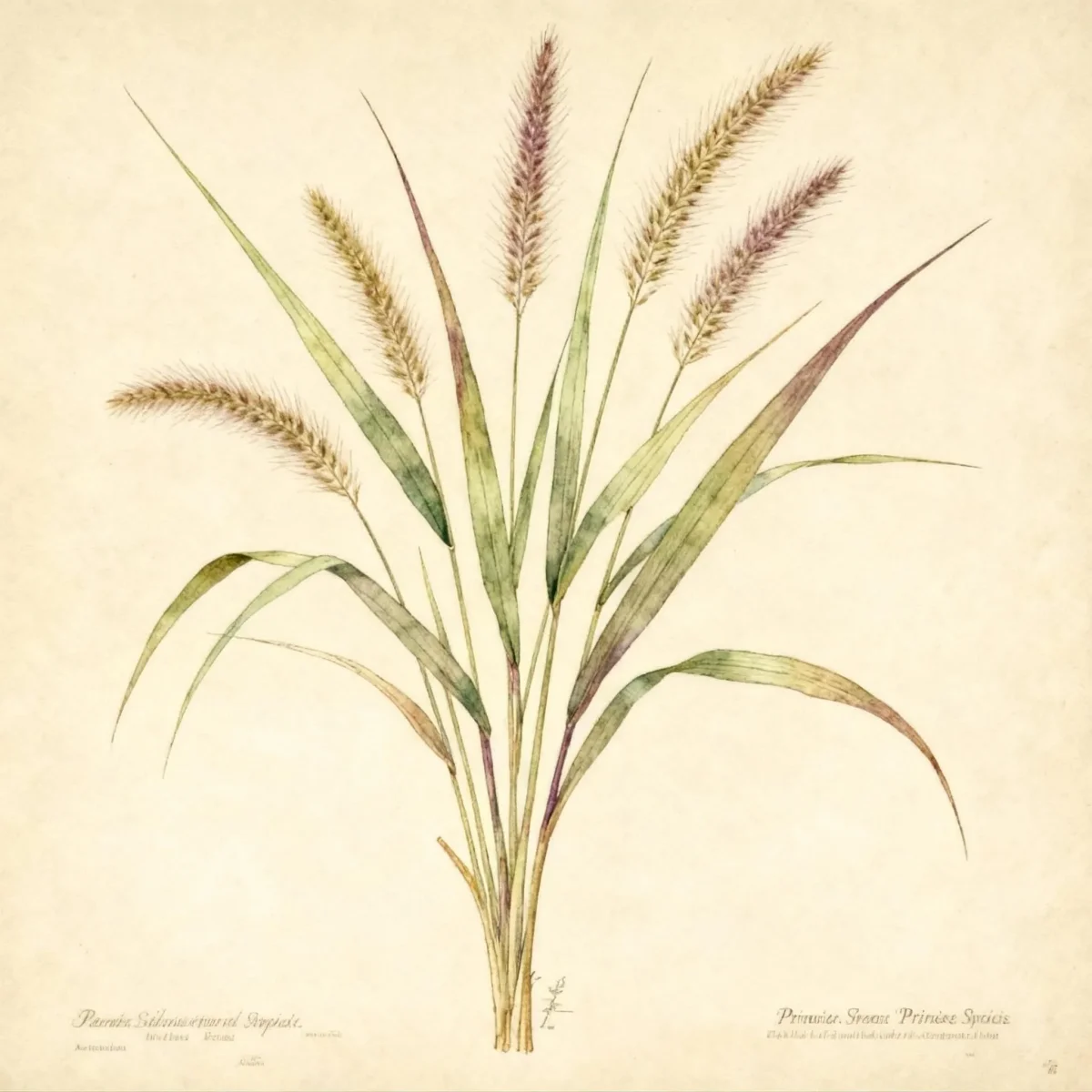
Ruby grass (Melinis nerviglumis 'Savannah')
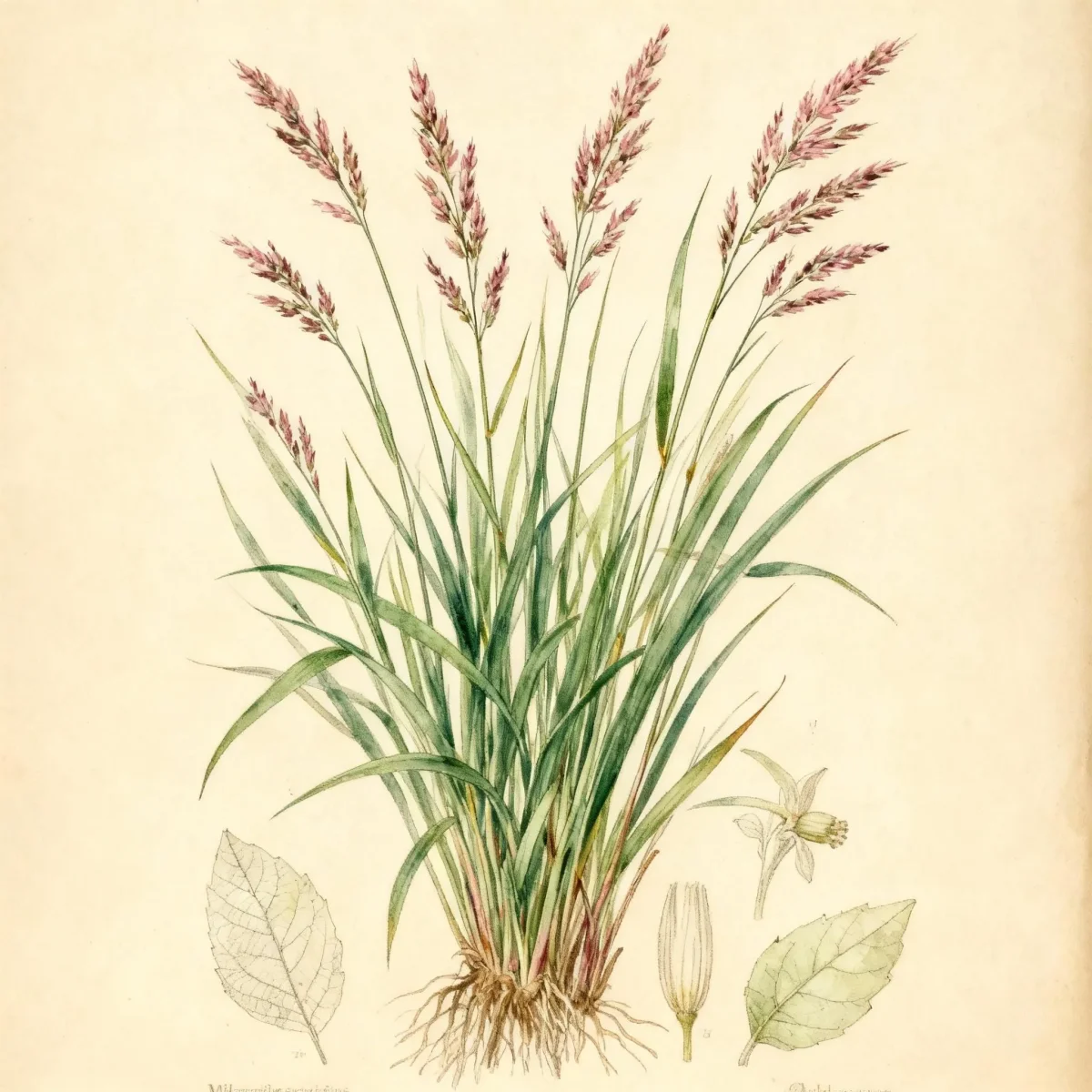
Melinis nerviglumis 'Savannah' offers delicate, ruby-pink plumes atop blue-green foliage, ideal for ornamental texture.

Bloom Boldly, No Matter the Season - Sweatshirt
Cozy organic cotton sweatshirt featuring our exclusive Purple Coneflower design. Perfect for gardeners who bloom year-round.
Inspired by the beautiful Ruby grass
Limited first batch (50) — join the waitlist for early access
Waitlist closes Feb 15, 2026.
Complete Plant Information
Field Guide Continues
Ready for care notes, companion picks, and planting tips?
The map is just the start. The full guide below covers growth habits, seasonal performance, and landscape uses.
Overview
Melinis nerviglumis ‘Savannah’, commonly known as Ruby grass, stands out in the landscape due to its exceptionally fine texture and the stunning color of its summer flowers. This ornamental grass forms small, attractive clumps of soft blue-green foliage that often gains purple-red tones in the autumn months, adding seasonal interest long after the main bloom fades. The defining feature of Melinis nerviglumis ‘Savannah’ is its fluffy, arching panicles of ruby pink flowers.
These delicate plumes begin their display in mid-summer and slowly transition from pink to creamy white, persisting well into the fall. Valued for its airiness and unique color, Ruby grass provides excellent contrast against denser plantings or bolder foliage. While it is tropical in origin, its performance as an annual in cooler climates makes it an accessible choice for adding temporary, high-impact texture.
Gardeners seeking dynamic movement and ethereal summer bloom should consider incorporating Melinis nerviglumis ‘Savannah’ into their designs. Its manageable size and vibrant flower quality ensure it catches the eye without overwhelming smaller garden spaces. Consistent moisture during the growing season supports its best performance, solidifying its role as a reliable temporary feature plant.
Fast Facts
- Plant Family: Poaceae
- Plant Type: Ornamental grass
- Hardiness Zones: USDA Zones 8-10
- Size at Maturity:
- Height: 0.5-1.5 ft
- Spread: 0.75-1 ft
- Bloom Time: July to August
- Bloom Description: Ruby pink
- Sun Exposure: Full sun
- Water Needs: Medium
- Maintenance Level: Medium
How to Grow
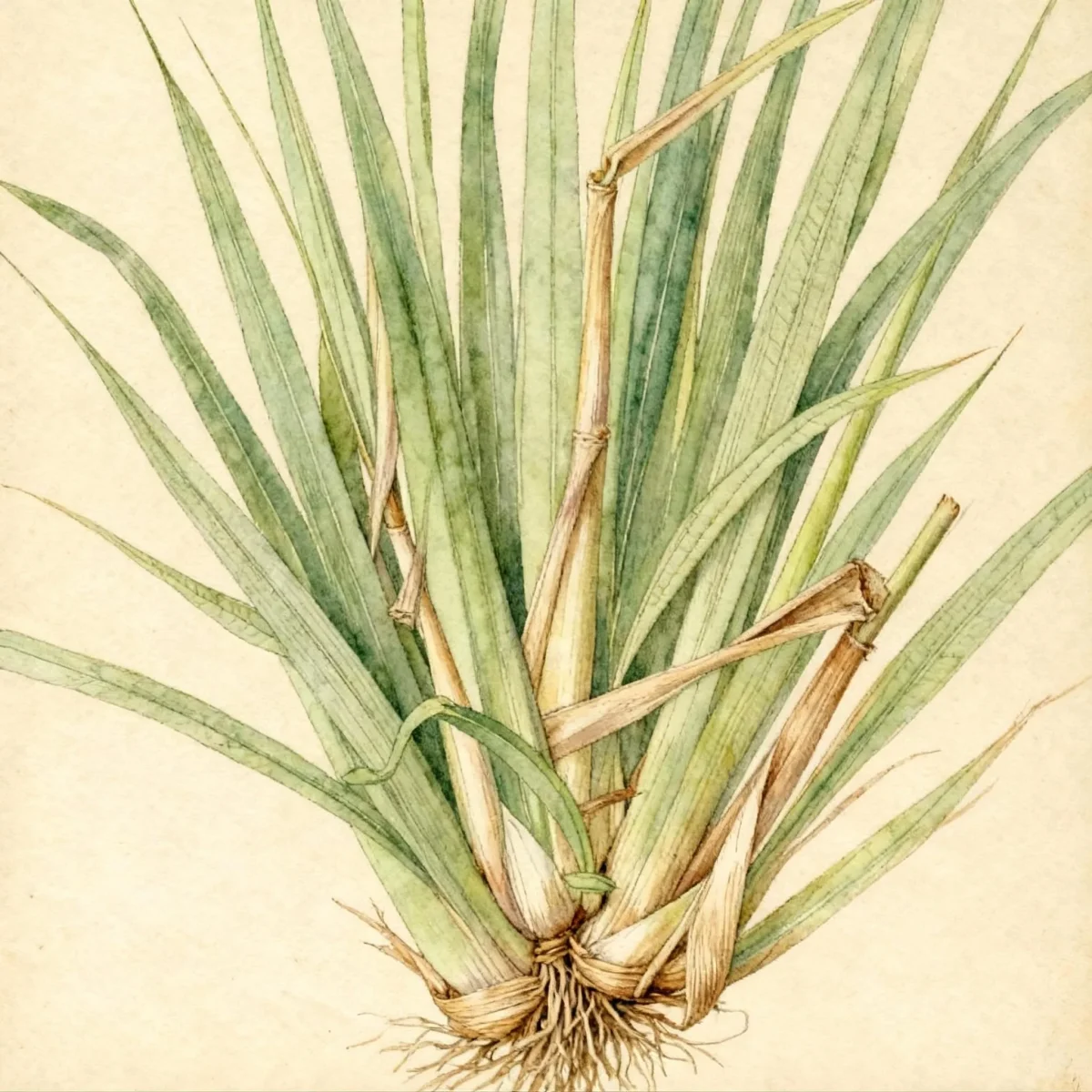
The best time to establish Melinis nerviglumis ‘Savannah’ is after all danger of frost has passed, or by starting seeds indoors 6-8 weeks prior for earlier bloom. For best results, position this grass where it receives full sun, which is essential for vibrant flower production. It thrives in light, well-drained soils, a crucial factor as standing water is not tolerated.
In terms of moisture, Ruby grass needs consistent hydration to establish, but it actually prefers soil that leans slightly toward the dry side rather than being constantly saturated. Water deeply when the top inch or two of soil begins to feel dry. Fertilization is generally minimal; focus on amending the soil with organic matter at planting time rather than relying on synthetic feeds.
If you are gardening outside of Zones 8-10, you must treat Melinis nerviglumis ‘Savannah’ as an annual. For gardeners in warmer regions who wish to keep their clumps, gently pot them up in the fall before the first frost. Overwinter these containers indoors in a cool location, reducing watering significantly until spring. Ripe seed can also be collected late in the season for planting the following year.
Landscape Uses
As an annual, Ruby grass offers tremendous flexibility, proving excellent for adding ephemeral drama to defined garden spaces. Its small stature makes it perfect for edging borders, where the fluffy pink plumes can soften hard lines against pathways or walls without becoming overgrown. Melinis nerviglumis ‘Savannah’ truly shines when used in mass plantings, creating drifting clouds of texture and color across a sunny bed.
Containers and window boxes are ideal settings for this ornamental grass, often pairing well with bright annual flowers like petunias or calibrachoa, where the grass provides vertical accent and movement. Furthermore, the unique flower heads of Ruby grass perform beautifully as fresh material in flower arrangements or dried for autumnal craft projects.
When selecting companions, look toward plants that enjoy similar full sun and medium water conditions. Its fine texture contrasts effectively with broad-leafed annuals or structured bedding plants, ensuring the delicate plumes of the Melinis nerviglumis ‘Savannah’ are not lost in the planting scheme.
Standout Features
Flower Qualities
- Showy
Noteworthy Characteristics
Melinis nerviglumis, commonly called ruby grass, pink bubble grass or bristle-leaved red top, is native to Africa. It is a tropical grass that grows in tufts to 24” tall and 15” wide and features erect blue-green leaves with panicles of ruby pink summer flowers that slowly fade to white. The genus name is derived from the Greek meline meaning millet. ‘Savannah’ is a showy ornamental grass that forms small clumps of soft blue-green foliage that turns red in fall. Its 3 to 4 in. Long, fluffy plumes of ruby pink flowers slowly fade to creamy white.
Tolerances
- Black Walnut
- Air Pollution
Potential Problems
Generally, Melinis nerviglumis ‘Savannah’ exhibits no serious insect or disease problems, making it relatively low-stress for the gardener. Its primary maintenance consideration relates to ensuring proper soil drainage, as it struggles in heavy, waterlogged clay. Watch for signs of stress related to inconsistent watering—too much water can lead to root issues, while prolonged drought may cause the foliage to brown prematurely.
As this species is typically grown as an annual outside of its tropical range, winter damage is not a concern. In environments where it is perennial (Zones 8-10), ensure it is planted in well-drained spots to maximize its hardiness rating heading into winter.
Frequently Asked Questions
What hardiness zones is Ruby grass suitable for?
This ornamental grass is winter hardy in USDA Zones 8 through 10, though it is frequently enjoyed as an annual in cooler climates.
How large does Melinis nerviglumis ‘Savannah’ grow?
Melinis nerviglumis ‘Savannah’ generally reaches a mature height between 0.5 and 1.5 feet tall, with a spread ranging from 0.75 to 1 foot wide.
What sun exposure does Ruby grass need?
For the best blooming performance and foliage color, Melinis nerviglumis ‘Savannah’ requires full sun exposure throughout the growing season.
When does Melinis nerviglumis ‘Savannah’ bloom?
The lovely ruby pink flowers of this grass typically appear between July and August and hold their color well into the fall.
Conclusion
The fine texture and unique ruby-pink plumes make Melinis nerviglumis ‘Savannah’ an outstanding ornamental choice for adding airy movement and seasonal color to sunny gardens. Whether planted as a dependable annual or cherished in warmer zones, Ruby grass delivers high visual impact with moderate effort. Verify your local hardiness zone, and plan to sow seeds directly after the last spring frost to enjoy the full splendor of this grass.
Companion Planting
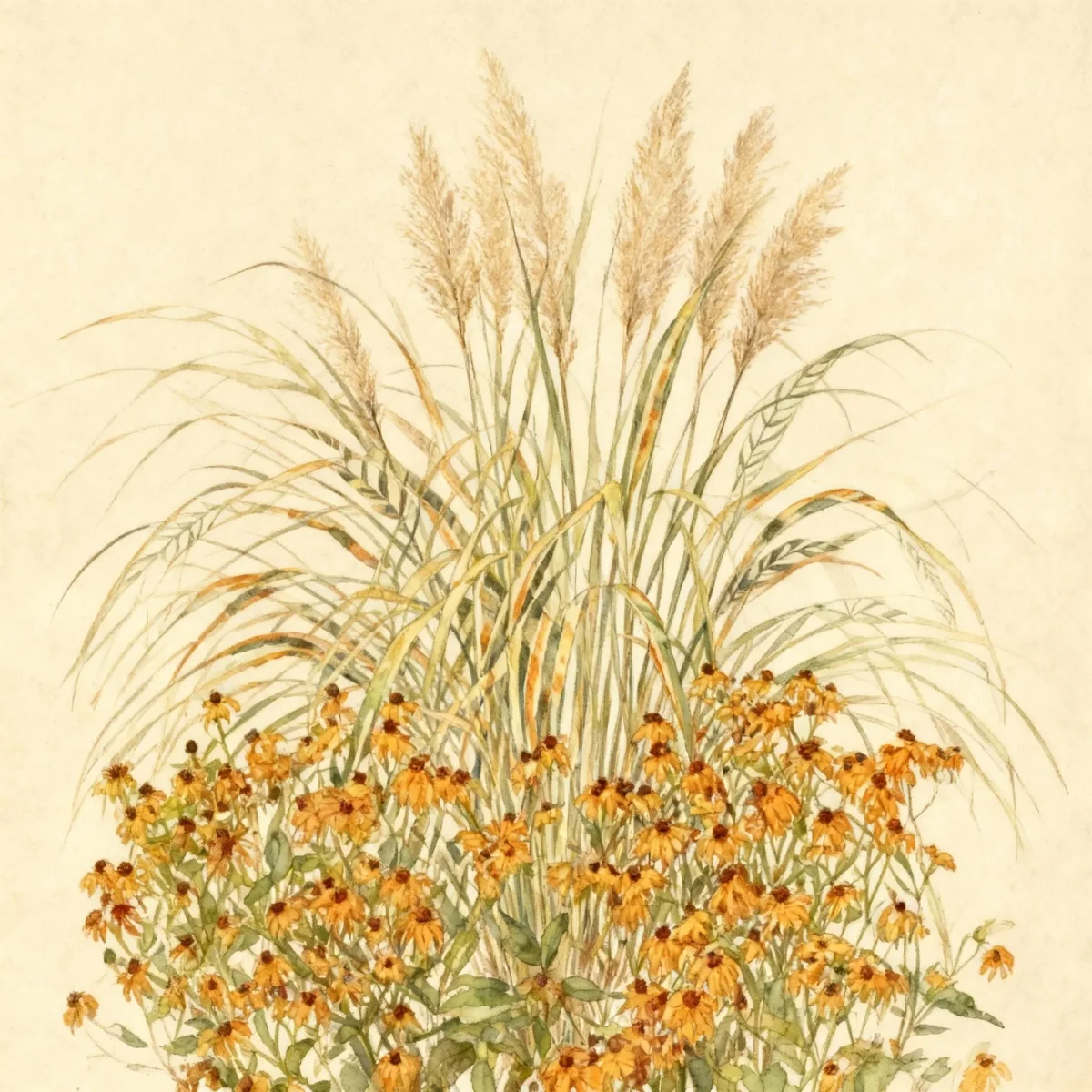
Since Melinis nerviglumis ‘Savannah’ requires full sun and medium water, successful companion plants should share these relatively simple needs. Pairing this grass with sun-loving perennials that bloom later in the season, such as Sedum or Rudbeckia, allows the grass’s pink plumes to provide an early contrast before the later flowers peak.
Consider using shorter, mounding plants like creeping thyme or low-growing annuals around the base of the grass clumps. This arrangement helps to anchor the floating appearance of the Ruby grass and keeps the planting area visually full throughout the season. Proper spacing is key, ensuring air circulation is maintained around the grass clumps to prevent fungal issues, even though pests are rare.
Design Ideas: Texture and Movement
The airy quality of Melinis nerviglumis ‘Savannah’ makes it an exceptional choice for creating soft-focus borders where texture is prioritized over solid block color. Plant drifts of this grass near water features or pathways where breezes can accentuate the movement of the fine foliage and flower heads, creating a kinetic element in the garden design.
For modern or minimalist designs, Mass plantings of Ruby grass provide repeating vertical accents that feel less formal than traditional hedges. Contrast the delicate structure of the grass with bold, architectural foliage plants, perhaps using dark-leafed coleus or broad-leafed hostas (if sited correctly for shade tolerance elsewhere) to emphasize the visual lightness of the pink plumes.
When using Melinis nerviglumis ‘Savannah’ in containers, ensure the pot has excellent drainage, echoing the soil preference of the plant. Combine it with trailing plants like sweet potato vine that spill over the edges, balancing the upright nature of the grass with soft cascading forms.