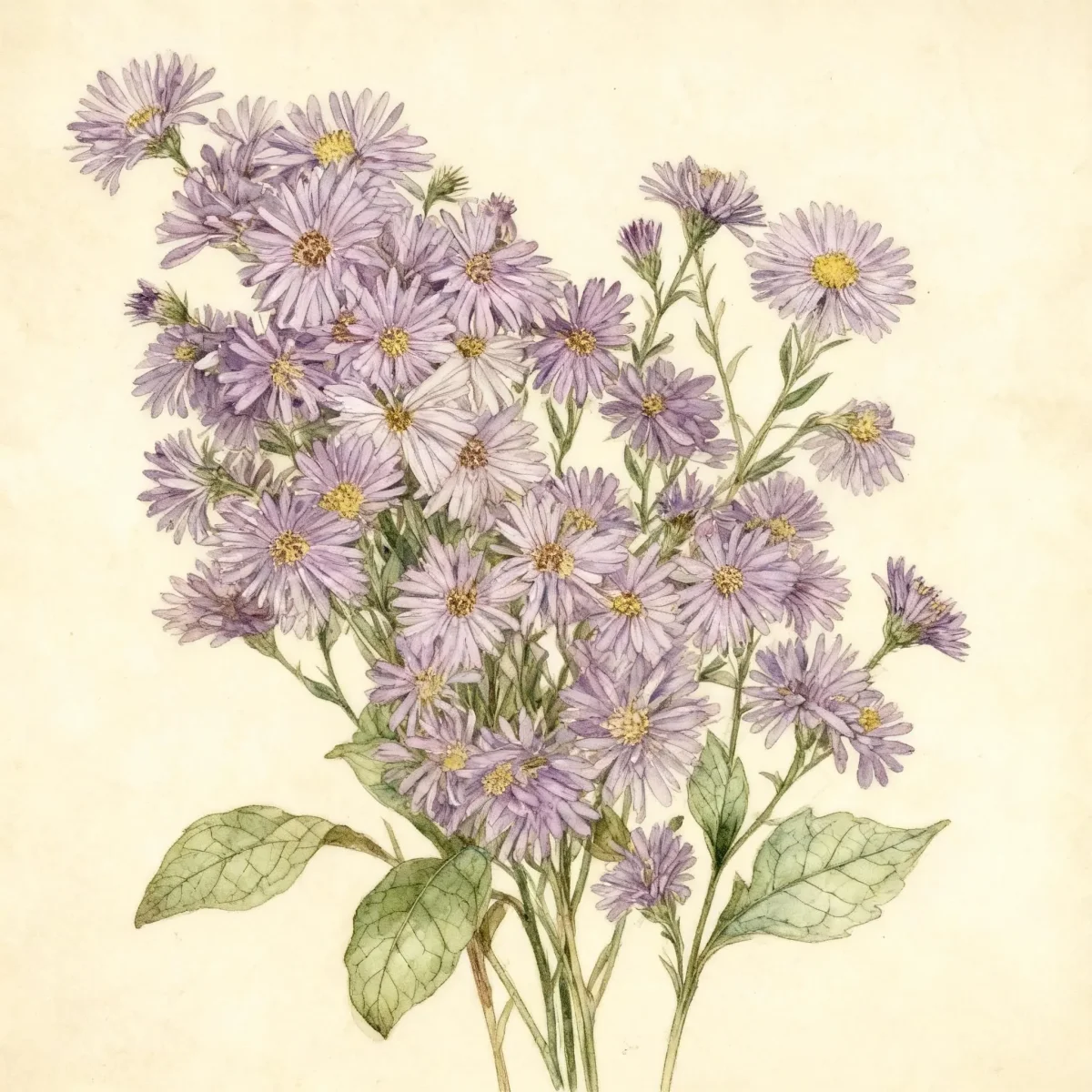
Coneflower (Rudbeckia occidentalis 'Green Wizard')
Rudbeckia occidentalis 'Green Wizard' offers unique, rayless Coneflower blooms. Ideal for medium water gardens, thriving in full sun.
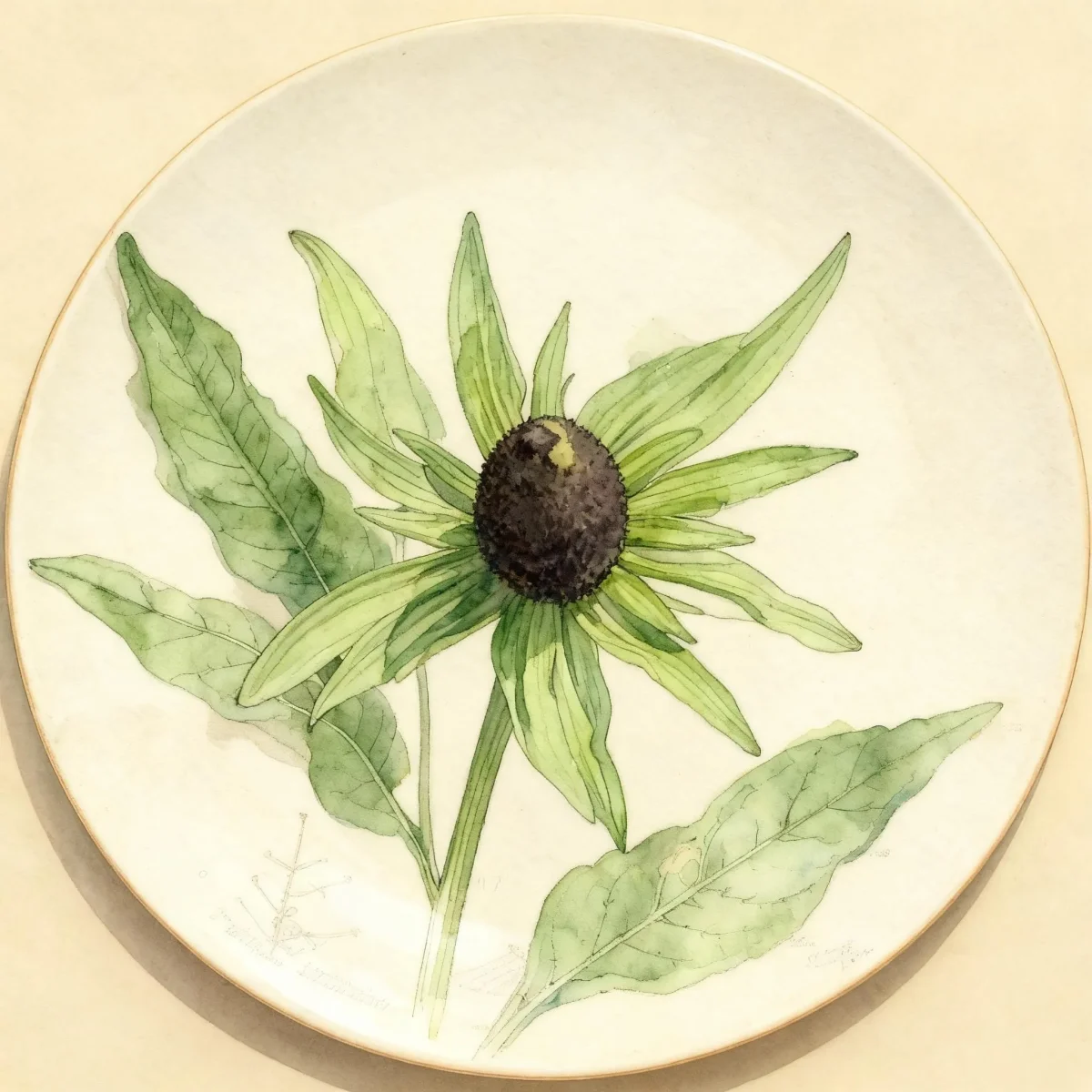

Bloom Boldly, No Matter the Season - Sweatshirt
Cozy organic cotton sweatshirt featuring our exclusive Purple Coneflower design. Perfect for gardeners who bloom year-round.
Inspired by the beautiful Coneflower
Limited first batch (50) — join the waitlist for early access
Waitlist closes Feb 15, 2026.
Complete Plant Information
Field Guide Continues
Ready for care notes, companion picks, and planting tips?
The map is just the start. The full guide below covers growth habits, seasonal performance, and landscape uses.
Overview
Rudbeckia occidentalis ‘Green Wizard’ is a truly distinctive perennial Coneflower, prized for its unusual, rayless flower structure. Unlike its more common relatives, this variety showcases a prominent, dark purple to black central disk elevated by showy, green, leaf-like sepals (bracts). This unique appearance offers excellent vertical interest in the late summer garden.
As an herbaceous perennial, the Coneflower establishes reliably, reaching impressive heights between three and five feet. While considered low maintenance, it requires consistent moisture to perform optimally, setting it apart from many drought-tolerant prairie natives. Its unique aesthetic provides excellent structure when traditional yellow Rudbeckia blooms begin to fade.
The botanical name, Rudbeckia occidentalis ‘Green Wizard’, refers to its Western U.S. origins in moist meadow environments. Gardeners appreciate this plant for its low susceptibility to pests and its ability to introduce architectural drama into cottage, wild, or meadow garden settings throughout its long bloom period from June through September.
Fast Facts
- Plant Family: Asteraceae
- Plant Type: Herbaceous perennial
- Hardiness Zones: USDA Zones 3-9
- Size at Maturity:
- Height: 3-5 ft
- Spread: 1.5-2 ft
- Bloom Time: June to September
- Bloom Description: Purple to black disk atop green bracts
- Sun Exposure: Full sun
- Water Needs: Medium
- Maintenance Level: Low
How to Grow
For the best display of Rudbeckia occidentalis ‘Green Wizard’, plant it in a location receiving full sun. While it tolerates some partial shade, insufficient light leads to weaker stems prone to flopping, which defeats the purpose of its height. This Coneflower thrives best in consistently moist, organically rich, well-drained loams.
Establish these perennials in the spring, ensuring the soil offers good drainage, as standing water is detrimental. Consistent moisture is key; unlike some rudbeckias, ‘Green Wizard’ is not drought tolerant. Provide medium supplemental water during dry spells to maintain vigor and bloom quality.
Maintenance is generally low. Deadheading spent flowers encourages the plant to produce additional blooms throughout the summer and early fall. Ensure good air circulation around the plants to mitigate the risk of powdery mildew, which is one of its few common issues. Taller stalks may benefit from initial staking if high winds are common in your area.
Seed started indoors in late winter (late February/early March for northern climates) will bloom in the first year. Plants may naturally self-seed once established in optimal conditions, potentially filling in drifts over time.
Landscape Uses
The structural height and unique coloration of Rudbeckia occidentalis ‘Green Wizard’ make it an excellent vertical accent in mixed borders. It integrates beautifully into cottage gardens, contrasting its dark centers and green accents against softer, shorter perennial varieties. For a more naturalistic look, mass plantings in meadow or wild garden settings provide outstanding texture.
Because of their strong upright nature, these tall Coneflowers serve well as background elements, framing sparser plantings in the middle ground. They also perform admirably when used in groups or mass plantings, creating a powerful visual rhythm across the landscape during late summer. Furthermore, the unique form of Rudbeckia occidentalis ‘Green Wizard’ lends itself well to cutting gardens, offering unusual, sophisticated material for arrangements.
Consider pairing the dark disks with silvery foliage or bright yellow sunflowers for dramatic contrast. The requirement for consistent moisture makes them ideal partners for moisture-loving plants like astilbes or ligularia in brighter locations.
Standout Features
Flower Qualities
- Showy
Noteworthy Characteristics
Rudbeckia occidentalis, commonly called western coneflower, is native to moist mountain meadows, seeps, and streambanks in the western U.S. A key feature of ‘Green Wizard’ is its lack of ray flowers; instead, it produces large cylindrical heads, 3 to 5 inches long, composed entirely of dark purple to black disk flowers, which are subtended by decorative, somewhat showy green sepals. Lower leaves are ovate and appear in basal clumps, while upper leaves are stalkless.
Tolerances
- Deer
Potential Problems
This Coneflower generally resists serious insect or disease issues, which contributes to its low maintenance rating. The primary cultural issue to monitor is powdery mildew, especially if air circulation around the plants is poor. Management involves ensuring proper spacing at planting time. Slugs and snails can bother very young plants, but established specimens are rarely affected. Taller stems may occasionally require staking for support, particularly in exposed sites or after heavy rain events.
Frequently Asked Questions
What hardiness zones is Coneflower suitable for?
Rudbeckia occidentalis ‘Green Wizard’ is reliably hardy across USDA Zones 3 through 9.
How large does Coneflower grow?
This variety typically achieves a height of 3 to 5 feet with a spread between 1.5 and 2 feet.
When does Rudbeckia occidentalis ‘Green Wizard’ bloom?
The bloom period extends from June all the way through September, featuring its unique purple to black disk atop green bracts.
What sun exposure does Coneflower need?
For optimal robust growth and maximum flowering, plants require full sun exposure in the garden.
Conclusion
The unique, rayless flower structure of Rudbeckia occidentalis ‘Green Wizard’ offers unparalleled modern texture against traditional garden blooms. This low-maintenance Coneflower thrives with medium water, providing excellent late-season color. Ensure you check your local USDA hardiness zone compatibility before planning where this unique western native will shine in your landscape.
Companion Planting
Choosing companions for Rudbeckia occidentalis ‘Green Wizard’ should focus on plants that share its preference for consistently moist, rich soil and full sun exposure. Plants with fine texture, like Astilbe or various types of ornamental grass such as Switchgrass (Panicum virgatum), create an excellent counterpoint to the bold, architectural boldness of the Coneflower head. Taller companions that bloom slightly earlier or later can help ensure season-long color interest near this centerpiece perennial.
Design Ideas for Vertical Structure
Because this is a relatively tall plant, consider its sightlines when placing it in the garden design. Use ‘Green Wizard’ in the rear of a border where its 3 to 5-foot height will not obscure shorter specimens. It works wonderfully when grouped in odd numbers—threes or fives—to create an intentional massing effect that highlights the consistency of the dark disk and green bracts. Avoid planting it near structures or dense foliage that inhibit necessary air movement.