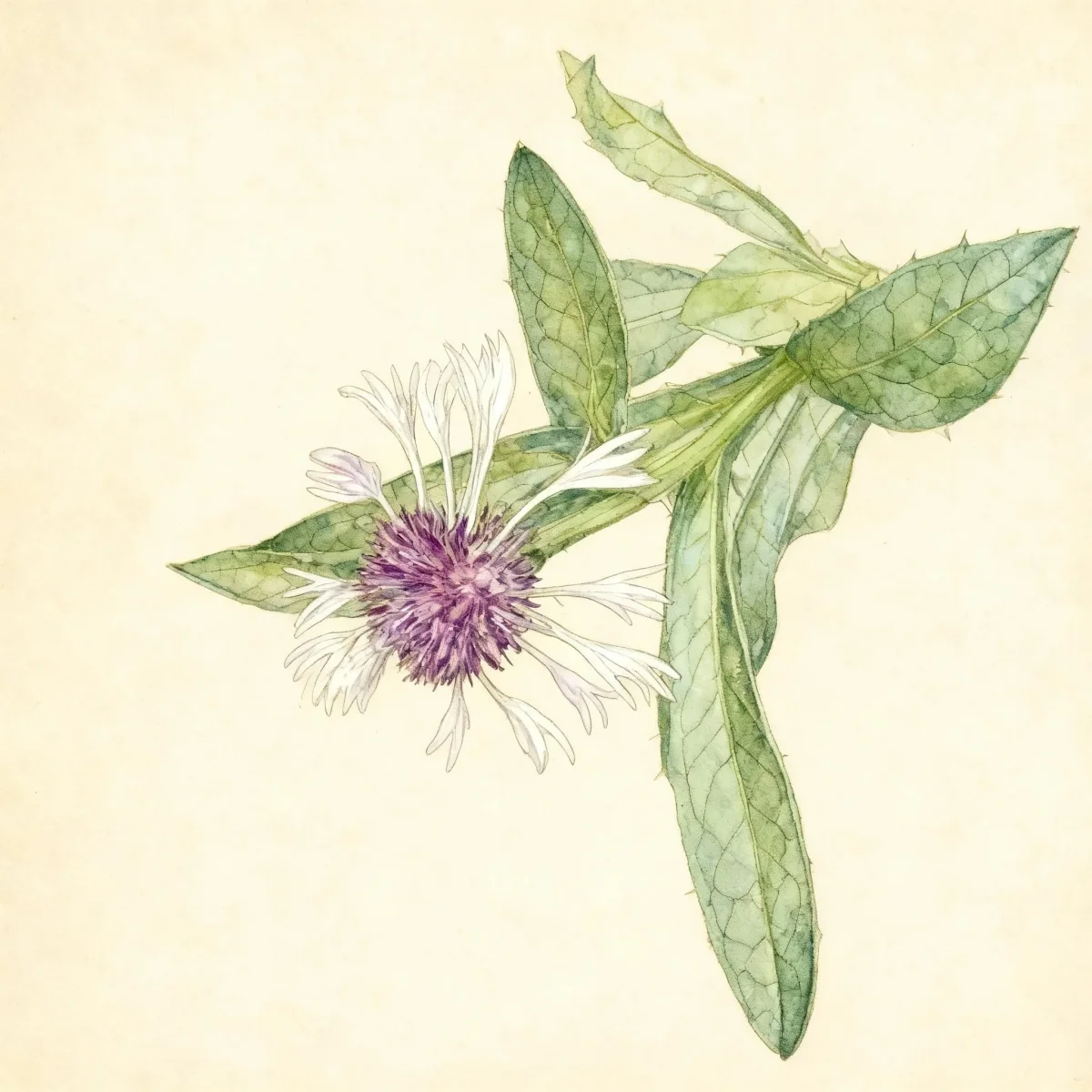
Mountain bluet (Centaurea montana 'Amethyst in Snow')
Centaurea montana 'Amethyst in Snow' (Mountain bluet) is a low-maintenance perennial producing striking white and purple bicolor blooms in late spring.

Bloom Boldly, No Matter the Season - Sweatshirt
Cozy organic cotton sweatshirt featuring our exclusive Purple Coneflower design. Perfect for gardeners who bloom year-round.
Inspired by the beautiful Mountain bluet
Limited first batch (50) — join the waitlist for early access
Waitlist closes Feb 15, 2026.
Complete Plant Information
Field Guide Continues
Ready for care notes, companion picks, and planting tips?
The map is just the start. The full guide below covers growth habits, seasonal performance, and landscape uses.
Overview
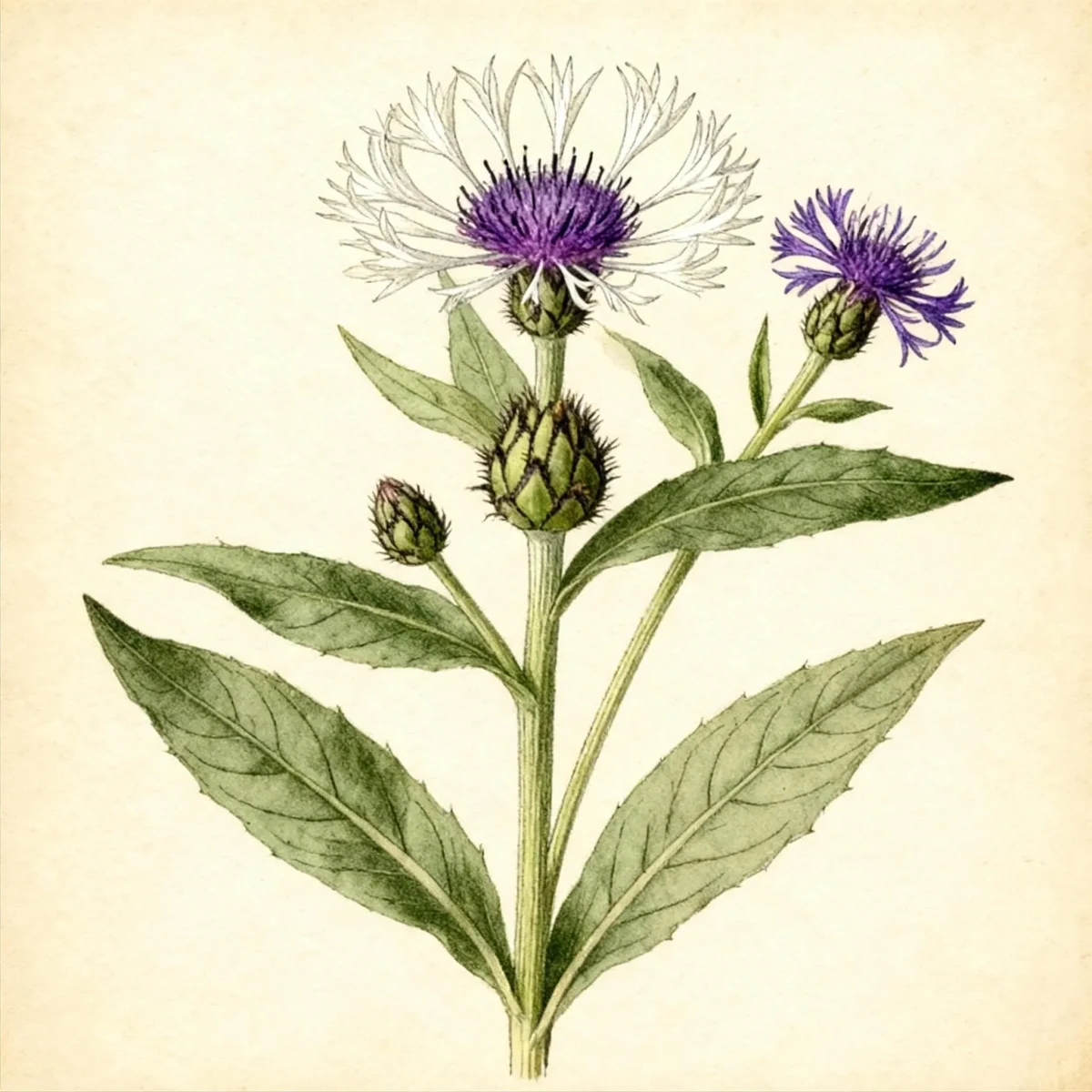
The Centaurea montana ‘Amethyst in Snow’, commonly known as Mountain bluet, offers a distinct bicolor presentation highly valued in cottage gardens. This herbaceous perennial is celebrated for its fringed, 2-inch diameter blooms contrasting pure white outer petals against deep blue-purple centers, appearing robustly in late spring. As a stoloniferous grower, it readily forms attractive colonies, adding texture and lasting color to perennial borders.
This cultivar is recognized as one of the first bicolors of the species introduced commercially, providing reliable performance across USDA Zones 3 to 7. While it prefers average, well-drained soils, the Mountain bluet exhibits excellent drought and poor soil tolerance once established, making it a resilient choice for sunny locations. Its silvery-green foliage provides useful background contrast throughout the season to the vibrant flowers.
Gardeners appreciate the ease of care associated with Centaurea montana ‘Amethyst in Snow’. Its low maintenance requirements and ability to naturalize without excessive fuss ensure that it remains a popular and practical flowering perennial for mixed borders and informal landscape designs looking for reliable spring interest. Division every few years is recommended to maintain vigor.
Fast Facts
- Plant Family: Asteraceae
- Plant Type: Herbaceous perennial
- Hardiness Zones: USDA Zones 3-7
- Size at Maturity:
- Height: 1-2 ft
- Spread: 0.75-1.5 ft
- Bloom Time: May to June
- Bloom Description: White petals with blue-purple center
- Sun Exposure: Full sun
- Water Needs: Dry to medium
- Maintenance Level: Low
How to Grow
Plant Centaurea montana ‘Amethyst in Snow’ in the spring or early fall once the danger of hard frost has passed. Ensure chosen locations receive full sun exposure, which maximizes flowering potential. This plant thrives in average soils, provided they are well-drained; avoid overly rich or perpetually moist ground, as this encourages excessive spreading.
Maintenance is generally low for this resilient perennial. Water sparingly once established; its drought tolerance means it handles dry soil conditions exceptionally well, though consistent medium moisture during the initial establishment period supports robust growth. Fertilizing is rarely necessary, especially since rich soils should be avoided to control its stoloniferous spread.
Deadhead spent flower stalks promptly after the main bloom in May and June. This practice may encourage a sparse rebloom later in the late summer or early fall. For long-term health and vigor, plan to divide the clumps of Mountain bluet every two to three years, usually performed in early spring or fall.
Landscape Uses
The upright growth habit and vibrant blooms of Centaurea montana ‘Amethyst in Snow’ make it an excellent candidate for border fronts where its height (1 to 2 feet) doesn’t overwhelm shorter edging plants. It is perfectly suited for naturalizing into meadow settings or large drifts where its tendency to spread via stolons can be leveraged to create colonies of color. Its classic appearance fits seamlessly into cottage garden designs.
When selecting companions, pair the Mountain bluet with other sun-loving perennials that share its relatively dry soil tolerance. Consider pairing it with silver-leaved plants to complement the foliage, or with late-season bloomers like coneflowers or coreopsis to extend the visual interest beyond its primary May-June display. Utilizing it in mass plantings helps achieve the desired naturalized effect.
Standout Features
Flower Qualities
- Showy
Noteworthy Characteristics
The species, commonly called Mountain bluet or perennial cornflower, features erect, stoloniferous, clump-forming growth. ‘Amethyst in Snow’ is noteworthy for being an early bicolor introduction, showcasing tubular, pure white petals radiating outwards from deeply contrasting blue-purple centers, typically appearing on stems 12-18 inches tall. This cultivar blooms profusely in late spring over a base of silvery-green, lance-shaped leaves.
Tolerances
- Drought
- Dry Soil
Potential Problems
While generally sturdy, Centaurea montana can occasionally suffer from fungal issues. Gardeners should vigilantly watch for rust, mildew, and stem rot, especially in humid conditions or where air circulation is poor. Aster yellows, a disease spread by leafhoppers, can sometimes appear, causing distorted growth. Ensure optimal spacing and dryness around the base to minimize the risk of these fungal occurrences.
Frequently Asked Questions
What hardiness zones is Mountain bluet suitable for?
The Centaurea montana ‘Amethyst in Snow’ is reliably hardy in USDA Zones 3 through 7.
How large does Centaurea montana ‘Amethyst in Snow’ grow?
This perennial typically reaches a height between 1 to 2 feet, with a spread ranging from 0.75 to 1.5 feet when happily established.
What sun exposure does Mountain bluet need?
The Mountain bluet requires full sun to achieve its best flowering performance in the garden.
When does Mountain bluet bloom?
This perennial displays its signature bicolor flowers primarily from May to June, featuring white petals contrasted against blue-purple centers.
Conclusion
The Centaurea montana ‘Amethyst in Snow’ offers exceptional visual appeal for low-maintenance, sunny borders, thanks to its unique white and amethyst blooms. Planning your planting location now to ensure full sun and well-drained soil will guarantee the best display from your new Mountain bluet specimens this coming spring.
Companion Planting
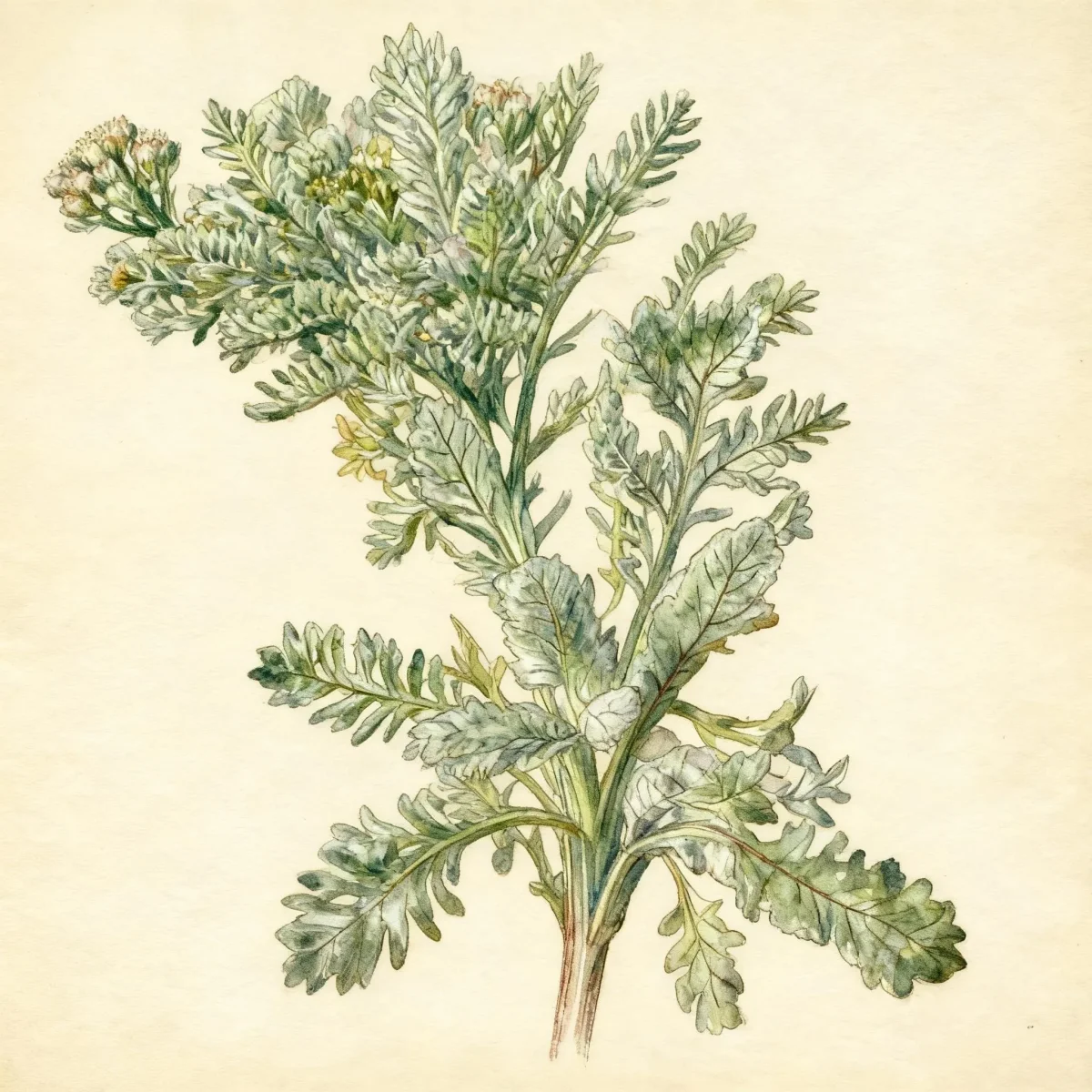
When selecting neighbors for Centaurea montana ‘Amethyst in Snow’, focus on plants that tolerate full sun and prefer drier conditions, mirroring the needs of the drought-tolerant Mountain bluet. Good companions include silvery foliage varieties like certain Artemisia species or Lamb’s Ears, which aesthetically match the plant’s silvery leaves. Short ornamental grasses, such as Blue Fescue, also blend well with the upright stems of this perennial cornflower.
Propagation Tips
The primary method for propagating Centaurea montana ‘Amethyst in Snow’ is vegetative division, as the stoloniferous nature of the plant makes it easy to increase. Divide the clumps every 2-3 years in the early growing season (spring) or early fall before the ground freezes. Ensure each section removed during division has a healthy crown and adequate roots for immediate establishment in its new location to maintain the vigor of the Mountain bluet.