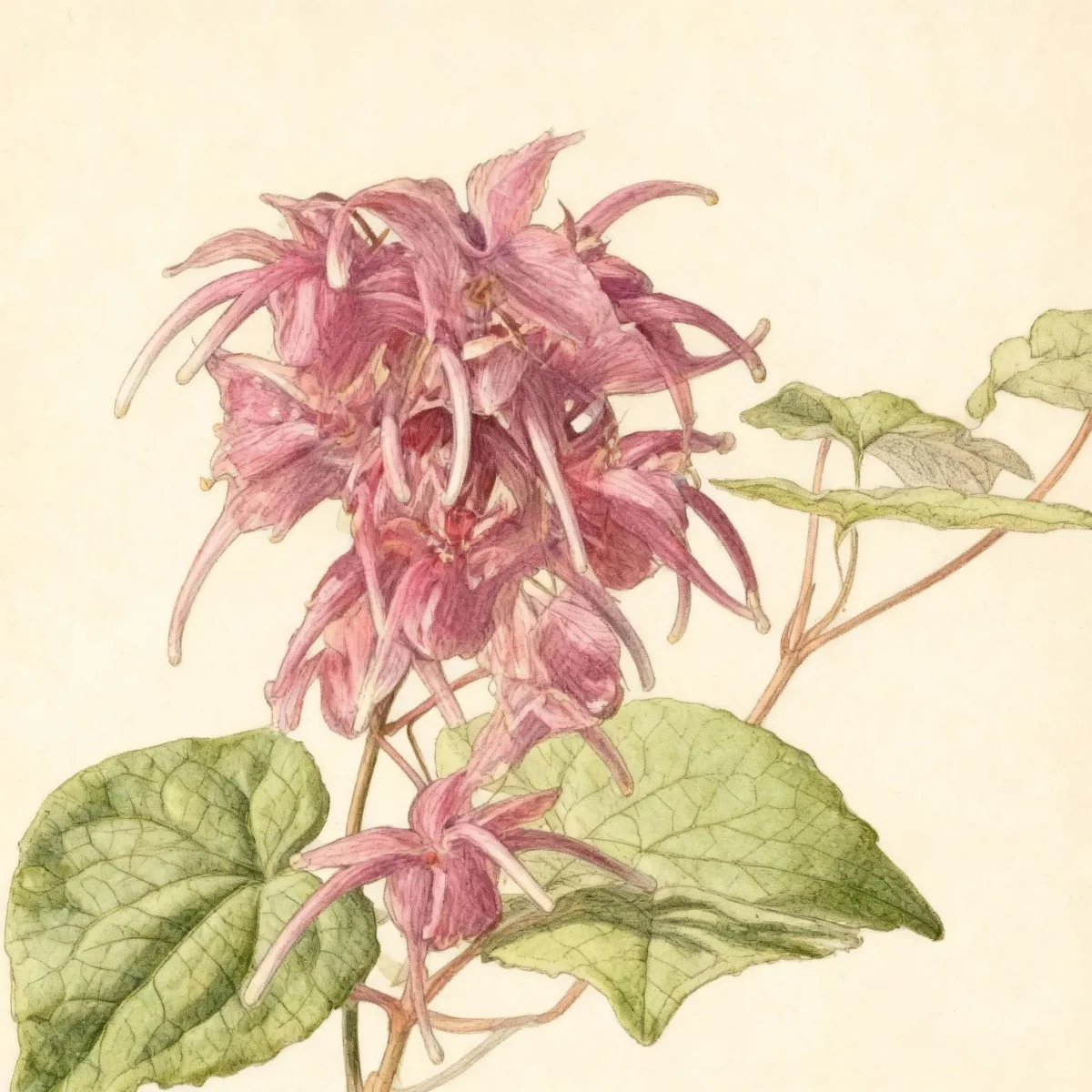
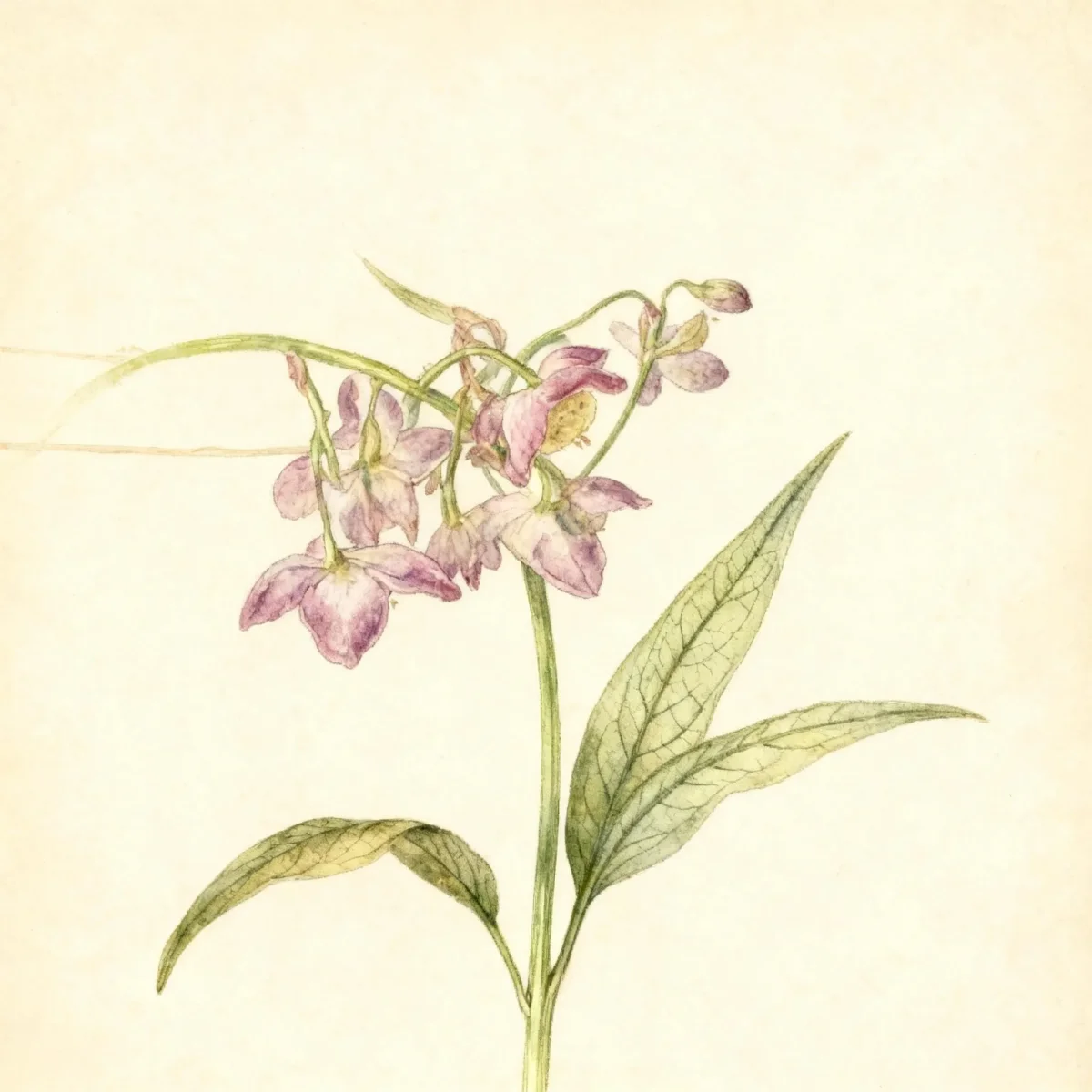
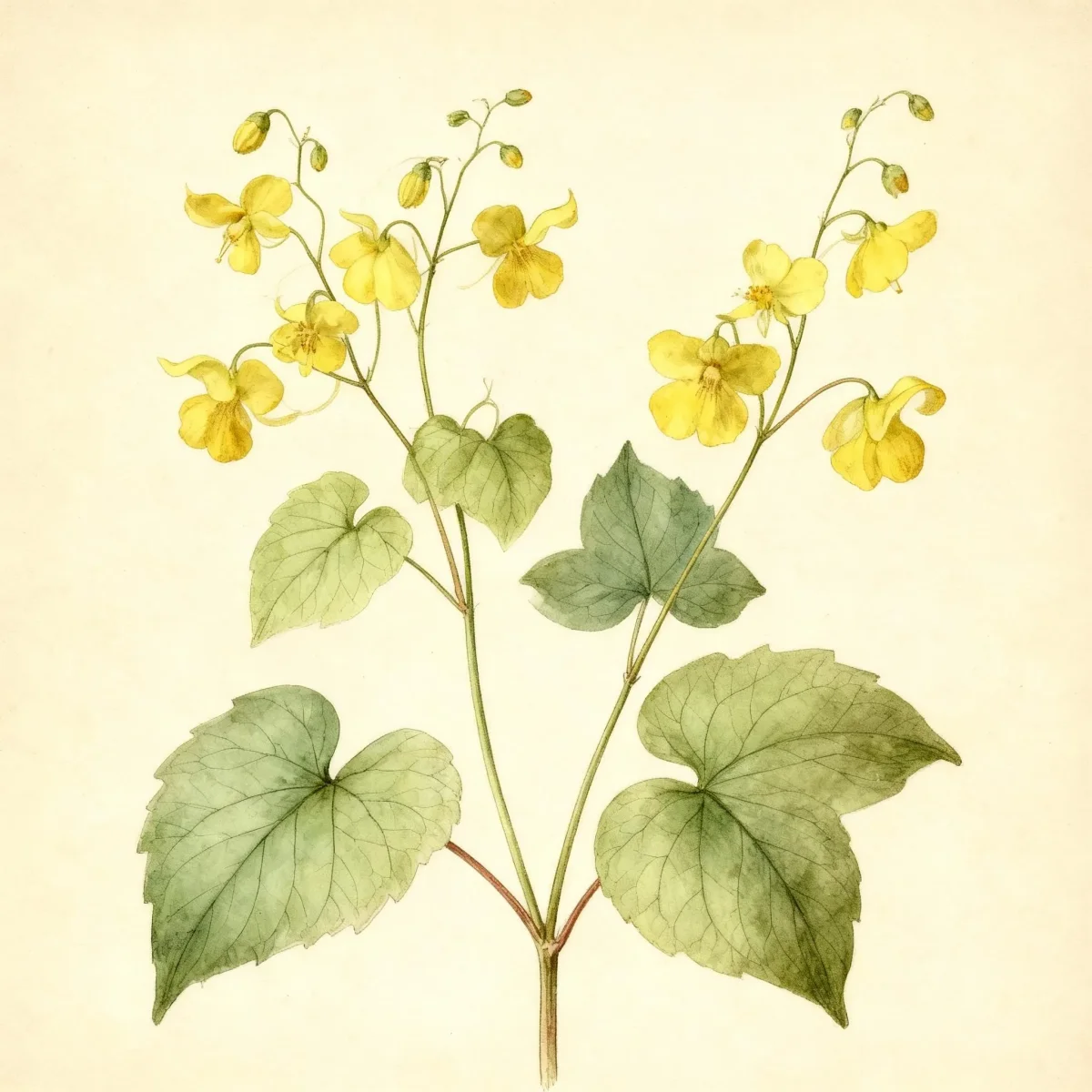
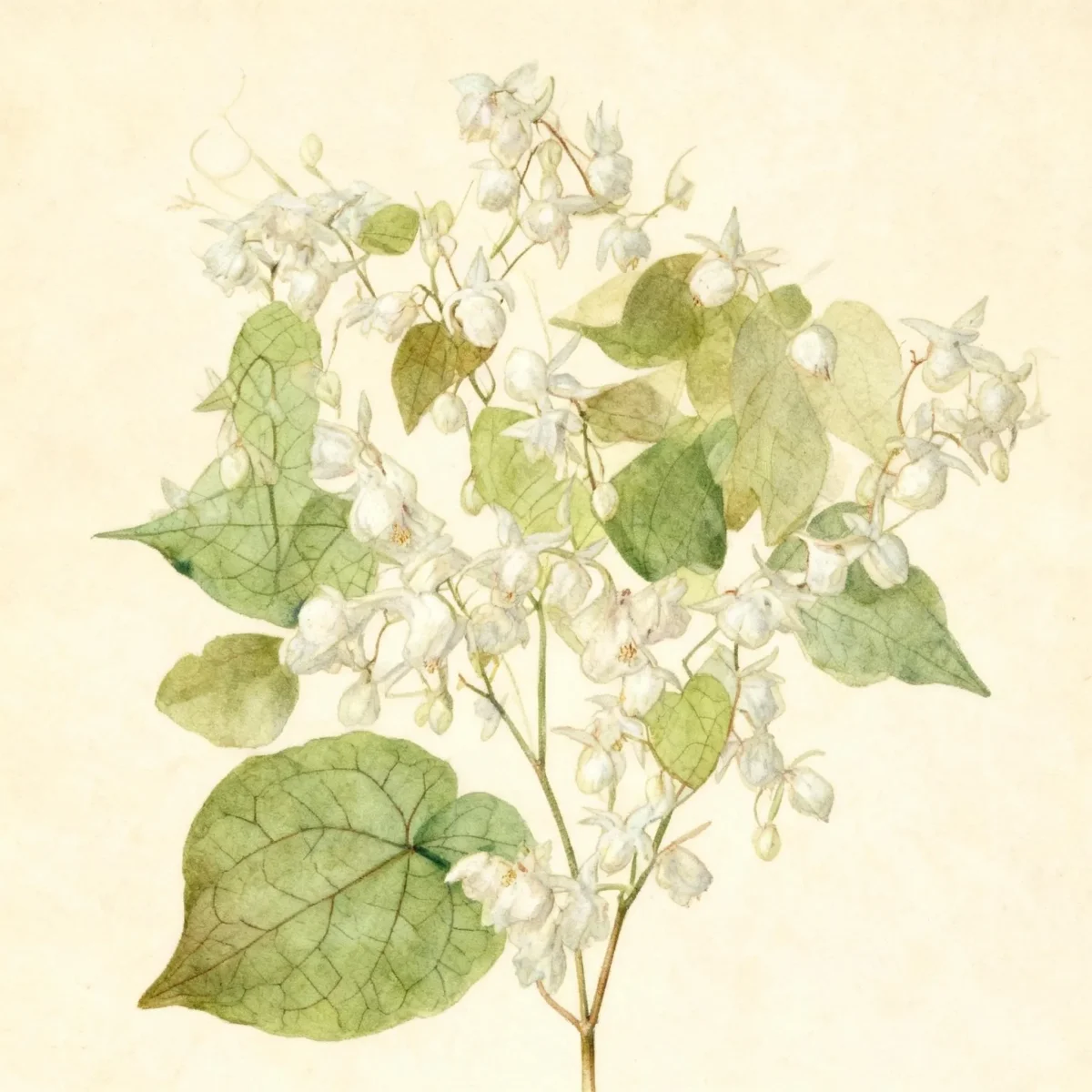
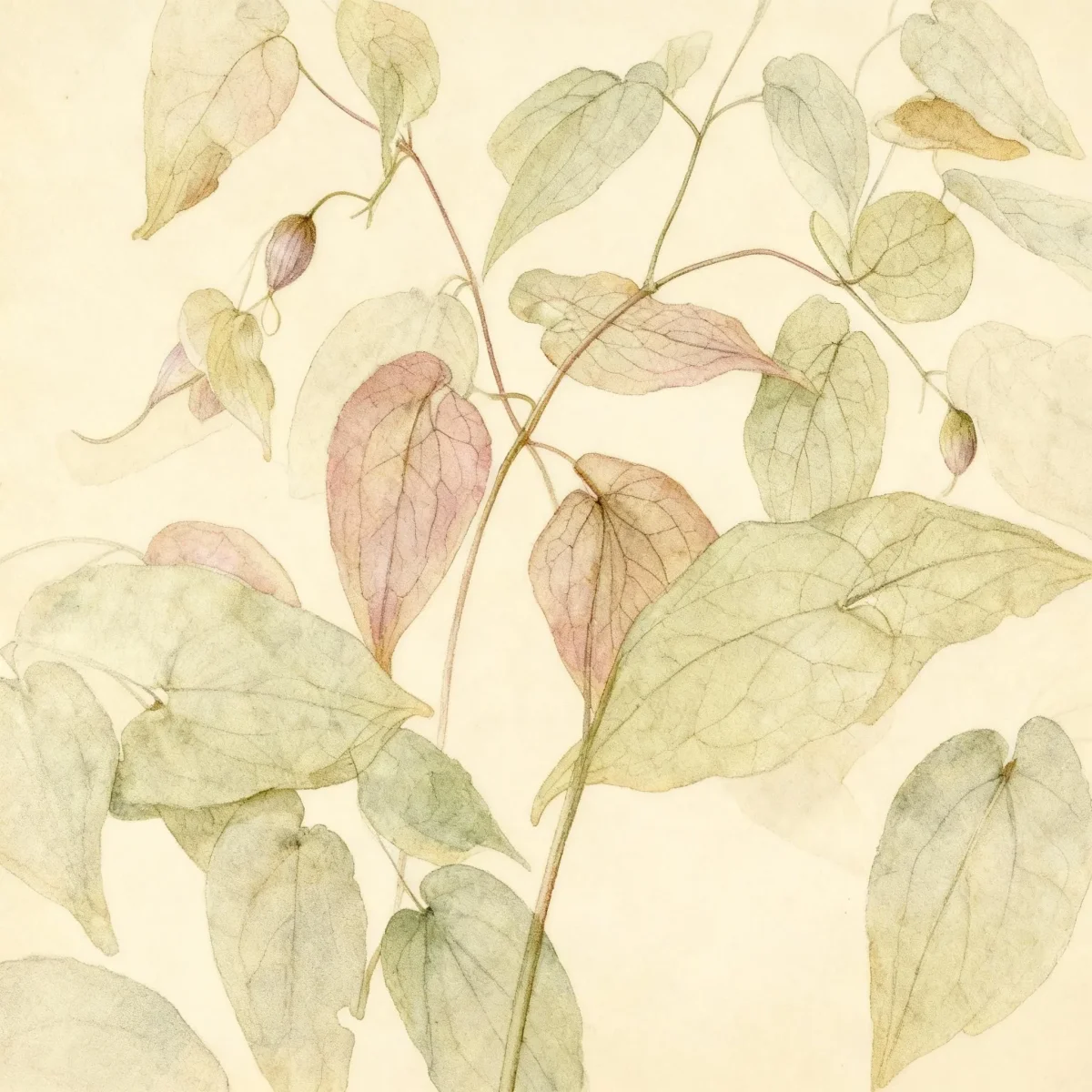
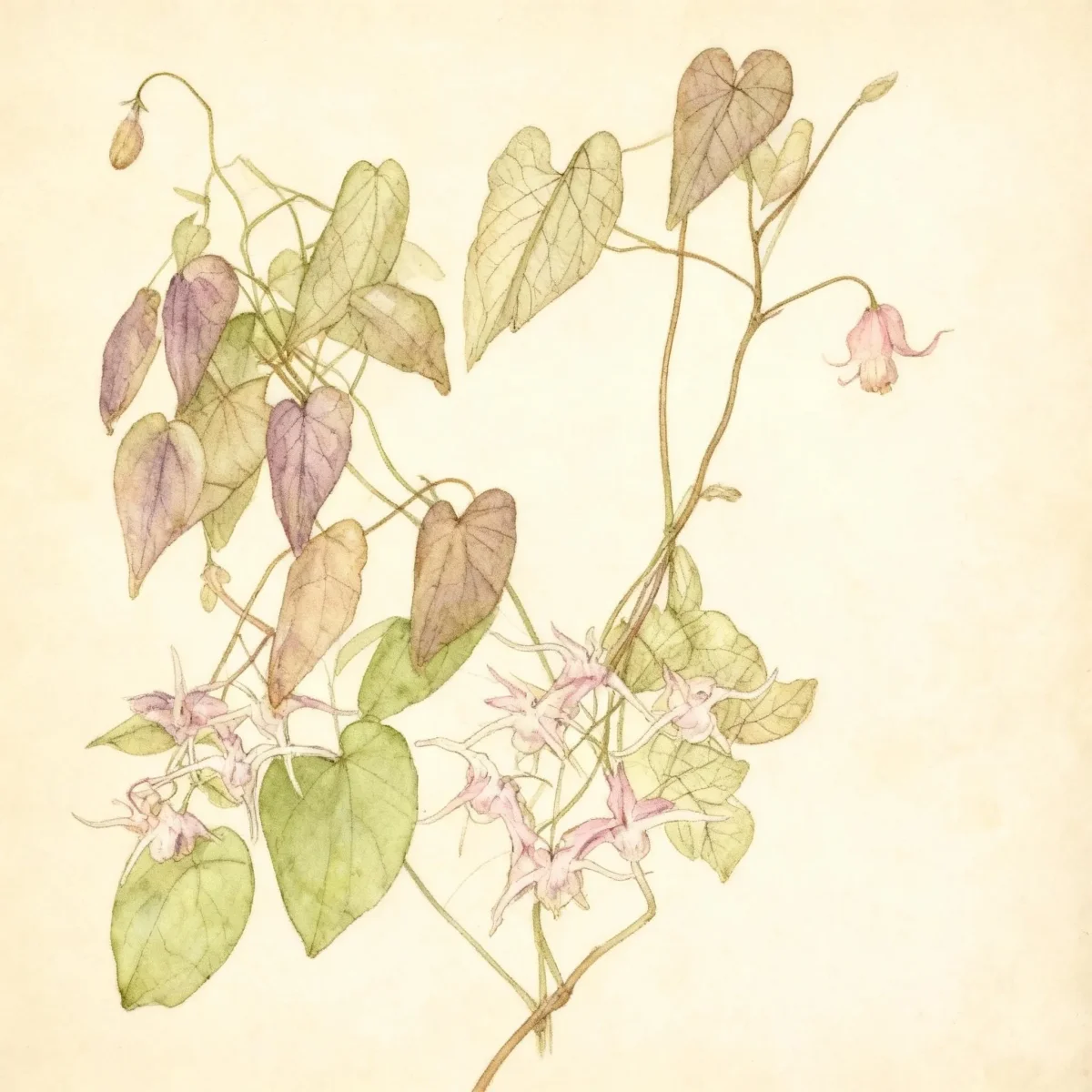
Bishop's hat (Epimedium (#530))
Bishop's hat (Epimedium (#530)) is a low-maintenance perennial for deep shade, offering star-shaped white flowers in spring.
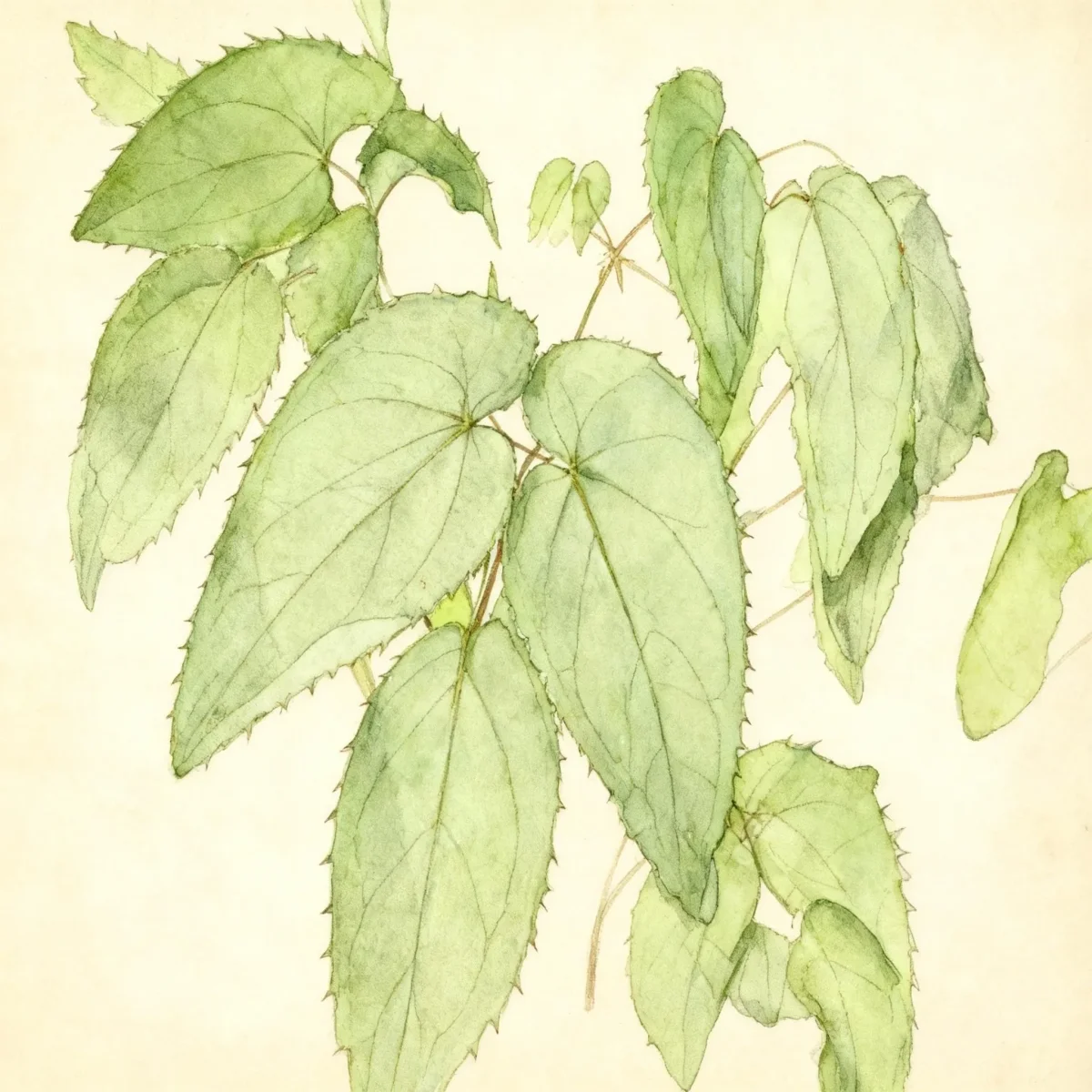

Bloom Boldly, No Matter the Season - Sweatshirt
Cozy organic cotton sweatshirt featuring our exclusive Purple Coneflower design. Perfect for gardeners who bloom year-round.
Inspired by the beautiful Bishop's hat
Limited first batch (50) — join the waitlist for early access
Waitlist closes Feb 15, 2026.
Complete Plant Information
Field Guide Continues
Ready for care notes, companion picks, and planting tips?
The map is just the start. The full guide below covers growth habits, seasonal performance, and landscape uses.
Overview
Bishop’s hat, scientifically known as Epimedium (#530), excels as a reliable groundcover for the challenging conditions of deep shade. This rhizomatous perennial is cherished by gardeners for bridging the gap where few other plants thrive, creating attractive, low-maintenance colonies over time. Its aesthetic appeal is heightened by delicate, star-shaped flowers that appear reliably each April, contrasting beautifully with its semi-evergreen foliage.
Epimedium (#530) offers significant functional benefits, proving highly useful in managing erosion on slopes and establishing coverage under mature trees. Once situated, this Bishop’s hat variety demonstrates remarkable resilience, tolerating drought and dry shade better than many other woodland favorites. Its low growth habit, reaching only about one foot tall, makes it an ideal choice for softening hardscape edges and enhancing shaded borders.
This specific variety of Epimedium (#530) is noted for its white flowers tipped with purple-pink bases, adding subtle complexity to the spring garden display. With minimal intervention required after establishment, this plant delivers consistent performance, making it a staple for sustainable, low-effort landscape design schemes.
Fast Facts
- Plant Family: Berberidaceae
- Plant Type: Herbaceous perennial
- Hardiness Zones: USDA Zones 5-9
- Size at Maturity:
- Height: 0.5-1 ft
- Spread: 0.5-1.5 ft
- Bloom Time: April
- Bloom Description: White with purple pink at the base
- Sun Exposure: Part shade to full shade
- Water Needs: Dry to medium
- Maintenance Level: Low
How to Grow
The best time to plant Bishop’s hat is in the fall or early spring, allowing the established rhizomes to anchor before summer heat arrives. Aim for well-drained soils that are preferably acidic and rich in organic matter, simulating its woodland origins. While it prefers moderately moist, loose loam, note that this specific Epimedium (#530) successfully handles dry shade once its root system has developed.
Care for established Epimedium (#530) is minimal; generally, deep seasonal watering is only necessary during prolonged dry spells, as the rhizomes store moisture effectively. Fertilization is rarely required, but a light spring top-dressing of compost can boost vigor. Avoid alkaline conditions, as this plant is intolerant and will suffer in high pH soils.
Pruning is generally unnecessary, though you may trim back older foliage in late winter before new buds emerge if the leaves appear ragged over winter. Be aware that the foliage may scorch if exposed to harsh afternoon sun, so ensure planting locations provide adequate dappled shade or morning light exposure only.
Landscape Uses
Epimedium makes an outstanding utility plant where dense, low coverage is needed in shady spots. Use Bishop’s hat as a refined groundcover in dappled woodland settings, creating sweeping, naturalized drifts under mature deciduous trees where turf struggles. Its tough tolerance for dry shade also makes it perfect for edging paths or walkways, providing a neat, green boundary that requires virtually no upkeep.
When mass planting Epimedium (#530), consider pairing it with plants that offer different textures or bloom times to extend seasonal interest. Consider companions like Hellebores for earlier blooms or Foxtail Ferns for summer contrast, all sharing similar part-shade requirements. This resilient choice works beautifully in naturalized areas, blending seamlessly into semi-wild garden designs.
Standout Features
Flower Qualities
- Showy
Noteworthy Characteristics
Epimedium is a genus of 20-30 species of evergreen and deciduous, rhizomatous perennials from the Mediterranean to East Asia. Many make excellent groundcovers for shady areas. Epimediums have a number of common names, including barrenwort, bishop’s hat, bishop’s mitre and fairy wings.Genus name is of unclear origin and meaning but the Greeks used epimedion for a very different plant.’#530’ is of unknown parentage, noted for star-shaped flowers that are white with purple-pink bases blooming in large clusters in spring. It forms an attractive, clump-forming ground cover that spreads slowly.
Tolerances
- Rabbit
- Deer
- Drought
- Heavy Shade
- Erosion
- Dry Soil
- Shallow-Rocky Soil
Potential Problems
This Bishop’s hat variety shows strong resistance to most common garden pests and diseases, contributing heavily to its low-maintenance profile. The primary concern mentioned is mosaic virus, which is typically transmitted indirectly through aphid activity. Managing aphid populations through horticultural oils or insecticidal soap, especially early in the season, is the best preventive measure against viral spread.
Frequently Asked Questions
What hardiness zones is Bishop’s hat suitable for?
Epimedium (#530) is suitable for USDA Hardiness Zones 5 through 9.
How large does Bishop’s hat grow?
This herbaceous perennial typically reaches a mature height between 0.5 and 1 foot tall, with a spread ranging from 0.5 to 1.5 feet.
What sun exposure does Epimedium (#530) need?
Epimedium (#530) performs best in part shade conditions, though it tolerates full shade well; its foliage tends to burn in intense afternoon sun.
When does Bishop’s hat bloom?
The Bishop’s hat blooms reliably in April, producing striking star-shaped flowers described as white with purple pink at the base.
Conclusion
Bishop’s hat (Epimedium (#530)) is an invaluable textural and flowering perennial, offering robust, low-maintenance coverage ideal for dry, deep shade. Its deer and drought tolerance makes it exceptionally practical for challenging landscape spots. Confirm your growing zone falls within USDA 5-9 and plant this Epimedium (#530) companion this fall for reliable spring color.
Companion Planting
When selecting companions for your Epimedium (#530), prioritize other shade-loving, dry-tolerant plants that share its preference for well-drained soil. Shade-loving ferns, such as Japanese Painted Fern or Autumn Fern, complement the texture of Bishop’s hat without competing aggressively for root space. Consider plants like Hostas (avoiding varieties that require consistently moist soil) or Brunnera near the edges to offer broader leaves and varied bloom times.
For early spring color before the Epimedium (#530) flowers fully emerge, Muscari (grape hyacinth) planted sparsely among the rhizomes can provide a nice, temporary burst of vibrant color. Since Epimediums spread slowly to form colonies, allow space for their mature spread of 1.5 feet, ensuring companions are tucked in strategically rather than planted too tightly against the crowns.
Seasonal Care Calendar
Spring is the prime time for Epimedium (#530) enjoyment, as the white and purple-pink flowers emerge just as you might consider removing any tattered winter foliage. A light application of compost in early spring provides a nutrient boost without being necessary every year due to the plant’s low feeding needs. This is also the ideal time to monitor for any early signs of aphids, the vector for potential mosaic virus.
Summer care focuses entirely on drought management. Although established Bishop’s hat is significantly drought-tolerant, watering deeply once every two to three weeks during severe heat waves promotes optimal health and prevents foliage burnout. Avoid overhead watering if possible, and certainly suppress the urge to amend the soil heavily, as quality drainage is paramount for Epimedium success.
In autumn, allow the foliage to mature naturally; deciduous types will drop leaves, while evergreen types will maintain structure through winter. No protective mulching is needed for established zones 5-9 plants unless you are concerned about extreme freeze/thaw cycles disturbing the shallow rhizomes in year one.