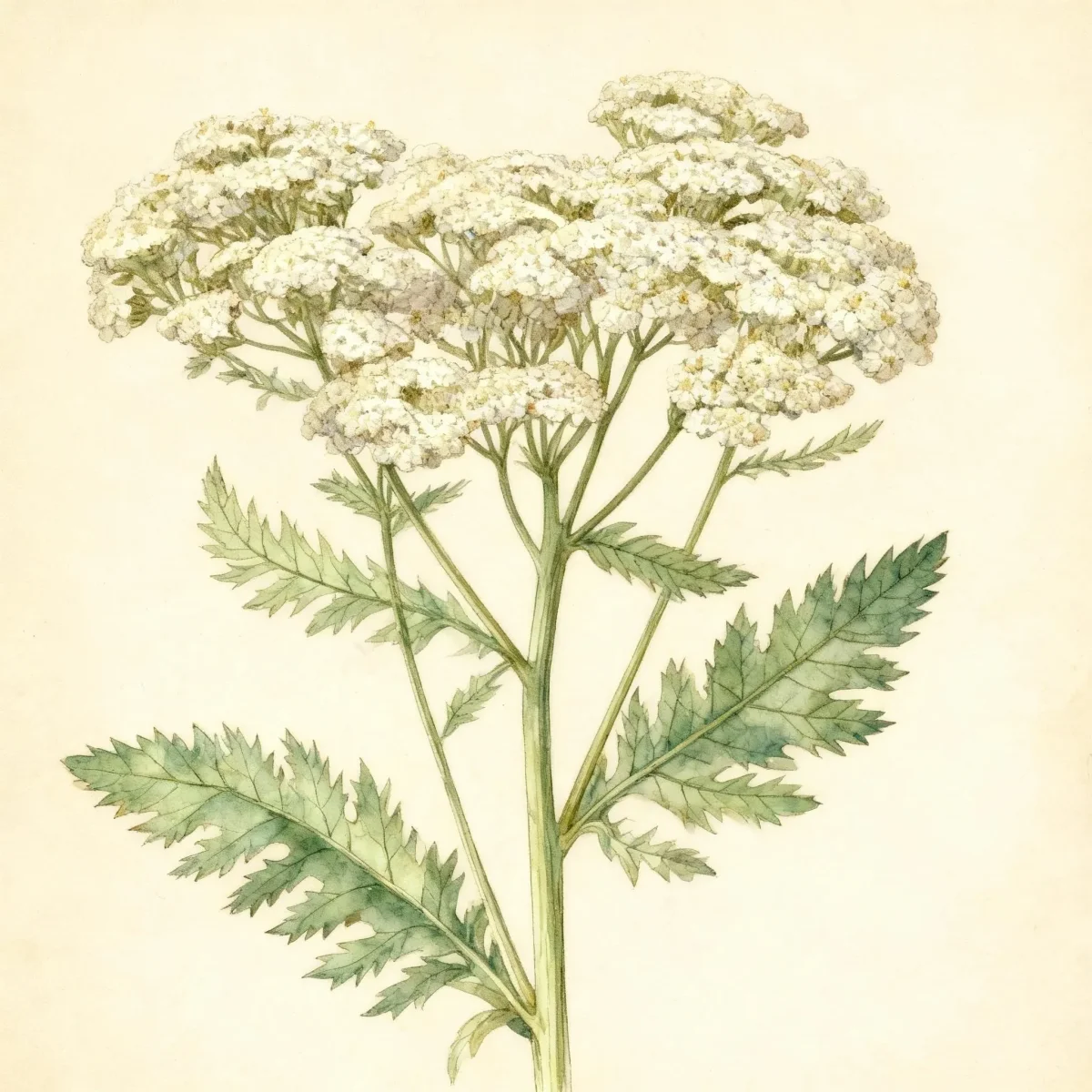
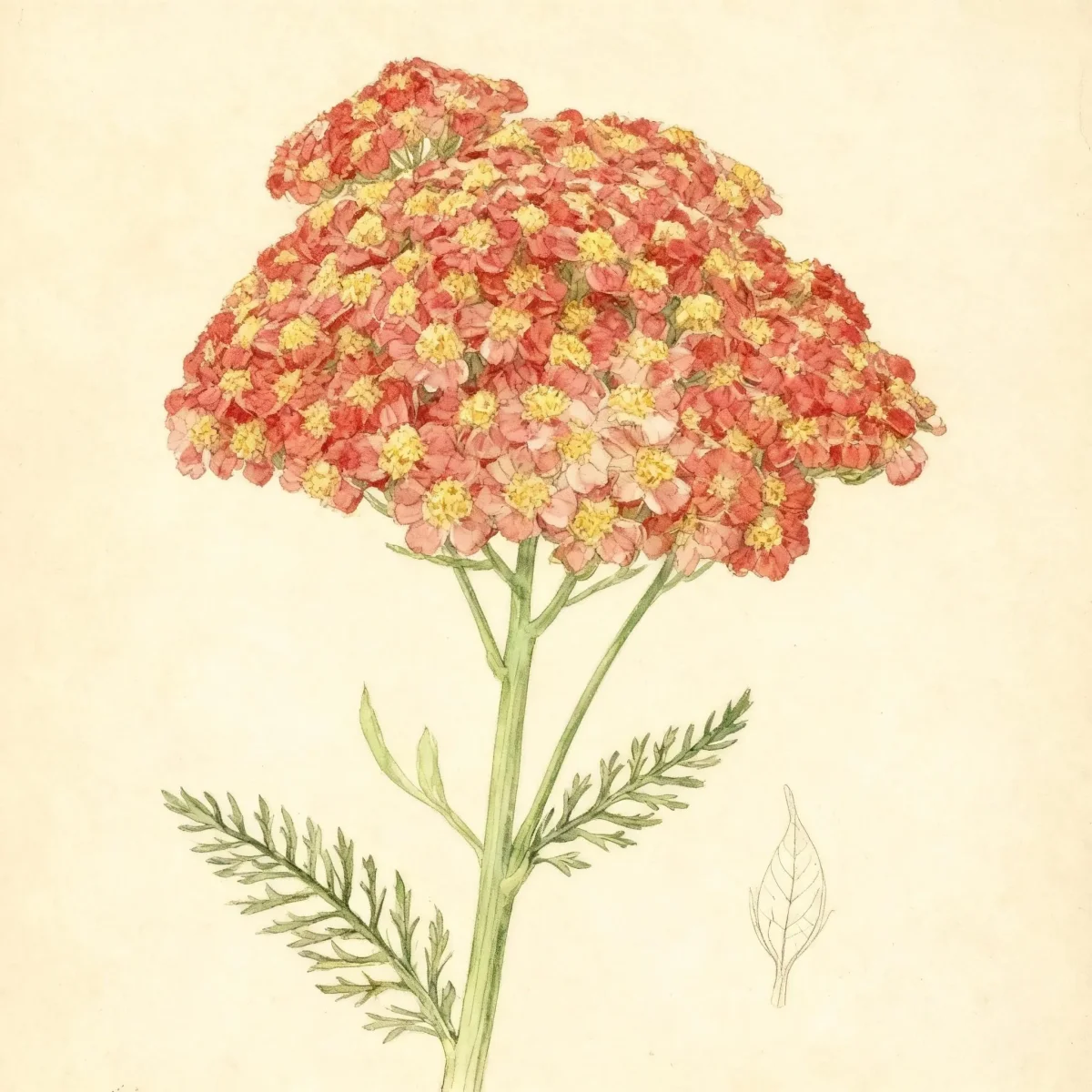
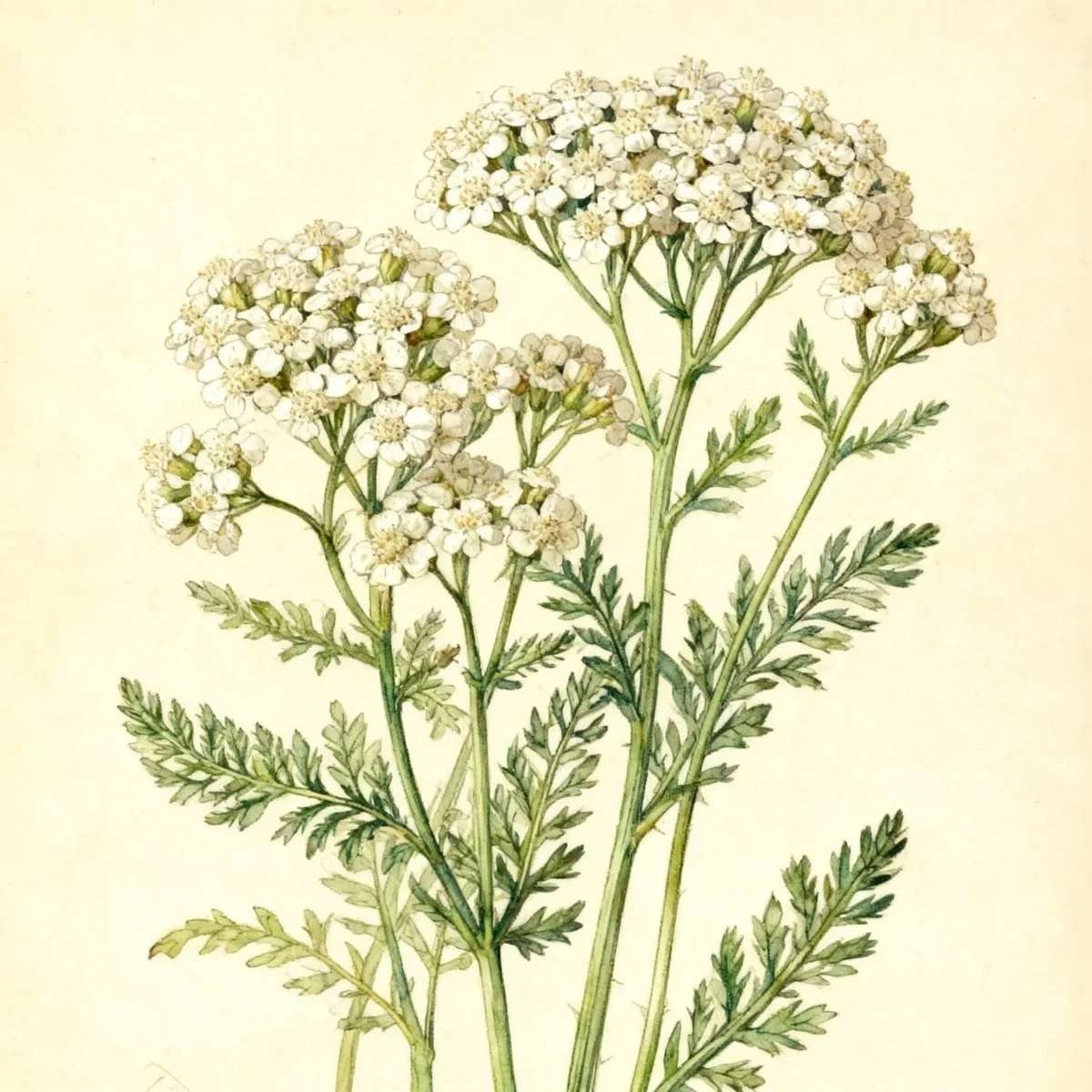
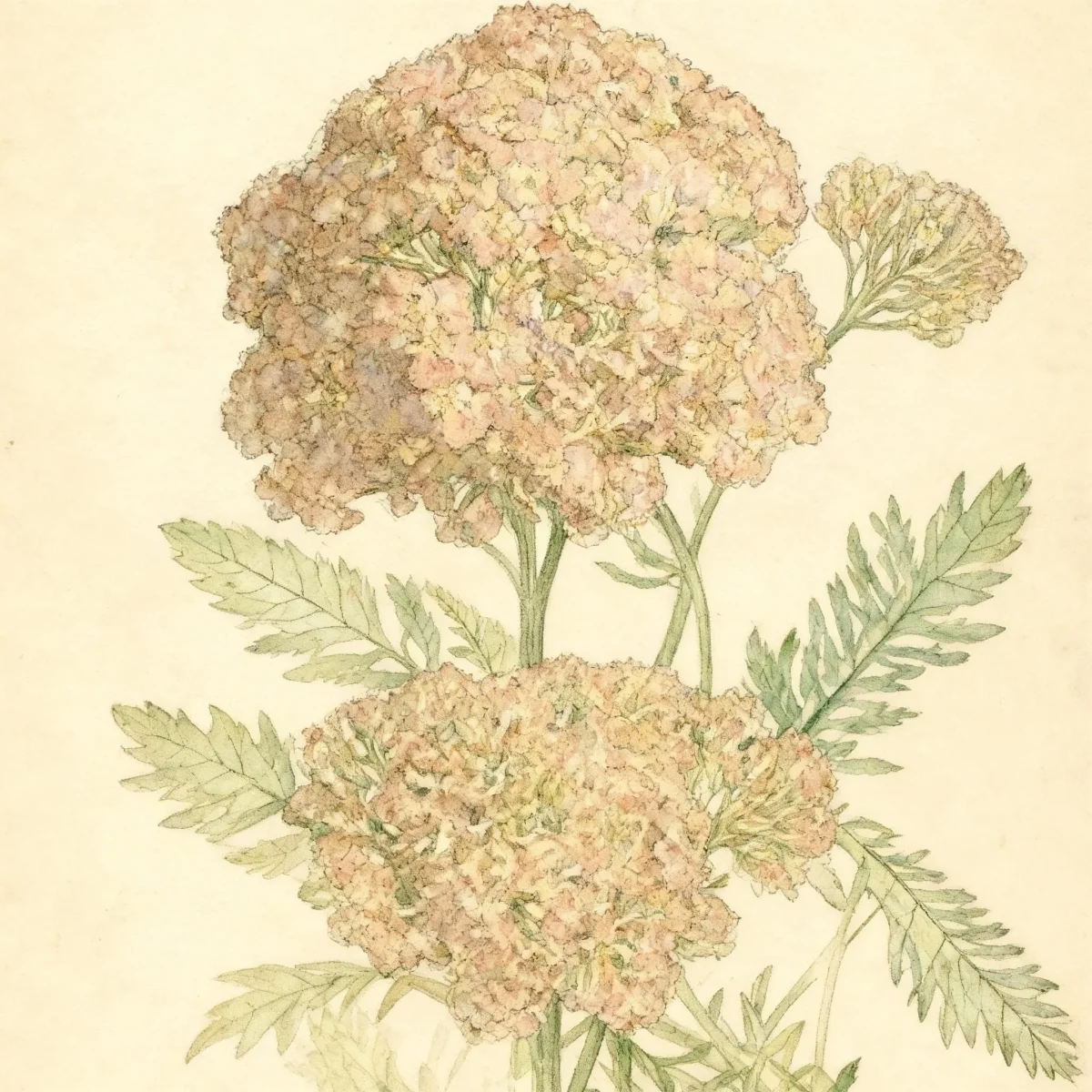
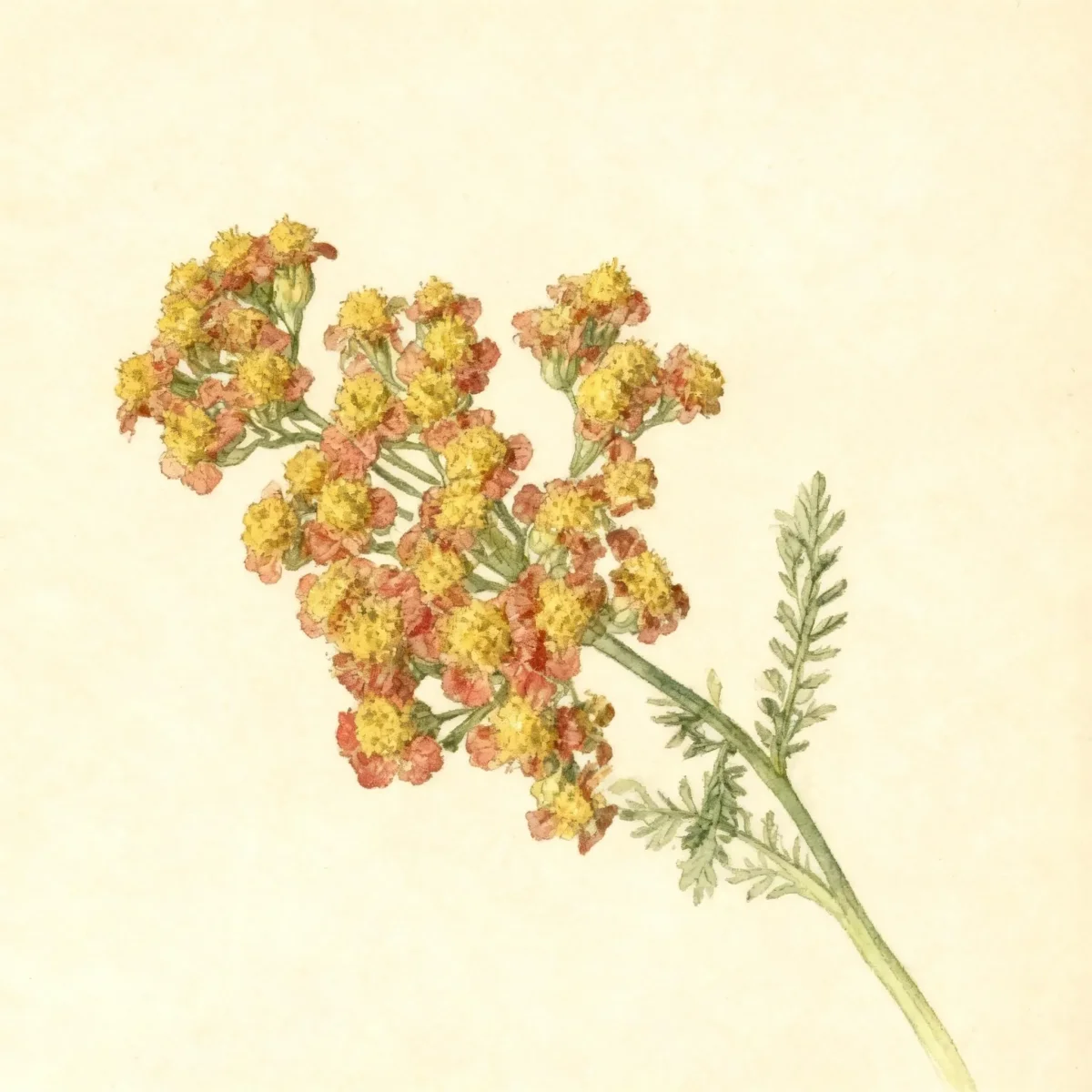
Yarrow (Achillea millefolium 'Pretty Belinda')
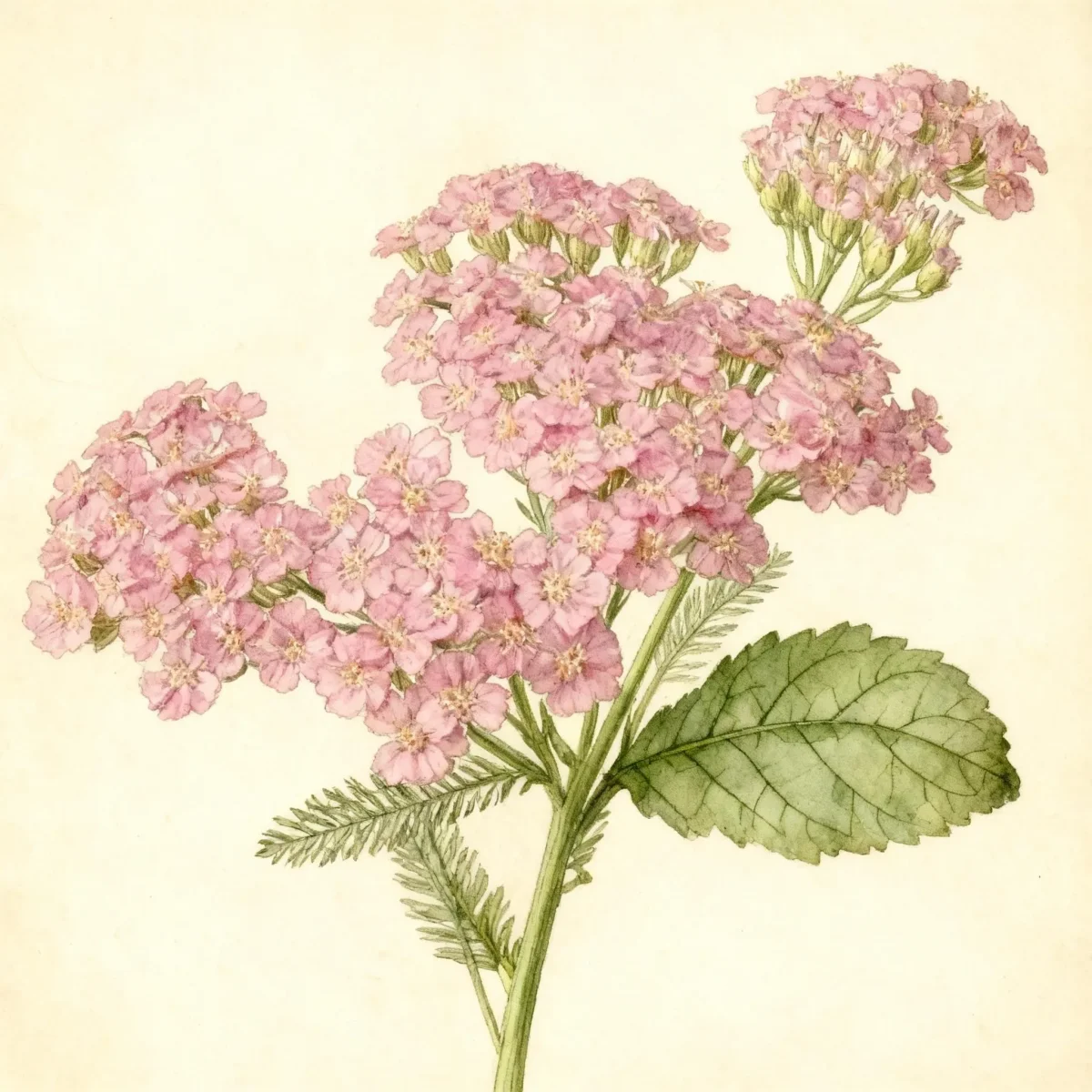
Achillea millefolium 'Pretty Belinda' Yarrow offers lilac-pink blooms, thrives in full sun, and manages drought well with low maintenance.

Bloom Boldly, No Matter the Season - Sweatshirt
Cozy organic cotton sweatshirt featuring our exclusive Purple Coneflower design. Perfect for gardeners who bloom year-round.
Inspired by the beautiful Yarrow
Limited first batch (50) — join the waitlist for early access
Waitlist closes Feb 15, 2026.
Complete Plant Information
Field Guide Continues
Ready for care notes, companion picks, and planting tips?
The map is just the start. The full guide below covers growth habits, seasonal performance, and landscape uses.
Overview
Achillea millefolium ‘Pretty Belinda’, commonly known as Yarrow, is a highly valued herbaceous perennial celebrated for its dense, flat-topped clusters of long-lasting, lilac-pink flowers. This specific cultivar offers a more compact habit compared to taller types, making it excellent for controlled garden settings while retaining the classic fern-like, aromatic foliage that defines the species. Gardeners appreciate Yarrow for its resilience, as it thrives in dry, lean soils where many other perennials struggle.
The aesthetic appeal of Achillea millefolium ‘Pretty Belinda’ comes from its fine, lacy texture contrasting beautifully with its vibrant summer blooms. It is a low-maintenance choice, requiring minimal attention once established, provided it receives the necessary full sun exposure. Furthermore, the flowers are highly attractive to pollinators, adding ecological value to any landscape design.
This spreading perennial readily naturalizes, creating substantial colonies over time, a feature best managed through routine division every few years. For optimal performance and to reduce stem flopping, particularly in humid climates, managing its vigor through timely pruning is key to keeping the planting tidy throughout the growing season.
Fast Facts
- Plant Family: Asteraceae
- Plant Type: Herbaceous perennial
- Hardiness Zones: USDA Zones 3-8
- Size at Maturity:
- Height: 1-2 ft
- Spread: 1-2 ft
- Bloom Time: June to July
- Bloom Description: Lilac-pink
- Sun Exposure: Full sun
- Water Needs: Dry to medium
- Maintenance Level: Low
How to Grow
The best time to establish Achillea millefolium ‘Pretty Belinda’ is when conditions are mild, allowing the root system time to settle before summer heat or winter cold arrives. Plant this Yarrow in locations receiving full sun; insufficient light will lead to weaker stems prone to flopping. It excels in lean, dry to medium, well-drained sandy loams, but adapts well to average garden soils provided drainage remains sharp.
Maintenance for this variety is generally low. While established plants tolerate drought well, regular watering during the first season aids establishment. Avoid rich, moist soils, as this encourages excessive vegetative growth and weak stems, which is a common issue for ornamental Yarrow plantings. Fertilizing is rarely necessary unless soils are severely depleted.
To manage its natural spreading habit via rhizomes and to encourage repeat blooming, strategic pruning is recommended. Shear stems back by about one-third in late spring before flowering commences to maintain a shorter, sturdier profile. After the initial flush of lilac-pink blooms has faded, cut the stems back to lateral flower buds to tidy the display and prompt further flowering. Clumps should be divided every 2-3 years to maintain planting vitality.
Landscape Uses
Yarrow, particularly cultivars like Achillea millefolium ‘Pretty Belinda’, is an outstanding choice for naturalized areas, meadows, and prairie plantings where its spreading nature can be beneficial. Its drought tolerance makes it suitable for xeriscaping and seaside gardens where exposure is high. Combine its airy texture with bolder forms in cottage gardens or rock gardens for textural contrast.
The compact habit of ‘Pretty Belinda’ also suits it well for defined borders or within mixed perennial beds where its presence will not overwhelm shorter companions. It performs excellently as both a fresh cut flower and is highly prized in dried arrangements due to the persistent color and strong aroma of the foliage.
Consider pairing this Yarrow with plants that appreciate similar lean, dry conditions, such as Russian Sage or Sedum, to create a sun-drenched, resilient planting scheme. Its ability to thrive in poor soils means it can soften hard lines around pathways or utility areas effectively.
Standout Features
Flower Qualities
- Showy
Noteworthy Characteristics
Common yarrow species are rhizomatous and spreading, often considered weedy, historically used medicinally by Achilles. Cultivars like Achillea millefolium ‘Pretty Belinda’ feature stronger stems and more refined flower habits, displaying lilac-pink flowers in dense, flattened clusters atop aromatic, ferny foliage. The specific epithet millefolium translates to “thousand-leaved,” referring to the finely dissected leaf structure.
Tolerances
- Deer
- Drought
- Dry Soil
- Air Pollution
Potential Problems
Yarrow occasionally struggles with Stem rot, powdery mildew, and rust, especially when air circulation is poor or soils are too rich and moist. The primary management issue remains stem lodging; strong winds or heavy summer rains can easily flatten taller varieties, though ‘Pretty Belinda’ offers better structural support. Aggressive spreading by rhizome and seed can lead to overcrowding if unchecked; division every few seasons is necessary. To prevent flopping, site the plants away from areas exposed to intense wind and be diligent about summer cutbacks after initial bloom fades.
Frequently Asked Questions
What hardiness zones is Yarrow suitable for?
Achillea millefolium ‘Pretty Belinda’ is highly adaptable, thriving in USDA Zones 3 through 8.
How large does Yarrow grow?
This cultivar typically reaches a height of 1 to 2 feet with a comparable spread of 1 to 2 feet at maturity.
What sun exposure does Yarrow need?
For the best flowering and strongest stems, Yarrow requires full sun exposure in the garden.
When does Achillea millefolium ‘Pretty Belinda’ bloom?
This variety provides reliable color from June through July, showcasing attractive lilac-pink flower clusters.
Conclusion
Achillea millefolium ‘Pretty Belinda’ is an exceptional, low-maintenance perennial, offering reliable lilac-pink blooms and textured foliage even in challenging, dry conditions. The strong resilience and pollinator appeal of Yarrow make it indispensable for sunny borders and naturalized drifts. Before planting, confirm that your garden falls within USDA Zones 3-8 and ensure a location with full sun and excellent drainage to maximize its compact beauty.
Companion Planting
When placing Achillea millefolium ‘Pretty Belinda’ in the perennial border, consider companions that appreciate similar dry soil conditions and full sun exposure. Plants such as Nepeta (Catmint), Salvia nemorosa, and ornamental grasses create a beautiful textural interplay with the Yarrow’s fine foliage. Avoid pairing it directly with moisture-loving species, as overwatering will severely compromise the plant’s health and stem strength.
Wildlife Benefits
The dense, flattened flower heads of Yarrow are powerful magnets for beneficial insects. The flowers provide accessible landing pads and plentiful nectar for various small pollinators, including beneficial wasps and hoverflies, which help keep garden pests in check. Furthermore, the aromatic foliage is generally avoided by deer, offering a dual benefit of beauty and protection against browsing herbivores in the landscape.