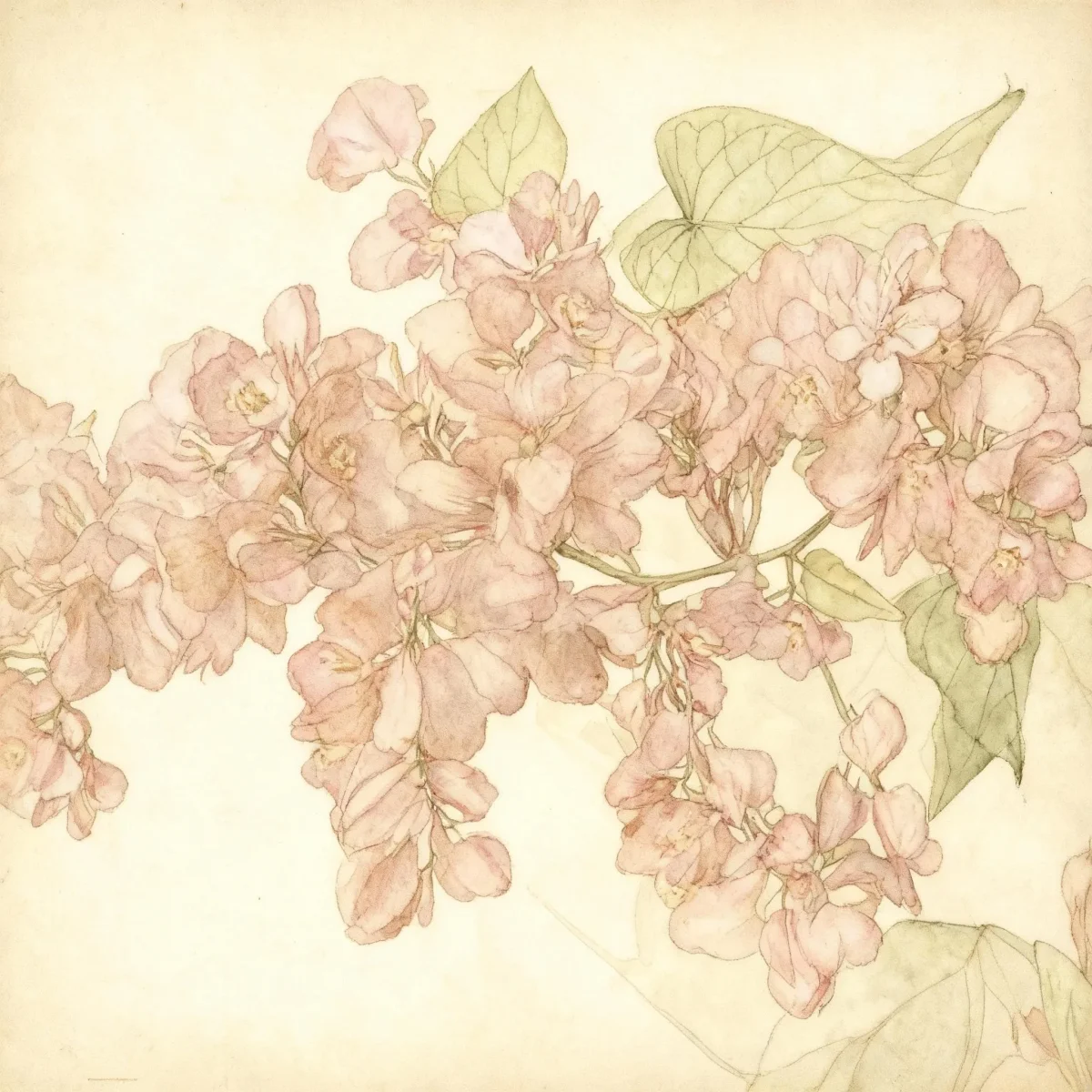
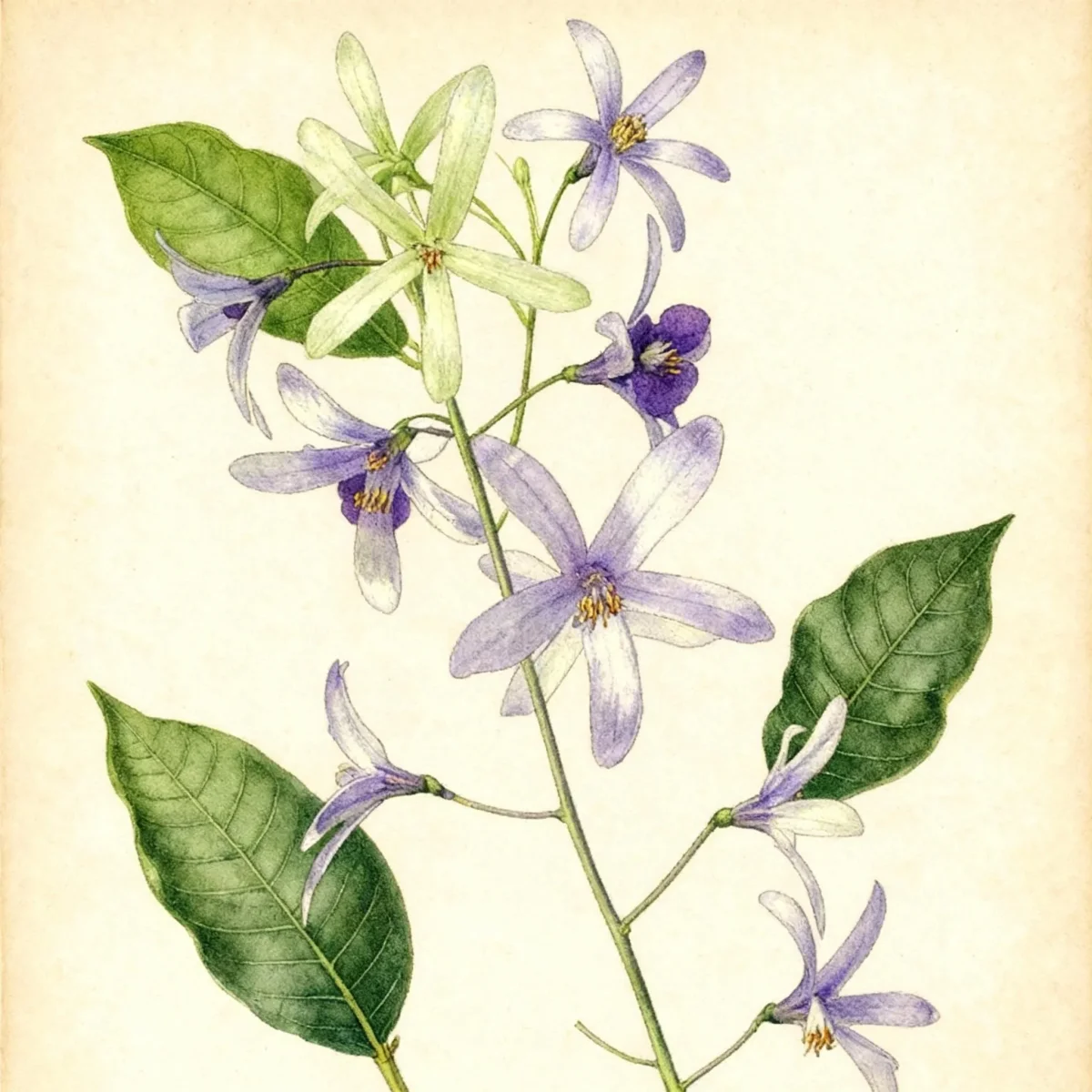
Bougainvillea (Bougainvillea (group))
Bougainvillea (group) is a spectacular tropical vine boasting showy bracts in vibrant colors, ideal for Zones 9-11.
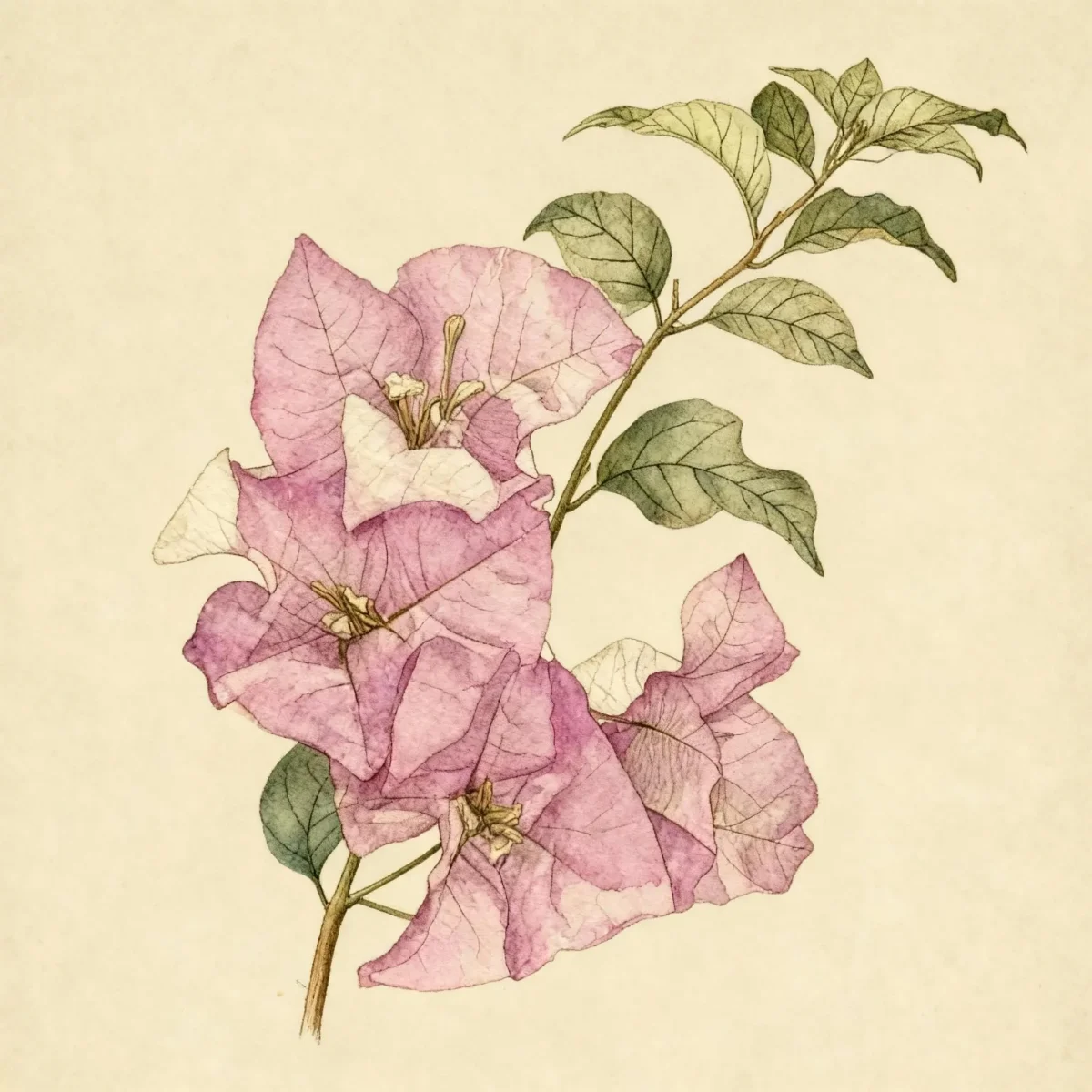

Bloom Boldly, No Matter the Season - Sweatshirt
Cozy organic cotton sweatshirt featuring our exclusive Purple Coneflower design. Perfect for gardeners who bloom year-round.
Inspired by the beautiful Bougainvillea
Limited first batch (50) — join the waitlist for early access
Waitlist closes Feb 15, 2026.
Complete Plant Information
Field Guide Continues
Ready for care notes, companion picks, and planting tips?
The map is just the start. The full guide below covers growth habits, seasonal performance, and landscape uses.
Overview
Bougainvillea (group), commonly known as Bougainvillea, provides unmatched tropical drama with its abundant, brightly colored, petal-like bracts set against dense green foliage. These spectacular climbing plants, native to South America, are prized for their ability to transform walls, arbors, or large containers with continuous seasonal color. While they are vines, many varieties behave as scrambling shrubs, requiring attention to training due to their sharp thorns.
This genus thrives in hot, sunny climates, flowering most profusely when environmental conditions are slightly stressed, particularly regarding water availability once established. Growing Bougainvillea successfully relies heavily on maximizing sun exposure and ensuring excellent drainage, as root saturation quickly leads to problems. The striking display centers on the bracts, which surround the true, inconspicuous flowers.
For gardeners in cooler zones, Bougainvillea (group) serves as an exceptional annual bedding plant or a spectacular patio container specimen brought indoors for winter protection. Their vigorous growth makes them a definitive statement plant, establishing a vibrant, Southern-feel textural element wherever they are sited.
Fast Facts
- Plant Family: Nyctaginaceae
- Plant Type: Vine
- Hardiness Zones: USDA Zones 9-11
- Size at Maturity:
- Height: 15-40 ft
- Spread: 15-40 ft
- Bloom Time: Seasonal bloomer
- Bloom Description: Purple, red, pink and yellow
- Sun Exposure: Full sun
- Water Needs: Medium
- Maintenance Level: Medium
How to Grow
Plant Bougainvillea in the spring after the danger of frost has passed, ensuring it is sited in a location receiving full sun for the absolute best flowering performance. It grows best in well-drained, acid soils. These robust plants tolerate hot, dry locations fairly well once established, thriving when given regular watering during active growth periods.
Water freely during the summer growing season, scaling back significantly in winter. Fertilize every two weeks during the active growing season to support the high energy demands of continuous blooming. Chlorosis—yellowing foliage—can signal problems, particularly if the soil pH is too alkaline; amending soil is necessary to correct this.
Regular pruning guides the plant’s vigorous growth or shapes it into standards or espaliers, though gardeners must be cautious of the 1 to 2 inch long thorns present on the stems. If pruning is required, perform it immediately after the current blooming cycle finishes. In regions requiring winter protection, such as St. Louis, the plant needs a dormant period characterized by low temperatures and reduced watering and fertilization to encourage successful reblooming the following spring. Pinching new growth tips also helps encourage the dense, bushy branching desirable in containers.
Landscape Uses
Bougainvillea are versatile, serving excellently as large, billowing specimens that offer incredible texture and color contrast. They are ideal for training over arbors or pergolas to create vibrant, sun-drenched pergolas, or they look striking when espaliered against a warm stucco wall. In warmer climates, they function beautifully as large, informal hedges.
Plants can be grown easily in containers, making them popular accents around pools or on patios where their dramatic flair can be easily appreciated. For those growing Bougainvillea in greenhouses or sunrooms where space is contained, regular trimming ensures they remain manageable features. Their sprawling nature and intense color make the Bougainvillea (group) a focal point in any hot, sunny garden border.
Standout Features
Flower Qualities
- Showy
Noteworthy Characteristics
The 14 species in this South American genus deliver spectacular displays, though they are technically scrambling shrubs often grown as climbers in warm regions. The foliage is thin, sometimes downy, featuring elliptical leaves, while the stems are armed with sharp thorns. The true flowers are small and creamy-white, largely obscured by the true stars: the large, brightly colored, petal-like bracts that define this plant.
Tolerances
- Drought
Potential Problems
Pests such as mealybugs and scale are common nuisances, especially when Bougainvillea is grown indoors or sheltered. Outdoors, aphids can sometimes prove troublesome on tender new growth. Prevention involves regular inspection, particularly under leaves, and prompt spot treatment with horticultural oil or insecticidal soap if infestations are detected. Always keep plants out of heavy traffic paths where accidental brushing could cause injury from the plant’s defensive thorns.
Frequently Asked Questions
What hardiness zones is Bougainvillea suitable for?
Bougainvillea (group) is generally suitable for USDA Zones 9 through 11, where it can thrive outdoors year-round.
How large does Bougainvillea grow?
This plant can reach impressive sizes, typically growing between 15 to 40 feet tall and spreading 15 to 40 feet wide if left unrestricted.
What sun exposure does Bougainvillea need?
Bougainvillea requires full sun exposure to produce its most abundant and vibrant blooms, though it can tolerate very light shade.
When does Bougainvillea bloom?
Bougainvillea is considered a seasonal bloomer, producing its characteristic display of purple, red, pink, and yellow bracts primarily during the warmer months.
Conclusion
The Bougainvillea (group) remains an unparalleled choice for gardeners seeking intense, long-lasting tropical color delivered by large, colorful bracts. Successfully cultivating this Bougainvillea requires dedication to full sun exposure and careful management of water, especially in alkaline soils where chlorosis can occur. Before planting, always confirm your local hardiness zone and plan for necessary winter protection if you reside outside Zones 9-11.
Design Ideas
When incorporating Bougainvillea into your landscape design, consider its vertical growing habit. Planting it near a south-facing masonry wall can intensify the heat it needs, leading to exceptional flowering. For a dramatic container display, use it as the “thriller” in a mixed pot, allowing the vibrant bracts to cascade over the edge, juxtaposed with contrasting foliage like silvery Dichondra or dark green Ipomoea.
Using this vine near pathways requires careful consideration of the thorns. If used near seating areas, ensure the pruning schedule is strictly maintained to manage these sharp defenses. In Mediterranean or desert-style gardens, the drought tolerance of the Bougainvillea (group) makes it a perfect partner for succulents or architectural, low-water plantings.
Companion Planting
Due to the full sun and well-drained soil requirements of Bougainvillea, pair it with other sun-loving, heat-tolerant species. Consider planting drought-tolerant perennials like Lantana or ornamental grasses such as Pennisetum nearby, as they share similar light and water needs, creating a cohesive, low-maintenance display. For containers, annuals that thrive in heat, such as Vinca or Portulaca, make excellent groundcover companions beneath the sprawling base of the Bougainvillea.