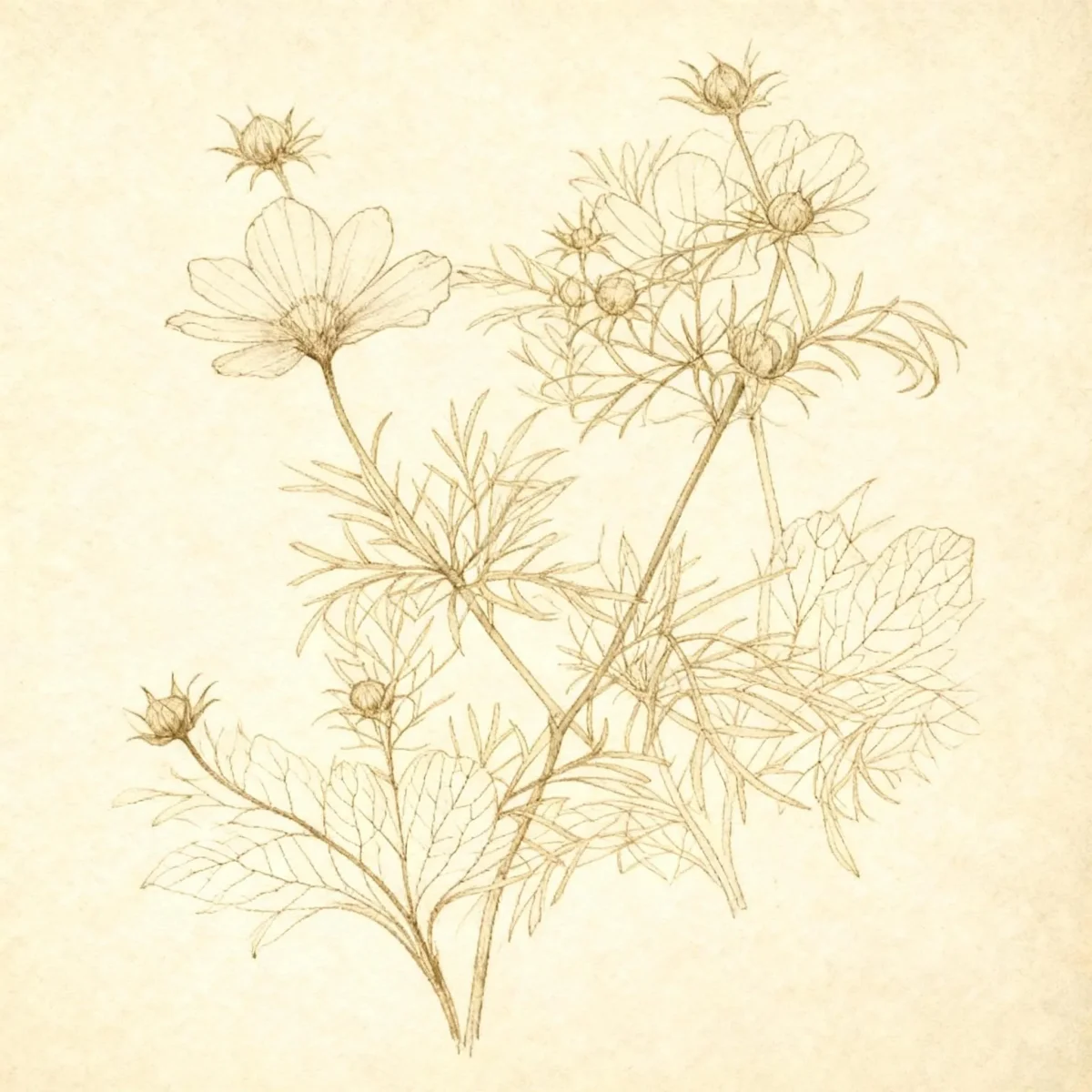
Swan River daisy (Brachyscome (group))
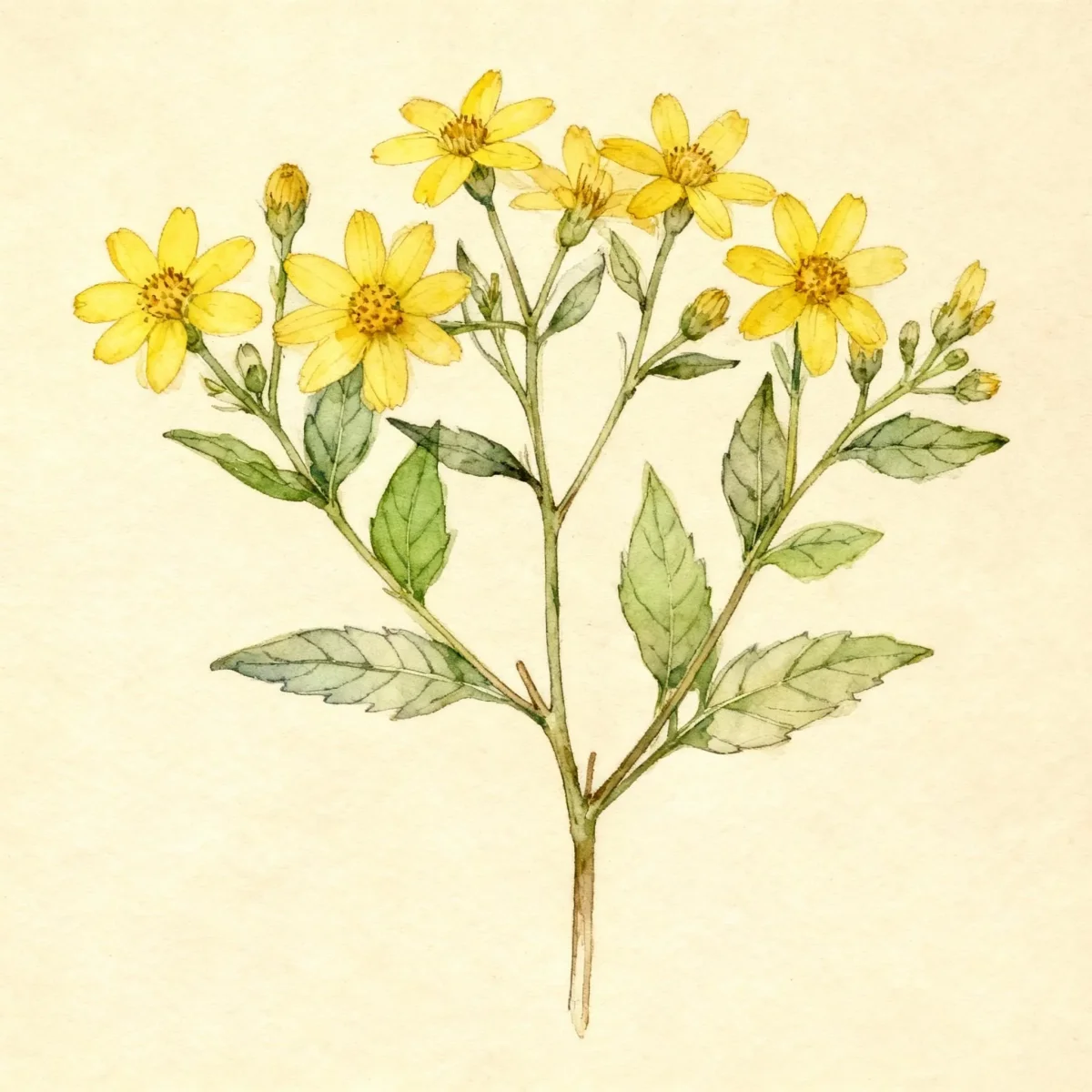
The Swan River daisy (Brachyscome (group)) is a compact annual with profuse, fragrant flowers in shades of blue, lavender, and white.
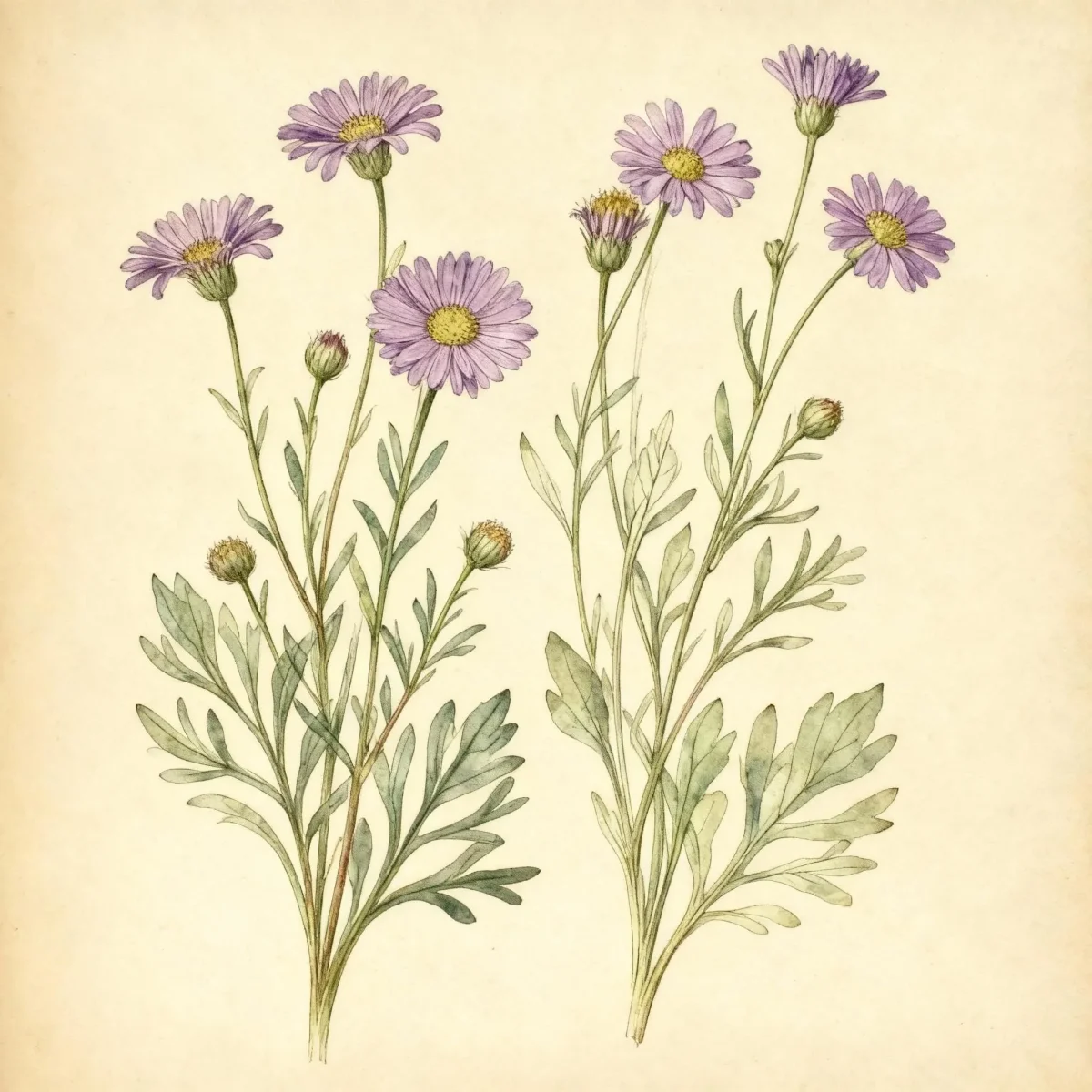

Bloom Boldly, No Matter the Season - Sweatshirt
Cozy organic cotton sweatshirt featuring our exclusive Purple Coneflower design. Perfect for gardeners who bloom year-round.
Inspired by the beautiful Swan River daisy
Limited first batch (50) — join the waitlist for early access
Waitlist closes Feb 15, 2026.
Complete Plant Information
Field Guide Continues
Ready for care notes, companion picks, and planting tips?
The map is just the start. The full guide below covers growth habits, seasonal performance, and landscape uses.
Overview
The Brachyscome (group), widely known as the Swan River daisy, offers exceptional color density for summer and fall gardens. This compact, bushy annual is prized for its profusion of daisy-like flowers that often entirely cover the gray-green foliage. Gardeners appreciate the Brachyscome (group) for its long bloom period, extending from late spring until the first hard frost.
Growing generally to only 1 to 1.5 feet high and wide, the Swan River daisy provides excellent texture and low-level color across borders and containers. Its flowers display attractive rays in lavender, blue, violet, white, or yellow, typically featuring contrasting yellow to dark centers.
This readily grown annual thrives best in cooler summer conditions, making it a superb choice for regions where intense summer heat can cause other daisies to slow down. Proper care ensures a vibrant display, utilizing the inherent hardiness of the Brachyscome (group) across its wide hardiness range.
Fast Facts
- Plant Family: Asteraceae
- Plant Type: Annual
- Hardiness Zones: USDA Zones 2-11
- Size at Maturity:
- Height: 1-1.5 ft
- Spread: 1-1.5 ft
- Bloom Time: May to frost
- Bloom Description: Lavender, blue, violet, yellow or white rays with yellow to black centers
- Sun Exposure: Full sun
- Water Needs: Medium
- Maintenance Level: Medium
How to Grow
Planting the Swan River daisy should occur after all danger of frost has passed, although hybrid seed strains are best started indoors 6 to 8 weeks prior. This Brachyscome (group) species prefers moist, organically rich, well-drained soils. While it needs consistent moisture, it demonstrates tolerance to some drought once established.
For continuous blooming throughout the season, employ successive sowings every two weeks directly into the garden after spring warming. If starting with transplants, set them out after the last frost date. Although the Brachyscome (group) is generally low maintenance, it benefits significantly from periodic cultivation.
To maximize flowering performance and maintain a neat shape, shear back the plants when the initial flush of bloom begins to decline. This simple step encourages a strong second flush of color from your Swan River daisy display. Be aware that most true hybrids require vegetative propagation rather than seed saving.
Landscape Uses
The compact, mounded habit of the Swan River daisy makes it extremely versatile in landscape design. It excels when used as edging along walkways or flower borders, providing a delicate, sustained fringe of color against bolder, taller specimens. This plant is also an outstanding addition to rock gardens where its low height is advantageous.
For container gardening, the Brachyscome (group) works perfectly as a primary filler or a delicate spiller, pairing well with upright geraniums or trailing petunias. Its light, airy appearance contrasts beautifully with plants featuring dark foliage or heavier textures. Ensure that containers utilizing the Swan River daisy are placed where they receive full sun exposure.
Standout Features
Flower Qualities
- Showy
- Fragrant
Noteworthy Characteristics
Brachyscome, commonly called Swan River daisy, is a compact, bushy, mounded, spreading annual that grows 12-18” tall. Hybrid cultivars often feature fragrant daisy-like flowers (to 1.5” diameter) with colored rays and contrasting center disks. Flowers appear in a profuse summer bloom that often totally obscures the gray-green, finely divided leaves.
Tolerances
- Dry Soil
Potential Problems
The Swan River daisy is generally robust and rarely suffers from serious insect or disease issues under normal cultivation. Gardeners should remain vigilant for common soft-bodied pests that thrive in moist summer environments.
Watch carefully for slugs and snails, especially when seedlings are young or if the plants are situated in damp, shaded pockets. Management can often be achieved through regular inspection and manual removal or the strategic use of environmentally friendly baits applied around the base of the Brachyscome (group) plants.
Frequently Asked Questions
What hardiness zones is Swan River daisy suitable for?
The Brachyscome (group) is adaptable, thriving in USDA Zones 2 through 11, though it performs best in regions with cooler summers.
How large does Swan River daisy grow?
This annual typically matures to a height between 1 and 1.5 feet, with a similar spread, forming a dense, bushy mound.
When does Swan River daisy bloom?
The Swan River daisy flowers are generally present from May continuously until the arrival of frost, displaying lavender, blue, violet, yellow or white rays with contrasting centers.
What sun exposure does Brachyscome (group) need?
This species requires full sun exposure to produce its most profuse and vibrant blooms throughout the season.
Companion Planting
When designing beds featuring the Swan River daisy, select companions that share the need for full sun and medium, well-drained moisture. Plants that bloom heavily in mid-to-late summer complement the continuous performance of the Brachyscome (group). Consider pairing them with upright annual Salvia or trailing Lobelia for color contrast and height variation.
Because the Swan River daisy is relatively short, use it as a foreground element to soften the edges of taller companions like Zinnias or Celosia. Ensure that companion plants do not aggressively overshadow the Brachyscome (group), as it requires adequate light to maintain its compact habit.
Design Ideas
The uniform height and mounding habit of the Brachyscome (group) make it an excellent choice for creating low hedges or continuous color ribbons through a mixed border. For a cottage garden effect, interplant the daisies with herbs like Thyme, which shares drought tolerance, or spill them over retaining walls.
In modern landscape designs, use monochromatic groupings of a single Swan River daisy color (e.g., all blue varieties) to create intentional blocks of color. This mass planting technique maximizes the impact of its showy texture when the flowers obscure the foliage.
Conclusion
The Swan River daisy offers reliable, fragrant beauty throughout the gardening season, serving as an indispensable annual for cool-summer bloomers. The versatility of the Brachyscome (group), from containers to rockeries, ensures its spot in diverse garden settings. Before planting, verify that your local climate provides the full sun and moderate water needs required for optimal performance of this wonderful Brachyscome (group) variety.