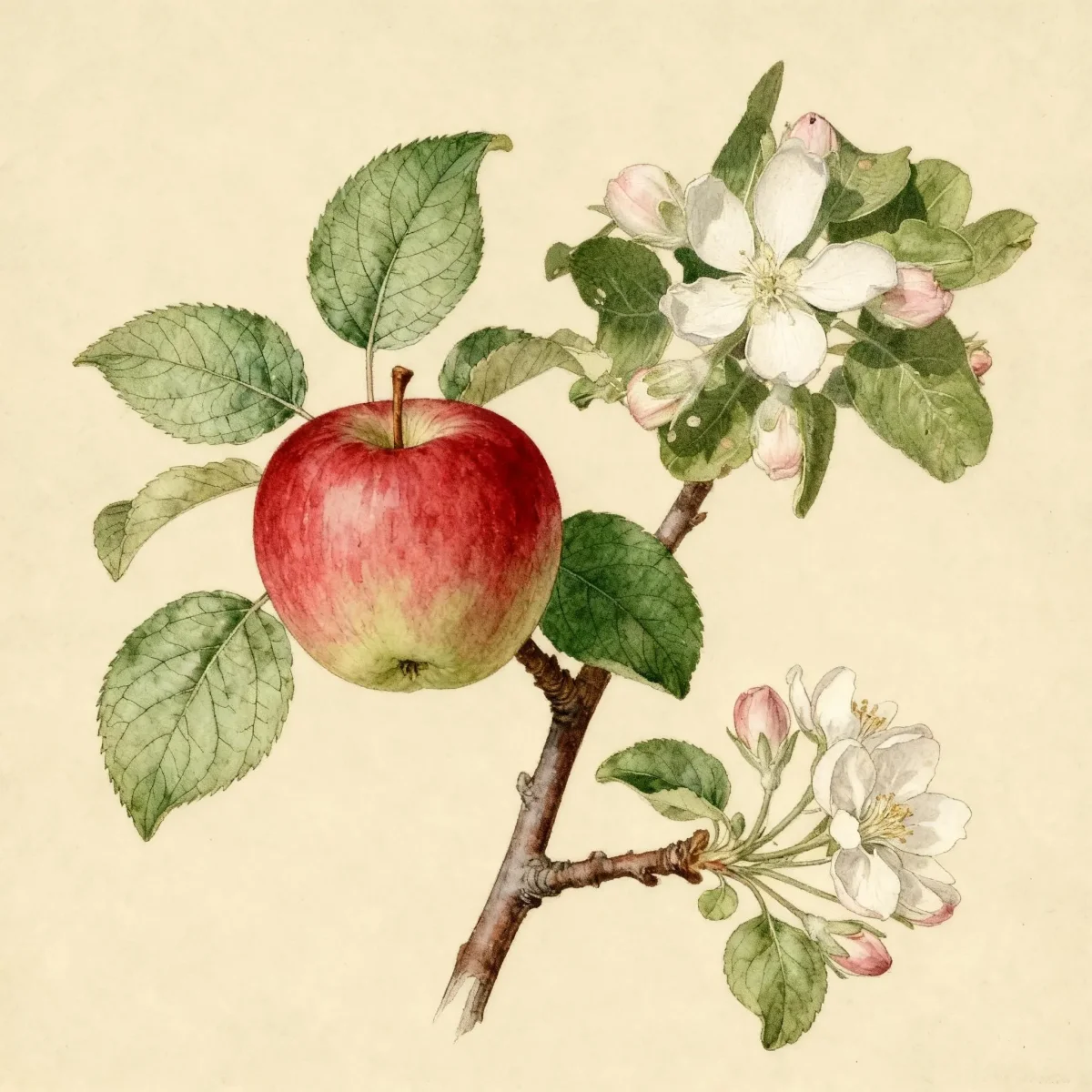
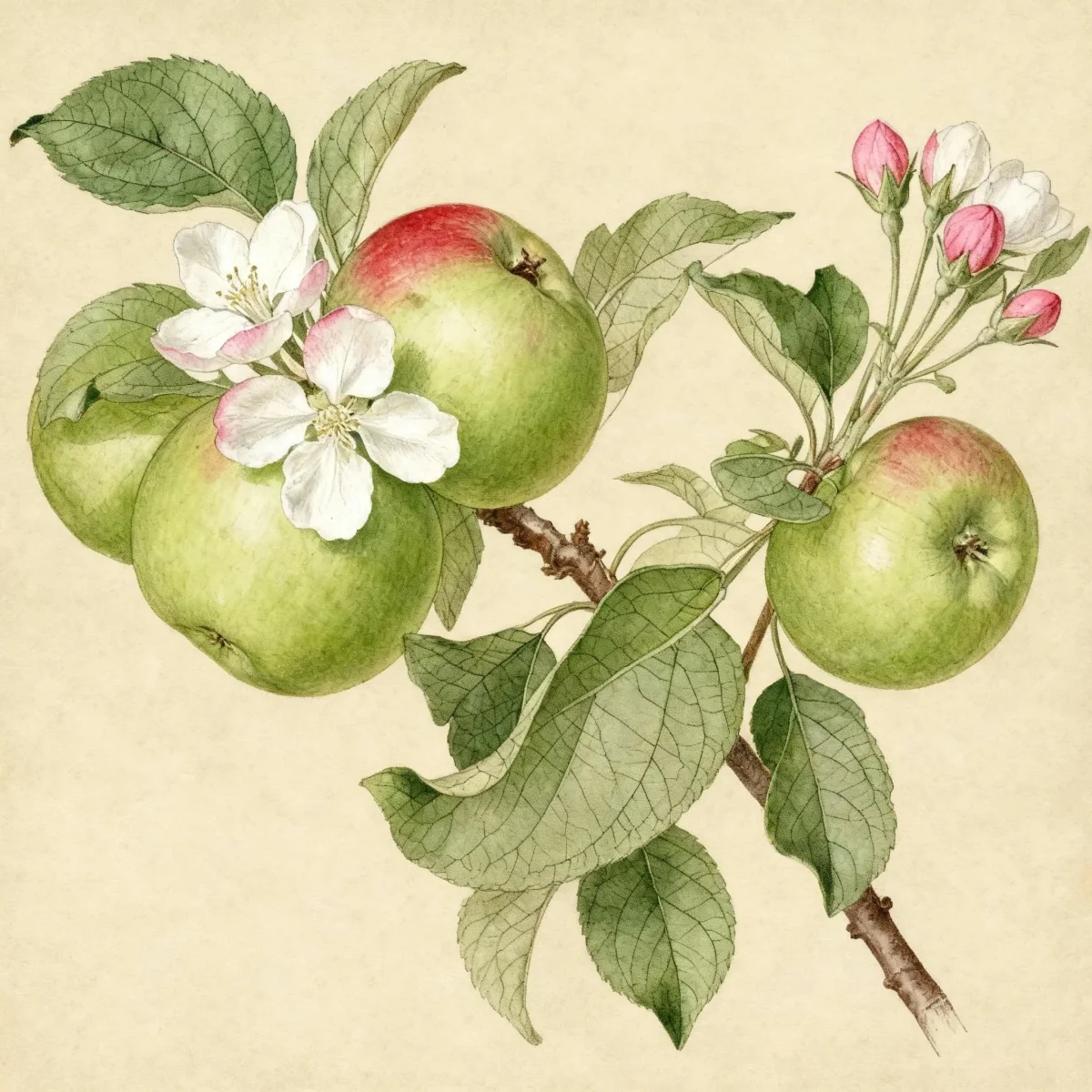
Dwarf apple (Malus pumila 'Lonacre' STARKSPUR ARKANSAS BLACK)
Grow the Malus pumila 'Lonacre' STARKSPUR ARKANSAS BLACK Dwarf apple for high-quality fruit production and fragrant white spring blossoms in Zones 5-8.

Bloom Boldly, No Matter the Season - Sweatshirt
Cozy organic cotton sweatshirt featuring our exclusive Purple Coneflower design. Perfect for gardeners who bloom year-round.
Inspired by the beautiful Dwarf apple
Limited first batch (50) — join the waitlist for early access
Waitlist closes Feb 15, 2026.
Complete Plant Information
Field Guide Continues
Ready for care notes, companion picks, and planting tips?
The map is just the start. The full guide below covers growth habits, seasonal performance, and landscape uses.
Overview
The Malus pumila ‘Lonacre’ STARKSPUR ARKANSAS BLACK is a highly valued fruit cultivar, typically grown on dwarfing rootstock, making it an excellent choice for manageable home orchards. This Dwarf apple offers the benefit of full-sized fruit production on a tree that is easier to spray, prune, and harvest compared to standard varieties. Gardeners appreciate it not just for its fruit, but also for the beautiful seasonal display it provides.
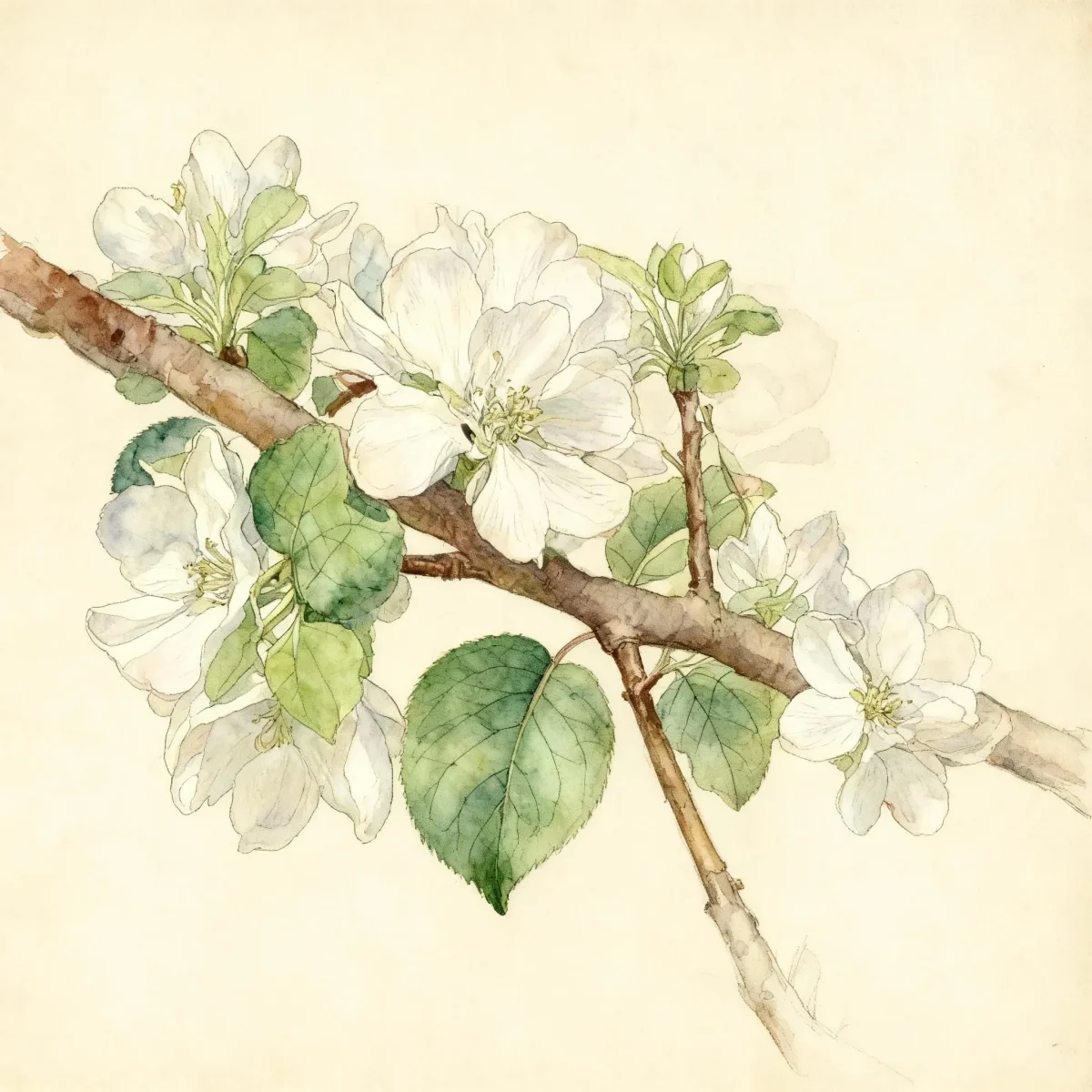
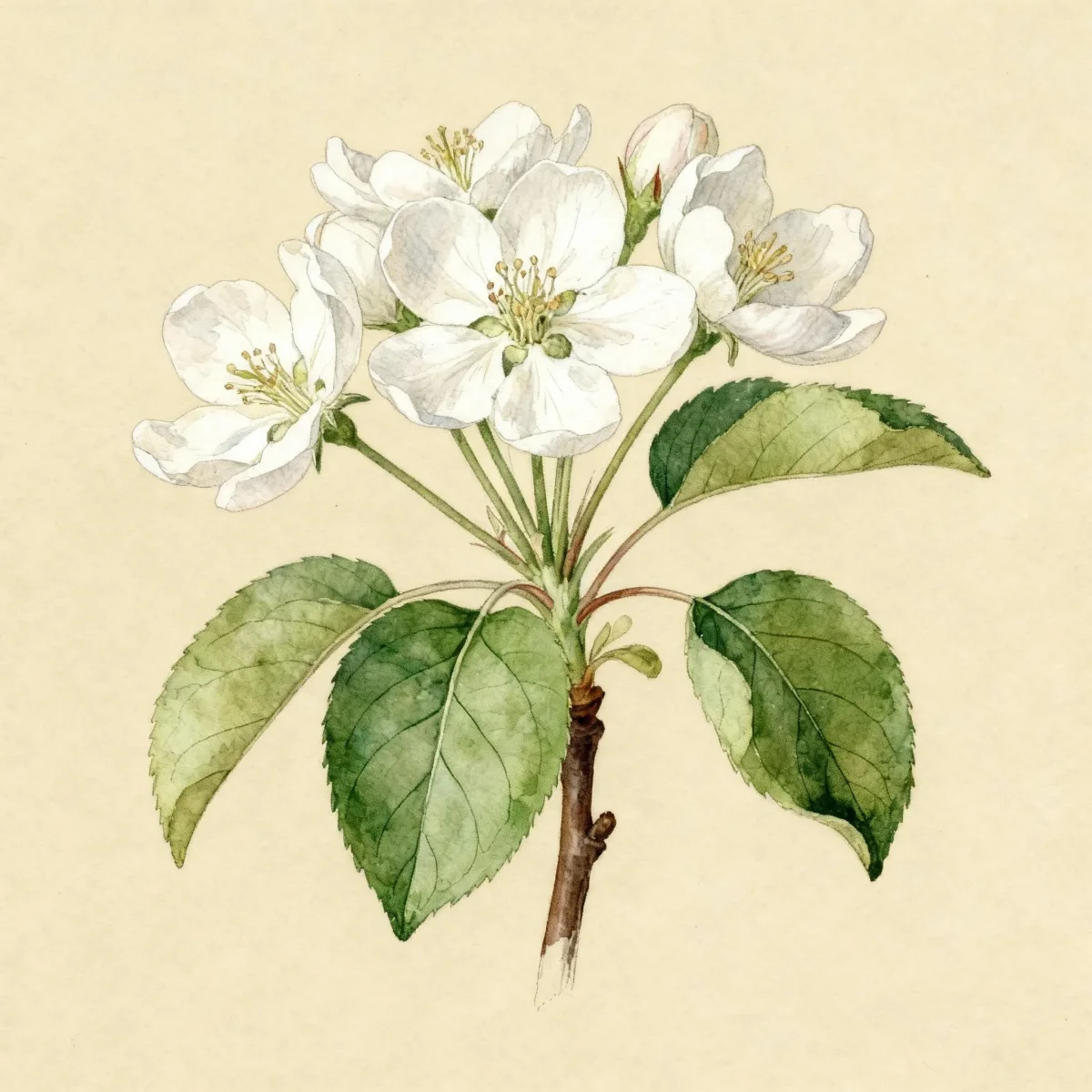
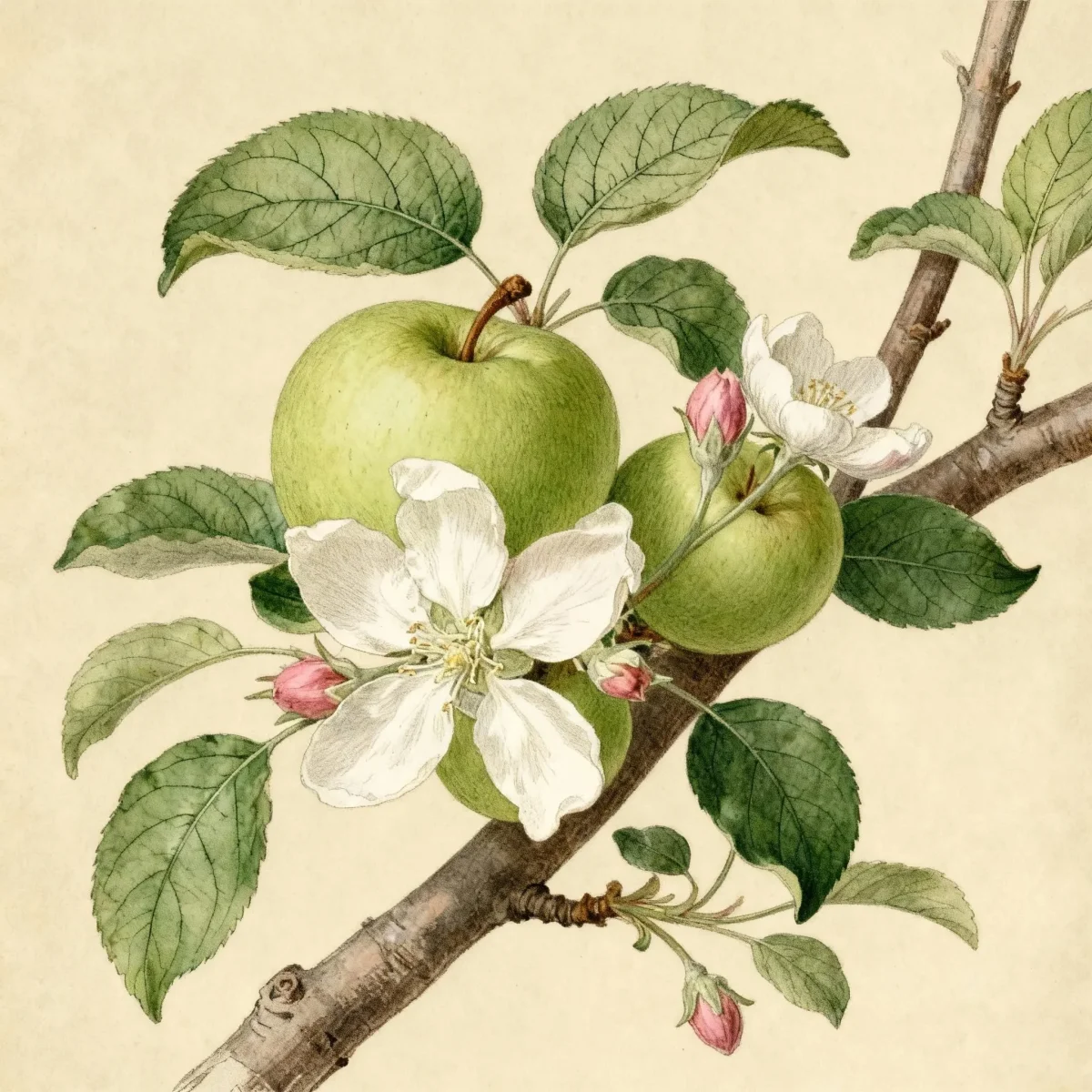
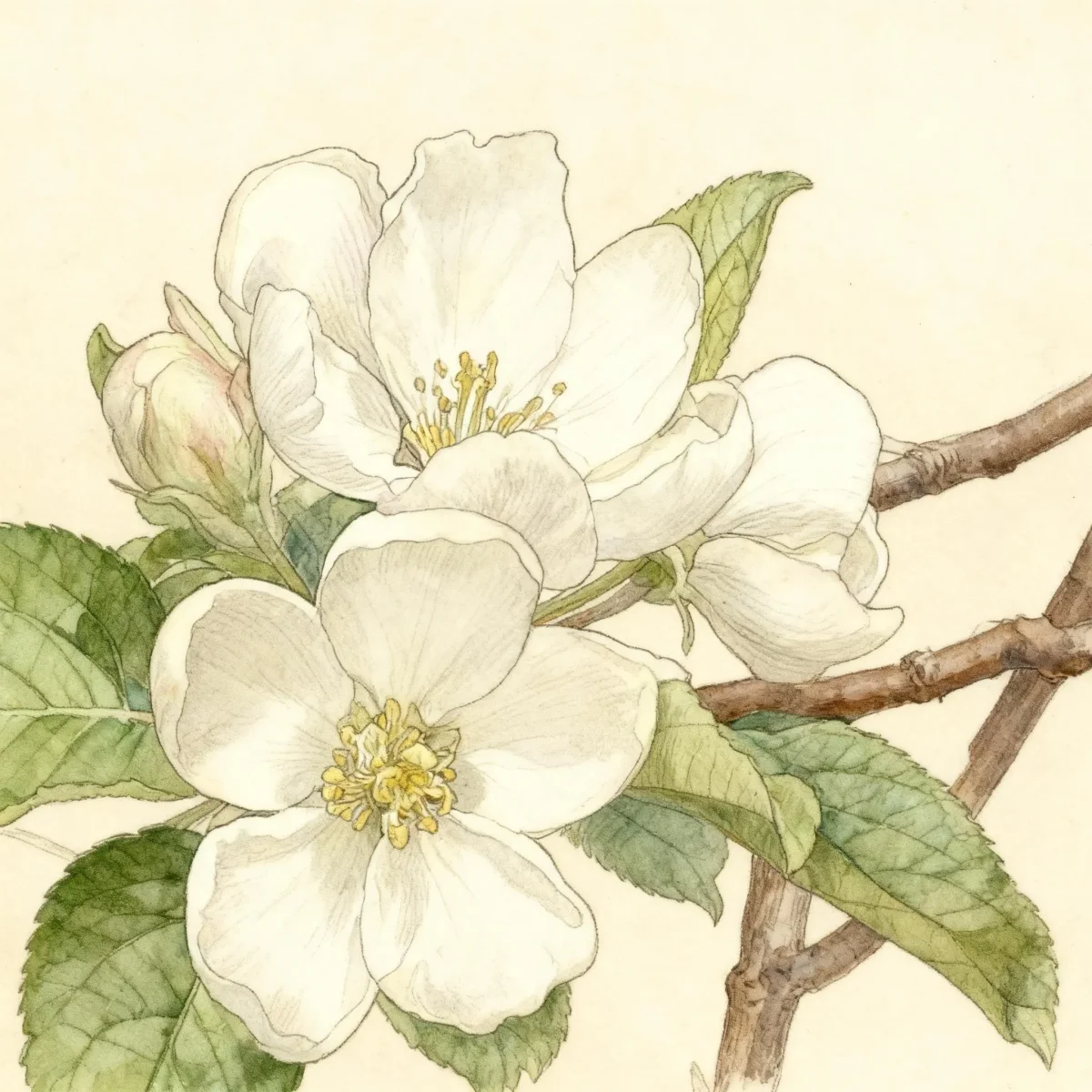
This cultivar features showy, fragrant white blossoms that herald the arrival of late-ripening, dark red apples in mid-October. While its ornamental features are secondary, its robust fruit quality makes Malus pumila ‘Lonacre’ STARKSPUR ARKANSAS BLACK a staple for growers focused on yield and flavor profiles. Proper site selection and consistent care are essential to maximize the performance of this tree.
As a dwarf apple, it matures to a manageable height, fitting well into smaller landscapes or mixed borders. Successful cultivation of Malus pumila ‘Lonacre’ STARKSPUR ARKANSAS BLACK hinges on ensuring adequate sunlight and fulfilling its pollination requirements by pairing it with a compatible apple variety nearby.
Fast Facts
- Plant Family: Rosaceae
- Plant Type: Fruit
- Hardiness Zones: USDA Zones 5-8
- Size at Maturity:
- Height: 8-10 ft
- Spread: 8-10 ft
- Bloom Time: May
- Bloom Description: White
- Sun Exposure: Full sun
- Water Needs: Medium
- Maintenance Level: High
How to Grow
For optimal results, plant your Dwarf apple in the early spring or fall when dormant. The soil must be deep, loamy, moderately fertile, and slightly acidic, with excellent drainage. Avoid heavy clay soils that remain waterlogged, as these can severely compromise root health. Full sun exposure, meaning at least six hours of direct sunlight daily, is critical for achieving the best flower density and subsequent fruit set for the Malus pumila ‘Lonacre’ STARKSPUR ARKANSAS BLACK.
Watering should be consistent—aiming for medium moisture levels, especially when the tree is young or during dry spells. Remember that the more dwarfing the rootstock, the higher the tree’s dependency on consistent soil fertility. Good cultural practices are paramount for this high-maintenance variety.
Crucially, pollination is required for fruit production; plant at least one other suitable apple variety nearby to ensure cross-pollination occurs. Pruning should focus on maintaining an open structure to encourage air circulation, which helps mitigate potential disease issues common to all apples.
Landscape Uses
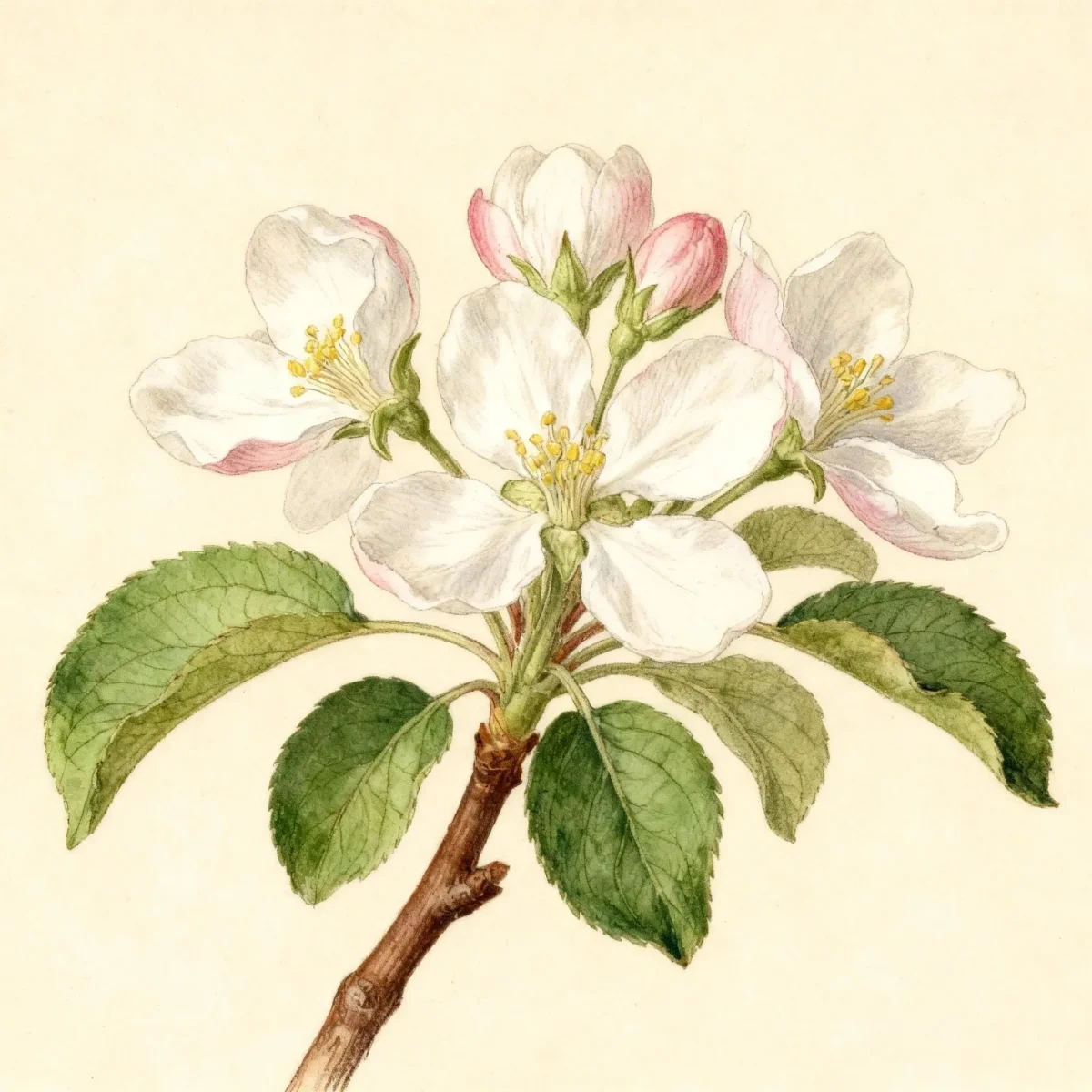
The Malus pumila ‘Lonacre’ STARKSPUR ARKANSAS BLACK excels in settings where its ornamental value complements its primary function of fruit production. Since it is shaped and pruned primarily for high-quality fruit, grouping this Dwarf apple with other early- or mid-season apple varieties creates an effective, multi-season fruiting area in the landscape. The spring white blossoms add significant texture and fragrance to the spring garden.
Use this variety in an orchard setting or strategically placed in a sunny border where its manageable 8-10 foot stature will not overwhelm surrounding plantings. The dark red apples that persist into October provide important late-season color and visual interest long after many other flowering trees have finished their display.
Starkspur Arkansas Black pairs well with spring-flowering bulbs planted beneath its canopy, offering successive layers of seasonal appeal before the tree’s flowering period begins.
Flower Qualities
- Showy
- Fragrant
Fruit Qualities
- Showy
- Edible
Noteworthy Characteristics
Malus is a genus of about 35 species of deciduous trees and shrubs from Europe, Asia and North America. Some eating apples are hybrids but others are attributed to M. Domestica or M. Pumila. Edible apple cultivars do not grow particularly well on their own roots. As a result, apple varieties sold in commerce today have all been grafted onto rootstocks which, inter alia, control the size of the tree. Rootstocks are generally classified as follows (tree height in parenthesis): dwarf (8-10’), semi-dwarf (12-15’) and standard (18-25’ or more). All trees bear full-size fruit, however. Most trees sold today for the home apple grower are grafted onto dwarfing rootstocks (dwarf or semi-dwarf), resulting in trees which, in comparison to standard trees, are (1) easier to manage (spray, prune and harvest) and (2) produce fruit at an earlier age.Genus name from Latin is an ancient name for apple.STARKSPUR ARKANSAS BLACK typically grows 8-10’ tall and is an exclusive introduction from Stark Bro’s of Louisiana, Missouri. This cultivar is also available from Stark Bro’s on a semi-dwarf rootstock whereon it would typically grow 10-15’ tall. White flowers appear in spring and are followed by dark red apples which ripen in mid-October (USDA Zone 5).
Tolerances
- Air Pollution
Potential Problems
Apple trees, including the Dwarf apple Malus pumila ‘Lonacre’ STARKSPUR ARKANSAS BLACK, face numerous potential pests and diseases, requiring vigilant, high-level maintenance. The four most significant fungal/bacterial threats are fire blight, powdery mildew, apple scab, and cedar apple rust. Key insect threats include aphids, codling moths, maggots, plum curculio, and spider mites.
While this specific cultivar is noted for having improved disease resistance compared to older types, cultural diligence remains the best defense. Ensure excellent air circulation through proper pruning techniques, and promptly remove any infected foliage or fruit.
Organic and chemical control measures may be necessary throughout the growing season to manage intense pest or disease pressure effectively. Always follow label directions when applying any chemical controls.
Frequently Asked Questions
What hardiness zones is Dwarf apple suitable for?
Malus pumila ‘Lonacre’ STARKSPUR ARKANSAS BLACK is hardy and thrives in USDA Zones 5 through 8.
How tall does Malus pumila ‘Lonacre’ STARKSPUR ARKANSAS BLACK grow?
This Dwarf apple typically reaches a height between 8 and 10 feet, with a corresponding spread of 8 to 10 feet when grown on its standard dwarfing rootstock.
What sun exposure does the Dwarf apple need?
For maximum flower and fruit production, the Malus pumila ‘Lonacre’ STARKSPUR ARKANSAS BLACK absolutely requires full sun exposure throughout the growing day.
When does Dwarf apple bloom?
This cultivar produces its beautiful white flowers during the month of May.
Conclusion
The Malus pumila ‘Lonacre’ STARKSPUR ARKANSAS BLACK offers gardeners the reward of high-quality, edible fruit combined with attractive spring blooms, all on a space-saving, manageable tree structure. Its higher maintenance requirement is offset by the dual benefits of fruit harvest and aesthetic appeal. Before planting, confirm your local hardiness zone compatibility and ensure you have planned for a suitable pollination partner for this exceptional Dwarf apple.
Companion Planting
Selecting appropriate neighbors is key to successful cultivation of this high-maintenance fruit tree. Since Malus pumila ‘Lonacre’ STARKSPUR ARKANSAS BLACK requires consistent fertility and unobstructed sunlight, avoid planting dense, competitive shallow-rooted shrubs nearby. Consider herbaceous perennials with similar full-sun and medium-water needs during the early season, such as hardy Geraniums or ornamental grasses that don’t aggressively compete for root space.
Proper spacing is vital, especially in relation to other apple varieties, as this ensures adequate air movement around the canopy of your Dwarf apple. Good air flow is one of the simplest cultural practices that helps reduce the incidence of common apple diseases like scab and mildew.
Seasonal Care Calendar
Early spring, prior to bud break, is the ideal time for dormant pruning on your Malus pumila ‘Lonacre’ STARKSPUR ARKANSAS BLACK. Focus on removing dead, damaged, or crossing wood to establish good structure for the year ahead. As soon as blossoms appear, monitor closely for pests like aphids; if necessary, apply appropriate dormant oils or preventative sprays before pollination begins.
Summer care centers on consistent moisture application, particularly during fruit sizing, while keeping the area beneath the dwarf apple clear of weeds that steal nutrients. Late summer is a good time to assess soil fertility and plan for any necessary amendments, keeping in mind that dwarfing rootstocks require more fertility than standard trees. Harvest of the dark red apples generally occurs in mid-October in northern zones.