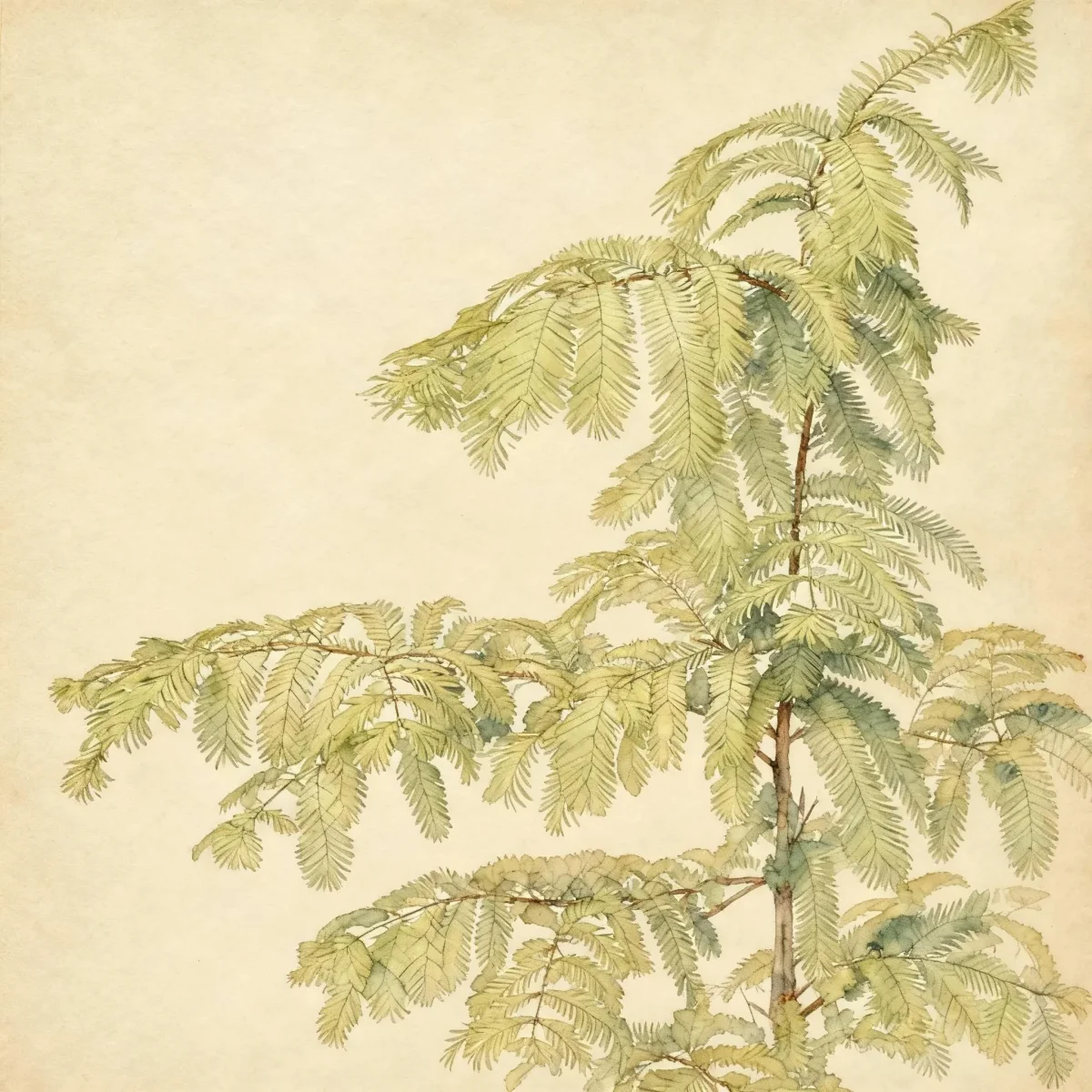
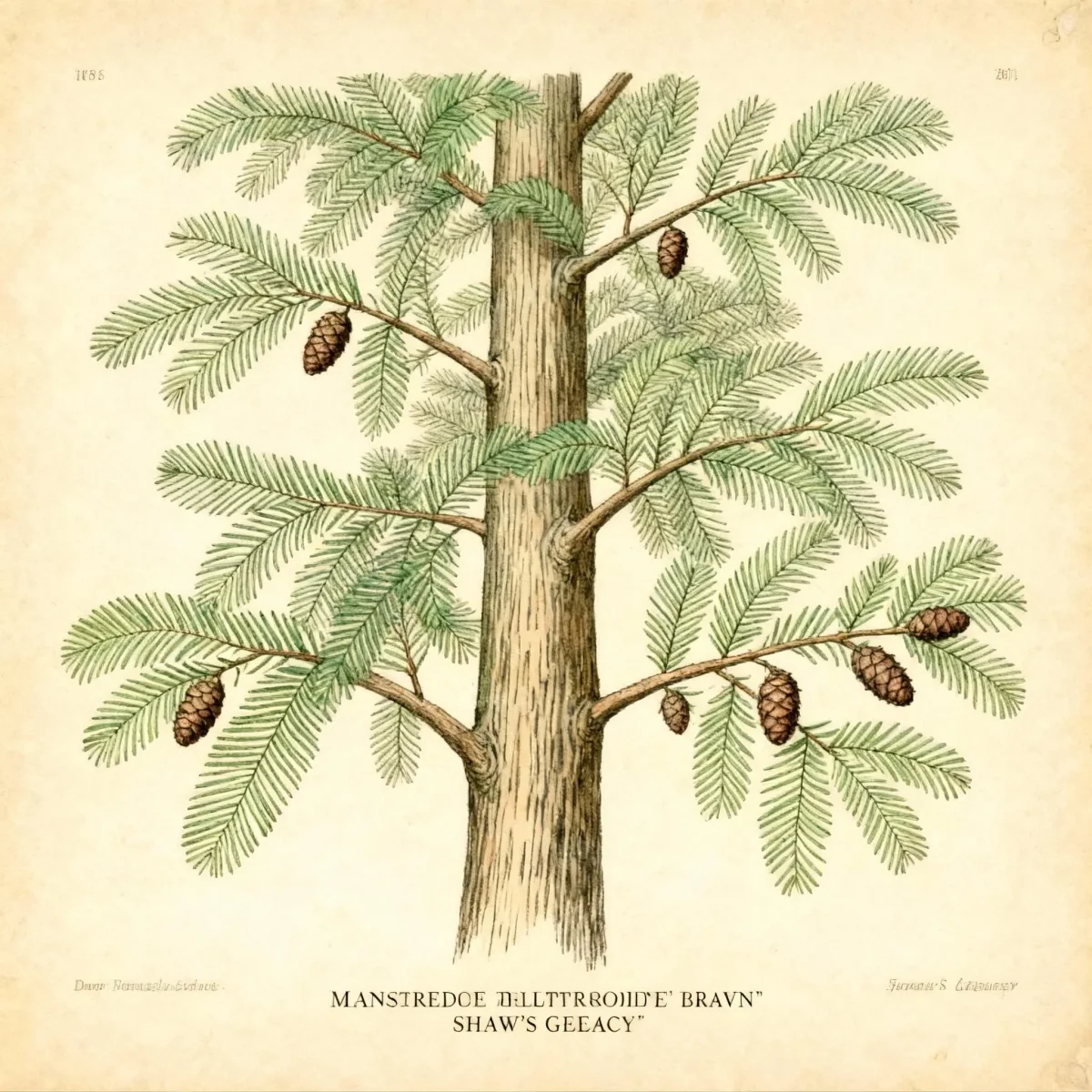
Bald cypress (Taxodium distichum 'Cascade Falls')
Discover Taxodium distichum 'Cascade Falls', a compact, weeping Bald cypress reaching 20ft. Ideal for rain gardens, zone 4-9.

Bloom Boldly, No Matter the Season - Sweatshirt
Cozy organic cotton sweatshirt featuring our exclusive Purple Coneflower design. Perfect for gardeners who bloom year-round.
Inspired by the beautiful Bald cypress
Limited first batch (50) — join the waitlist for early access
Waitlist closes Feb 15, 2026.
Complete Plant Information
Field Guide Continues
Ready for care notes, companion picks, and planting tips?
The map is just the start. The full guide below covers growth habits, seasonal performance, and landscape uses.
Overview
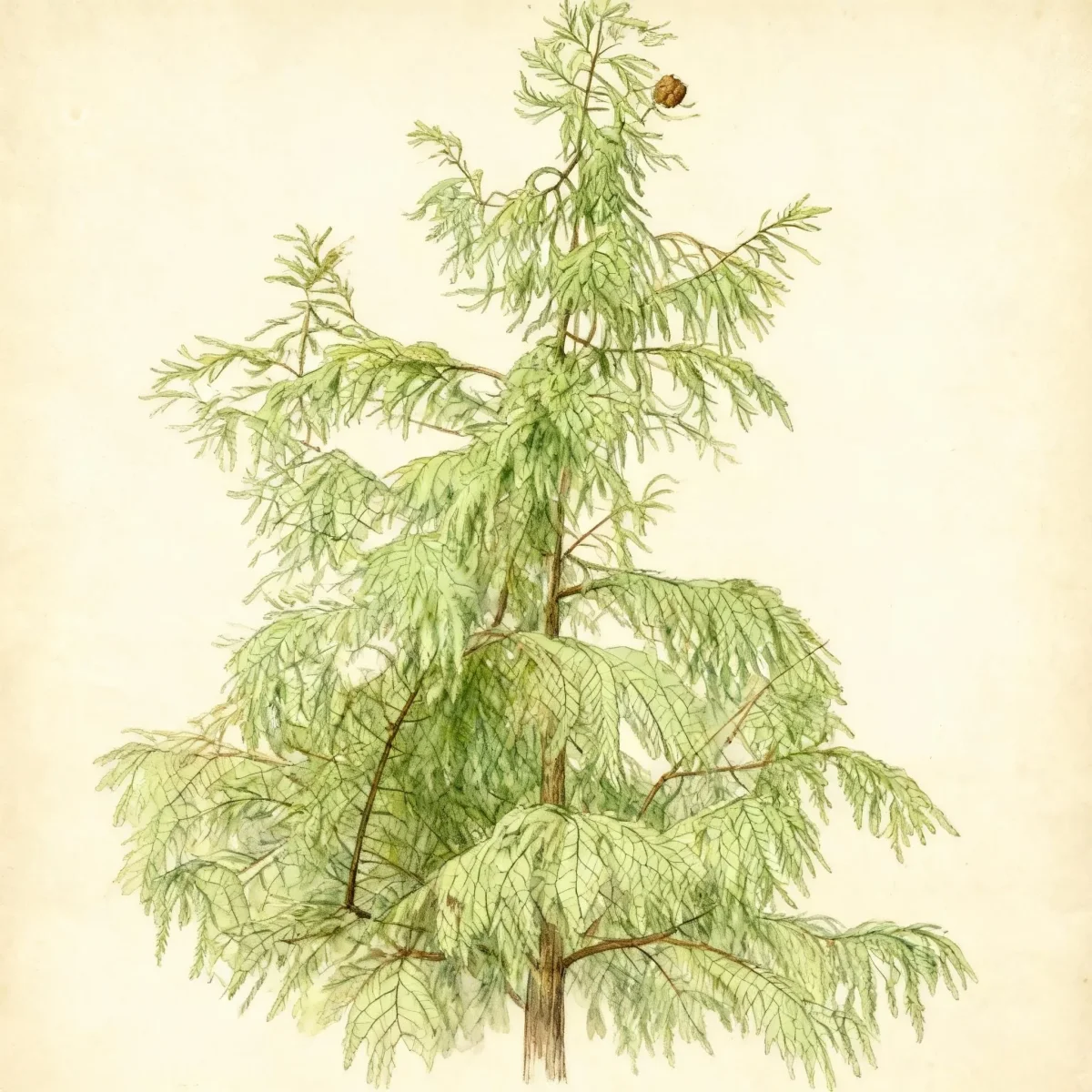
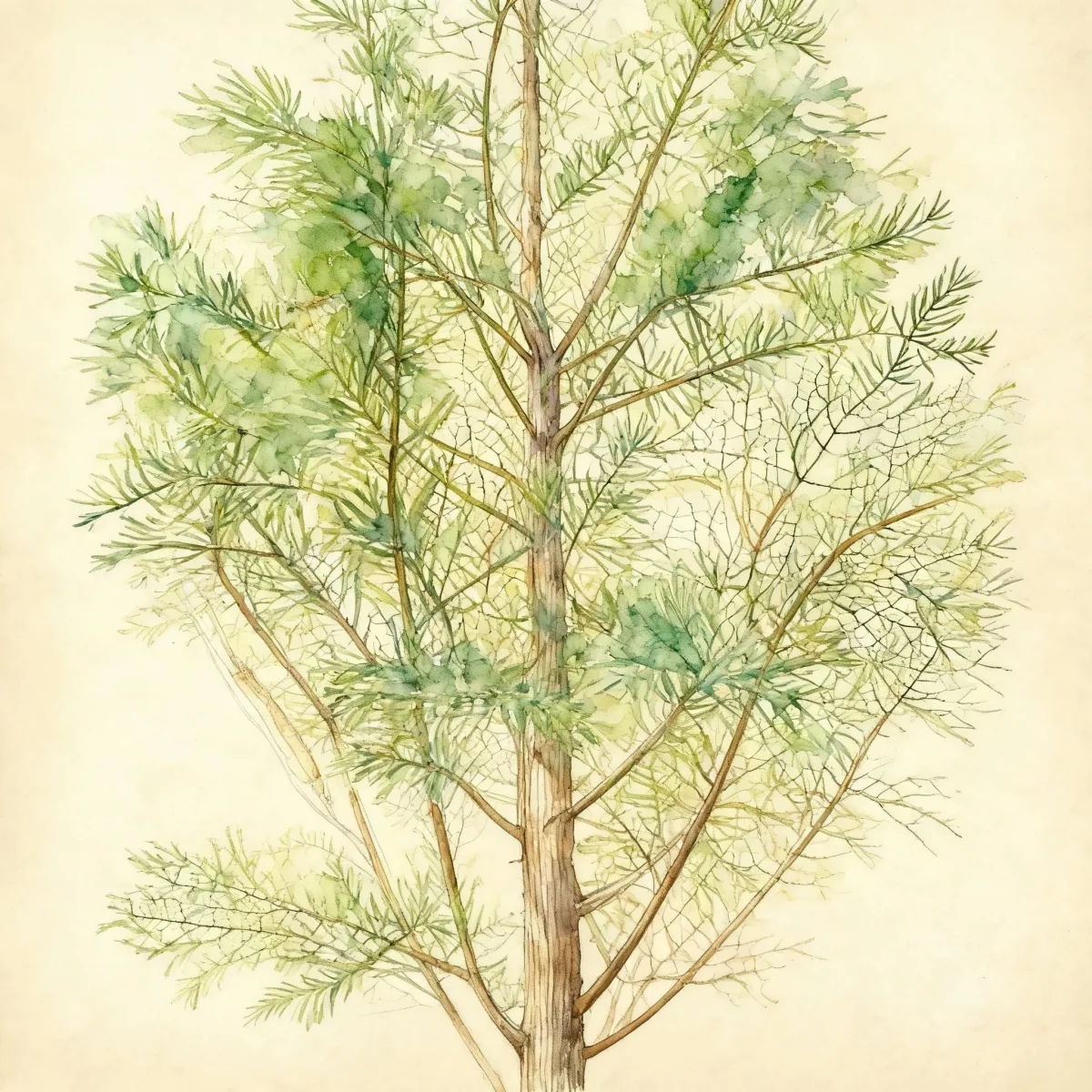
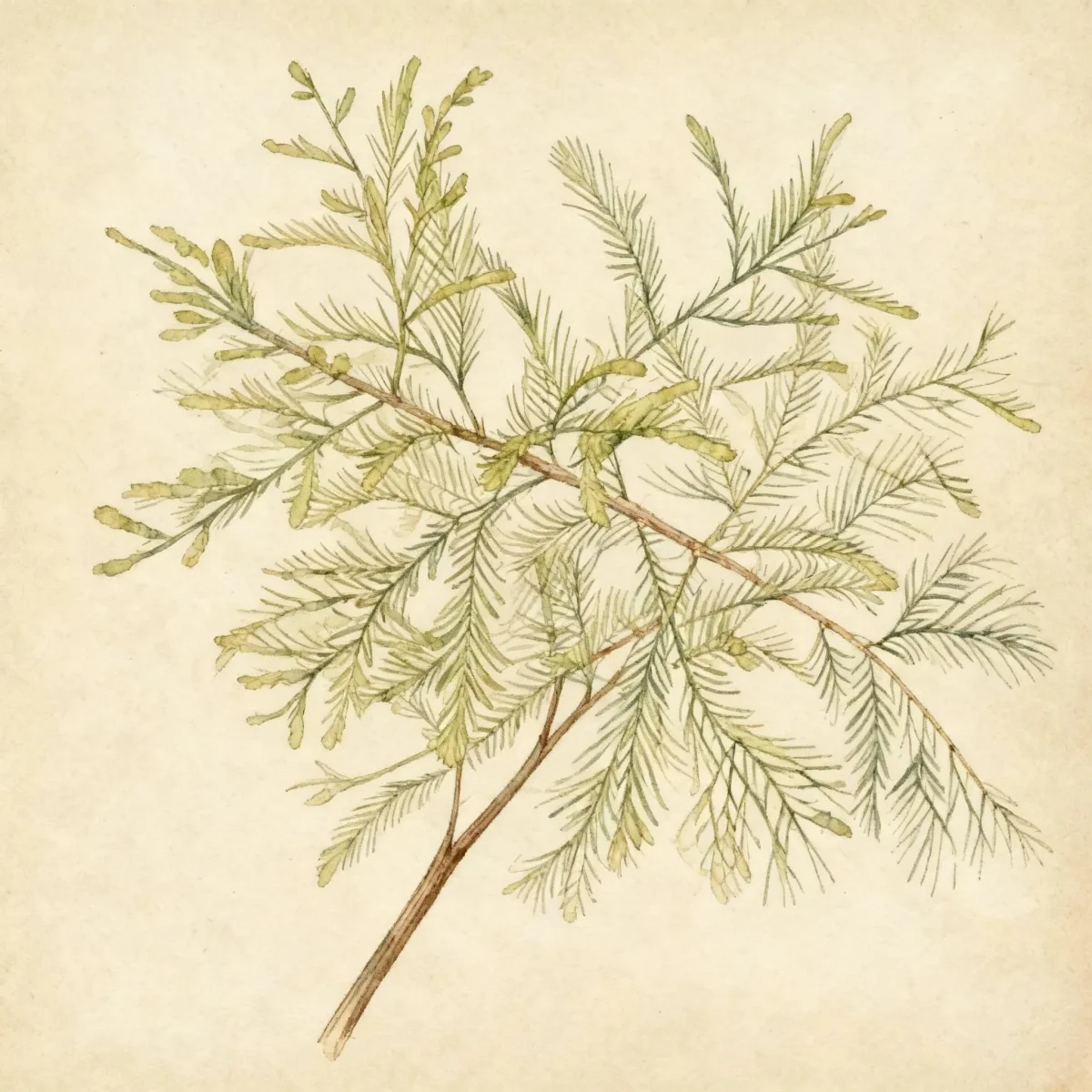
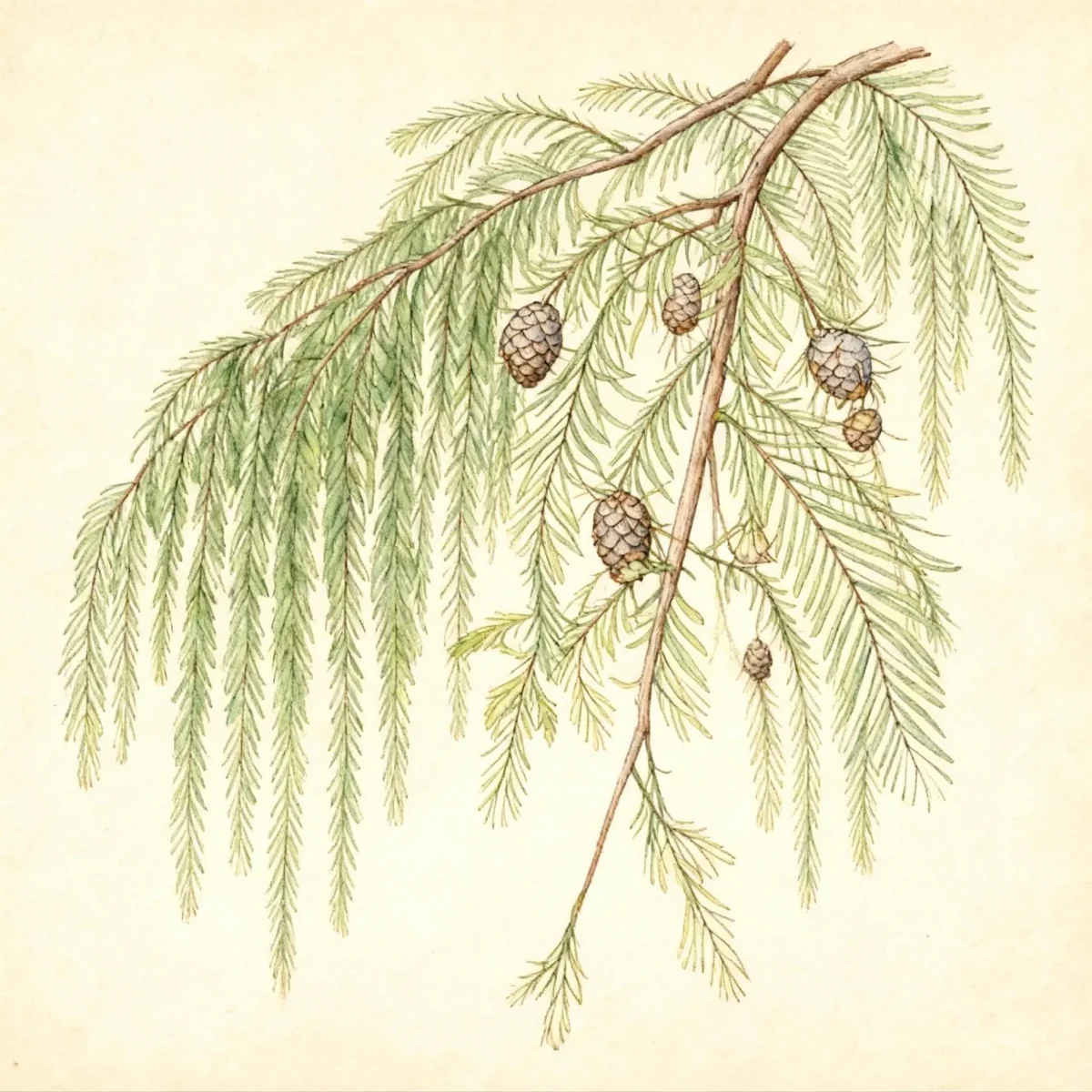
The Taxodium distichum ‘Cascade Falls’ cultivar offers the distinctive beauty of the native Bald cypress packed into a much more manageable, weeping form perfect for small landscapes. Unlike its towering parent species, this cultivar showcases branches that cascade vertically, creating a striking vertical accent in the garden architecture. Its soft, feathery foliage provides excellent summer texture, transitioning to rich orange-cinnamon hues before dropping in the winter, living up to the “bald” namesake.
This unique weeping Bald cypress is highly adaptable, thriving in challenging spots where many other trees would struggle. It prefers consistent moisture, making it an excellent choice for rain gardens or areas adjacent to ponds or streams. Although derived from a swamp native, Taxodium distichum ‘Cascade Falls’ performs admirably in drier, average garden soils when established, provided it receives full sun exposure.
Gardening with Taxodium distichum ‘Cascade Falls’ is rewarded with low maintenance and high visual impact, especially where space restricts the growth of standard upright conifers. Its ability to tolerate wet soils and pollution further solidifies its role as a versatile specimen for modern landscape design.
Fast Facts
- Plant Family: Cupressaceae
- Plant Type: Tree
- Hardiness Zones: USDA Zones 4-9
- Size at Maturity:
- Height: 8-20 ft
- Spread: 5-8 ft
- Bloom Time: Non-flowering
- Bloom Description: Non-flowering
- Sun Exposure: Full sun
- Water Needs: Medium to wet
- Maintenance Level: Low
How to Grow
Planting Taxodium distichum ‘Cascade Falls’ should ideally occur in spring or fall when temperatures are moderate, allowing the root system to establish before summer heat or severe winter cold. Locate this tree where it receives full, unobstructed sun throughout the day for the best color and structure. While it thrives in average, moisture-retentive soils, this cultivar notably handles wet soils, making it perfect for low spots. It performs best in moist, acidic, sandy loams but adapts to various conditions.
Watering is key, particularly during the first few growing seasons, to ensure deep root development. Aim for medium to wet soil moisture; do not allow the soil to dry out completely, especially during periods of drought. Fertilization is generally unnecessary due to the low maintenance requirements of the Bald cypress.
A critical structural note regarding Taxodium distichum ‘Cascade Falls’ is its grafting habit. This weeping form is typically grafted onto standard Taxodium distichum understock at a specific height. If this grafted specimen is not staked or supported, the branches naturally weep downward until they sprawl along the ground, essentially creating a vibrant, textured ground cover rather than a tree form. Pruning is generally minimal, focusing only on removing any suckers emerging from the understock below the graft union.
Landscape Uses
The diminutive size and dramatic weeping habit of Taxodium distichum ‘Cascade Falls’ make it an exceptional accent plant where standard conifers would dominate the space. Its unique cascading structure lends itself well to foundation plantings near patios or entryways, providing year-round structure softened by seasonal foliage color. Position it where its pendulous branches can be fully appreciated, perhaps near a pathway or water feature.
Because of its high tolerance for moisture, this cultivar is invaluable in specialized areas like rain gardens or incorporated near drainage solutions on the property. It effectively manages runoff while offering architectural interest. Consider planting it alongside moisture-loving broadleaf evergreens or vibrant flowering perennials that appreciate similar soil moisture levels but prefer slightly less sun intensity, though full sun suits the Bald cypress best.
For small gardens, Taxodium distichum ‘Cascade Falls’ can serve as a spectacular focal point, functioning almost as a living fountain of foliage. Its low maintenance profile ensures that landscape planning can focus more on seasonal compliments rather than intensive care needs.
Standout Features
Noteworthy Characteristics
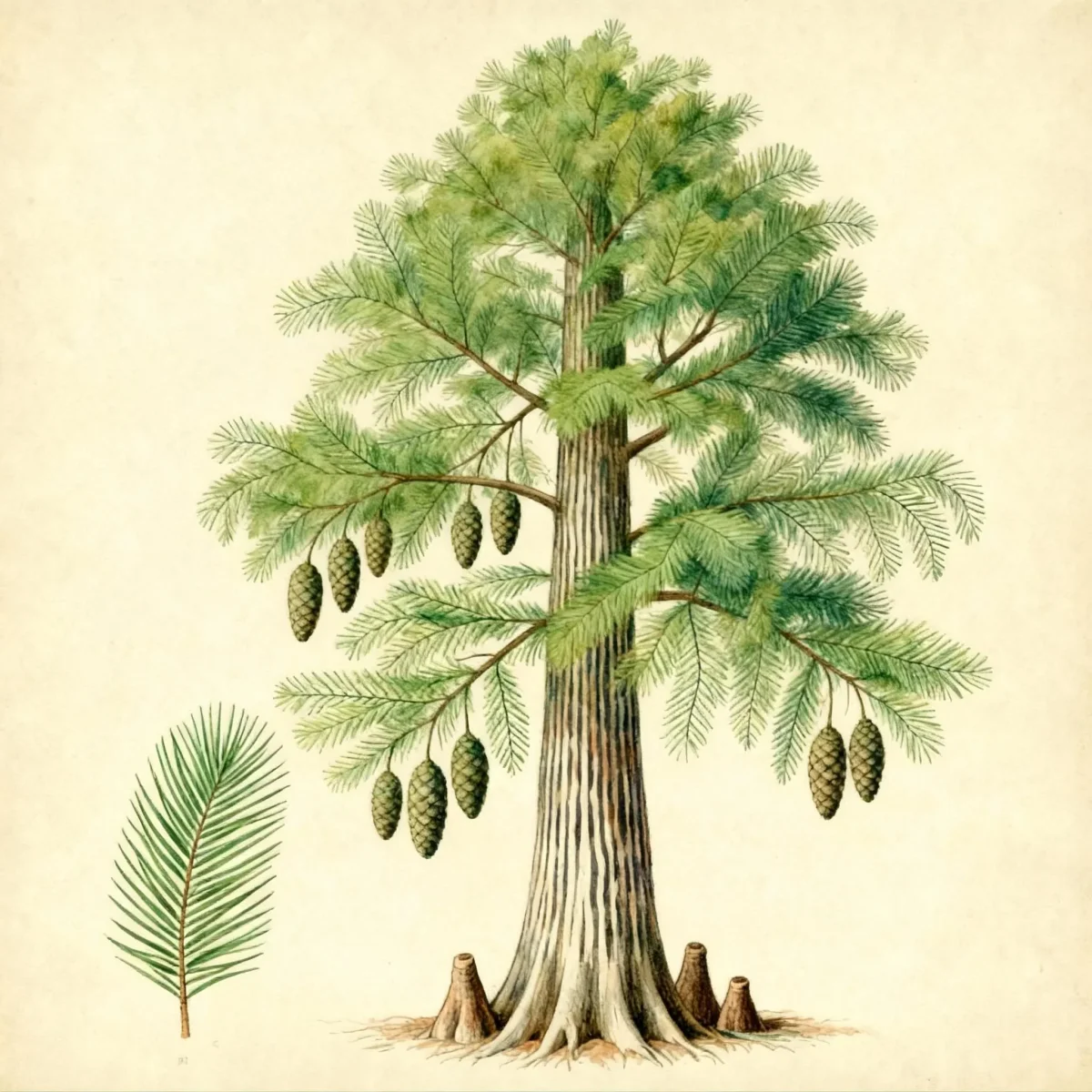
Taxodium distichum is famous for being a deciduous conifer that sheds its soft, feathery needles in autumn after they turn a striking orange-cinnamon hue. The cultivar ‘Cascade Falls’ is a compact weeping form, generally maturing to 20 feet tall, with branches that cascade vertically toward the ground, often necessitating grafting to achieve this structure. This unique feature was discovered in New Zealand, offering gardeners a spectacular, slow-growing specimen that contrasts sharply with the upright native Bald cypress.
Tolerances
- Deer
- Clay Soil
- Wet Soil
- Air Pollution
Potential Problems
Healthy, well-maintained plants in the proper conditions rarely face serious issues, granting Taxodium distichum ‘Cascade Falls’ its low maintenance rating. However, growers should remain vigilant for fungal issues like twig blight and various rots, which usually indicate overly saturated soil or poor air circulation, especially in humid climates. Inspect foliage periodically for minor infestations of spider mites, which can be managed with strong streams of water or insecticidal soap applications if necessary. Proper siting in soil that drains adequately, even if moist, is the best defense against rot issues.
Frequently Asked Questions
What hardiness zones is Bald cypress suitable for?
The Taxodium distichum ‘Cascade Falls’ is adaptable and thrives in USDA Zones 4 through 9.
How large does Taxodium distichum ‘Cascade Falls’ grow?
This weeping cultivar typically reaches a modest height between 8 and 20 feet, with a spread generally kept between 5 and 8 feet wide, depending on grafting height and support.
What sun exposure does Bald cypress need?
Taxodium distichum ‘Cascade Falls’ requires full sun exposure to maintain its best density and foliage color.
When does Taxodium distichum ‘Cascade Falls’ bloom?
This plant is non-flowering; it produces cones, typical of the Cupressaceae family, rather than true flowers.
Conclusion
The Taxodium distichum ‘Cascade Falls’ provides unparalleled weeping structure and exceptional adaptability, particularly for gardeners dealing with moisture retention challenges or seeking a low-maintenance specimen. This unique Bald cypress transforms small spaces into focal points with its graceful, downward-plunging foliage. Before planting, confirm that your site falls within USDA Zones 4-9 and offers full sun, ensuring this exceptional weeping tree establishes successfully.
Companion Planting
Selecting companions for Taxodium distichum ‘Cascade Falls’ should focus on plants that share its preference for medium to wet soil conditions and full to partial sun exposure. Consider deciduous shrubs that emerge later in spring, allowing the weeping structure of the cypress to shine before surrounding foliage fills in. Good companions for wet areas include Swamp Milkweed (Asclepias incarnata) for late-season color, or moisture-loving ferns like the Ostrich Fern (Matteuccia struthiopteris) placed slightly further towards the edges of the moist zone.
Because the Bald cypress is slow-growing, ground covers that suppress weeds without competing aggressively for nutrients are beneficial, provided they don’t prefer dry, arid conditions. Look for sedges (Carex species) that tolerate consistent moisture. This thoughtful companionship ensures the area remains visually interesting throughout the growing season while respecting the specific cultural needs of the Taxodium distichum ‘Cascade Falls’.
Design Ideas for Compact Forms
Utilizing compact cultivars like Taxodium distichum ‘Cascade Falls’ opens up design possibilities previously restricted to standard trees. Its vertical drape works exceptionally well when positioned near a pond edge or a courtyard fountain, mimicking the look of a much larger specimen without overwhelming the space. In contemporary designs, place a single specimen in a bed of gravel or river stones to highlight its sculptural form during winter dormancy.
For Asian-inspired or contemporary Japanese gardens, the structure of this weeping cypress offers movement and contrast against rigid lines or carefully pruned forms. You can also use it as a standalone specimen in a contained area, such as a large urn or custom planter, provided the container allows for adequate drainage while still maintaining the necessary moisture content. This approach makes the unique weeping habit of the Bald cypress accessible even for those with limited garden footprint.