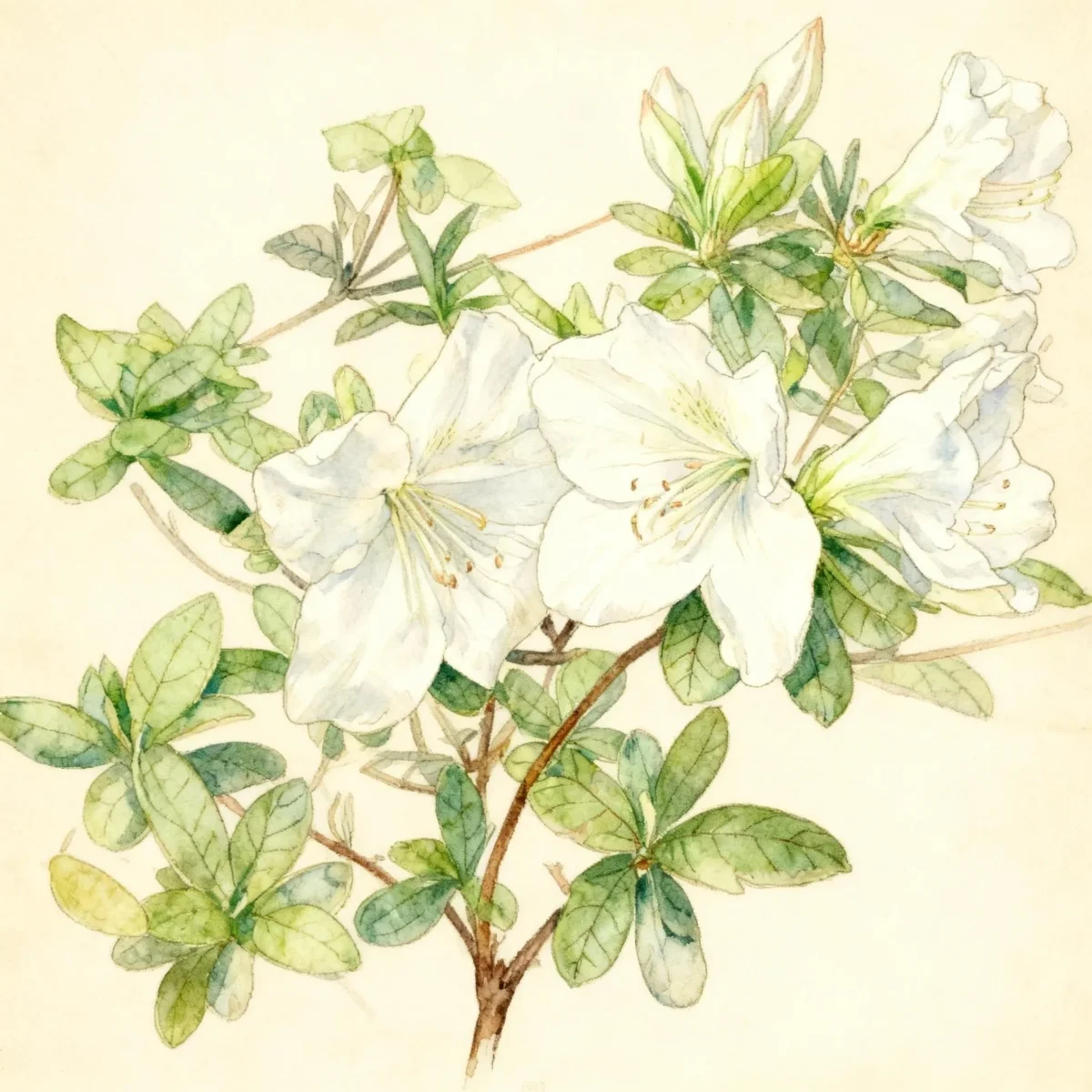
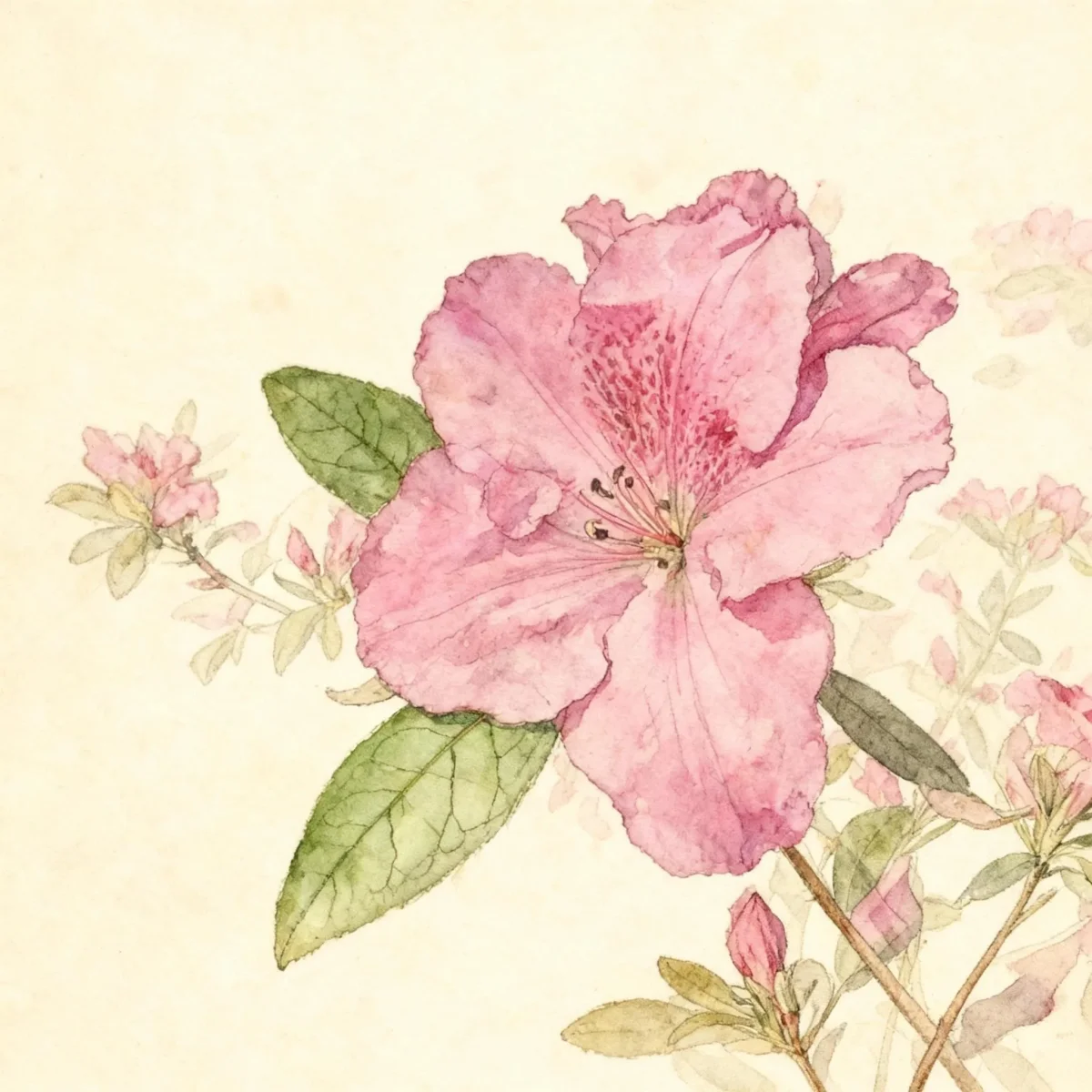
Azalea (Rhododendron 'Conlef' AUTUMN CHEER)
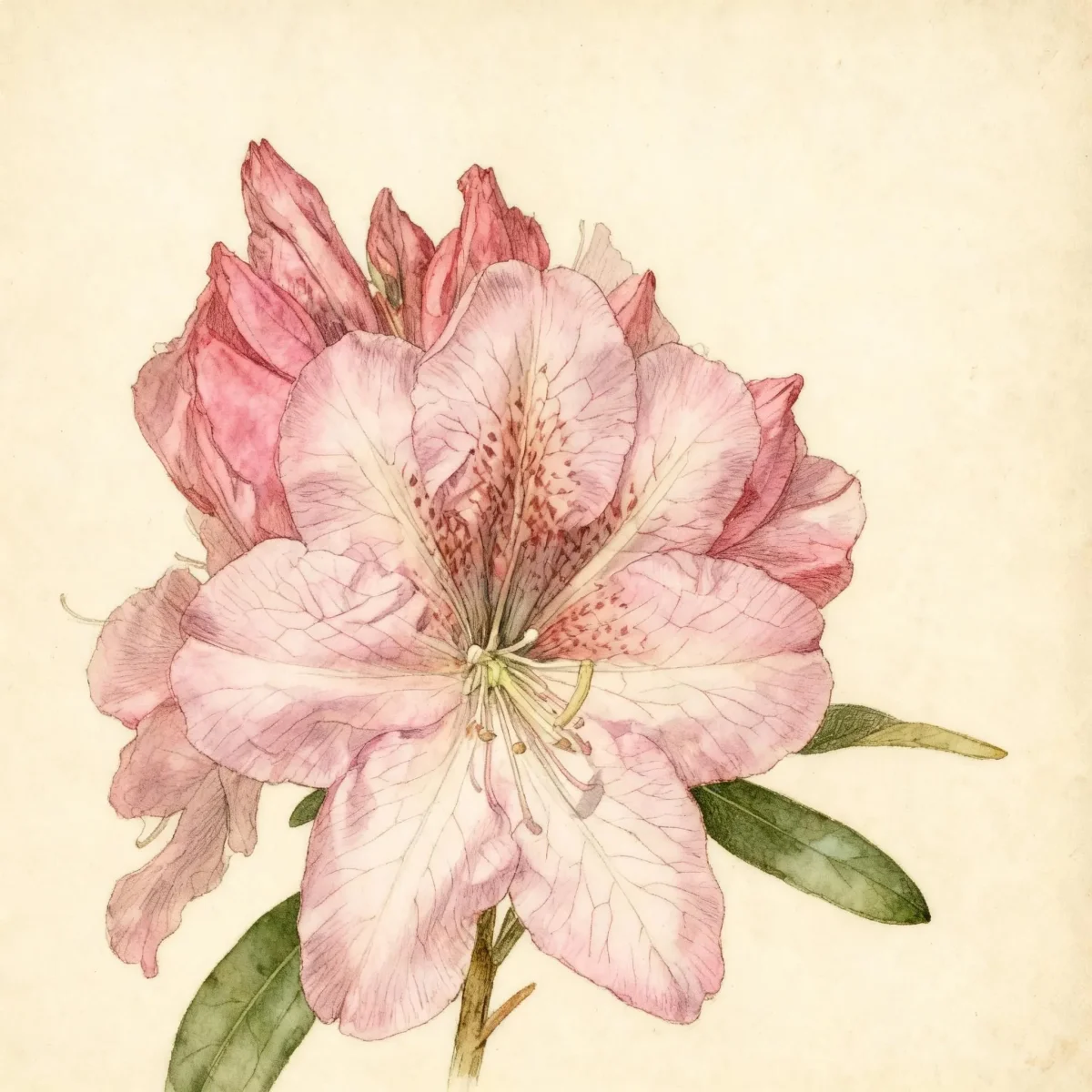
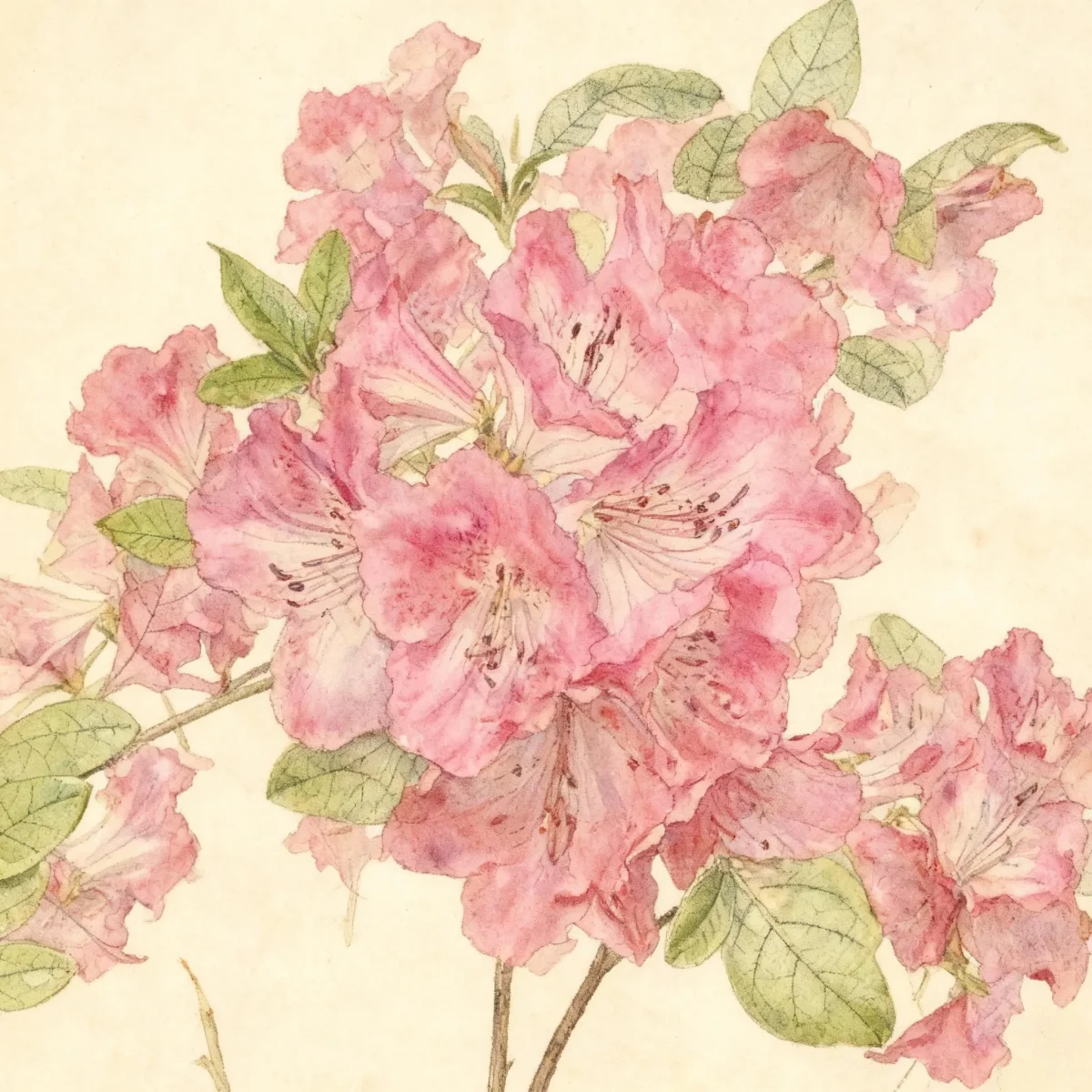
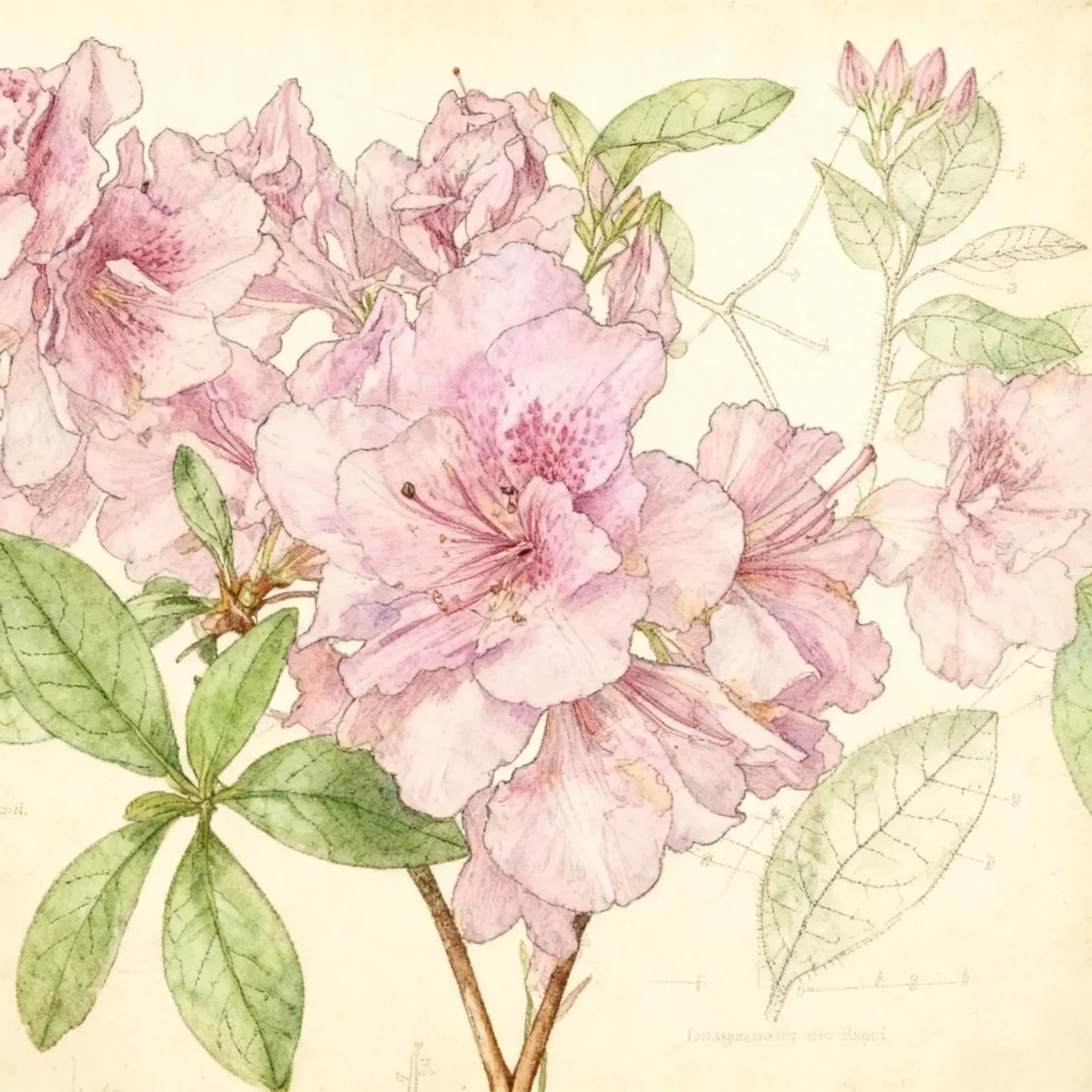
Rhododendron 'Conlef' AUTUMN CHEER is a compact, reblooming Azalea known for its pink spring flowers. Ideal for zones 6-9.

Bloom Boldly, No Matter the Season - Sweatshirt
Cozy organic cotton sweatshirt featuring our exclusive Purple Coneflower design. Perfect for gardeners who bloom year-round.
Inspired by the beautiful Azalea
Limited first batch (50) — join the waitlist for early access
Waitlist closes Feb 15, 2026.
Complete Plant Information
Field Guide Continues
Ready for care notes, companion picks, and planting tips?
The map is just the start. The full guide below covers growth habits, seasonal performance, and landscape uses.
Overview
Rhododendron ‘Conlef’ AUTUMN CHEER is a highly desirable compact Azalea, valued for its evergreen foliage and its characteristic repeat blooming habit, which sets it apart from many spring-only bloomers. This variety, often merchandised as an Encore Azalea, provides beautiful pink flowers in the spring, typically from April to May, often followed by sporadic rebloom into the summer and fall. As a broadleaf evergreen, it offers consistent structure within the landscape throughout the year.
Growing to a manageable size, typically reaching 2 to 3 feet tall and 3 to 4 feet wide, Rhododendron ‘Conlef’ AUTUMN CHEER fits well into foundation plantings and borders where space is a consideration. Its main requirement mirrors that of most rhododendrons: acidic, well-drained soil and protection from intense afternoon sun. Successful cultivation ensures you benefit from its ornamental value across multiple seasons.
Gardeners appreciate this Azalea for its versatility, suitable for use as a specimen, in mass plantings, or even shaped into a low hedge. The reliability of the bloom cycle on Rhododendron ‘Conlef’ AUTUMN CHEER makes it an excellent choice for adding predictable color to woodland or shade gardens.
Fast Facts
- Plant Family: Ericaceae
- Plant Type: Broadleaf evergreen
- Hardiness Zones: USDA Zones 6-9
- Size at Maturity:
- Height: 2-3 ft
- Spread: 3-4 ft
- Bloom Time: April to May
- Bloom Description: Pink
- Sun Exposure: Part shade
- Water Needs: Medium
- Maintenance Level: Medium
How to Grow
The key to thriving Azalea culture revolves around soil acidity and drainage. Plant Rhododendron ‘Conlef’ AUTUMN CHEER in high-quality, organically rich soil with a pH ideally between 5.0 and 5.5. Planting in well-drained soil is non-negotiable; if heavy clay is present, consider raised beds to prevent root rot, as these shallow-rooted plants despise wet feet. Locate them where they receive dappled sunlight or high open shade, favoring morning sun exposure over hot afternoon light, which can scorch the leaves, especially in warmer climates.
Watering should be consistent to maintain medium moisture levels, ensuring the fibrous root system never completely dries out. Because Azaleas are sensitive to walnut family trees, avoid planting near hickories, pecans, or walnuts due to toxic juglone compounds. After planting, apply a thick layer of organic mulch, such as pine needles or wood chips, to stabilize soil temperature and retain crucial moisture around the shallow roots.
Maintenance for this Azalea involves acidifying the soil as needed using iron sulfate or sulfur. Pruning is minimal but important: clip off spent flower clusters immediately after spring blooming concludes to encourage good summer bud set for repeat performance. In colder areas (Zone 6), ensure Rhododendron ‘Conlef’ AUTUMN CHEER is planted in a protected location to help safeguard the flower buds during harsh winters.
Landscape Uses
Rhododendron ‘Conlef’ AUTUMN CHEER excels in structured garden settings due to its dense, rounded habit, making it an excellent candidate for low hedges bordering walkways or defining garden rooms. Beyond its formal use as a hedge, this Azalea is highly effective in shrub borders, mixed borders, or as year-round structure near foundations where its evergreen leaves provide visual anchor.
Its tolerance for part shade perfectly complements woodland garden designs, where it can be placed alongside ferns, hostas, and other acid-loving perennials that thrive under high shade. For a mass planting, grouping several Azaleas creates a powerful block of mid-season color contrasted beautifully by the emerging foliage of deciduous shrubs.
The dependable, compact nature of this Encore Series Azalea ensures it can anchor sightlines in any partial shade location, providing consistent landscape interest when many other flowering shrubs have completed their season.
Standout Features
Flower Qualities
- Showy
Noteworthy Characteristics
Rhododendron ‘Conlef’ AUTUMN CHEER is recognized as a highly successful hybrid in the Encore Series, famous for producing sporadic secondary blooms beyond the primary spring flush. This compact evergreen Azalea forms a dense, rounded shape, maintaining attractive green foliage throughout the winter. It originates from a controlled cross in Louisiana, combining hardiness with reblooming qualities that benefit temperate gardeners.
Tolerances
- Rabbit
Potential Problems
Rhododendrons and Azaleas are susceptible to a range of insect and disease issues, requiring proactive monitoring. Common insect pests include lacebugs, scale, and aphids, while fungal issues like leaf spot or root rot can become prevalent if cultural needs are ignored. Chlorosis, characterized by yellowing leaves, is a significant indicator that soil pH is too high, possibly due to iron deficiency.
Preventative care is the best strategy; ensure the environment—acidic soil, good drainage, and targeted sun exposure—is precisely correct for Rhododendron ‘Conlef’ AUTUMN CHEER. If root rot is suspected due to poor drainage, immediate remediation, such as improving soil aeration or relocating the plant above grade, is necessary before the root system fails. Maintaining plant health minimizes the attractiveness of the Azalea to opportunistic pests.
Frequently Asked Questions
What hardiness zones is Azalea (Rhododendron ‘Conlef’ AUTUMN CHEER) suitable for?
This Azalea is rated for USDA Hardiness Zones 6 through 9, though extra protection may be needed in Zone 6 locations.
How large does Azalea (Rhododendron ‘Conlef’ AUTUMN CHEER) grow?
It matures to a compact size, typically ranging between 2 to 3 feet in height and spreading 3 to 4 feet wide.
What sun exposure does Azalea (Rhododendron ‘Conlef’ AUTUMN CHEER) need?
Rhododendron ‘Conlef’ AUTUMN CHEER performs best in part shade, preferring dappled light or protection from the strong afternoon sun.
When does Azalea (Rhododendron ‘Conlef’ AUTUMN CHEER) bloom?
The primary flush of pink flowers occurs in April to May, with another sporadic bloom period possible from July until the first frost.
Conclusion
The Rhododendron ‘Conlef’ AUTUMN CHEER Azalea offers gardeners the best of both worlds: the deep green, year-round interest of an evergreen shrub combined with the unique benefit of repeat blooming. Its versatility in use, from framing foundations to formal hedging, makes it a dependable asset in the acidic garden space. Before planting, confirm your location supports the required Zone 6-9 hardiness and acidic soil profile to ensure you enjoy the extended color display this superb Azalea provides.
Companion Planting
Selecting appropriate neighbors is crucial when cultivating acid-loving plants like Rhododendron ‘Conlef’ AUTUMN CHEER. Plants that share a preference for acidic, humus-rich, well-drained soils will thrive alongside this Azalea. Excellent companion choices include Camellias, which share similar light requirements and often bloom in different seasons, creating continuous interest.
Consider pairing this pink-flowering Azalea with acid-loving conifers or broadleaf evergreens that provide contrasting textures, such as various Nandina cultivars or Japanese Maples. Underplanting with shade-tolerant groundcovers like creeping Phlox or low ferns helps maintain consistent soil moisture and temperature around the shallow Azalea roots, suppressing weeds without deep cultivation.
Seasonal Care Calendar
Spring care focuses on maximizing the main bloom event. Immediately as the primary bloom period of April to May concludes, promptly deadhead spent flowers from Rhododendron ‘Conlef’ AUTUMN CHEER to redirect energy toward developing summer buds for the rebloom. This is also the ideal time for making necessary minor soil amendments or applying a slow-release acid fertilizer if needed.
Summer maintenance emphasizes consistent, deep watering, especially during dry spells, as these plants cannot tolerate drought. Apply a fresh layer of organic mulch if the existing layer has broken down to keep roots cool and moist. Fall preparation involves ensuring adequate moisture before the ground freezes; avoid heavy feeding late in the season, as this can promote tender new growth vulnerable to winter damage.