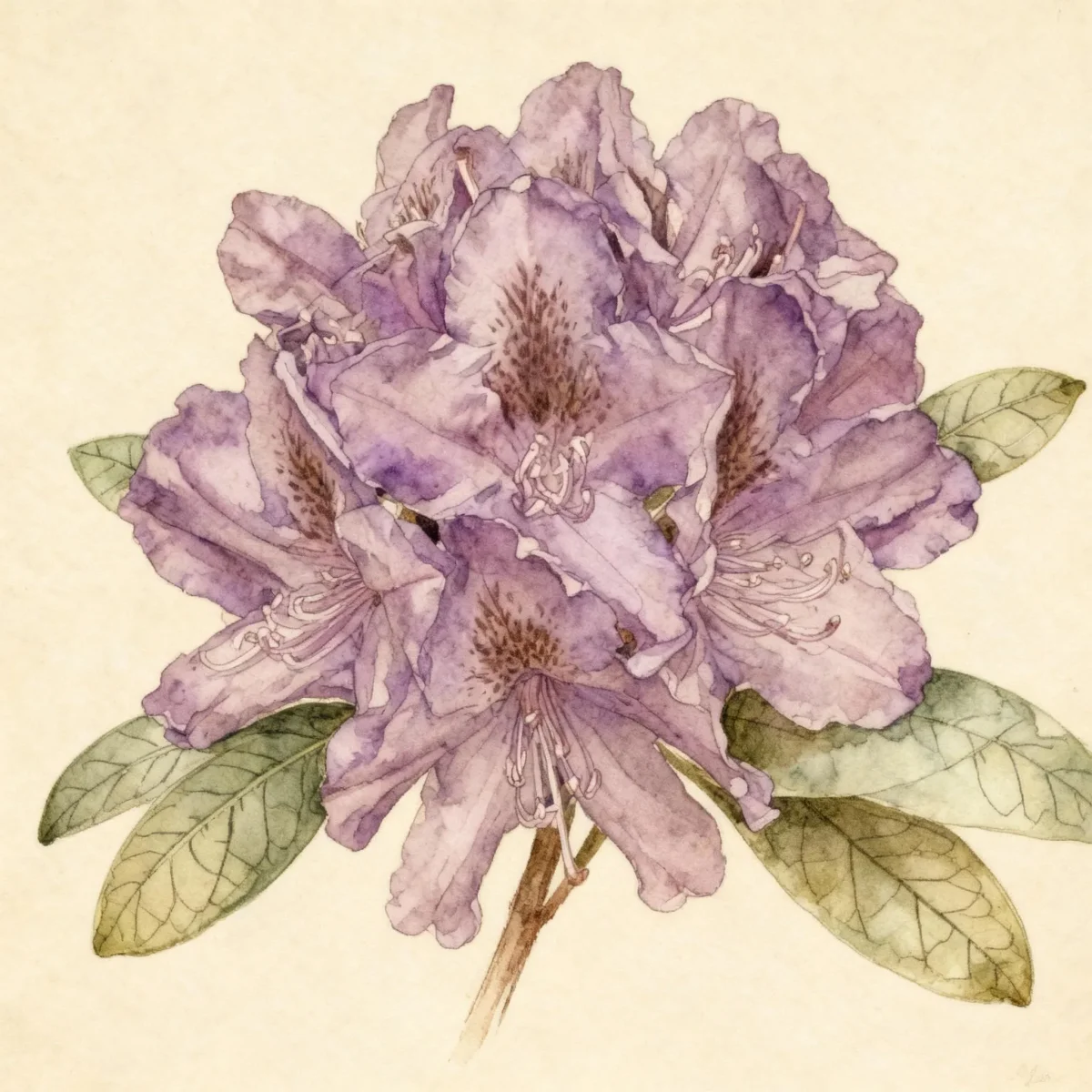
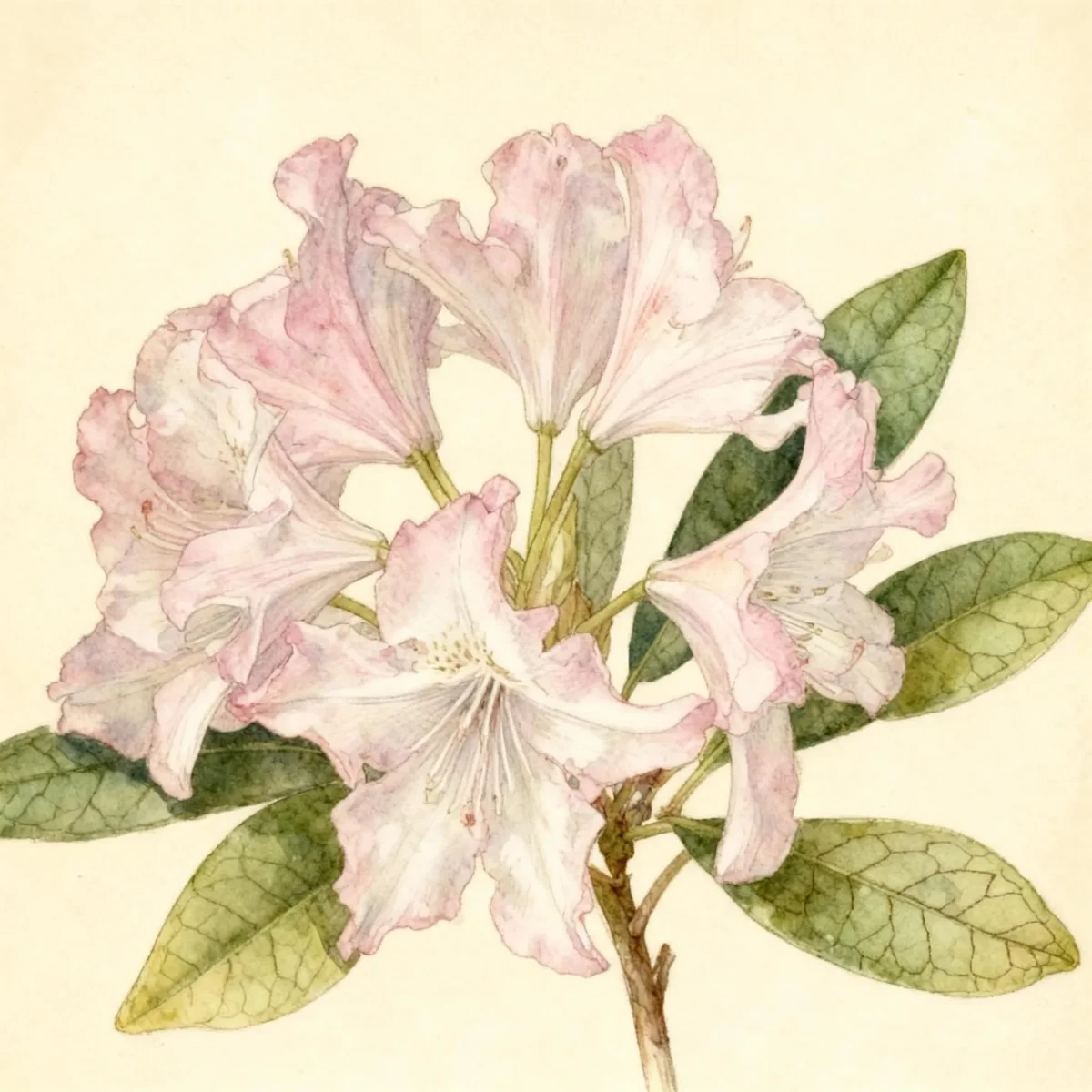
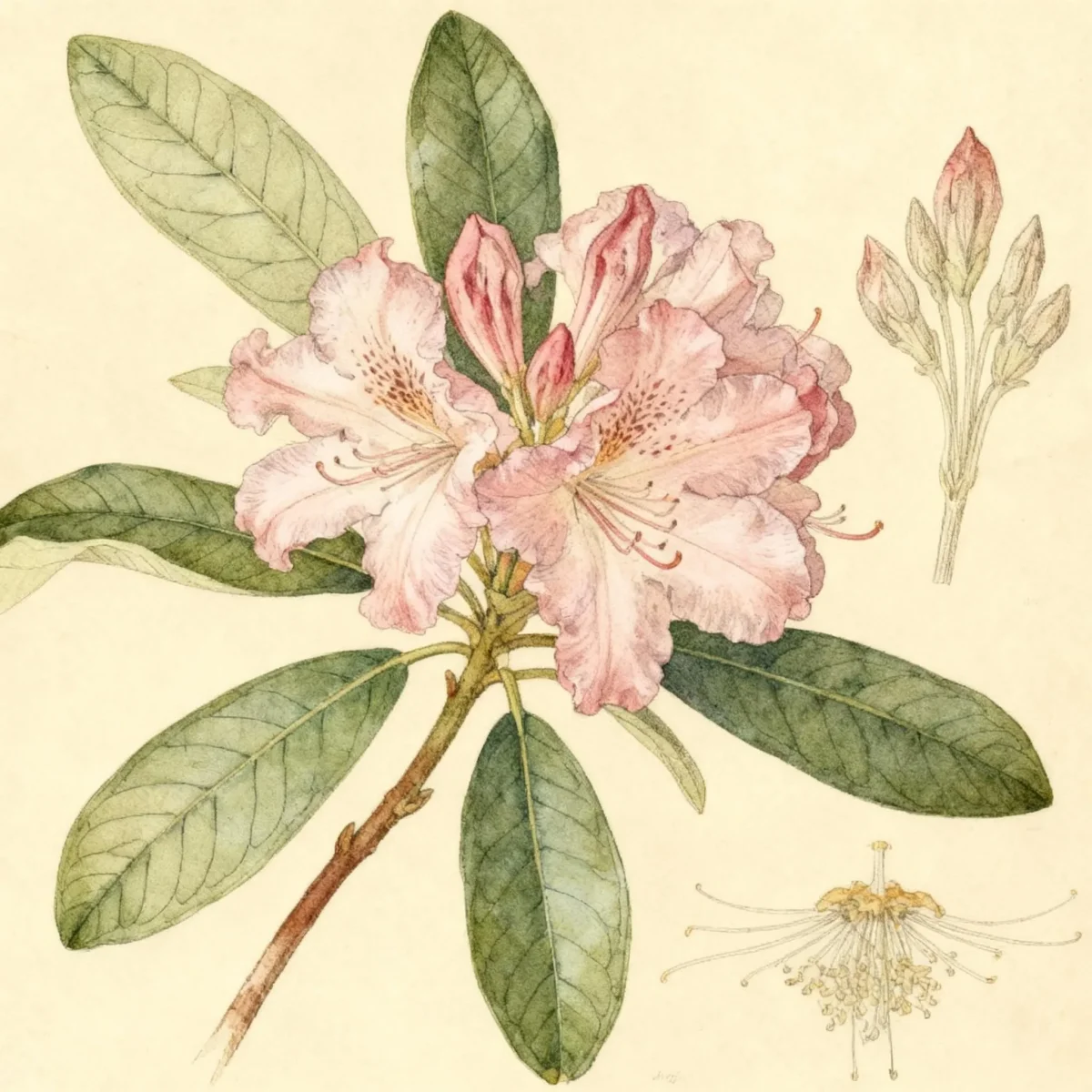
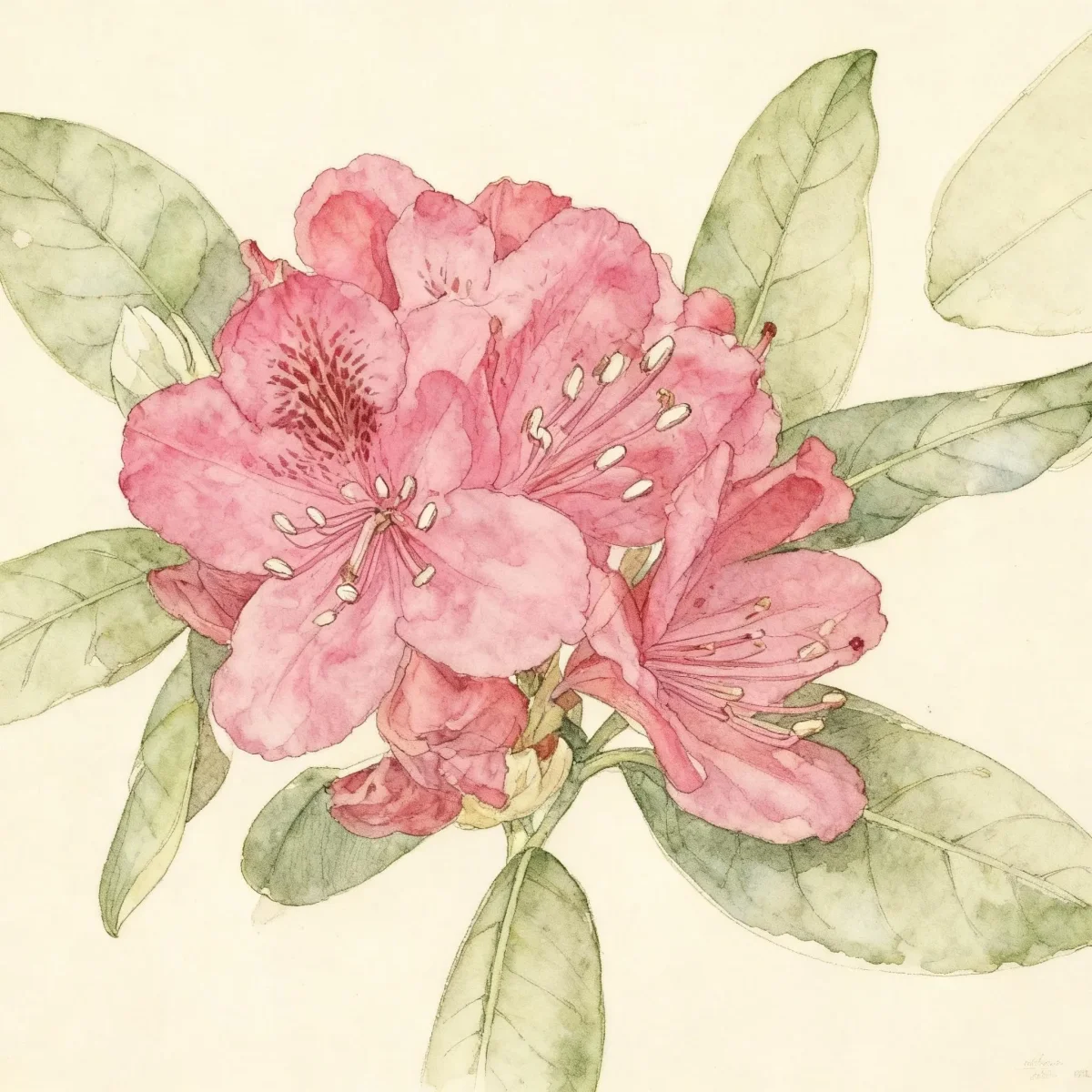
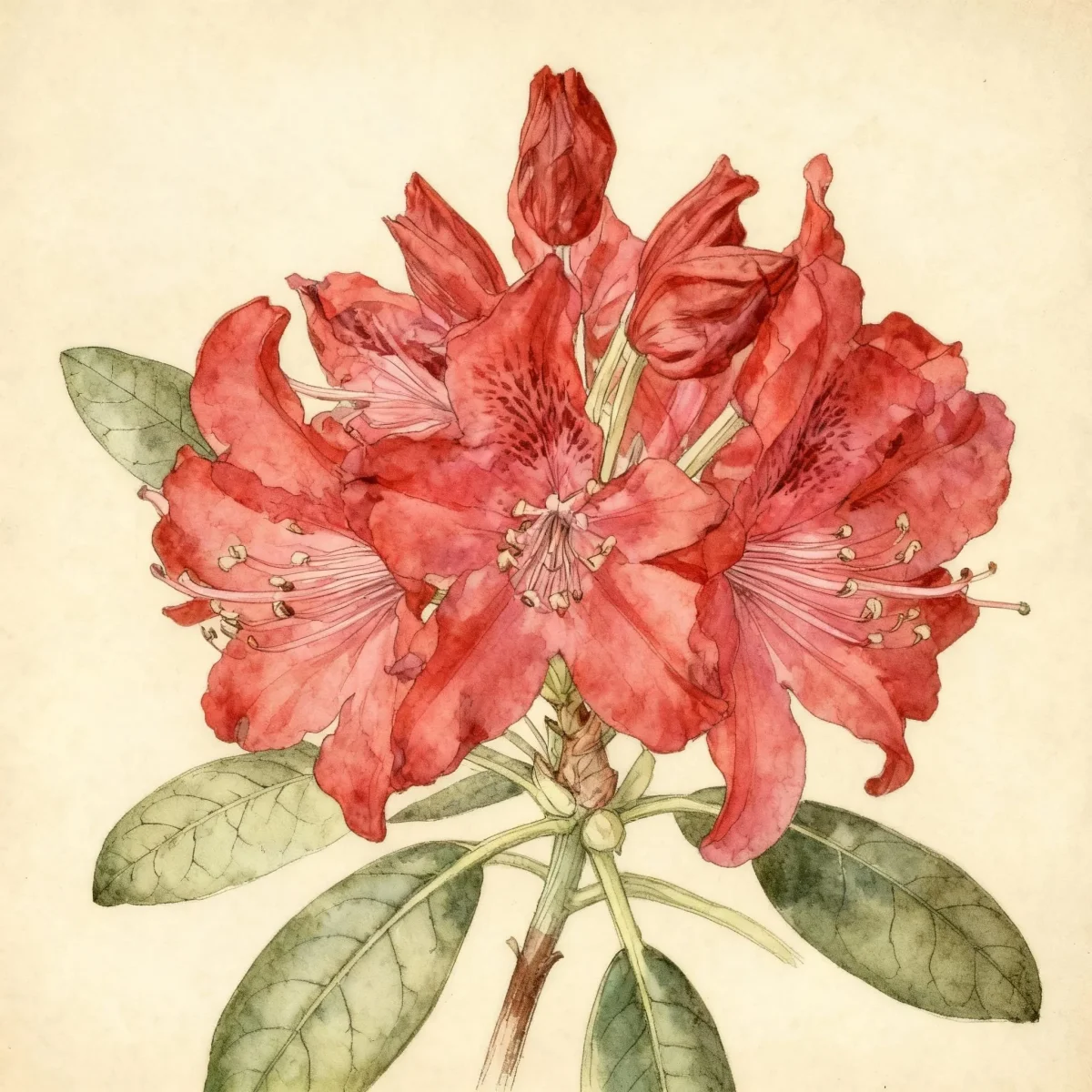
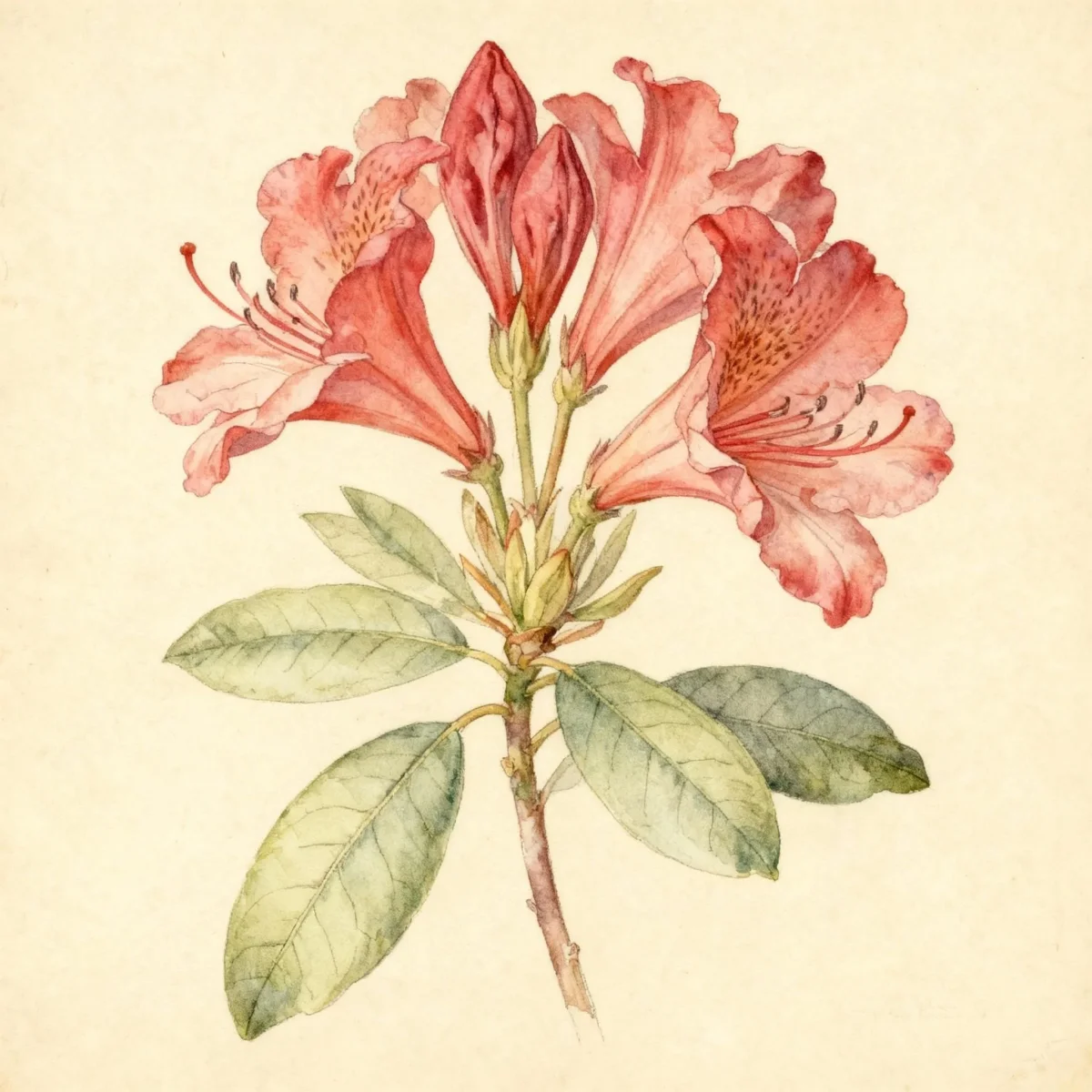
Rhododendron (Rhododendron 'Pink Dawn')
Rhododendron 'Pink Dawn' is an evergreen shrub offering deep pink spring blooms, perfect for acidic woodland borders.

Bloom Boldly, No Matter the Season - Sweatshirt
Cozy organic cotton sweatshirt featuring our exclusive Purple Coneflower design. Perfect for gardeners who bloom year-round.
Inspired by the beautiful Rhododendron
Limited first batch (50) — join the waitlist for early access
Waitlist closes Feb 15, 2026.
Complete Plant Information
Field Guide Continues
Ready for care notes, companion picks, and planting tips?
The map is just the start. The full guide below covers growth habits, seasonal performance, and landscape uses.
Overview
Rhododendron ‘Pink Dawn’ is a highly valued hybrid known for its attractive, dense, upright growth habit and prolific spring flowering. As a broadleaf evergreen, it provides structural interest and foliage color throughout the winter months, making it a year-round asset in the garden landscape. Gardeners prize this cultivar for its deep pink, hose-in-hose flowers that emerge reliably in May.
This specific Girard hybrid originates from crosses involving Rhododendron ‘Geneva’ and ‘Pink Boudoir’, resulting in a shrub that typically reaches 4 to 5 feet tall and wide. Succeeding with Rhododendron requires attention to soil conditions, as they demand acidity and excellent drainage to thrive and avoid root rot issues common in heavier clay soils.
Due to its manageable size and dense structure, Rhododendron ‘Pink Dawn’ excels as a stately specimen plant, a component in mixed borders, or as a low-growing screening hedge. Proper placement, avoiding scorching afternoon sun, ensures the best performance and vibrant foliage presentation for this beautiful evergreen.
Fast Facts
- Plant Family: Ericaceae
- Plant Type: Broadleaf evergreen
- Hardiness Zones: USDA Zones 5-8
- Size at Maturity:
- Height: 4-5 ft
- Spread: 4-5 ft
- Bloom Time: May
- Bloom Description: Deep pink
- Sun Exposure: Full sun to part shade
- Water Needs: Medium
- Maintenance Level: Medium
How to Grow
The success of Rhododendron ‘Pink Dawn’ hinges on precise soil conditions. Plant in locations receiving morning sun or high, dappled shade, as hot afternoon sun can scorch the leaves, particularly in warmer climates. Best performance is achieved in acidic, organically rich, humusy soils that retain moisture but are exceptionally well-drained. If you have heavy clay, consider amending heavily or placing plants in raised beds to guarantee drainage, preventing fatal root rot.
Watering should be consistent, maintaining medium moisture levels, but never allowing the fibrous, shallow root systems to remain waterlogged. Because the roots are shallow, do not cultivate near the base of the plant; instead, apply a thick layer of organic mulch, such as pine needles or wood chips, to retain consistent soil moisture and stabilize temperatures. Soil pH is crucial; aim for the 5.0 to 5.5 range, using sulfur or iron sulfate to acidify if necessary.
After the spring bloom finishes in May, clip off spent flower clusters promptly, as this encourages better bud development for the following year. Protect your Rhododendron from strong winds, and avoid planting near walnut trees, as the toxins they emit are harmful to most Rhododendrons and Azaleas.
Landscape Uses
Rhododendron ‘Pink Dawn’ is versatile, lending structure and color across various landscape designs. Its manageable height (4-5 feet) makes it an excellent low hedge along property lines or flanking entryways where a formal structure is desired. It performs beautifully as an accent specimen in dedicated woodland gardens, mimicking its naturalized habitat environment.
Group plantings offer an impactful display of deep pink during the spring bloom, ideal for shrub borders where evergreen texture is valued. This cultivar also works effectively in mixed borders alongside companion plants that share similar acidic soil and moisture preferences, such as ferns, dogwoods, or Japanese maples. Foundation plantings benefit from its reliable evergreen structure against hardscaping.
Standout Features
Flower Qualities
- Showy
Noteworthy Characteristics
Rhododendron is a genus of 500 to 900 species and includes both of what we commonly call rhododendrons and azaleas. ‘Pink Dawn’ is a Girard hybrid bred in Ohio, notable for its 2.5-inch wide, hose in hose, wavy flowers that present a saturated deep pink hue. This cultivar forms a dense, upright shrub with small leaves, maintaining its garden presence year-round.
Tolerances
- Rabbit
Potential Problems
Rhododendrons and azaleas are prone to several common insect and disease issues if environmental conditions are not met. Pests like aphids, lacebugs, and scale can appear, while fungal issues like blight and root rot signal drainage impairment. A common visible sign of distress is chlorosis (yellowing leaves), which almost always points to the soil pH being too high, preventing iron absorption.
Prevention is always the best strategy when caring for Rhododendron ‘Pink Dawn’. Ensure the plant sits in acidic, well-drained soil amended heavily with organic matter to promote robust root health. Regular inspections for pests and prompt removal of affected foliage will limit disease spread. Healthy plants grown in the correct conditions usually face minimal struggle.
Frequently Asked Questions
What hardiness zones is Rhododendron ‘Pink Dawn’ suitable for?
Rhododendron ‘Pink Dawn’ thrives in the medium moisture and slightly acidic soil conditions found within USDA Hardiness Zones 5 through 8.
How large does Rhododendron ‘Pink Dawn’ grow?
This dense, upright shrub typically matures to a size of 4 to 5 feet in both height and spread, making it ideal for border work.
What sun exposure does Rhododendron ‘Pink Dawn’ need?
This evergreen prefers full sun transitioning into part shade. Ideal placement often involves morning sunlight coupled with protection from harsh afternoon sun to prevent leaf scorch.
When does Rhododendron bloom?
The striking display of deep pink flowers on Rhododendron ‘Pink Dawn’ is usually observed in the month of May.
Conclusion
Rhododendron ‘Pink Dawn’ offers gardeners dependable structure and vibrant, deep pink floral color in mid-spring, making it a cornerstone evergreen for shady to partially sunny locations. By carefully managing soil acidity and ensuring superb drainage, you can cultivate this handsome Rhododendron successfully for years of enjoyment. Before planting, always confirm your garden’s USDA Zone compatibility and soil pH to set this beautiful shrub up for optimal health.
Companion Planting
Selecting appropriate companions is key to maintaining the specific soil chemistry required by Rhododendron ‘Pink Dawn’. Plants that thrive in the same acidic, humusy conditions, such as camellias, azaleas, and certain heathers, make excellent neighbors. In woodland settings, consider pairing the Rhododendron with acid-loving woodland perennials like Hellebores (Lenten Rose) or various shade-tolerant ferns.
These pairings not only address cultural needs but also create pleasing textural contrasts. The broad, dark green leaves of the evergreen Rhododendron contrast beautifully with the delicate, dissected foliage of plants like Astilbe or bleeding hearts, creating visual depth in shaded borders throughout the summer while the blooms have faded.
Seasonal Care Calendar
Spring maintenance focuses heavily on bloom management and cultural correction. Immediately after Rhododendron ‘Pink Dawn’ finishes blooming in May, deadhead the spent trusses to redirect energy toward next year’s flower buds rather than seed production. Monitor soil pH as spring growth begins, applying acidifying agents if testing shows alkalinity creeping up.
Summer care centers primarily on consistent moisture delivery to the shallow root systems, especially during dry spells. Apply a fresh layer of mulch if needed, ensuring it does not contact the plant’s crown. Avoid deep cultivation close to the base of the shrub at any time of year.
Fall and winter prepare the plant for dormancy and cold. Where winters are harsh (Zone 5), use an anti-desiccant spray if necessary, especially if the site is exposed to drying winter winds. Protect the evergreen foliage from wind burn, and ensure plants are well-watered before the ground freezes solid, safeguarding the root system of your Rhododendron.