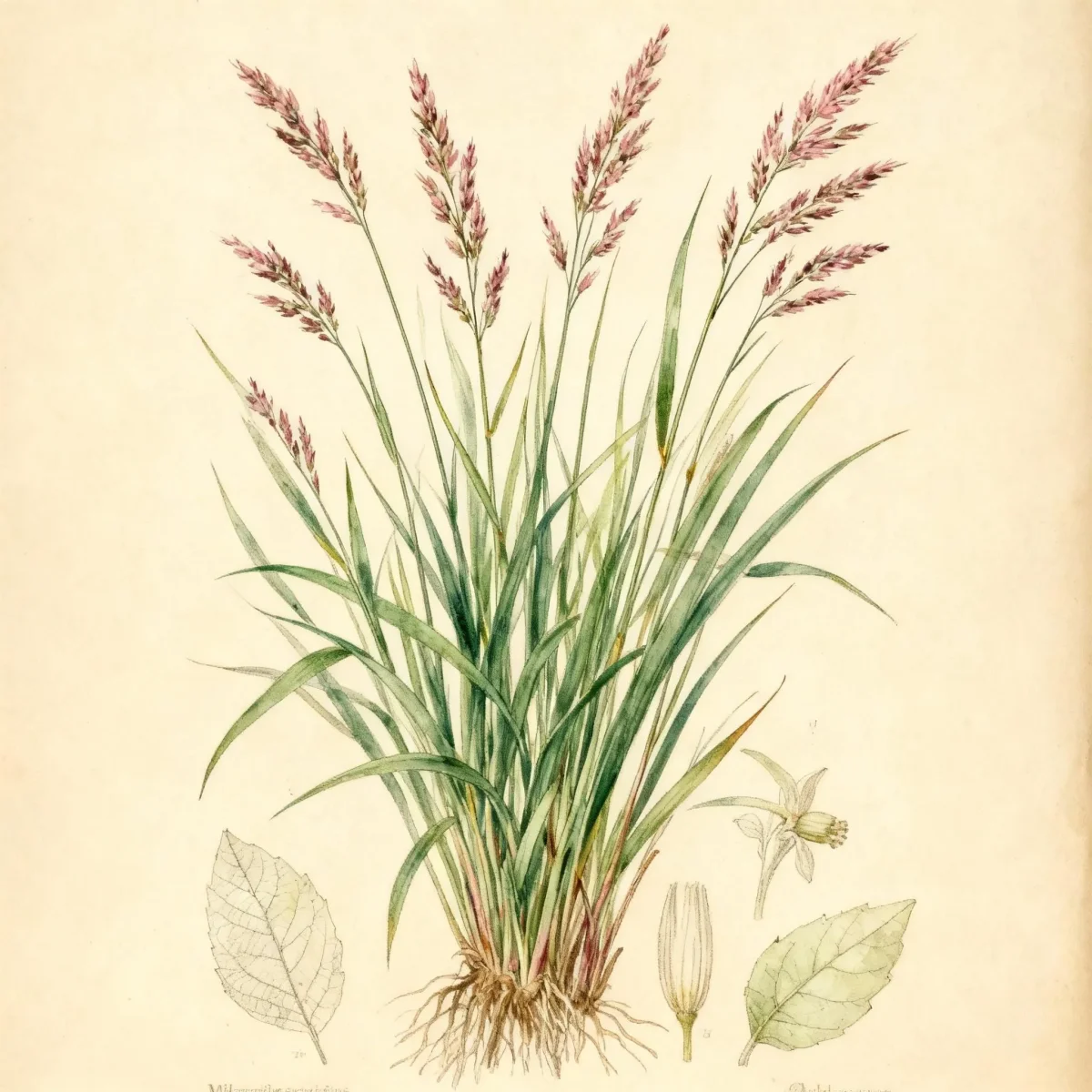
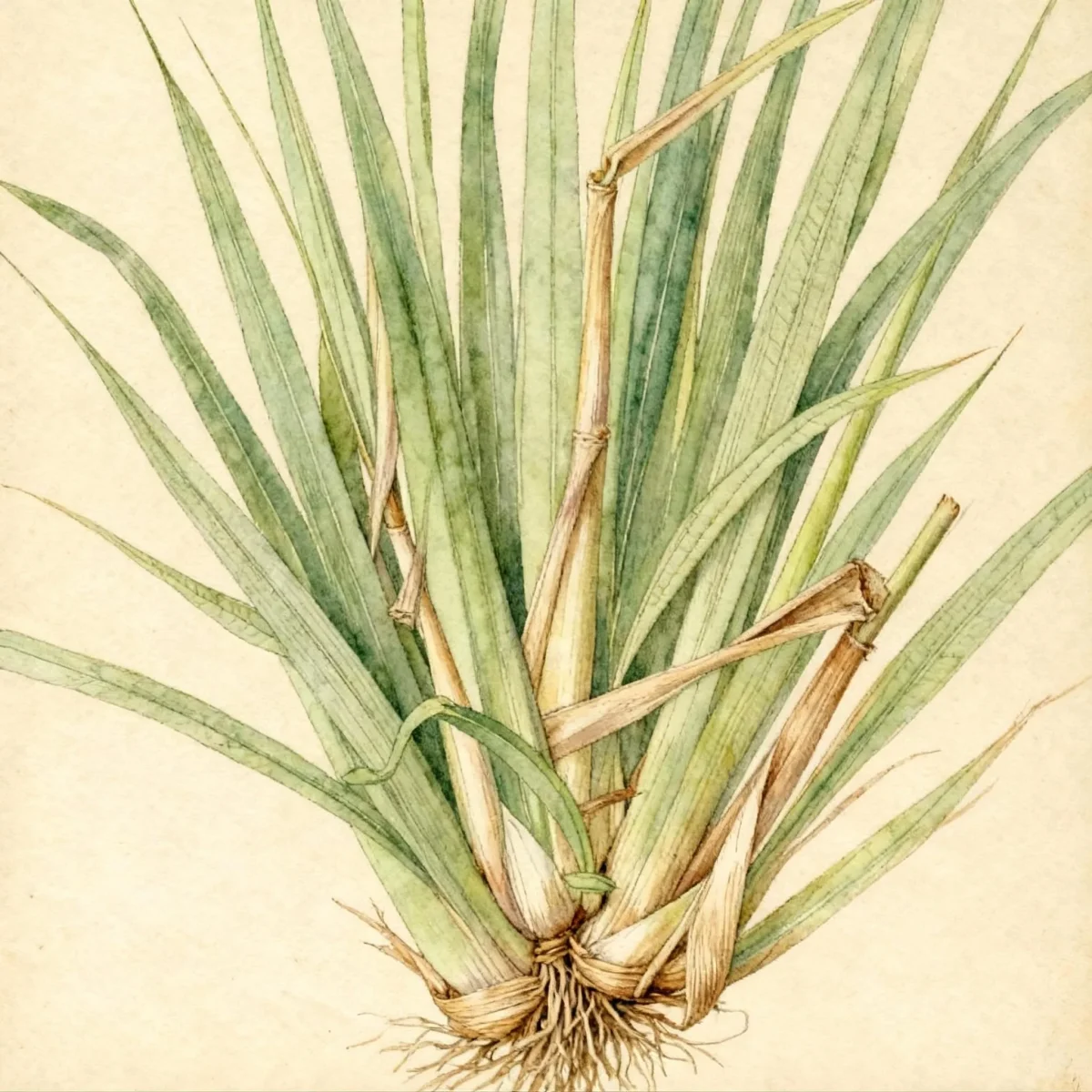
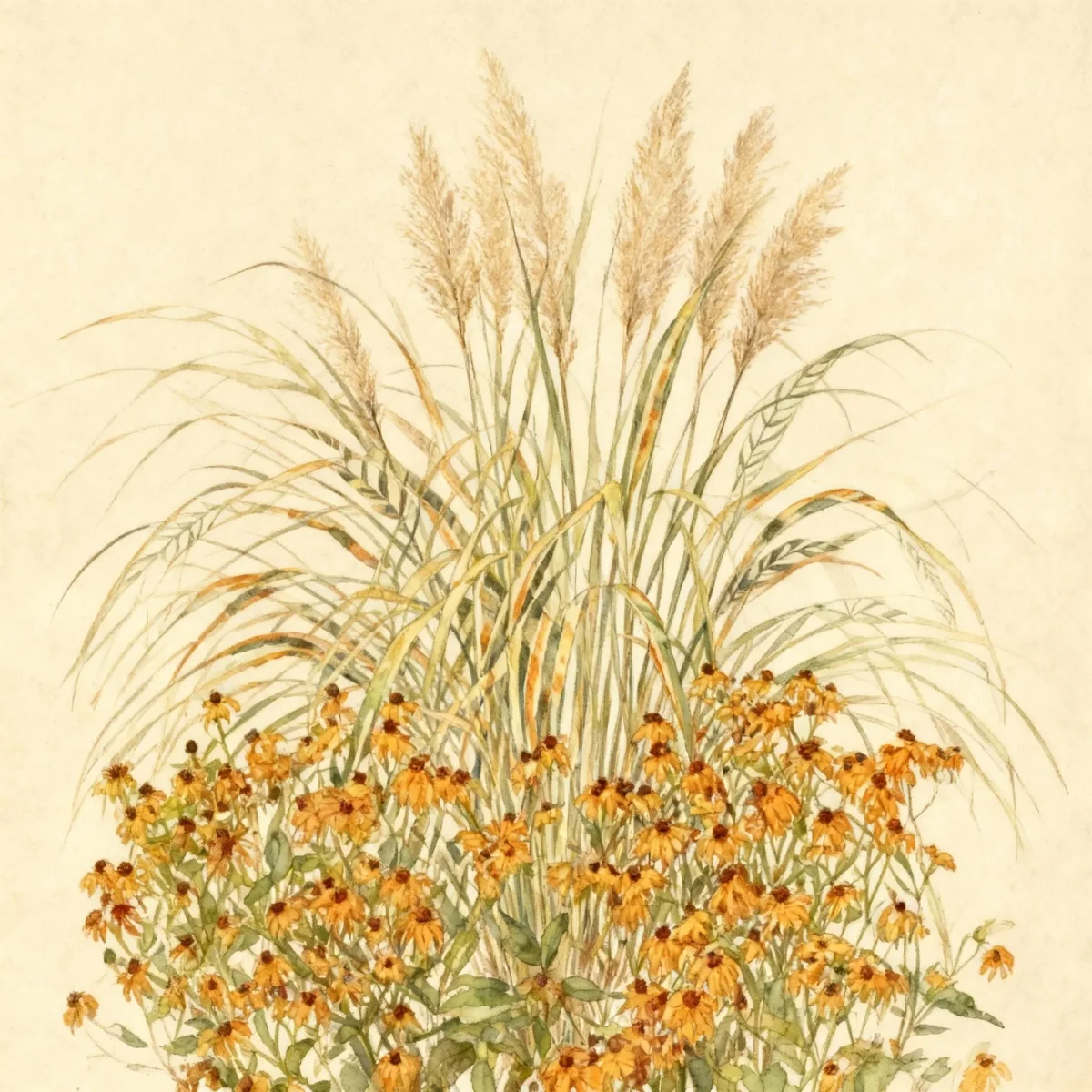
Elephant grass (Pennisetum purpureum 'Princess')
Pennisetum purpureum 'Princess' (Elephant grass) is a dwarf selection offering deep purple foliage, perfect for texture contrast. Hardy in Zones 8-10.
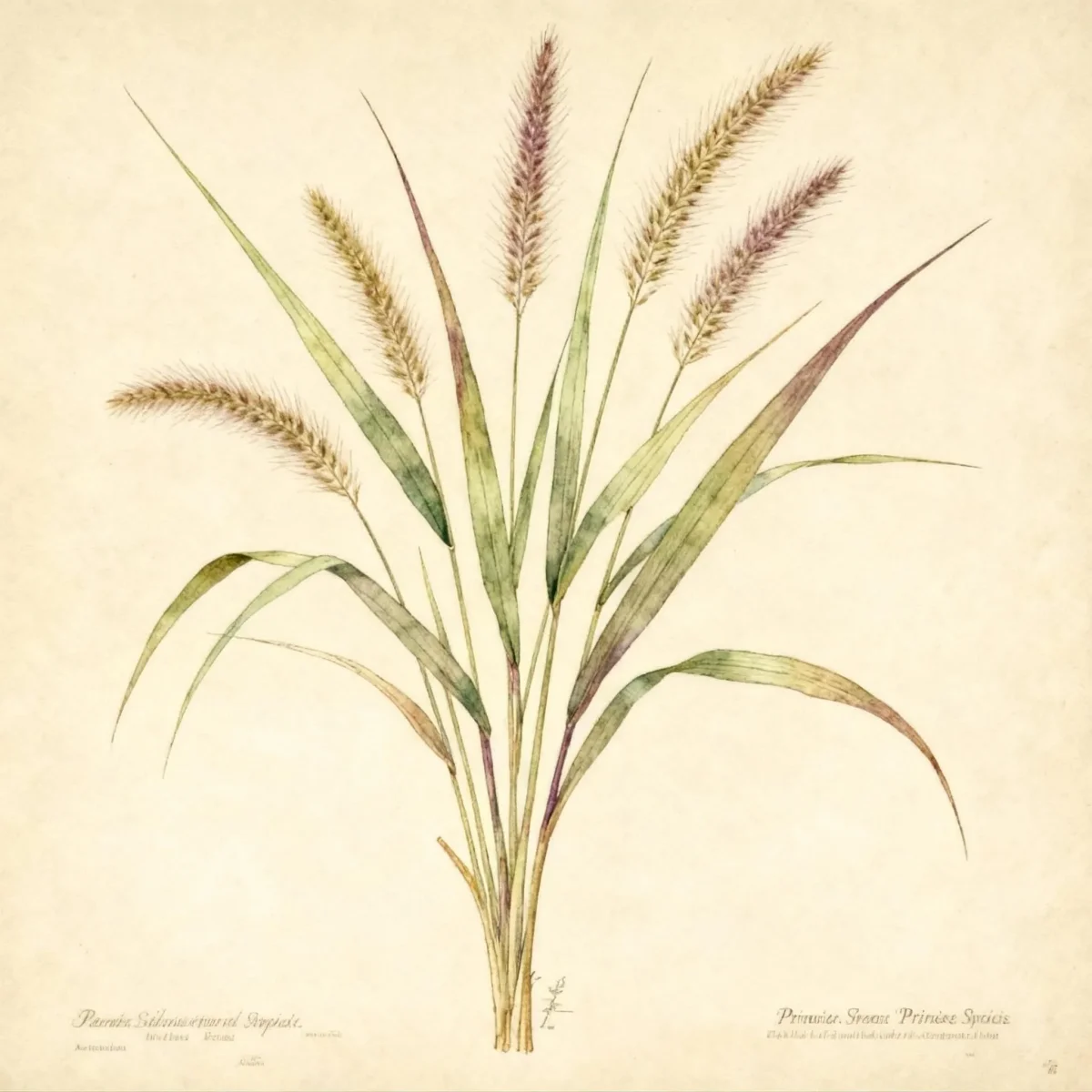

Bloom Boldly, No Matter the Season - Sweatshirt
Cozy organic cotton sweatshirt featuring our exclusive Purple Coneflower design. Perfect for gardeners who bloom year-round.
Inspired by the beautiful Elephant grass
Limited first batch (50) — join the waitlist for early access
Waitlist closes Feb 15, 2026.
Complete Plant Information
Field Guide Continues
Ready for care notes, companion picks, and planting tips?
The map is just the start. The full guide below covers growth habits, seasonal performance, and landscape uses.
Overview
Pennisetum purpureum ‘Princess’, widely recognized as Elephant grass, is a highly valued ornamental grass known for its vibrant, deep purple foliage and vigorous clumping habit. This dwarf selection of Napier grass provides outstanding vertical texture and color contrast in the garden landscape. Gardeners appreciate the speed with which this variety fills space during the growing season.
As a warm season tender perennial, Elephant grass thrives in full sun and requires consistent moisture to maintain its best appearance. While it is winter hardy only in USDA Zones 8 through 10, it is frequently grown as a fast-growing annual specimen further north. The dramatic coloring of the foliage is intensified by hot summer weather, making Pennisetum purpureum ‘Princess’ a dynamic feature plant.
Beyond aesthetics, this grass adds movement and architectural structure. However, gardeners in warmer zones (9-10) must be aware of the invasive potential of the species form due to self-seeding, although the ‘Princess’ cultivar may present fewer risks if it fails to flower reliably.
Fast Facts
- Plant Family: Poaceae
- Plant Type: Ornamental grass
- Hardiness Zones: USDA Zones 8-10
- Size at Maturity:
- Height: 2-3 ft
- Spread: 2-3 ft
- Bloom Time: October
- Sun Exposure: Full sun
- Water Needs: Medium
- Maintenance Level: Medium
How to Grow
For optimal establishment, plant Pennisetum purpureum ‘Princess’ after all danger of frost has passed, preferably in late spring or early summer to maximize its growing season. This selection performs best in well-drained soils that remain consistently moist. Because it requires full sun exposure to develop its best purple coloration, select a site that receives all-day light. Dig generously sized holes for planting, ensuring the crowns are set at the same level as they were in their nursery containers.
Watering is crucial, especially during establishment and throughout hot, dry periods. This Elephant grass prefers medium water; do not allow the soil to completely dry out. While fertilizer might encourage faster growth, rich soils are not strictly necessary, provided moisture levels are maintained. Taller clumps, even at the 3-foot height of the ‘Princess’ cultivar, may benefit from staking if placed in very windy locations.
For gardeners outside Zones 8-10 wanting to overwinter their Pennisetum purpureum ‘Princess’, the process involves careful timing. In the fall, before a hard freeze, the plants can be dug up, trimmed back significantly, and stored indoors or in a greenhouse in a cool, bright location. Many enthusiasts, however, find it simpler and more economical to treat this stunning grass as a reliable annual and purchase new plants each subsequent spring.
Landscape Uses
As an outstanding specimen plant, Pennisetum purpureum ‘Princess’ provides immediate, bold texture against softer, lower-mounding perennials or foundational plantings. It excels when massed in groups for an impactful band of color along walkways or property lines. Because of its manageable 2-3 foot height and spread, it works exceptionally well near patios or as an accent piece in containers where its arching purple blades offer season-long visual interest.
When used as an annual in colder regions, treat it similarly to a tropical accent. Pair the dark foliage of Elephant grass with bright, hot-colored annuals like calibrachoa or zinnias for maximum color pop during summer. Ensure any siting in Zones 9 or 10 considers the potential for the wider species to self-seed invasively, keeping plants away from naturalized areas if possible.
Standout Features
Noteworthy Characteristics
Pennisetum purpureum, often commonly called napier grass, cane grass or elephant grass, is a large, tender perennial grass native to tropical and sub-Saharan Africa but has been widely introduced to tropical and subtropical regions around world as a forage crop and ornamental grass. ‘Princess’ is a dwarf selection of napier grass that features purple foliage and a vigorous growth habit, maturing around 3’ tall with a similar arching spread. The arching, narrowly lanceolate foliage can reach $1.5-2’$ long and around $1”$ wide, with the purple coloration deepening in hot summer temperatures.
Tolerances
- Black Walnut
- Air Pollution
Potential Problems
Elephant grass generally exhibits few serious insect or disease issues under typical garden conditions. If problems do arise, they are usually related to cultural issues, such as overly wet, poorly draining soil leading to root rot, especially in winter. Ensure excellent drainage, particularly for overwintering clumps. Monitoring for general grass pests is wise, but this cultivar is known for its hardiness once established in its preferred warm climate.
Frequently Asked Questions
What hardiness zones is Elephant grass suitable for?
Pennisetum purpureum ‘Princess’ is winter hardy in USDA Zones 8 through 10. North of Zone 8, it is best treated as an annual.
How large does Elephant grass grow?
Mature Pennisetum purpureum ‘Princess’ typically reaches heights between 2 and 3 feet, with a similar spread of 2 to 3 feet, forming a dense, arching clump.
What sun exposure does Pennisetum purpureum ‘Princess’ need?
This ornamental grass requires full sun exposure to achieve the best growth rate and to enhance the intensity of its attractive purple foliage color.
When does Elephant grass bloom?
Bloom time is listed as October, though in cooler portions of its range, like the St. Louis area, plants may freeze and die before inflorescences develop.
Conclusion
Pennisetum purpureum ‘Princess’ offers exceptional architectural structure and rich, dark color, making it an indispensable ornamental grass for summer interest. Whether used as a dramatic short statement plant or a reliable annual specimen north of Zone 8, this Elephant grass variety performs best with full sun and consistent, medium water. Always confirm local USDA zone compatibility before establishing this plant as a perennial in your landscape design.
Companion Planting
When designing borders or mixed beds featuring Pennisetum purpureum ‘Princess’, choose companions that share its preference for full sun and medium moisture. Brightly colored annuals, such as deep gold or orange zinnias, marigolds, or petunias, complement the dark purple foliage beautifully, creating striking color juxtapositions. For a perennial setting in Zones 8-10, consider pairing it with drought-tolerant, sun-loving Mediterranean plants like Gaura or low-growing Sedum, provided they do not mind slightly more moisture than their typical preference.
Design Ideas for Foliage Focus
Since the primary appeal of Pennisetum purpureum ‘Princess’ is its year-round color and texture, focus design around contrast rather than bloom time. Utilize its clean, upright mound to break up flat planes of low groundcover or to define corners in modern landscaping. Place it against light-colored walls or fences, which help reflect light and intensify the purple hue. For a dynamic effect, plant groups of three or five ‘Princess’ specimens adjacent to fine-textured, lighter green grasses, allowing the two textures to harmonize while the color remains distinct.