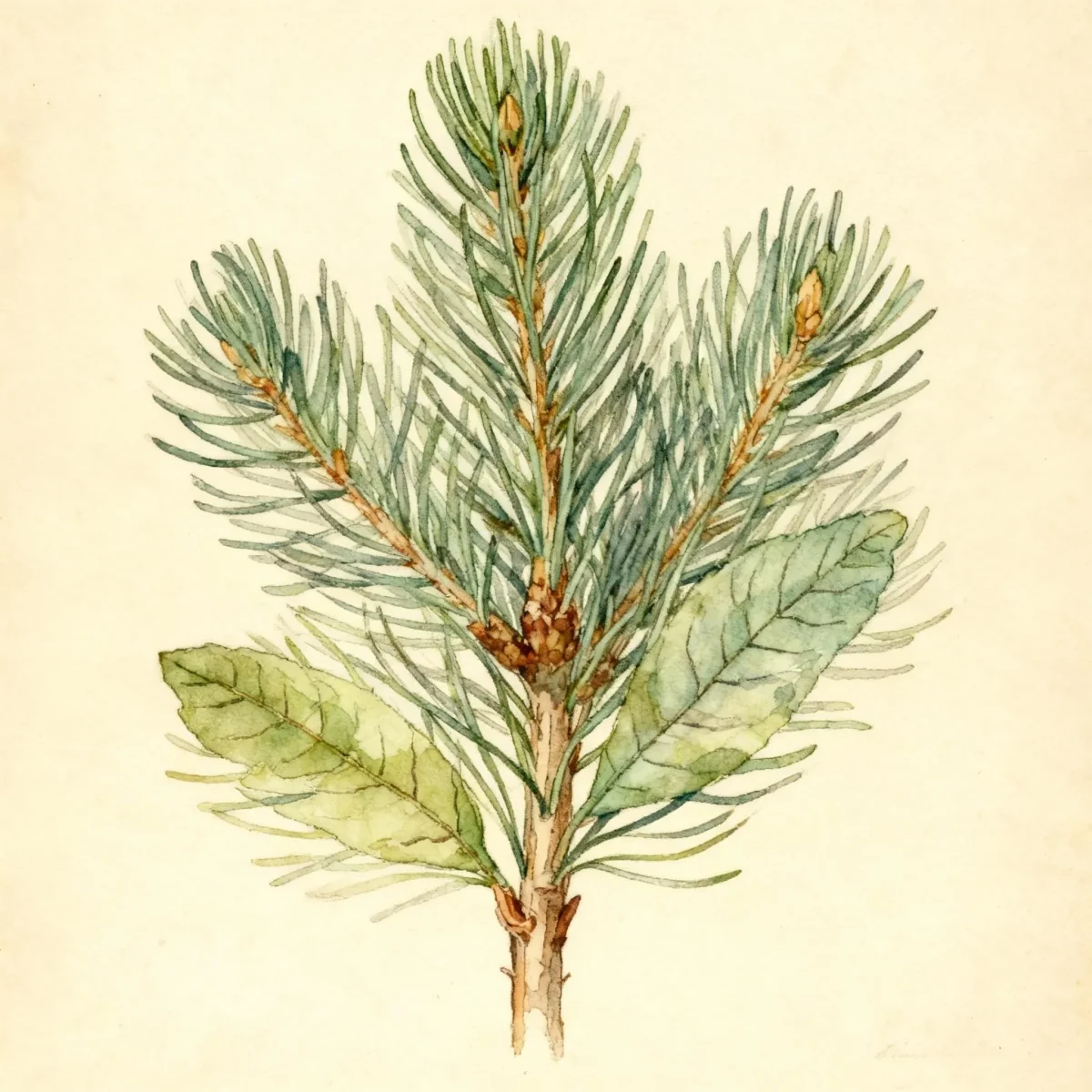
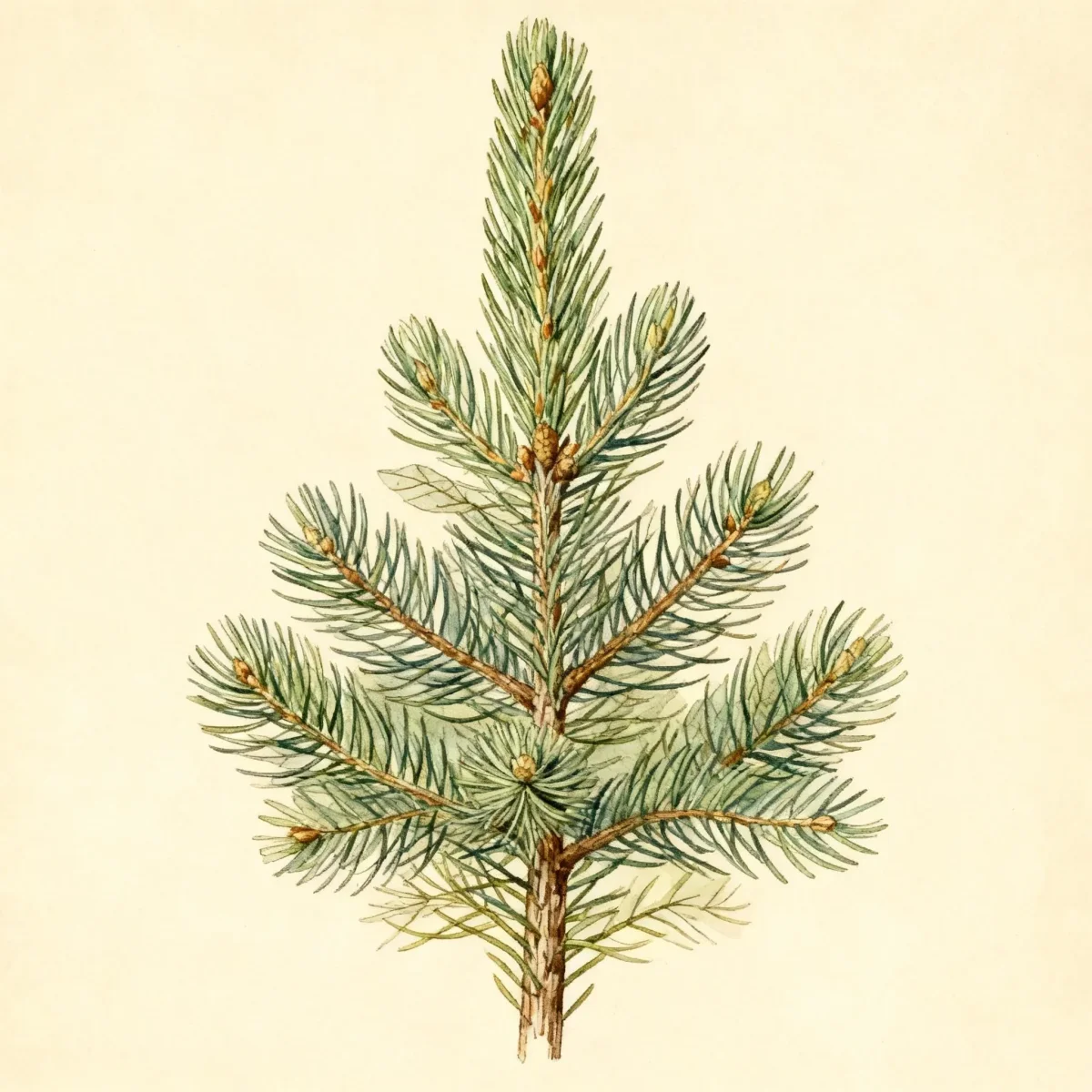
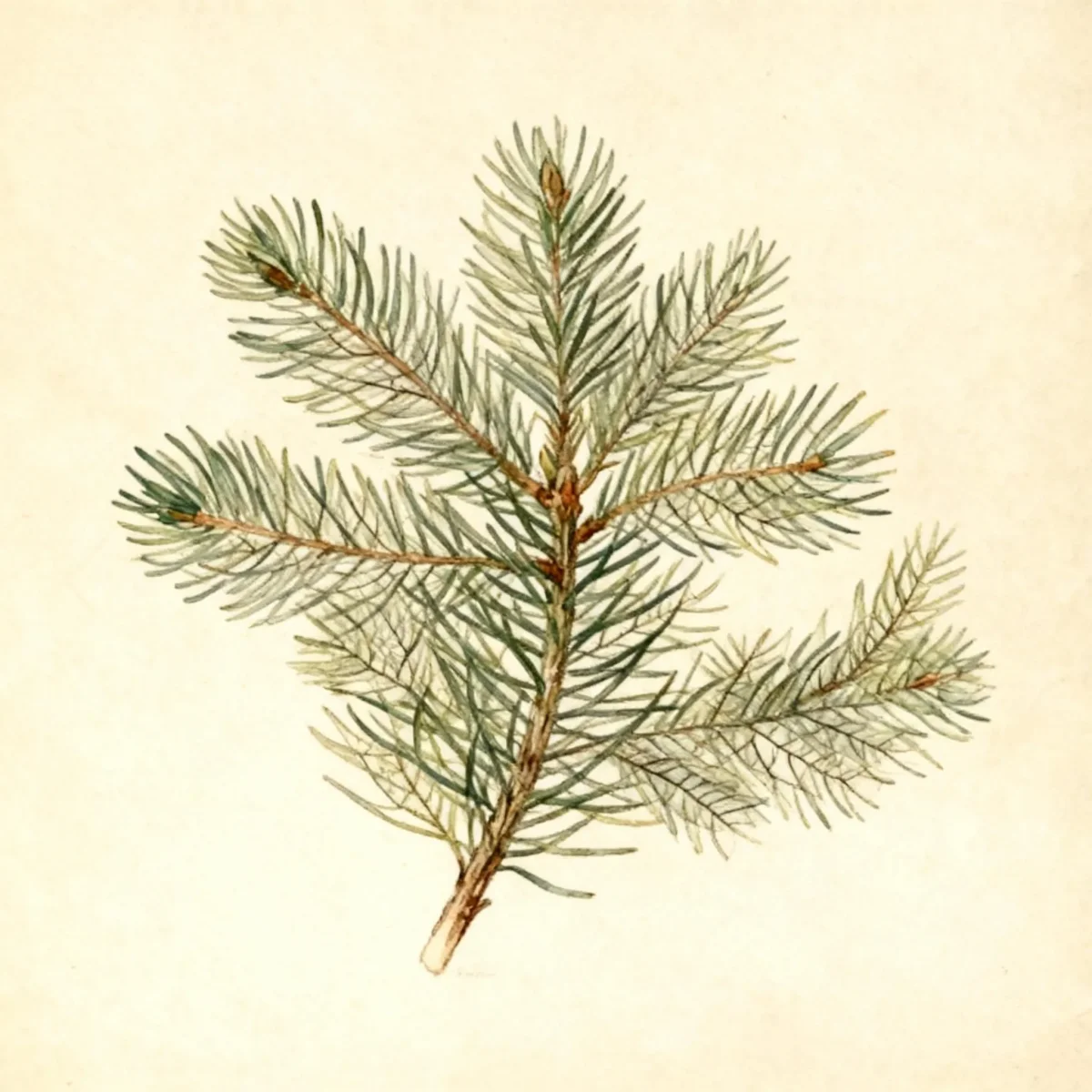
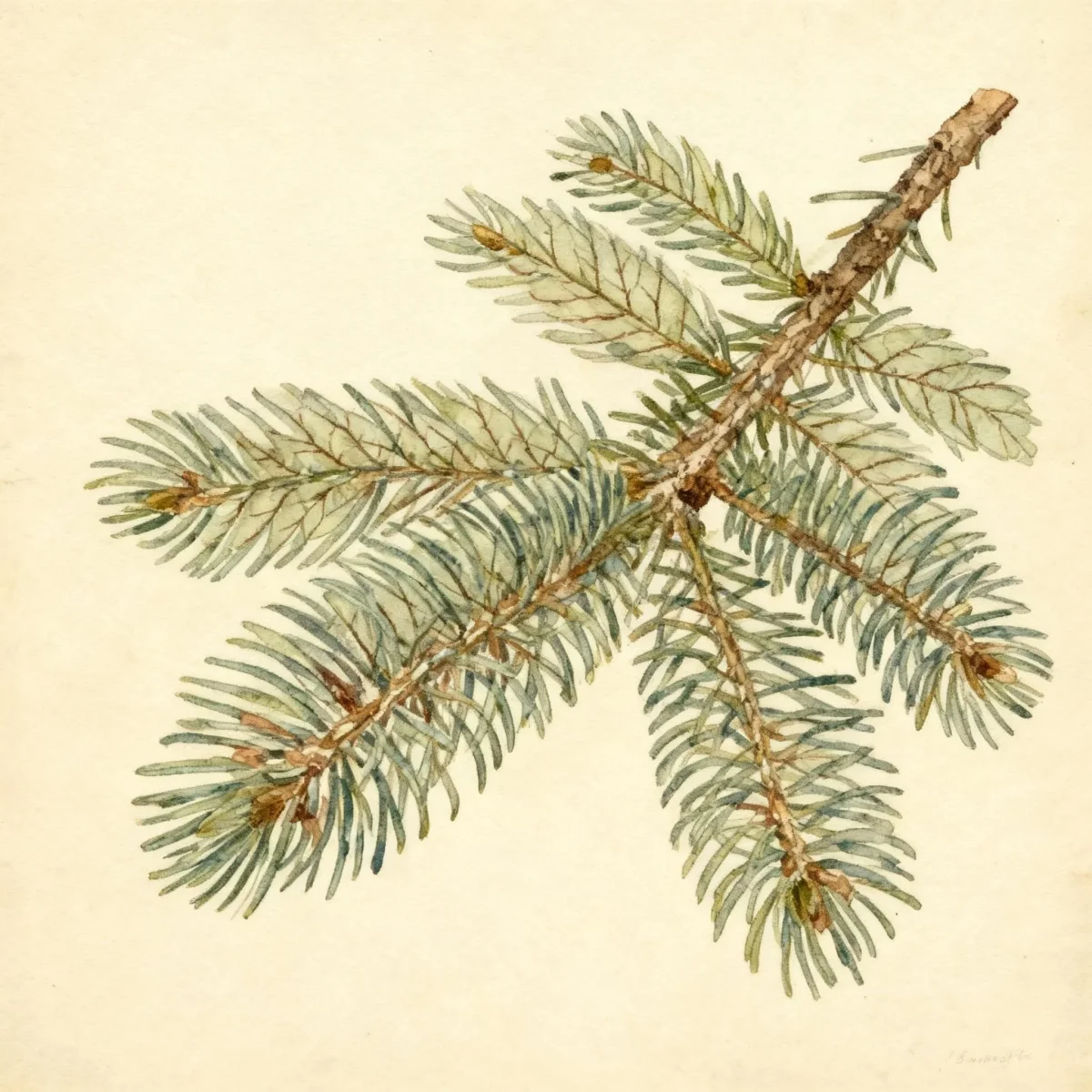
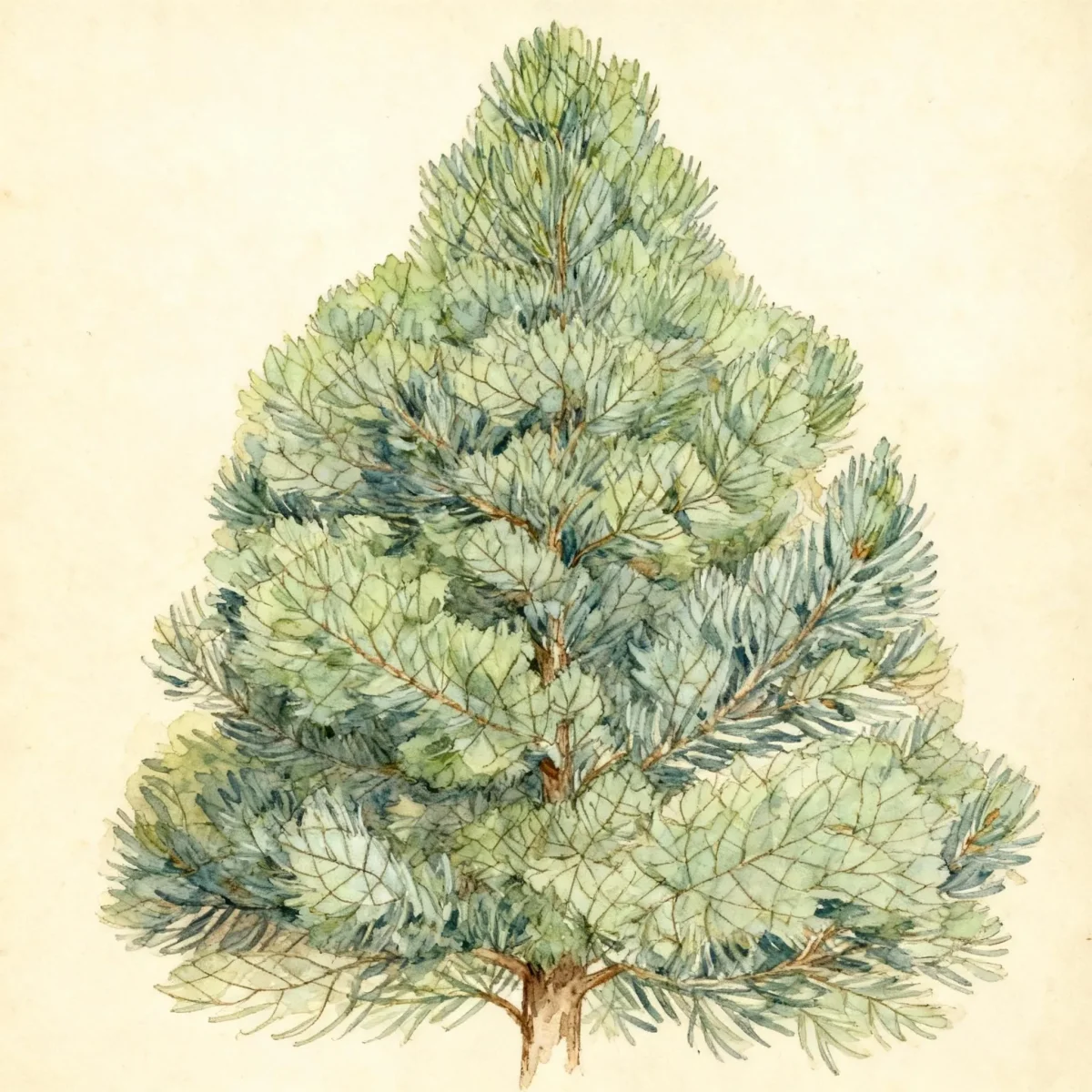
White spruce (Picea glauca 'Pendula')
Discover Picea glauca 'Pendula', a hardy, narrow weeping White spruce with blue-green needles suitable for Zones 2-6.

Bloom Boldly, No Matter the Season - Sweatshirt
Cozy organic cotton sweatshirt featuring our exclusive Purple Coneflower design. Perfect for gardeners who bloom year-round.
Inspired by the beautiful White spruce
Limited first batch (50) — join the waitlist for early access
Waitlist closes Feb 15, 2026.
Complete Plant Information
Field Guide Continues
Ready for care notes, companion picks, and planting tips?
The map is just the start. The full guide below covers growth habits, seasonal performance, and landscape uses.
Overview
Picea glauca ‘Pendula’, often referred to as weeping white spruce, offers dramatic architectural interest to the landscape due to its striking pendulous branching habit. This cultivar of the native White spruce maintains a narrow, conical shape, making it an excellent vertical accent where space is limited compared to broader cultivars. Its dense blue-green needles, highlighted by a slight whitish bloom, provide year-round color and texture.
This variety is prized for its extreme hardiness, thriving particularly well in cold winter climates with cooler summers. While the species Picea glauca is widespread across the boreal forest, the ‘Pendula’ form requires careful siting to ensure its best performance and longevity in the garden setting. It is a slow-growing, visually impactful evergreen structure.
For gardeners seeking reliable, low-maintenance screening or a powerful specimen tree, the narrow silhouette of the Picea glauca ‘Pendula’ provides elegance without overwhelming large areas. Its suitability for northern climates ensures that its dramatic weeping form remains intact through harsh winters.
Fast Facts
- Plant Family: Pinaceae
- Plant Type: Needled evergreen
- Hardiness Zones: USDA Zones 2-6
- Size at Maturity:
- Height: 12-40 ft
- Spread: 5-8 ft
- Bloom Time: Non-flowering
- Sun Exposure: Full sun
- Water Needs: Medium
- Maintenance Level: Low
How to Grow
The optimal time to plant your Picea glauca ‘Pendula’ is in spring or early fall, allowing the root system to establish before extreme temperature fluctuations. Ensure it is sited in a location that receives full sun, though it can tolerate some light shade. The most crucial soil requirement for the White spruce is that it must be moist and exceptionally well-drained; avoid heavy clay or poorly aerated spots.
Watering should be consistent, especially during the first few years, to maintain medium moisture levels; established trees are fairly drought-tolerant but appreciate supplemental water during prolonged dry spells. Good air circulation is vital for this dense evergreen; site it where air moves freely to help dry the foliage, reducing conditions that might encourage fungal issues. Fertilizing is rarely necessary unless the soil is severely depleted.
Be aware that Picea glauca ‘Pendula’ has limitations regarding environmental stress. It is somewhat intolerant of urban pollution and salt spray, making it poorly suited for roadside plantings or coastal environments. Furthermore, this hardy conifer will struggle in the high heat and humidity typical of regions south of USDA Zone 6, such as the deep Eastern U.S. South.
Pruning should be minimal, focusing only on removing dead or damaged wood, or gently training the central leader if needed to maintain the desired upright, weeping structure. Avoid heavy shearing, which can spoil the natural form of this beautiful White spruce cultivar.
Landscape Uses
The weeping habit and narrow footprint of Picea glauca ‘Pendula’ make it an exceptional specimen plant, acting as a strong vertical anchor in formal or informal garden designs. Its texture and coloring contrast beautifully when placed near broadleaf deciduous shrubs or fine-textured Japanese maples. Due to its relatively contained spread, it fits well near entryways or in smaller foundation plantings where a standard spruce would be too bulky.
This narrow conifer also excels when used strategically as a focal point in mixed evergreen borders, offering architectural interest throughout the winter months. While the species can form windbreaks, the ‘Pendula’ cultivar is generally too narrow and slow-growing to serve effectively as a full-scale screen, but it can function well as a strong, dense backdrop accent.
When designing around your weeping white spruce, ensure companion plants share its preference for cool summers and well-drained soil to guarantee a harmonious planting scheme.
Standout Features
Noteworthy Characteristics
Picea glauca, commonly called white spruce, is an extremely hardy evergreen conifer native across North America’s boreal regions. The ‘Pendula’ cultivar is specifically noted for its conical to pyramidal shape, featuring an upright central leader and secondary branches dramatically sweeping downward, often draping to the ground. This slow-growing specimen displays striking blue-green needles that have a whitish bloom, creating textural interest year-round.
Tolerances
- Deer
Potential Problems
While Picea glauca ‘Pendula’ generally proves an extremely hardy tree without serious insect or disease issues in its preferred zones, growers must remain vigilant regarding specific threats. It can be susceptible to needle and stem rust, canker, and, in wet soils, trunk and root rot. Mites are a recurring concern; repeated infestations can significantly injure the needles and overall health of the White spruce.
Pests such as the yellow-headed spruce sawfly, spruce budworm, and eastern spruce beetle can cause sporadic damage, particularly when the tree is stressed. For urban gardeners, remember that this cultivar shows low tolerance for air pollutants and salt spray, which will lead to decline.
To mitigate problems, ensure planting sites offer excellent soil drainage and good air movement. Regularly inspect foliage for early signs of mites and treat promptly, and maintain proper soil pH and moisture balance to keep the tree vigorous against opportunistic pathogens.
Frequently Asked Questions
What hardiness zones is White spruce suitable for?
Picea glauca ‘Pendula’ is remarkably cold-hardy, thriving in USDA Zones 2 through 6.
How large does Picea glauca ‘Pendula’ grow?
This weeping cultivar typically reaches a mature height between 12 and 40 feet tall, maintaining a narrow profile with a spread of 5 to 8 feet wide.
What sun exposure does White spruce need?
This needled evergreen performs best when exposed to full sun, although it can tolerate small amounts of light shade during the day.
When does Picea glauca ‘Pendula’ bloom?
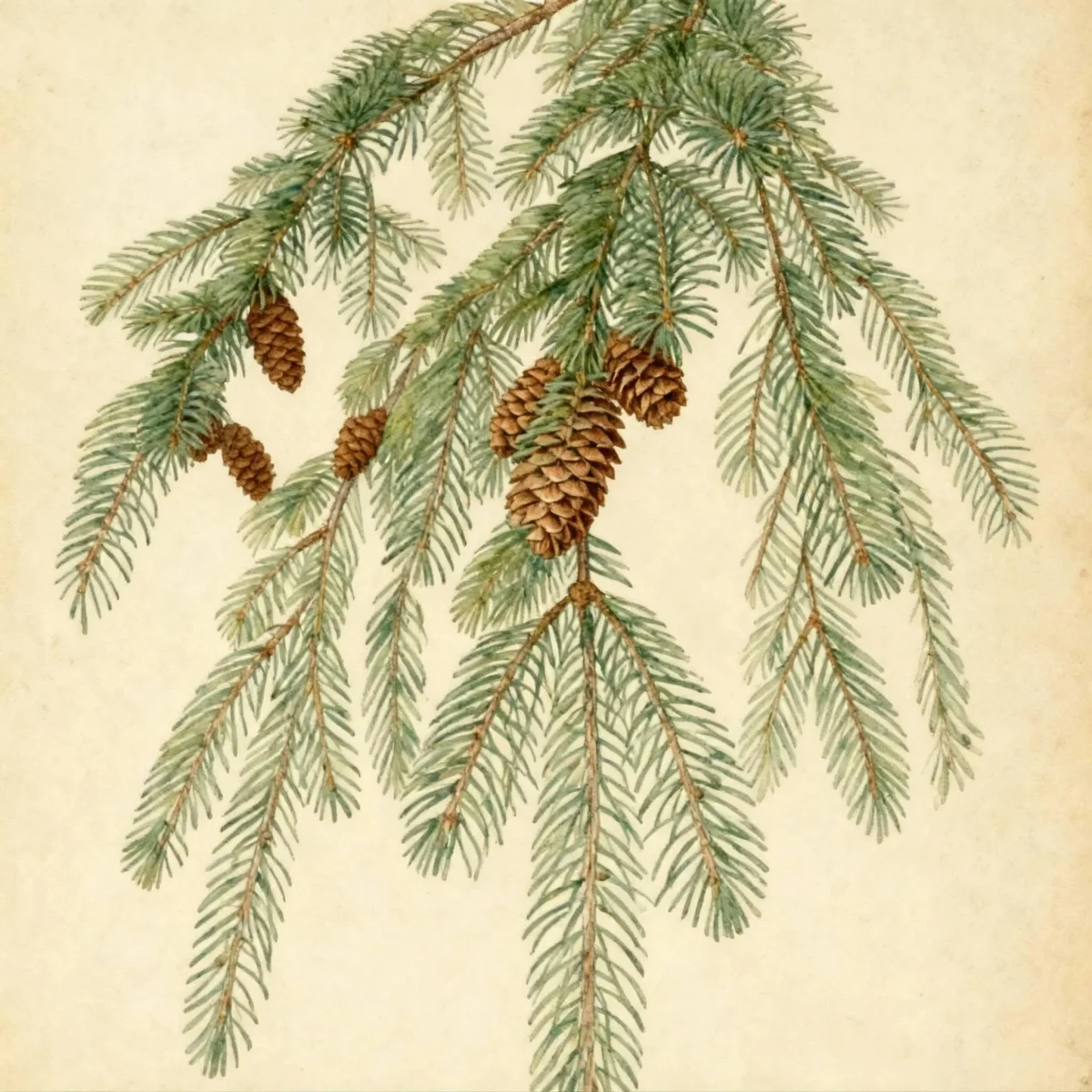
As a conifer, Picea glauca ‘Pendula’ is non-flowering; it reproduces via small, cylindrical cones rather than traditional flowers.
Conclusion
The Picea glauca ‘Pendula’ offers gardeners a sophisticated, narrow accent defined by its distinctly weeping, blue-green foliage. Its exceptional hardiness makes this White spruce an excellent choice for colder landscapes seeking year-round structure. Always confirm your local climate matches USDA Zones 2-6 compatibility before integrating this valuable Picea glauca ‘Pendula’ into your permanent planting scheme.
Companion Planting
Selecting appropriate nearby plants is crucial for maintaining the long-term health of Picea glauca ‘Pendula’. Since this conifer prefers cooler, moist conditions and well-drained soil, look for companions that share these preferences rather than those that require dry, hot conditions. Incorporating low-growing, acid-loving shrubs like Azaleas or Rhododendrons nearby can work well, provided the drainage remains excellent beneath the spruce.
For ground cover or underplanting near the base, consider creeping perennials that appreciate partial shade or dappled sunlight, such as certain varieties of Hosta or low-growing Heuchera, which pair nicely with its fine needle texture. Avoid planting shallow-rooted species directly against the trunk that might compete aggressively for surface moisture.
Seasonal Care Calendar
Spring is the ideal time for a light application of balanced, slow-release fertilizer if soil tests indicate fertility is low, though this tree rarely requires significant feeding. Focus this season on inspecting new growth for pests like the spruce budworm before the needles fully expand. Summer care centers on consistent, deep watering during unexpected dry spells, ensuring the root zone remains adequately moist but never soggy.
Fall is an excellent time to mulch around the base of the Picea glauca ‘Pendula’ to help moderate soil temperature fluctuations heading into winter. Ensure the tree is well-hydrated going into winter dormancy. Winter care primarily involves checking for physical damage from heavy snow or ice loading, gently brushing off excessive accumulation to protect the weaker, weeping branches of your White spruce.