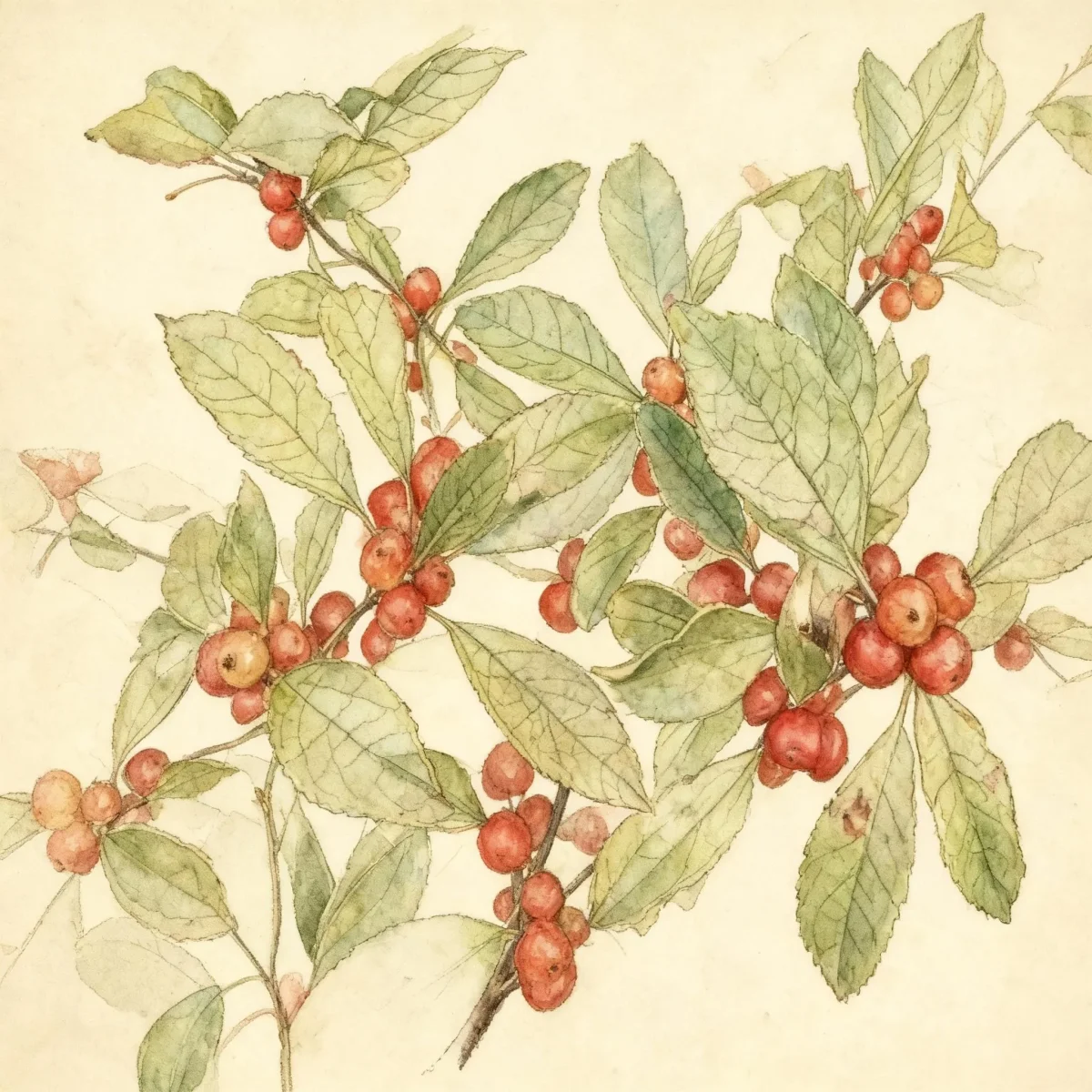
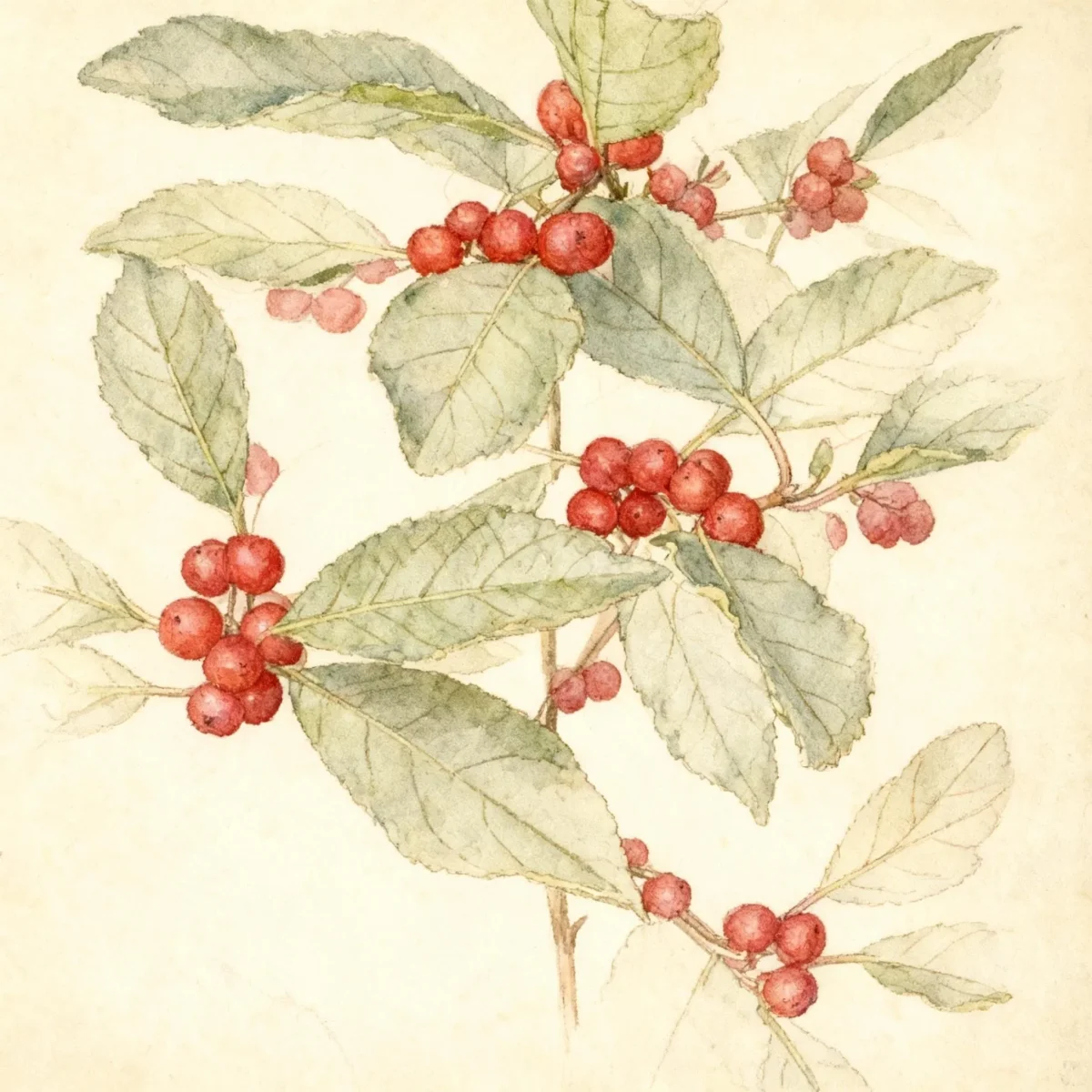
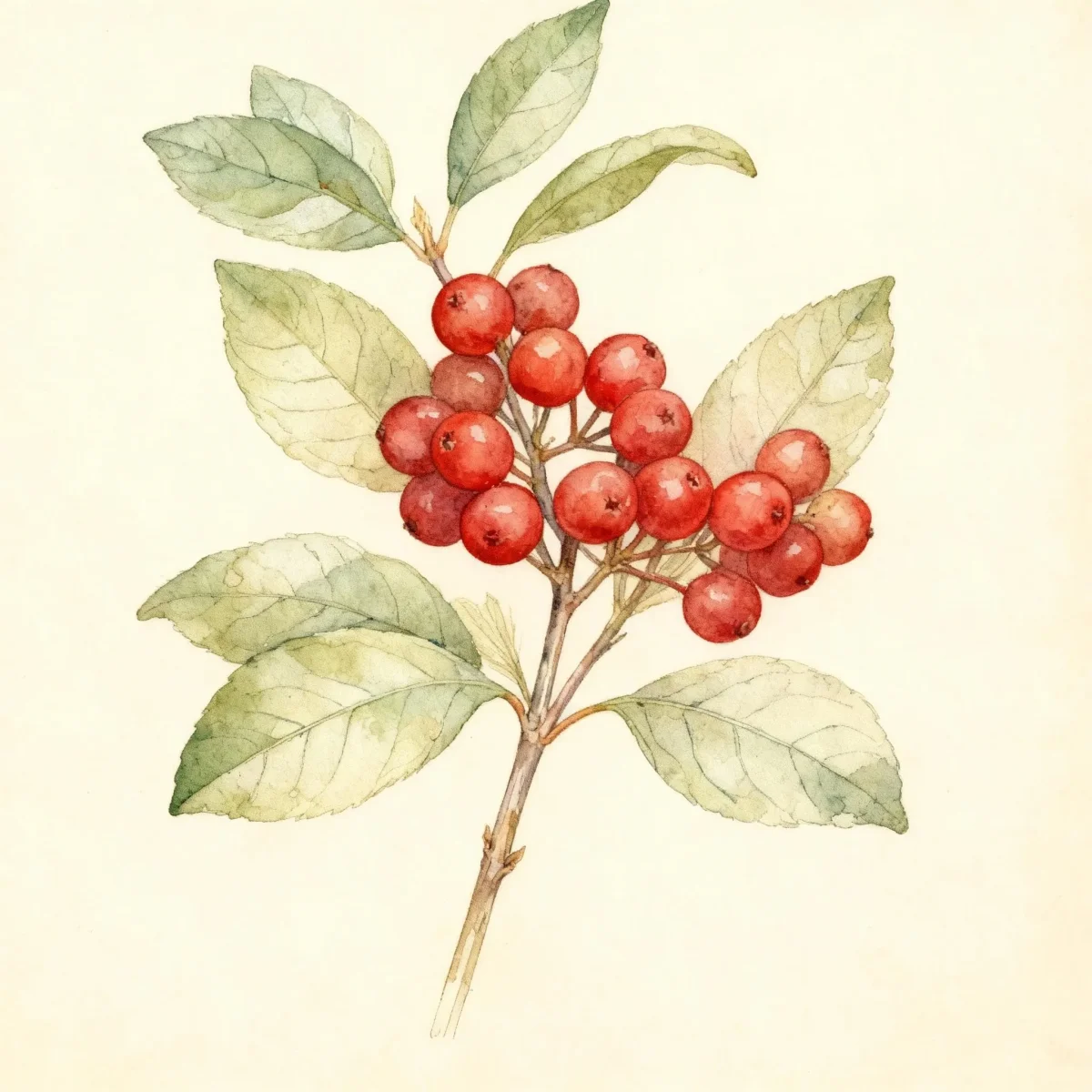
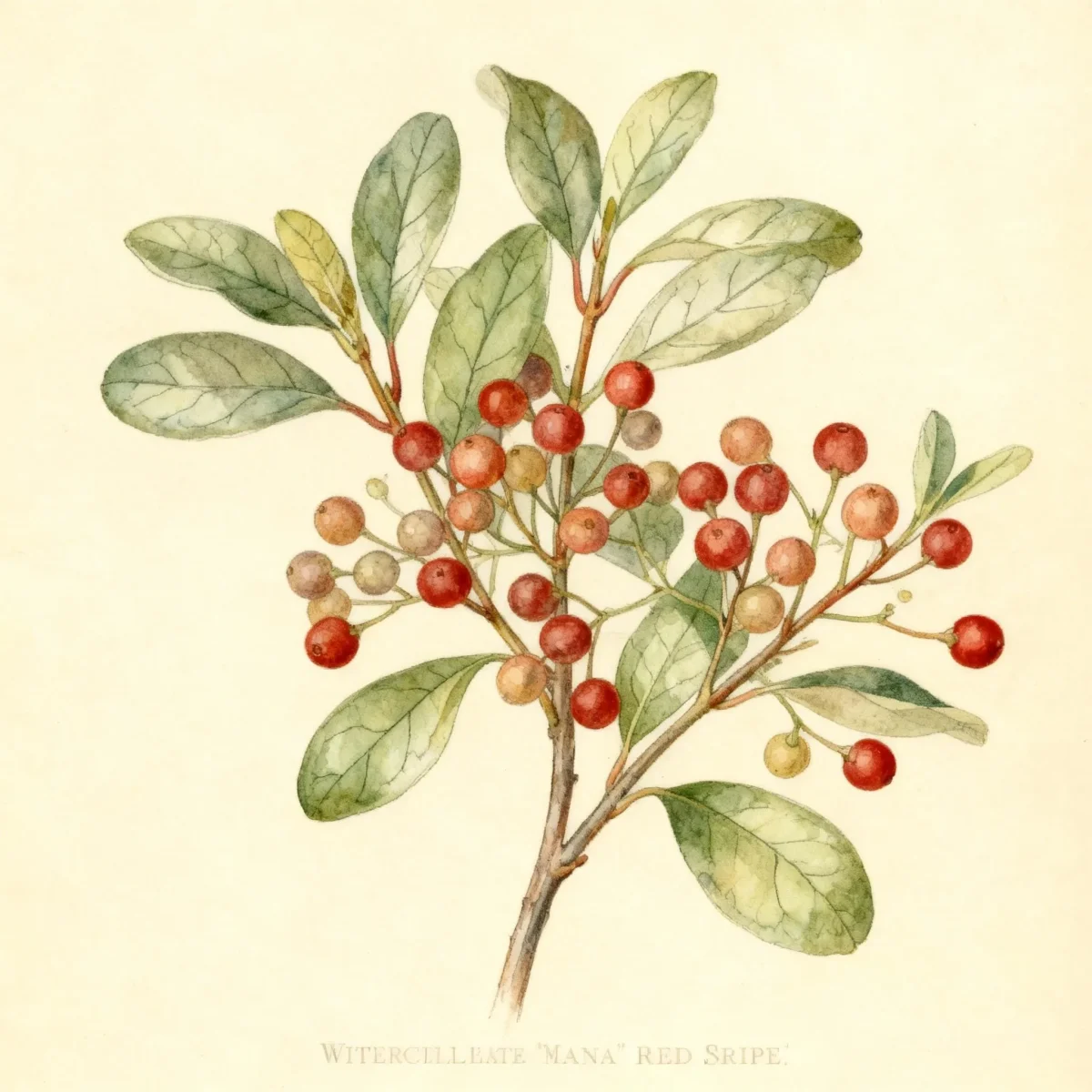
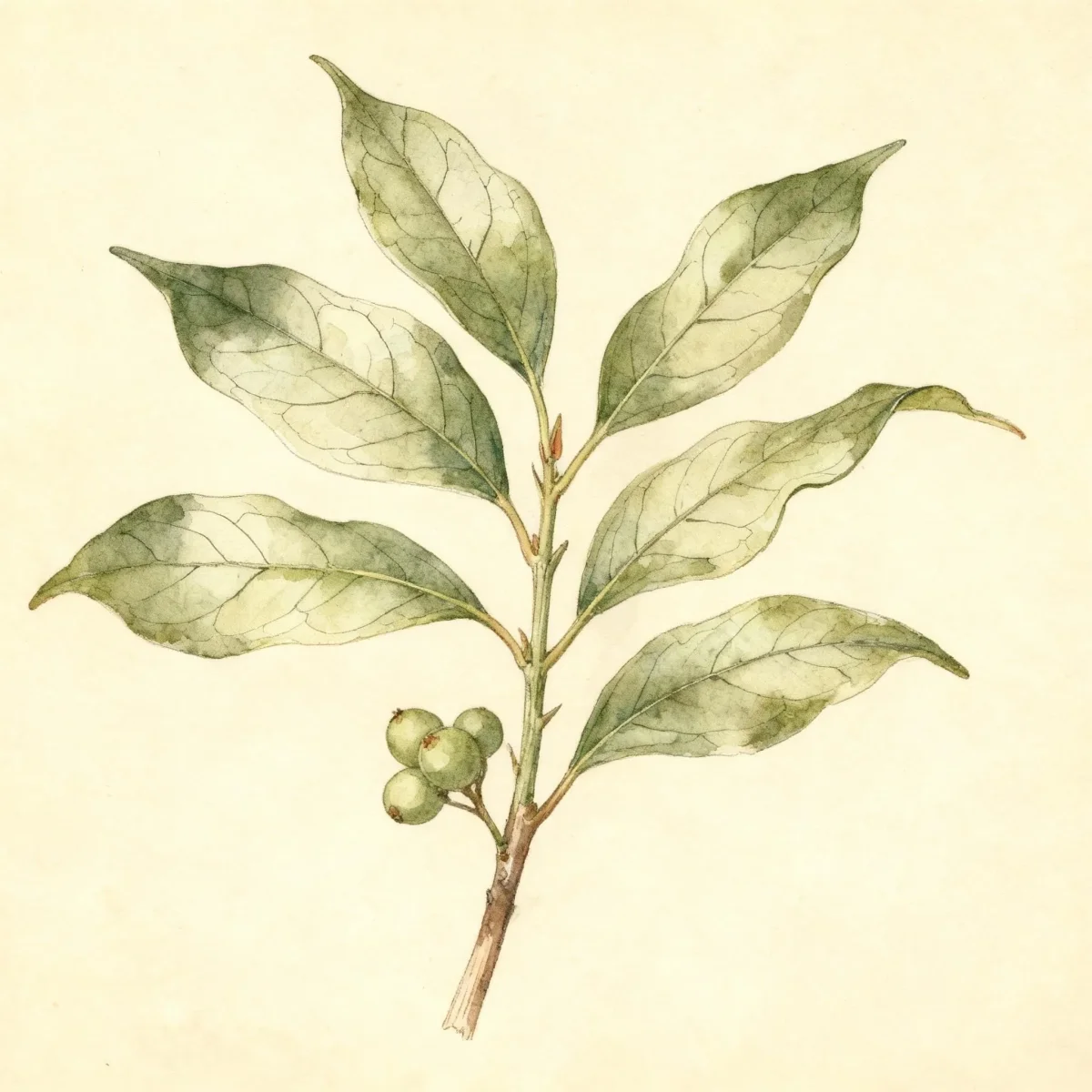
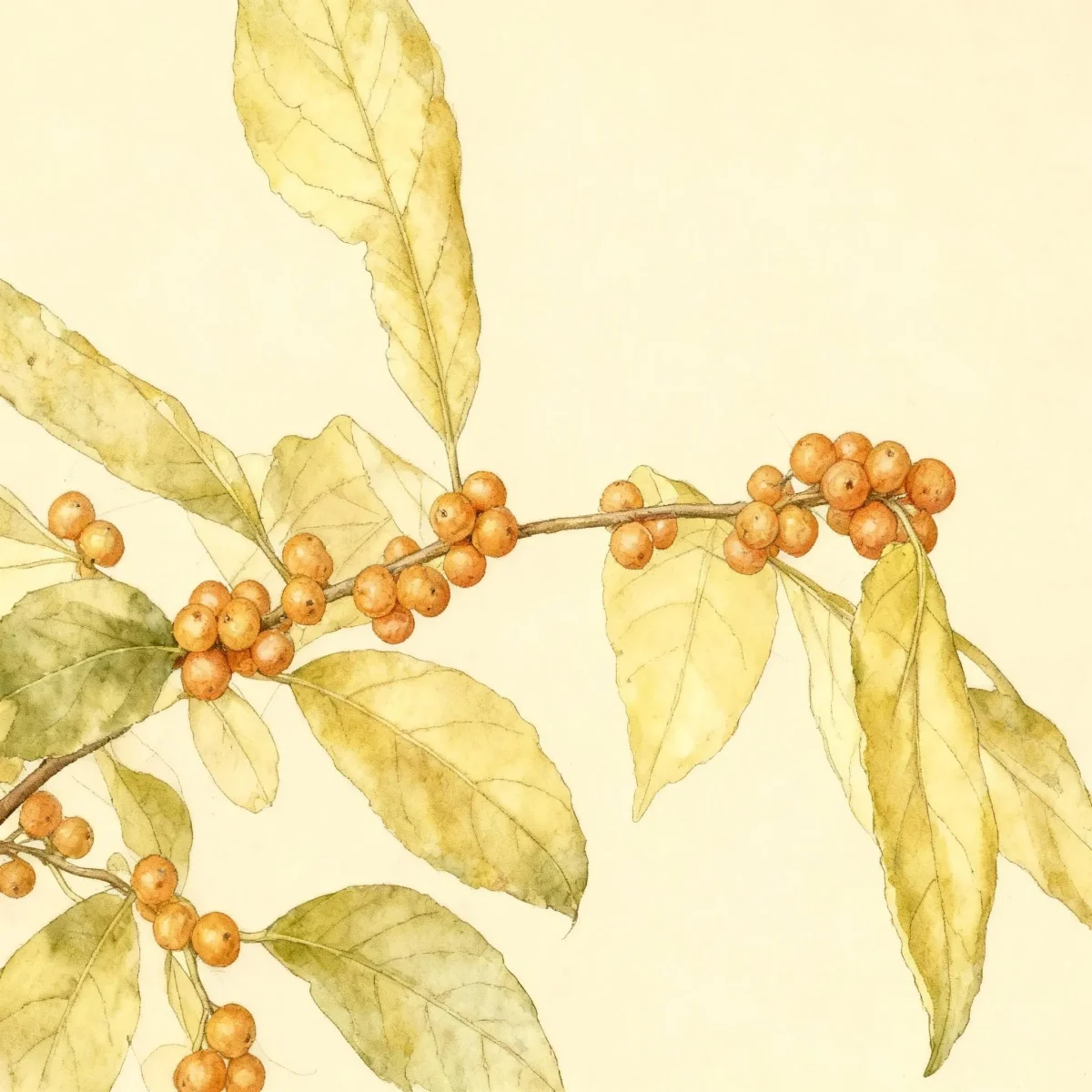
Winterberry (Ilex verticillata 'Maryland Beauty')
Ilex verticillata 'Maryland Beauty' is a low-maintenance female Winterberry prized for its dense, bright red winter berries.


Bloom Boldly, No Matter the Season - Sweatshirt
Cozy organic cotton sweatshirt featuring our exclusive Purple Coneflower design. Perfect for gardeners who bloom year-round.
Inspired by the beautiful Winterberry
Limited first batch (50) — join the waitlist for early access
Waitlist closes Feb 15, 2026.
Complete Plant Information
Field Guide Continues
Ready for care notes, companion picks, and planting tips?
The map is just the start. The full guide below covers growth habits, seasonal performance, and landscape uses.
Overview
The Winterberry, specifically the cultivar Ilex verticillata ‘Maryland Beauty’, is a spectacular deciduous holly celebrated for its ability to provide vibrant color long after the leaves have dropped. This shrub delivers unparalleled impact in the late fall and winter landscape, showcasing a dense display of bright red berries. As a female cultivar, Ilex verticillata ‘Maryland Beauty’ requires a nearby male pollinator to ensure a heavy crop each year.
This highly adaptable plant thrives in moist environments, making it an excellent choice for rain gardens or streamside plantings where many other shrubs struggle. Its low maintenance demands and native heritage enhance its appeal for sustainable gardening practices. Gardeners rely on this specific variety for its compact habit and excellent fruit retention throughout the coldest months.
While flowering is inconspicuous, the ultimate reward comes late in the season. The prolific nature of the red berries on Ilex verticillata ‘Maryland Beauty’ not only brightens the winter garden but also serves as a vital, high-energy food source for local avian wildlife.
Fast Facts
- Plant Family: Aquifoliaceae
- Plant Type: Deciduous shrub
- Hardiness Zones: USDA Zones 3-9
- Size at Maturity:
- Height: 5-7 ft
- Spread: 5-7 ft
- Bloom Time: May
- Bloom Description: Greenish-white
- Sun Exposure: Full sun to part shade
- Water Needs: Medium to wet
- Maintenance Level: Low
How to Grow
Planting should occur when the shrub is dormant, ideally in early spring or fall, ensuring adequate moisture is available immediately. Ilex verticillata ‘Maryland Beauty’ thrives in average, acidic soils, performing best when kept consistently moist, though it tolerates heavy clay and poorly drained, boggy conditions well. Full sun encourages the best fruit production, but it tolerates partial shade.
Maintenance is generally low once established. Water regularly, especially during dry spells, to maintain the preferred medium to wet soil conditions. Pruning is best performed in early spring right before new growth emerges. This is the ideal time to shape the shrub or remove any dead wood, ensuring cuts are made before the flowers—which appear on new wood—begin to set.
Crucially, remember that Ilex verticillata ‘Maryland Beauty’ is dioecious; it will only produce its signature red berries if successfully pollinated by an appropriate male Winterberry blooming concurrently (such as ‘Jim Dandy’). One male plant can service up to ten female shrubs. Avoid planting in neutral to alkaline soils, as this can lead to chlorosis and poor plant health.
Landscape Uses
Winterberry offers spectacular year-round interest, though its ultimate role is brightening the winter scene with persistent red fruit. It excels in functional planting solutions, making it an excellent specimen for rain gardens, where its tolerance for wet soil is fully utilized. Mass planting or grouping Ilex verticillata ‘Maryland Beauty’ along streams, ponds, or in low spots creates a dramatic sweep of winter color.
This shrub also serves well in informal screening or as a striking backdrop in mixed evergreen borders. Its multi-stemmed, upright-rounded habit allows it to function effectively as a naturalized hedge. Furthermore, cut branches laden with berries are highly valued for holiday and winter floral arrangements, bringing the landscape appeal indoors.
For the best fruit display, consider contrasting the deep red of Ilex verticillata ‘Maryland Beauty’ against groundcovers that offer year-round green structure, such as certain evergreen ferns or mosses, ensuring visibility even when snow is present.
Standout Features
Flower Qualities
- Insignificant
Fruit Qualities
- Showy
Noteworthy Characteristics
Ilex verticillata, commonly called winterberry, is a deciduous holly native to eastern North American swamps and damp thickets. This shrub is recognized for its upright-rounded habit and ability to sucker, forming colonies over time. The most celebrated trait is the crop of bright red berries (up to 3/8” diameter) resulting from successful pollination, which persist throughout winter, providing significant interest and wildlife sustenance. The foliage of ‘Maryland Beauty’ turns attractive yellow-bronze shades in the fall before dropping.
Tolerances
- Erosion
- Clay Soil
- Wet Soil
- Air Pollution
Potential Problems
This plant generally avoids serious insect or disease issues, contributing to its low maintenance profile. Occasional fungal concerns may include powdery mildew or minor leaf spots, particularly in humid or poorly ventilated areas. The most significant cultivation problem arises when soil pH is too high. Plants perform poorly in neutral to alkaline soils and quickly become susceptible to chlorosis, which results in leaf yellowing and often leads to premature decline or death. Ensure your soil remains distinctly acidic for optimal health.
Frequently Asked Questions
What hardiness zones is Winterberry suitable for?
Ilex verticillata ‘Maryland Beauty’ is reliably cold-hardy across USDA Zones 3 through 9.
How large does Winterberry grow?
This cultivar typically matures to a height and spread between 5 and 7 feet tall and wide.
What sun exposure does Ilex verticillata ‘Maryland Beauty’ need?
For the best performance and most abundant red berries, provide full sun exposure, although it will tolerate partial shade.
When does Winterberry bloom?
Flowering occurs in May, producing relatively inconspicuous greenish-white flowers on new growth.
Conclusion
The Ilex verticillata ‘Maryland Beauty’ offers robust color and structure that few other deciduous shrubs can match through the winter months. Its dense fruiting habit and tolerance for wet, challenging soils make this Winterberry invaluable for foundation plantings and naturalized areas alike. Assess your garden’s soil acidity and light conditions, and plan your purchase to include a compatible male pollinator for guaranteed success next winter.
Companion Planting
When integrating Ilex verticillata ‘Maryland Beauty’ into wet or moisture-retentive gardens, select companions carefully to complement its upright form and autumnal/winter display. Consider planting it near moisture-loving evergreens like certain Thuja cultivars or dwarf conifers that maintain structure during winter. For lower layers, plants that enjoy similar acidic, wet feet, such as cardinal flower (Lobelia cardinalis) or moisture-tolerant ornamental grasses, create excellent texture and seasonal contrast beneath the shrub’s berry-laden branches.
Wildlife Benefits
A major benefit of growing this native holly is the robust support it offers local fauna during the lean winter season. The persistent red berries are a crucial high-energy food source for a variety of songbirds, including robins, cedar waxwings, and mockingbirds, long after other fruits have been consumed. Furthermore, the leaves can serve as a larval food source for specific native moths, contributing to local biodiversity throughout the growing season before the fruit display commences.