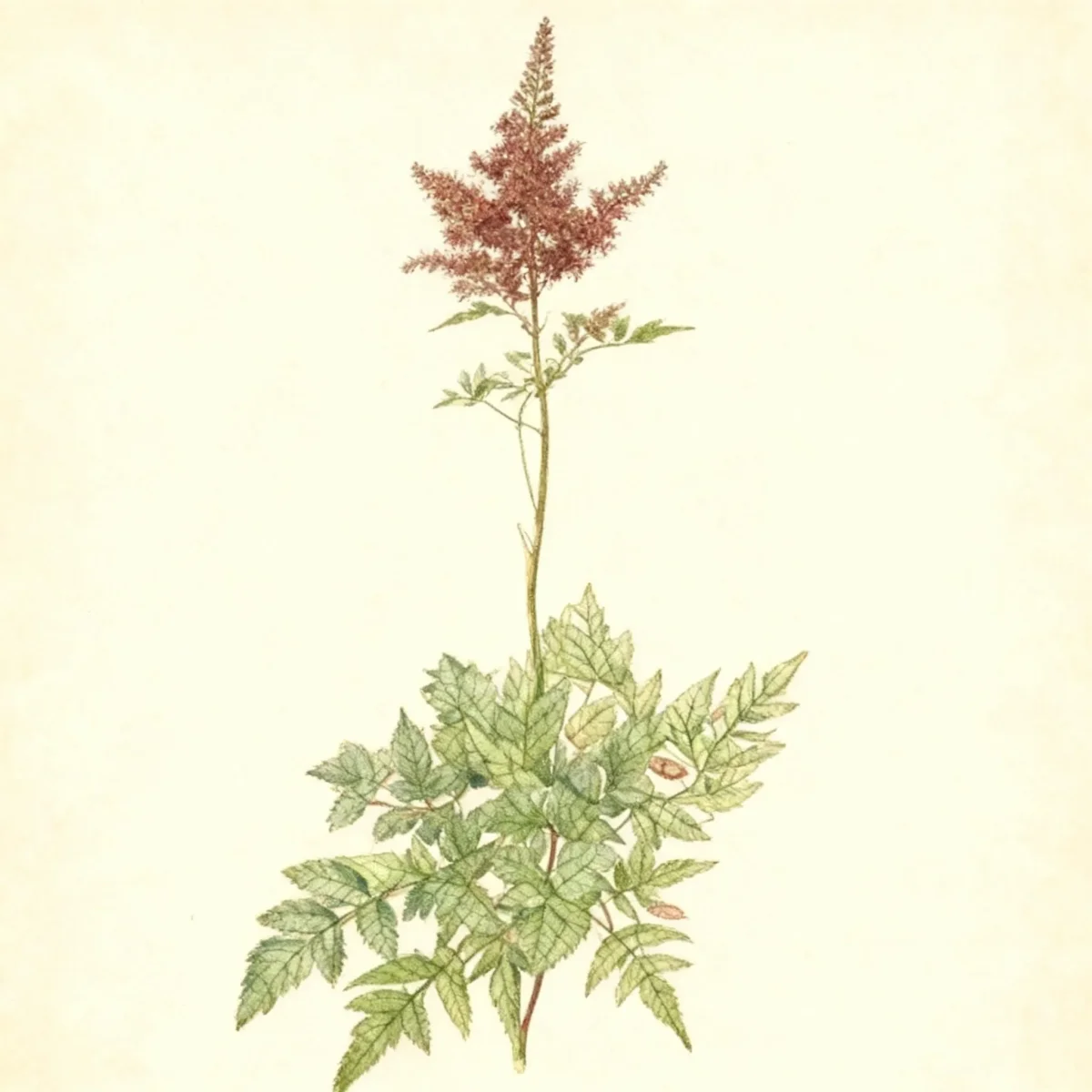
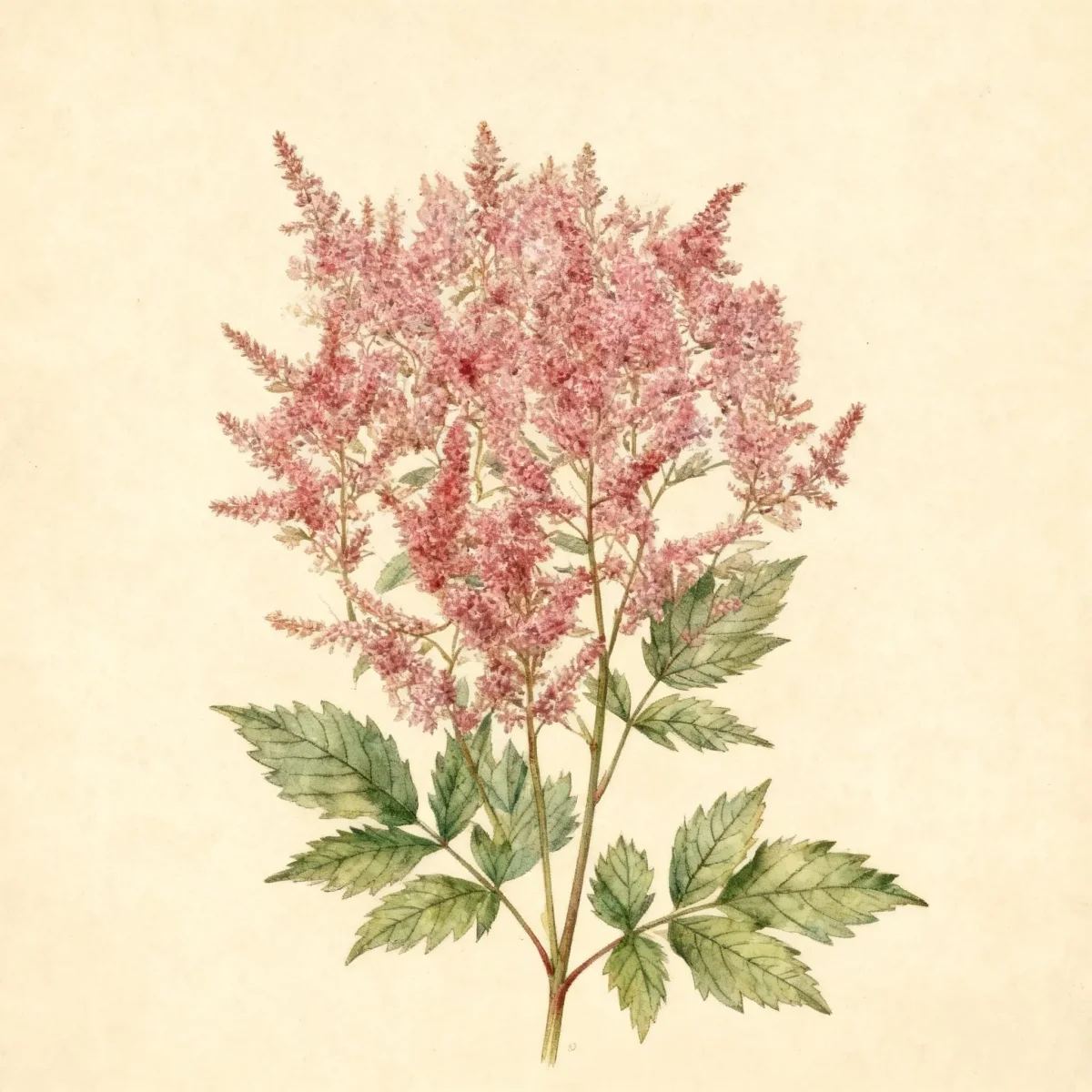
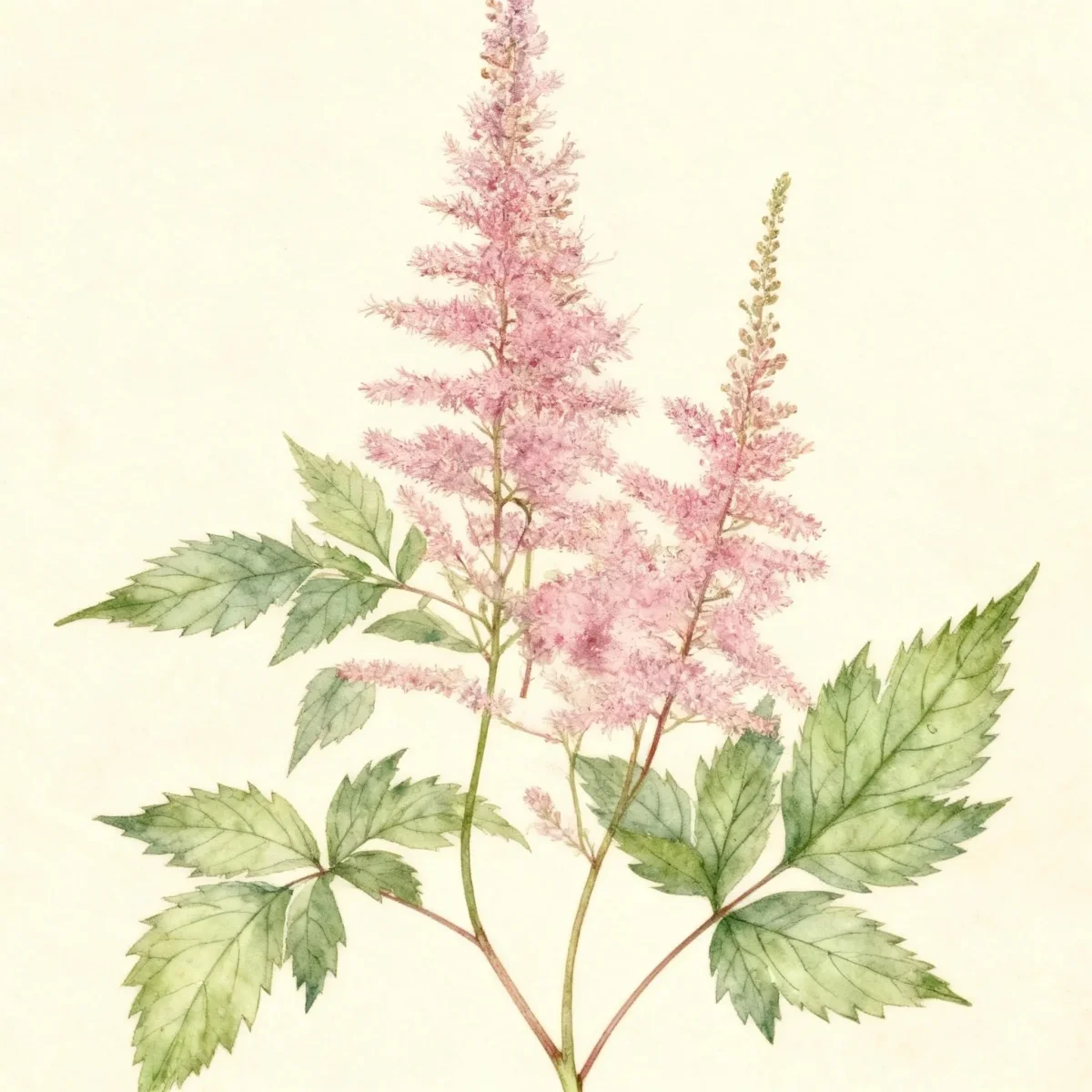
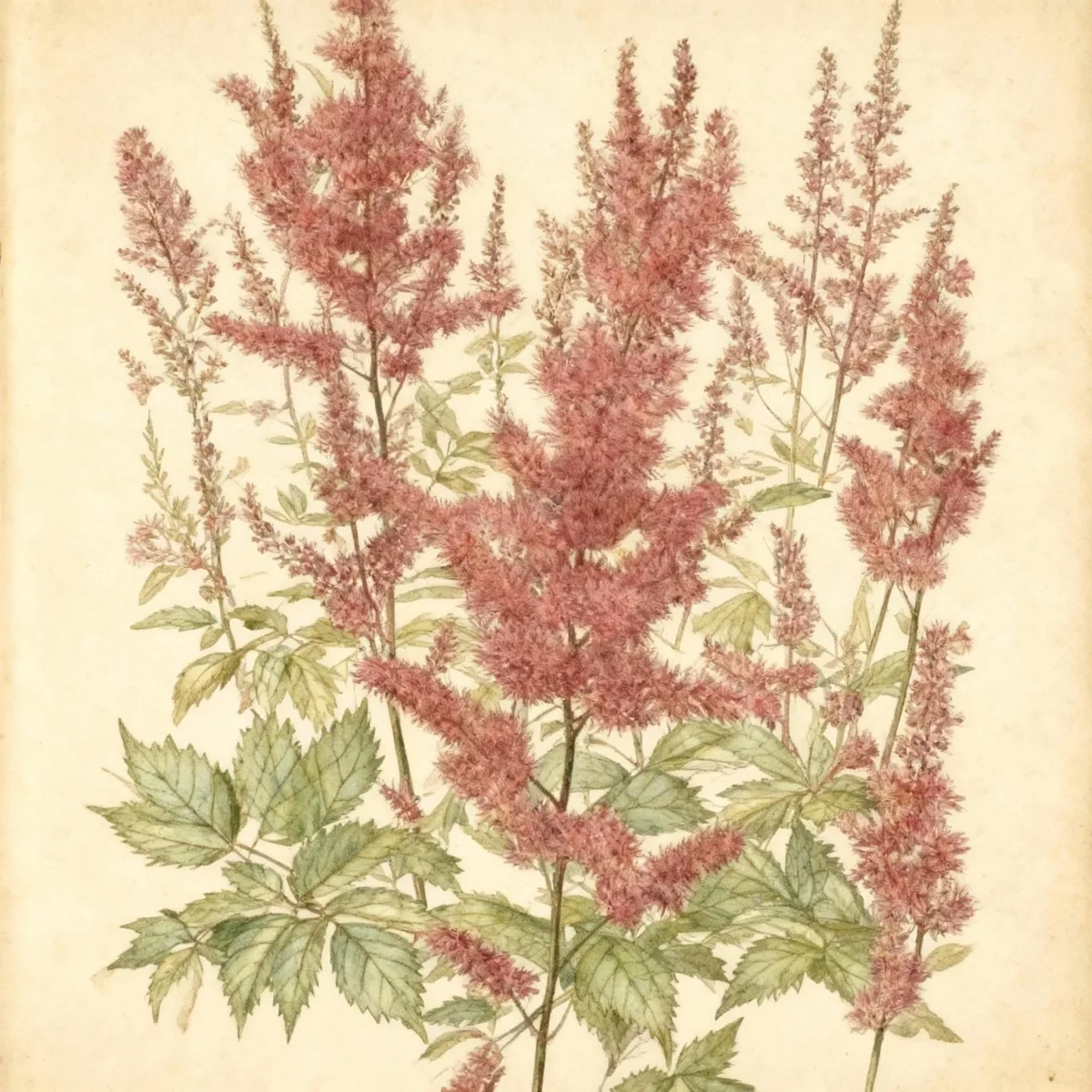
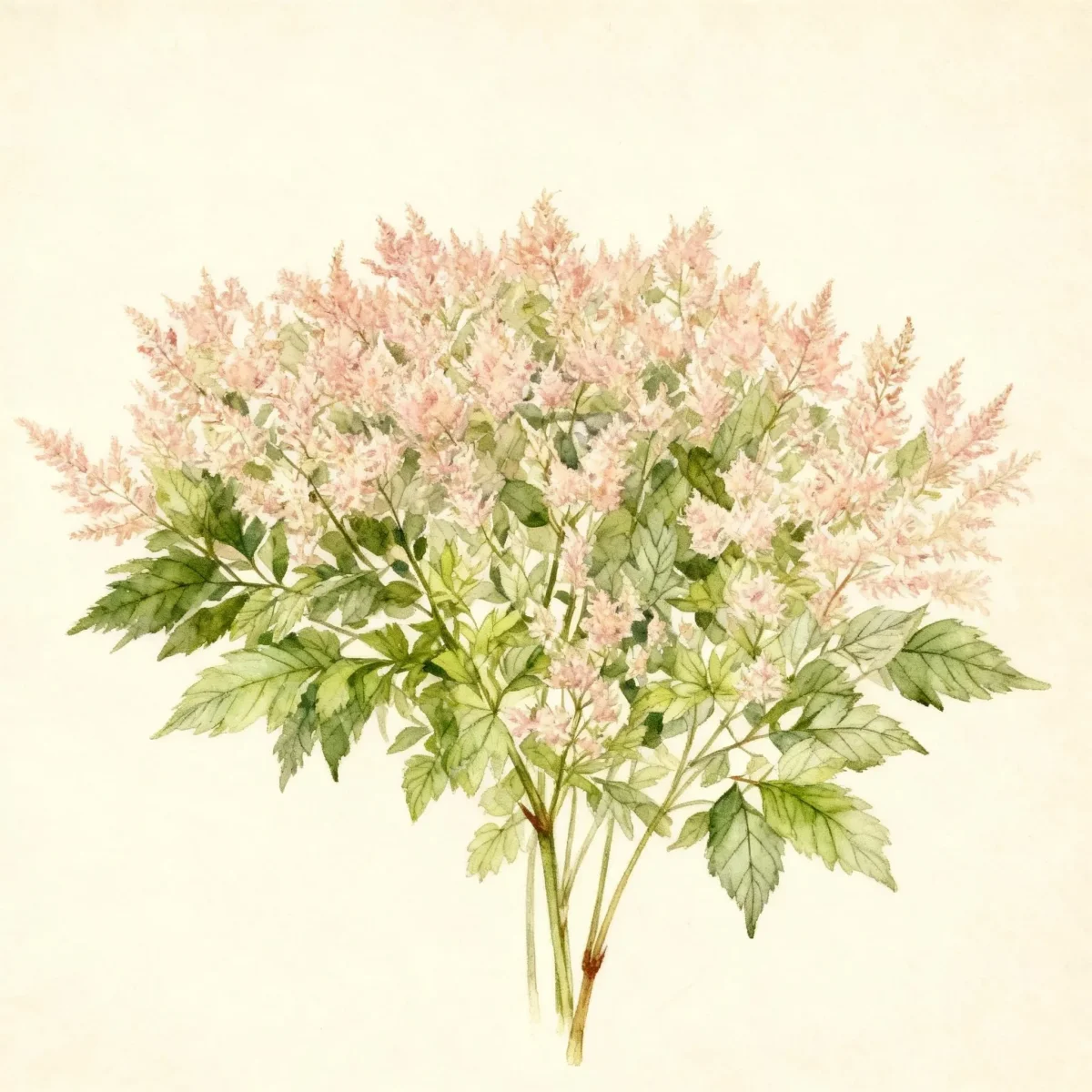
Astilbe (Astilbe 'Erica')
Astilbe 'Erica' offers showy, light heather pink plumes in early summer, thriving in part shade. Low maintenance Astilbe for moist, humus-rich gardens.
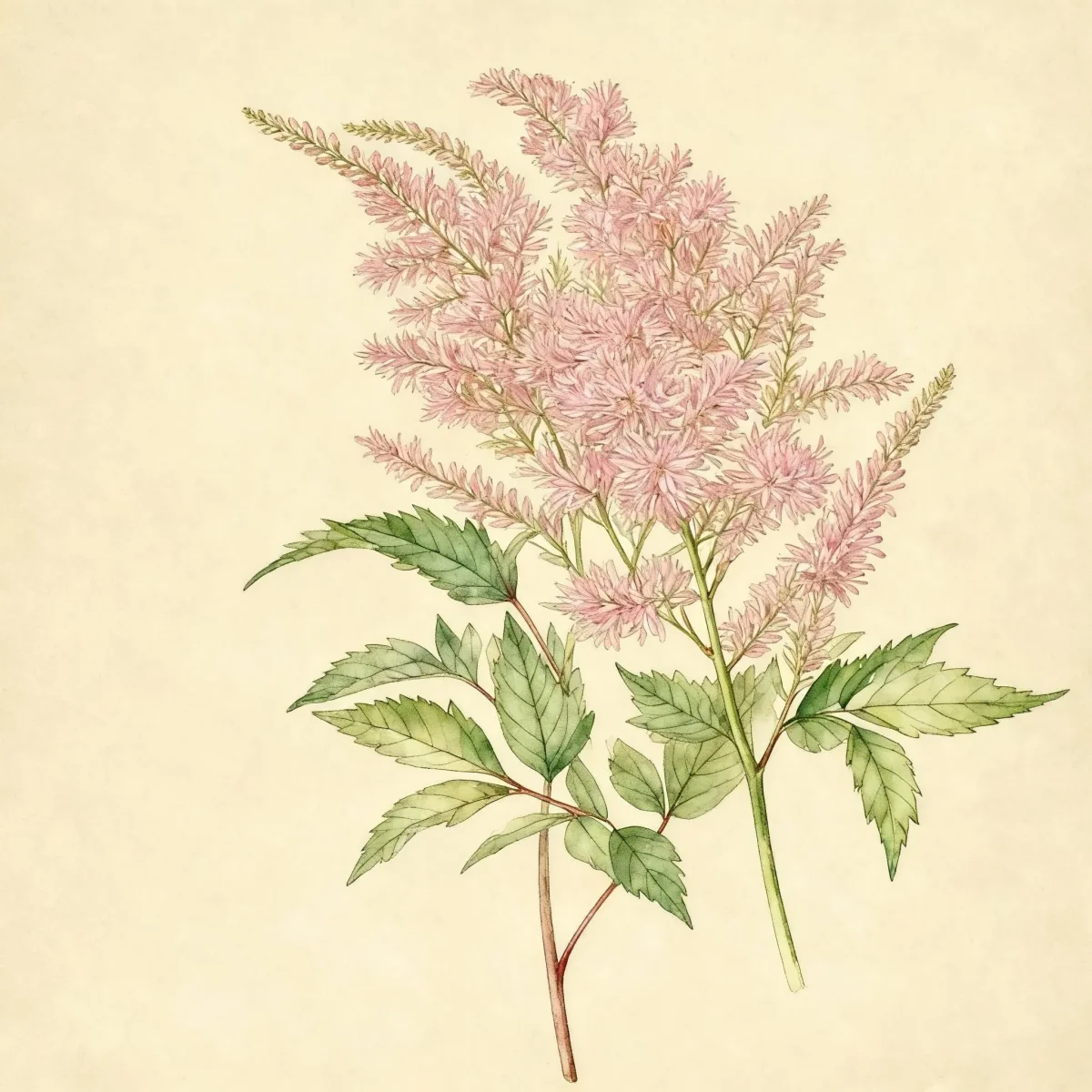

Bloom Boldly, No Matter the Season - Sweatshirt
Cozy organic cotton sweatshirt featuring our exclusive Purple Coneflower design. Perfect for gardeners who bloom year-round.
Inspired by the beautiful Astilbe
Limited first batch (50) — join the waitlist for early access
Waitlist closes Feb 15, 2026.
Complete Plant Information
Field Guide Continues
Ready for care notes, companion picks, and planting tips?
The map is just the start. The full guide below covers growth habits, seasonal performance, and landscape uses.
Overview
Astilbe ‘Erica’ is a superb choice for gardeners seeking vibrant color in deep shade where many other perennials struggle. This cultivar is renowned for its elegant, airy plumes of light heather pink flowers that emerge in early summer, contrasting beautifully with its rich, fern-like foliage. As a low-maintenance herbaceous perennial, Astilbe provides dependable year after year structure and texture to woodland settings.
The genus Astilbe is prized for its graceful mounds of foliage and the vertical accent provided by its flower spikes. Astilbe ‘Erica’ specifically grows to a respectable height of up to 3 feet, making it an excellent mid-border plant. Its tolerance for heavy shade and resistance to common garden pests like deer and rabbits make it a reliable workhorse in challenging garden locations.
Gardeners value Astilbe ‘Erica’ for its enduring aesthetics; the foliage emerges bronze before settling into a dark green, and the flower panicles offer interest even when dried. Successfully growing this Astilbe variety relies on providing consistent moisture, ensuring these highlights remain visible throughout the growing season.
Fast Facts
- Plant Family: Saxifragaceae
- Plant Type: Herbaceous perennial
- Hardiness Zones: USDA Zones 4-9
- Size at Maturity:
- Height: 2.5-3 ft
- Spread: 1.5-2 ft
- Bloom Time: June to July
- Bloom Description: Pink
- Sun Exposure: Part shade to full shade
- Water Needs: Medium
- Maintenance Level: Low
How to Grow
Planting Astilbe ‘Erica’ is best done in spring or fall, ensuring the location provides part shade to full shade. These plants thrive in average, medium-moisture, well-drained soils that are humusy and organically rich. Providing the proper soil structure is key to preventing stress, as Astilbe cultures dictate that soils must not be allowed to dry out completely, especially during hot summer spells.
Consistent watering is mandatory throughout the growing season. If regularly watered, the attractive foliage of the Astilbe will remain lush and showy. Applying a summer compost mulch helps significantly in retaining this essential soil moisture and moderating soil temperatures around the root zone.
Maintenance for Astilbe is generally low once established. While deadheading faded flower stalks can clean up the appearance after the bloom period, many gardeners choose to leave the dried seed heads for winter interest. Mature clumps of Astilbe ‘Erica’ should be divided every three to four years when they begin to overcrowd their space.
Landscape Uses
Astilbe ‘Erica’ is perfectly suited for creating lush, cool-toned environments in shaded sections of the landscape. Its height and plume structure make it an excellent choice for mass plantings or grouping within woodland gardens, providing vertical rhythm above lower-growing shade groundcovers. These plants perform well at the front of shaded borders or along cottage garden edges where moisture is plentiful.
Consider using Astilbe ‘Erica’ near shaded water features, such as pond or stream banks, capitalizing on its medium water needs. In mixed shade borders, pair this variety with plants offering contrasting textures, such as Hostas, Ferns, or Bleeding Hearts, creating a rich tapestry of leaf shapes. It also serves effectively as an edging plant or to soften the base of foundations on the shady side of a structure.
Standout Features
Flower Qualities
- Showy
- Good Cut
Noteworthy Characteristics
Astilbe is a genus of around 20 species of clump-forming, herbaceous perennials native to eastern Asia and eastern North America. Plants are characterized by graceful, fern-like mounds of mostly basal, 2-3 ternately compound leaves, usually with sharply-toothed leaflets, and tiny flowers densely packed into erect to arching, plume-like flower panicles rising above the foliage on slender, upright stems. This cultivar, Astilbe ‘Erica’, features open, narrow panicles of light heather pink flowers on upright stems up to 3 feet tall, making it a standout specimen in the shade garden.
Tolerances
- Rabbit
- Deer
- Heavy Shade
- Black Walnut
Potential Problems
The primary cultivation challenge for Astilbe ‘Erica’ involves moisture management. Foliage decline, characterized by the leaves browning up prematurely, frequently occurs in hot summers or during periods of drought if the soil moisture level drops too low. Ensure deep, consistent watering is provided to prevent this foliage scorching.
While generally robust, Astilbe can occasionally face foliar diseases such as powdery mildew or wilt, particularly in areas with poor air circulation. Furthermore, Japanese beetles may show a preference for chewing on the leaves. Since deer and rabbits typically avoid consuming this Astilbe, pest management efforts can focus on cultural remedies for mildew and physical protection against occasional insect feeding.
Frequently Asked Questions
What hardiness zones is Astilbe ‘Erica’ suitable for?
Astilbe ‘Erica’ is reliably hardy in a wide range, suitable for USDA Zones 4 through 9.
How large does Astilbe ‘Erica’ grow?
This cultivar reaches a mature height between 2.5 and 3 feet tall, with a spread typically ranging from 1.5 to 2 feet wide.
What sun exposure does Astilbe need?
Astilbe ‘Erica’ prefers part shade conditions but performs excellently even in full shade, making it ideal for dark garden spots.
When does Astilbe ‘Erica’ bloom?
This variety produces its lovely pink plumes from June into July, providing dependable mid-season color.
Conclusion
Astilbe ‘Erica’ is an invaluable addition to any shaded garden space, offering both vibrant visual texture and reliable bloom time during the height of summer. Its cultural needs—moist, rich soil, and tolerance for heavy shade—are straightforward to meet, rewarding the gardener with low-maintenance beauty. Before planting, confirm your growing zone falls within USDA 4-9 to ensure this wonderful Astilbe cultivar flourishes for years to come.
Companion Planting for Shade Gardens
When designing a cool, moist shade garden around your Astilbe ‘Erica’, consider companions that complement its vertical plumes with contrasting leaf textures. Hosta varieties offer broad, bold leaves that create an excellent foil to the delicate, airy flowers of the Astilbe. Ferns, such as Japanese Painted Fern or Ostrich Fern, share similar moisture requirements and reinforce the woodland aesthetic.
Plants like Ligularia provide splashes of yellow or cream that pop against the pink blooms of Astilbe. If you desire ground cover elsewhere in the area, consider Brunnera macrophylla, whose silver-splashed foliage brightens the darkest corners while enjoying the same humus-rich, moist soil conditions that Astilbe ‘Erica’ demands.
Seasonal Care Calendar
Spring preparation is crucial for successful Astilbe growth. As new shoots emerge, incorporate a layer of aged compost around the base of the plants; this acts as both enrichment and mulch to retain moisture. During summer, focus entirely on watering; if the foliage shows signs of distress, increase water volume immediately, avoiding overhead sprinkling late in the evening to minimize fungal risk.
In the fall, decide whether to cut back the faded stalks. Leaving the dried seed heads of Astilbe ‘Erica’ provides visual structure through winter, especially when frosted. If cut back, ensure debris is cleared to reduce overwintering fungal spores. Winter protection is generally unnecessary in zones 4-9, provided the soil remains consistently moist heading into dormancy.